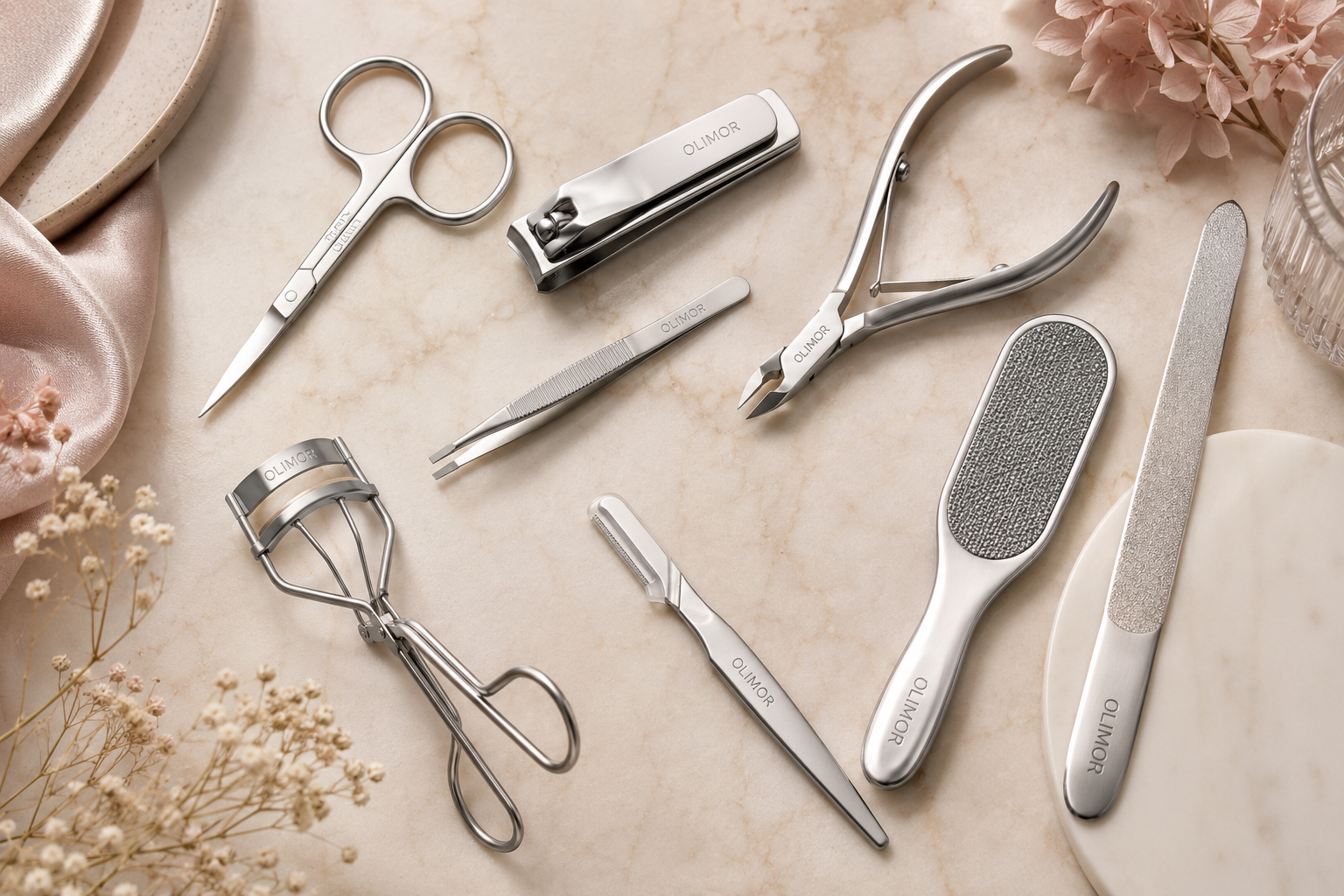











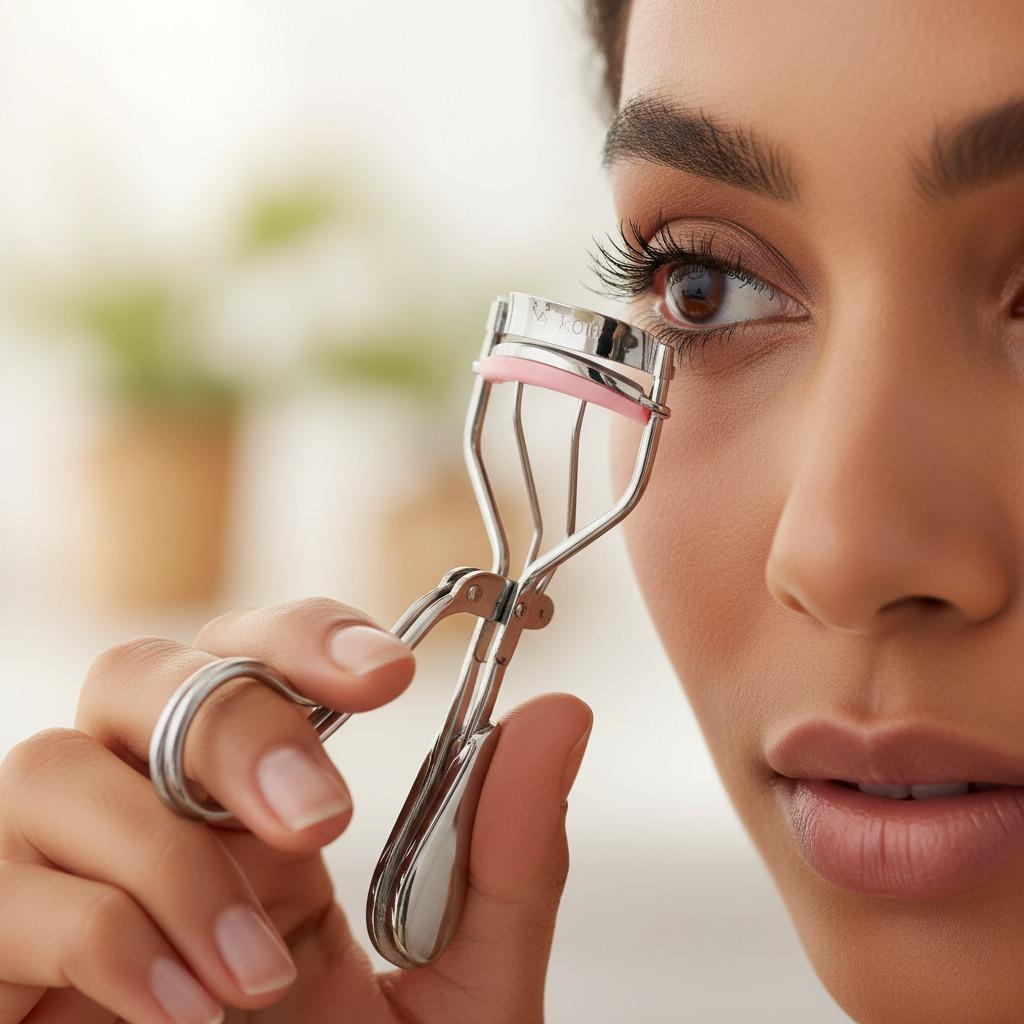
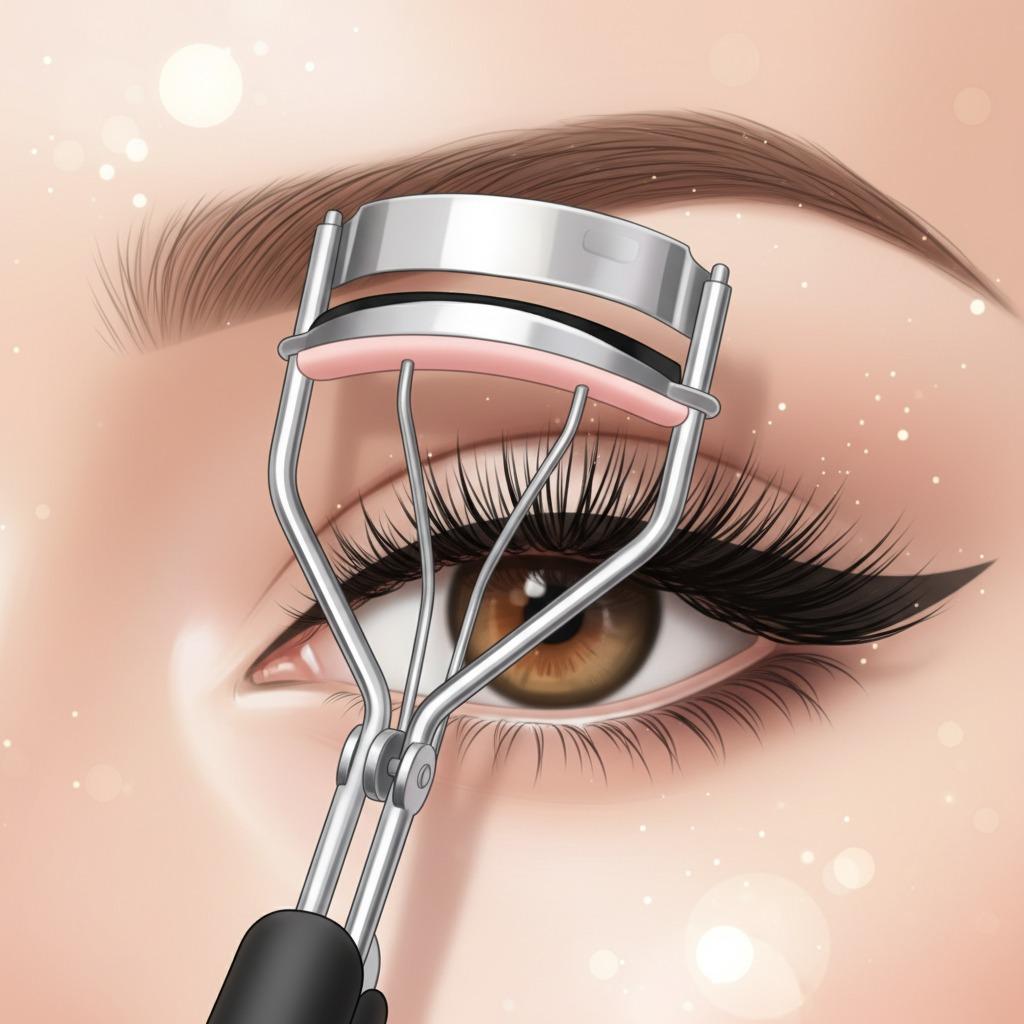
An eyelash curler looks simple, but the silicone pad is one of the parts that decides whether the tool feels comfortable, clean and reliable. The pad sits between the upper pressing edge and the lashes. It cushions pressure, helps distribute force along the lash line and reduces the chance of a sharp crimp. When the pad is cracked, flattened, loose or dirty, even a well-shaped frame can give poor results.
This guide explains how to inspect, replace and maintain eyelash curler pads, and how beauty retailers, distributors, salons and private-label buyers can evaluate pad quality when sourcing. It focuses on practical checks rather than exaggerated claims: pad fit, frame alignment, hinge movement, cleaning habits, replacement planning and supplier communication.
Olimor Beauty offers beauty tools including eyelash curlers for regular beauty routines. If you are comparing beauty tool products, treat the silicone pad as a functional component rather than an accessory. It affects user comfort, repeat-use satisfaction and the perceived value of the tool after purchase.
Why the Silicone Pad Matters
The silicone pad supports the lash during curling. When the handles close, the upper edge of the curler presses the lashes into the pad. A suitable pad should feel resilient, sit level in its channel and rebound after pressure. It should not feel sticky, brittle, overly hard, cracked or loose.
If the pad no longer cushions evenly, several problems can appear. Lashes may bend sharply instead of forming a smooth curve. Some sections may curl while others stay straight. The user may feel pinching or may apply extra force to compensate, which can increase stress on the lashes. A damaged pad can also collect makeup residue, skin oils and dust more easily.
For individual users, the pad affects daily comfort and hygiene. For B2B buyers, it is part of the customer experience after the sale. A curler may look attractive in packaging, but customers will notice if the pad shifts, deforms quickly or is difficult to replace. Pad quality is therefore a useful indicator of whether the product has been considered as a complete tool, not just a metal frame.
When to Replace an Eyelash Curler Pad
A common guideline is to replace eyelash curler pads every 3 to 6 months, depending on how often the curler is used. Daily use, heavy mascara residue, loose storage and frequent travel can all shorten the useful life of a pad. Occasional users may not need replacement as often, but the calendar should never be the only decision point.
Replace the pad immediately if you see or feel any of the following issues:
- Cracks, cuts or splits: A sliced surface cannot cushion pressure evenly.
- Deep grooves: A permanent groove from the pressing edge means the pad is no longer rebounding properly.
- Flattening: A compressed pad may reduce curl quality and encourage the user to squeeze harder.
- Sticky or stubborn residue: Makeup and oils that cannot be cleaned away can make lashes cling to the pad.
- Loose fit: A pad that slides or lifts from the channel can create uneven contact.
- Uneven curling: If one side curls more sharply than the other, inspect both pad wear and frame alignment.
- New discomfort: Pinching can come from technique, but pad damage should be checked first.
For safer daily habits, inspect the pad before use. This is especially important when the curler has been stored in a crowded makeup bag with powders, creams, brushes or other tools.
How to Inspect Pad Fit, Frame Alignment and Hinge Movement
Pad replacement is not only about inserting a new strip of silicone. The pad works together with the frame, hinge and upper clamp. A replacement pad can only perform well if the tool is aligned and moving smoothly.
Check the pad channel
The pad should sit fully inside the channel without lifting at the ends. It should be centered, level and stable when the curler opens and closes. If the pad pops out, check whether the channel contains old residue or whether the replacement pad is the wrong size for that curler.
Check the upper pressing edge
Open and close the curler slowly without placing it near the eye. The upper edge should meet the pad evenly across the full width. If one side touches first or presses more deeply, the frame may be misaligned. Do not try to correct a bent frame near the eye; inspect the tool carefully and replace it if it cannot close evenly.
Check hinge movement
The hinge should move smoothly, without scraping, wobbling or sudden resistance. Smooth movement helps the user control pressure near the eyelid. If the hinge feels unstable, pad replacement alone may not solve the problem.
Check the handles
Comfortable handles support controlled pressure. Olimor eyelash curlers are described with ergonomic stainless steel designs, and that combination matters because a stable frame and comfortable handling help users avoid squeezing too hard. When evaluating any curler, the pad, frame and handle should be reviewed together.
Step-by-Step Pad Replacement
Replacing a silicone pad is usually simple, but careful handling protects the tool and improves the result. Always use a pad that fits the curler’s channel and width. A pad that is too narrow, too tall, too short or too soft may shift or create uneven contact.
- Wash and dry your hands. Clean hands reduce the chance of transferring oils and debris to the new pad.
- Open the curler fully. Make sure you can see the full pad channel before removing the old pad.
- Remove the worn pad gently. Lift it out from one end. Avoid sharp tools that may scratch the frame or damage the pressing area.
- Clean the channel. Use a soft cloth or cotton swab to remove makeup residue, dust and oil from the groove.
- Insert the new pad evenly. Press it into the channel from one end to the other so it sits flat and centered.
- Test the closing action. Open and close the curler slowly. Confirm that the upper edge contacts the pad evenly and does not push it out.
- Test before using near the eye. If the movement feels rough, if the pad shifts or if the tool looks misaligned, do not use it until the issue is resolved.
If replacement pads do not stay in place, do not force them. The cause may be incorrect pad dimensions, residue in the channel or frame deformation. B2B buyers comparing compatible tools or replacement-pad planning can contact Olimor with product requirements and intended sales channel.
Cleaning and Daily Use Habits That Protect Lashes
Good maintenance extends pad life and improves the user experience. The most important habit is to curl clean lashes before applying mascara. Dried mascara can make lashes stiff and sticky, which increases residue on the pad and may cause lashes to tug when the curler opens.
Use gentle, controlled pressure rather than repeated hard squeezing. Place the curler close to the lash base without catching eyelid skin, close the handles lightly, hold briefly and release before repositioning. For a softer curve, some users move slightly outward along the lashes and repeat with less pressure. Pressing hard in one place can create a crimp and may shorten pad life.
After each use, wipe the pad and metal surfaces with a clean, soft cloth. If residue is visible, use a gentle cleaning method suitable for the tool and allow it to dry fully before storage. Avoid leaving the curler in damp conditions. Do not store it under heavy items, because pressure can deform the frame or pad.
Hygiene expectations may differ by market and sales channel. For general consumer products, buyers should verify current requirements from relevant authorities in their target market, such as the U.S. Consumer Product Safety Commission for consumer product safety or the European Commission for EU product safety rules. These references do not imply certification; they are starting points for checking current obligations, supplier documents and product labeling requirements.
Comparison Checklist for Users and B2B Buyers
Whether you are choosing one curler for personal use or selecting a product for retail, evaluate the tool as a complete system. The following checklist can help compare samples and avoid focusing only on appearance.
| Checkpoint | What to look for | Why it matters |
|---|---|---|
| Pad fit | Pad sits level, centered and secure in the channel | Reduces shifting and uneven pressure |
| Pad surface | No cracks, cuts, deep grooves or sticky residue | Supports cleaner contact with lashes |
| Pad resilience | Pad cushions and rebounds after pressure | Helps create a smoother curl without excessive force |
| Frame alignment | Upper edge meets the pad evenly across the width | Improves consistency from inner to outer lashes |
| Hinge movement | Smooth opening and closing without wobble or scraping | Gives the user better control near the eye |
| Handle comfort | Shape supports a stable grip and controlled squeeze | Helps reduce over-pressing |
| Replacement planning | Spare pads or compatible replacements are considered | Extends product usefulness after purchase |
| Cleaning access | Pad channel and frame can be wiped easily | Supports routine maintenance and hygiene |
| Packaging and instructions | Care guidance is clear for the target user | Reduces misuse and avoidable complaints |
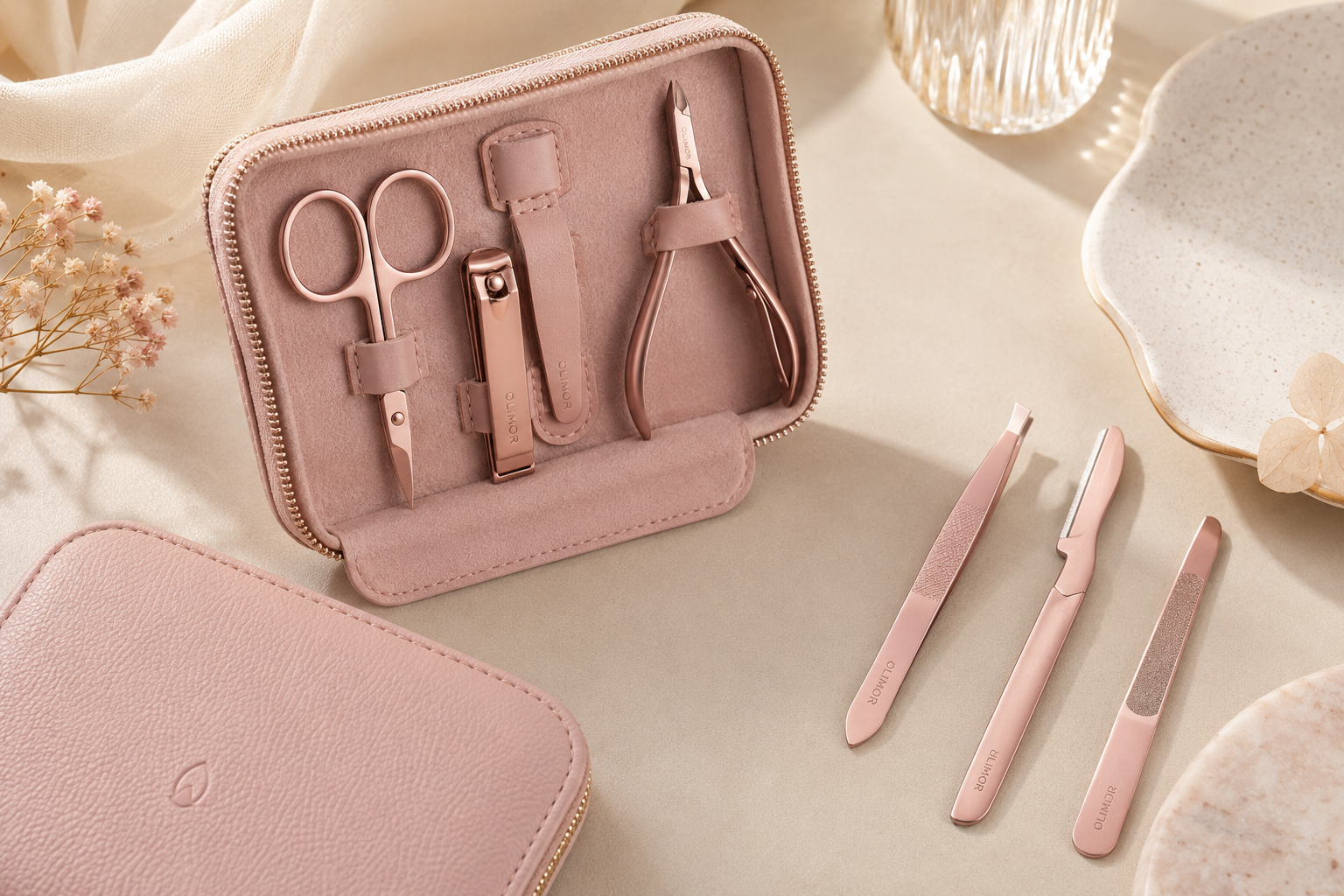
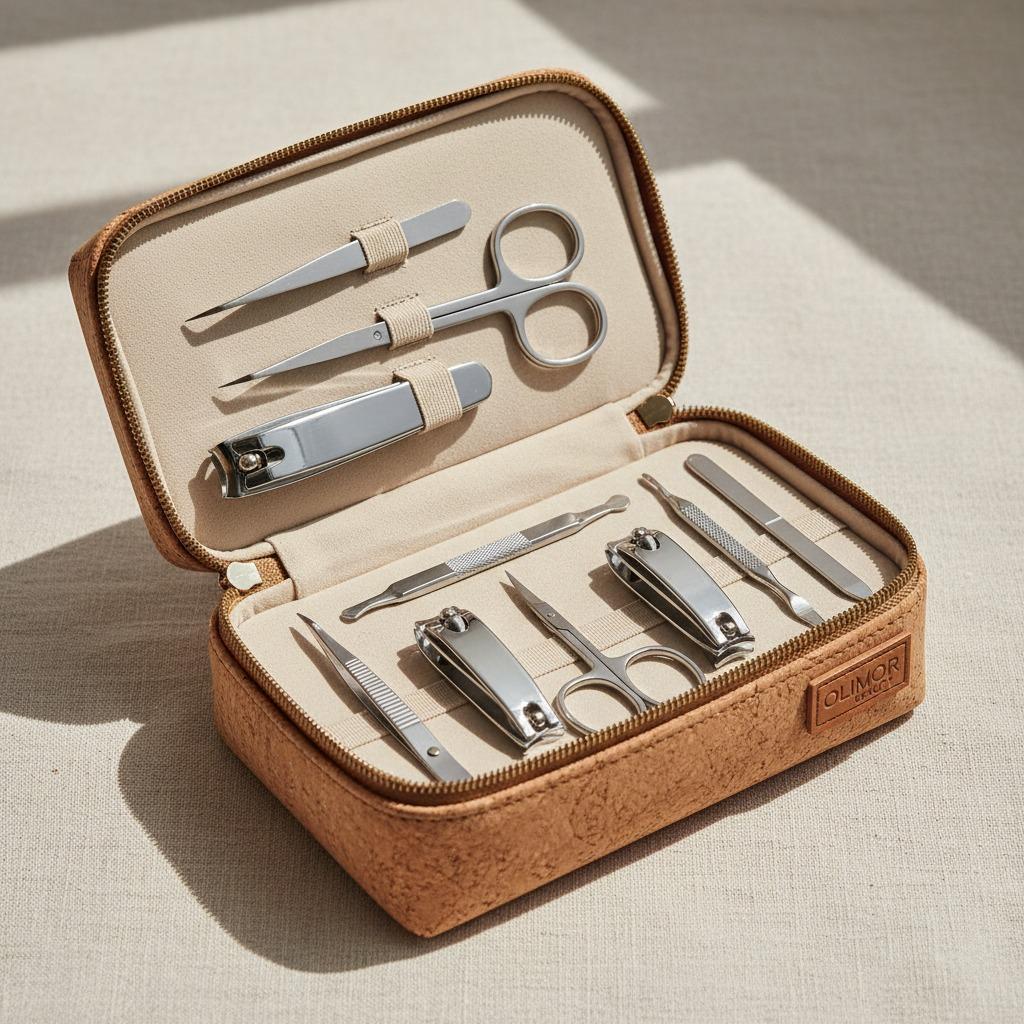
For assortment planning, consider how eyelash curlers fit with other beauty tools such as tweezers, lash combs, makeup brushes and travel accessories. Buyers can review broader beauty tool collections when planning coordinated retail or promotional ranges.
Cost Factors and Sourcing Questions
Eyelash curler cost is influenced by more than the visible frame. Buyers should consider the frame material and finish, pad quality, hinge construction, handle design, packaging, spare pad requirements, inspection expectations and customization needs. A lower unit cost may not provide better value if the pad shifts, wears quickly or creates customer complaints.
Before requesting a quotation or sample review, prepare practical questions. These questions help suppliers understand the program without requiring invented claims or assumptions:
- What curler styles and frame finishes are available for the intended market?
- What replacement pad options are compatible with the selected curler?
- Can packaging include care instructions for pad inspection, cleaning and replacement?
- What customization options are available for branding, packaging or assortment planning?
- What quality checks are used for pad fit, hinge movement and frame alignment before shipment?
- What documents can the supplier provide for the target market and product type?
For private-label or distribution projects, define the intended channel before final selection. A daily retail curler may prioritize comfort, replacement pad planning and clear care instructions. A salon kit may emphasize easy cleaning and repeated handling. A travel or gift set may require compact packaging and a simple user guide.
Problem Solving: What to Do When Curling Results Change
If a curler that once worked well starts giving poor results, inspect the pad first. A weak curl may mean the pad has flattened or the user is curling over product residue. A sharp bend may mean the pad has a deep groove or the user is squeezing too hard. Pinching may indicate poor placement, frame misalignment or a damaged pad.
If the pad looks clean and resilient but results are still uneven, check the frame. A dropped curler can bend slightly even if the damage is not obvious. Close the curler slowly and watch whether the upper edge lands evenly on the pad. If one side closes first, the tool may no longer apply balanced pressure.
If lashes stick to the pad, review product order and cleaning habits. Curling after mascara, especially after mascara has dried, can leave residue and increase tugging. Clean the pad, allow the tool to dry and return to curling before mascara whenever possible.
If replacement pads repeatedly fall out, do not assume every pad is universal. Pads vary by curler design. Use pads intended for the specific curler style, and check whether residue in the channel is preventing a secure fit.
Supplier Evaluation for Retailers, Distributors and Private Label Buyers
Supplier evaluation should include hands-on sample inspection. Look at the product under normal handling conditions, not only in product photos. Open and close the curler repeatedly, inspect the pad fit, check the frame alignment and review how easily the pad can be cleaned or replaced. If possible, compare multiple samples from the same batch to see whether the fit and movement are consistent.
Ask for product details that relate to actual use: frame design, pad compatibility, packaging options, care guidance and inspection process. Avoid relying on unsupported claims. If a supplier mentions compliance, certification or testing, ask for the current documents and verify whether they apply to the exact product, market and shipment. Standards and regulations can change, so buyers should confirm current versions before purchase decisions.
Olimor can support beauty tool sourcing discussions for buyers planning eyelash curlers within a broader assortment. To share target market, tool types, branding needs or packaging preferences, send an eyelash curler sourcing inquiry.
FAQ
Can I request samples before placing a larger order?
Sample availability depends on the product style and sourcing request. Buyers should share the intended market, preferred curler type, packaging needs and any replacement pad expectations so the supplier can respond accurately.
Is there a fixed MOQ for eyelash curlers?
MOQ can vary by product, customization level and packaging requirements. Confirm the current MOQ directly for the selected curler rather than assuming one quantity applies to every project.
Can eyelash curlers be customized for private label programs?
Customization may involve branding, packaging or assortment planning, depending on the product and order requirements. Provide artwork needs, market position and packaging goals during inquiry so options can be reviewed.
How should quality be checked before shipment?
Useful checks include pad fit, pad surface condition, frame alignment, hinge movement, handle comfort, visual finish and packaging accuracy. Buyers should also request applicable supplier documents for the target market.
How long does production or delivery take?
Lead time depends on product selection, order quantity, customization, packaging and confirmation process. Ask for the current schedule when submitting the final requirements.
Final Takeaway
The silicone pad is a small part of an eyelash curler, but it has a large effect on comfort, cleanliness and curl consistency. Replace pads every 3 to 6 months as a general guideline, and sooner if you see cracks, grooves, flattening, residue that will not clean away or a loose fit. Curl clean lashes before mascara, use controlled pressure and inspect the tool regularly.
For B2B buyers, pad quality and replacement planning are important sourcing details. A dependable eyelash curler should have a stable frame, smooth hinge, comfortable handle and well-fitting pad. Reviewing these points before purchase helps create a better product experience for retail customers, salons and beauty tool programs.