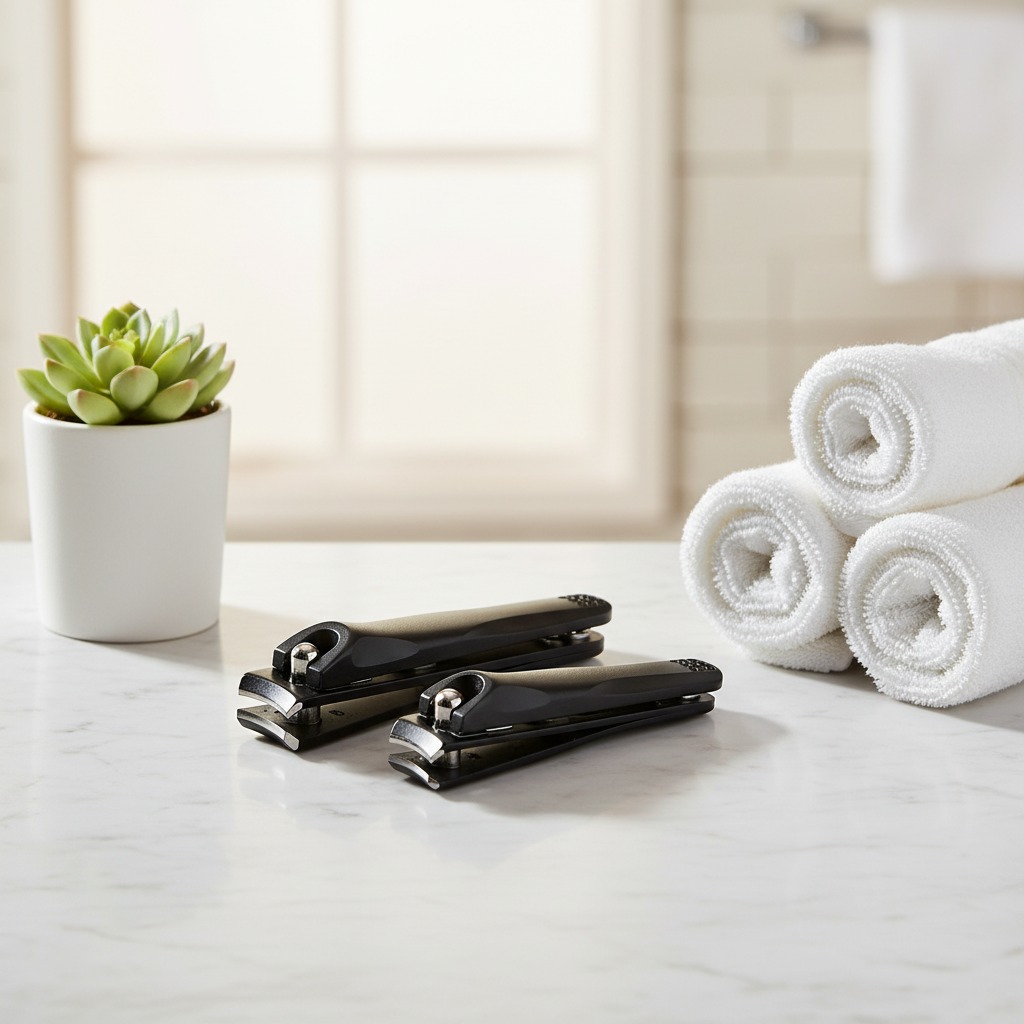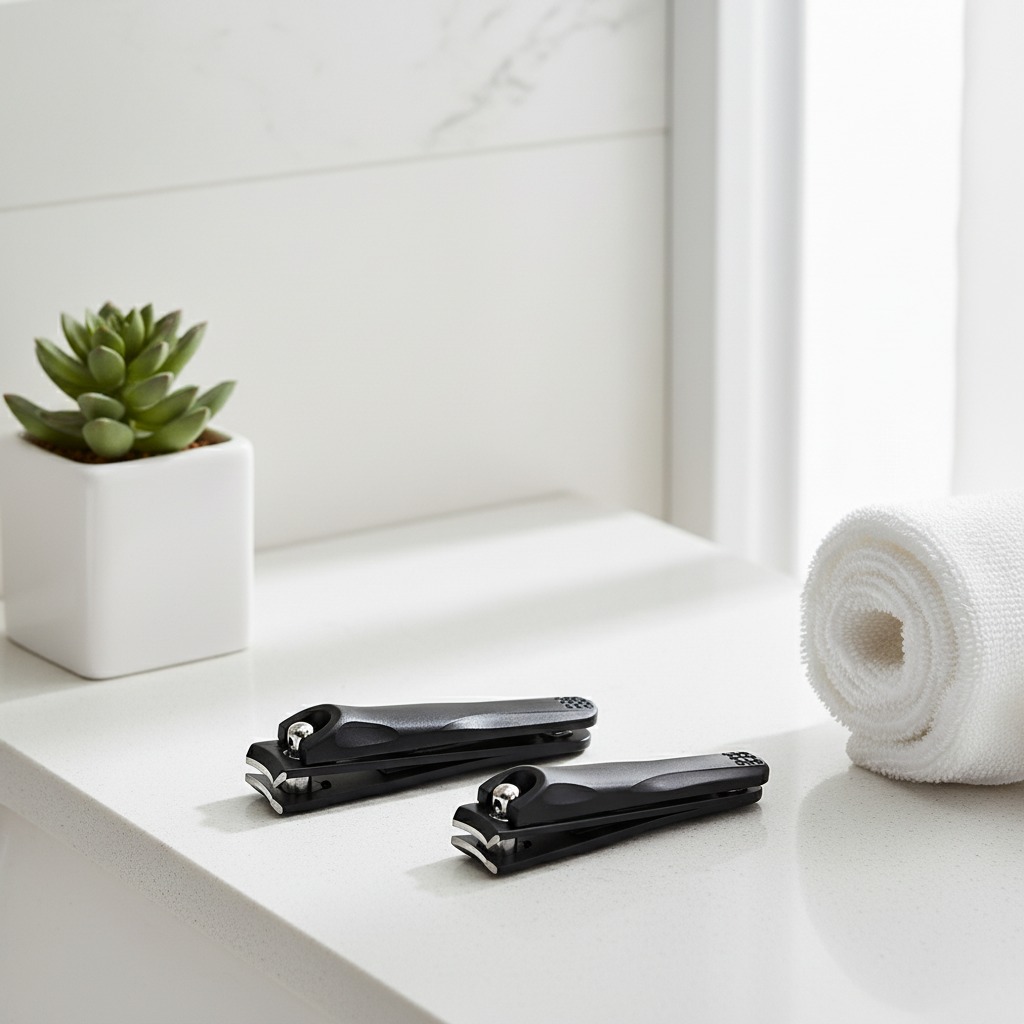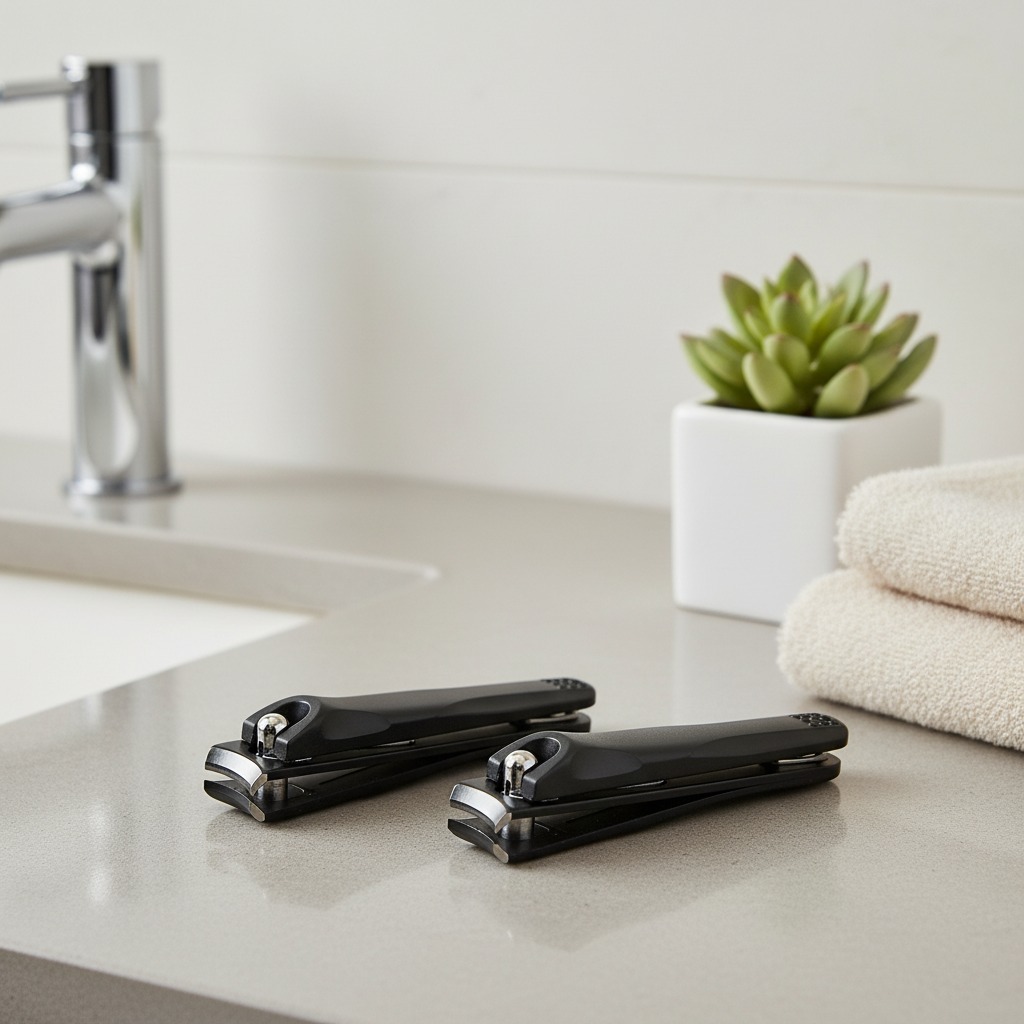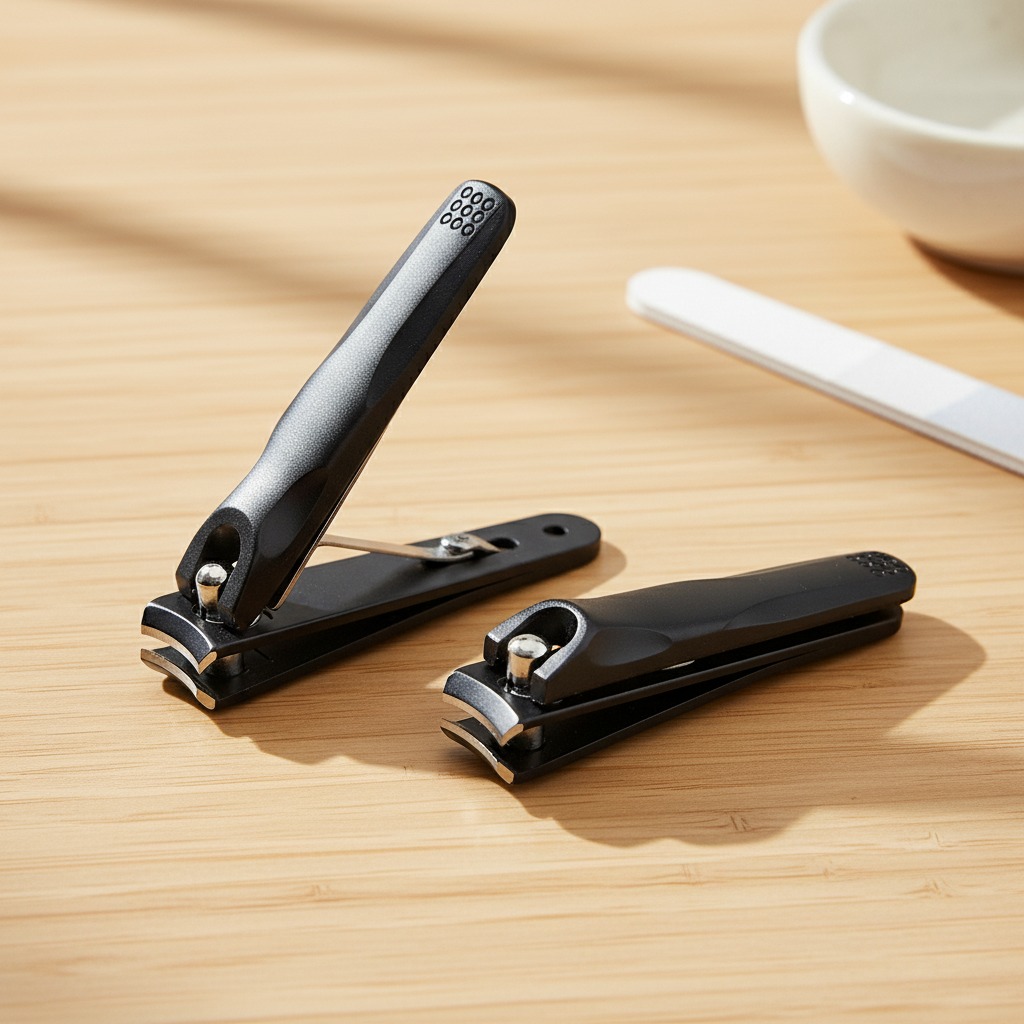











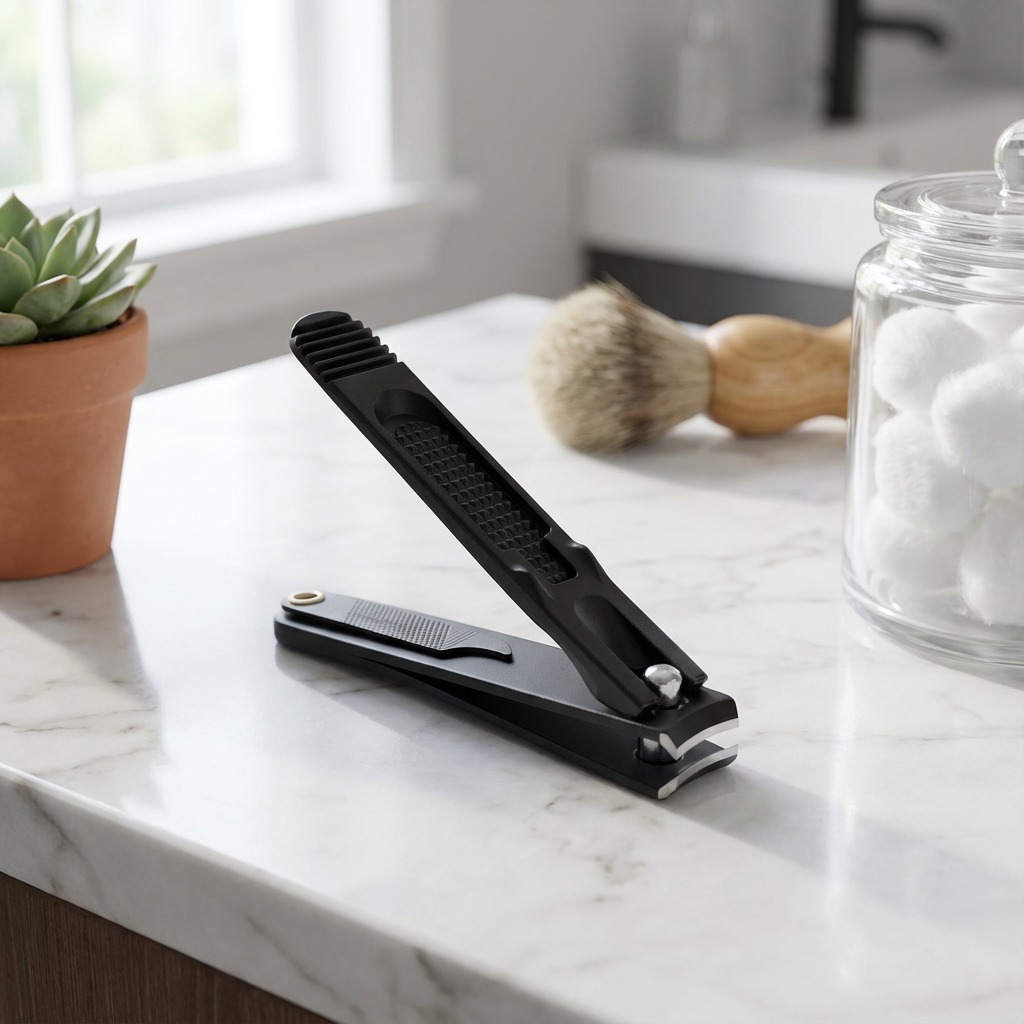
Wholesale nail clippers are small products, but they can create large sourcing problems when quality is inconsistent. A clipper that feels loose, cuts unevenly, rusts quickly, or arrives in weak packaging can lead to returns, poor reviews, and extra work for retailers, salons, distributors, gift-kit suppliers, and personal care brands. For bulk buyers, the goal is not simply to find a low unit price. The better goal is to source a nail clipper that matches the selling channel, user expectation, packaging plan, and reorder schedule.
Olimor Beauty supplies beauty and personal grooming tools for buyers who need practical product options at wholesale scale. When you are comparing wholesale nail clipper choices, focus on the details that customers notice immediately: blade alignment, cutting feel, handle comfort, surface finish, safety, and presentation. This guide explains how to evaluate nail clippers before placing a bulk order and how to structure a more reliable sourcing decision.
Start with the End User and Sales Channel
Not every bulk nail clipper order serves the same purpose. A retailer selling individual clippers has different needs from a hotel amenity supplier, a promotional kit buyer, or a salon distributor. Before comparing options, define where the clipper will be used and how the customer will judge it.
- Retail shelves: Packaging clarity, finish consistency, and a smooth cutting experience matter because shoppers compare products visually and through reviews.
- Salons and grooming services: Durability, comfortable grip, and easy cleaning are more important than decorative features.
- Travel or personal care kits: Compact size, secure closure, and simple packaging may be preferred.
- Gift sets and branded bundles: Surface finish, presentation, and compatibility with other grooming tools should be considered early.
- Value-focused distribution: The buyer should still check blade alignment and safety, even when the target price is competitive.
Once the use case is clear, it becomes easier to compare products from beauty tool products and decide whether the order should prioritize a compact clipper, a standard everyday design, or a more polished retail presentation.
Blade Quality: The First Point to Inspect
The cutting edge is the most important part of any nail clipper. The original function is simple: trim nails cleanly with controlled pressure. In bulk purchasing, however, small differences in blade quality become more important because they repeat across hundreds or thousands of units.
Stainless steel blades are commonly preferred for nail clippers because they can support sharp cutting performance and resist corrosion better than many lower-grade alternatives. For buyers, the key inspection point is not only the material description but also how the blade performs. A good clipper should close evenly, meet cleanly at the cutting edge, and avoid twisting when pressure is applied.
When reviewing samples, test multiple units rather than relying on one piece. Check whether the cutting edges are aligned from left to right, whether the lever moves smoothly, and whether the clipper trims without crushing or tearing. A clipper that requires excessive force can feel uncomfortable and may create a poor customer experience.
Ergonomics, Grip, and Everyday Handling
Ergonomic design is valuable because nail clipping requires control. The user often holds a small tool at an angle, sometimes with wet hands or reduced visibility. A clipper with a secure grip is easier to use and less likely to slip during trimming.
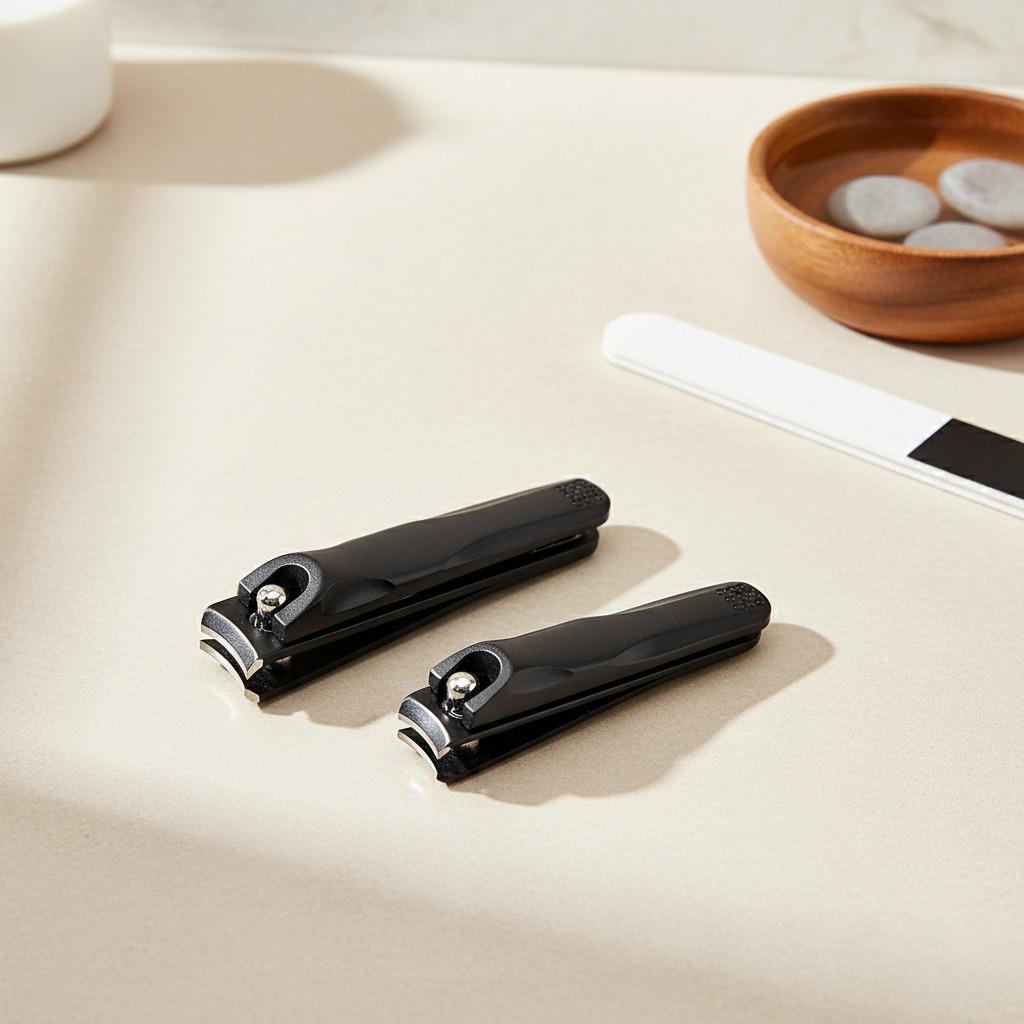
For wholesale buyers, ergonomics should be judged through handling, not just product photos. Look at the shape of the lever, the width of the body, and the texture or finish on the contact area. Some clippers may use matte finishes or textured surfaces to improve handling and create a more modern appearance. These features can be useful, but they should be evaluated for consistency across samples. If the finish varies noticeably or scratches easily during basic handling, it may affect customer perception.
Compact forms can be suitable for travel kits and daily carry, while larger clippers may feel more stable for home use. If your customers include older users or professional grooming environments, a stronger grip and easier leverage may be more important than the smallest possible size.
Bulk Buying Criteria That Reduce Risk
When buyers search for terms such as buy nail clipper in bulk, low MOQ nail clipper, or nail clipper bulk supplier, they often compare suppliers mainly by price and order quantity. Those factors matter, but they do not fully predict whether the order will perform well after delivery. A more useful comparison includes quality control, packaging suitability, communication, and repeat-order consistency.
| Selection Area | What to Check | Why It Matters |
|---|---|---|
| Blade alignment | Edges meet evenly and close without gaps | Supports clean trimming and fewer complaints |
| Lever action | Smooth movement without looseness | Improves user confidence and perceived quality |
| Surface finish | Consistent polish, matte finish, or texture | Affects retail appearance and grip |
| Packaging | Protection during shipping and clear presentation | Reduces damage and supports shelf sales |
| Batch consistency | Multiple samples inspected, not just one unit | Helps prevent surprises in large orders |
A structured checklist helps buyers compare offers more fairly. A lower unit cost may not be the best value if it leads to high defect rates, weak packaging, or inconsistent finish quality.
Packaging and Presentation for Wholesale Nail Clippers
Packaging is not only a marketing choice. It protects the clipper during handling, warehouse storage, and delivery. For small metal grooming tools, scratches, dents, and loose movement inside the package can make a new product look used. This is especially important for retail, gift sets, and ecommerce orders where the customer sees the item before using it.
Bulk buyers should decide whether they need simple bulk packing, individual retail packaging, or packaging suitable for a set. Individual packaging may be useful for resale and hygiene perception, while bulk packing may be more practical for internal kits or professional use. If the nail clipper is part of a larger grooming assortment, compare the finish and packaging style with related items in product collections so the final offer feels consistent.
Labeling and product information should also be planned early. Even when the clipper design is straightforward, buyers may need space for barcode labels, item names, care instructions, or market-specific information. Confirm the packaging approach before finalizing the order so that product, carton, and sales-channel needs are aligned.
Inspection Steps Before Confirming a Bulk Order
A practical inspection routine can prevent many common nail clipper sourcing problems. The process does not need to be complicated, but it should be consistent. Use the same tests for every sample set so that comparisons are objective.
- Visual check: Inspect the clipper body, blade area, lever, rivet, and finish for scratches, burrs, discoloration, or uneven coating.
- Opening and closing test: Move the lever several times and check for roughness, wobble, or misalignment.
- Cutting test: Test more than one unit to confirm the blades cut cleanly without crushing or dragging.
- Grip test: Hold the clipper at different angles and assess whether the surface feels secure.
- Packaging check: Shake and handle the package lightly to see whether the product shifts, scratches, or becomes loose.
- Carton review: Consider how the packaged clippers will stack, ship, and store in your warehouse or fulfillment process.
For repeat orders, keep an approved sample and written reference notes. This gives your team a clearer standard when reviewing later batches.
Working with a Nail Clipper Manufacturer or Supplier
A good nail clipper supplier should help buyers make decisions based on product fit, not just a catalog photo. If you are comparing a manufacturer, trading partner, or bulk supplier, review how clearly they can discuss the product’s construction, finish, packaging, and quality control process. Clear communication is especially important when the order will be sold under a retail program or included in a larger beauty tool range.
Useful sourcing questions include: Which clipper sizes are available for the intended channel? What finish options are suitable for frequent handling? How is blade alignment checked? What packaging formats are practical for the order type? What sample review process is recommended before production? These questions help narrow the options without assuming details that have not been confirmed.
If you are preparing a purchasing brief, include target market, sales channel, packaging expectations, estimated order plan, and any compliance or labeling requirements relevant to your market. To discuss available options, you can contact Olimor or send an inquiry with your project details.
Maintenance Guidance Buyers Can Pass to Customers
Simple care instructions can reduce customer complaints and extend the useful life of a nail clipper. Buyers who sell clippers individually or include them in kits should consider adding basic maintenance guidance to packaging, inserts, or product listings.
Recommend that users keep the clipper dry after use, remove nail debris from the cutting area, and store it away from prolonged moisture. If the clipper is used in a professional setting, cleaning procedures should match the hygiene practices required for that environment. Customers should also avoid using nail clippers on materials other than nails, because cutting hard objects can damage the blade alignment.
These instructions are short, but they help customers understand that a nail clipper is a precision grooming tool. Better use and care can support better reviews and fewer avoidable returns.
Choosing Wholesale Nail Clippers with Long-Term Value
The best wholesale nail clipper choice is the one that fits your customer, your packaging plan, and your quality expectations. Stainless steel blades, ergonomic handling, consistent finish, and reliable inspection are all important, but they should be considered together rather than separately. A product that looks good but cuts poorly will disappoint users. A clipper that cuts well but arrives scratched or poorly packaged can still create problems for resale.
For bulk buyers, careful sample testing and clear sourcing criteria are the strongest tools. Define the channel, compare several units, review packaging, and keep records for repeat orders. With a structured approach, nail clippers can become a dependable part of a grooming assortment rather than a low-cost item that creates unnecessary risk.