











Choosing a cuticle nipper factory is not only about finding a tool that looks polished in a catalog. For salons, nail technicians, wholesalers and beauty-tool buyers, the real value is in repeatable performance: clean trimming, controlled hand feel, consistent alignment and reliable finishing from one batch to the next. A cuticle nipper is a small tool, but users notice immediately when the jaws do not meet evenly, the spring feels unstable or the handle causes fatigue during repeated services.
Olimor Beauty focuses on stainless steel cuticle nippers designed for professional nail care and home grooming. The product details that matter most are practical ones: sharp blades, an ergonomic double-spring handle, comfortable control, rust resistance and quality checks from raw material selection through final inspection. This guide explains how to evaluate those points before adding nippers to a salon set, retail line or distributor offering.
What a Cuticle Nipper Needs to Do Well
A cuticle nipper is used to trim excess cuticle and small loose skin around the nail plate. Because the tool works close to sensitive skin, it needs to be precise rather than aggressive. A suitable nipper should allow the user to remove only what needs trimming, without pulling, tearing or forcing the hand into an awkward angle.
For professional users, the most important test is control. The tool should open and close smoothly, keep the jaws aligned, and allow the technician to make small cuts without squeezing too hard. For home users, the same qualities matter because controlled trimming reduces the chance of over-cutting. A good factory understands that comfort and precision are connected: if the handle is tiring or the spring action is uneven, blade sharpness alone cannot deliver a clean result.
When comparing beauty tool products, buyers should look beyond surface shine. A nipper may appear attractive in photos, but its long-term usefulness depends on jaw geometry, handle balance, spring rebound and finishing consistency. These are the details that separate a professional tool from a disposable-looking accessory.
Key Construction Points to Check Before Buying
Olimor Beauty cuticle nippers are described as stainless steel tools with sharp blades and an ergonomic, double-spring handle. These features are useful because they address the daily problems nail technicians face: corrosion concerns, inconsistent cutting and hand fatigue. Buyers can use the following checklist when assessing a sample or planning a sourcing discussion.
- Blade meeting line: The two cutting edges should meet cleanly and evenly, without visible gaps at the tip or heel of the jaw.
- Tip control: The pointed area should allow accurate trimming around corners without feeling unstable or oversized.
- Spring response: A double-spring handle should open the tool smoothly after each cut, helping reduce repeated hand strain.
- Grip comfort: The handle shape should support controlled pressure without sharp edges digging into the fingers.
- Surface finish: Stainless steel should be finished neatly, with attention to burrs, rough joints and areas that may trap residue.
- Consistency between pieces: Several samples should feel similar in tension, alignment and finish, not just one selected piece.
These points are especially important for buyers who plan to sell sets or supply salons. A single technician can adapt to one tool, but a retail or wholesale buyer needs a level of consistency that customers will recognize across repeated purchases.
Why Stainless Steel and Rust Resistance Matter
Cuticle nippers are exposed to moisture, cleaning routines and skin contact, so material choice matters. Stainless steel is commonly used for professional nail tools because it supports durability, clean finishing and corrosion resistance when properly manufactured and maintained. The supplied product information highlights stainless steel construction and rust resistance, both of which are relevant for buyers who need tools that remain presentable and functional through repeated handling.
Rust resistance should not be treated as permission to store tools wet or ignore cleaning. Even well-made stainless steel tools benefit from correct care. Residue should be removed after use, the nipper should be dried thoroughly, and storage should avoid damp environments. For salon use, any cleaning or disinfection process should follow local hygiene rules and the instructions for the cleaning products used. The tool should also be inspected regularly for edge damage, looseness or corrosion marks.
For procurement teams, the material conversation should include finishing quality as well as the metal itself. Rough internal corners, unfinished joints or inconsistent polishing can affect hygiene handling and the user’s perception of value. A factory focused on quality control will normally pay attention to these details before final packing.
Understanding the Double-Spring Handle
The original product details mention an ergonomic double-spring handle. This is a practical design choice because spring action affects how the tool feels during repeated trimming. A cuticle nipper does not simply cut once; a technician may open and close it many times in a single service. If the tool requires too much pressure or fails to reopen smoothly, the hand works harder than necessary.
A double-spring design can help create a responsive opening action and steady return. When evaluating samples, buyers should test the handle slowly and quickly. The motion should feel controlled, not loose or jerky. The spring should not scrape awkwardly, shift out of place or create uneven resistance. Handle ergonomics should also be judged by different users where possible, because hand size and working style affect comfort.
For retail buyers, handle feel is a strong selling point when customers compare tools in person. For salon owners, it can influence daily productivity and technician comfort. In both cases, a well-controlled spring mechanism supports precision rather than distracting from it.
Factory Quality Checks That Influence the Finished Tool
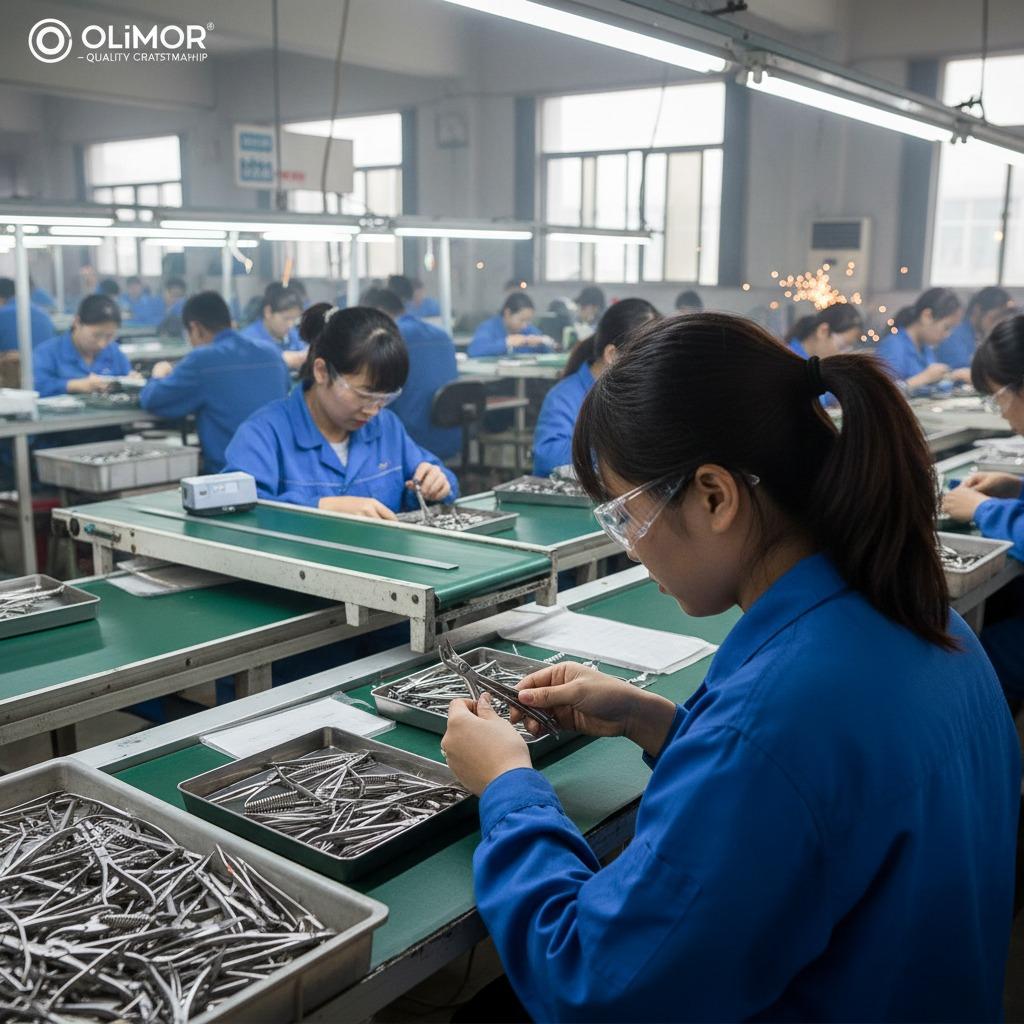
Quality assurance for cuticle nippers needs to cover the full production path. The supplied information notes strict quality assurance from raw material selection to final inspections. That matters because defects can appear at different stages: material problems, poor alignment, weak finishing, rough edges, inconsistent spring tension or packaging damage.
A useful buyer evaluation should include both product testing and process questions. The goal is not to collect vague promises, but to understand how a factory prevents inconsistent tools from reaching customers. The table below outlines practical inspection areas and why each one matters.
| Inspection area | What to look for | Why it matters |
|---|---|---|
| Cutting edges | Even contact, clean bite, no visible chips | Supports precise trimming without pulling skin |
| Joint and movement | Smooth opening and closing, stable alignment | Affects control and long-term usability |
| Handle and spring | Comfortable grip, responsive double-spring action | Reduces hand fatigue during repeated use |
| Surface finish | No burrs, rough spots or stained areas | Improves appearance, handling and cleaning |
| Final packing | Protected tips and clean presentation | Helps prevent damage before the user receives the tool |
Buyers comparing factories should request samples from the same type of production they plan to purchase, then test multiple pieces rather than relying on one tool. Consistency is one of the clearest signs that inspection standards are being applied in a repeatable way.
How Salons, Retailers and Distributors May Use This Tool
Different buyers evaluate cuticle nippers through different priorities. A salon owner may care most about comfort, clean trimming and service hygiene. A retailer may look for a tool that is easy for customers to understand and compare. A distributor may focus on consistency, packaging readiness and how the nipper fits alongside other nail-care items.
For salons, the best sample test is practical: have technicians handle the nipper during normal preparation and trimming motions. The jaw should give a sense of confidence around small cuticle areas. The handle should remain comfortable even after repeated use. For retailers, product education is important. Customers need to know that cuticle nippers are intended for careful trimming of excess cuticle or loose skin, not for cutting hard nails or forcing through thick material.
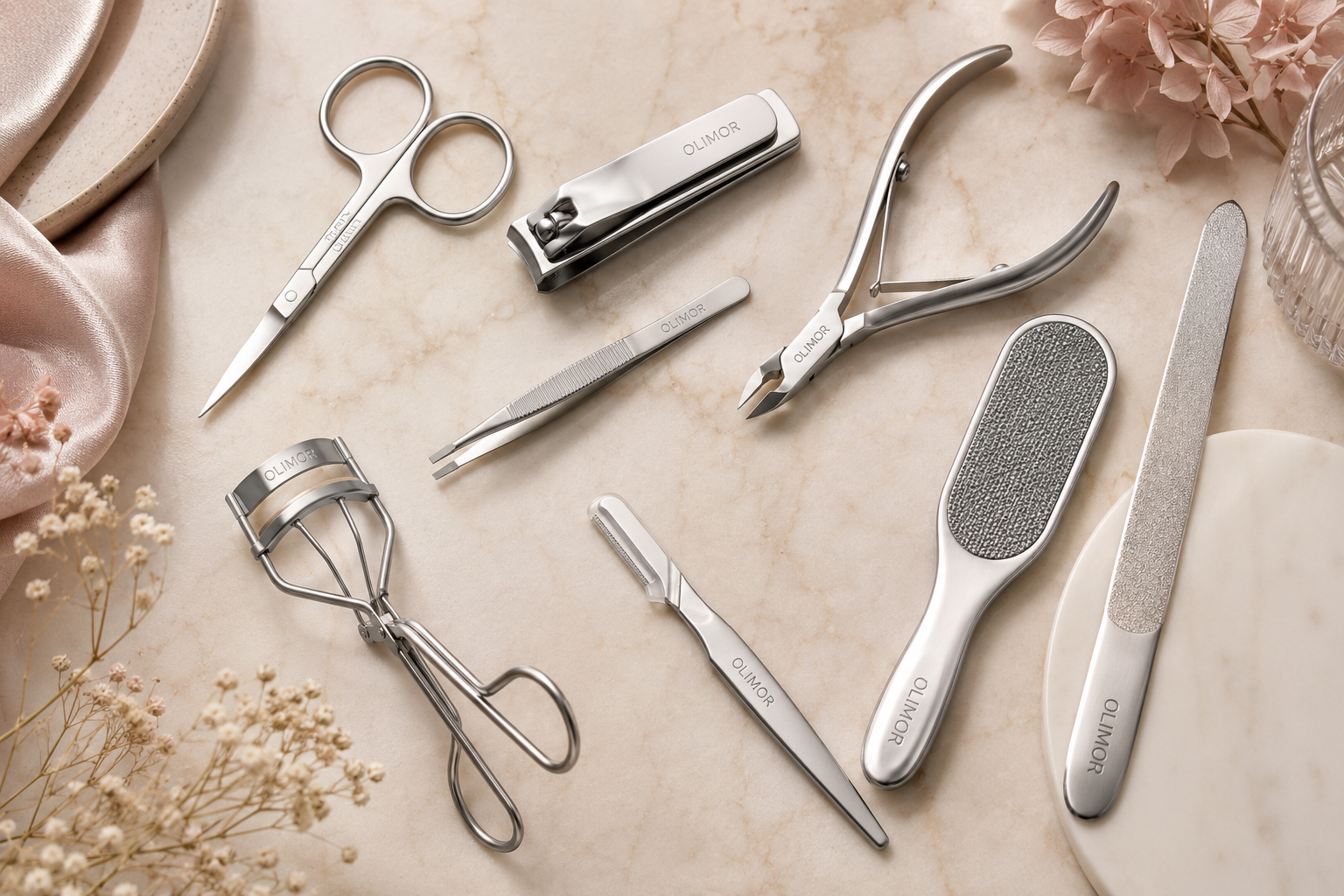
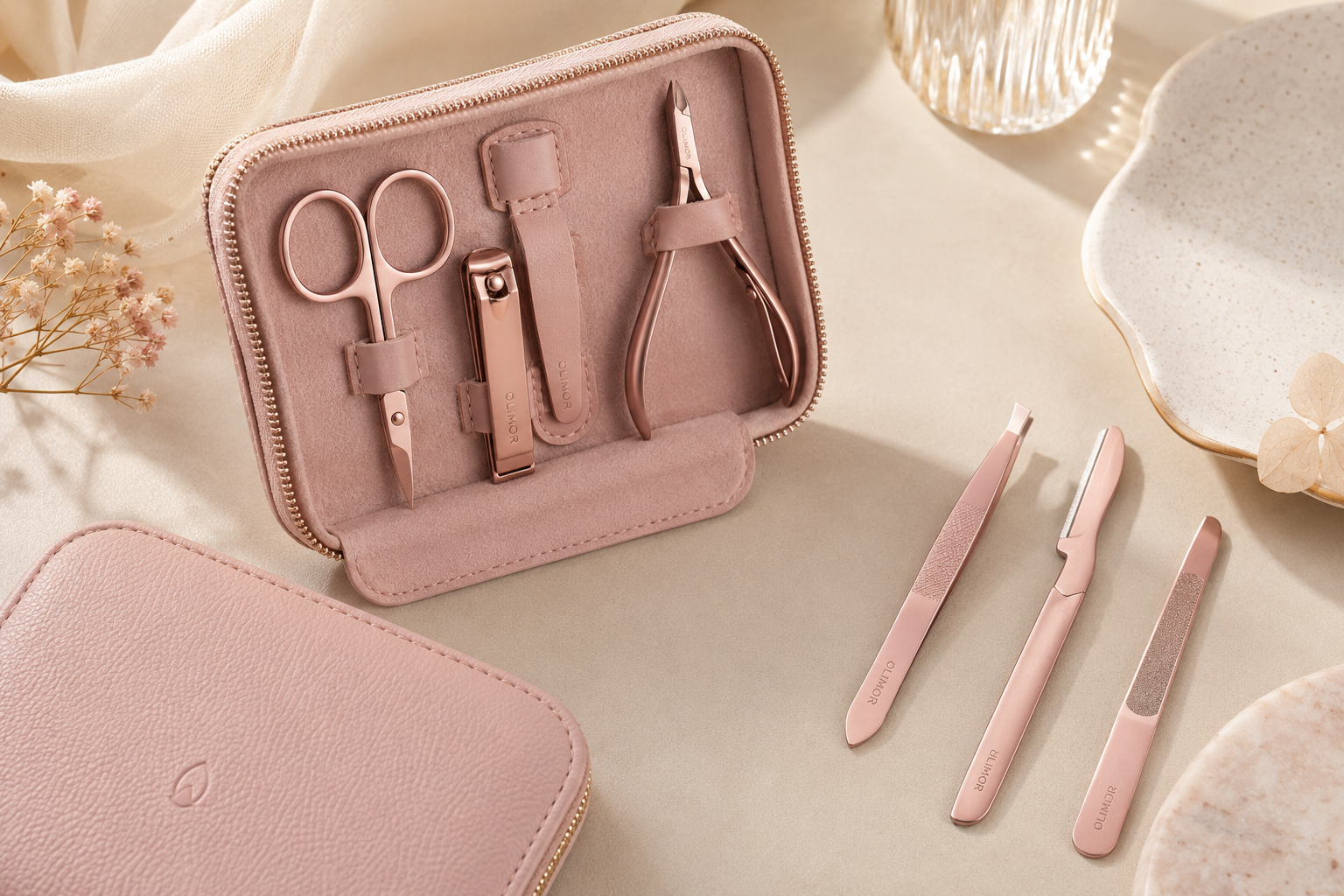
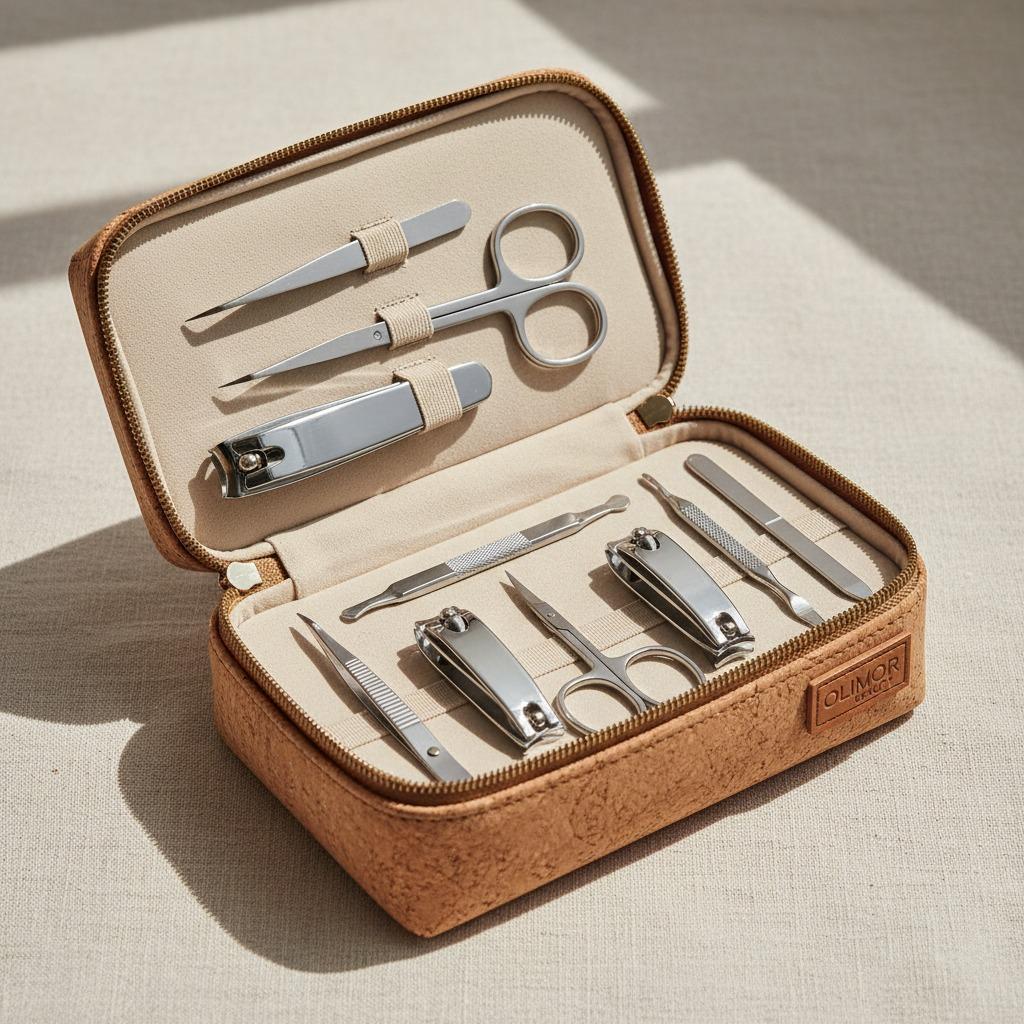
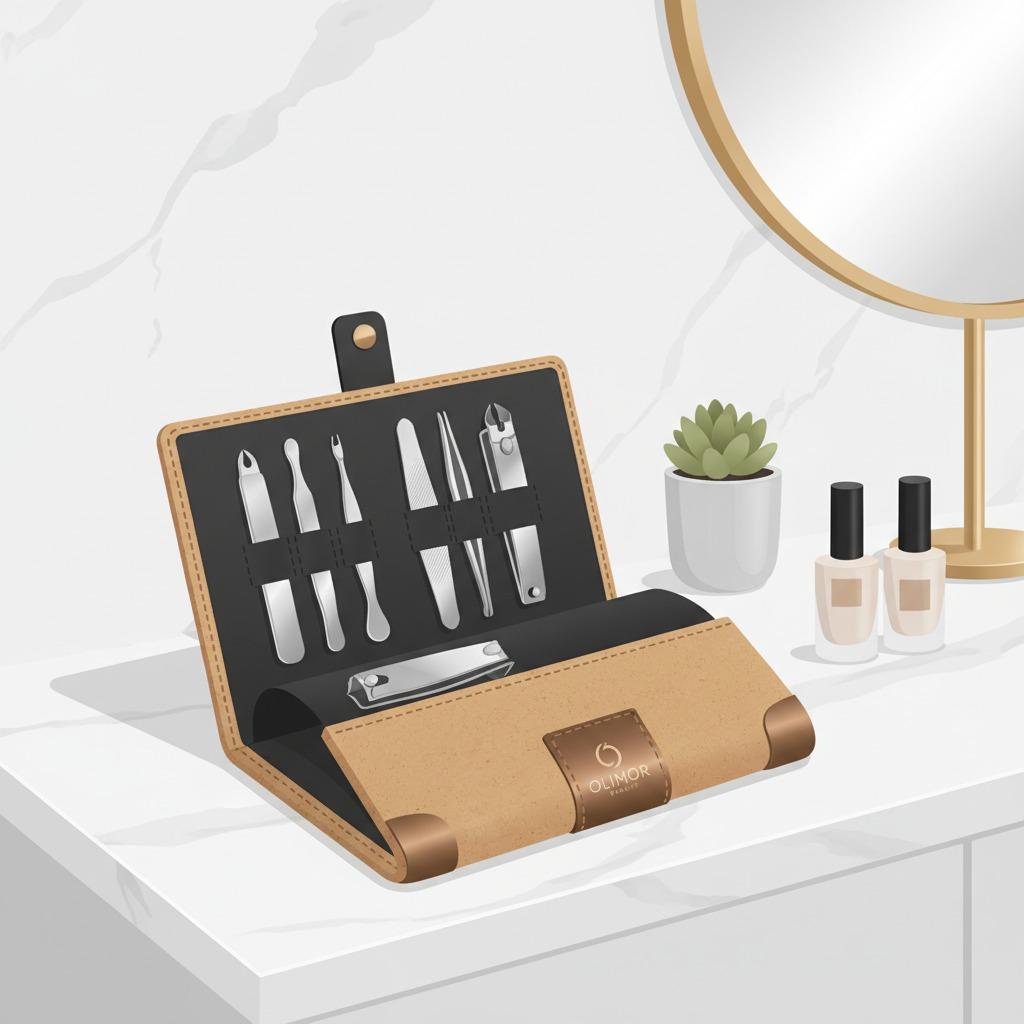
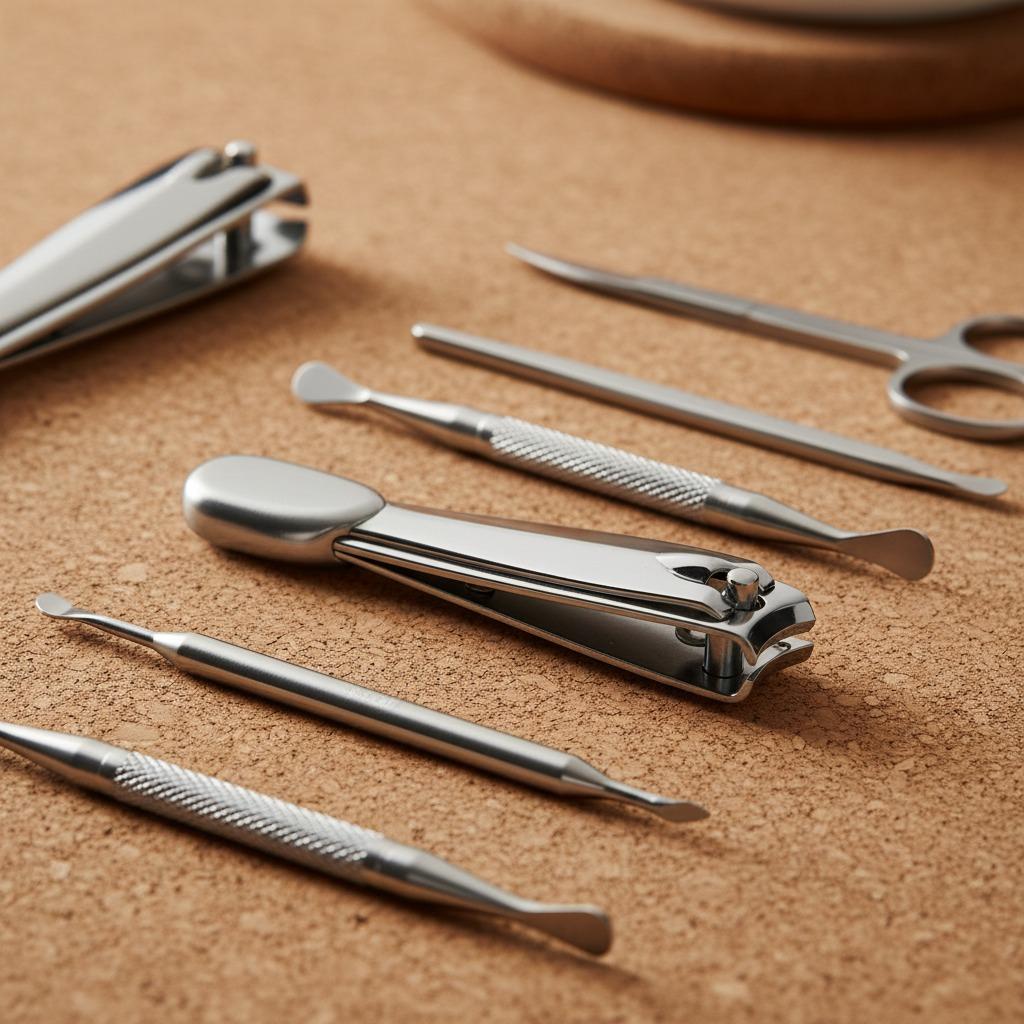
For wholesale buyers building a broader nail tool range, cuticle nippers can pair naturally with other grooming tools in product collections. The key is to maintain a clear quality level across the assortment so the nipper does not feel out of place next to files, pushers, scissors or other beauty implements.
Maintenance Practices That Protect Cutting Performance
Even a well-made cuticle nipper can lose performance if it is neglected. Good maintenance keeps the blades cleaner, the movement smoother and the tool more pleasant to use. Users should avoid dropping the nipper because the fine tip and jaw alignment can be damaged by impact. The cutting edges should not be used on hard objects, artificial nail materials or anything outside normal cuticle-care use.
- Remove visible residue after each use with an appropriate cleaning method for the setting.
- Dry the tool completely before storage, paying attention to the joint and spring area.
- Store the nipper with the tips protected so the edges do not knock against other tools.
- Check the jaw alignment and spring response regularly, especially in professional environments.
- Replace or professionally service tools that no longer cut cleanly or show damage.
These care steps are simple, but they protect the qualities buyers pay for: sharp cutting, smooth handling and a clean professional appearance.
Choosing a Cuticle Nipper Factory with Buyer Confidence
A strong cuticle nipper factory should offer more than a polished product photo. Buyers should be able to evaluate the tool by how it feels in hand, how the blades meet, how smoothly the double-spring handle responds and how consistently multiple samples perform. Stainless steel construction, rust resistance, ergonomic handling and sharp blades are meaningful only when supported by careful production and inspection.
Olimor Beauty provides stainless steel cuticle nippers for professional nail care and grooming needs, with attention to precision, comfort and quality checks. If you are comparing nail tool options, preparing a salon supply list or planning a beauty-tool assortment, review the practical criteria above before making a decision. To discuss suitable products for your market, you can contact Olimor or send an inquiry with your sourcing requirements.