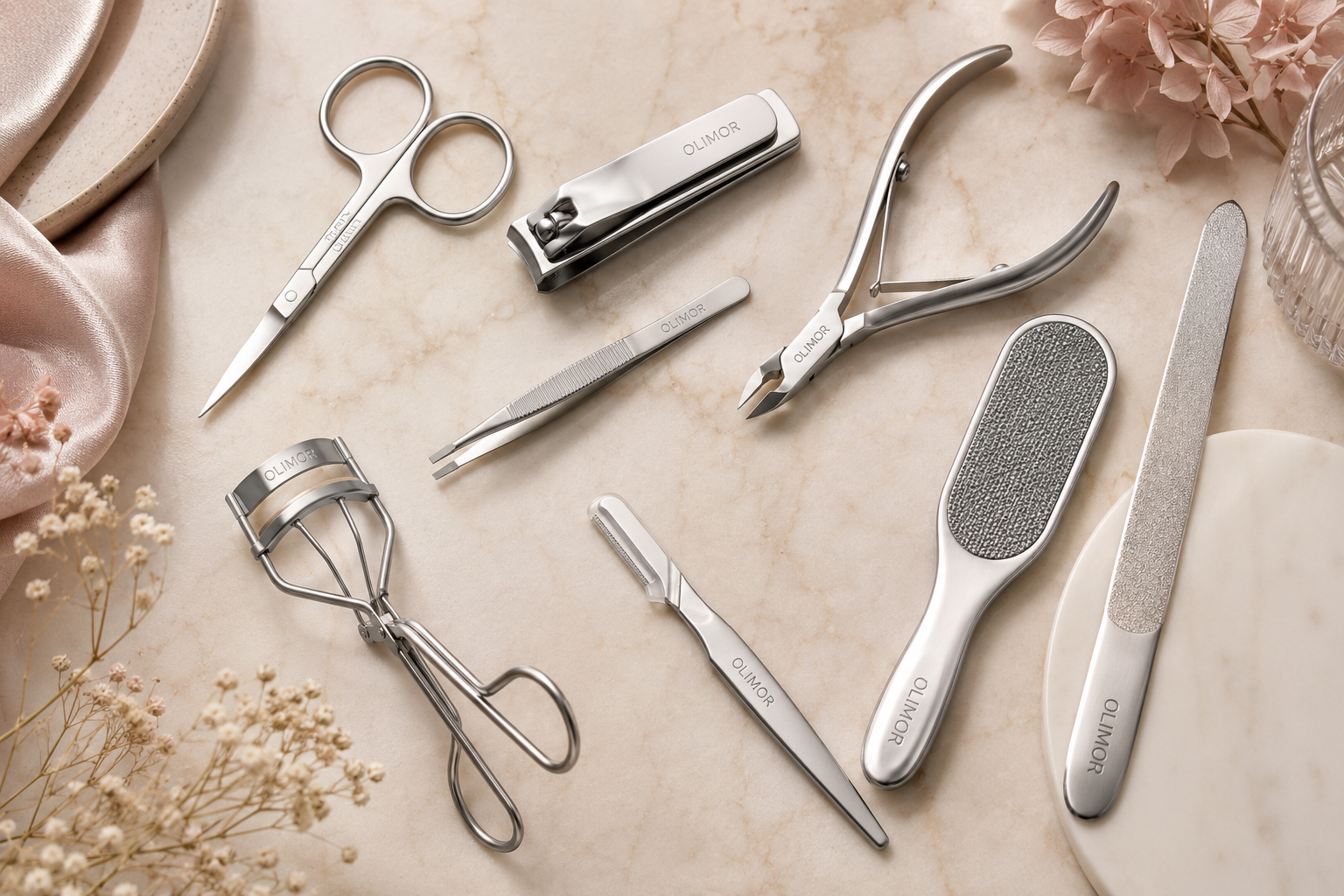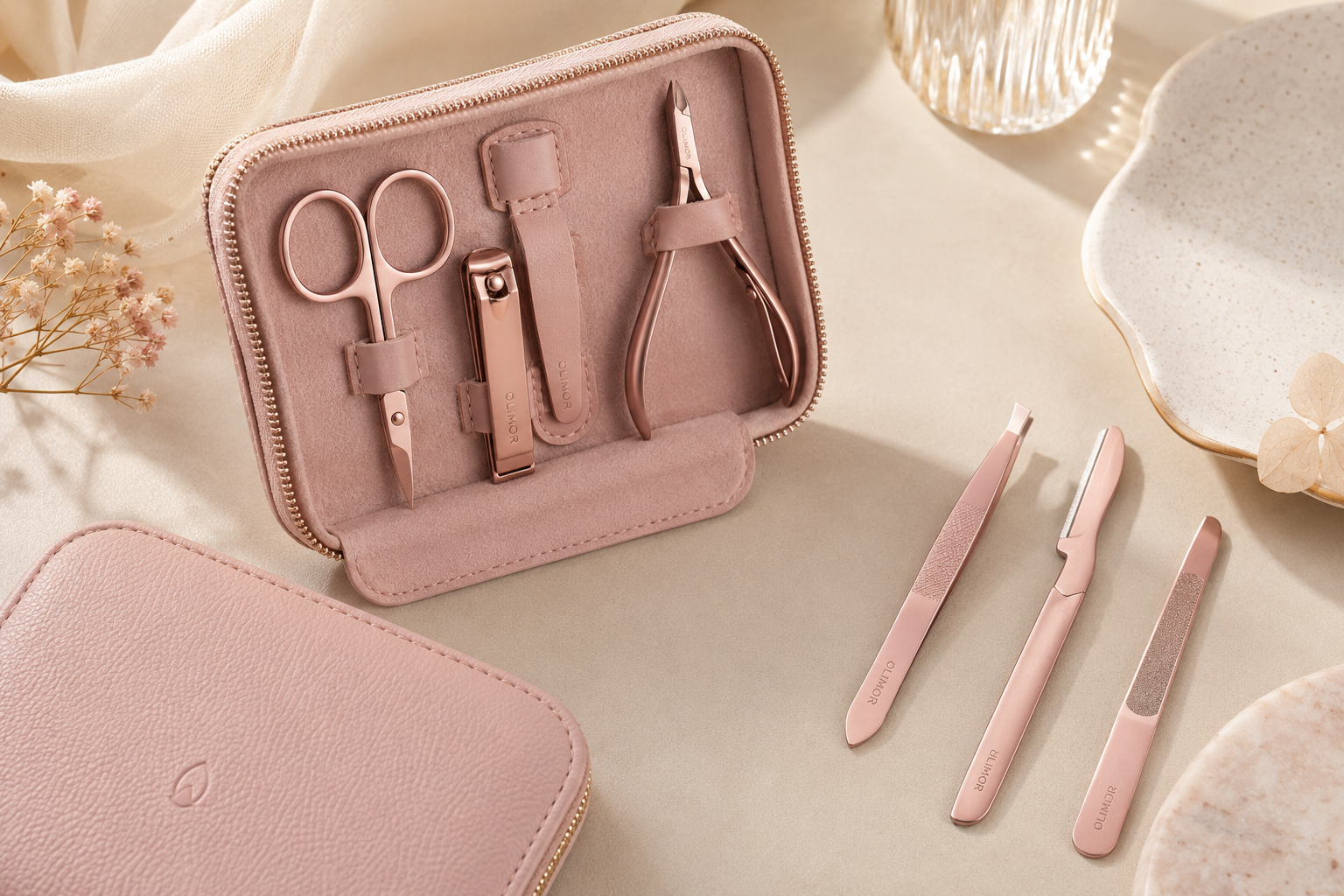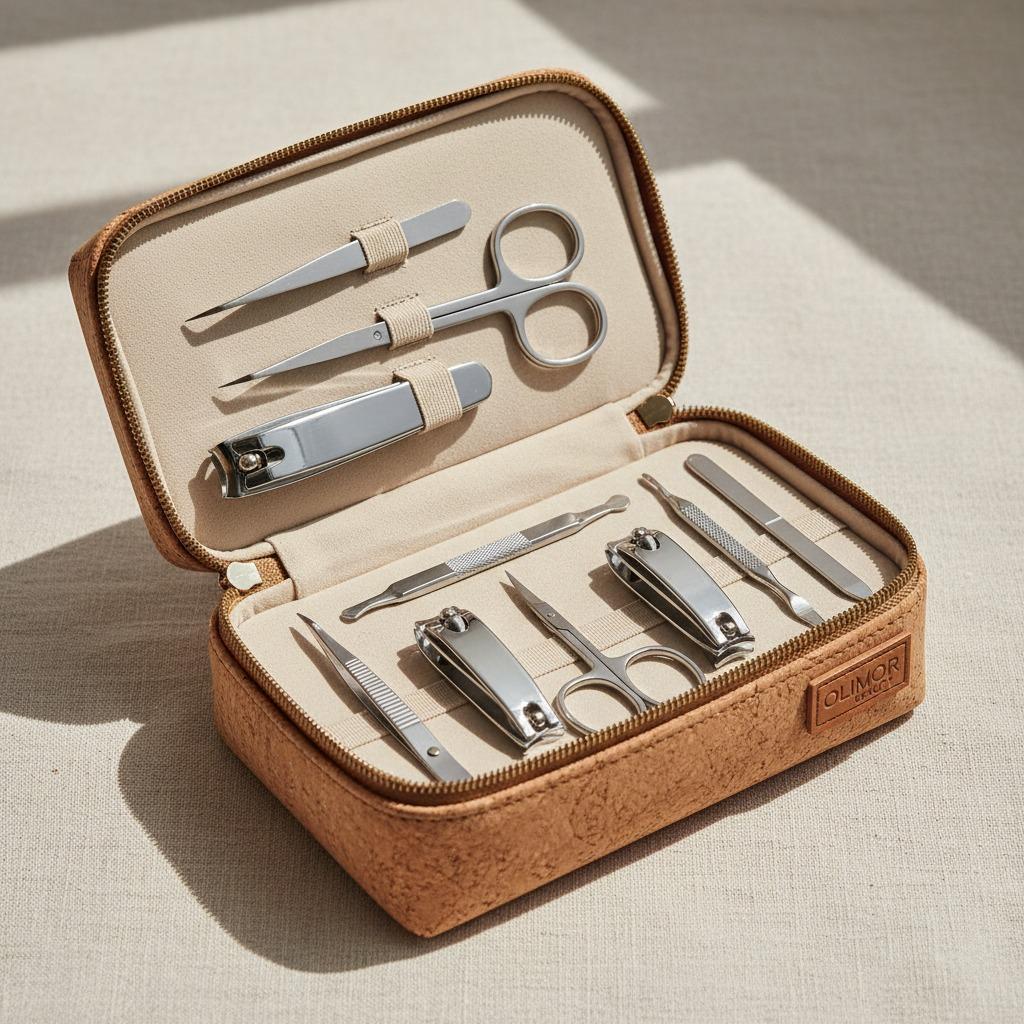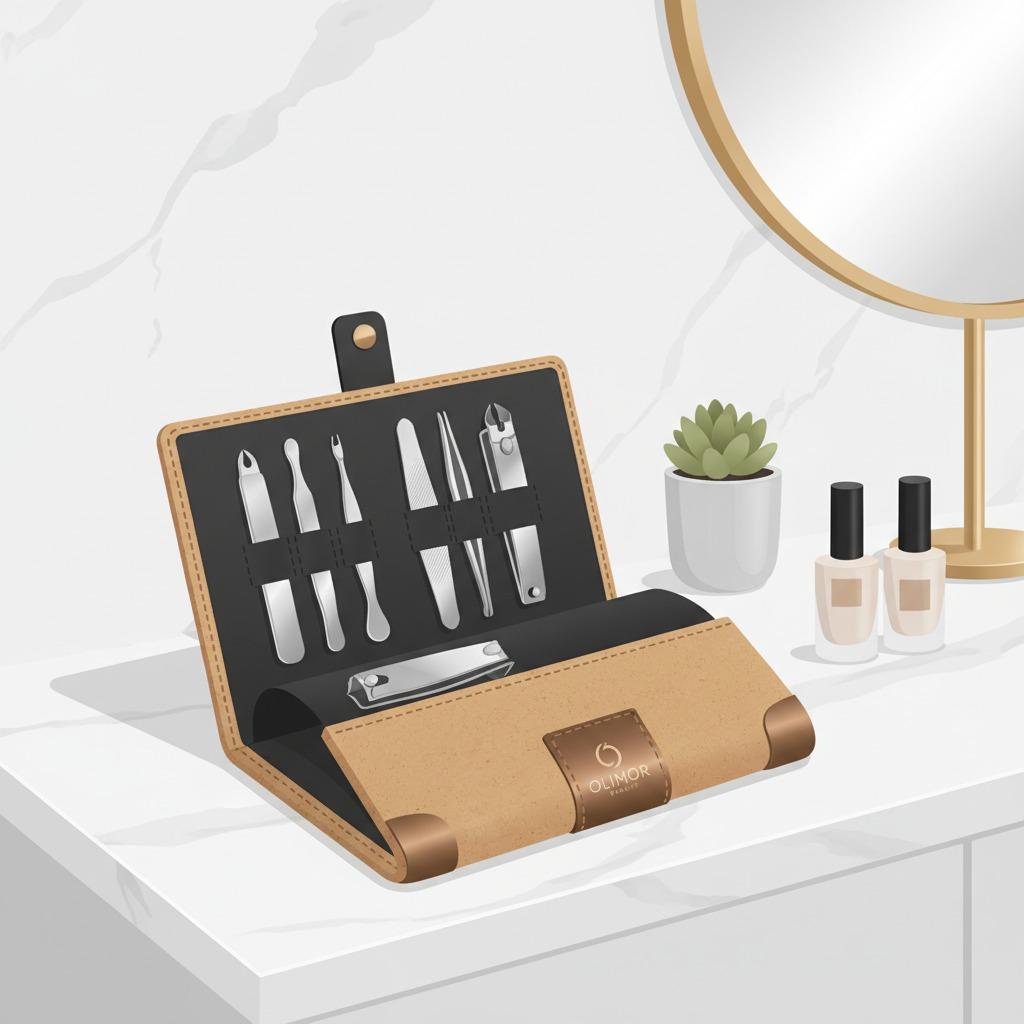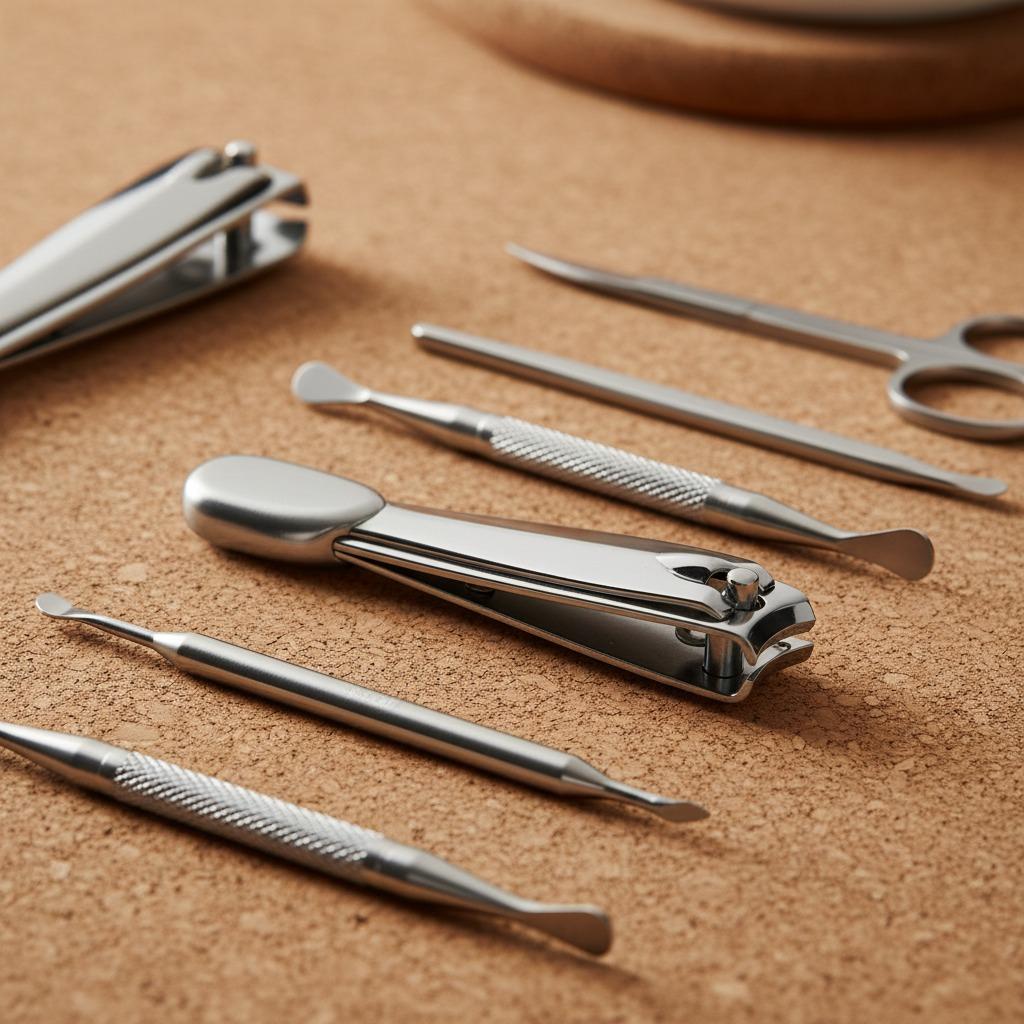
A nail clipper may look simple, but its performance depends on several factory-level decisions: the cutting edge, lever ratio, handle shape, hinge alignment, surface finishing, and inspection discipline. For beauty retailers, distributors, salons, and private-label buyers, choosing a nail clipper factory is not only about finding a product that cuts. It is about finding a supplier that can make daily-use grooming tools feel consistent, safe, and comfortable in the hand.
Olimor Beauty focuses on practical beauty tools designed for real grooming use. If you are comparing beauty tool products for a retail line or salon supply program, nail clippers deserve careful evaluation because they are repeat-use items that customers quickly judge by feel. A clipper that requires too much pressure, leaves rough nail edges, or slips during use can damage customer trust even when the product looks attractive in packaging.
Why Factory Quality Matters in a Small Grooming Tool
In nail clippers, small variations can change the user experience. If the cutting jaws are not aligned, the clipper may crush instead of slice. If the lever is too short or poorly angled, users need more hand force. If the edges are not finished evenly, trimming can feel harsh or leave uneven nail tips. These issues often originate before final packing, which is why factory process control is central to product quality.
A capable nail clipper factory should understand that cutting performance and comfort are connected. Stronger pressure is not always better; a well-designed clipper uses mechanical advantage so the user can trim with controlled force. This is especially important for customers who groom frequently, older users with reduced grip strength, and salons that may use tools for longer sessions. When reviewing options, buyers should assess samples as functional tools, not only as visual merchandise.
Lever Ratio: The Detail Behind Effortless Cutting
The lever ratio is one of the most important engineering factors in a nail clipper. It describes how hand pressure on the lever is transferred into cutting force at the jaws. A better-balanced ratio can make trimming feel smoother and more controlled, while a poor ratio can cause the user to press harder than expected.
For sourcing teams, this means sample testing should include more than a quick demonstration. Try the clipper on different nail thicknesses and observe whether the lever action feels stable throughout the cut. A good clipper should not twist, chatter, or require an awkward hand position. The lever should return cleanly and provide enough feedback for precise control.
Useful lever-ratio checks include:
- Opening width: The jaws should open enough for common fingernail and toenail trimming needs without feeling loose.
- Pressure required: Cutting should feel efficient, not forced. Excessive pressure can signal a weak lever design or dull cutting edge.
- Jaw alignment: The two cutting edges should meet evenly from side to side.
- Stability during clipping: The lever and body should remain aligned without wobbling under normal hand pressure.
- Repeat feel: Several clips in a row should feel consistent, not progressively rough or unstable.
Because lever design affects both comfort and cutting quality, it should be discussed early when developing a nail clipper product. Buyers comparing designs in Olimor Beauty’s product collections can use these points to narrow down which style best fits their audience.
Ergonomics: Comfort, Grip, and Control
Ergonomics is another key part of nail clipper factory excellence. A clipper is handled close to the skin, often at different angles, so the user needs control. The original product positioning emphasizes contoured grips and balanced weight distribution, both of which help reduce strain and improve accuracy. These features are especially useful when trimming toenails, shaping shorter nails, or working with limited visibility.
When evaluating ergonomic quality, look at the full hand experience. Does the lever have enough surface area for comfortable pressing? Are the edges of the body smooth enough to avoid digging into the fingers? Is the clipper easy to hold for left- and right-handed users? Does the finish feel secure, or does it become slippery when hands are slightly damp?
Ergonomics also affects perceived product value. Customers often cannot explain lever mechanics, but they can immediately feel whether a clipper is awkward or comfortable. For retail buyers, this makes ergonomic testing a practical way to predict repeat purchase satisfaction. For salons, comfort can also reduce fatigue during frequent use.
Stainless Steel, Finishing, and Cutting Edge Consistency
The supplied product information identifies stainless steel clippers, which is a common and practical choice for nail grooming tools. Stainless steel is valued for strength, clean appearance, and suitability for personal care items. However, material alone does not guarantee a good clipper. Factory workmanship determines whether the finished product cuts cleanly and feels safe.
Pay attention to the cutting edge and finish. The edge should be sharp enough to trim without tearing, but it should not have burrs or rough points that can scratch the user. The surface should look even, with no obvious staining, pits, sharp unfinished corners, or loose parts. The hinge and pin area should also be checked because looseness there can affect alignment over time.
A simple buyer inspection sequence can help during sample review:
- Check the clipper visually under good light for uneven surfaces, burrs, or misaligned jaws.
- Open and close the lever several times to feel for smooth movement and stable return.
- Test cutting performance on suitable sample material or nails using controlled pressure.
- Inspect the trimmed edge to see whether the cut is clean or jagged.
- Hold the clipper in different positions to judge grip comfort and control.
- Review packaging fit to ensure the tool is protected and presented consistently.
This type of hands-on assessment helps separate attractive samples from tools that can perform reliably in everyday use.
Quality Checks from Raw Materials to Final Packaging
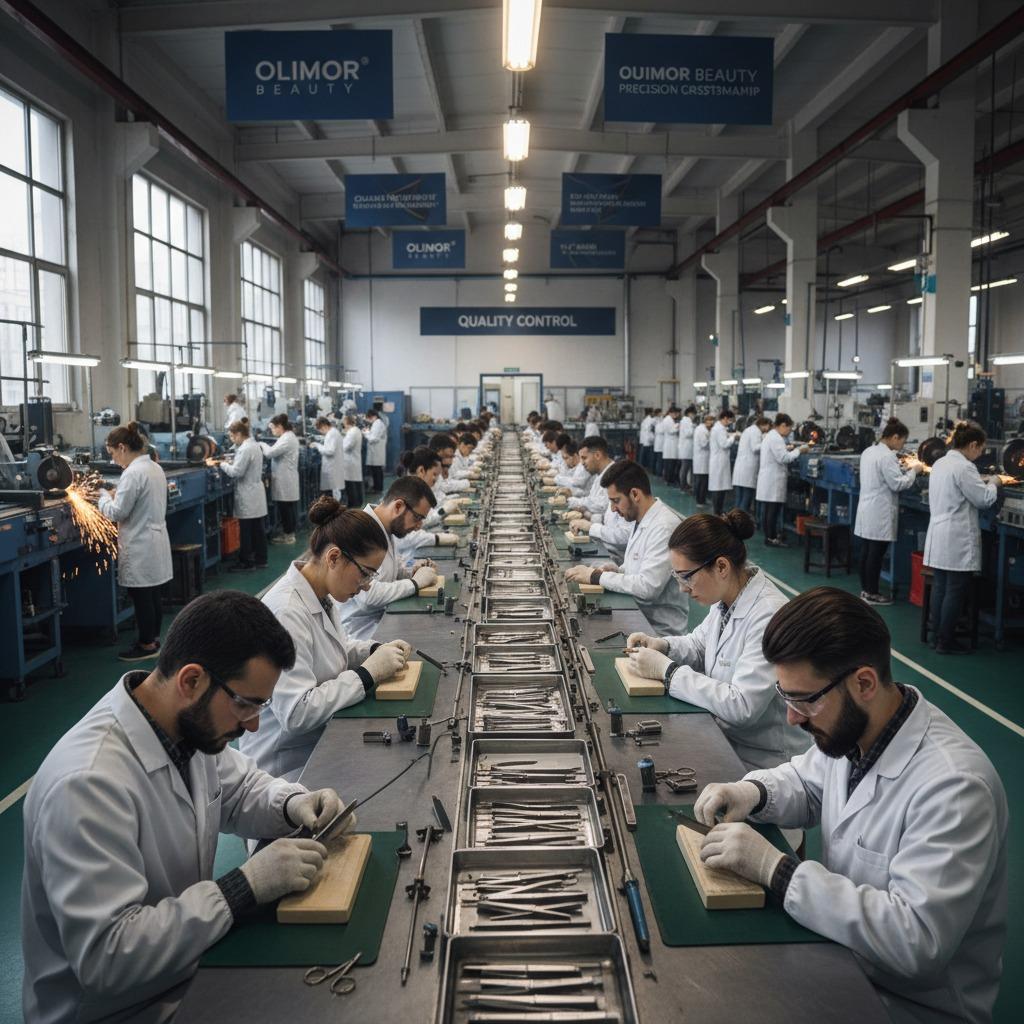
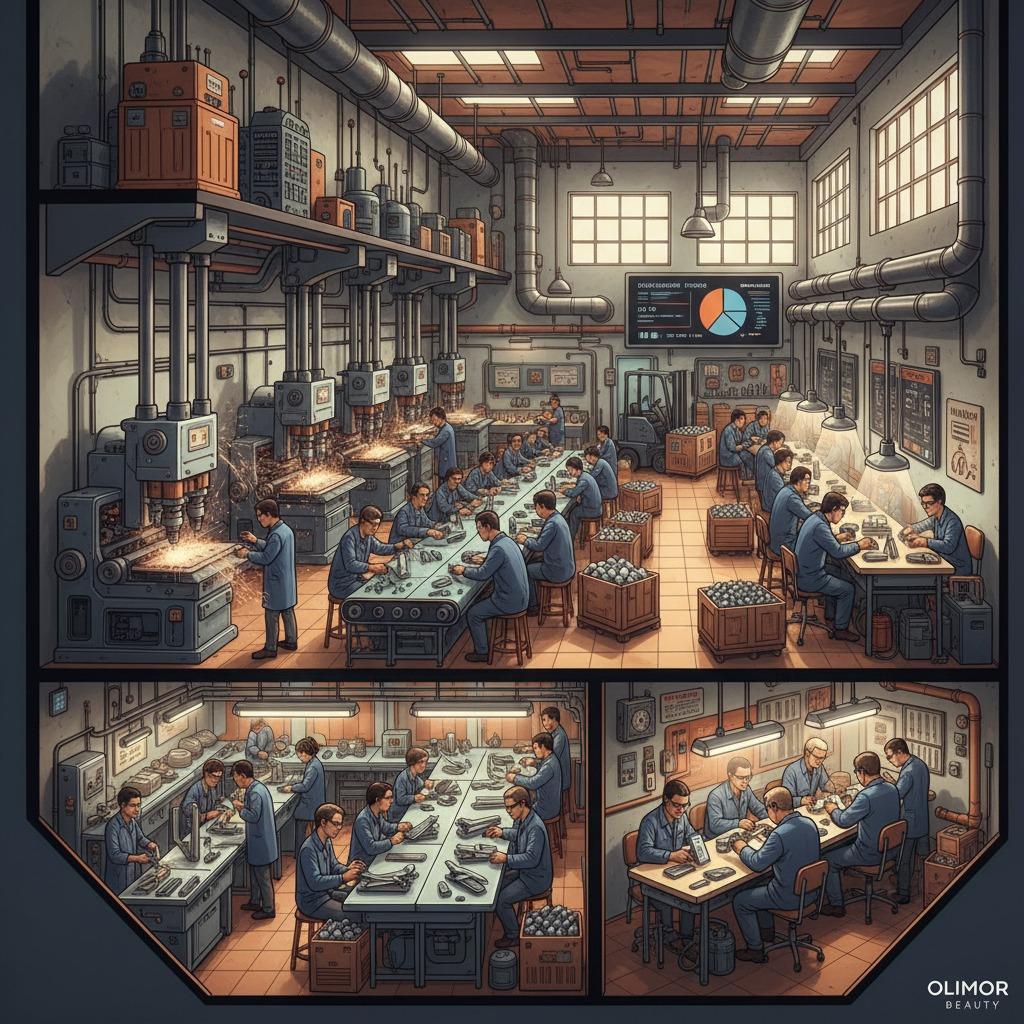
Olimor Beauty’s original product information highlights quality checks from raw materials to final packaging, as well as thorough inspections for reliability. For buyers, this is the right framework: quality should not be left until the last step. If a factory waits until packing to discover cutting or alignment problems, the result may be rework, inconsistent shipment quality, or delays.
Raw material review, forming, edge preparation, assembly, surface treatment, and packaging all influence the final clipper. A factory should be able to explain how it controls the points that matter most to the product: alignment, sharpness, lever action, surface finish, and packing condition. The goal is not to collect vague promises, but to understand whether the production process is repeatable.
For private-label or wholesale programs, inspection criteria should be agreed before production. Buyers can define acceptable appearance standards, functional checks, and packaging requirements in writing. This helps avoid subjective judgments later and gives both sides a clearer path to consistent delivery.
Sourcing Questions for Retailers, Salons, and Distributors
Different buyers may need different nail clipper features. A salon may prioritize comfort and precise control for frequent use. A retailer may care about a balance of cutting performance, finish, packaging, and shelf appeal. A distributor may need consistency across repeated orders. Before selecting a nail clipper factory, define the use case clearly.
Consider these sourcing questions when comparing samples:
- Who is the primary user: home grooming customers, salon professionals, travel users, or gift-set buyers?
- Will the clipper be used mainly for fingernails, toenails, or a mixed grooming set?
- What grip style feels most comfortable for the target customer?
- How important is compact size compared with cutting leverage?
- What packaging format is needed for retail display, e-commerce shipping, or professional supply?
- Which inspection points should be documented before shipment?
If your team is developing a new beauty tool range or comparing nail clipper options, you can send an inquiry with your target market, packaging needs, and sample evaluation priorities. For broader sourcing support, you may also contact Olimor to discuss product selection and project requirements.
Choosing a Nail Clipper Factory with Confidence
Factory excellence in nail clippers is built through practical details: efficient lever ratios, ergonomic handling, stainless steel workmanship, controlled finishing, and consistent inspection. These details determine whether the tool feels dependable after the first use and continues to satisfy customers over time.
When evaluating nail clippers, avoid relying only on appearance or low unit cost. Test the tool in the hand, check the jaw alignment, feel the lever action, inspect the finish, and confirm packaging expectations. A well-made nail clipper is a small product with a high impact on customer perception. By focusing on measurable performance and comfort, buyers can select nail clipper solutions that support long-term trust in their grooming tool offering.