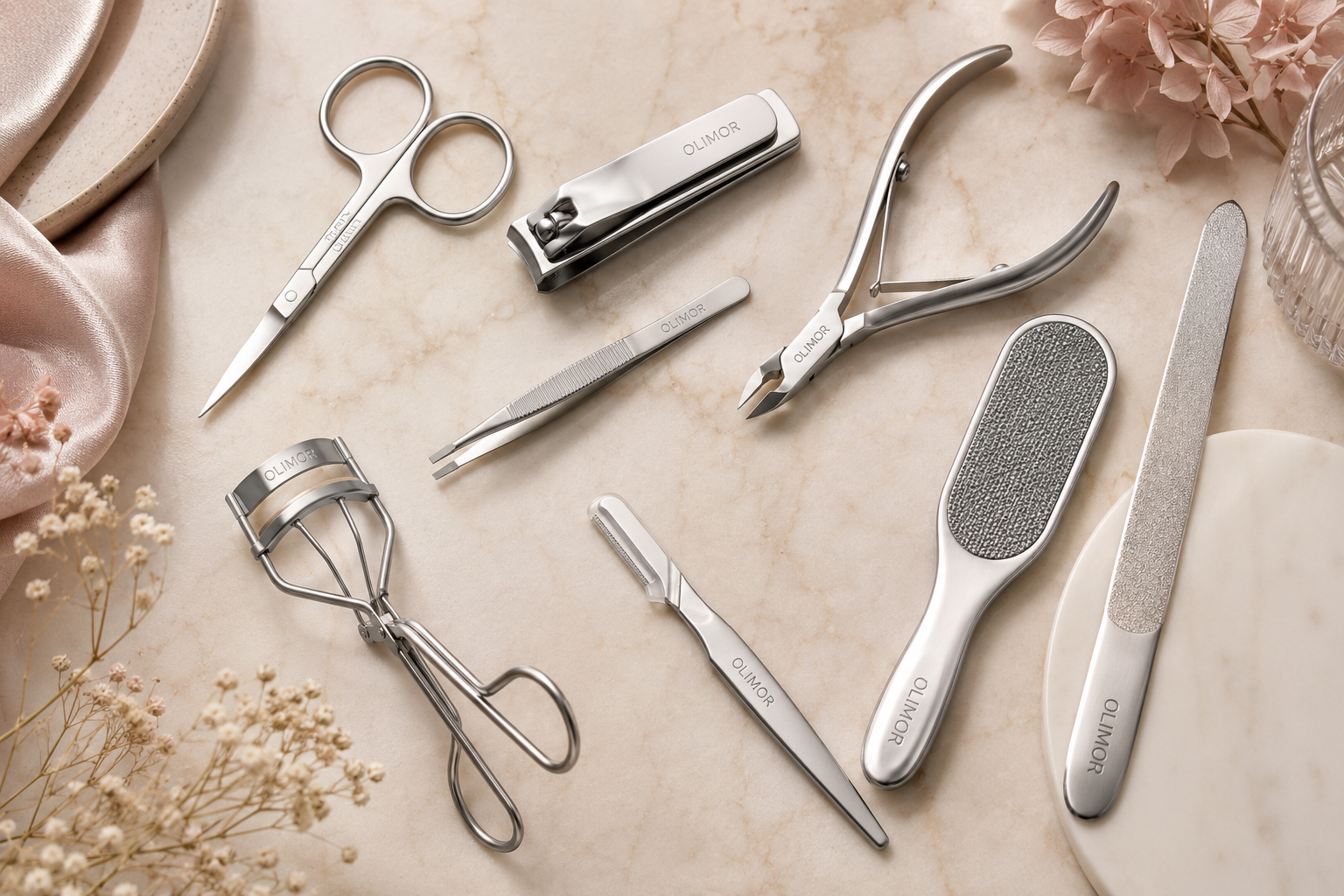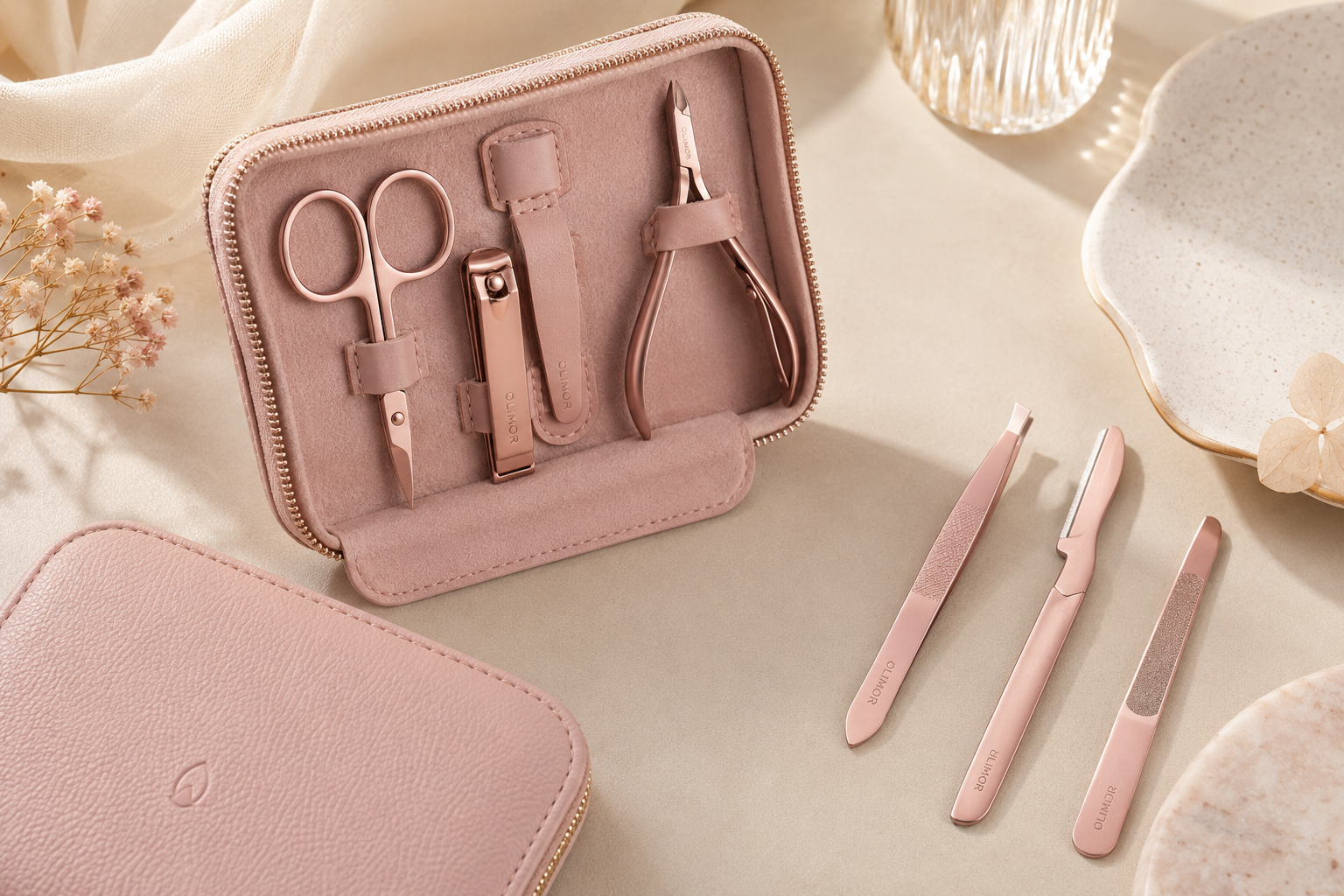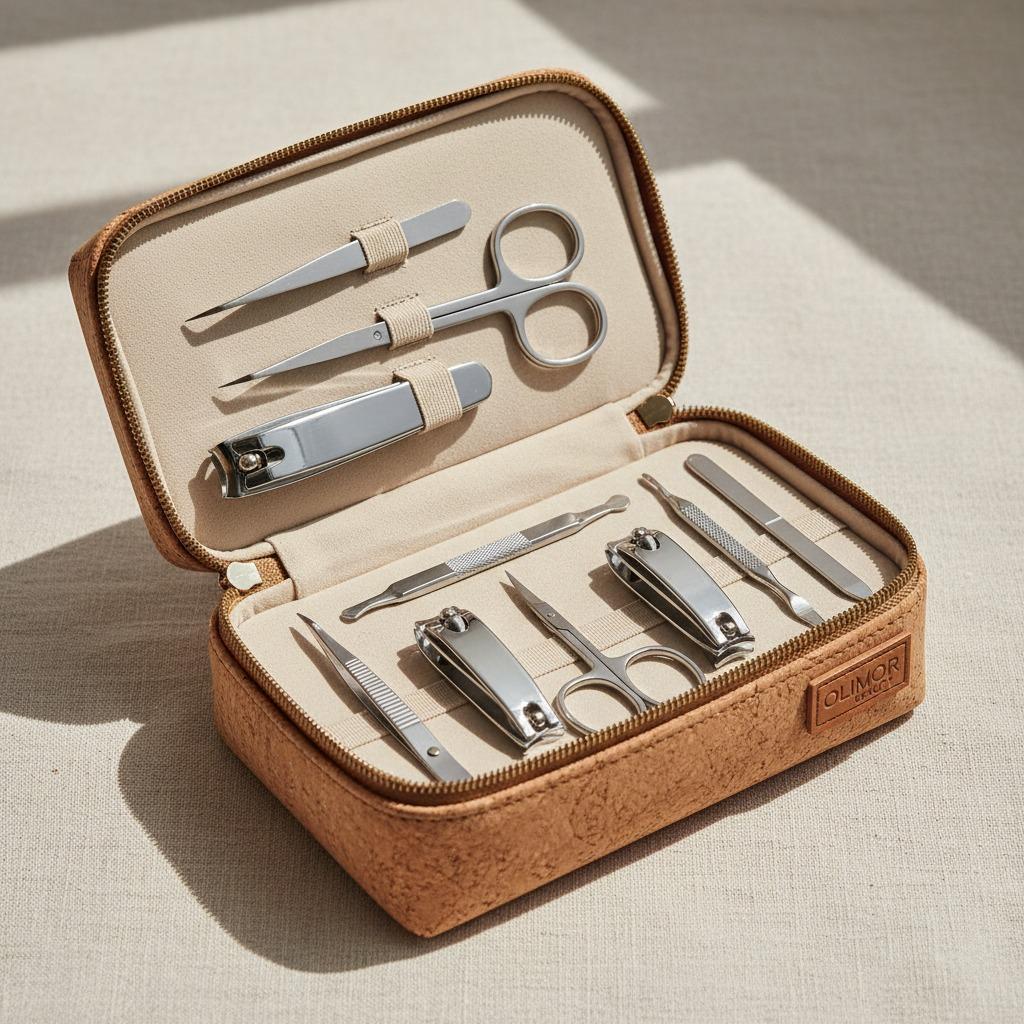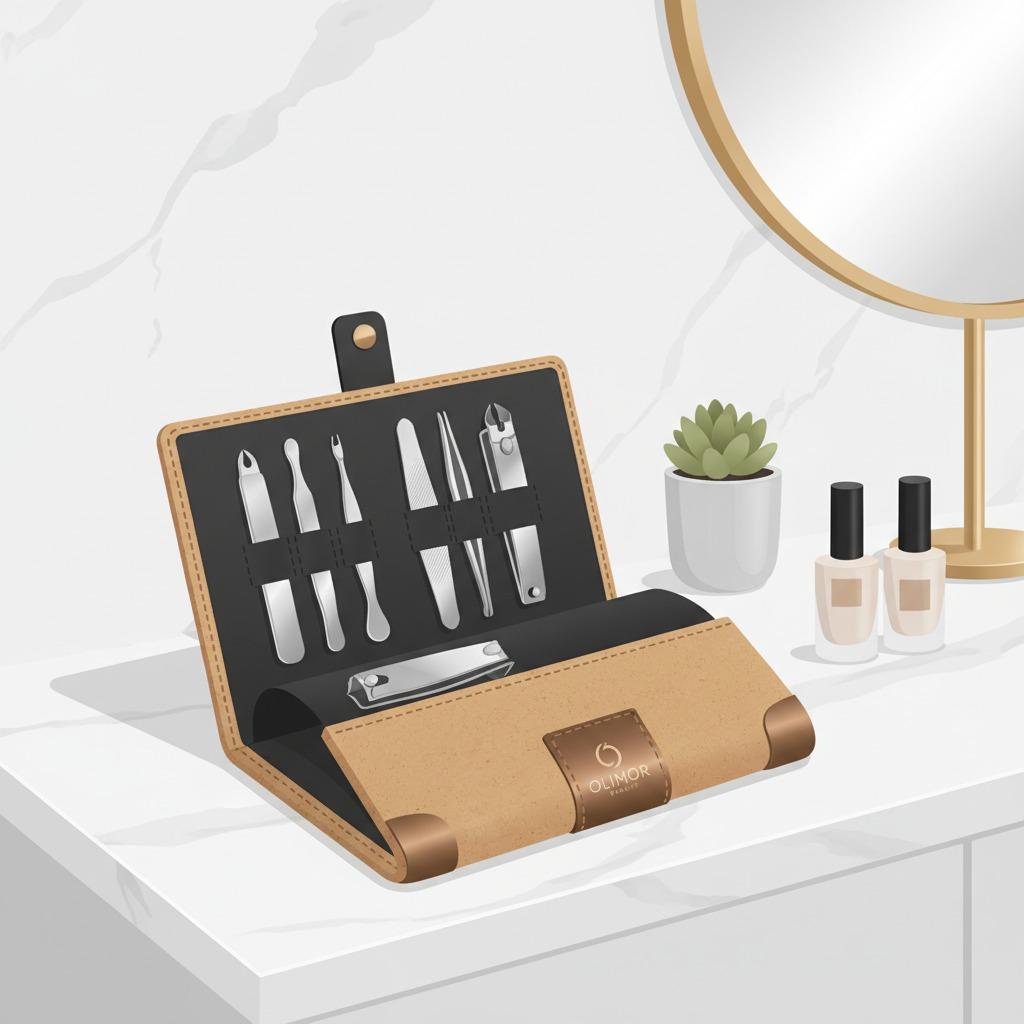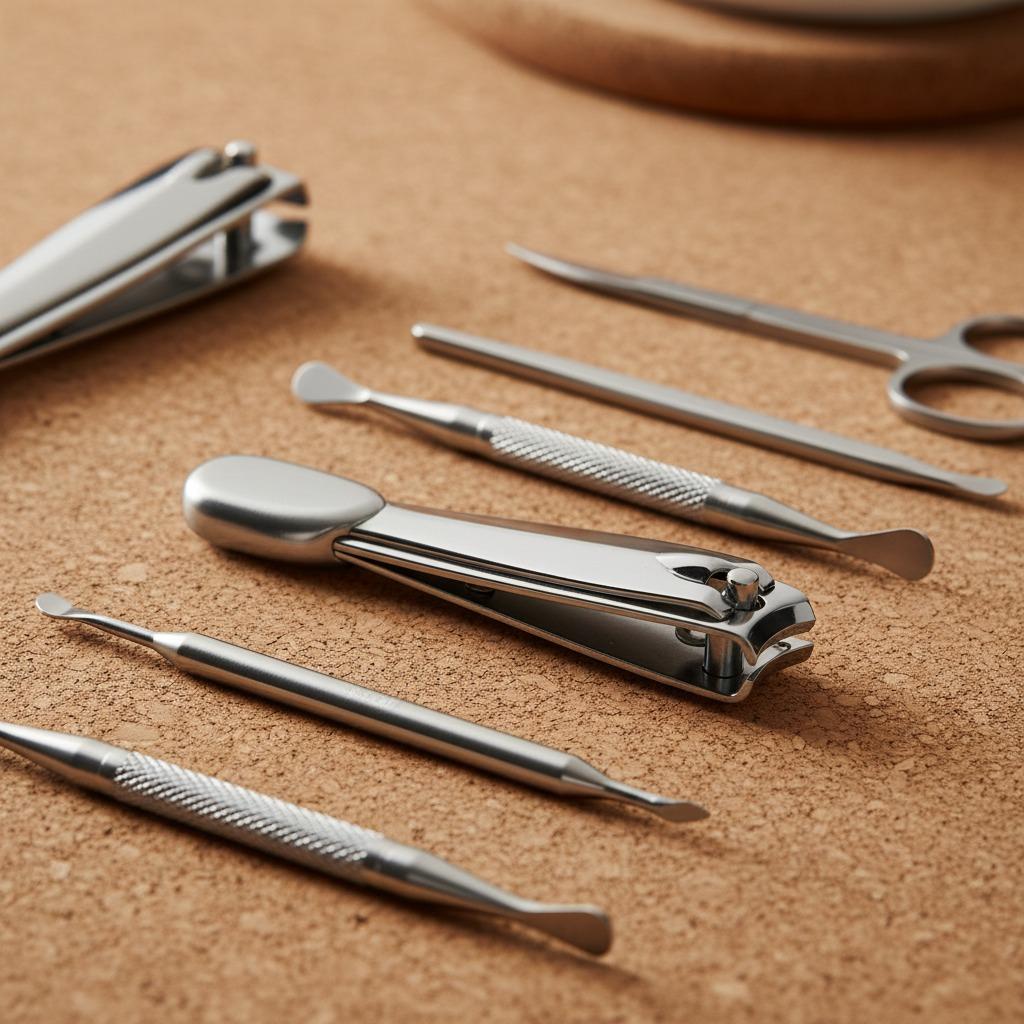











Low MOQ nail clippers are useful for buyers who need reliable grooming tools without committing to a large inventory position from the start. For boutique retailers, spa operators, ecommerce sellers, travel kit brands and private label buyers, a smaller minimum order quantity can make product testing more realistic. It allows you to compare styles, packaging ideas and customer response before expanding the order volume.
Nail clippers look simple, but they are not all equal. A buyer must consider cutting performance, hand feel, finish consistency, packaging durability and how the product will fit into a broader personal care range. Olimor Beauty supplies nail clippers for buyers who want flexible purchasing options, including low MOQ frameworks and OEM support. This guide explains how to evaluate those options and how to plan a purchase that supports both quality and cash flow.
Why Low MOQ Matters for Nail Clipper Buyers
Minimum order quantity affects more than the first invoice. It influences storage needs, product testing speed, packaging decisions and the risk of holding slow-moving stock. A low MOQ nail clipper option is especially relevant when the buyer is still validating a market or introducing a new grooming accessory into an existing range.
For example, a small retailer may want to add nail clippers near checkout or include them in a personal care bundle. A spa may need a clean, practical grooming item for retail shelves or guest amenities. An online seller may want to test whether a compact clipper, a larger clipper or a set performs better with customers. In each case, ordering a smaller quantity first helps reduce waste and gives the buyer room to improve the offer.
- Lower inventory exposure: Buyers can avoid tying too much budget to one design or packaging concept.
- Faster product testing: Smaller orders make it easier to compare customer demand across channels.
- More flexible assortment planning: A buyer can trial multiple grooming tools instead of overcommitting to one SKU.
- Better cash flow control: Startups and seasonal sellers can keep funds available for marketing, shipping and replenishment.
- Lower storage pressure: Compact tools still require organized inventory space, especially when packaged for retail.
What to Check in a Low MOQ Nail Clipper
A low MOQ should not mean accepting uncertain quality. Nail clippers are used directly on nails, so the cutting edge, alignment and grip all affect the user experience. Olimor Beauty nail clippers are described as being crafted from stainless steel with sharp, durable blades and ergonomic designs. When comparing options, buyers should translate those product qualities into clear inspection points.
The first point is blade alignment. The two cutting edges should meet evenly, without leaving a gap that causes tearing or crushing. The second is cutting feel. A clipper should cut cleanly with controlled pressure rather than requiring excessive force. The third is surface finish. Edges, corners and the lever should feel smooth enough for everyday handling. The fourth is consistency across the order, because one good sample is not enough if the bulk order varies widely.
For retail or private label use, packaging also matters. Even a durable clipper can disappoint if the package scuffs easily, opens during shipping or does not present the product clearly. Low MOQ buyers should assess the clipper and packaging together because customers experience them as one product.
Selection Criteria for Retail, Spa and Ecommerce Use
The best nail clipper choice depends on where and how it will be sold. A single retail store may value simple packaging that looks clean on a shelf. A spa may prefer a practical tool that feels comfortable in the hand and matches a hygienic, professional image. An ecommerce seller may place extra focus on product photography, package protection and the ability to describe the tool clearly online.
| Buyer type | Main priority | Useful evaluation point |
|---|---|---|
| Boutique retailer | Sell-through and display appeal | Check package size, shelf presentation and barcode or labeling needs. |
| Spa or salon | Practical customer use | Focus on grip comfort, clean cutting action and simple presentation. |
| Ecommerce seller | Low return risk | Review product consistency, protective packaging and clear product images. |
| Private label buyer | Brand fit | Confirm OEM decoration, packaging layout and repeat-order consistency. |
| Travel or gift set brand | Compact utility | Check how the clipper fits with other tools in the kit or pouch. |
If you are comparing nail clippers with other grooming accessories, review Olimor's broader beauty tool products to understand how the item may fit into a complete retail or promotional assortment.
OEM Planning Without Overcomplicating the First Order
OEM nail clipper projects often begin with a simple goal: add a brand name, adjust packaging or create a grooming accessory that supports a private label range. Low MOQ frameworks can make this easier because the buyer can validate the idea before scaling. However, customization should still be planned carefully. Too many changes in the first order can increase decision time and make it harder to identify what customers actually value.
A practical first OEM order usually focuses on the most visible and commercially important choices. These may include the clipper style, packaging format, logo placement and outer carton labeling. More complex customization can be considered after sales feedback is available. This staged approach is particularly useful for buyers who are still learning which price point, package size or sales channel will perform best.
- Define the target customer: Decide whether the clipper is for daily home use, travel, spa retail, gift sets or a value-focused grooming range.
- Choose the product role: Will it be sold alone, bundled with other tools or used as a promotional item?
- Confirm the basic presentation: Select packaging that protects the clipper and communicates the intended quality level.
- Prepare brand assets: Keep logos, colors and text ready in usable file formats to reduce back-and-forth during sampling.
- Plan the reorder path: Record approved samples, packaging details and inspection expectations so repeat orders stay consistent.
For buyers preparing a private label or bundled grooming project, Olimor's product collections can be useful for comparing related beauty tools before deciding whether the nail clipper should stand alone or be part of a set.
Quality Control Points That Protect the Customer Experience
Olimor Beauty emphasizes internal quality controls from raw materials to packaging. For buyers, the important step is to connect quality control to the actual customer experience. A nail clipper that looks acceptable but cuts poorly can create complaints. A clipper that cuts well but arrives in damaged packaging can hurt retail presentation. A good buying process considers both function and appearance.
Useful nail clipper inspection points include blade contact, lever movement, surface finish, rivet or joint stability, visible scratches, logo placement if customized, and packaging closure. Buyers should also consider how the clipper will be handled after delivery. Storage in a humid or poorly controlled environment can affect packaging and presentation, even when the tool itself is made from stainless steel. Organized warehousing and clean packing procedures help maintain product condition.
When evaluating a sample, test the tool in realistic conditions. Hold it with dry hands and slightly damp hands. Open and close the lever repeatedly. Check whether the grip feels secure and whether the cutting edge meets evenly. For ecommerce, photograph the sample in the same style intended for the product listing; this helps identify reflections, package readability and any details that may not appear clearly online.
How Low MOQ Supports Better Sourcing Decisions
Low MOQ sourcing is not only about buying less. It is about learning faster. A smaller initial order can reveal which packaging message customers understand, whether the product works better as an add-on item, and whether a higher-volume order is justified. This is valuable in categories like grooming tools, where small design differences can influence repeat purchase and reviews.
Buyers can use the first order as a structured test. Track sell-through speed, customer feedback, return reasons and channel performance. If the product is sold in a store, ask staff where customers notice it and whether they compare it with other items. If it is sold online, monitor conversion rate, review language and questions from customers. These details help refine the next order more effectively than guessing from a catalog page alone.
Low MOQ options can also help buyers diversify. Instead of placing one large order for a single nail clipper, a buyer may test a clipper alongside related grooming tools, then scale the items with the strongest response. This approach can reduce the risk of dead stock while still building a complete beauty tool category over time.
When to Move From a Test Order to a Larger Order
A larger order becomes more sensible when the buyer has evidence of demand and confidence in the product specification. Good indicators include steady sell-through, low complaint rates, positive comments about cutting performance, and packaging that survives the normal shipping or retail handling process. For OEM projects, it is also important that the approved artwork and packaging files are stable before increasing quantity.
Before scaling, review the full order history: sample comments, any inspection notes, packaging revisions and customer feedback. Confirm which details must remain unchanged and which can be improved. For instance, the clipper itself may perform well, while the package text needs clearer usage or care information. Making these changes before the next order can improve the product without disrupting what already works.
If you are planning a low MOQ nail clipper order, a private label grooming item or a broader beauty tool assortment, you can send an inquiry with your target use, packaging direction and expected sales channel. For broader sourcing questions, you may also contact Olimor to discuss which nail clipper approach best fits your buying plan.
Care and Handling Tips to Share With End Users
Clear care guidance can reduce complaints and help customers get better performance from the product. Nail clippers should be kept dry after use, stored in a clean place and wiped when needed. Users should avoid using a personal nail clipper on hard materials that are not nails, because this may affect the cutting edge. Retailers and private label buyers can include simple care language on packaging or product pages to set realistic expectations.
For travel, customers should keep the clipper in a pouch or compartment to prevent scratches against other metal items. For home use, storing it away from wet sink areas helps maintain a clean appearance. These instructions are simple, but they support the long-term impression of the product and can reduce avoidable dissatisfaction.
Low MOQ nail clippers give buyers a practical route into the grooming tool category. By focusing on blade performance, ergonomic handling, packaging suitability and a measured OEM plan, small and growing businesses can test demand without unnecessary overstock. The strongest sourcing decisions come from pairing flexible order quantities with disciplined product evaluation, so the first order becomes a foundation for smarter repeat orders.