











A nail clipper looks simple, but buyers know that small differences in cutting edge alignment, spring tension, handle feel, and surface finishing can change the entire user experience. For retailers, distributors, salons, hotel amenity suppliers, and private label beauty tool buyers, choosing a nail clipper factory is not only about finding a low unit cost. It is about sourcing a tool that cuts cleanly, feels stable in the hand, survives repeated use, and arrives packed in a way that matches the sales channel.
Olimor Beauty focuses on personal care and beauty tools, including nail clippers, with attention to repeatable manufacturing and quality management. The original product category is closely connected with metal processing, inspection discipline, and practical grooming performance. If you are comparing suppliers or planning a nail clipper project, the points below will help you evaluate what matters before confirming an order.
What Separates a Dependable Nail Clipper Factory from a Basic Supplier?
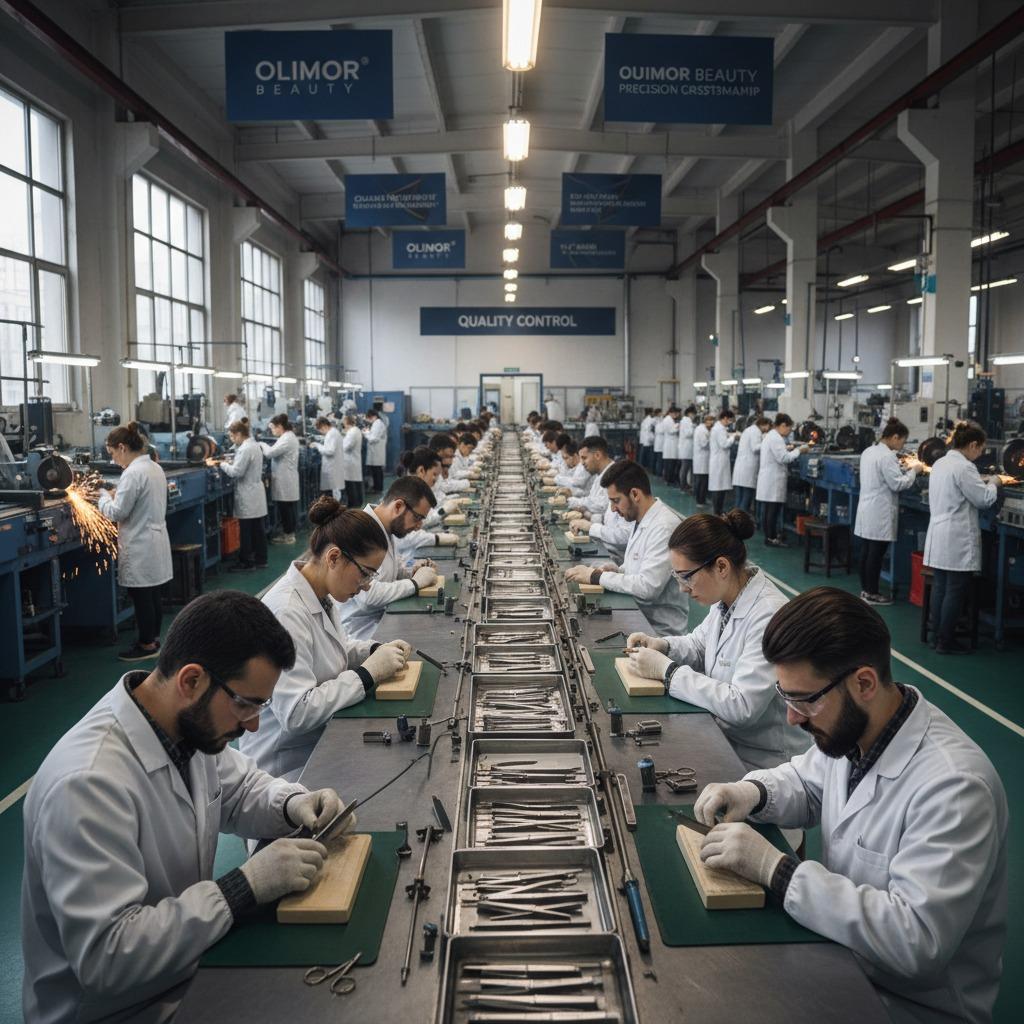
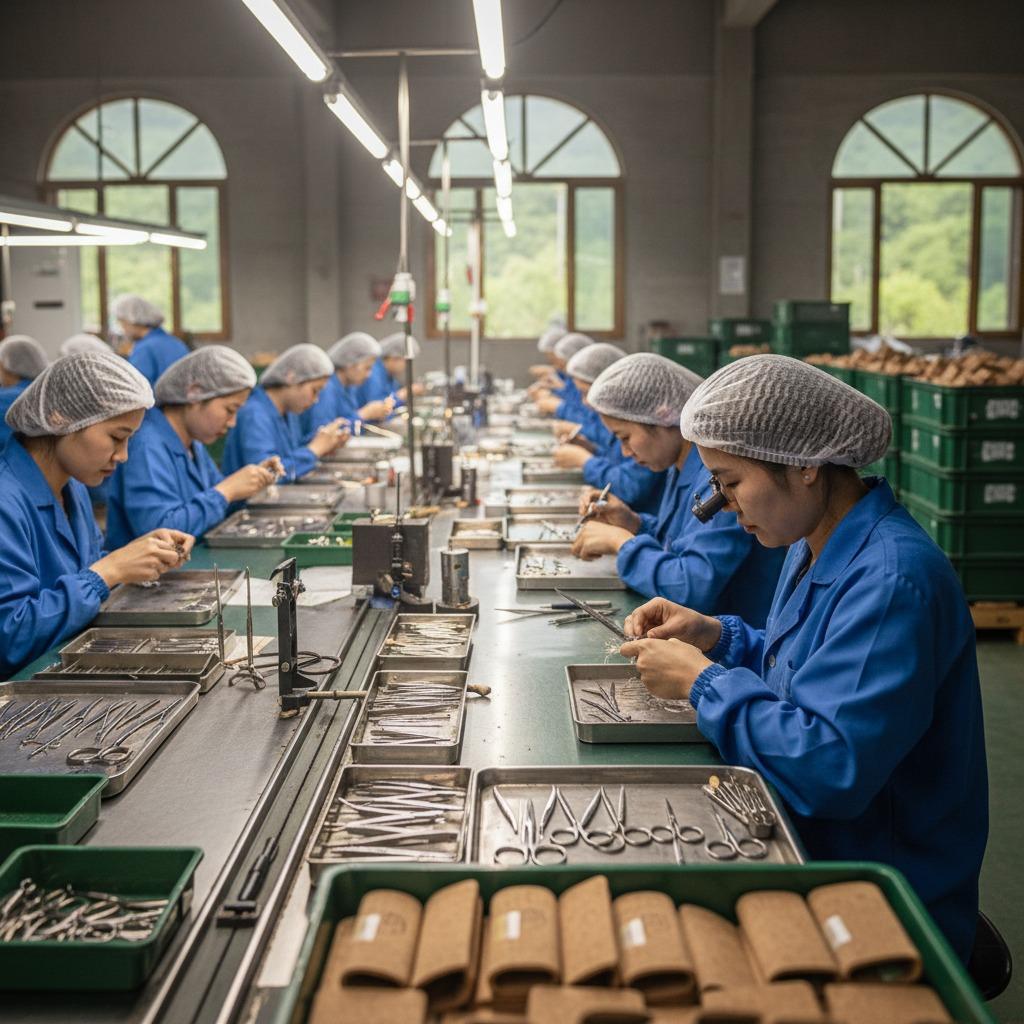
A dependable factory should be able to explain how a nail clipper is made and controlled from raw material preparation through packaging. Nail clippers usually depend on formed metal parts, a sharpened cutting jaw, a lever, a pin or rivet connection, and a finishing process. If one stage is inconsistent, the final product may feel loose, cut unevenly, or show cosmetic defects.
One useful sign is whether the factory works under a documented quality management system. Olimor Beauty’s nail clipper factory information references ISO 9001 certification, which is relevant because nail clipper production relies on repeatable steps rather than one-time craftsmanship. ISO 9001 does not replace product inspection, but it supports a structured approach to process control, corrective action, documentation, and continuous improvement.
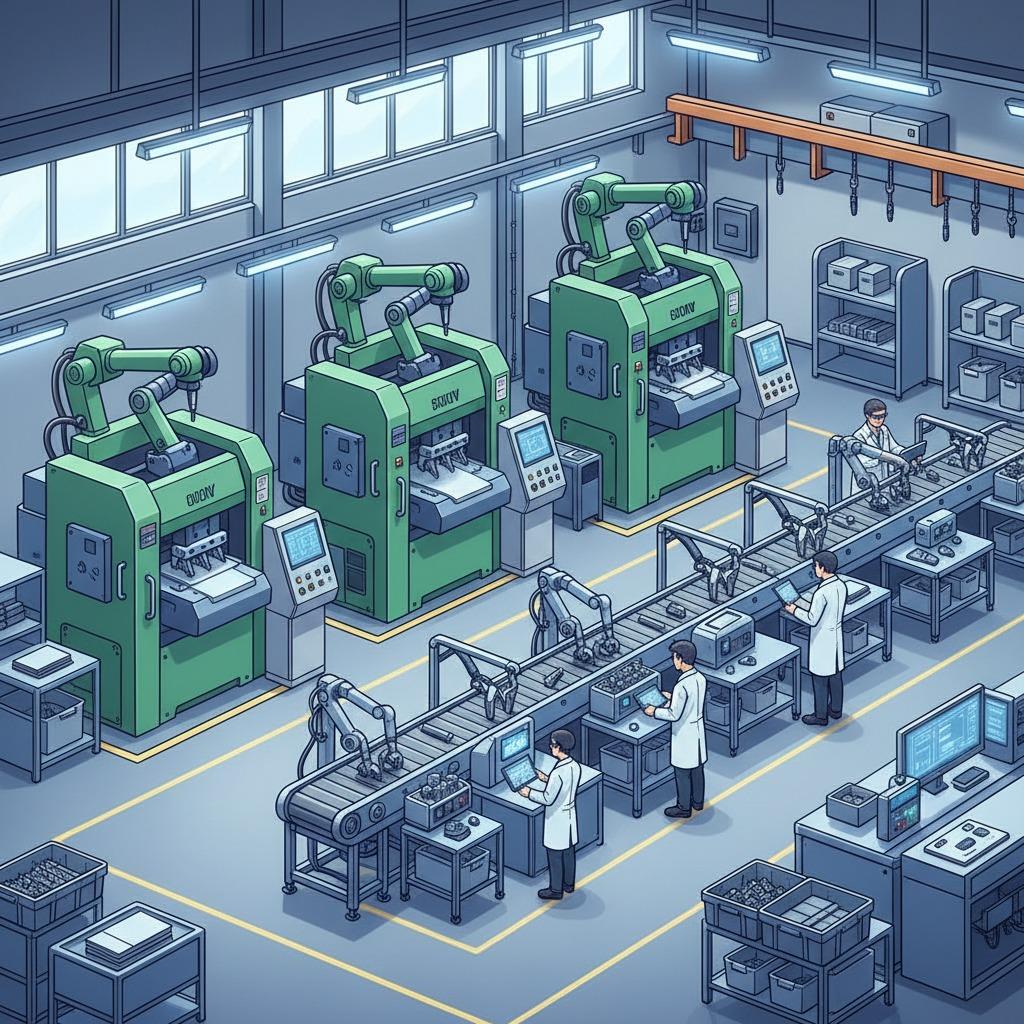
Another important factor is equipment suitability. The supplied factory description refers to metal stamping machines used in production. Stamping consistency matters because the lever, body, and jaw components need accurate shape and alignment. Poor forming can lead to uneven pressure, poor cutting contact, or an uncomfortable grip. Buyers should pay attention not only to whether a factory has machines, but also to whether it can maintain consistent output over repeat orders.
Key Performance Details Buyers Should Check
When sourcing nail clippers, do not evaluate samples only by appearance. A polished surface and attractive card package can hide functional problems. A good review should combine visual inspection, hand feel, and cutting performance. The checklist below is useful for comparing samples from multiple factories.
- Cutting edge alignment: The upper and lower cutting edges should meet evenly across the intended cutting area. Gaps can cause tearing instead of clean trimming.
- Sharpness and smoothness: A clipper should cut a nail sample cleanly without requiring excessive force. Sharp does not mean rough; the action should feel controlled.
- Lever tension: The lever should press smoothly and return reliably. Too loose feels cheap, while too stiff can be uncomfortable for frequent use.
- Pin or rivet stability: The moving joint should not wobble excessively. Loose assembly can quickly reduce cutting accuracy.
- Edge finishing: Corners, handles, and contact points should be free of burrs that may scratch fingers or damage packaging.
- Surface appearance: Check for scratches, stains, uneven plating, dull areas, or residue. Cosmetic defects are especially important for retail display.
- Packaging fit: Blister cards, pouches, boxes, or bulk packaging should hold the product securely and protect the cutting edge during transport.
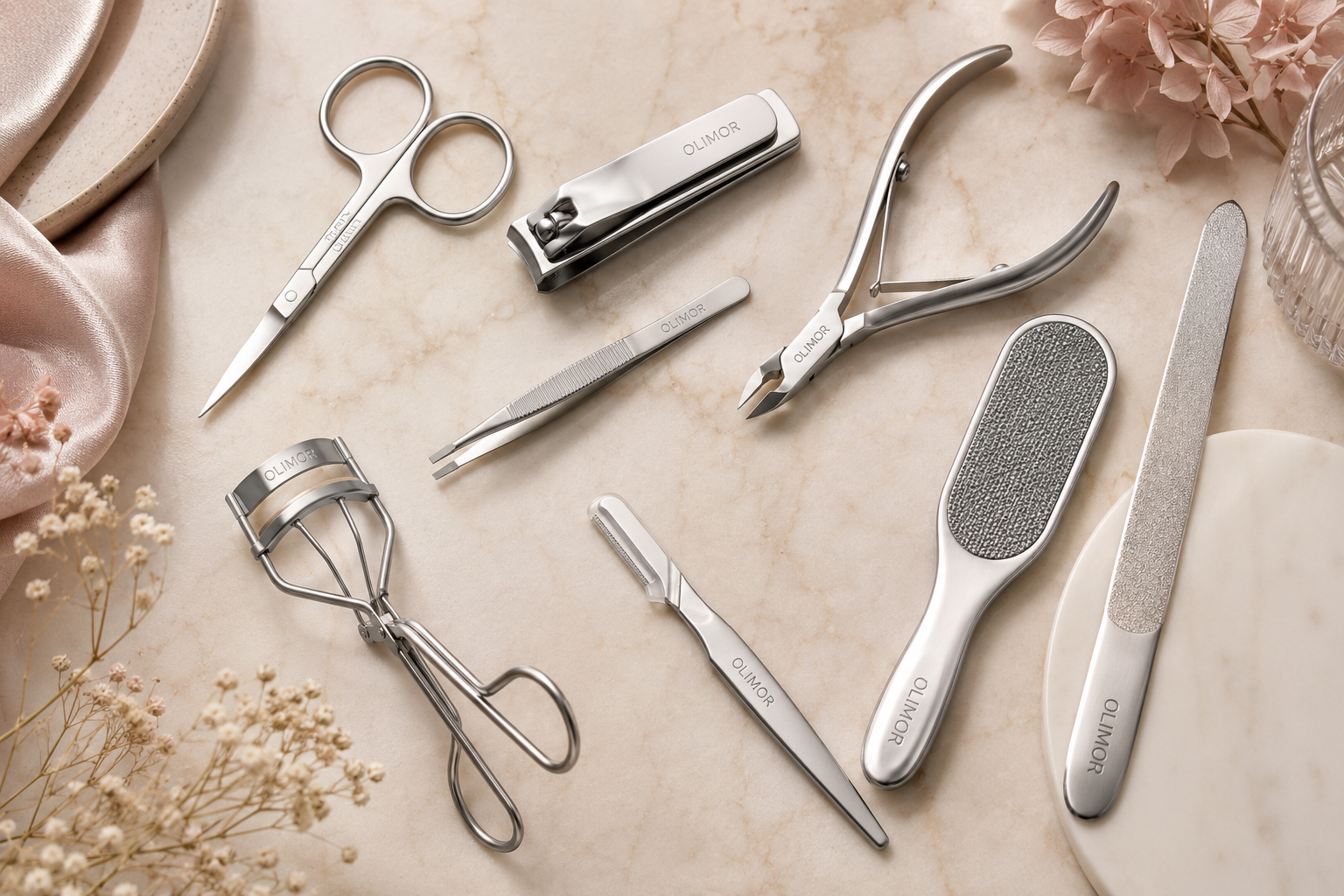
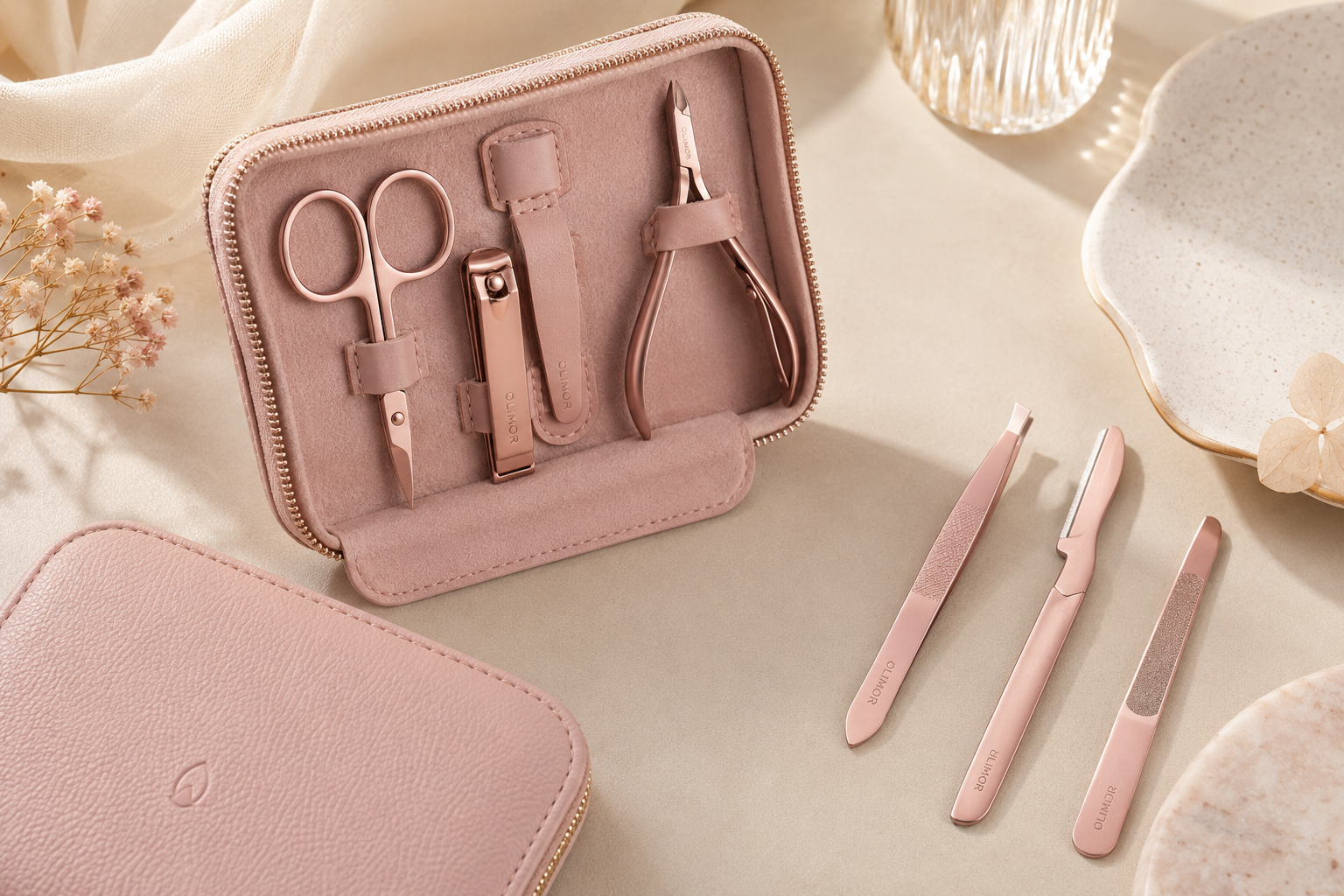
For buyers building a broader range, it also helps to compare nail clippers with other beauty tool products so the finishing, packaging style, and quality level feel consistent across the line.
Material and Manufacturing Questions That Matter
The original factory information highlights stainless steel selection. For nail clippers, stainless steel is a common choice because the tool is often used in bathrooms, salons, travel kits, and other environments where moisture exposure can occur. However, buyers should avoid relying on the material name alone. The practical question is whether the selected steel, heat treatment if used, forming, grinding, and finishing together create a clipper that performs consistently.
Useful manufacturing questions include: How are stamped parts checked for dimensional consistency? How are cutting edges formed and inspected? What visual standards apply to surface finishing? How are nonconforming pieces separated from acceptable products? How is packaging checked before shipment? These questions are more valuable than vague claims about being “high quality.”
If you are developing a custom retail program, prepare reference samples, target packaging, and the intended price position before starting discussions. A factory can make better recommendations when it understands whether the nail clipper is for entry-level retail, salon resale, travel kits, hotel amenities, gift sets, or a premium personal care range. You can also review Olimor’s product collections to think about how a nail clipper might fit within a wider grooming assortment.
Inspection Points from Sample Approval to Shipment
Many sourcing problems happen because buyers approve a sample for appearance but do not define how the production order will be checked. A nail clipper inspection plan should be simple, measurable, and tied to the customer’s use case. The following table can help organize expectations before production begins.
| Stage | What to Review | Why It Matters |
|---|---|---|
| Sample review | Cutting performance, lever feel, surface finish, packaging concept | Confirms the product direction before order details are fixed |
| Pre-production | Approved sample, artwork, packaging materials, inspection criteria | Reduces misunderstanding between buyer and factory |
| In-process checks | Stamped part consistency, assembly stability, visible burrs or defects | Catches problems before they become a full batch issue |
| Final inspection | Function, appearance, quantity, labeling, carton condition | Protects the buyer before goods leave the factory |
For business inquiries, product matching, or a nail clipper sourcing discussion, buyers can send an inquiry with target market, packaging expectations, order planning, and any reference standards used by their company.
Choosing the Right Nail Clipper for Different Sales Channels
The best nail clipper for one channel may not be the best for another. A salon-focused buyer may prioritize cutting feel and repeated-use durability. A travel kit supplier may prioritize compact size, safe packing, and cost control. A retail brand may need stronger shelf presentation, barcode placement, and consistent cosmetic finishing. A hotel amenity buyer may focus on clean individual packaging and reliable basic function.
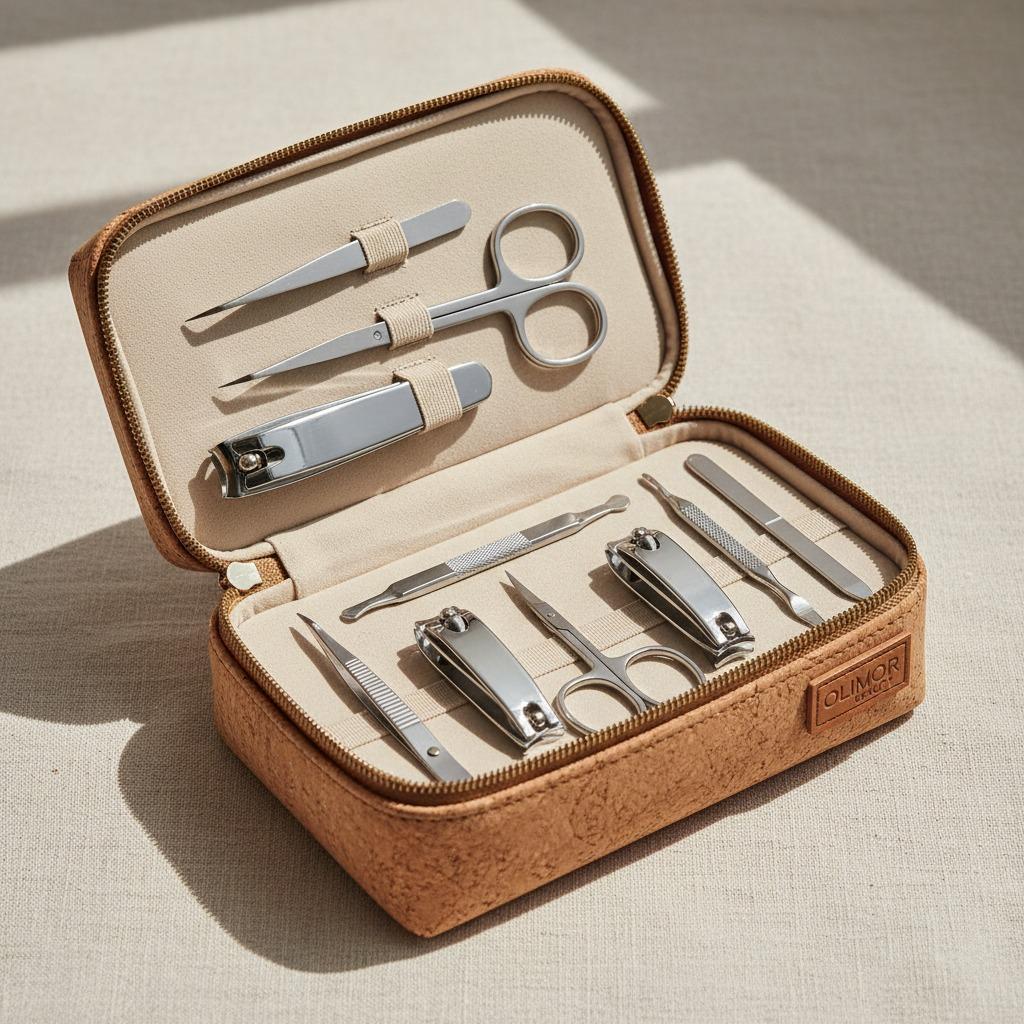
Before selecting a design, define the use case clearly. Will the clipper be sold alone or as part of a manicure set? Will it be displayed on a peg hook, packed in a box, or included in a pouch? Does the buyer need a standard grooming tool, a compact travel option, or a larger clipper for thicker nails? These decisions influence tooling, finishing, packaging, and inspection priorities.
It is also wise to consider user comfort. A nail clipper should provide enough leverage for clean trimming without feeling unstable. Smooth edges and a secure grip area reduce the chance of slipping. If the tool includes a file or catcher in a specific design, those parts should be checked for usability and assembly strength. Do not let decorative details distract from the core function: a controlled, clean cut.
Packaging, Maintenance, and Long-Term Buyer Confidence
Packaging is part of product quality. A nail clipper with a sharp cutting edge can damage thin packaging if it moves too much in transit. Retail packaging should protect the tool while allowing the customer to understand size, shape, and intended use. Bulk packaging should reduce scratching between pieces. If branding is involved, artwork, color accuracy, labeling, and carton marks should be reviewed before mass packing.
For end users, maintenance guidance can also reduce complaints. Nail clippers should be kept clean and dry after use, especially in humid storage conditions. They should not be used to cut materials other than nails, because that can damage the cutting edge or loosen the joint. Retailers and distributors can include simple care instructions on packaging or product pages to support longer product life.
When selecting a factory, look for a partner that can discuss product function, production flow, inspection, and packaging in practical terms. Olimor Beauty’s nail clipper manufacturing information emphasizes ISO 9001 quality management, stainless steel selection, metal stamping, internal quality controls, and final packaging attention. For buyers, these are the areas that deserve close review because they directly affect user satisfaction and repeat business.
If you are comparing nail clipper options or building a personal care tool range, prepare your target market, packaging style, and quality expectations before contacting the supplier. For tailored guidance, you can contact Olimor and share the details of your sourcing project.