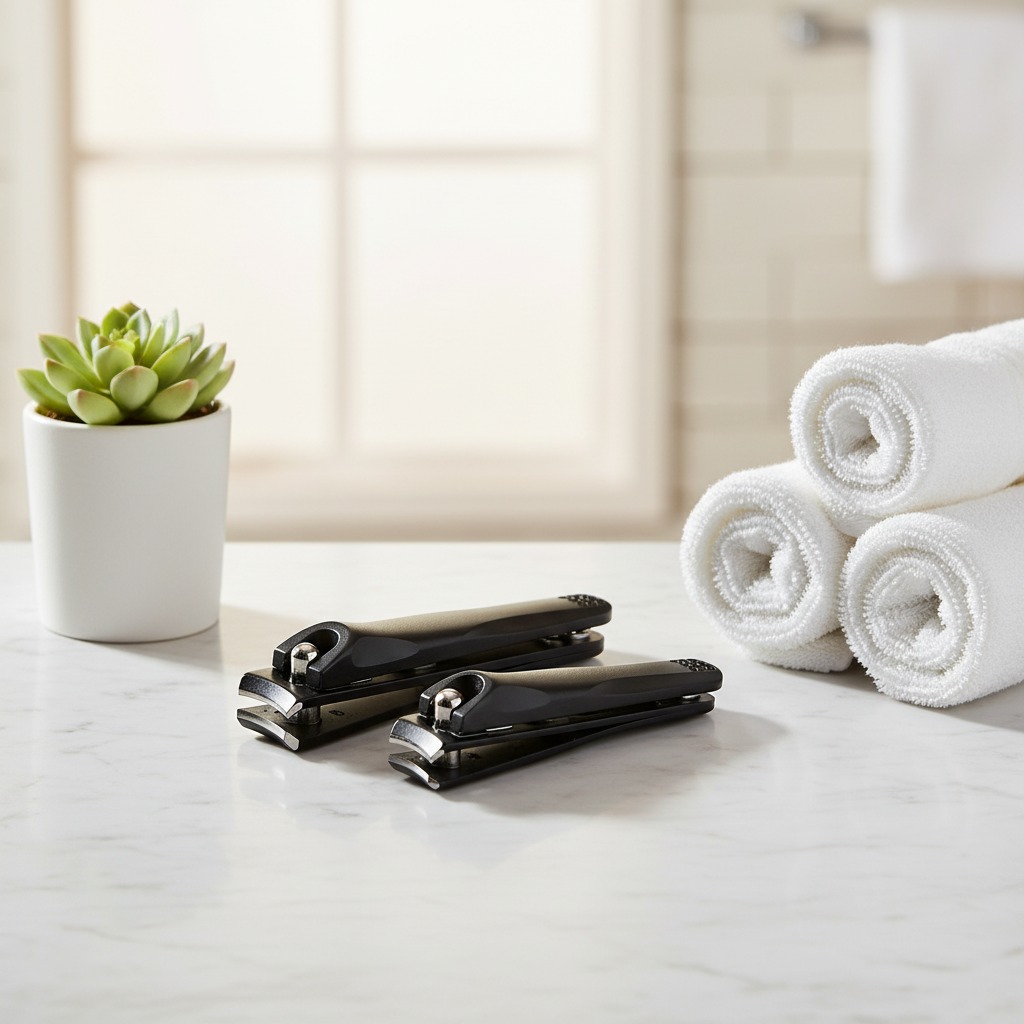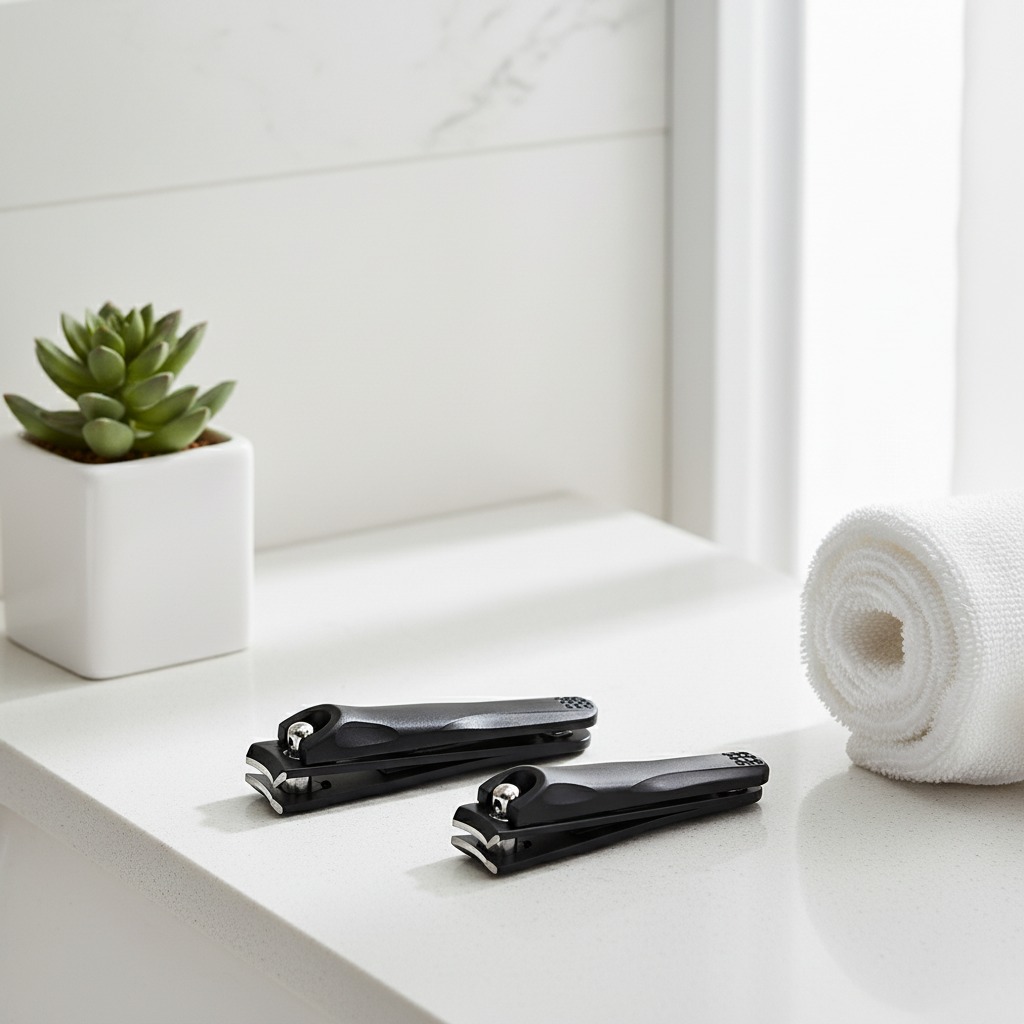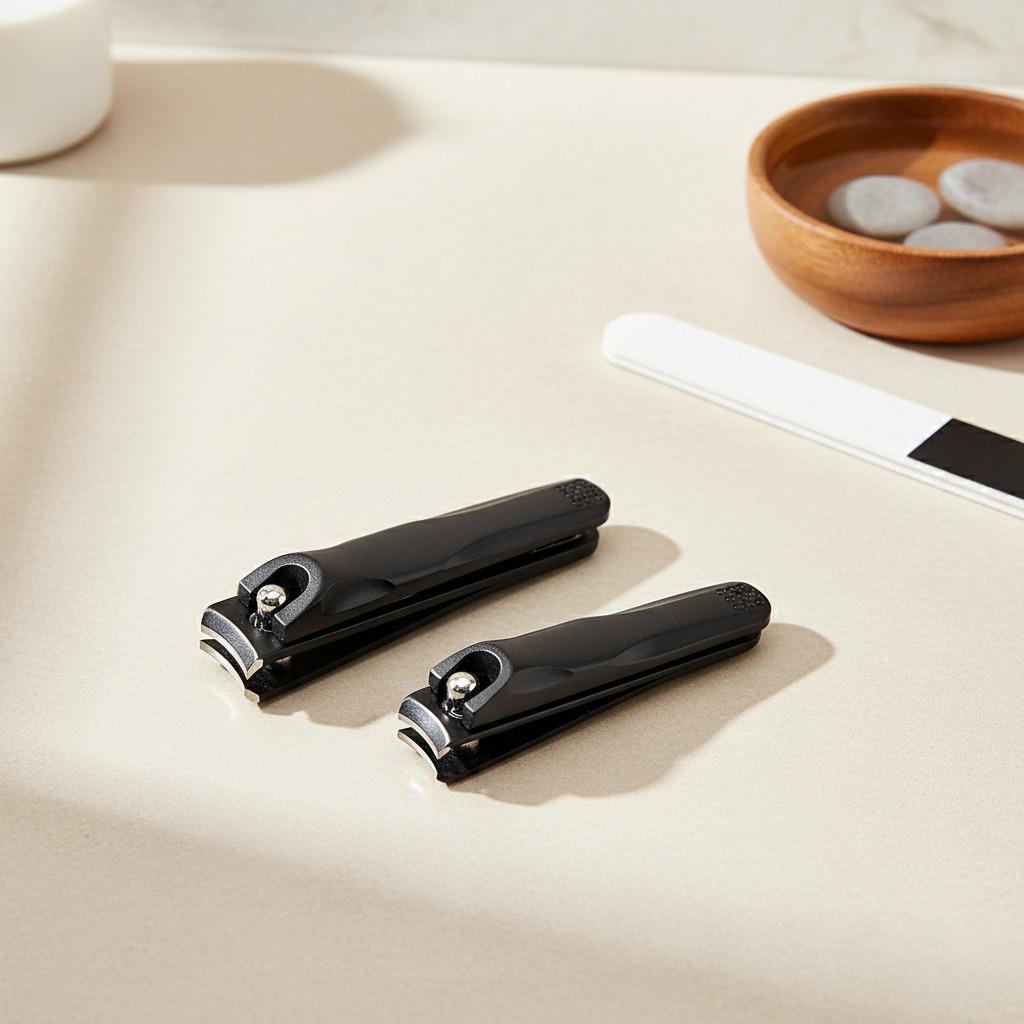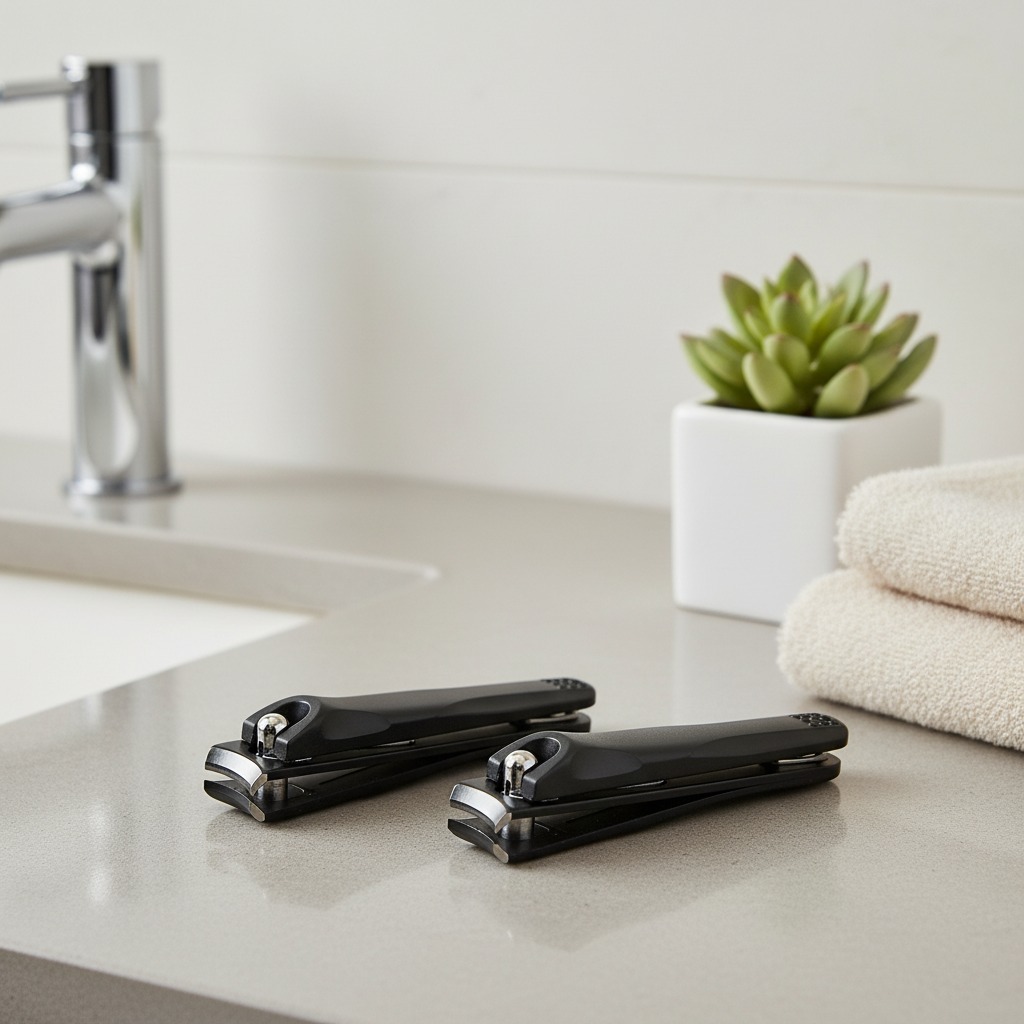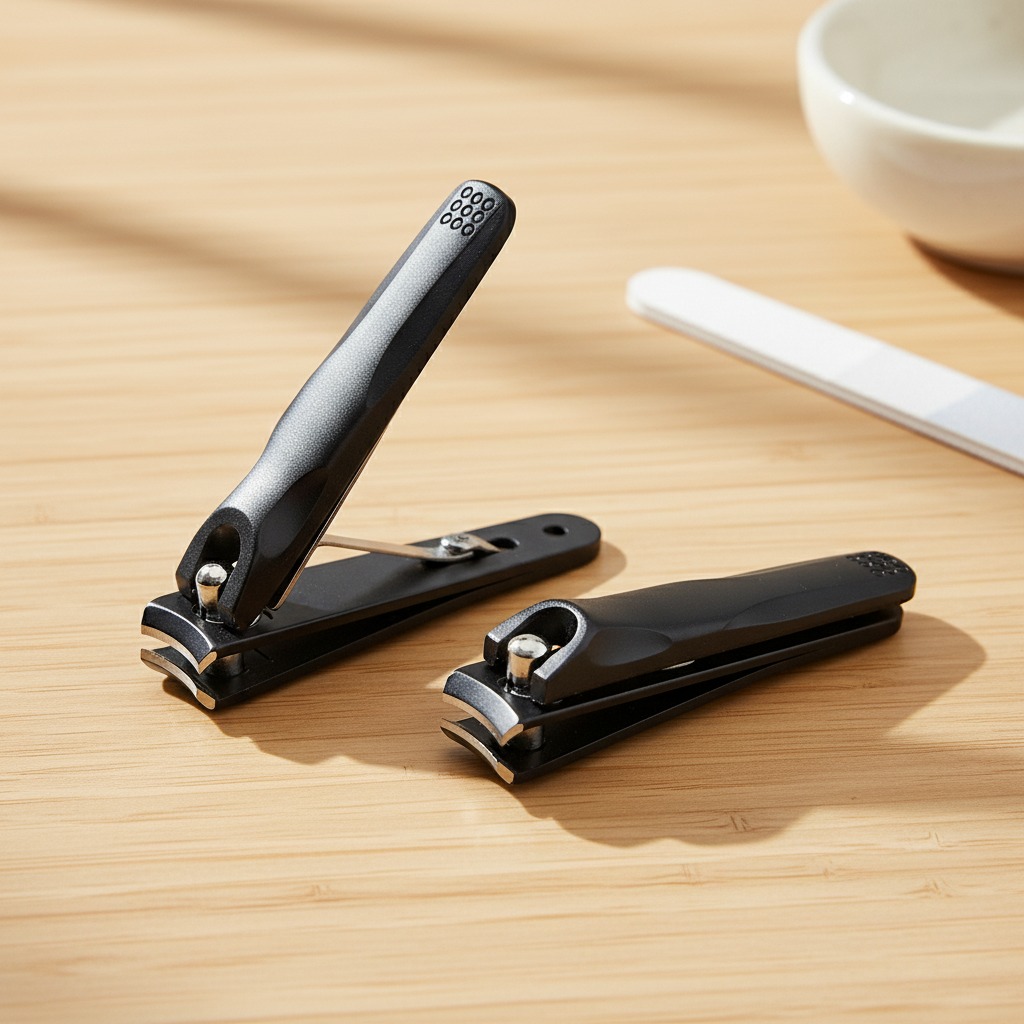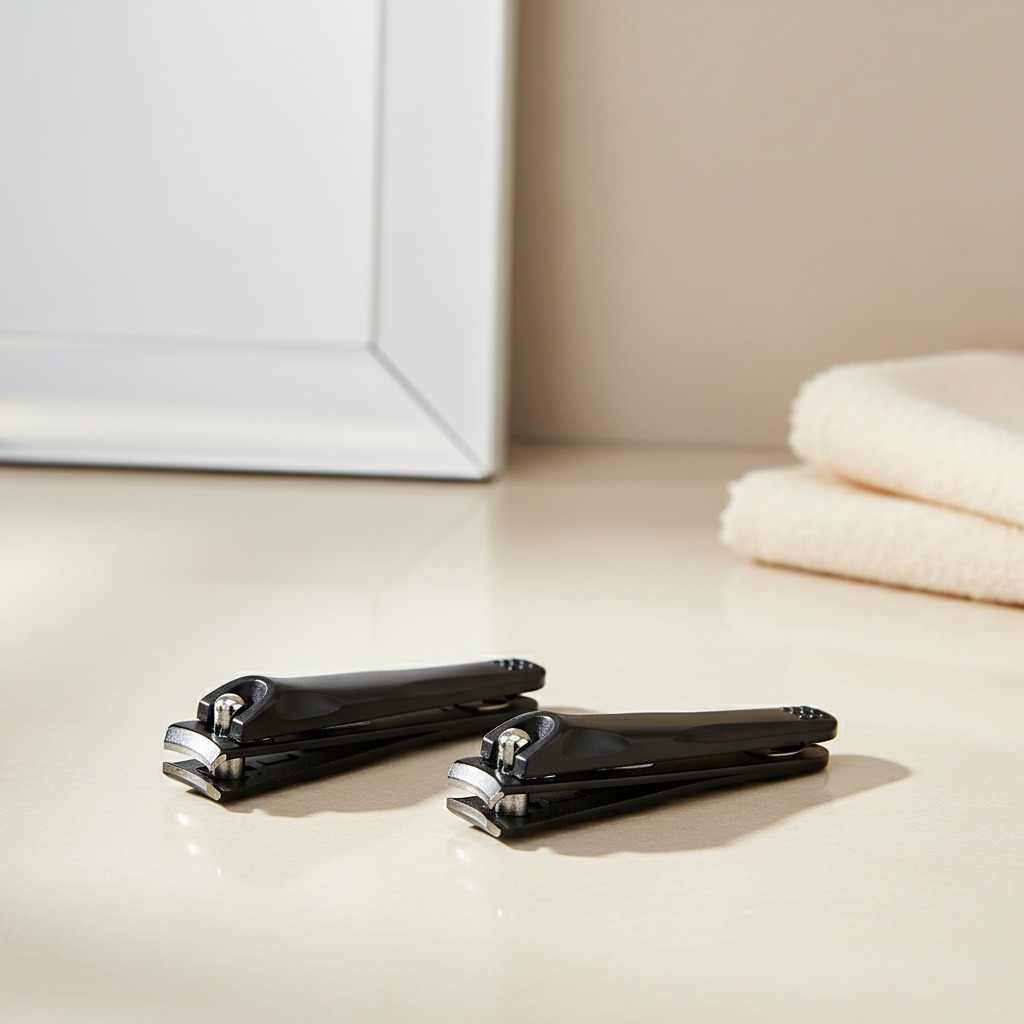











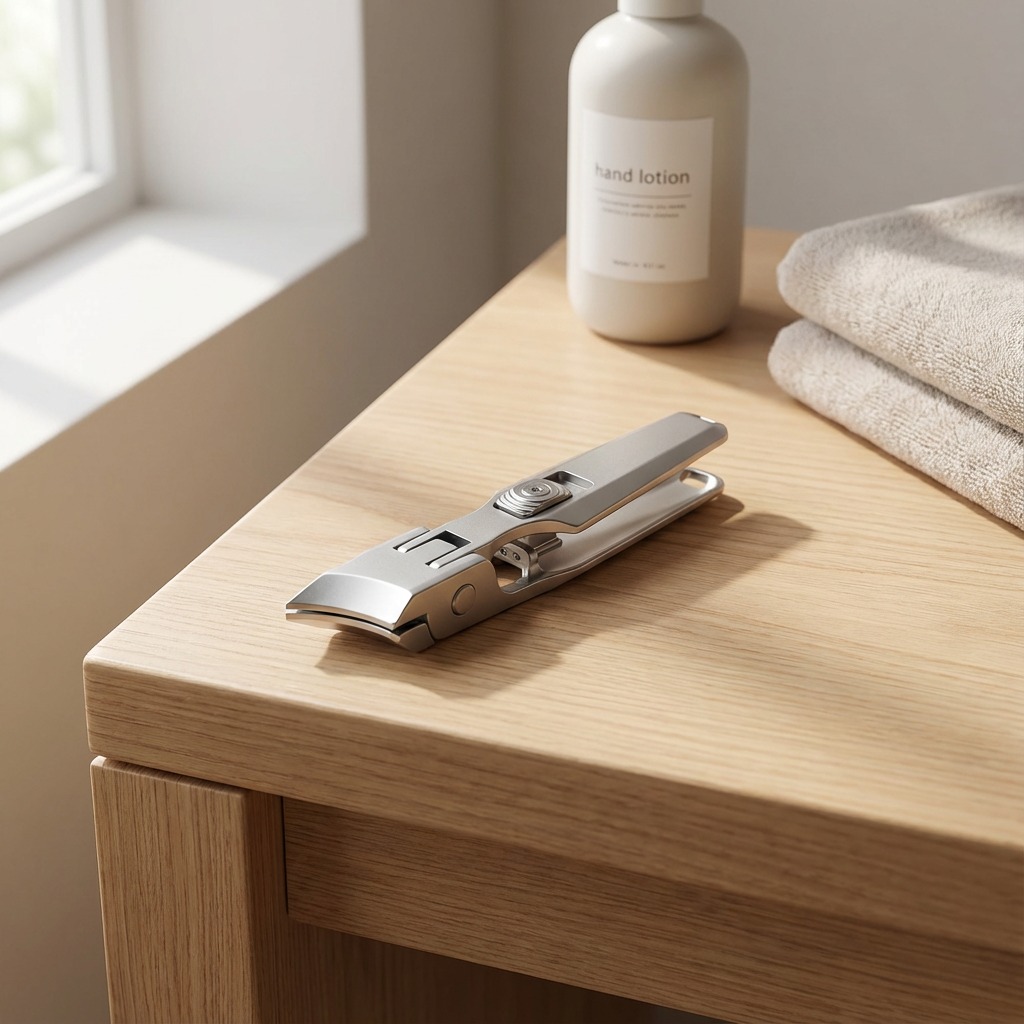
Nail clippers look simple, but buyers who source them in bulk know that small manufacturing differences can affect comfort, cutting performance, packaging quality, and customer satisfaction. A clipper that feels strong in the hand, cuts cleanly, and keeps its finish through normal use is much easier to sell than one chosen only by unit price. For retailers, distributors, gift-set brands, grooming suppliers, and private-label businesses, choosing the right nail clipper factory is therefore a practical supply-chain decision, not just a product search.
Olimor Beauty focuses on beauty and grooming tools, including stainless steel nail clippers designed for everyday trimming at home, in travel kits, and in professional retail assortments. The key sourcing question is not simply whether a factory can make a nail clipper. It is whether the supplier can consistently deliver the blade geometry, metal construction, lever strength, ergonomic feel, surface finish, and packaging presentation required for your market.
This guide explains how to evaluate nail clipper wholesale and OEM options with a practical buyer’s checklist. It is written for teams comparing factories, preparing a private-label project, or building a repeatable bulk supply program.
What Makes a Nail Clipper Factory Worth Evaluating?
A dependable nail clipper factory should be able to discuss the product as a functional grooming tool, not only as a commodity. The most important performance factor is the cutting edge. Sharp, well-aligned curved blades help produce a cleaner cut and reduce the likelihood of crushing, tearing, or uneven trimming. The lever should transfer pressure smoothly so the user does not need excessive force, especially when trimming thicker nails.
Metal construction also matters. Stainless steel is commonly preferred for nail clippers because it supports a clean appearance, good rigidity, and suitability for repeated personal-care use. Buyers should still evaluate the finish, hinge movement, spring-back behavior, and resistance to visible defects. A modern shape and ergonomic grip can make a clipper more comfortable and more appealing in retail packaging, but comfort should be tested with real handling rather than judged from photos alone.
When comparing factory options, review how the supplier manages the full production path: material selection, forming, sharpening, assembly, surface finishing, inspection, and packing. A good sourcing discussion should produce clear answers about what will be checked before shipment and what sample approval process will be used before mass production.
Key Product Details Buyers Should Compare
For wholesale nail clipper orders, comparing only appearance is risky. Two clippers may look similar but perform differently because of blade alignment, lever thickness, rivet fit, or sharpening consistency. Before placing a bulk order, create a comparison sheet and record product observations from samples.
- Blade sharpness and alignment: The blades should meet evenly along the cutting edge, with no obvious gaps, twisting, or rough burrs.
- Cutting curve: A curved blade helps follow the nail shape. Confirm that the curve suits the intended customer group and use case.
- Lever strength: The lever should feel stable under pressure and should not bend easily during normal trimming.
- Grip comfort: Check whether the clipper can be held securely by different users, including those with smaller hands.
- Surface finish: Look for scratches, sharp corners, uneven polishing, discoloration, or oil residue.
- Portability: If the product is intended for travel kits, handbags, or amenity packs, confirm size, weight, and packaging format.
- Retail presentation: Consider whether the clipper will be sold loose, on a card, in a box, as part of a set, or under a private label.
Olimor Beauty’s broader range of grooming and beauty tools can be reviewed through the beauty tool products page, which is useful when buyers are planning a coordinated assortment rather than a single item.
Wholesale Nail Clippers: Matching the Product to the Sales Channel
A wholesale nail clipper program should match the needs of the sales channel. A supermarket or pharmacy line may prioritize clear packaging, durable presentation, and simple product education. A travel kit supplier may need compact sizing and consistent appearance across many kits. A salon distributor may care more about hand feel, cutting precision, and perceived sturdiness. An online retailer may need a product that photographs well but also earns positive reviews after repeated use.
Before confirming a wholesale order, define the product role. Is the nail clipper a standalone retail item, part of a manicure set, a promotional product, or a private-label grooming essential? This decision affects packaging, finish, logo placement, inspection criteria, and even the level of product description needed on the selling page.
Buyers should also think about replenishment. A one-time promotional order can be managed differently from a long-term product line. For repeat business, consistency between batches becomes very important. Confirm that the approved sample will be used as the reference for bulk production and that packaging artwork, barcode placement, product color tone, and finish expectations are documented before manufacturing begins.
OEM Nail Clipper Projects: What to Prepare Before Production
Nail clipper OEM services are useful when a buyer wants a product aligned with a brand, retail range, or gift set. OEM work may include logo application, packaging design, finish selection, or adjustments to product details where feasible. The smoother the preparation, the easier it is to avoid delays and misunderstandings.
Prepare the following items before discussing an OEM nail clipper project:
- Target market: Identify whether the product is for mass retail, salons, e-commerce, hotels, travel kits, men’s grooming, women’s grooming, or family use.
- Reference sample: Provide an approved benchmark if you have one, especially for size, hand feel, and blade shape.
- Branding requirements: Clarify whether branding is needed on the clipper, packaging, insert card, outer carton, or all of these.
- Packaging format: Choose the selling format early because it affects cost, product protection, shipping volume, and shelf presentation.
- Inspection priorities: Decide which defects are critical, such as misaligned blades, weak lever action, visible rust, uneven printing, or damaged packaging.
- Commercial timeline: Work backward from launch dates, seasonal promotions, or retailer submission deadlines.
For buyers who are still comparing formats, Olimor Beauty’s product collections can help identify how nail clippers may fit with other grooming tools in a broader assortment.
Quality Checks That Matter Before Shipment
Quality control for nail clippers should focus on function, appearance, and packaging. Function comes first: the tool must cut cleanly and feel reliable. Appearance supports customer trust, especially in retail environments where the consumer may judge quality before opening the package. Packaging protects the item and communicates the intended value level.
A practical inspection plan may include visual checks for finish defects, functional checks for blade alignment and lever operation, and packaging checks for print accuracy and clean assembly. If the product is part of a set, also check that all components are present and correctly arranged. Carton labels and packing quantities should match the buyer’s warehouse or distribution requirements.
| Inspection area | What to check | Why it matters |
|---|---|---|
| Cutting edge | Alignment, sharpness, smooth closure | Directly affects trimming performance |
| Lever and hinge | Strength, movement, stability | Controls ease of use and durability perception |
| Metal finish | Scratches, burrs, stains, uneven polish | Influences safety, appearance, and customer confidence |
| Branding | Logo position, print clarity, color consistency | Protects private-label presentation |
| Packaging | Correct artwork, clean sealing, carton condition | Reduces retail rejection and customer complaints |
Buyers do not need to overcomplicate inspection, but they should document standards clearly. A simple approved sample, artwork file, packaging specification, and defect checklist can prevent many common sourcing problems.
Sourcing Questions for a Nail Clipper China Manufacturer
When sourcing from a nail clipper China manufacturer, communication should be specific. Instead of asking only for the lowest price, ask how the product is made, what can be customized, what sample process is available, and how consistency is controlled. This helps separate a serious manufacturing partner from a supplier that only trades on low cost.
Useful sourcing questions include: What materials and finishes are available for the selected clipper? Can the factory provide pre-production samples for approval? Which parts of the clipper can carry a logo? What packaging formats are practical for the order? How will blade alignment and lever action be checked? How are bulk cartons labeled and packed? What information is needed before the factory can quote accurately?
These questions also help buyers compare offers more fairly. A low quote may exclude packaging, branding, inspection steps, or other requirements. A complete quote should reflect the actual product you plan to sell, not a simplified version that changes later.
Building a Long-Term Nail Clipper Supply Plan
A strong supply plan balances product quality, price, packaging, order timing, and repeatability. For many buyers, the first order is only the beginning. If the item sells well, the second and third orders need to match the approved standard so the brand can grow without customer confusion.
Keep a record of the final approved sample, artwork, packaging details, carton information, and inspection notes. If changes are made later, document them clearly. This is especially important for private-label nail clipper OEM projects where a small change in finish or packaging can affect brand consistency.
Olimor Beauty works with buyers who need practical beauty tool sourcing support, whether they are comparing wholesale nail clippers or preparing an OEM grooming product. To discuss a project, you can send an inquiry with your target product, packaging idea, and expected sales channel. If you need help clarifying product requirements before quotation, you may also contact Olimor for guidance.
The best nail clipper factory relationship is built on clear samples, realistic specifications, and consistent communication. When buyers evaluate blade quality, stainless steel construction, ergonomic handling, packaging, and inspection standards from the start, they are better positioned to source nail clippers that satisfy both retail buyers and end users.