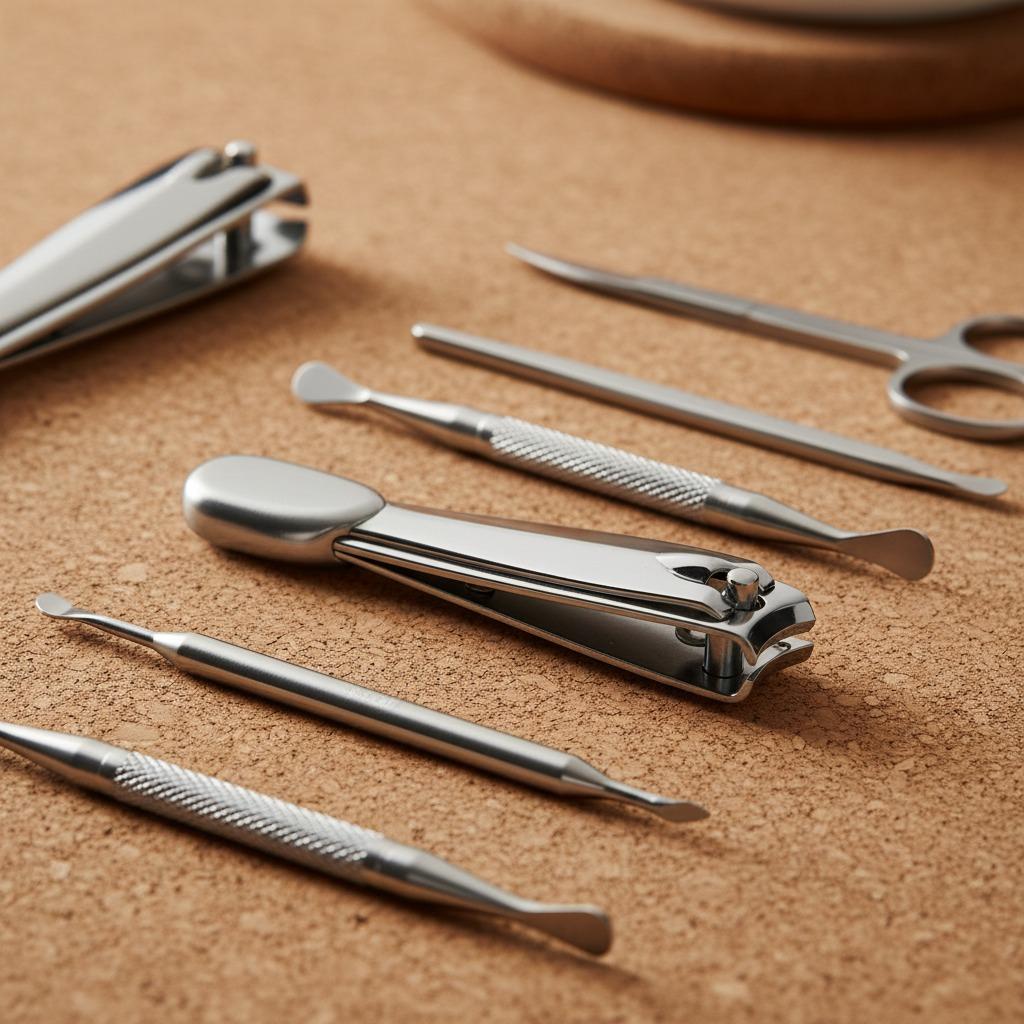











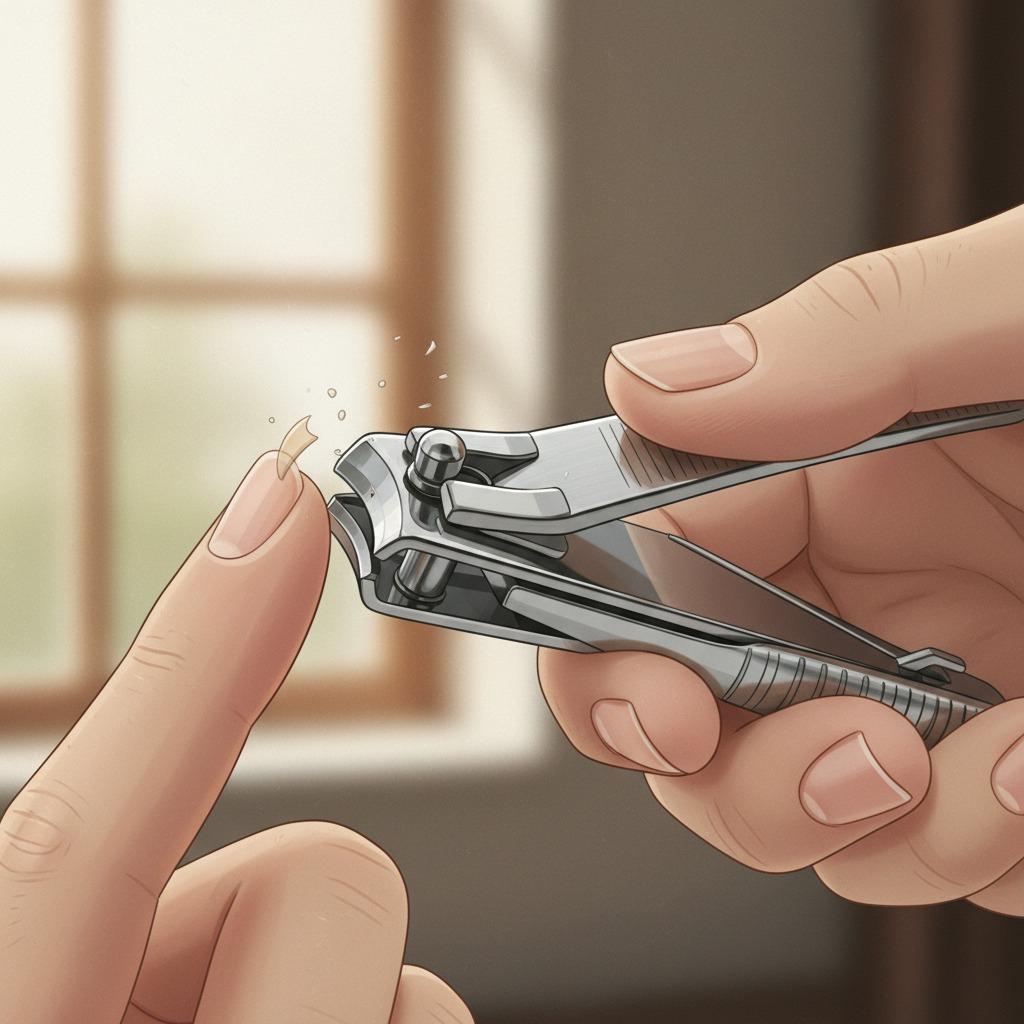
A nail clipper is one of the smallest tools in a grooming kit, yet it has a direct effect on comfort, hygiene and the finished look of natural nails. A poor clipper can bend the nail, leave rough edges, pinch the skin or lose alignment after repeated use. A well-made clipper, by contrast, should feel stable in the hand, cut cleanly with reasonable pressure and be easy to wipe down after each grooming session.
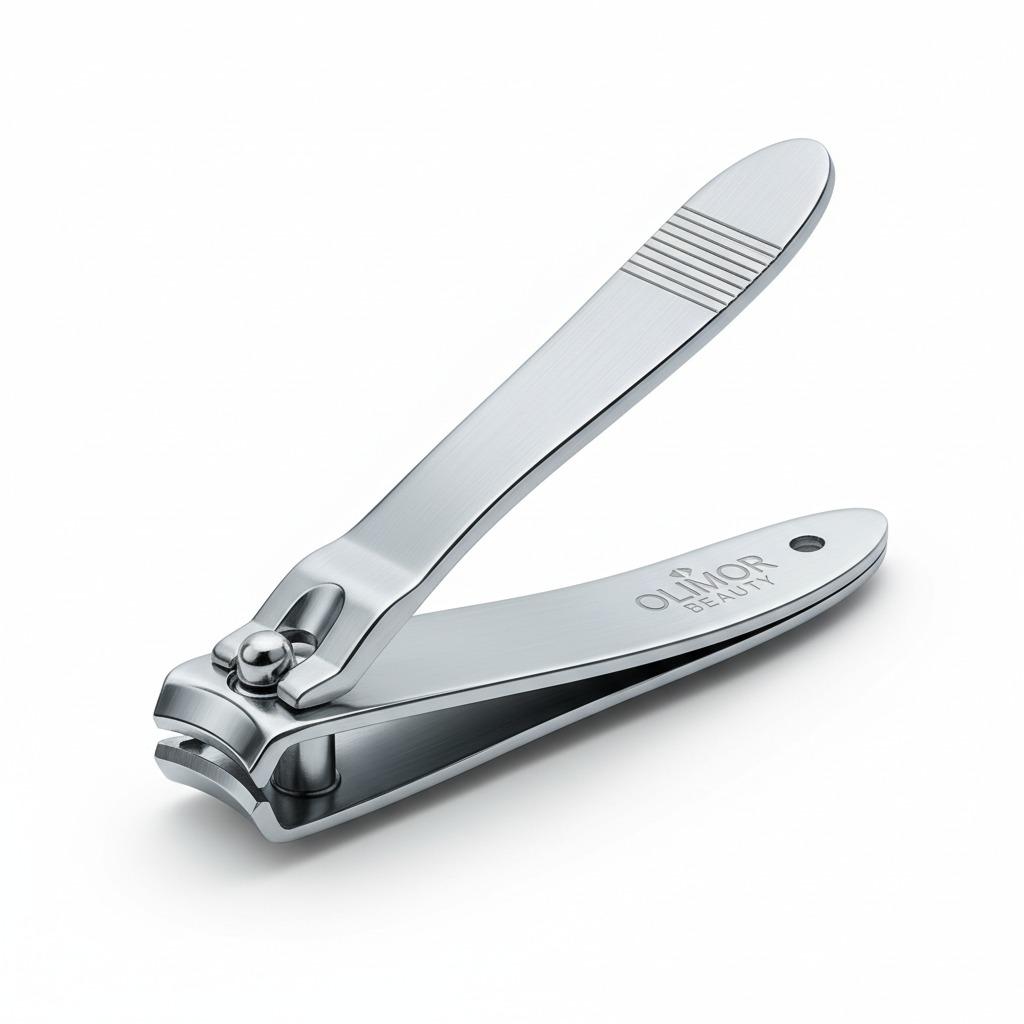
Olimor Beauty offers a nail clipper designed for everyday trimming needs. The original product details highlight sharp blades, clean cutting without snagging or pulling, stainless steel construction and quality checks. This guide explains what those qualities mean in daily use, how to evaluate a clipper before purchase and how to store and maintain it so it stays reliable for longer.
What Makes a Nail Clipper Useful for Regular Grooming?
The main purpose of a nail clipper is simple: shorten the free edge of the nail without tearing, crushing or causing discomfort. In practice, that depends on several details working together. The cutting edges need to meet evenly. The lever should transfer pressure smoothly. The body should not flex in a way that shifts the cut. The surface should also tolerate normal cleaning and storage conditions.
Sharp blades are especially important because fingernails and toenails respond differently to pressure. Fingernails are usually thinner and easier to shape, while toenails can be thicker and more resistant. A dull tool may force the user to press harder, which can increase the chance of splitting the nail or cutting too far into the corner. A precise clipper helps trim gradually, making it easier to follow the natural curve instead of removing too much at once.
For buyers comparing beauty tool products, comfort should be assessed along with cutting performance. A clipper may look compact, but if the lever is slippery or awkward, it becomes harder to control. For household grooming, salon retail, travel kits or private-label beauty tool assortments, the best choice is usually a balanced design that serves many users rather than an overly specialized shape.
Key Selection Criteria Before You Buy
When choosing a nail clipper for personal use or sourcing for a beauty tool range, focus on observable details rather than decorative claims. The following checklist can help you compare options more consistently:
- Blade alignment: When the clipper closes, the two cutting edges should meet evenly from one side to the other. Gaps or uneven contact can cause partial cuts.
- Cutting feel: The lever should press down smoothly. It should not wobble excessively or require uncomfortable force for normal nails.
- Edge finish: The cutting edge should look clean, with no visible burrs or rough metal that could scratch the nail surface.
- Material suitability: Stainless steel is commonly selected for nail tools because it supports cleaning and offers corrosion resistance when properly maintained.
- Grip and control: A practical clipper should be easy to hold with dry hands and should allow controlled trimming in small sections.
- Portability: If the clipper will be used in a travel kit, handbag or retail grooming set, check whether the size and shape suit compact storage.
- Cleaning access: Nail clippings and residue should be easy to remove from the cutting area after use.
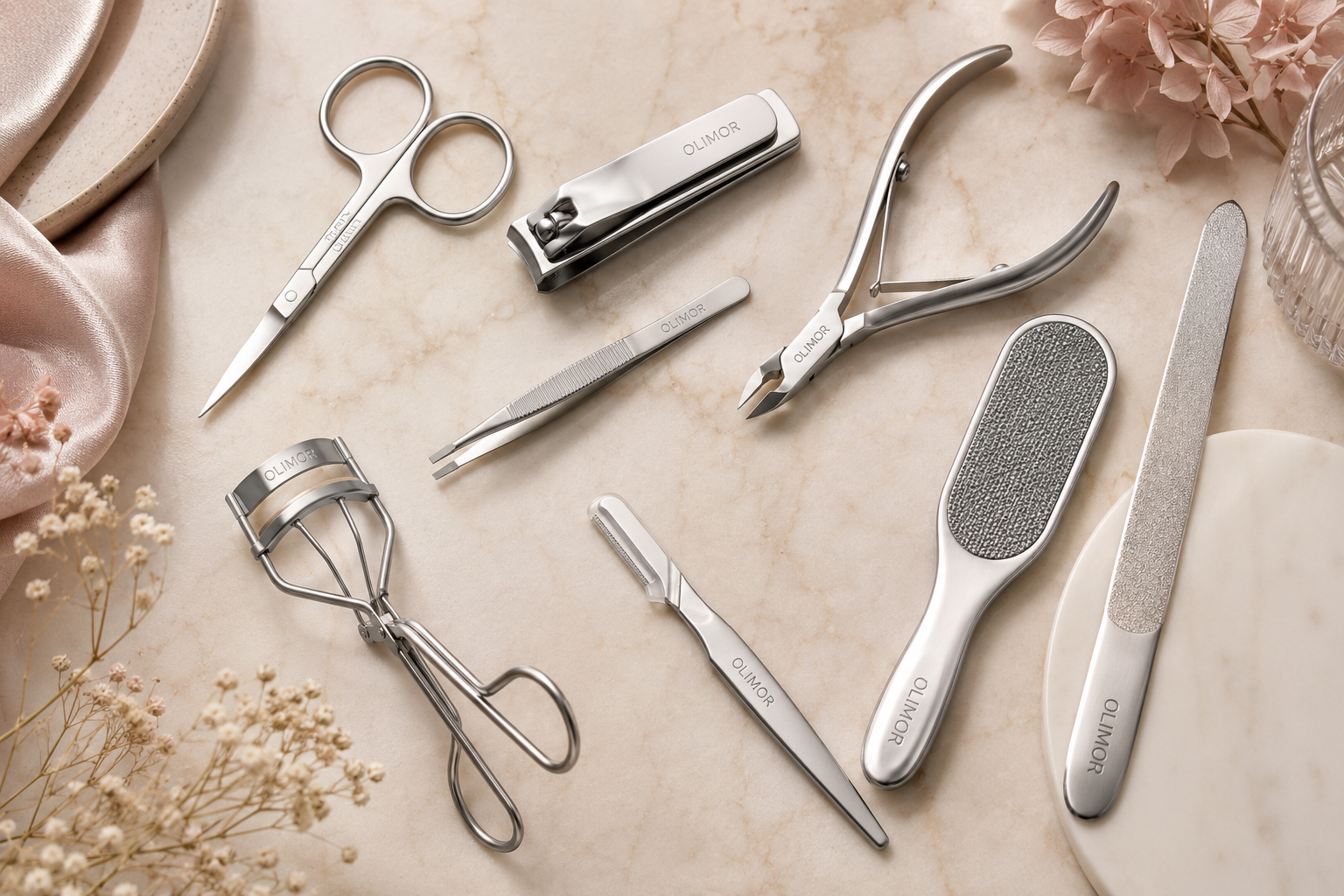
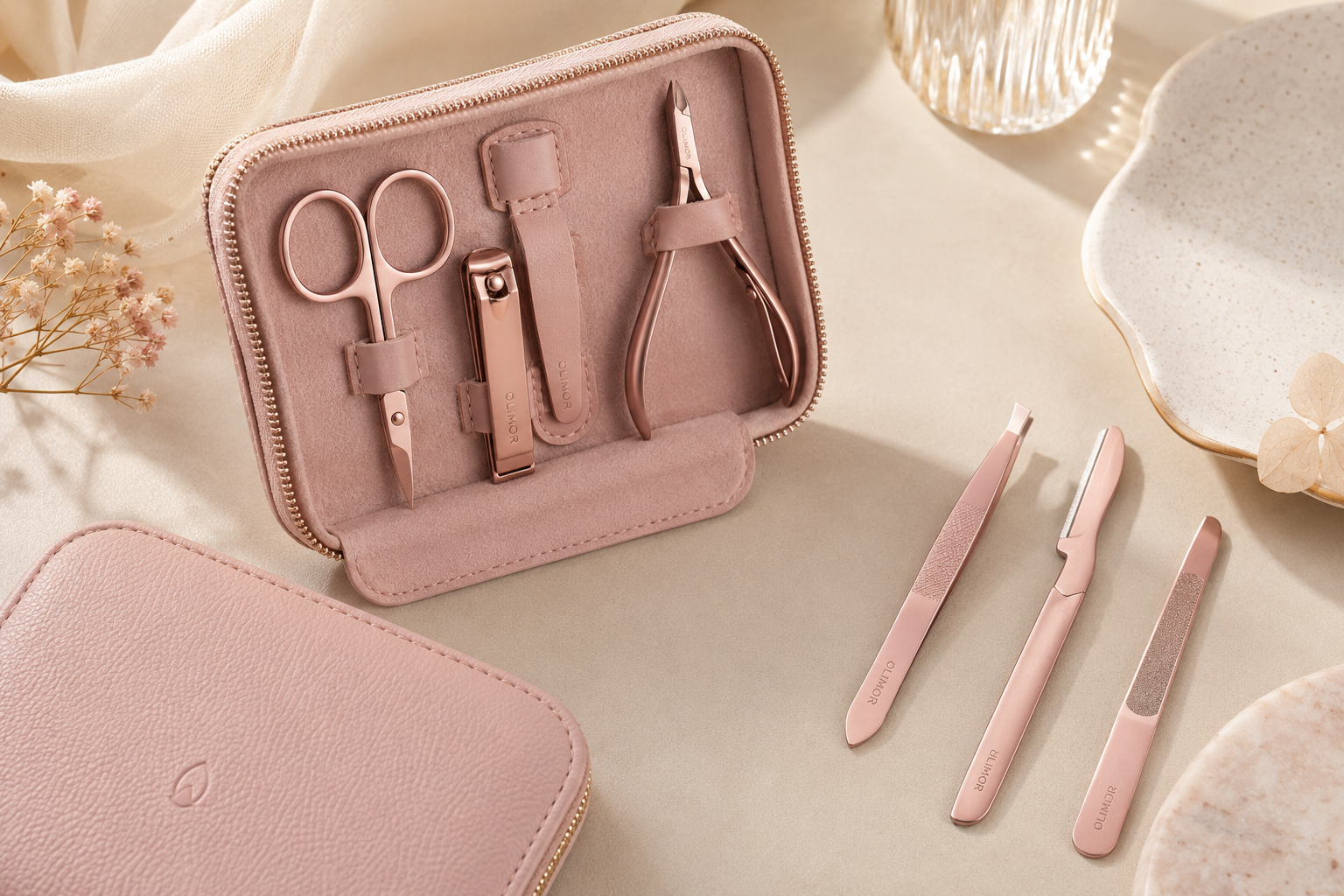
For sourcing discussions, it is also reasonable to evaluate packaging protection, finish consistency, batch appearance and whether the clipper suits the intended audience. A clipper for a simple home manicure kit may have different priorities from one sold as part of a broader grooming assortment. To compare related items, browse Olimor product collections and consider how the nail clipper fits with files, tweezers, scissors and other manicure tools.
How to Trim Nails Cleanly and Comfortably
Even a dependable clipper performs best when used with good technique. Start with clean, dry hands or feet. Some people prefer trimming after bathing because nails are softer, but if nails become too flexible, the edge may bend rather than cut crisply. The right timing depends on nail thickness and personal comfort.
- Inspect the nail first. Look for rough edges, splits or corners that need careful trimming. Avoid cutting into irritated skin.
- Clip in small sections. Instead of trying to remove the entire edge in one cut, make several controlled clips along the natural shape of the nail.
- Leave a small free edge. Cutting too short can cause tenderness and may make corners more likely to press into the skin.
- Shape after trimming. Use a nail file to smooth sharp points rather than using the clipper to create a perfectly finished edge.
- Clean the tool immediately. Remove clippings and wipe the clipper before storing it.
For toenails, trim more cautiously and avoid deeply rounding the corners. Many grooming professionals recommend a straighter toenail shape to reduce pressure at the sides. If nails are unusually thick, painful, discolored or affected by a medical condition, routine cosmetic trimming may not be enough; professional care may be more appropriate.
Storage That Protects the Cutting Edge
Storage affects the working life of a nail clipper more than many users realize. Tossing a clipper loose into a drawer with metal files, scissors and cosmetic containers can dull the edge or knock the jaws out of alignment. Damp bathroom storage can also increase the chance of staining or rust, especially if water remains in the hinge or cutting area.
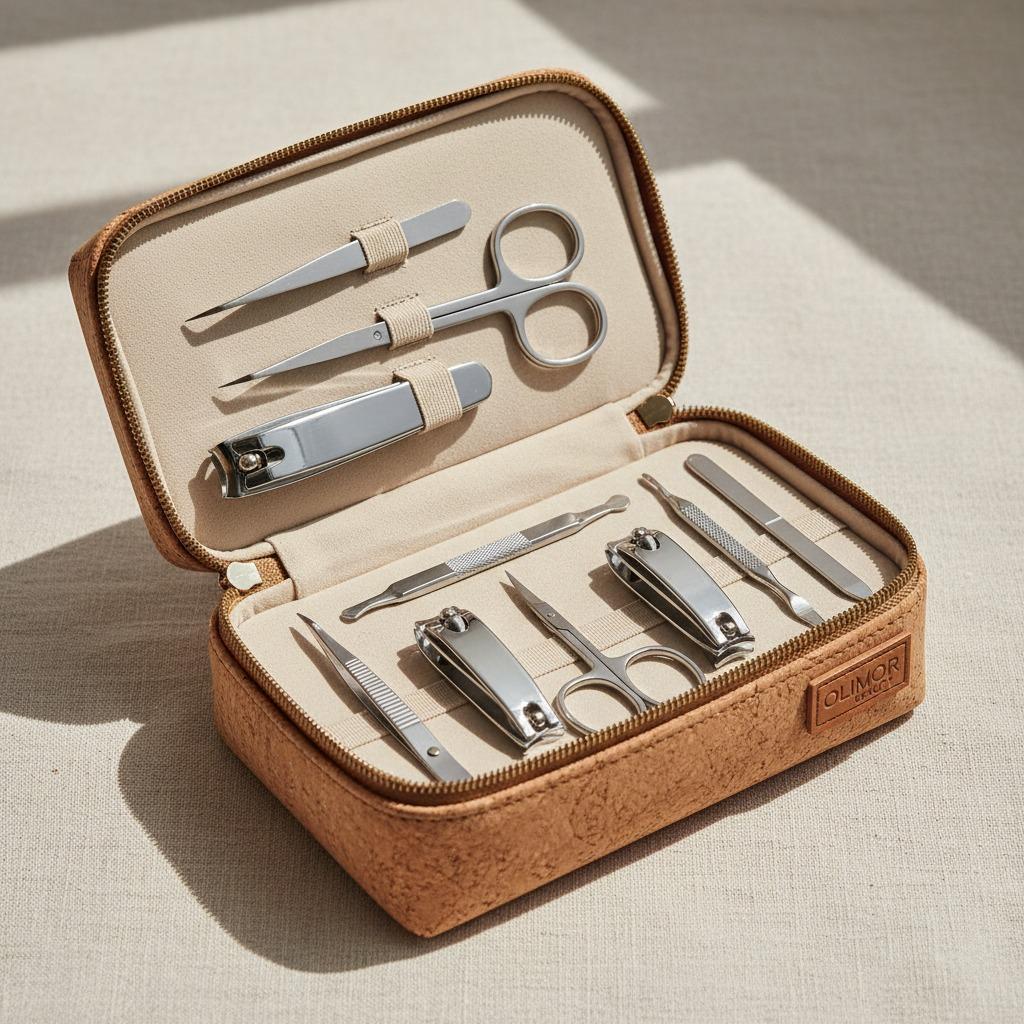
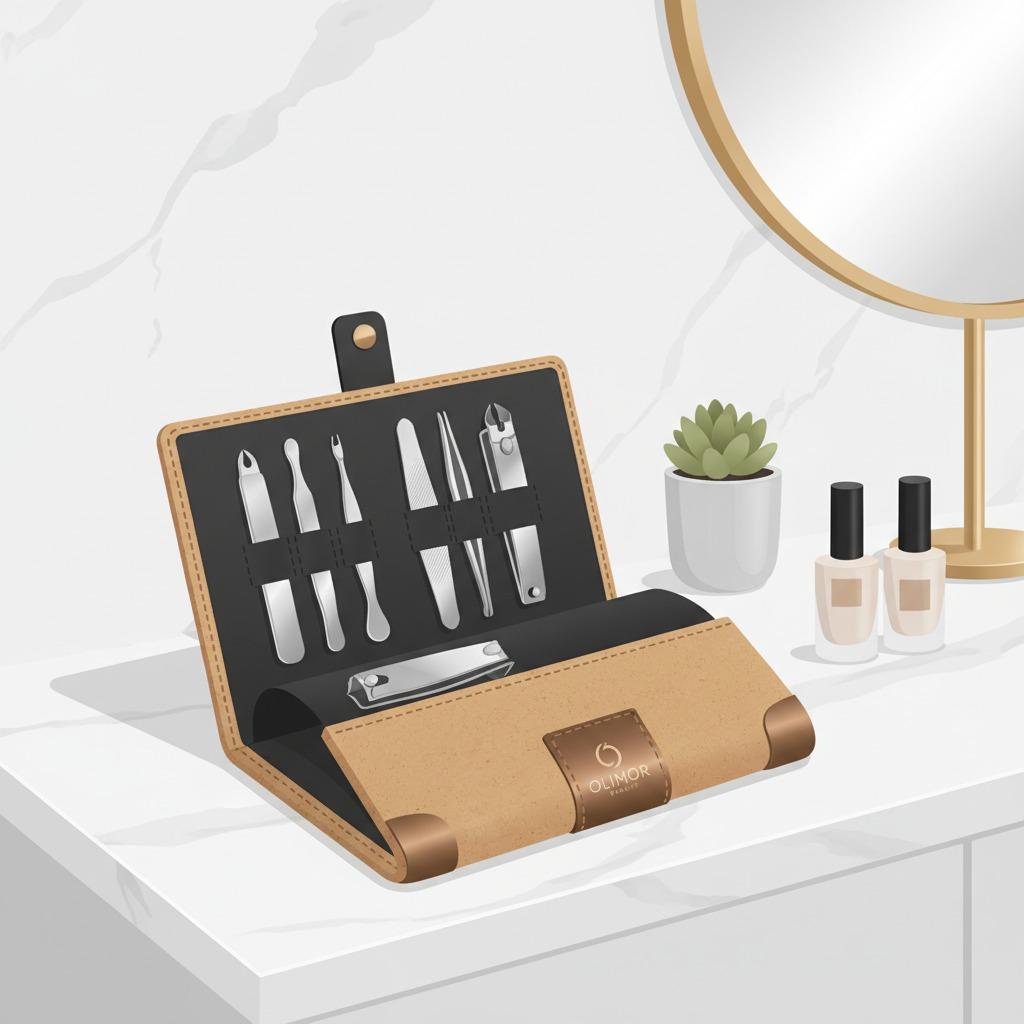
A good storage setup does not need to be complicated. The goal is to keep the clipper dry, clean and protected from impact. For a personal manicure kit, a small pouch, tray compartment or compact organizer works well. For beauty tool businesses, packaging should prevent the clipper from rubbing against other tools during shipping and display.
| Storage situation | Better practice | Why it helps |
|---|---|---|
| Bathroom drawer | Use a dry pouch or divided organizer | Reduces moisture exposure and prevents edge contact with other tools |
| Travel bag | Place the clipper in a small case | Prevents accidental opening and protects surrounding items |
| Salon or retail kit | Store tools in assigned compartments | Keeps sets organized and makes inspection easier |
| After cleaning | Let the clipper dry fully before storage | Helps reduce corrosion risk around the hinge and blades |
Cleaning and Rust Prevention for Longer Performance
The original product information notes stainless steel construction and corrosion resistance, but no nail tool should be treated as maintenance-free. Stainless steel performs best when it is cleaned and dried after contact with moisture, skin oils or cosmetic residue. A few seconds of care after each use can help preserve both appearance and cutting feel.
After trimming, tap away loose clippings and wipe the clipper with a soft dry cloth. If residue remains, use a lightly damp cloth, then dry the tool completely. Pay attention to the hinge and underside of the cutting area, where moisture can stay hidden. Store the clipper away from wet counters, shower areas and sealed damp bags.
Occasional light oiling at the hinge can help movement remain smooth, but use only a small amount and wipe away excess so the clipper does not feel greasy. If the tool is shared, cleaning practices should be stricter. In personal care environments, hygiene procedures should match local rules and the intended use of the tool. For household use, the simplest rule is also the most effective: clean, dry and store separately.
Buyer Questions for Sourcing or Bulk Beauty Tool Planning
For distributors, retailers and beauty brands, a nail clipper is often part of a larger grooming category rather than a one-off item. The right sourcing decision depends on the customer segment, packaging expectations and how the tool will be used. A compact clipper may suit travel kits, while a more substantial feel may be preferred for home manicure sets. Instead of relying only on appearance, review the functional points that affect repeat satisfaction.
- Does the clipper cut cleanly on typical fingernails without snagging?
- Is the lever comfortable for users with different hand sizes?
- Are the cutting edges consistent across samples?
- Does the finish look clean under normal retail inspection?
- Can the clipper be packaged to protect the blade during transport?
- Does the item coordinate with other manicure tools in the planned range?
If you are developing a beauty tool assortment and need to discuss product fit, packaging direction or order details, you can contact Olimor or send an inquiry. Clear communication about the target customer, sales channel and preferred tool set helps narrow the options more effectively.
A Small Tool Worth Choosing Carefully
A nail clipper does not need complicated features to be valuable. It needs dependable cutting edges, stable handling, suitable material, easy cleaning and sensible storage. The Olimor Beauty nail clipper is presented as a stainless steel grooming tool with sharp blades intended for clean, effortless trimming. With the right selection criteria and routine care, a simple clipper can remain one of the most frequently used tools in a manicure kit.
Whether you are buying for personal grooming or planning a beauty tool range, focus on the details that affect daily use: alignment, cutting feel, finish, hygiene and protection after use. These practical factors do more for long-term satisfaction than broad claims or decorative packaging alone.