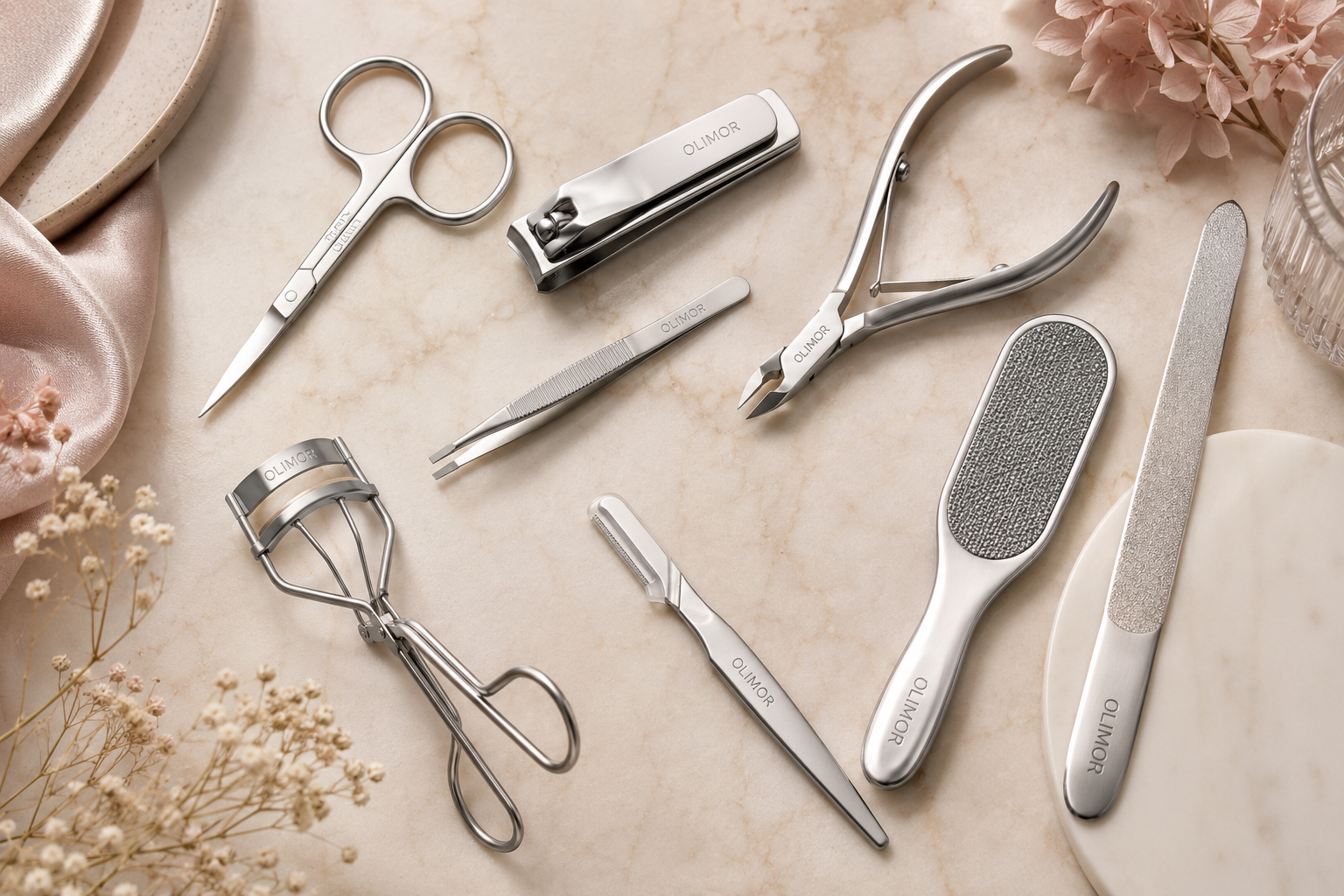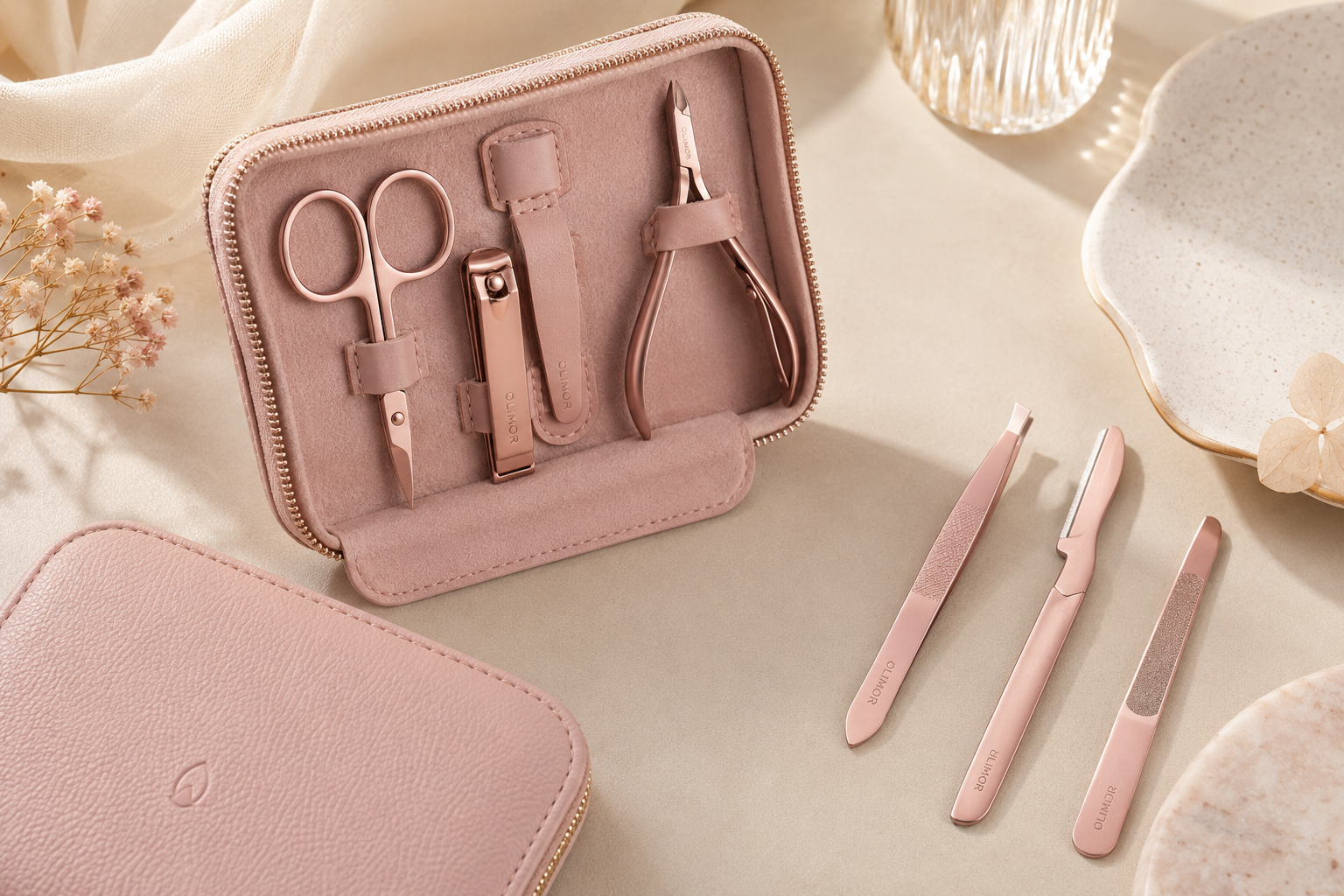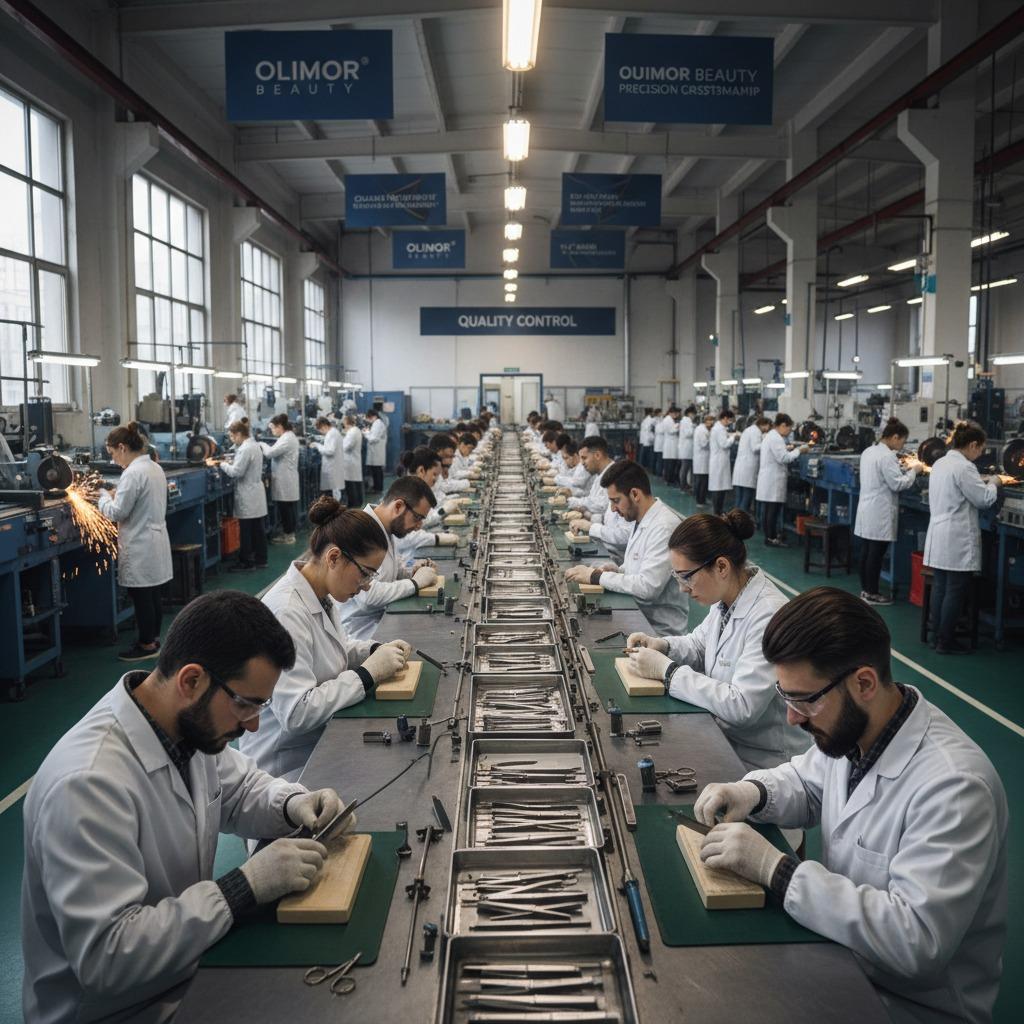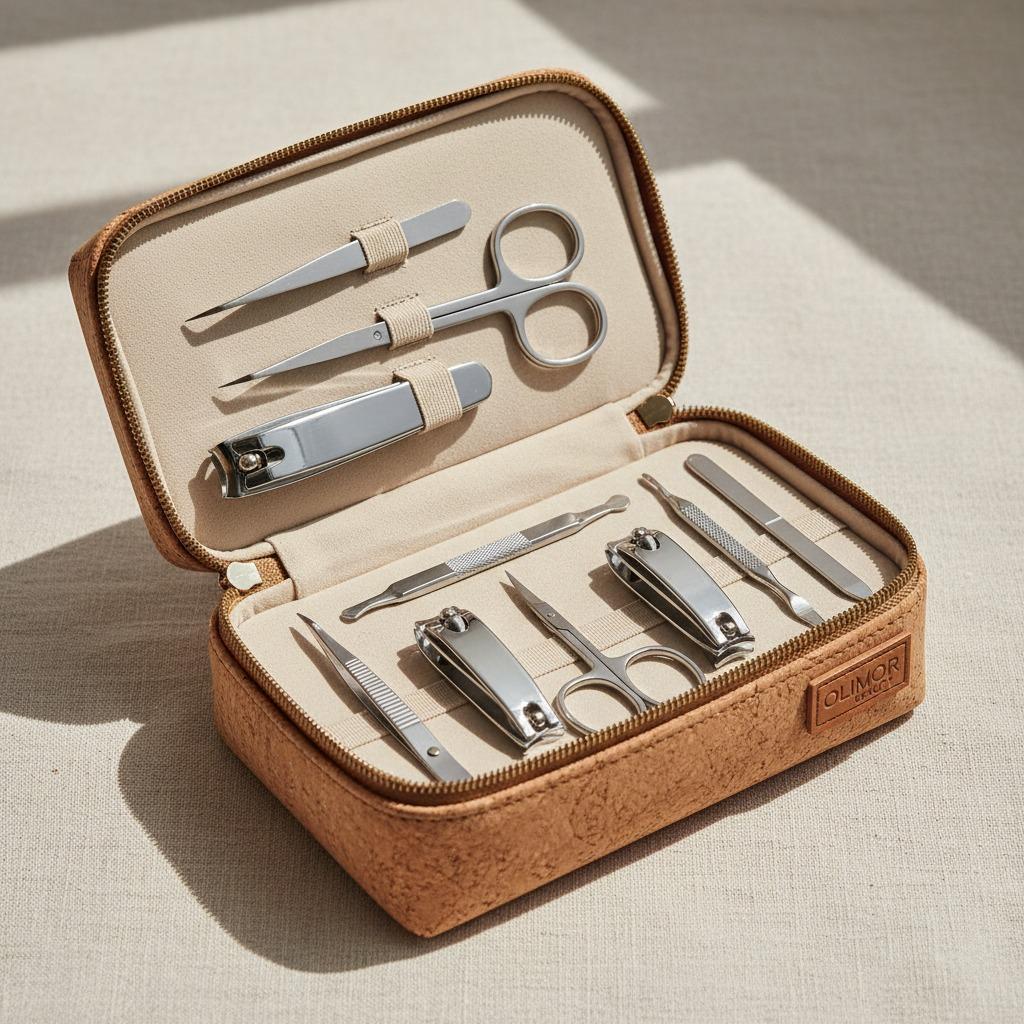












An ergonomic nail clipper should make trimming easier, cleaner, and more controlled. The best choice is not simply the sharpest-looking tool. It is a clipper that sits securely in the hand, transfers pressure smoothly through the lever, aligns the nail naturally with the cutting edge, and remains practical to clean, pack, display, and sell.
This guide focuses on one practical question: how should consumers, retailers, distributors, and brand buyers evaluate an ergonomic nail clipper for everyday grooming, thick nails, and travel use? The answer depends on grip comfort, cutting geometry, stainless steel construction, finish quality, portability, packaging expectations, and supplier communication. Buyers comparing beauty tool products should judge samples by real handling and inspection, not appearance alone.
What Makes a Nail Clipper Ergonomic?
An ergonomic nail clipper is designed around hand control. A standard flat clipper can still work well, but it may require more pinching force or a more precise hand position. When the lever is short, slippery, too narrow, or poorly angled, the clipper can shift at the moment of cutting. That is when users get jagged edges, uneven trimming, or accidental over-cutting.
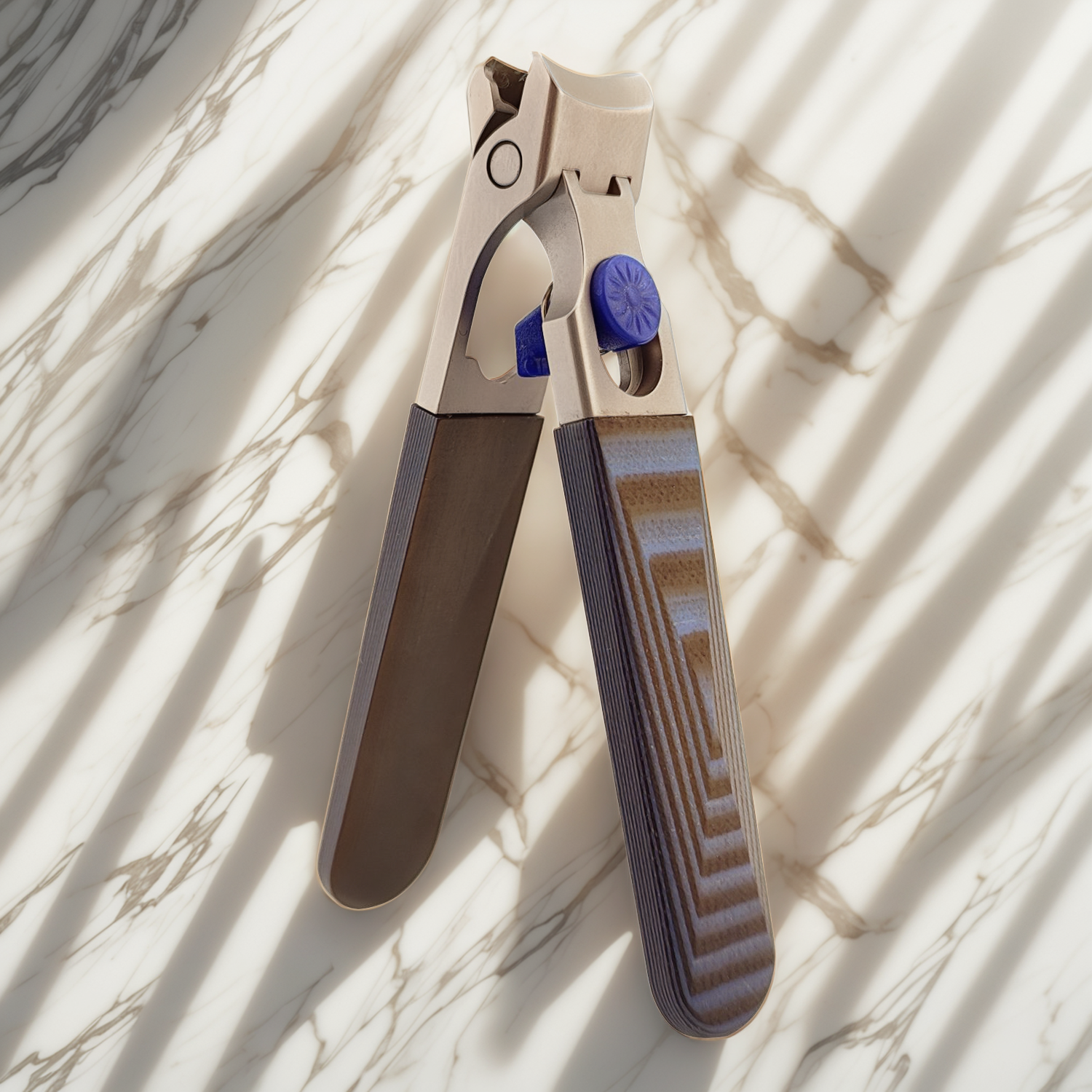
Good ergonomic design improves the interaction between the hand, lever, hinge, jaw opening, and cutting edge. The press area should feel stable under the thumb or finger. The tool should not rotate easily in the hand. The cutting edge should be easy to position before pressure is applied. For older adults, travelers, caregivers, and people who trim nails frequently, these details can reduce frustration and make grooming more predictable.
For commercial buyers, ergonomics should be tested rather than assumed. A clipper may have a modern shape and still feel awkward if the lever angle is uncomfortable or the handle surface is too small. Review samples with dry hands and slightly damp hands, because grooming tools are often used in bathrooms or travel environments. A reliable ergonomic nail clipper should feel steady through the entire cut, not only when first held.
Key Features to Check Before Buying or Sourcing
The most useful nail clipper features are practical and visible during sample evaluation. Buyers should separate marketing descriptions from handling benefits. A quality ergonomic clipper needs dependable leverage, accurate blade alignment, clean finishing, and a form that matches the intended use case.
- Grip comfort: The lever should provide enough contact area for controlled pressure without digging into the finger.
- Cutting leverage: The tool should cut with steady pressure instead of forcing the user to squeeze hard or twist the clipper.
- Blade alignment: The upper and lower cutting edges should meet evenly across the cutting width.
- Sharp cutting edges: Clean edges help reduce crushing, tearing, and jagged nail ends.
- Stainless steel construction: Stainless steel is valued for durability and easier cleaning when properly maintained.
- Smooth finish: Polished or well-finished surfaces should be free from burrs, sharp non-cutting edges, and rough hinge areas.
- Portability: A travel-friendly clipper should be compact, close neatly, and remain stable enough for real use.
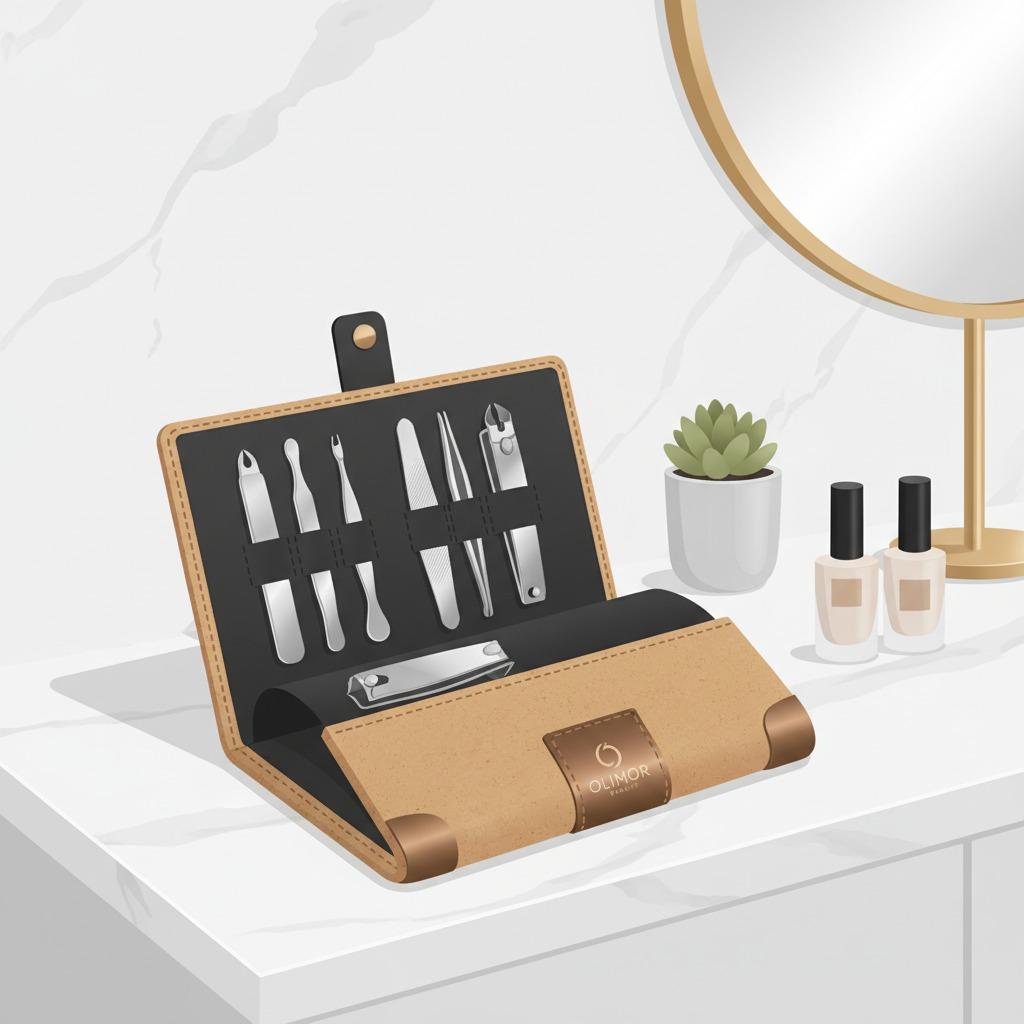
- Packaging compatibility: Retailers should consider whether the clipper will be sold alone, in a manicure set, or inside a travel grooming kit.
Small quality differences matter because nail clippers are repeat-use tools. A lever that feels slightly uncomfortable during one trim can become a frequent complaint. A poorly aligned cutting edge may still cut thin nails but struggle with thicker toenails. These are the issues that affect reviews, repeat orders, and end-user satisfaction.
How to Choose Nail Clippers for Thick Nails
Thick nails need a clipper with sharp edges, stable alignment, and sufficient mechanical advantage. If the jaw opening is too limited or the lever does not provide enough leverage, the nail may bend or crush before it cuts. This can cause cracking, splintering, and uneven corners that require additional filing.
A suitable clipper for thick nails should let the user place the nail comfortably between the blades without forcing an awkward angle. The tool should cut in controlled stages. Users should avoid trying to remove a large section of thick nail in one press. Smaller cuts from one side toward the center, followed by shaping and light filing, are usually more comfortable and reduce stress on the nail.
Technique also matters. Nails are often easier to trim after bathing or soaking, when they are slightly softened. The clipper should be held squarely to the nail, and pressure should be applied gradually. If the clipper slips, twists, or requires repeated hard squeezing, the design may not be appropriate for thick nails even if it looks sturdy.
For retailers and distributors, thick-nail positioning should be handled carefully. Do not rely on a broad claim unless the product has been evaluated for that use and the supplier can explain the construction, jaw design, edge alignment, and intended customer segment. A clipper positioned for stronger nails should still be comfortable for ordinary grooming and easy to maintain.
Travel Nail Clipper Selection: Compact Without Becoming Flimsy
A travel nail clipper should fit naturally into a toiletry pouch, desk drawer, gym bag, family travel kit, or everyday carry grooming set. Compact size is useful, but it should not sacrifice cutting control. Many small clippers fail because the lever is too short, the grip surface is narrow, or the cutting edge does not stay well aligned after repeated use.
For travel use, the tool should close neatly and avoid snagging fabric or scratching nearby items. Smooth stainless steel surfaces are practical because they can be wiped clean after use. A compact clipper should also be easy to inspect before packing, especially when included in a manicure set or retail travel assortment.
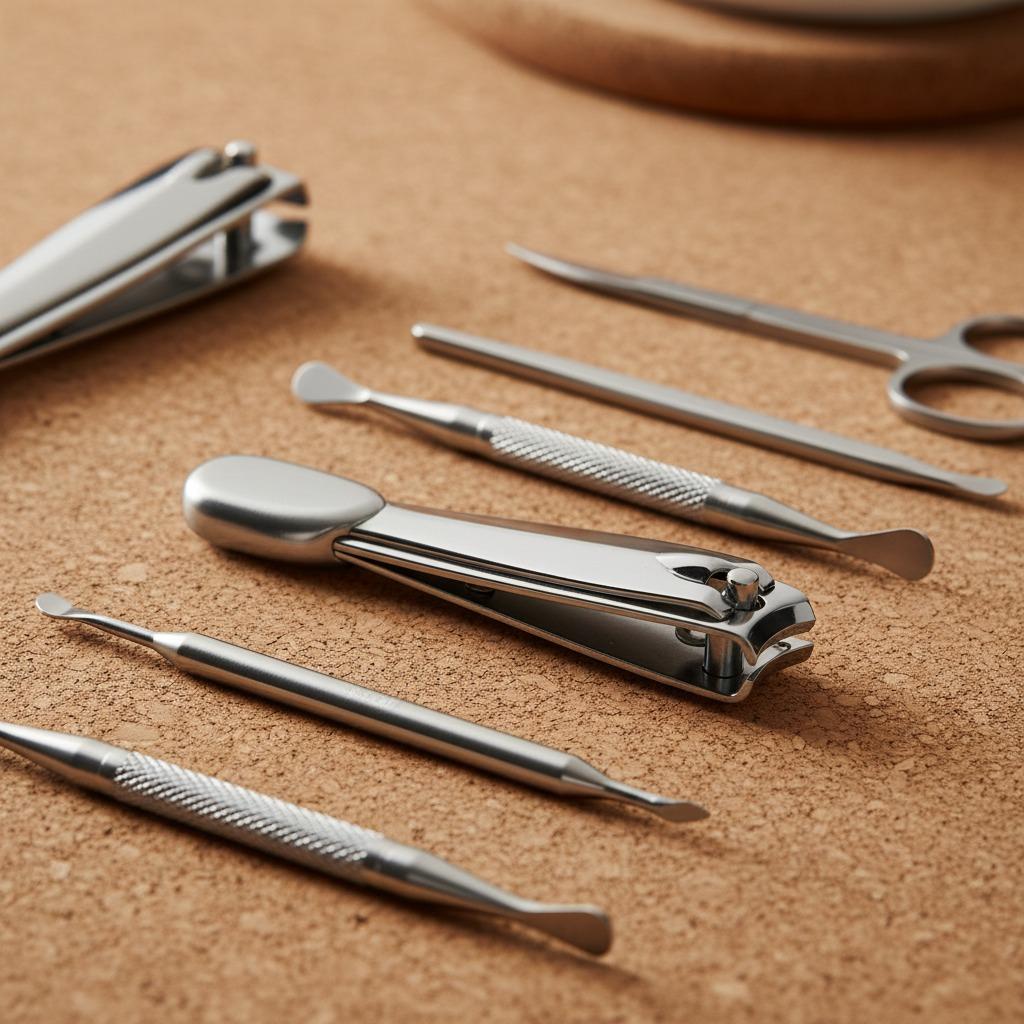
Business buyers should consider how the clipper will be displayed and used. A travel clipper for a budget pouch, a family kit, and a premium grooming set may require different packaging, finish expectations, and product presentation. When building beauty tool collections, think about whether the clipper belongs with nail files, tweezers, scissors, manicure tools, or broader personal care accessories.
Comparison Table: Home, Thick-Nail, and Travel Use
The same ergonomic nail clipper may serve more than one purpose, but different users value different details. The table below helps buyers compare priorities before selecting a product or requesting samples.
| Use Case | Main Priority | What to Inspect | Common Problem to Avoid |
|---|---|---|---|
| Everyday home grooming | Comfort and consistent trimming | Grip feel, lever pressure, blade alignment, surface finish | A clipper that looks good but feels unstable during routine use |
| Thick nails | Leverage and clean cutting contact | Jaw opening, cutting edge sharpness, hinge stability, pressure control | Crushing or bending the nail before the cut is completed |
| Travel kits | Portability with reliable handling | Closed shape, compact size, smooth edges, bag-safe finish | A small clipper that is too flimsy or uncomfortable to use |
| Retail or distribution | Repeatable quality and clear positioning | Sample consistency, packaging fit, inspection criteria, supplier communication | Choosing by appearance without checking real cutting performance |
Quality Inspection Checklist for Retailers and Brand Buyers
For B2B buyers, a nail clipper is a small product with many quality touchpoints. Customers may not discuss a good clipper often, but they notice quickly when one slips, dulls, scratches the hand, or leaves rough nail edges. A disciplined sample review helps reduce those risks before purchase decisions are made.
Start with visual inspection under strong light. Check the cutting edges, hinge area, lever contact point, and side surfaces. Look for burrs, rough polishing, visible gaps between the cutting edges, or uneven movement when opening and closing the lever. Then test handling in realistic positions: fingernail angle, toenail angle, one-handed control, and use from the center and corners of the blade.
- Open-close action: The lever should move smoothly without grinding, looseness, or uneven resistance.
- Cutting consistency: The clipper should cut cleanly across different areas of the blade, not only at the center.
- Finish safety: Non-cutting edges should not scratch the hand, pouch, or packaging insert.
- Grip reliability: The tool should remain stable when moderate pressure is applied.
- Packaging fit: The cutting edge should be protected during transport and retail handling.
- Batch expectations: Confirm inspection points, acceptable finish requirements, labeling needs, and packaging details before ordering.
If products are intended for consumer retail markets, buyers should also verify applicable safety, labeling, and import requirements for their destination market. Public bodies such as the U.S. Consumer Product Safety Commission and the European Commission may be relevant depending on the sales region and product presentation. Requirements can change, so buyers should verify current versions and request supplier documents that apply to the actual product and shipment. This is not a substitute for legal or compliance advice.
Material, Finish, and Maintenance Considerations
Stainless steel is commonly valued in nail clippers because it supports durability and easier cleaning when properly cared for. However, material alone does not determine quality. A stainless steel clipper can still perform poorly if the cutting edges are misaligned, the lever geometry is weak, or the finish has rough areas. Buyers should evaluate the completed tool rather than relying on a material description by itself.
Finish quality affects both comfort and perceived value. A smooth surface feels better in the hand, packs more safely in a toiletry bag, and looks more suitable for retail display. Hinge areas and side edges deserve particular attention because rough finishing there can be missed during a quick visual check.
Maintenance is simple but important. After use, wipe the clipper with a clean dry cloth. If nail residue collects near the cutting edge or hinge, clean it carefully and let the tool dry fully before storage. Avoid leaving nail clippers in damp bathrooms for long periods or loose in bags with keys and hard metal objects. A pouch, grooming case, or dedicated compartment helps protect the finish and cutting edge.
Users should replace or stop using a clipper that crushes instead of cuts, requires much more force than before, or leaves rough edges despite careful trimming. Continuing with a dull or misaligned tool can make grooming less comfortable and less controlled.
Cost Factors and Supplier Evaluation
Nail clipper cost is influenced by more than size. Important factors include material selection, cutting edge preparation, surface finish, hinge assembly, ergonomic lever design, packaging, customization, inspection expectations, and order complexity. A lower unit cost may not be the best value if it leads to inconsistent cutting, weak retail presentation, or higher complaint rates.
For buyers sourcing in volume, define the product position first. Is the clipper intended for a basic personal care assortment, a travel set, a men’s grooming kit, a family manicure set, or a more giftable beauty tool range? Clear positioning helps the supplier recommend suitable construction, finish, packaging, and customization options without overbuilding or under-specifying the product.
Supplier evaluation should include communication quality. A useful supplier should be able to discuss sample review, material and finish expectations, packaging options, customization requirements, and inspection criteria. Buyers should provide target market, intended channel, branding needs, and packaging format when asking for recommendations. To discuss product options or sourcing requirements, buyers can contact Olimor or send a sourcing inquiry.
Customization and Retail Presentation
Customization can make an ergonomic nail clipper more suitable for a particular retail range, but it should not compromise function. Branding, packaging, color presentation, set configuration, and display format should be planned after the core clipper design has been approved. A visually appealing tool that trims poorly will not support long-term customer trust.
Retail presentation should make the product easy to understand. If the clipper is positioned for travel, packaging should communicate compactness and practical storage. If it is positioned for stronger nails, the product should visually support that message through robust handling and clear product information. If it is part of a grooming kit, it should match the quality level and finish of the other tools in the set.
For private label or distributor programs, align on artwork files, packaging structure, barcode or labeling needs, carton requirements, and inspection responsibilities early. Avoid confirming large orders based only on photos. Physical sample handling is essential for a tool where comfort, pressure, and cutting feel determine user satisfaction.
FAQ: Ergonomic Nail Clipper Sourcing and Use
Can I request samples before placing a B2B order?
Sample review is strongly recommended because nail clipper quality depends on grip feel, blade alignment, lever action, finish, and packaging fit. Buyers should confirm sample availability and any sample process directly with Olimor.
Is there a fixed MOQ for ergonomic nail clippers?
MOQ can depend on the product style, customization, packaging, and order requirements. Buyers should share their target market, quantity plan, and branding needs so the supplier can provide accurate guidance without assumptions.
Can nail clippers be customized for retail or private label programs?
Customization may include branding, packaging, set configuration, or presentation details depending on the selected product and project scope. Functional sample approval should come before final packaging and branding decisions.
How should buyers check quality before confirming production?
Inspect samples for smooth finish, stable grip, even blade alignment, clean cutting, lever movement, and packaging protection. For regulated markets, verify current destination-market requirements and request relevant supplier documents for the actual product.
Final Buying Advice
The right ergonomic nail clipper should solve practical grooming problems: poor grip, excessive squeezing force, jagged edges, difficult thick-nail trimming, or unreliable travel performance. For consumers, that means choosing a tool that feels stable, cuts cleanly, and is easy to maintain. For retailers and distributors, it means selecting a product with consistent quality, clear positioning, and packaging that fits the channel.
Focus on the details that users feel immediately: grip comfort, leverage, blade alignment, smooth finish, portability, and cleaning practicality. When those elements work together, a nail clipper becomes more than a small accessory. It becomes a dependable daily grooming tool that supports cleaner trimming, easier handling, and better customer satisfaction.