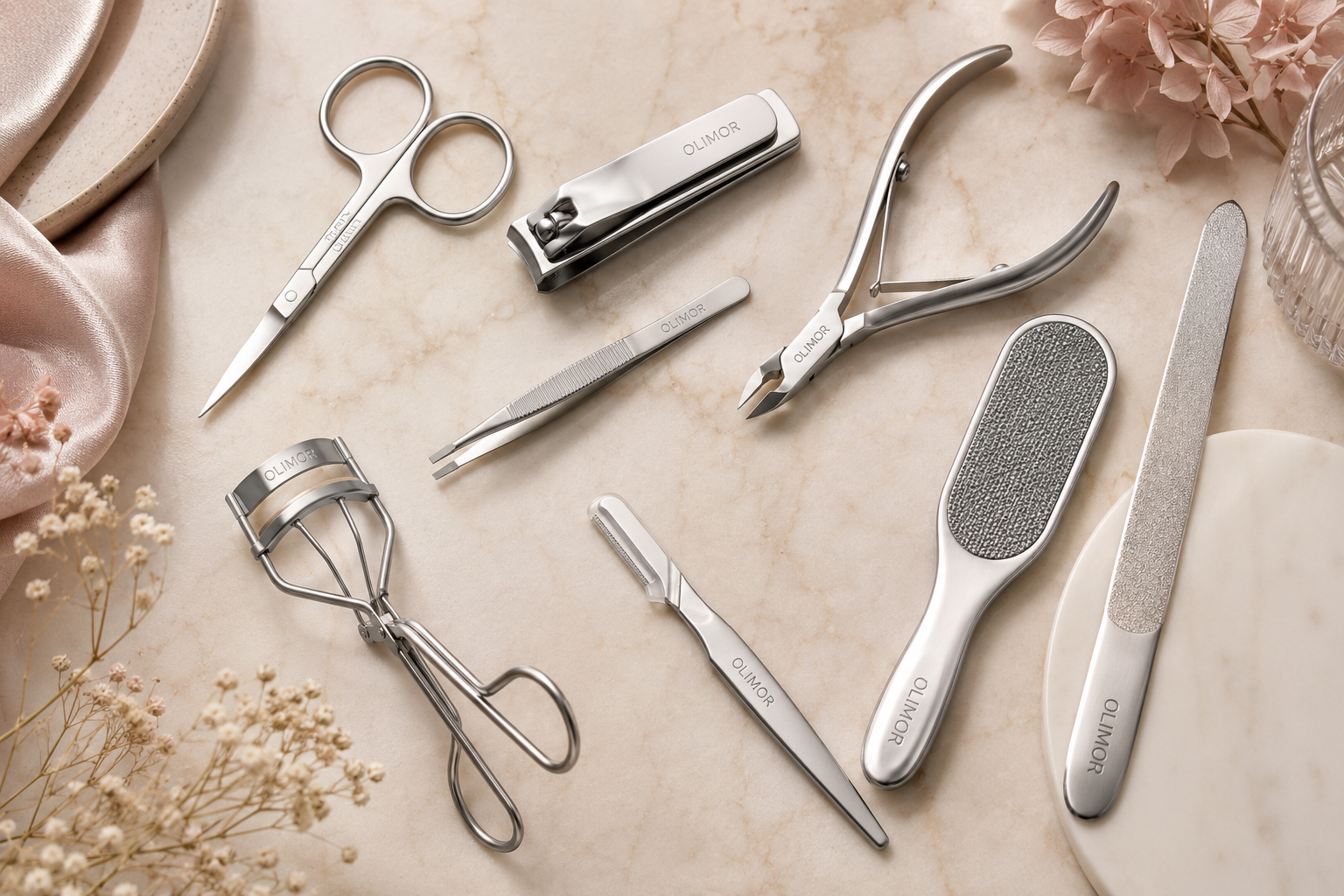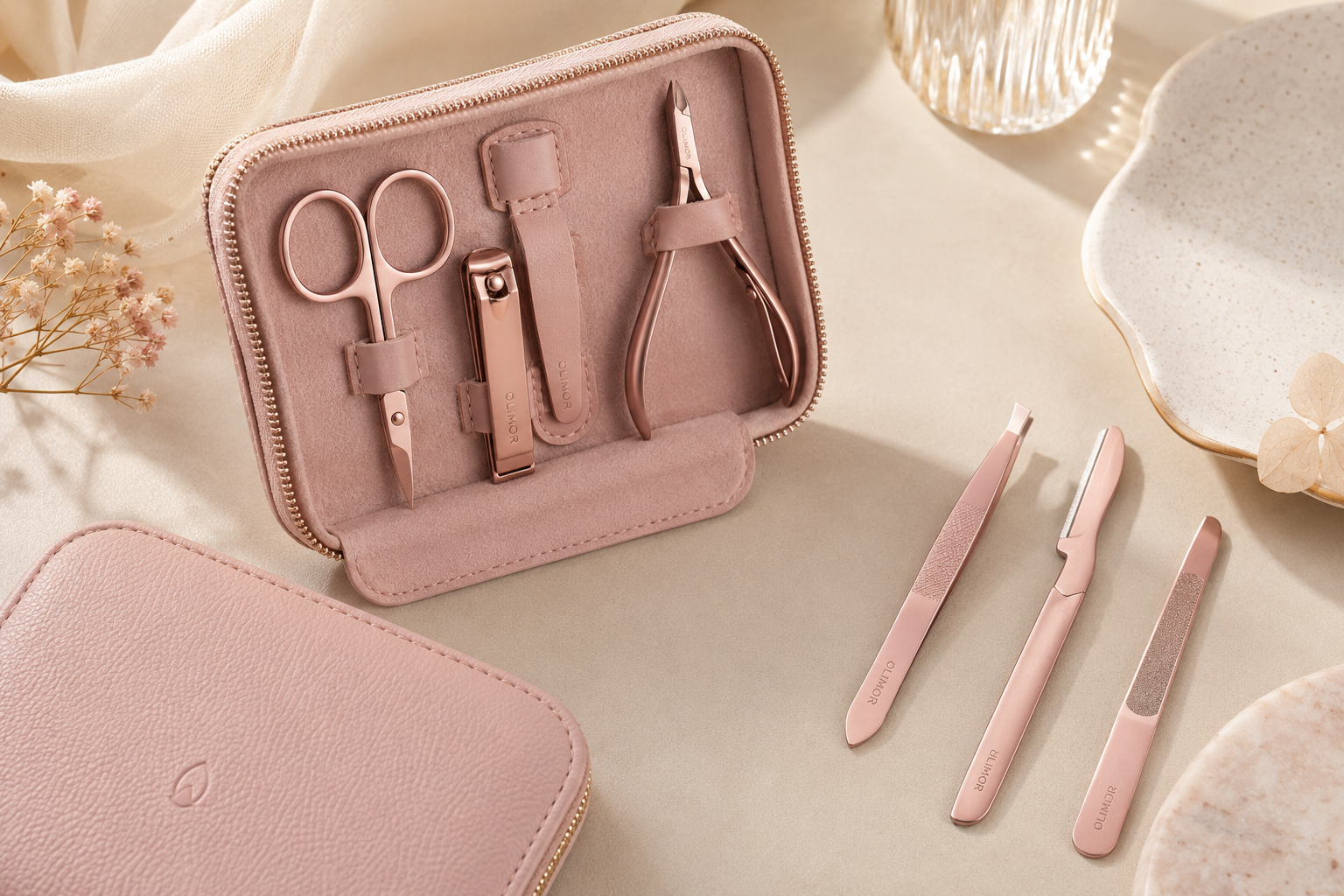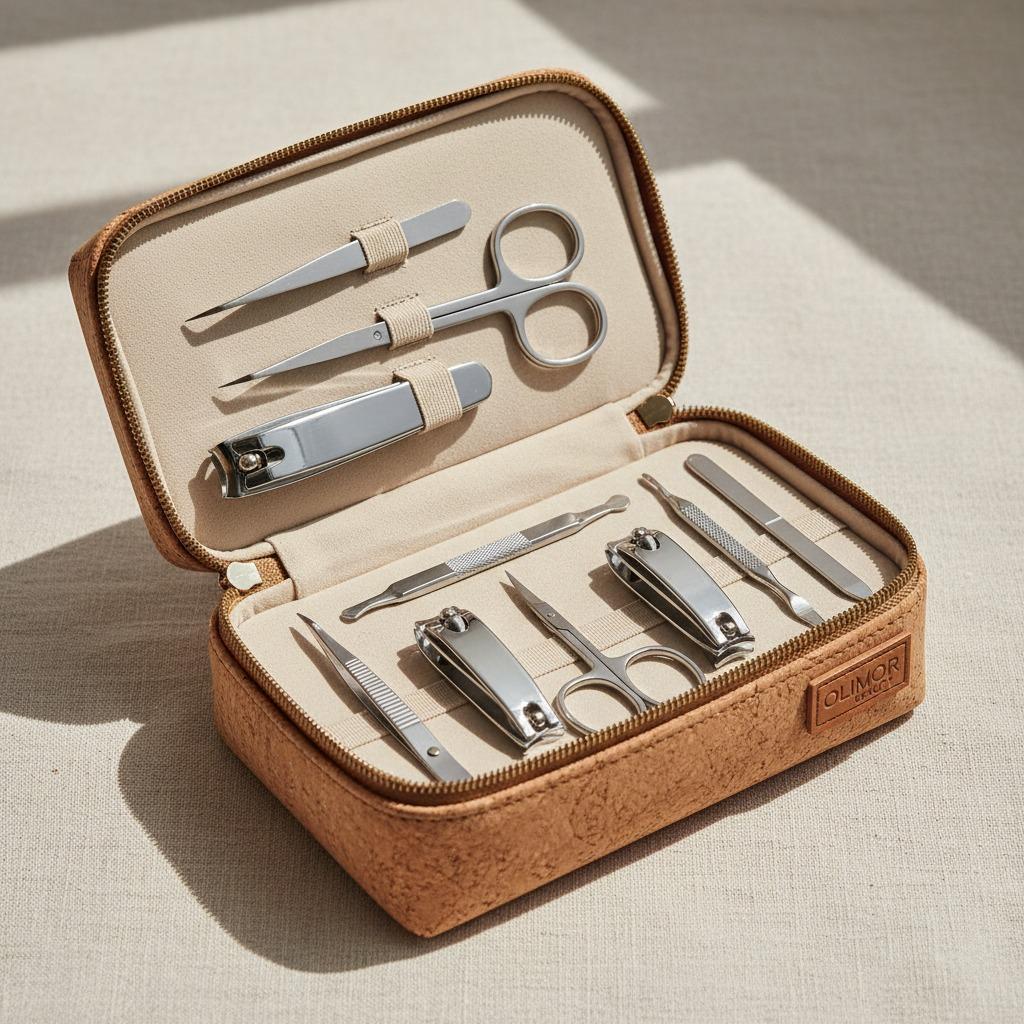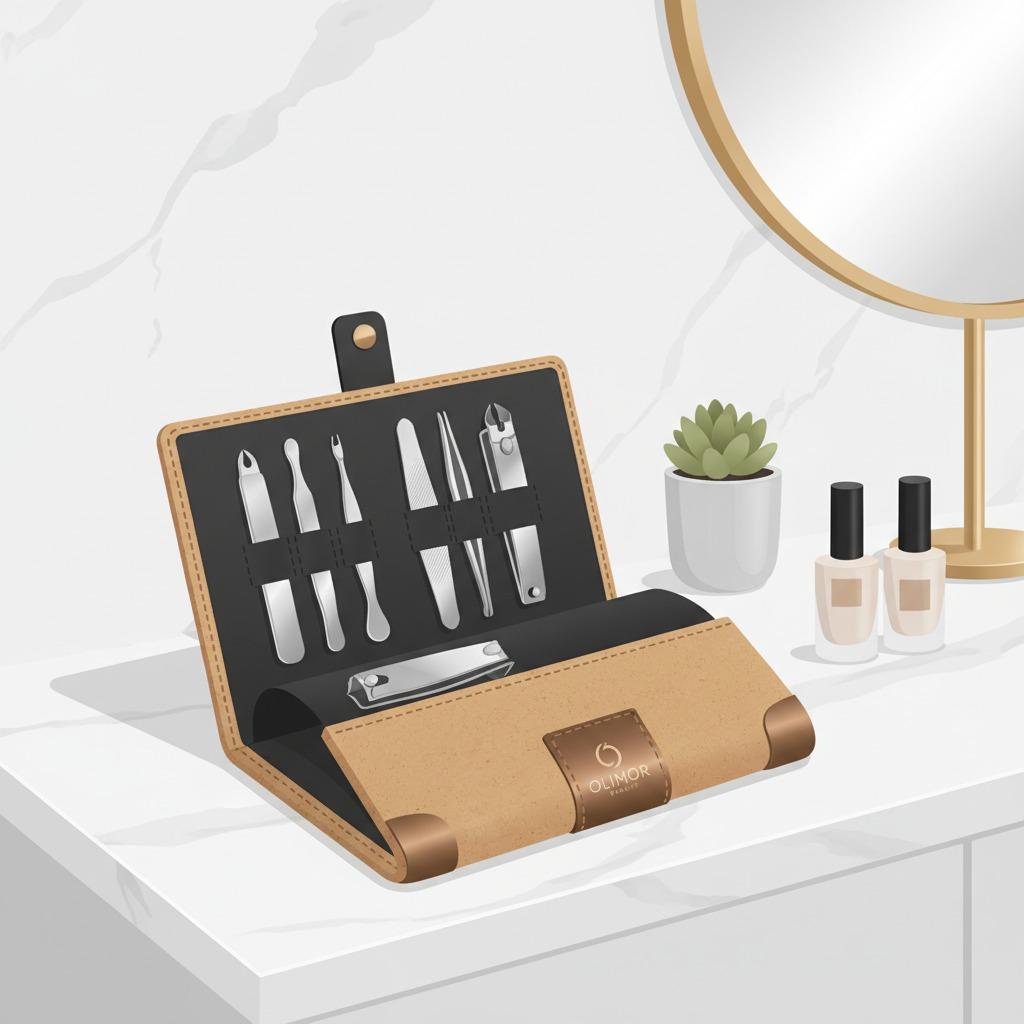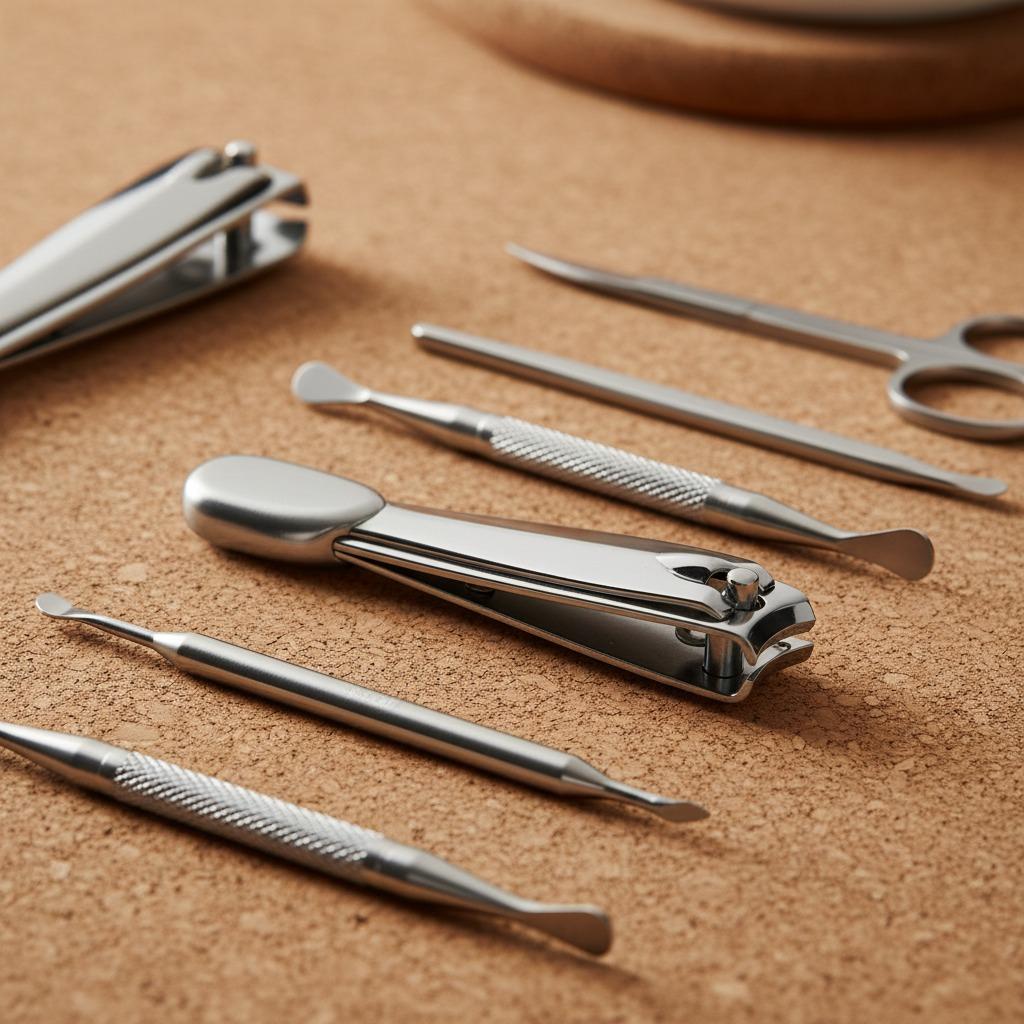











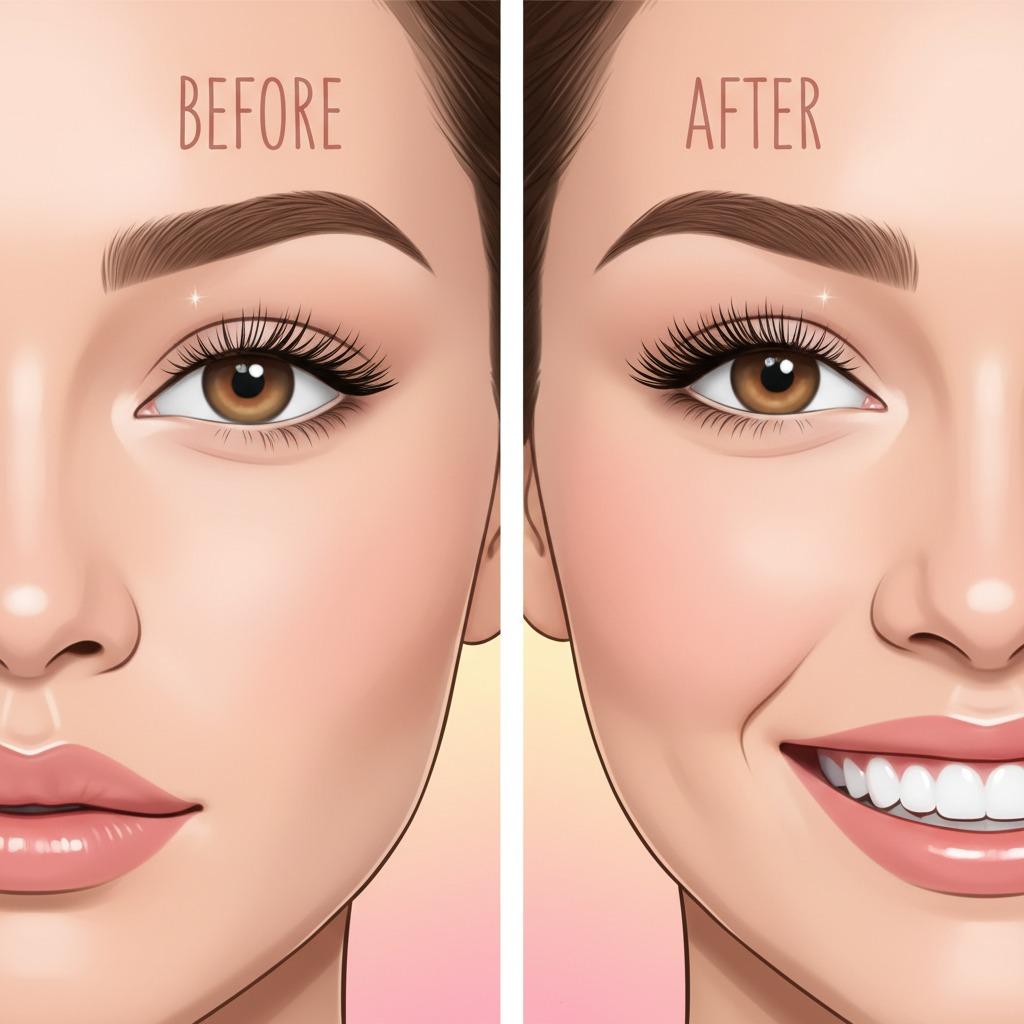
An eyelash curler is a small beauty tool, but it can change the look of the whole eye area. When the curve fits the eyelid and the pad applies even pressure, lashes can look longer, more open and better defined before mascara is applied. For straight, short or downward-facing lashes, the right curler can help create a softer lifted look without heavy makeup.
This guide is for beauty buyers, salons, makeup users and private-label teams comparing curlers for daily use or sourcing. The main question is not whether every curler works the same, because handle shape, frame curve, pad quality, hinge movement and packaging all affect comfort and results. Olimor Beauty offers beauty tools with practical design and consistent user experience, and you can browse Olimor beauty tools or review the broader product collection while planning an assortment.
What a good eyelash curler should do
A good eyelash curler should lift lashes from the base without pinching the eyelid, crimping the lash into a sharp angle or pulling hairs out. The goal is a smooth upward curve that looks natural from the side and front. That is especially important for customers who want an everyday look rather than a dramatic makeup effect.
Useful design details include a firm frame, a comfortable grip, a cushion pad that compresses evenly and a hinge that opens and closes smoothly. Some Olimor eyelash curler designs are described with ergonomic stainless steel construction, a gold-finished curler head, black metallic handles, a non-slip ergonomic grip and a cushioned pad. Those features matter because a stable frame and controlled pressure make the tool easier to position near the eye.
Stainless steel is commonly chosen for beauty tools because it can provide a firm structure and is suitable for repeated cleaning when handled correctly. A polished finish may look attractive on the shelf, but buyers should still test alignment, comfort and pad recovery rather than judging by appearance alone.
How to evaluate a curler before you buy
When comparing eyelash curlers, it helps to treat them as both a beauty tool and a contact-area product. Small quality issues can affect how the tool feels on the eyelid and how safely it performs near the eye. The checklist below is useful for retail buyers, salon teams and brand developers reviewing samples.
| What to check | What good looks like | Why it matters |
|---|---|---|
| Frame curve | The curve suits the target eye shapes and reaches the lash line comfortably | A poor fit can miss corner lashes or press too close to the lid |
| Pad softness and recovery | The cushion compresses gently and returns to shape | Too hard can crimp; too soft may not lift effectively |
| Hinge control | The tool opens and closes smoothly without wobble | Even movement helps create even pressure across the lash line |
| Handle comfort | The grip feels steady and easy to control | Comfort matters when the tool is used repeatedly |
| Edge finishing | Areas near the eyelid feel smooth and aligned | Rough edges or misalignment are a safety concern |
| Cleaning compatibility | The surface and pad can be wiped clean after use | Residue can reduce performance and hygiene |
| Packaging fit | The pack protects the curler from pressure in transit | Damage in shipping can affect alignment before sale |
Selection by lash type and use case
- Short lashes: Look for a curler that can approach the base closely while still feeling comfortable. A controlled hinge and cushioned pad help lift shorter lashes without pressing into the lid.
- Straight lashes: Choose a design with steady pressure and a pad that supports a gradual bend. Smooth closure is important because aggressive squeezing can create an unwanted crease.
- Fine or delicate lashes: Prioritize a gentle pad and ergonomic grip. Fine lashes usually need less force, not more.
- Salon use: Focus on repeatable control and easy cleaning between services. Predictable movement matters when the tool is used often.
- Retail or private label: Consider how the design presents on shelf, whether instructions can reduce misuse, and whether packaging protects the tool during shipping.
How to use an eyelash curler safely and effectively
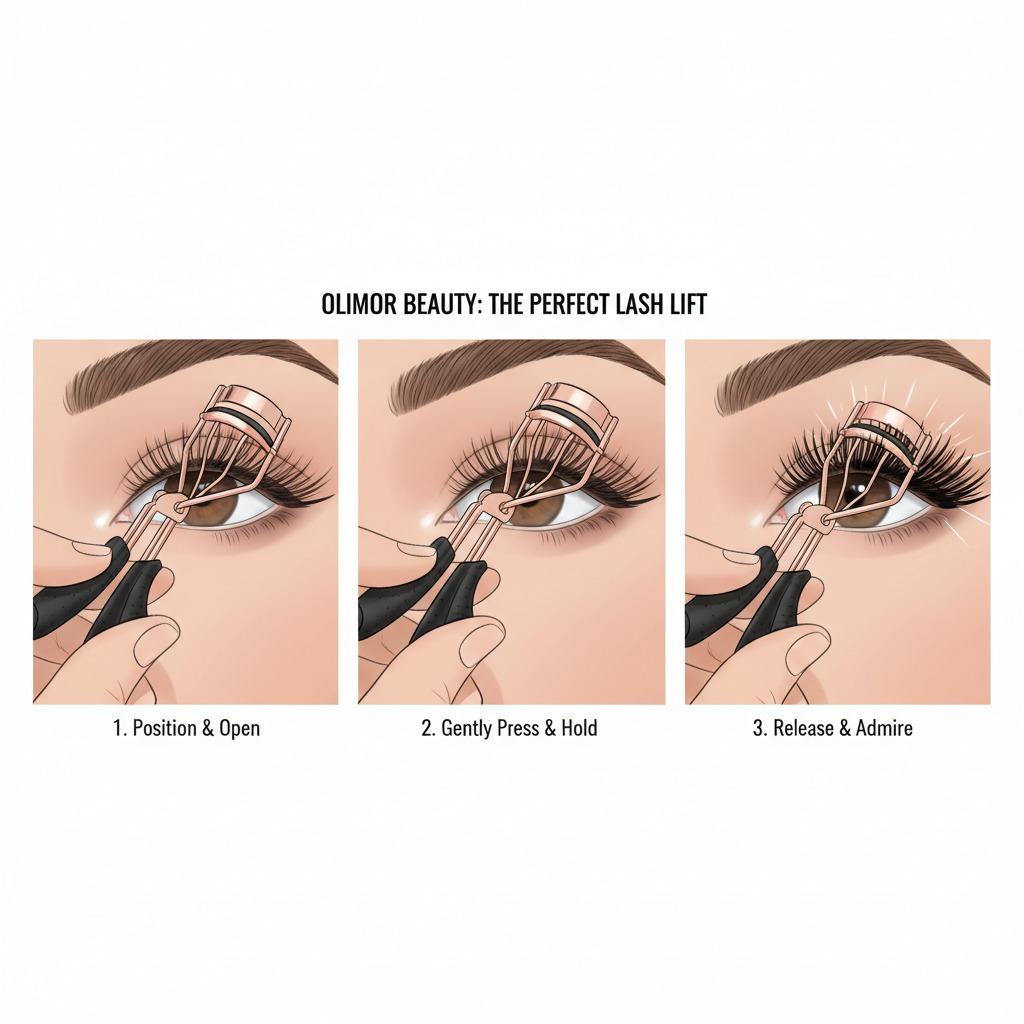
The best curl usually comes from slow, controlled pressure rather than force. Start with clean lashes. Many makeup artists prefer to curl before mascara because mascara can make the lashes stiffer and more likely to stick to the pad. If mascara is already on the lashes, wait until it is fully dry and use extra caution.
- Check the pad first. Make sure the cushion is seated properly and free from cracks, buildup or hard residue.
- Look slightly downward. This helps expose the lash line while keeping the eyelid relaxed.
- Place the curler near the base. It should be close to the lash root without touching or pinching the skin.
- Press gently and hold for a few seconds with even pressure. Do not tug or clamp sharply.
- Move outward if needed. For a softer curve, repeat at the middle of the lashes and again near the tips with lighter pressure.
- Apply mascara after curling. A thin coat can help hold the lifted shape without weighing lashes down.
A three-step curl from base to mid-length to tip usually creates a more rounded and natural result than a single hard bend. This approach works well for everyday makeup, bridal preparation, photography and product demonstrations because it shows the tool’s performance without exaggeration.
Tips for straight or downward-facing lashes
Downward-facing lashes can make the eyes appear smaller or shadowed, even when the lashes are long. The solution is not always stronger pressure. In many cases, better placement and repeated light curling create a cleaner lift than one firm clamp.
Begin as close to the base as comfort allows, then press lightly and release before moving toward the center of the lashes. A second softer press can shape the curl without forcing a sharp angle. If the tips still point downward, a final light press near the ends may help complete the curve.
For very straight lashes, a lightweight mascara after curling often works better than a heavy formula that pulls the lash down. When evaluating a supplier, test whether the curler can catch inner and outer corner lashes without awkward wrist movement. That is often where fit and hinge control become obvious.
Cleaning, pad care and replacement habits
Because an eyelash curler is used close to the eye, cleaning is part of product performance. Mascara residue, skin oil and dust can build up on the pad and frame. That buildup can make the tool less effective and less comfortable.
- After use, wipe the pad and metal frame with a clean, soft cloth.
- If makeup residue is visible, use a gentle cleanser suitable for beauty tools, then dry the curler thoroughly.
- Avoid leaving the tool wet, especially around the hinge or in tight spaces.
- Inspect the pad regularly. If it becomes cracked, sticky, hardened or loose, stop using the curler until the pad is replaced or the tool is updated.
Good care supports both hygiene and performance. A clean pad grips more evenly, and a dry hinge helps the tool stay smooth and controlled.
What buyers should ask suppliers
For sourcing teams, a professional eyelash curler is a simple product that still needs real evaluation. The best questions are practical:
- How does the hinge move under repeated opening and closing?
- Does the pad compress evenly across the full lash line?
- Is the frame comfortable for different hand sizes and eye shapes?
- How is the tool protected in packaging before sale?
- Can the supplier explain the materials and any replaceable parts clearly?
If you are selling into regulated markets, check the applicable guidance from the FDA or your local consumer-product authority, and verify the current version in supplier documentation. Do not assume a product meets a rule simply because it looks professional or is described with polished marketing language.
Comparison guide for buyers
| Buyer priority | Best fit | Cost factor to watch | Common problem to avoid |
|---|---|---|---|
| Everyday users | Comfortable grip, smooth hinge, gentle pad | Finish and packaging can raise cost without improving function | A tool that pinches or feels unstable |
| Salons and makeup artists | Easy-to-clean surface and predictable pressure | Replaceable pad support and durable materials | Tools that loosen quickly with repeated use |
| Retail assortments | Clear presentation, reliable fit and simple instructions | Packaging quality and display readiness | Returns caused by poor alignment or unclear use |
| Private-label programs | Consistent sample quality and practical branding options | Tool finish, custom packaging and artwork complexity | Over-designed products that do not improve user control |
This type of comparison helps teams focus on the real value drivers: fit, hinge control, pad quality, cleaning ease and how the product performs in the hand. Those are usually more important than decorative details alone.
Where Olimor fits in a beauty-tool assortment
Olimor Beauty positions its eyelash curlers as practical tools for users who want a natural lift and a controlled feel. Design cues such as ergonomic handling, cushioned contact points and stable metal construction support that goal. For buyers building a multi-item tool line, this makes the curler a straightforward item to place alongside other everyday beauty tools.
If you want to compare styling options or build a wider assortment, you can review the full collection or send a detailed request through the inquiry page. For broader questions about product fit, packaging or lineup planning, the contact page is a good starting point.
FAQ
Can I use an eyelash curler every day?
Yes, many people do, as long as the tool fits well, the pad is in good condition and the user curls gently before mascara. If the eyelids are irritated or the pad is damaged, pause use.
Should I curl lashes before or after mascara?
Before mascara is usually safer and easier because the lashes are more flexible. If mascara has already been applied, wait until it is fully dry and use extra caution.
How do I know when the pad needs replacing?
Inspect it regularly. If the cushion becomes cracked, sticky, hardened or loose, the curler should not be used until the pad is replaced or the tool is updated.
What should I ask for when requesting samples?
Ask about the frame material, pad style, hinge action, cleaning method, packaging protection and whether the supplier can explain customization options clearly.
What matters more: appearance or performance?
Performance matters more. A polished finish can help retail presentation, but consistent alignment, smooth pressure and a comfortable grip are what create a natural lash lift.
Final buying advice
A professional eyelash curler should feel steady, close evenly and lift the lashes without pinching. Buyers should judge it by fit, pad recovery, hinge movement and cleaning ease, not by appearance alone. For users, the safest method is simple: curl clean lashes, use light pressure, and build the shape gradually from base to tip.
If you are sourcing a natural-lift eyelash curler for retail, salon or private-label use, Olimor can help you review options and packaging needs. Start with product browsing or send an inquiry to discuss your assortment goals.