










Private label nail clippers are small products, but they can carry a large part of a brand's everyday value. Customers may not think about a nail clipper until it slips, pulls, bends a nail, or feels uncomfortable in the hand. For beauty retailers, salon suppliers, grooming brands and promotional product buyers, the goal is to offer a clipper that feels dependable from the first cut and continues to perform after repeated use.
Olimor Beauty focuses on practical beauty tools where usability matters. For nail clippers, two details deserve close attention: materials for grip and anti-slip surfaces. These features affect control, comfort and safety, especially in bathrooms, salons, travel kits and retail grooming sets. This guide explains what buyers should evaluate when planning private label nail clippers, without relying on vague claims or unnecessary decoration.
What Private Label Nail Clippers Need to Do Well
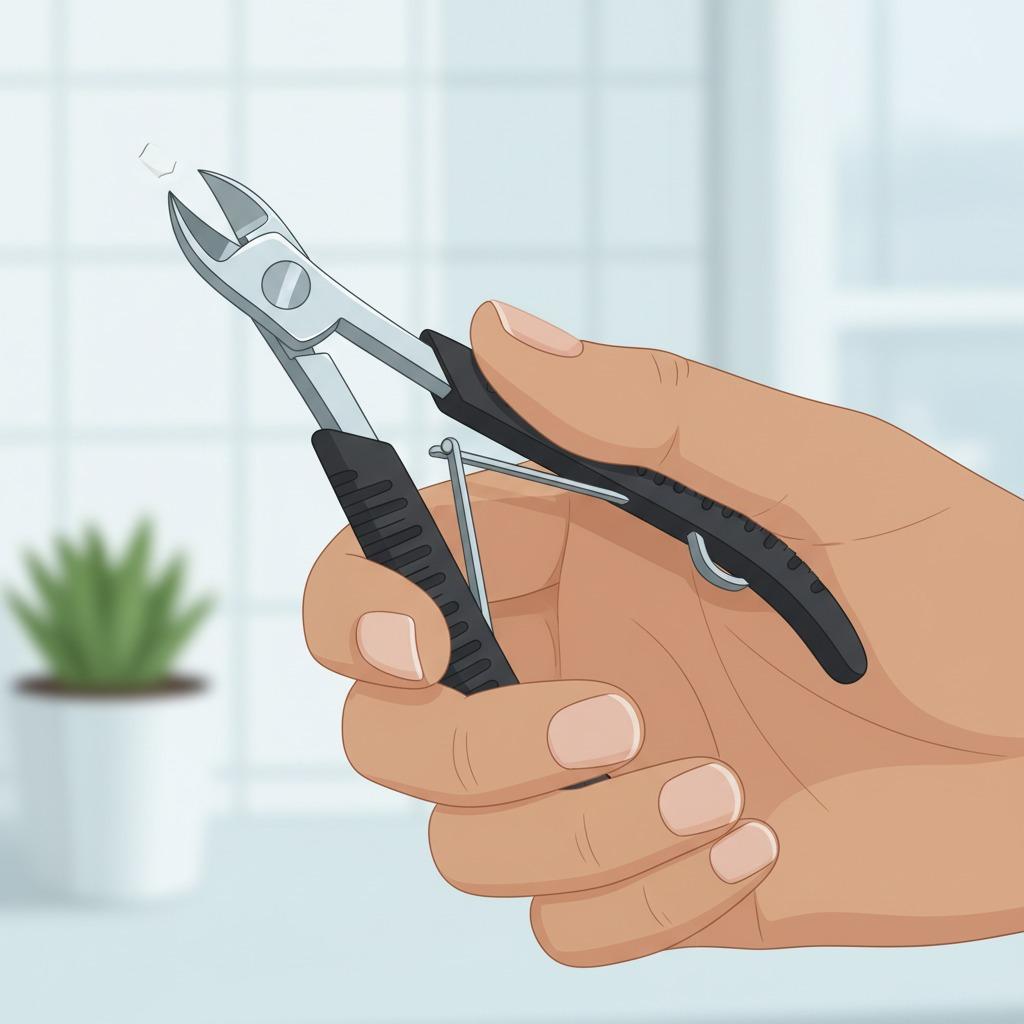
A nail clipper looks simple, but several functions must work together. The cutting edges need to meet cleanly. The lever should provide enough pressure without feeling harsh. The body should be easy to hold, even when the user's hands are slightly damp. The surface should not develop sharp or uncomfortable edges. If the tool is sold as part of a manicure kit, it also needs to match the overall positioning of the set.
Private label sourcing adds another layer: the product must represent your brand. That does not mean every design needs a complex custom shape. In many cases, a carefully selected clipper with a reliable grip, consistent finish and suitable packaging will perform better than an overdesigned tool that is difficult to use. Buyers should start with the intended customer: at-home grooming users, salon professionals, travel kit buyers, men's grooming customers, gift set shoppers, or value-focused retail consumers.
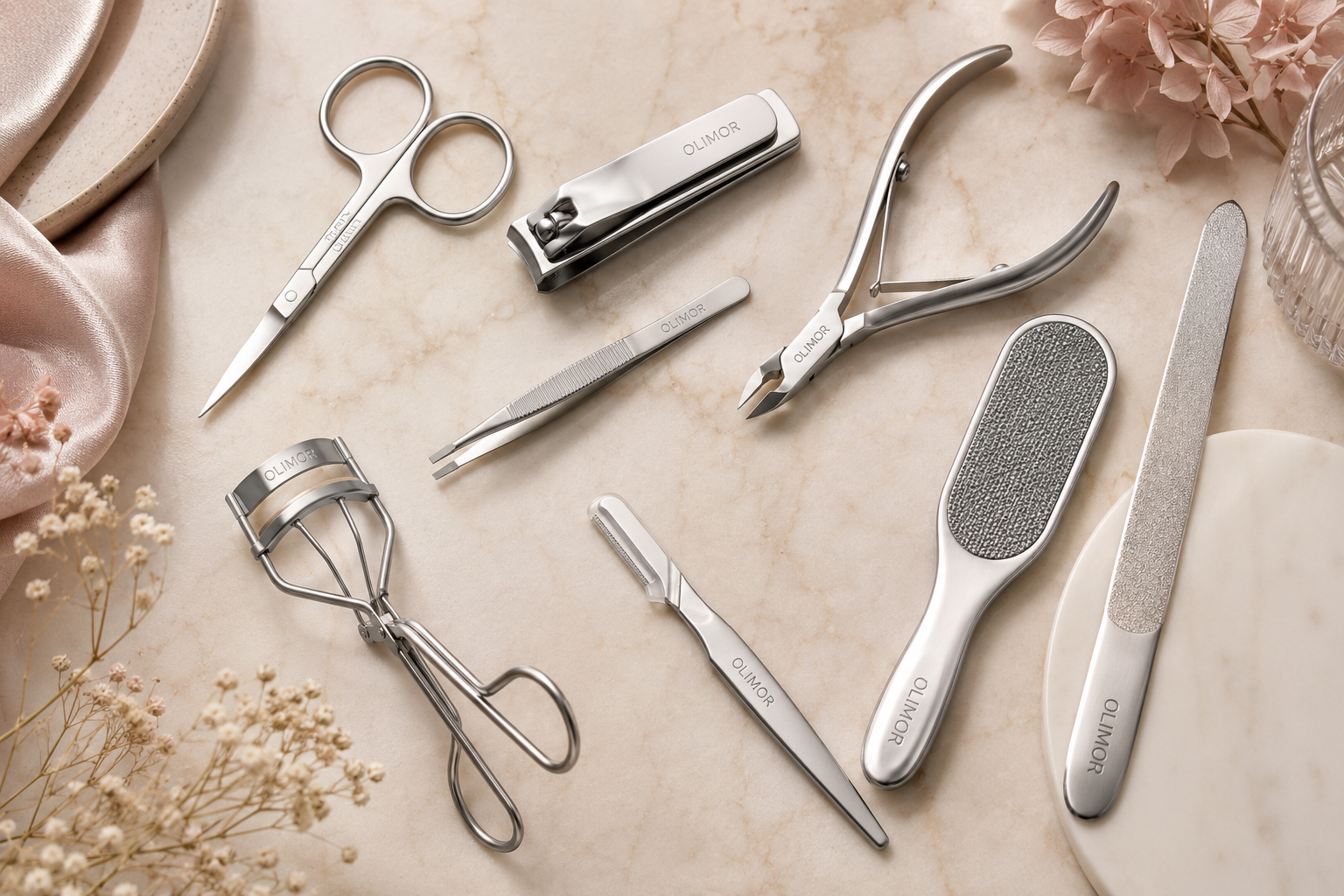
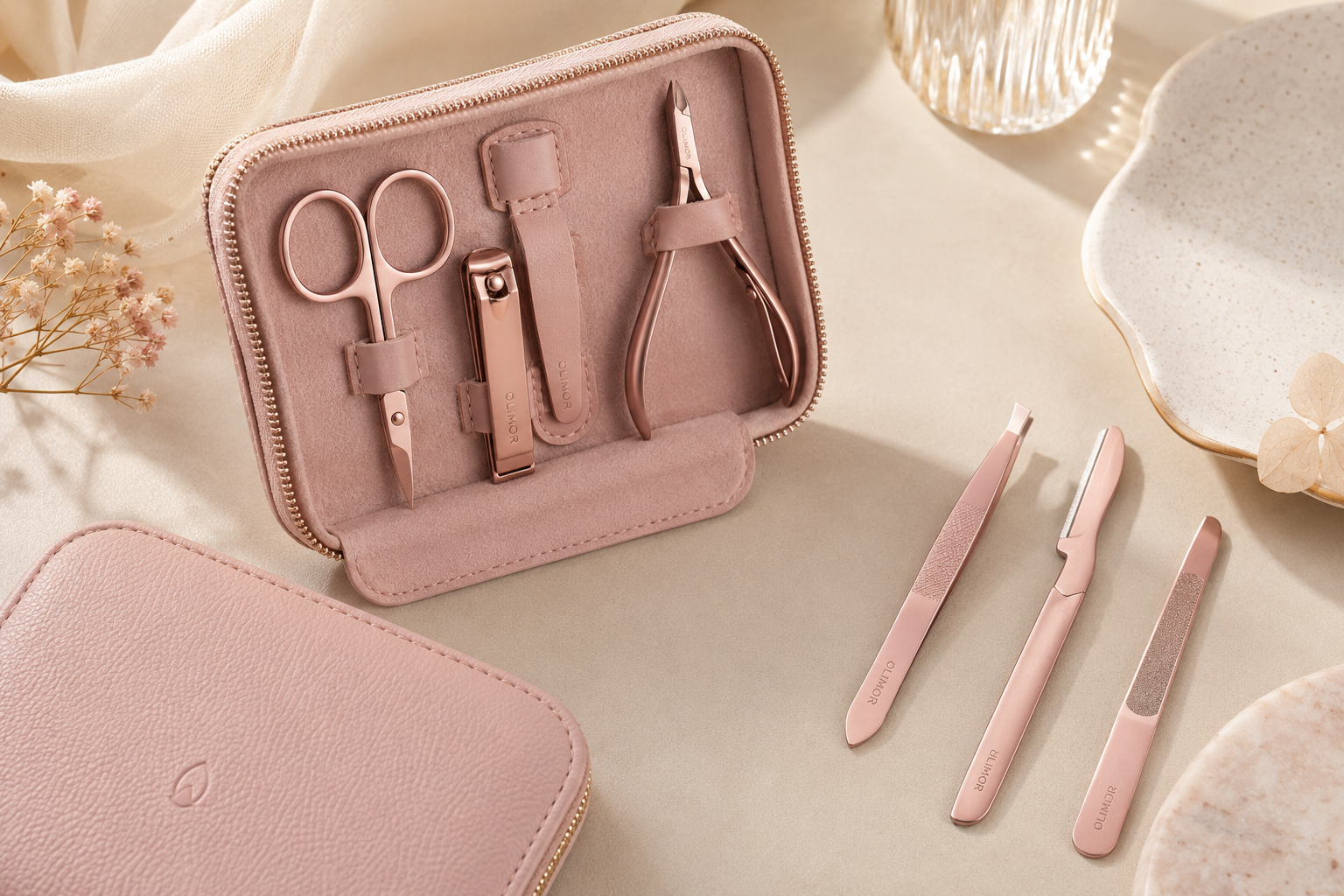
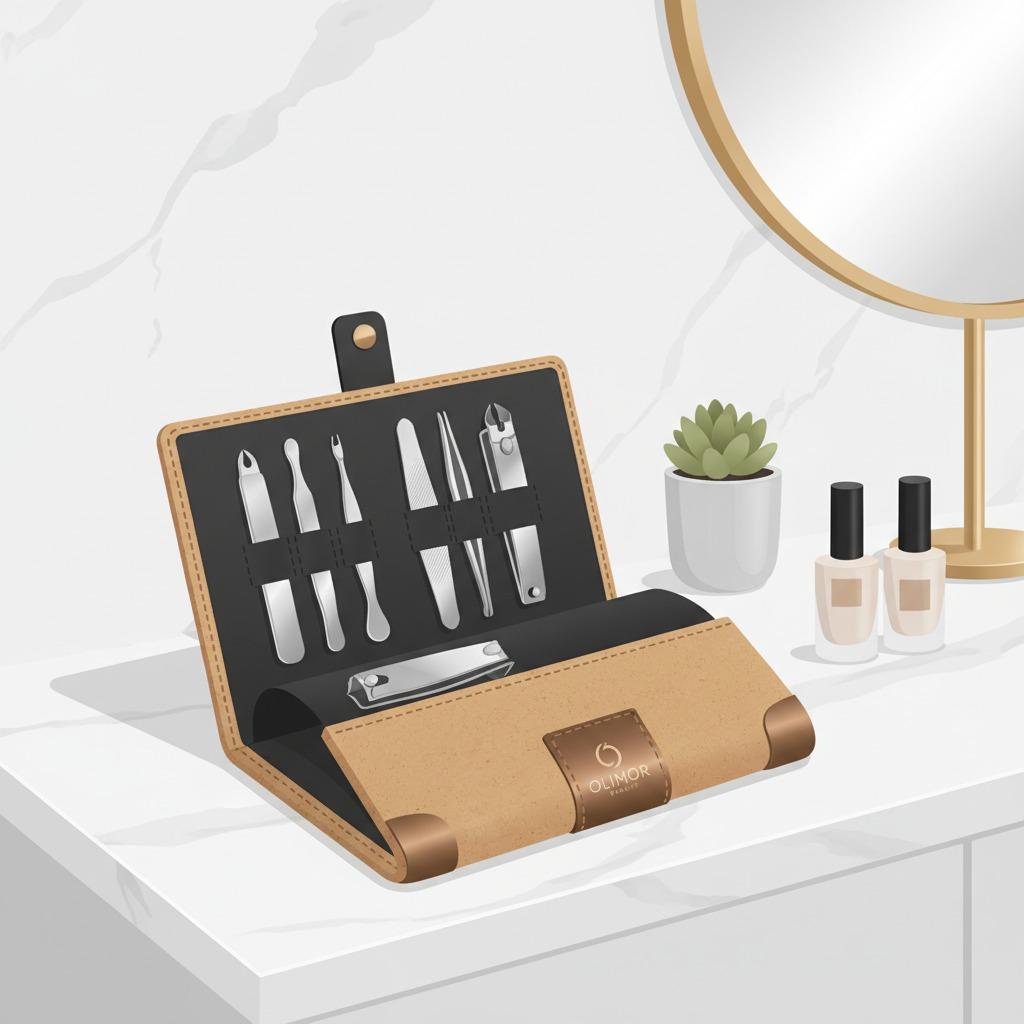
For broader planning, buyers can compare related beauty tool products and understand how nail clippers fit within a wider grooming assortment. A clipper that matches your tweezers, scissors, nail files or manicure accessories can help create a more coherent retail offer.
Why Grip Materials Matter More Than Decoration
The original quality of a nail clipper is often judged by the cut, but long-term satisfaction is strongly influenced by how secure it feels in the hand. Grip materials and surface treatment help users place the clipper accurately and press the lever with confidence. This is especially important when trimming thicker nails, shaping toenails, or assisting another person.
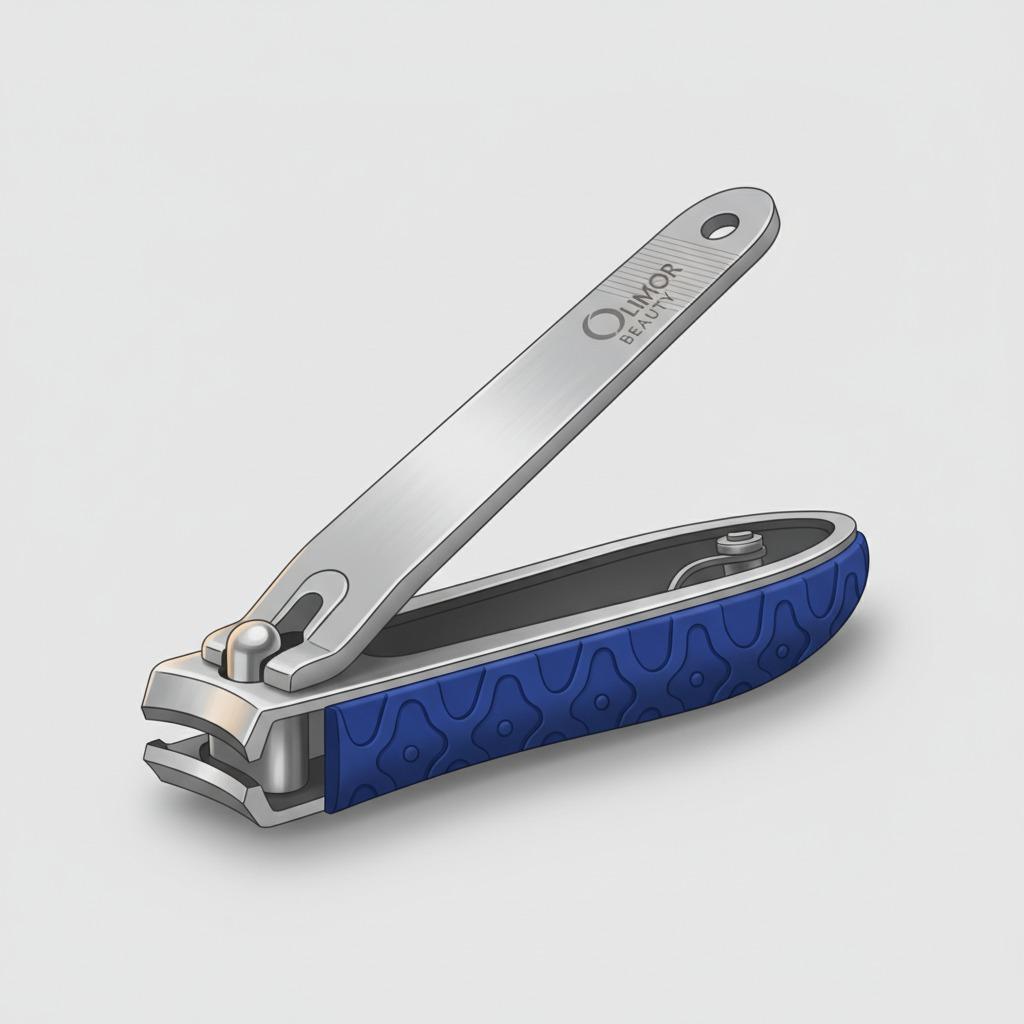
Grip can come from several design decisions. A textured metal handle, a matte surface, a shaped lever, or an added gripping area can all improve control. The best choice depends on the brand position and user group. A minimalist retail line may prefer a clean metal look with subtle texture. A family grooming product may benefit from a more obvious anti-slip feel. A salon-oriented product should be easy to wipe clean and comfortable during repeated use.
When evaluating materials for grip, consider these practical questions:
- Hand feel: Does the clipper stay stable when pressure is applied, or does it rotate in the fingers?
- Surface comfort: Is the grip texture helpful without feeling rough or irritating?
- Wet-use control: Does the handle remain manageable after handwashing or bathroom use?
- Cleaning needs: Can the surface be wiped without trapping obvious residue?
- Brand fit: Does the finish match the quality level customers expect from your retail price point?
These are not cosmetic details. A slippery nail clipper can lead to uneven trimming, discomfort and reduced confidence. For private label products, a better grip can also support repeat purchases because users remember tools that feel easy to control.
Anti-Slip Surfaces and Safer Everyday Use
Anti-slip surfaces help solve a common problem: nail care is often done in environments where hands are not perfectly dry. Bathrooms, salon stations and travel situations can all make a smooth metal tool harder to control. Anti-slip design is not only about adding texture; it is about placing that texture where the fingers naturally press and where the lever needs support.
A good anti-slip surface should support precision without interfering with the cutting action. If the texture is too aggressive, it can feel unpleasant. If it is too light, it may not add enough control. Buyers should test the clipper in realistic ways: trimming both fingernails and toenails, using it with different hand positions, and checking whether the lever remains stable through the full pressing motion.
Anti-slip details are particularly useful for:
- Retail manicure kits intended for bathroom storage or travel bags.
- Salon supply products used repeatedly throughout the day.
- Grooming tools for customers who prefer a secure, no-fuss grip.
- Gift sets where the recipient may not be an experienced manicure user.
- Toenail clippers, where more pressure and control are often needed.
For brands comparing options across product collections, it is useful to group clippers by user scenario rather than appearance alone. A compact travel clipper, a standard fingernail clipper and a larger toenail clipper may each require different grip decisions.
Blade Alignment, Lever Action and Cutting Comfort
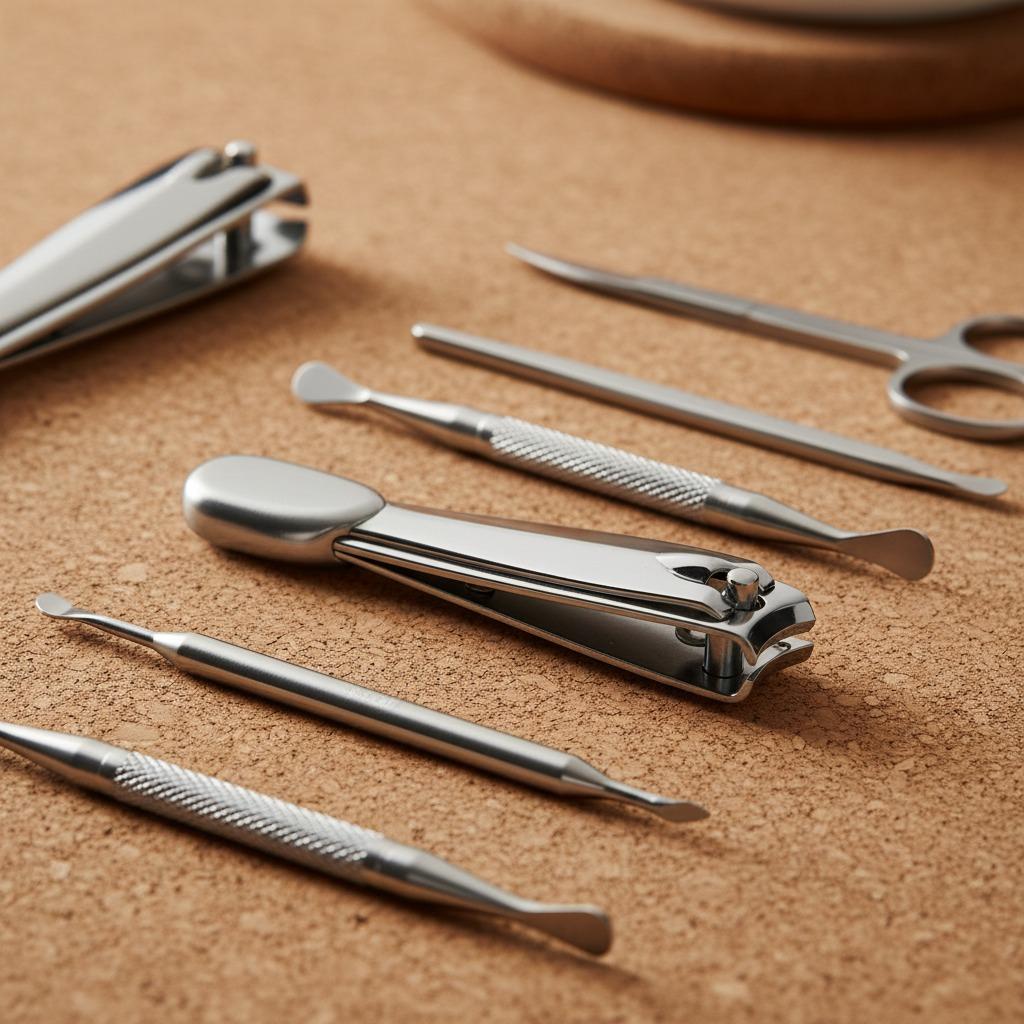
Grip is important, but it cannot compensate for poor cutting performance. The supplied information notes durable stainless steel blades, which is a useful foundation for nail clippers. Still, buyers should evaluate the complete cutting system: blade alignment, edge finish, lever resistance, rivet stability and the way nail clippings are released.
A quality clipper should cut cleanly rather than crush the nail. When the upper and lower cutting edges meet evenly, the user needs less force and has better control over nail shape. Lever action should feel firm but not stiff. If the lever is too loose, the clipper may feel cheap or unstable. If it is too hard to press, the product may be uncomfortable for customers with smaller hands or lower hand strength.
Before approving a private label nail clipper, buyers can run a simple review using multiple samples rather than judging one piece only. Check whether the cut is consistent from left to right, whether the lever returns smoothly, and whether the body remains aligned after repeated use. For retail brands, consistency across a shipment is just as important as the performance of a single display sample.
Private Label Decisions: Finish, Logo and Packaging
Private label success depends on choosing customization that supports the product instead of distracting from it. For nail clippers, the most common decisions involve surface finish, logo placement, handle texture, packaging format and kit compatibility. A clean logo on a stable surface usually works better than a large mark placed where the user's fingers will constantly rub.
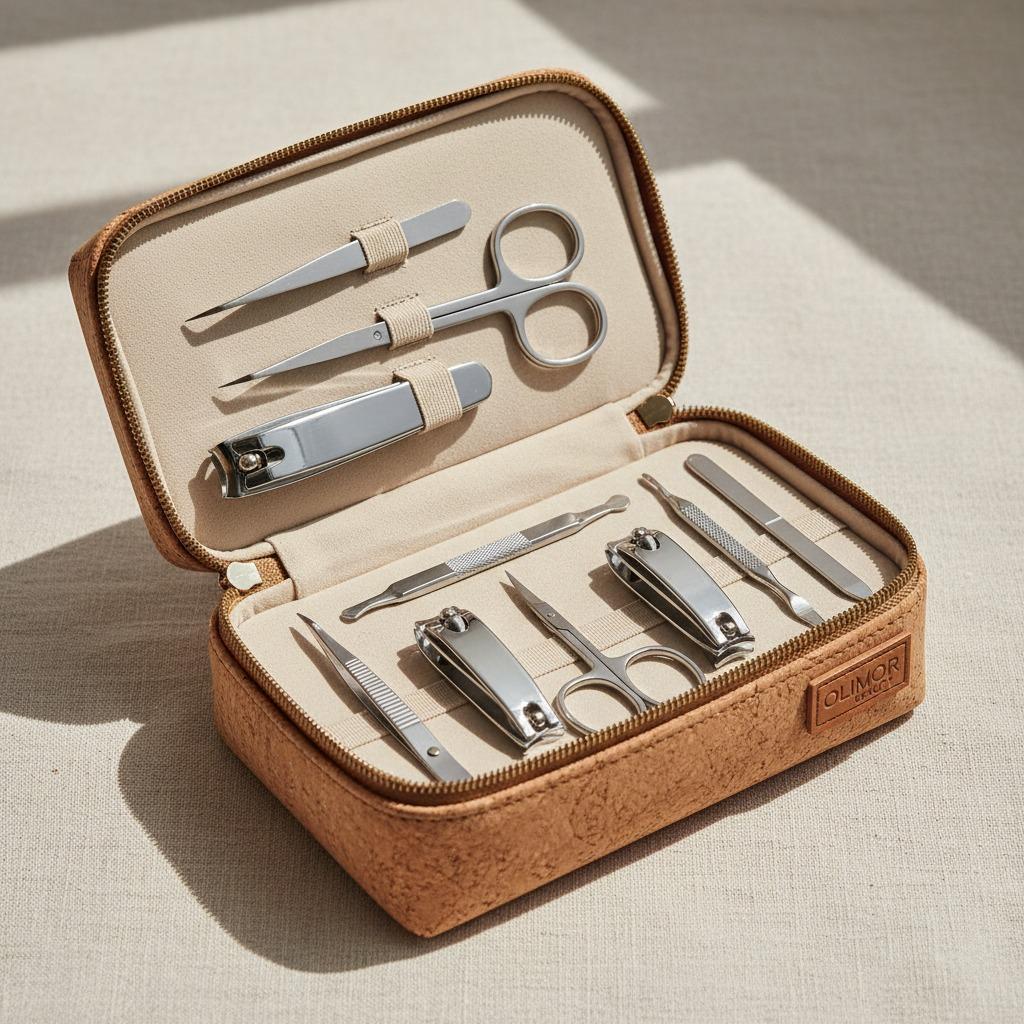
Packaging should protect the cutting edges and present the tool clearly. A nail clipper may be sold as a single item, included in a manicure set, added to a travel grooming kit, or paired with nail files and other care accessories. Each format changes the packaging requirements. Retail packaging needs shelf presence and product protection. Salon supply packaging may focus more on efficiency, quantity handling and easy identification.
Use the table below as a practical planning tool:
| Decision Area | What to Check | Why It Matters |
|---|---|---|
| Grip surface | Texture, placement and comfort | Improves control during trimming |
| Blade quality | Alignment, sharpness and clean cutting | Reduces nail splitting and pulling |
| Lever action | Pressure, stability and return | Affects comfort and perceived quality |
| Finish | Visual consistency and smooth edges | Supports brand presentation |
| Packaging | Protection, labeling and retail fit | Helps the product arrive and sell well |
Inspection Points Before You Approve Production
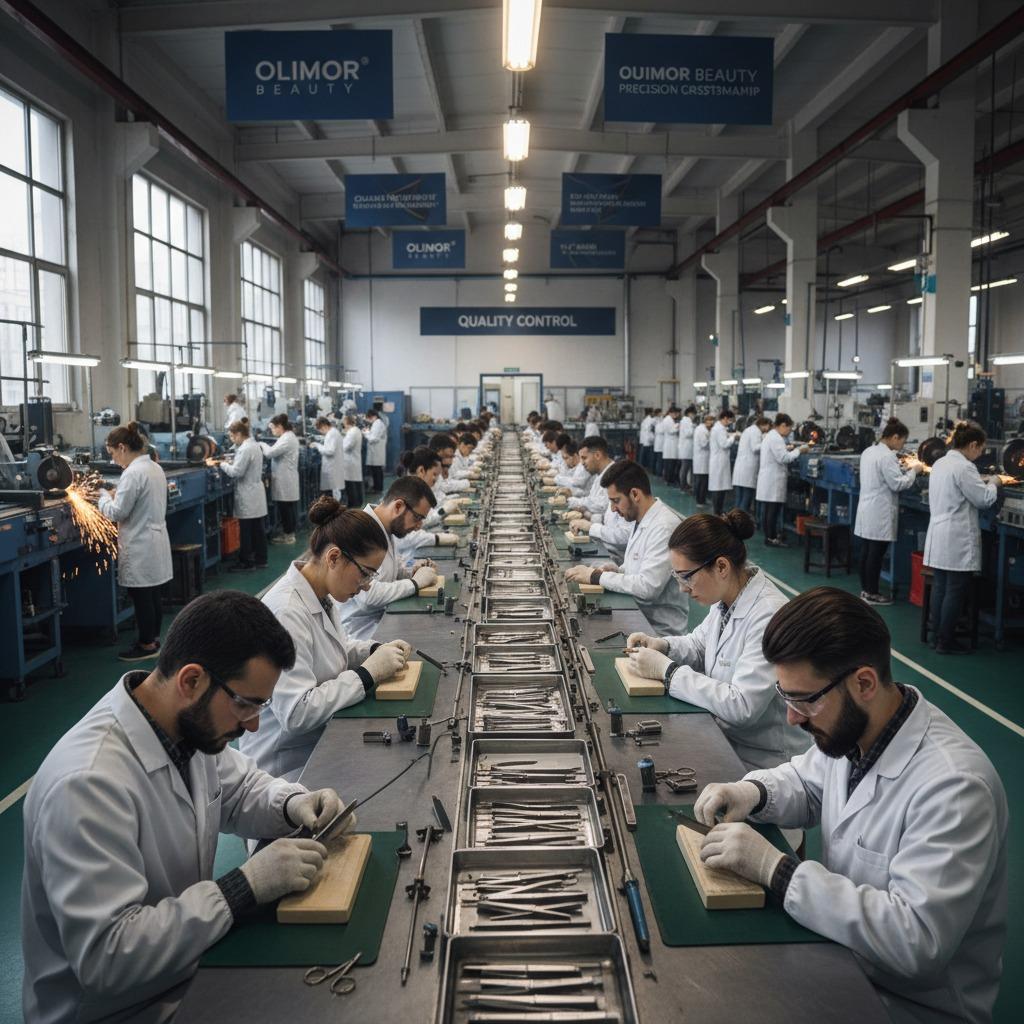
A practical inspection plan helps prevent avoidable complaints. The original product information emphasizes quality assurance and inspection of components, which is especially relevant for a tool with moving parts. Buyers should define what acceptable quality means before the order is finalized, then review samples against those expectations.
Helpful inspection points include:
- Visual finish: Look for scratches, stains, rough edges, uneven plating or inconsistent texture.
- Cutting test: Confirm that the clipper cuts cleanly across the full blade width.
- Grip check: Hold the tool with dry and slightly damp hands to judge slip resistance.
- Lever movement: Press repeatedly to check stability, pressure and return.
- Edge safety: Inspect corners and non-cutting edges for uncomfortable burrs.
- Logo placement: Make sure branding is readable and not positioned where it will quickly wear through normal handling.
- Packaging review: Confirm that the clipper is secured and the cutting edge is protected.
These steps are simple, but they help align supplier production with customer expectations. They also make it easier to compare different nail clipper options using the same criteria.
Choosing the Right Nail Clipper for Your Audience
The best private label nail clipper is not always the most complex one. A beauty retailer may need a polished, compact clipper that looks clean on a display card. A men's grooming brand may prefer a sturdy feel and a more restrained finish. A salon distributor may focus on durability, easy cleaning and hand comfort. A travel kit supplier may need compact dimensions and packaging that protects other items in the pouch.
Before selecting a design, define the use case in one sentence: who will use it, where it will be stored, and what level of finish the buyer expects. Then match the clipper to that purpose. Grip materials, anti-slip surfaces and stainless steel blades should be considered together, not separately. A comfortable handle makes the blade easier to control; a clean cutting edge makes the grip feel more effective; suitable packaging protects both the product and the brand impression.
If you are building a private label grooming line or comparing nail clipper options for retail, salon or kit programs, you can contact Olimor to discuss product direction, or send an inquiry with your sourcing requirements. A focused checklist and realistic use-case testing will help you choose nail clippers that customers keep, use and trust.