










Professional nail clippers are small tools, but they influence customer trust every time they are used. A good clipper should cut cleanly, feel controlled in the hand, be practical to clean and look appropriate for the retail or salon setting where it is sold. For beauty brands, wholesalers, salon suppliers, gift-set developers and grooming kit buyers, the best choice is not simply the sharpest-looking sample. It is the tool that combines consistent cutting action, durable construction, comfortable handling and suitable presentation.
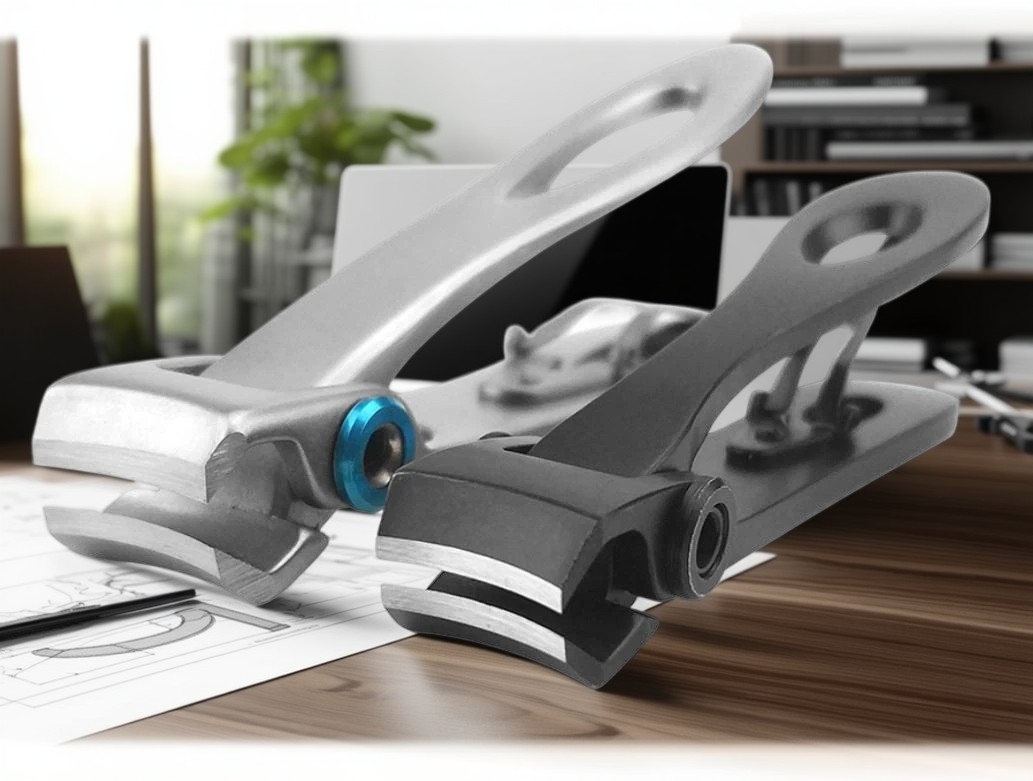
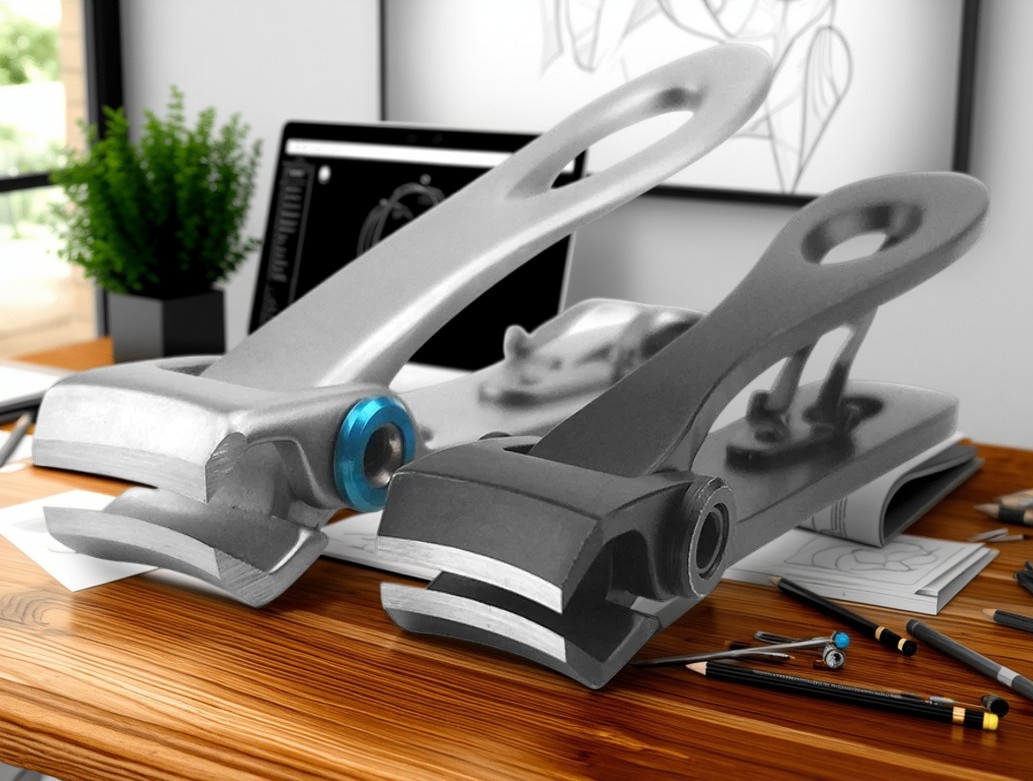
Olimor Beauty nail clippers are designed for professional-style grooming with a practical balance of function and appearance. The product described here features premium stainless steel construction, an ergonomic contoured handle, clean direct cutting action and finish options including polished silver and matte black. These details help the clipper fit a range of channels, from manicure accessories and men’s grooming kits to personal care retail assortments.
This guide explains how to evaluate professional nail clippers before adding them to a product range, requesting samples or discussing customization with a supplier.
What Makes a Nail Clipper Professional Grade?
A professional nail clipper should provide a predictable trimming experience. The user should be able to position the tool, press the lever smoothly and remove the nail edge without crushing, tearing or needing repeated passes. For salons and grooming professionals, this supports speed and confidence. For retail customers, it reduces frustration and makes the tool feel worth keeping.
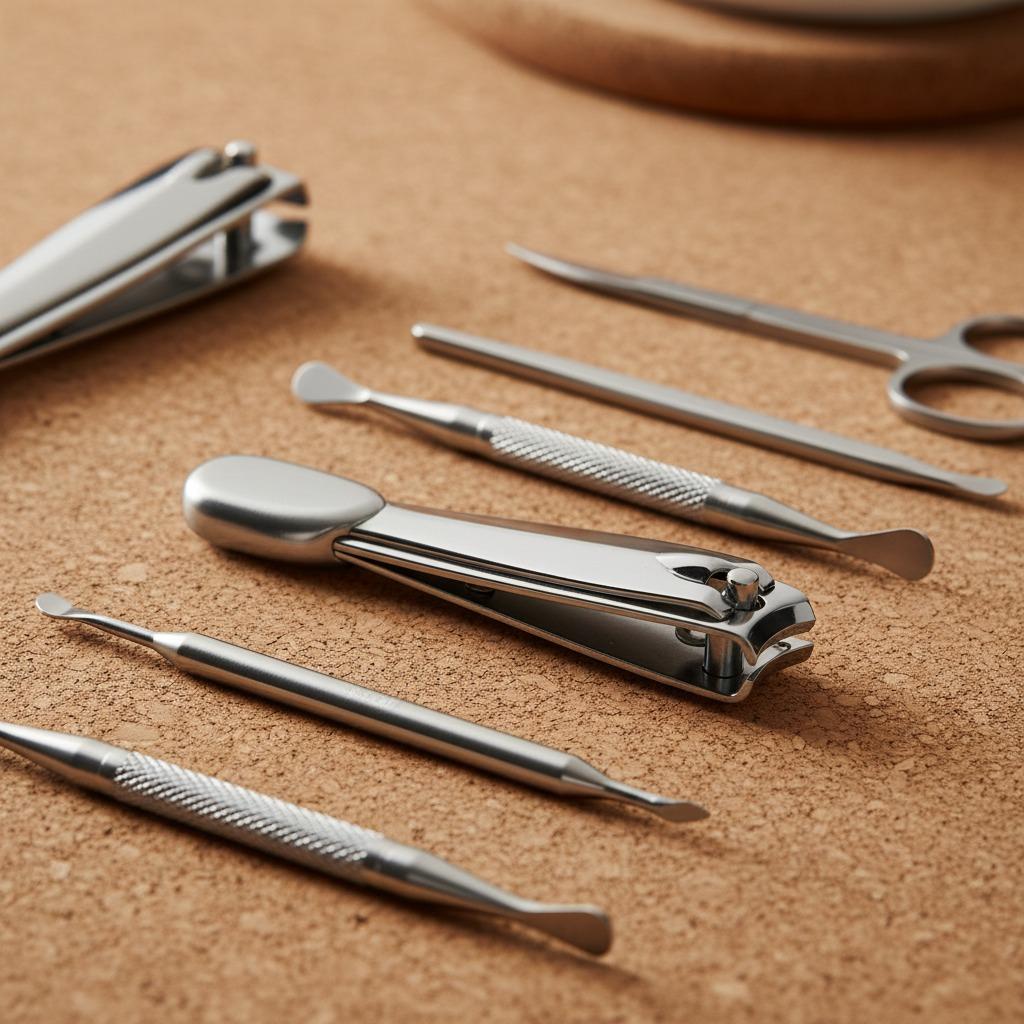
Several details work together to create that experience. The cutting jaws must align evenly. The lever should transfer pressure smoothly. The handle should offer enough grip and control without feeling bulky. The steel body should feel solid, and the finish should remain suitable for regular handling and cleaning. Even if the tool is sold in a simple blister card, pouch or grooming set, the buyer should evaluate it as a working instrument rather than a decorative accessory.
For B2B buyers, the word “professional” should be supported by inspection, sample testing and clear product expectations. Avoid choosing only by appearance. A polished surface or dark matte finish can improve shelf appeal, but the clipper still needs to perform consistently in real use.
Core Features to Evaluate Before Sourcing
The Olimor Beauty professional nail clipper focuses on practical features that matter in daily grooming. When comparing samples, use the following criteria to separate attractive but ordinary tools from clippers that are suitable for repeat use.
- Premium stainless steel construction: Stainless steel is widely used for nail tools because it supports durability, a clean appearance and practical maintenance when cleaned and dried properly.
- Clean cutting action: A nail clipper should cut the free edge of the nail directly and smoothly, helping reduce roughness when used correctly.
- Ergonomic contoured handle: A smooth handle profile helps users steady the tool and apply pressure with better control.
- Finish options: Polished silver gives a classic, clean look, while matte black suits modern grooming kits, minimalist retail lines and men’s care assortments.
- Rust and corrosion resistance: The material and finish are intended to support longer usability when the clipper is maintained properly and not stored wet.
- Minimalist appearance: A simple body shape with a distinctive colored inlay screw detail gives the tool a refined look without unnecessary decoration.
These features are commercially useful because they affect both first impression and long-term satisfaction. A customer may buy a nail clipper because it looks well made, but they keep using it because it cuts cleanly and feels dependable.
Cutting Performance: What to Check in Samples
Cutting performance is the most important reason to test a nail clipper before committing to a product order. Nails are layered, and a poor cut can leave a jagged edge, crush the nail plate or create a split that appears later. A better clipper allows the user to trim in small controlled sections and finish with minimal filing.
Start by checking the jaw alignment. When the lever is pressed, the two cutting edges should meet evenly across the curve or straight edge of the jaws. If one side meets before the other, the clipper may twist, pinch or leave an uneven cut. Next, evaluate the lever. It should not feel loose, wobbly or excessively stiff. A strong lever is useful only when it gives controlled pressure rather than a sudden snap.
For practical sample testing, trim different nail thicknesses if appropriate for your evaluation process. Observe whether the clipper bites into the nail cleanly, whether the tool shifts in the hand and whether the resulting edge looks neat. Do not rely on a single cut. A sample that works once may still have inconsistency across the edge or weakness around the hinge. If you are sourcing for salon or retail channels, ask your team to test the same sample from different hand positions to see whether the handle shape supports a wide range of users.
Stainless Steel, Finish and Product Positioning
Material choice matters because nail clippers are frequently touched, stored in bathrooms, carried in pouches and cleaned after use. Stainless steel is a practical material for this category because it offers strength, a clean product appearance and easier maintenance than many lower-grade alternatives. The Olimor Beauty clipper described here uses premium stainless steel and is offered in polished silver and matte black finishes.
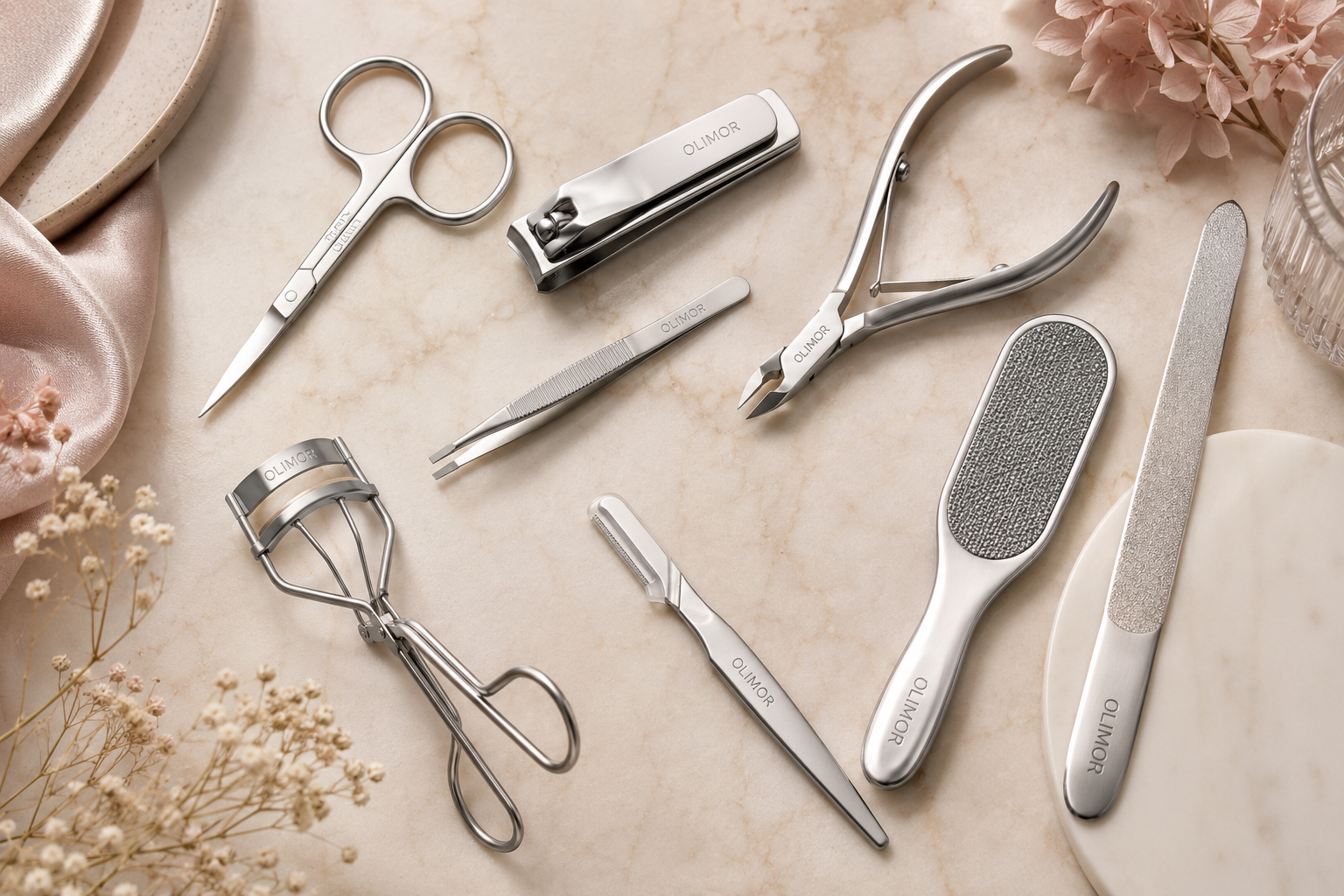
Polished silver is familiar and versatile. It works well for general beauty retail, salon accessories, travel grooming kits and classic manicure sets. It also pairs easily with other metal tools such as tweezers, nail files and cuticle pushers. Matte black creates a more contemporary look. It can help a grooming tool range feel modern, understated or more suitable for men’s personal care positioning.
When selecting a finish, think beyond the product photo. Ask how the tool will be handled in store, how it will appear inside packaging and whether fingerprints or surface marks will affect customer perception. Consider the surrounding product range as well. If the clipper is part of a broader line of beauty tool products, consistent colors, finishes and packaging details can make the assortment feel more deliberate.
Ergonomics for Salons, Retail Customers and Grooming Kits
Ergonomics are not only about comfort. They affect control, accuracy and user confidence. A nail clipper with a smooth contoured handle helps the user hold the tool steady while applying pressure. This is important for professionals who may use grooming tools repeatedly and for retail customers who want a simple, safe-feeling tool at home.
Different channels have different ergonomic priorities. A salon buyer may focus on repeatable handling and fatigue reduction. A personal care brand may want a clipper that feels premium as soon as the customer presses the lever. A travel kit buyer may need a compact tool that remains stable despite its size. A gift-set developer may need a clipper that looks refined while still performing like a practical grooming tool.
Before choosing a style, define the intended use case. Is the clipper meant for fingernails, general household grooming, travel, men’s grooming or a complete manicure kit? How will customers store it? Will it be used alone or paired with other tools? These questions help determine whether polished silver, matte black or another visual direction best supports the product story.
B2B Buyer Checklist for Professional Nail Clippers
A clear inspection checklist helps buyers make consistent sourcing decisions. Use this table when reviewing samples, comparing suppliers or preparing internal product approval notes.
| Evaluation Area | What to Check | Why It Matters |
|---|---|---|
| Cutting edge alignment | Press the lever and confirm that the jaws meet evenly across the cutting surface. | Uneven alignment can cause tearing, crushing or inconsistent trimming. |
| Lever movement | Check whether pressure feels smooth, controlled and stable. | A good lever improves confidence and reduces the need to overgrip. |
| Handle shape | Hold the clipper in different positions and with different hand sizes if possible. | Ergonomics affect accuracy, especially during repeated use. |
| Material and finish | Inspect the stainless steel body, surface consistency and edges. | A clean finish supports shelf appeal and practical maintenance. |
| Hinge and screw area | Look for looseness, rough movement or visible defects. | The hinge area influences long-term cutting feel and stability. |
| Cleaning practicality | Check whether nail residue can be removed easily and whether the tool can be dried thoroughly. | Hygiene and maintenance are important for salon and personal use. |
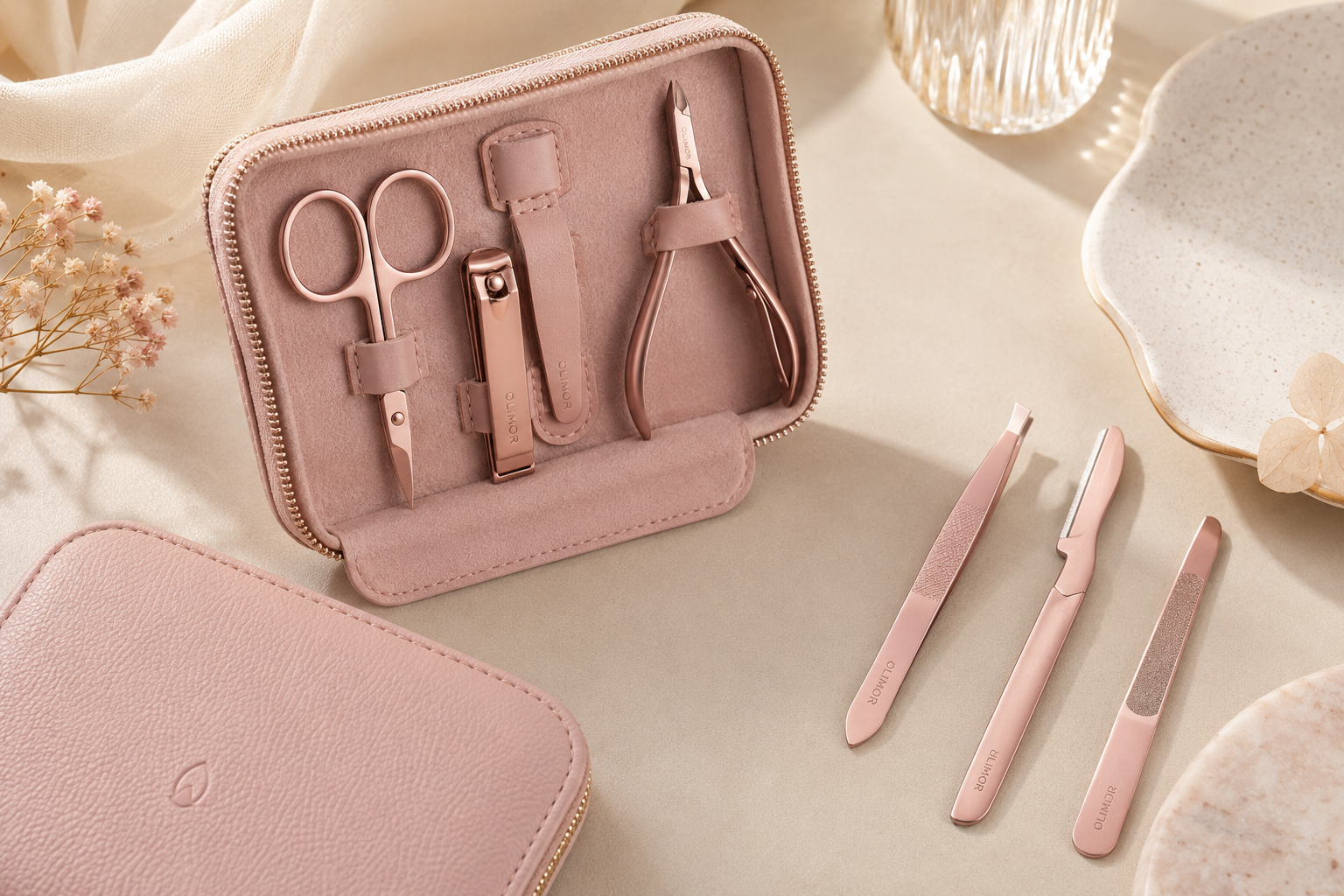
| Packaging fit | Confirm whether the clipper suits a single item, pouch, set or display format. | Packaging affects perceived value, storage and retail presentation. |
This checklist is also useful when comparing clippers across a wider beauty tool collection. A single product may perform well on its own, but B2B buyers often need a coordinated range with consistent quality expectations.
Hygiene, Cleaning and Maintenance
Professional nail clippers last longer and perform better when they are cleaned and stored correctly. After use, remove visible nail residue from the cutting area. Wipe the tool clean and dry it before storage, especially if it is kept in a bathroom, spa area or salon station where moisture is common. Do not leave the clipper soaking in standing water or sealed in a pouch while damp.
For salon and workplace environments, hygiene requirements vary by location and business type. Follow local cosmetology board, public health or workplace safety rules that apply to your operation. In the United States, OSHA’s Bloodborne Pathogens Standard may be relevant where there is occupational exposure to blood or other potentially infectious materials; businesses should verify current requirements and applicability with qualified compliance support. Do not assume that a grooming tool is automatically suitable for every professional sanitation protocol without checking the supplier’s documents and your local rules.
For personal use, the most important habits are simple: clean after trimming, dry before storing and keep the cutting edge protected from hard impacts. If the lever begins to feel rough, inspect the hinge and screw area for residue before deciding the clipper is worn out. Good maintenance protects both performance and appearance.
Cost Factors Without Reducing the Decision to Price
Cost matters in B2B sourcing, but a nail clipper should not be evaluated only by the lowest unit price. The real cost of a beauty tool includes product performance, rejection risk, packaging compatibility, finish consistency and customer satisfaction. A cheap clipper that crushes nails, feels unstable or arrives with visible surface defects can create returns, complaints and brand damage.
Several factors can influence cost discussions with a supplier. Stainless steel construction, surface finish, handle design, packaging format, order quantity, customization requirements and inspection expectations can all affect the final quotation. Polished silver and matte black may support different market positions, and packaging for a standalone retail item may differ from packaging for a kit component. If custom branding, color direction or set assembly is required, those details should be discussed early rather than after sampling.
When requesting a quotation, provide a clear brief. Include the target channel, intended use, finish preference, packaging idea, expected quality level and whether the clipper will be sold alone or combined with other tools. This helps the supplier recommend a realistic solution instead of quoting a generic item that may not fit your range.
How to Evaluate a Nail Clipper Supplier
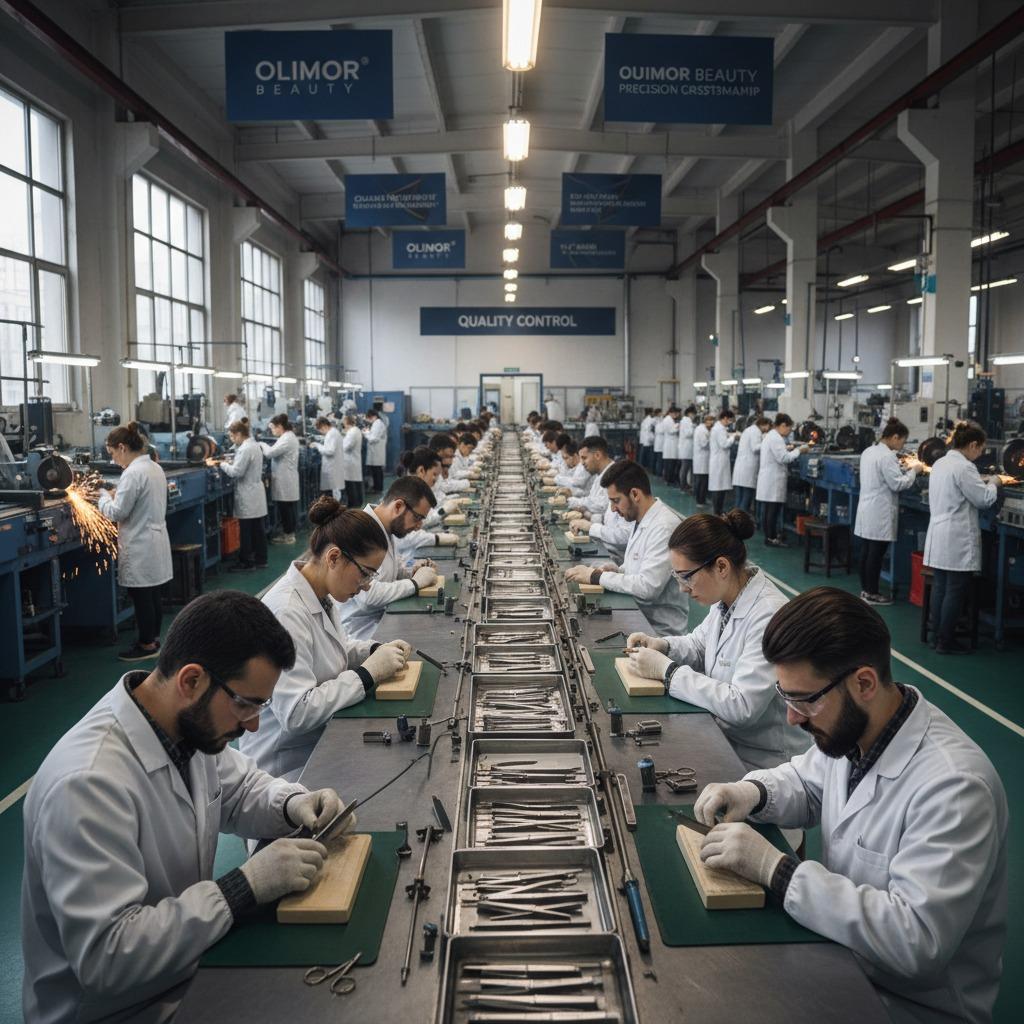
A reliable supplier should help buyers move from a product idea to a usable commercial item. For professional nail clippers, supplier evaluation should include sample responsiveness, understanding of finish options, inspection communication and willingness to discuss packaging or range development.
Ask practical questions. Can the supplier provide samples for review? What product details can be confirmed before ordering? What finish options are available for the item under discussion? How should the clipper be cleaned and stored? What packaging formats can be considered? If customization is needed, what information does the supplier require to assess feasibility?
Also review communication quality. A good sourcing conversation should be specific. Instead of asking for the “best nail clipper,” explain whether you are building a salon kit, retail manicure set, travel grooming pouch or men’s care range. If you already have preferred finishes or packaging direction, include them. For project discussions, buyers can send a product inquiry with target channel, finish preference and packaging goals.
Commercial Uses: Where This Clipper Fits
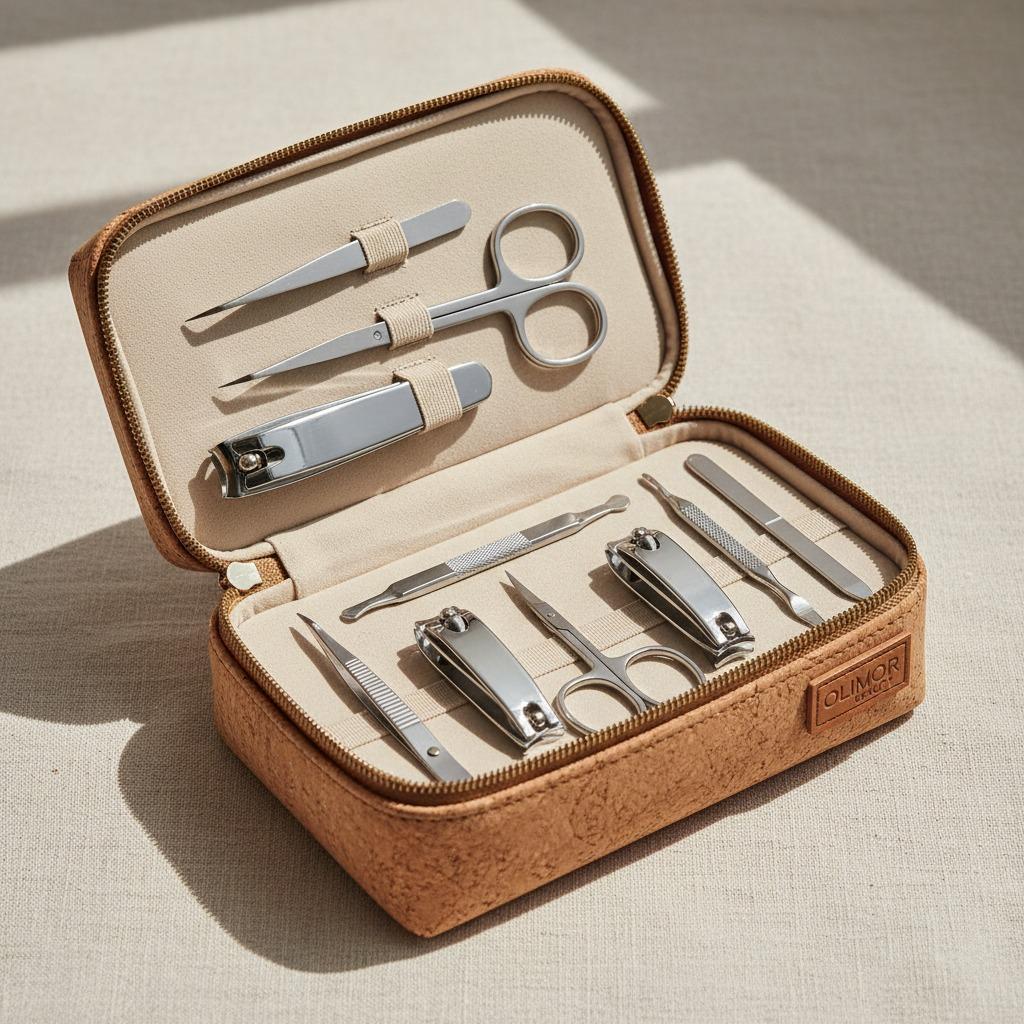
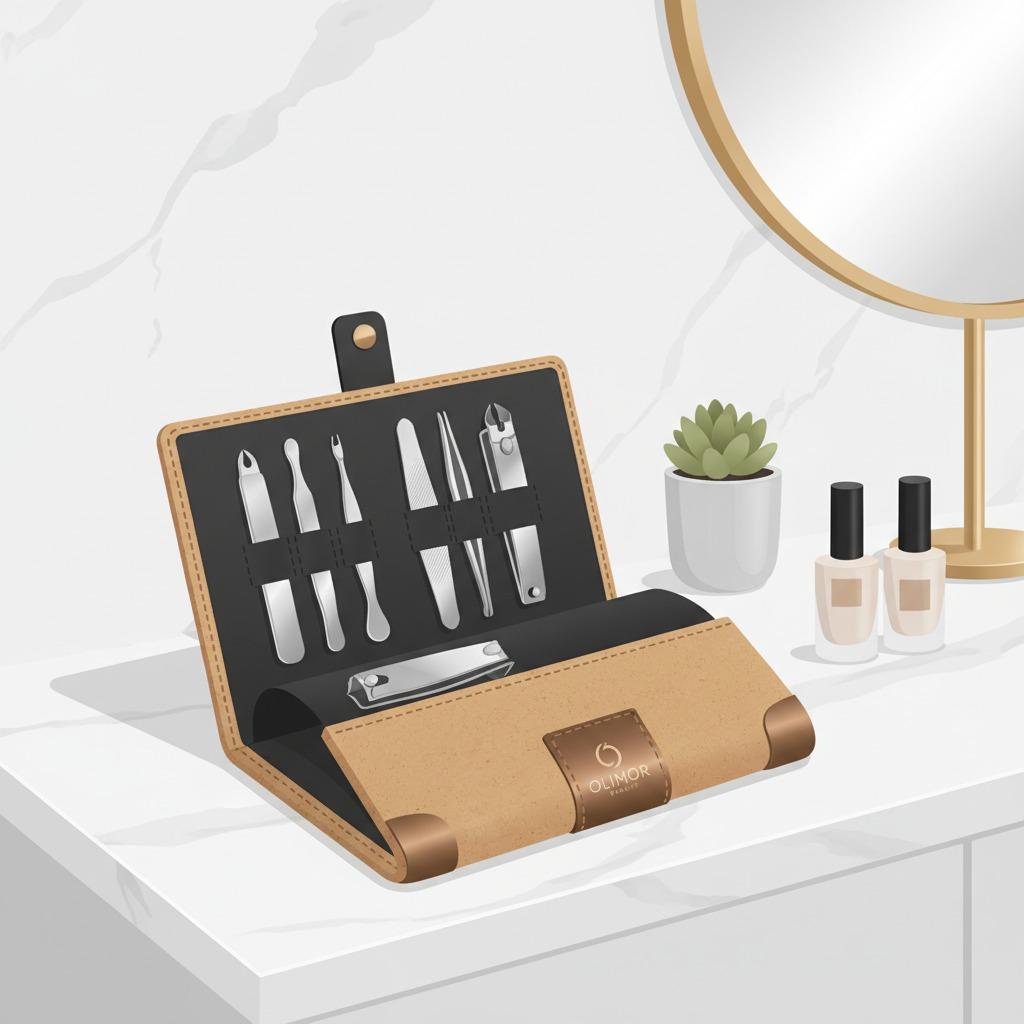
A professional stainless steel nail clipper can fit several beauty and personal care strategies. It can be sold as a standalone grooming tool, paired with a nail file, included in a manicure set or positioned as a compact accessory in a travel kit. The polished silver finish supports classic beauty and salon presentation, while matte black can support a more modern or masculine grooming direction.
For retail buyers, the clipper should match the expected customer. A mass personal care assortment may prioritize clear function and familiar appearance. A boutique set may need a more refined visual finish. A salon supplier may focus on easy cleaning and predictable use. A gifting program may need the clipper to look cohesive with other tools in the package.
Olimor Beauty focuses on practical beauty tools with clean product appearance and everyday usability. Buyers comparing nail clipper options or planning a coordinated grooming tool range can contact Olimor to discuss suitable product choices for their channel.
FAQ
Can I request samples before placing an order?
Sample requests are commonly used to evaluate cutting feel, finish quality, handle comfort and packaging fit. Contact Olimor with your intended channel and product requirements so the team can advise what can be reviewed.
Is there a minimum order quantity for professional nail clippers?
MOQ can depend on the product configuration, finish, packaging and customization needs. Buyers should confirm the current requirement directly with Olimor before planning a purchase.
Can the nail clipper be customized for a private label range?
Customization may depend on the selected item, finish, branding method and packaging direction. Share artwork, market positioning and set requirements early so feasibility can be checked.
How should buyers check quality before approval?
Review samples for jaw alignment, lever smoothness, surface finish, hinge stability, cleaning practicality and packaging fit. For regulated salon use, verify current local hygiene rules and supplier documents.
What affects lead time?
Lead time can be influenced by sample approval, order quantity, finish selection, packaging, customization and production scheduling. Confirm timing during quotation rather than assuming a fixed schedule.
Final Buying Guidance
The best professional nail clippers are precise, comfortable, clean-looking and easy to maintain. They should cut smoothly, feel stable in the hand and fit the commercial setting where they will be sold or used. For B2B buyers, the strongest decision comes from testing the tool the way a customer would: grip it, cut with it, inspect the edge, clean it and consider how it will appear in packaging.
The Olimor Beauty professional nail clipper combines stainless steel construction, ergonomic contouring, clean cutting action and polished silver or matte black finish options. For buyers building a reliable grooming tool range, these are the details that turn a simple clipper into a useful everyday product.