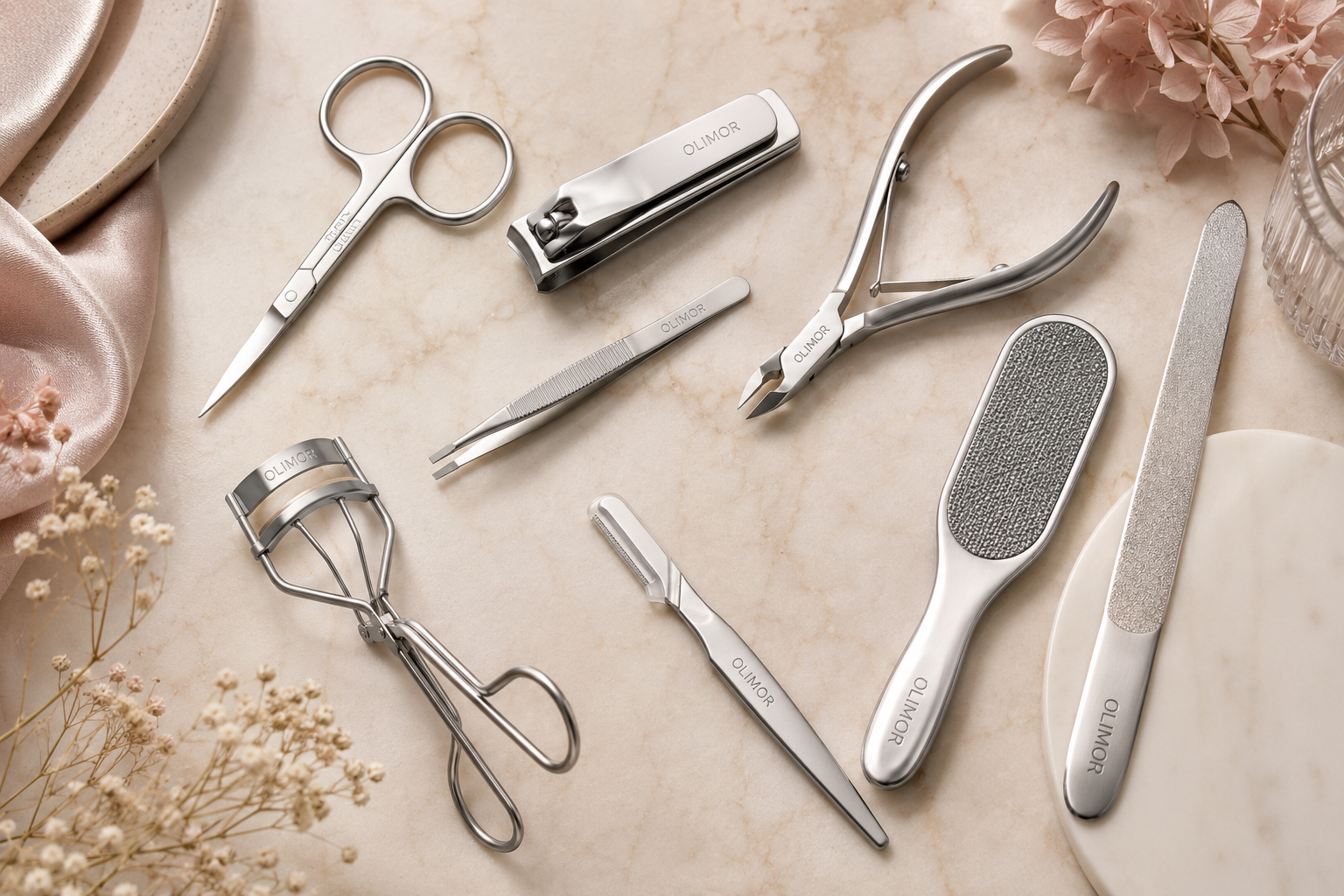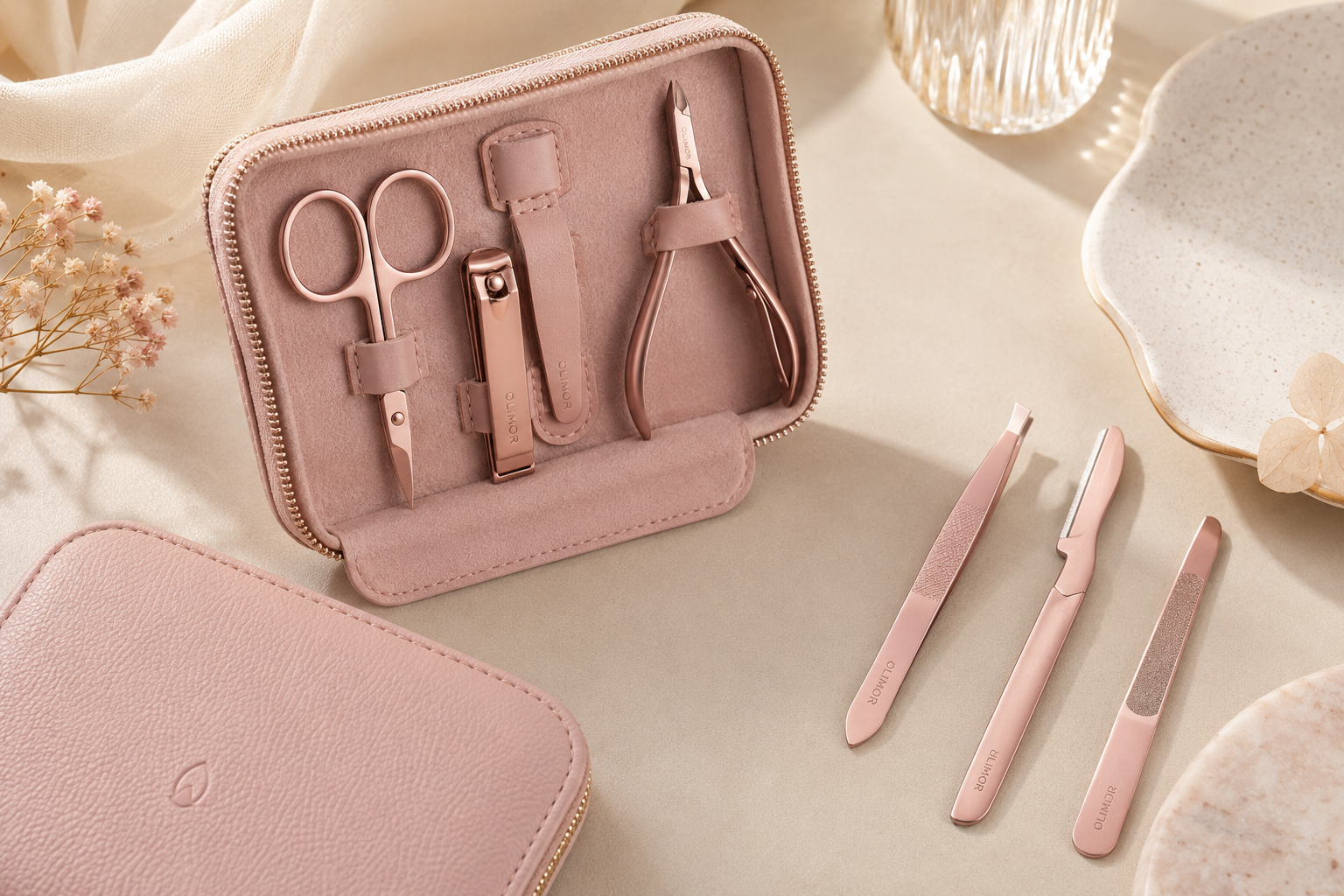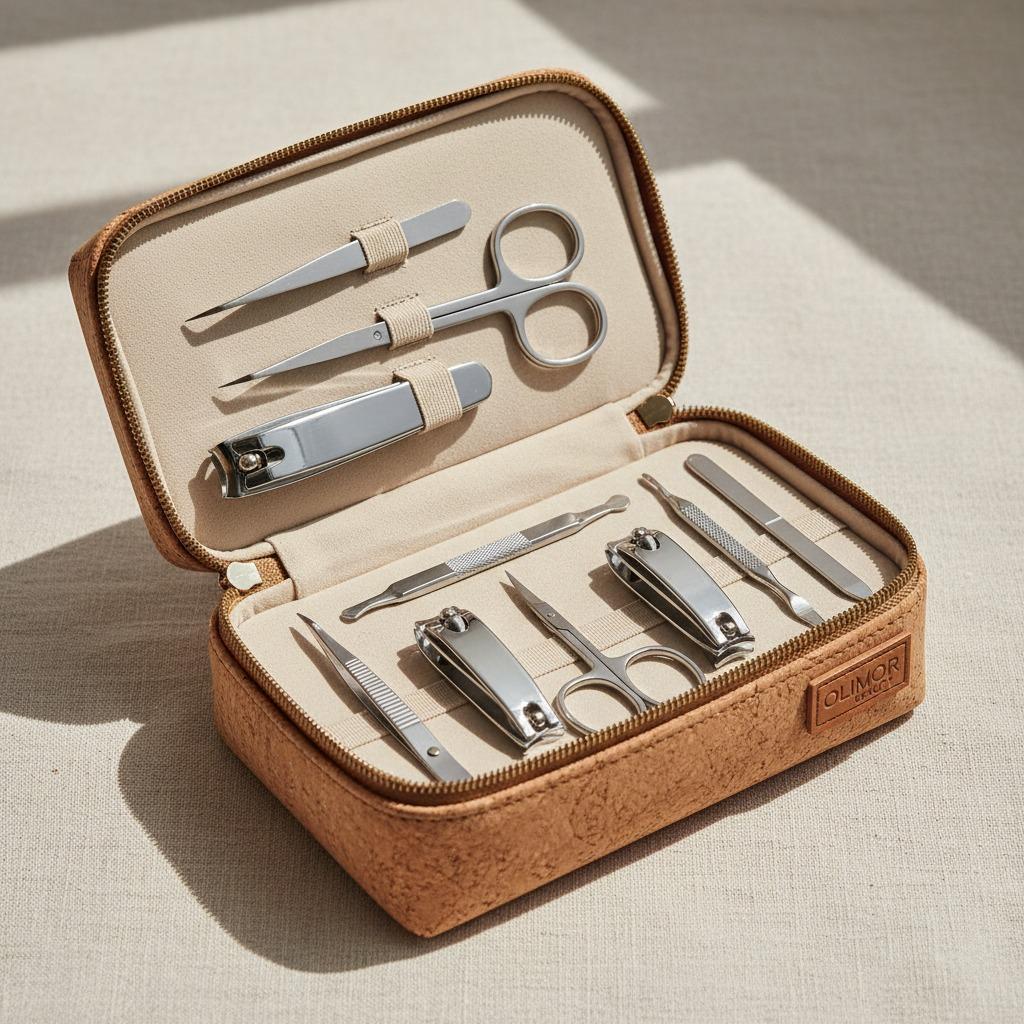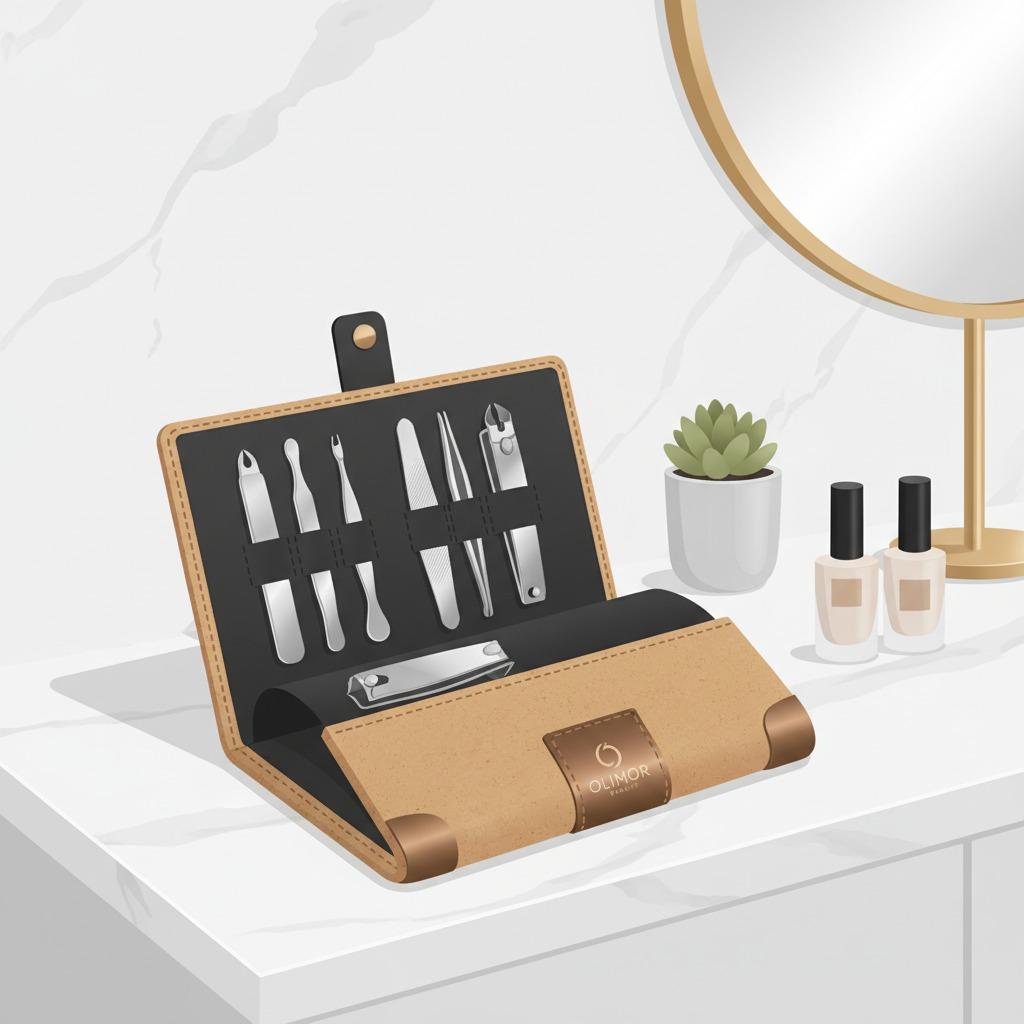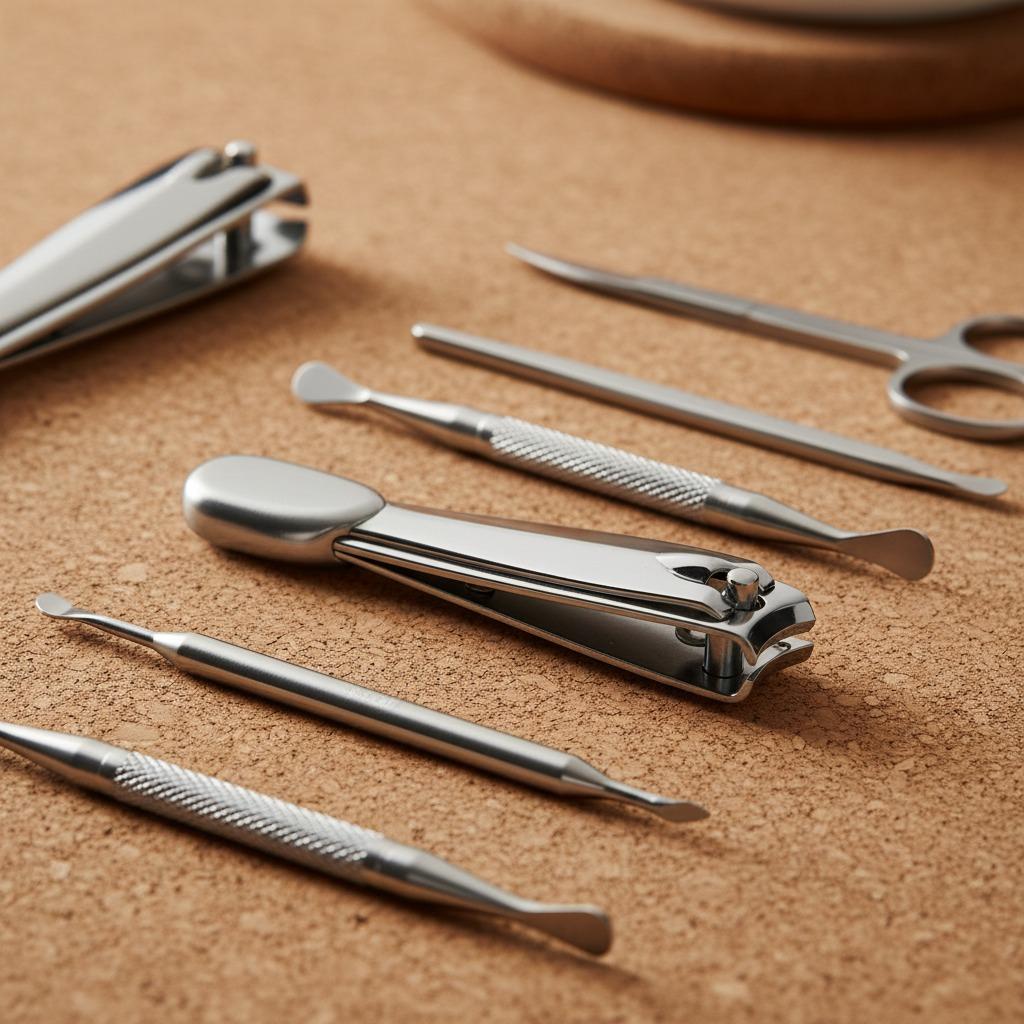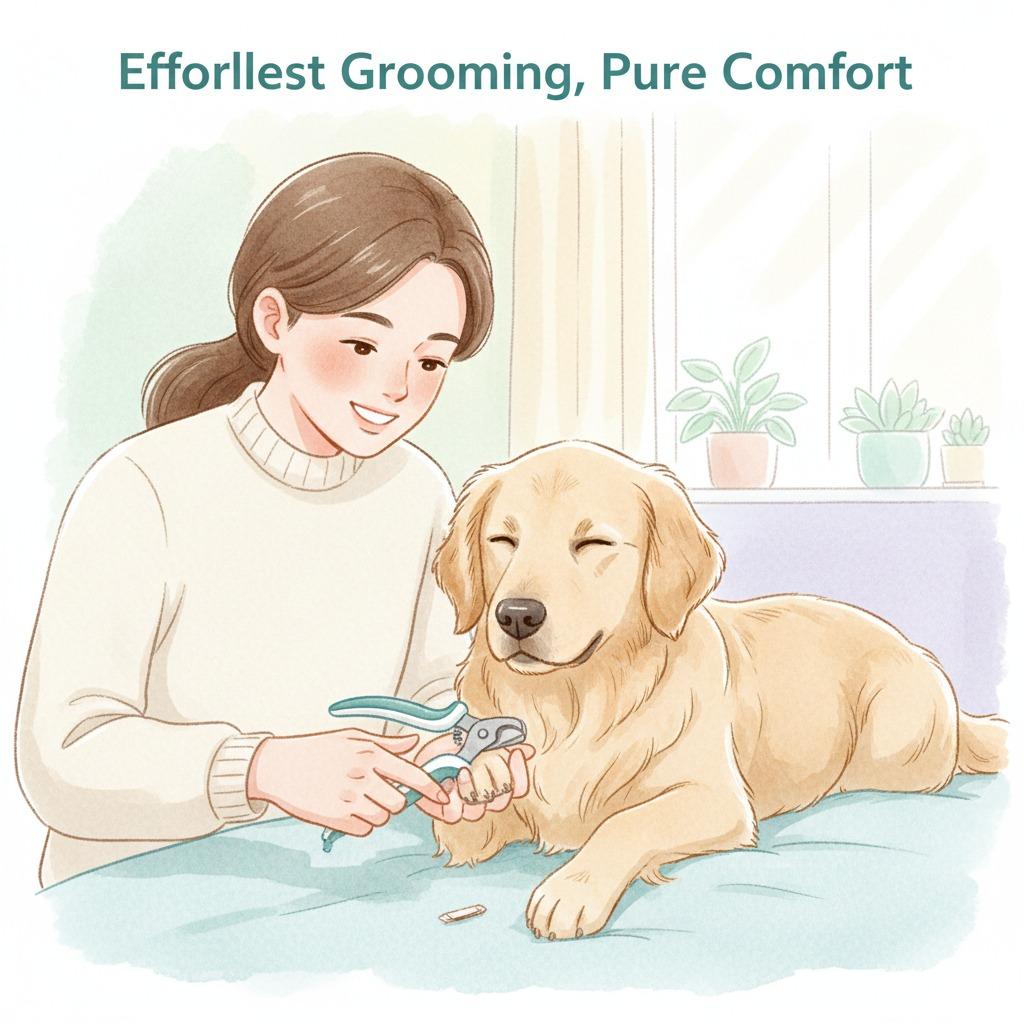
A dependable nail clipper is one of the simplest grooming tools, but it has a major effect on comfort, control and safety. For pet owners, groomers and beauty-tool buyers, the right clipper should do more than shorten nails. It should help produce a clean cut, reduce hand fatigue and make the grooming session easier to manage for both the person holding the tool and the pet being handled.
Olimor Beauty offers nail clipper products for buyers looking for practical grooming tools with a focus on usability. The original product information highlights stainless steel construction and an ergonomic design, both of which are important when a tool is used repeatedly or when precision matters. This guide explains how to evaluate a nail clipper, how to use it more safely for pets and what to consider if you are sourcing nail clippers for retail, salon, grooming or promotional use.
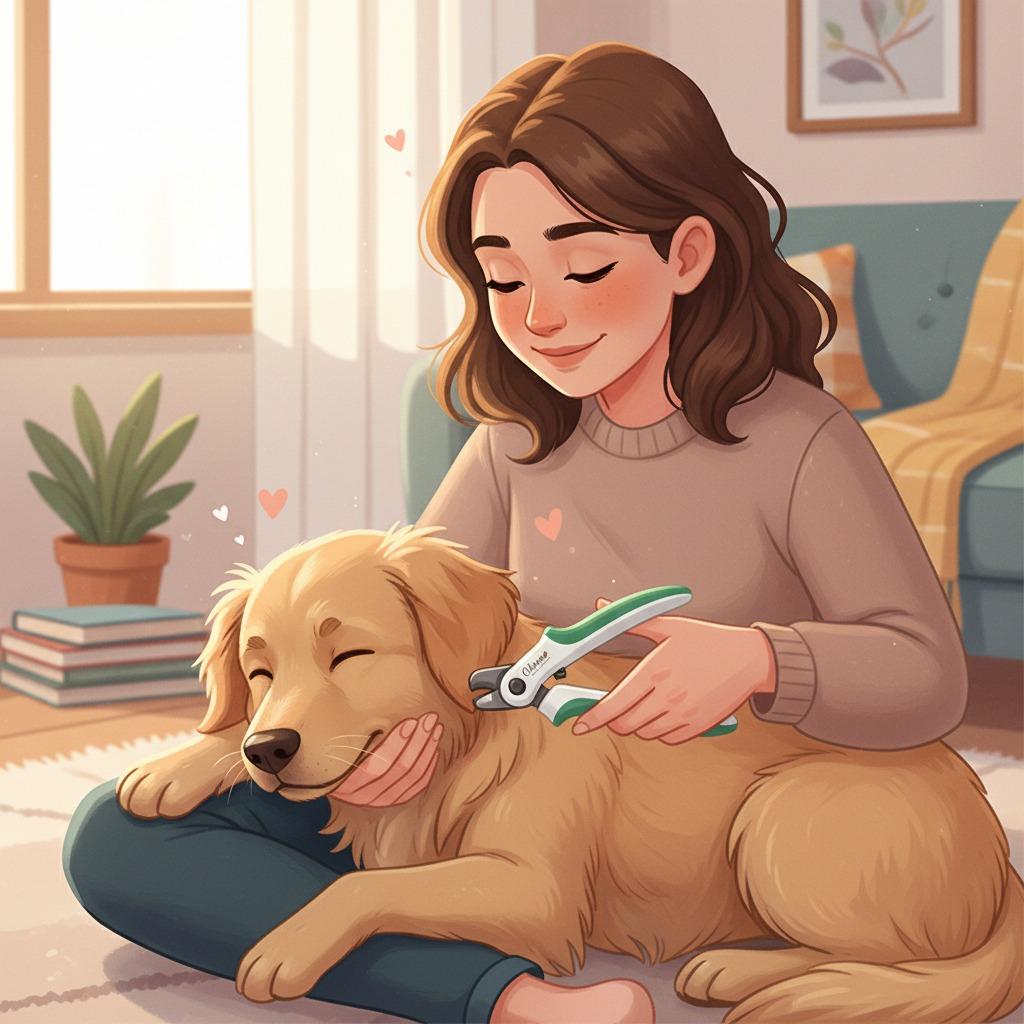
Why the Nail Clipper Design Matters
A pet nail clipping session can become stressful quickly if the tool slips, crushes the nail or requires too much force. A nail clipper with a sharp cutting edge helps create a smoother trim, while a comfortable grip gives the user better control. This is especially important when trimming small sections of the nail near the safe cutting zone.
Stainless steel is commonly preferred for grooming tools because it offers strength and can resist rust when cleaned and stored correctly. For a nail clipper, blade quality is directly connected to the feel of the cut. A dull or poorly aligned clipper may squeeze the nail before cutting it, which can be uncomfortable for pets and frustrating for the groomer.
Ergonomics are just as important as the blade. A clipper that fits naturally in the hand is easier to position, especially when trimming paws from different angles. The goal is not only speed. Good grooming tools help the user work slowly and accurately without losing grip or applying uneven pressure.
Who Should Consider This Type of Grooming Tool?
A nail clipper is suitable for several types of buyers and users. Pet owners may need a reliable tool for routine nail maintenance between professional grooming appointments. Grooming salons may require tools that are simple to clean, easy for staff to handle and consistent across repeated use. Retailers and distributors may look for nail clippers that are easy to explain to customers and fit well within a broader grooming category.
If you are comparing beauty tool products for a product line, the nail clipper is a practical item because it addresses a repeated need. Nails continue to grow, and regular trimming can help reduce scratching, snagging and discomfort caused by overgrowth. For pets that walk mostly indoors or on soft surfaces, nails may not wear down naturally, making a manual clipper a useful household tool.
The best fit depends on the intended use. A casual pet owner may prioritize comfort and confidence. A professional groomer may focus on durability, cleaning workflow and performance after frequent use. A sourcing manager may evaluate packaging options, quality consistency and how the tool complements other grooming accessories in a catalog or store display.
Key Selection Criteria Before Buying or Sourcing
When choosing a nail clipper, avoid judging by appearance alone. A grooming tool should be evaluated by how it performs in the hand and how predictable it feels during cutting. The following checklist can help buyers compare options more carefully:
- Blade sharpness: The cutting edge should be capable of making a clean trim without crushing the nail.
- Material: Stainless steel is a practical choice for the cutting area because it supports strength and rust resistance when maintained properly.
- Grip comfort: The handle should allow a stable hold without forcing the wrist into an awkward angle.
- Cutting control: The user should be able to trim in small increments instead of removing too much nail at once.
- Size suitability: The clipper should match the pets or users it is intended for; very small and very large nails may need different tool proportions.
- Cleaning access: Smooth surfaces and accessible cutting areas make it easier to remove nail dust and debris after use.
- Packaging and presentation: For retail buyers, the product should be easy to display and the use case should be clear to the end customer.
For buyers building a complete grooming assortment, review related product collections so the nail clipper can be positioned with complementary care tools rather than treated as a one-off item.
How to Trim Pet Nails More Calmly
Good technique matters as much as the clipper itself. Even a sharp, comfortable tool can cause stress if the pet is not prepared or if too much nail is removed at once. The safest approach is patient, gradual and consistent.
- Introduce the tool first. Let the pet see and smell the nail clipper before trimming. Touch the paws gently without cutting so the tool does not appear only during stressful moments.
- Choose a stable position. Work in a quiet area with good lighting. Make sure the pet is supported and the paw is held gently but securely.
- Identify the safe cutting area. Avoid the quick, which is the sensitive part of the nail. On light-colored nails it may be easier to see; on dark nails, trim very small amounts at a time.
- Clip in small increments. Rather than trying to finish each nail in one cut, remove a little at a time. This improves control and reduces the chance of discomfort.
- Pause when needed. If the pet pulls away or becomes anxious, stop briefly. A calm session is better than a fast session that creates future resistance.
- Reward cooperation. Use praise or an appropriate treat after trimming so the pet begins to connect paw handling with a positive outcome.
For pets that are very anxious, it may help to trim only one or two nails per session at first. Building tolerance over several short sessions can be more effective than forcing a full trim in one attempt.
Maintenance: Keeping the Clipper Clean and Reliable
A nail clipper should be cleaned after use, especially when used on multiple pets. Nail fragments and fine debris can collect around the cutting area. Wipe the tool with a dry cloth after trimming, then clean according to the material and care instructions provided with the product. Make sure the clipper is completely dry before storage to help reduce the risk of corrosion.
Storage also affects performance. Keep the clipper in a dry place away from damp bathroom counters or open grooming tubs. If the tool is stored with other metal accessories, avoid contact that could damage the cutting edge. A damaged or dull blade can make grooming more difficult and may increase pressure on the nail.
Users should also inspect the clipper before each session. Check that the cutting edges align correctly, the handle feels stable and there is no visible residue in the cutting area. If the tool no longer cuts cleanly, it should be replaced rather than used with extra force.
Retail and Wholesale Buying Considerations
For businesses, a nail clipper is a small product with a practical decision process behind it. Customers may compare shape, comfort, material and ease of use. Clear product education can reduce hesitation, especially among first-time pet owners who are worried about trimming too closely.
When evaluating nail clippers for a catalog, retail shelf or grooming kit, consider how the product will be presented. A buyer may want to know whether the clipper is intended mainly for pets, personal grooming or general nail care. Since the original product details emphasize stainless steel and ergonomic handling, those points can be useful in customer-facing descriptions, provided they are supported by the final product specification.
For sourcing teams, the most useful questions are practical rather than promotional: Is the grip comfortable across different hand sizes? Does the blade maintain alignment? Is the finish smooth around areas the user touches? Can the product be cleaned easily? Does the packaging protect the cutting edge during transport? These questions help identify whether a nail clipper will perform well after it leaves the showroom or website.
If you need to compare product options, discuss packaging or review details for a grooming-tool order, you can contact Olimor or send an inquiry with your intended market, quantity planning and product requirements.
A Practical Tool for Routine Paw Care
Regular nail trimming supports comfort, mobility and cleaner household routines, but it works best when the user has the right tool and the right technique. A stainless steel nail clipper with an ergonomic design can help create cleaner cuts and give the groomer better control. For pet owners, that means less anxiety around routine care. For retailers and grooming businesses, it means offering a product with a clear everyday purpose.
Choose a nail clipper by focusing on cutting performance, hand comfort, cleaning needs and the real grooming situation it will be used in. With patient handling and proper maintenance, a simple nail clipper can become one of the most useful tools in a pet grooming kit.