












Choosing an eyebrow tweezers factory is a quality decision, not only a purchasing decision. A pair of tweezers may be small, but users notice immediately when the tips slip, the arms feel uneven, or the edges are uncomfortable near the skin. For beauty retailers, salons, distributors and private-label buyers, the right supplier helps protect customer satisfaction, repeat sales and the perceived quality of the full grooming range.
The core search intent for buyers is straightforward: how can you compare an eyebrow tweezers factory before placing an order? The answer is to evaluate the tool as a functional beauty instrument, not just as a polished metal accessory. Material, tip alignment, arm tension, surface finishing, grip design, packaging protection and inspection controls all affect whether the final product performs consistently in retail, salon or kit use.
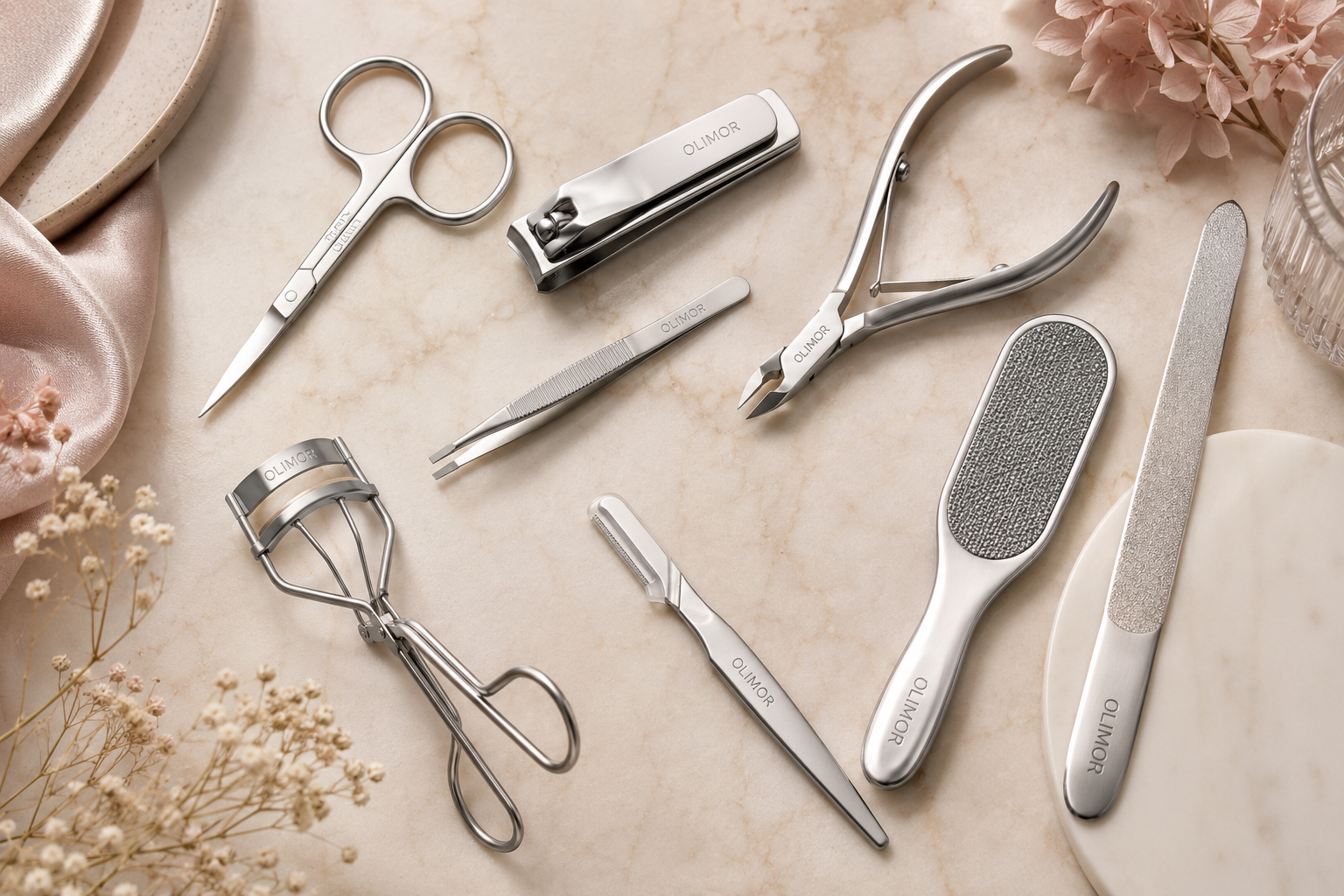
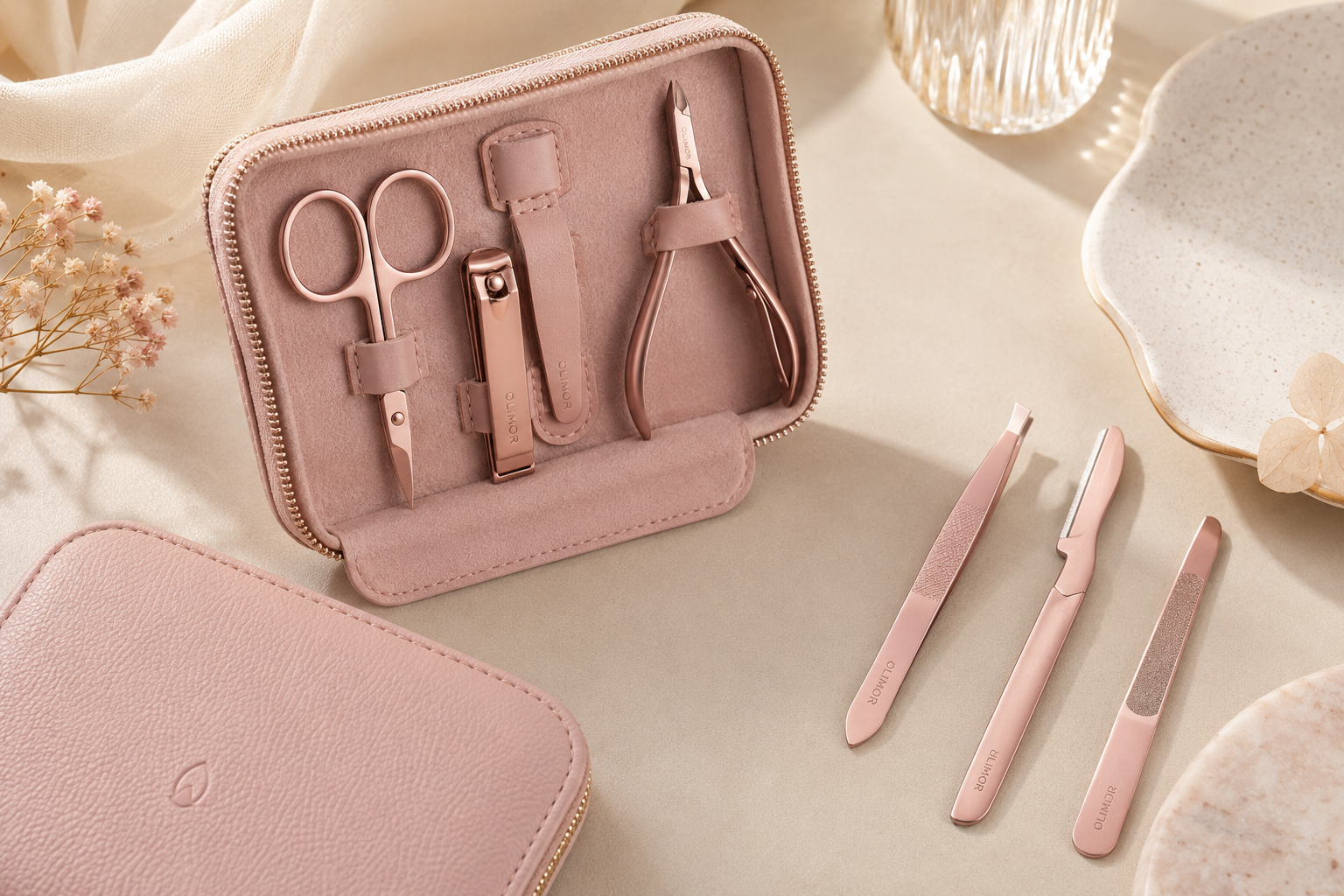
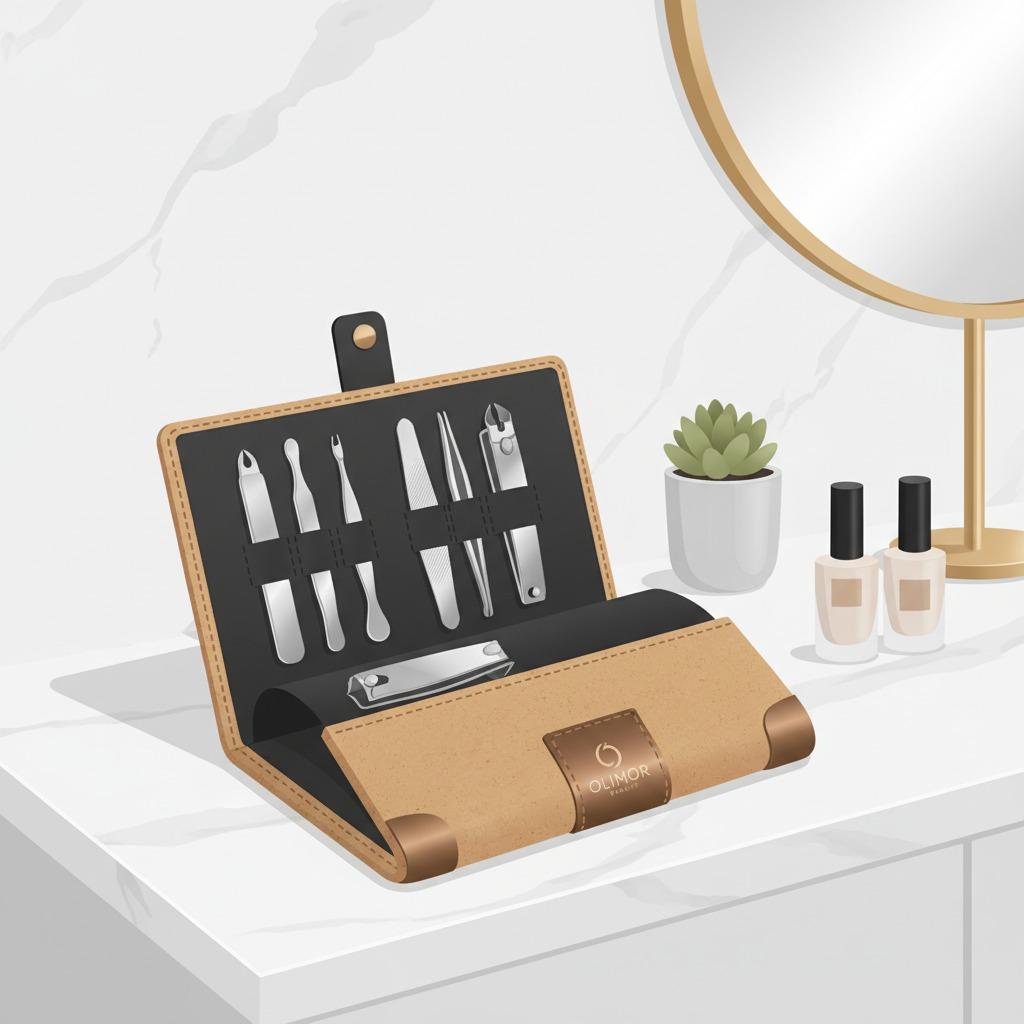
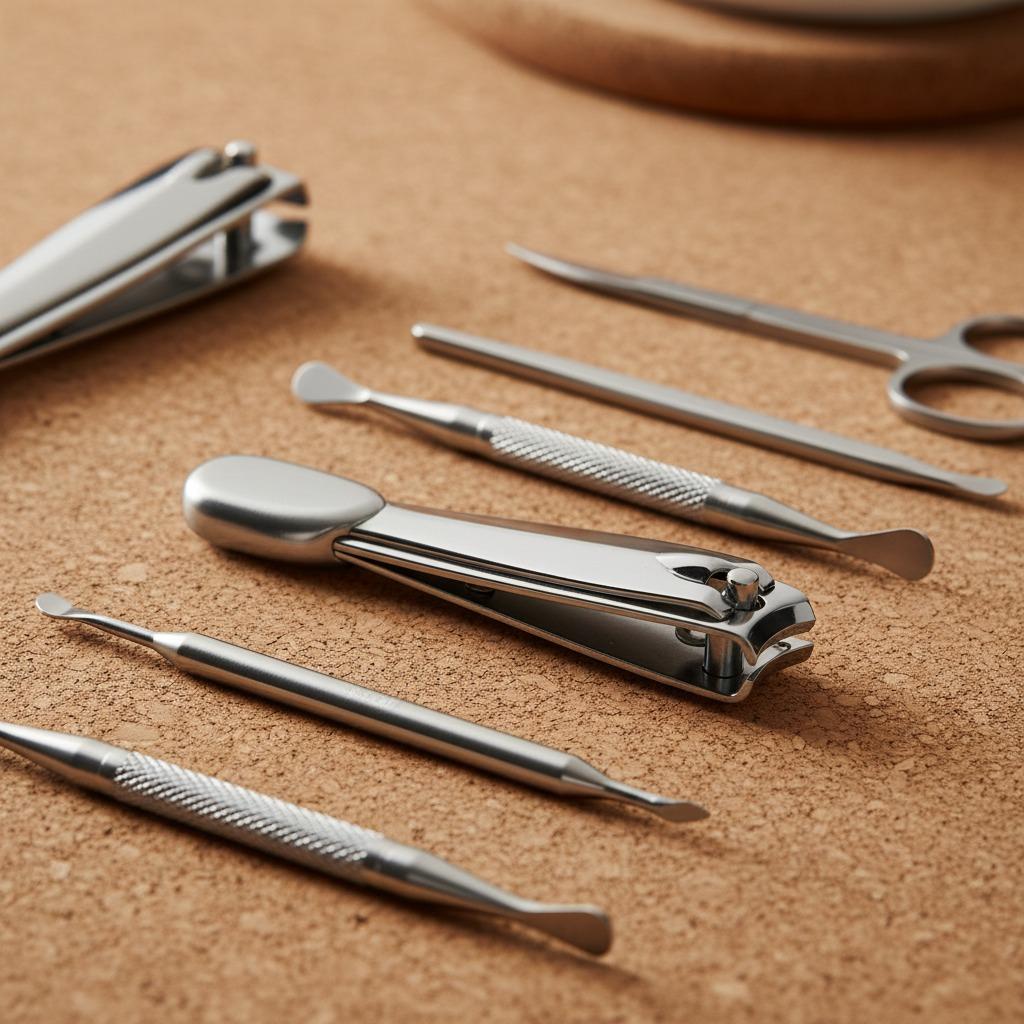
Olimor Beauty focuses on practical beauty tools where stainless steel construction, polished finishing, ergonomic handling, aligned tips, textured grip options and inspection from raw materials to final packaging are important. Buyers reviewing a new brow tool line can also explore related beauty tool products to see how tweezers fit into a broader personal care assortment.
Why Factory Quality Matters for Eyebrow Tweezers
A good eyebrow tweezer has one essential job: grip a hair securely at the correct point and remove it with control. That simple result depends on several manufacturing and finishing steps working together. The two arms must close evenly, the tips must meet accurately, and the working edges must be finished well enough to catch fine hairs without feeling rough or unsafe against the skin.
When factory quality is inconsistent, small issues become large user problems. A visible scratch may affect retail presentation, but poor tip alignment affects the purpose of the product. Misaligned tweezers can slide off fine hairs, break hairs instead of removing them, or force the user to repeat the same motion several times. For professional brow services, that slows work and creates frustration. For retail consumers, it can lead to poor reviews or returns.
The best factory evaluation question is not, “Do the tweezers look attractive?” A better question is, “Can the factory reproduce the same tip contact, hand feel and finish across a full batch?” Samples are useful, but repeatability is what turns a good sample into a reliable wholesale or private-label item.
Key Manufacturing Details to Review Before Buying
Eyebrow tweezers are often judged visually first, but B2B buyers should inspect the practical construction details that decide performance. Stainless steel is valued in beauty tools because it supports durability, a clean polished appearance and routine cleaning. However, material alone does not guarantee precision. Forming, grinding, alignment, polishing and final inspection are just as important.
Tip Alignment and Contact
The two tips should meet evenly when closed. There should be no obvious gap, twisting or offset at the working edge. Tip alignment is especially important for short, fine eyebrow hairs because the user has little room for error. Buyers should inspect several samples from different angles and check whether the contact remains stable after repeated opening and closing.
Tip Shape and Finishing
Different tip styles suit different grooming needs. Slanted tips are common for eyebrow shaping because they provide control along the brow line. Pointed tips may be selected for detailed work, while flat or broader tips may suit more general grooming tasks. Whatever shape is selected, the edges should feel clean and controlled, not rough, burred or overly sharp against the skin.
Arm Tension and Spring Feel
The arms should close with enough resistance to give the user control, but not so much force that repeated use becomes tiring. Uneven or overly stiff tension can make the tweezer feel unstable. A professional stylist may notice this quickly during frequent use, while a consumer may experience it as discomfort or lack of confidence.
Grip Texture and Ergonomics
A textured grip can improve control during delicate brow shaping, especially when fingers are damp or when skincare or cosmetic products are nearby. The texture should support handling without feeling sharp. The body should sit naturally between the fingers so the user can apply steady pressure without hand strain.
Surface Polishing and Appearance
A polished finish supports retail appeal and easy wiping after normal use. Buyers should look for scratches, discoloration, inconsistent shine, visible burrs and rough edges near the tips or sides. A sleek appearance is useful only when it supports a safe, comfortable and consistent user experience.
Matching Tweezer Design to Real Use Cases
Not every tweezer should be sourced for the same market. Defining the use case before sample approval helps the factory recommend the right structure and helps your purchasing team test the product correctly.
- Eyebrow shaping: Prioritize accurate tip contact, controlled slanted edges and comfortable tension. The tweezer should grip individual short hairs cleanly without repeated slipping.
- Professional salon use: Focus on repeatable spring tension, stable alignment and a finish that is easy to wipe clean according to the salon’s hygiene practice. Small comfort issues become more noticeable during frequent use.
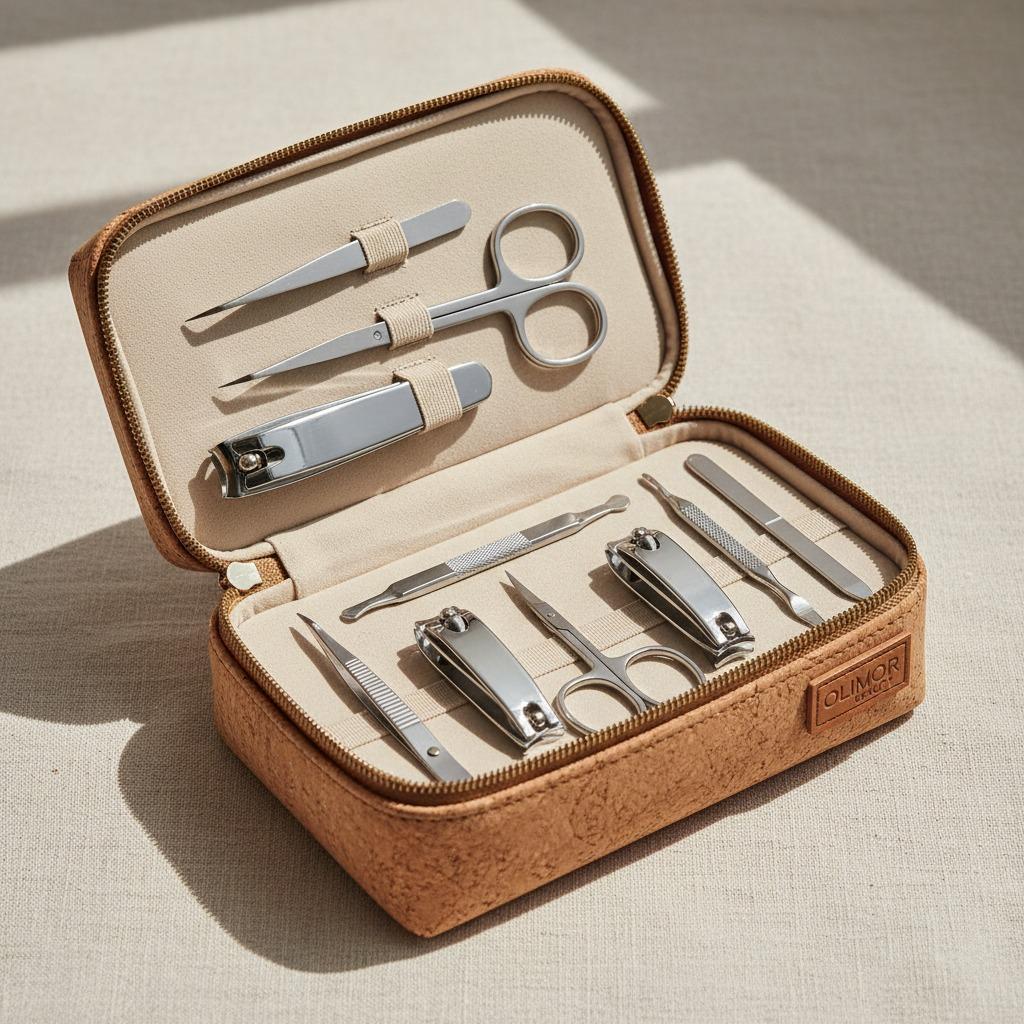
- Retail personal care kits: Balance versatility, safe finishing, grip security and attractive packaging. The tool may be used for brow maintenance, fine facial hairs or small detail tasks.
- Travel grooming sets: Consider compact, lightweight construction and packaging that protects the tips from bending or contamination during storage.
- Promotional or gift sets: Confirm that appearance, packaging fit and batch consistency support the perceived value of the set.
Buyers planning a full grooming category can review Olimor Beauty’s beauty tool collections to compare finishing expectations across tweezers, scissors, lash tools, nail tools and other small accessories. Consistency across a set often matters as much as the performance of any single item.
Practical Factory Evaluation Checklist
A structured checklist helps buyers compare suppliers without relying on vague claims or lowest unit cost alone. Use the following table when reviewing samples, discussing specifications or checking incoming goods.
| Evaluation Area | What to Check | Why It Matters | Buyer Questions |
|---|---|---|---|
| Material and finish | Stainless steel construction, polished surface, clean edges and no visible burrs | Supports durability, appearance, comfort and routine cleaning | What material information and finish options can the supplier document for this item? |
| Tip performance | Even closure, precise contact, no visible twisting and no gap at the working edge | Determines whether the tweezer can grip fine eyebrow hairs accurately | How is tip alignment checked during production and before packing? |
| Handling | Balanced arm tension, ergonomic shape and practical textured grip where required | Improves control during brow shaping and repeated grooming tasks | Can multiple samples be reviewed for consistent hand feel? |
| Surface quality | Uniform polishing, consistent appearance, smooth sides and clean working tips | Affects retail presentation and user comfort | What appearance defects are rejected before shipment? |
| Packaging protection | Individual packing, protective sleeve or set packaging that limits tip movement | Reduces risk of bent tips, scratches or contamination during storage and transport | Can packaging be reviewed together with the tweezer sample? |
| Batch consistency | Comparison of several pieces, not only one selected sample | Reduces quality variation in wholesale, retail and salon supply | How does the factory control alignment and finish across production lots? |
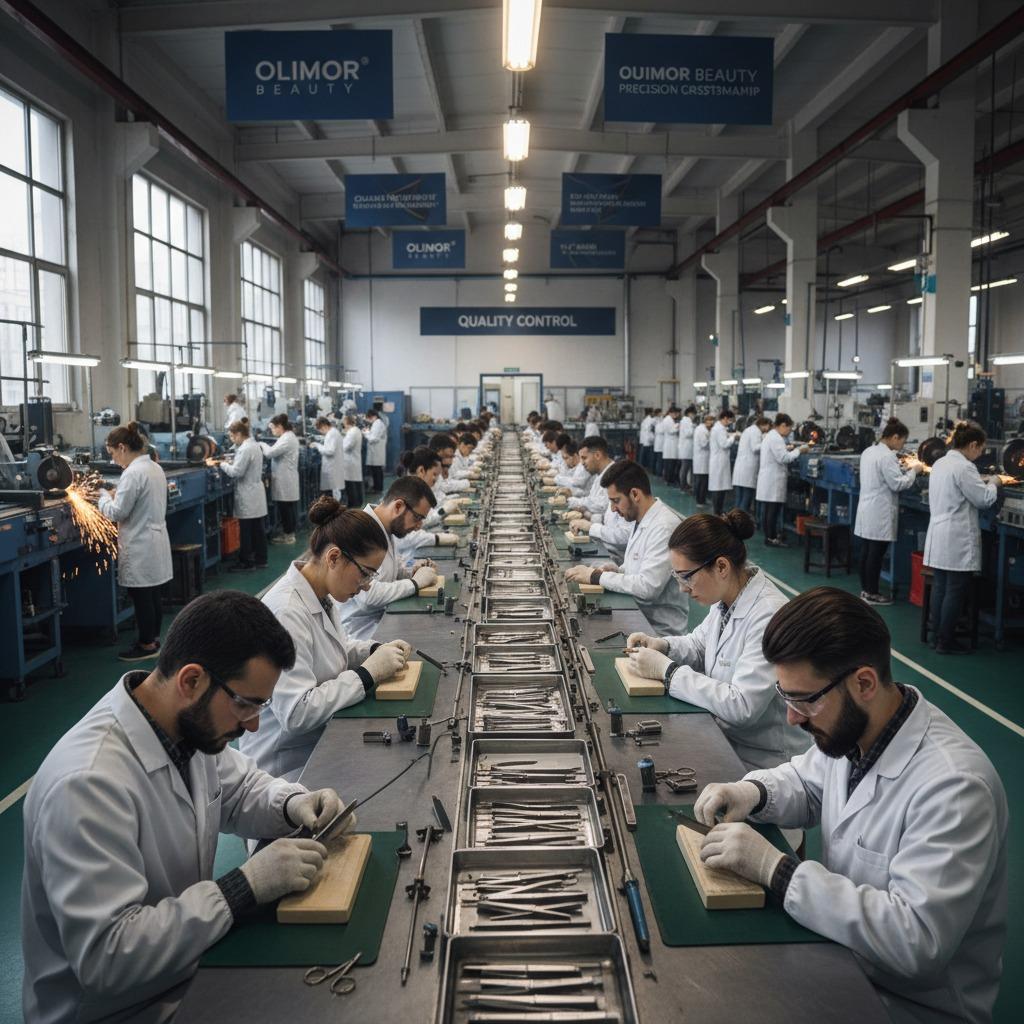
Quality Control from Raw Material to Final Packaging
Quality assurance for eyebrow tweezers should cover both function and appearance. A shiny tool that cannot grip hair cleanly is not acceptable. A functional tool with rough finishing may also disappoint users. The strongest inspection approach combines visual checks, hand-feel checks and practical gripping checks.
At the sample stage, buyers should open and close the tweezer repeatedly, inspect the tip from multiple angles and test whether the grip remains steady during realistic use. When checking bulk goods, the same logic should apply: verify that the batch reflects the approved sample, not only in shape and finish but also in alignment and tension.
Packaging should be part of quality control. Even well-made tweezers can be damaged if the tips move loosely during shipment or storage. Protective sleeves, secure individual packaging or stable set packaging can help preserve alignment and surface finish before the product reaches the end user.
For buyers with formal supplier requirements, quality-management references such as ISO 9001 may be useful when discussing process control, and market-access rules such as EU REACH may be relevant for materials or substances if the goods are sold in applicable markets. Buyers should verify the current applicable version, product scope and supplier documentation directly. These references should not be treated as automatic proof of certification or compliance unless the supplier provides valid documents for the specific product and transaction.
Cost Factors: Why the Cheapest Tweezer May Not Be the Lowest-Cost Choice
Eyebrow tweezers are price-sensitive, but the lowest quoted price is not always the lowest total cost. Poor alignment, weak packaging or inconsistent finishing can create hidden costs through returns, customer complaints, extra inspection time and brand damage. A buyer evaluating an eyebrow tweezers factory should compare cost together with the reasons behind the cost.
- Material selection: Stainless steel construction, finish choice and thickness can influence both cost and durability expectations.
- Tip work: More careful alignment and finishing require time and process control, but they directly affect user satisfaction.
- Grip and body design: Textured surfaces, ergonomic shaping and different tip styles may affect tooling, finishing steps or production complexity.
- Packaging: Retail packaging, protective sleeves, set packing and private-label presentation can change the final landed cost.
- Inspection level: More detailed checks may add effort, but they reduce the risk of receiving inconsistent goods.
- Customization: Logo placement, color or finish preferences and packaging artwork should be confirmed before assuming standard pricing.
A practical sourcing comparison should ask: what quality level does this price include, and what checks protect that quality before shipment? For B2B buyers, this is often more useful than comparing quotations without understanding specifications.
Customization and Private-Label Considerations
Private-label eyebrow tweezers need more than a functional tool. The product should also match the buyer’s brand positioning, packaging style and target user. Before confirming customization, define the primary market, expected tip style, grip preference, finish direction and packaging format.
Buyers should request physical samples for any customized version because small changes can affect feel. A finish that looks attractive in a photo may feel different in hand. A package that appears suitable on screen may not hold the tweezer securely. When possible, review the sample together with packaging, labeling and any set components to confirm the complete retail experience.
Olimor Beauty can discuss product options and sourcing details with buyers who are developing eyebrow tweezers or broader grooming tools. For project-specific questions, buyers may use the product inquiry page to share the intended market, customization needs and inspection expectations.
How to Compare Eyebrow Tweezers Suppliers
Supplier evaluation should combine product testing, communication quality and documentation review. A responsive supplier that understands functional details can help prevent misunderstandings before production begins. A supplier that only discusses appearance and price may not be prepared to solve alignment, packaging or consistency concerns.
- Request realistic samples: Ask for samples that represent normal production, not only selected display pieces.
- Test for actual use: Check whether the tweezer grips short and fine hairs, closes evenly and remains comfortable after repeated use.
- Inspect several pieces: Compare alignment, tension and finish across multiple samples to identify variation.
- Review packaging fit: Confirm that the package protects the tips and presents the product appropriately for your sales channel.
- Clarify inspection steps: Ask how raw material, forming, polishing, tip alignment and final packing are checked.
- Discuss customization limits: Confirm what can be customized and what may affect cost, sampling or production planning.
- Verify documentation: Request relevant product and supplier documents for the intended market instead of assuming compliance.
If your team is comparing options for a new retail program, salon supply range or private-label grooming set, Olimor Beauty offers a direct way to discuss sourcing requirements through contact with the team. A focused conversation about use case, finish, packaging and inspection expectations is usually more productive than requesting a generic quotation only.
Common Problems and How Buyers Can Prevent Them
Many tweezer problems can be prevented before purchase with better sample review and clearer specifications. The most common issue is poor tip contact. This should be addressed by defining the required tip style, testing several samples and asking how alignment is checked during production. Another common issue is uncomfortable tension, which can be reduced by evaluating hand feel under repeated opening and closing rather than judging only by appearance.
Surface defects are also important. Scratches, burrs and inconsistent polishing may suggest weak finishing control or poor handling before packaging. Buyers should define acceptable appearance standards and check whether packaging prevents rubbing, tip bending or surface damage. For retail tools, the package is part of the product experience; for salon tools, protection and clean storage are also practical concerns.
Finally, avoid over-positioning the product beyond what the sample supports. If the tweezer is intended primarily for eyebrow shaping, test it for eyebrow shaping. If it is promoted as a general grooming tool, check whether the design is suitable for the intended small tasks. Realistic positioning protects both the buyer and the end user.
FAQ: Eyebrow Tweezers Factory Sourcing
Can buyers request samples before placing a bulk order?
Yes. Samples are important because eyebrow tweezers must be checked by hand for tip alignment, tension, grip feel, finish and packaging fit. Buyers should review samples under realistic use conditions before approving production.
Is there a fixed MOQ for eyebrow tweezers?
MOQ depends on the product style, customization level, packaging requirement and production plan. Buyers should confirm the current requirement directly with the supplier for the specific item and order scope.
What customization options should be discussed?
Common discussion points include tip style, surface finish, grip texture, logo placement, packaging format and set configuration. Any customization should be checked with physical samples before final approval.
What quality checks matter most for tweezers?
The most important checks are tip alignment, gripping performance, arm tension, smooth finishing, surface appearance and packaging protection. Buyers should compare several pieces, not only one sample.
How should lead time be confirmed?
Lead time should be confirmed after the supplier understands the product, customization, sample approval, packaging and order quantity. Avoid relying on a generic timeline without confirming the actual project details.
Final Buyer Takeaway
A reliable eyebrow tweezers factory should be evaluated by precision, consistency and practical user experience. Stainless steel construction, aligned tips, polished finishing, textured grip options, ergonomic handling and inspection from raw material to final packaging all contribute to a tool that buyers can confidently add to a beauty or grooming range.
For B2B buyers, the best sourcing decision comes from asking specific questions: Can the tips grip fine hairs consistently? Does the tension feel controlled? Are the edges smooth? Does the packaging protect the tool? Can the factory maintain the approved quality across a batch? When those questions are answered clearly, eyebrow tweezers become more than a small accessory; they become a dependable part of a precision beauty-tool program.