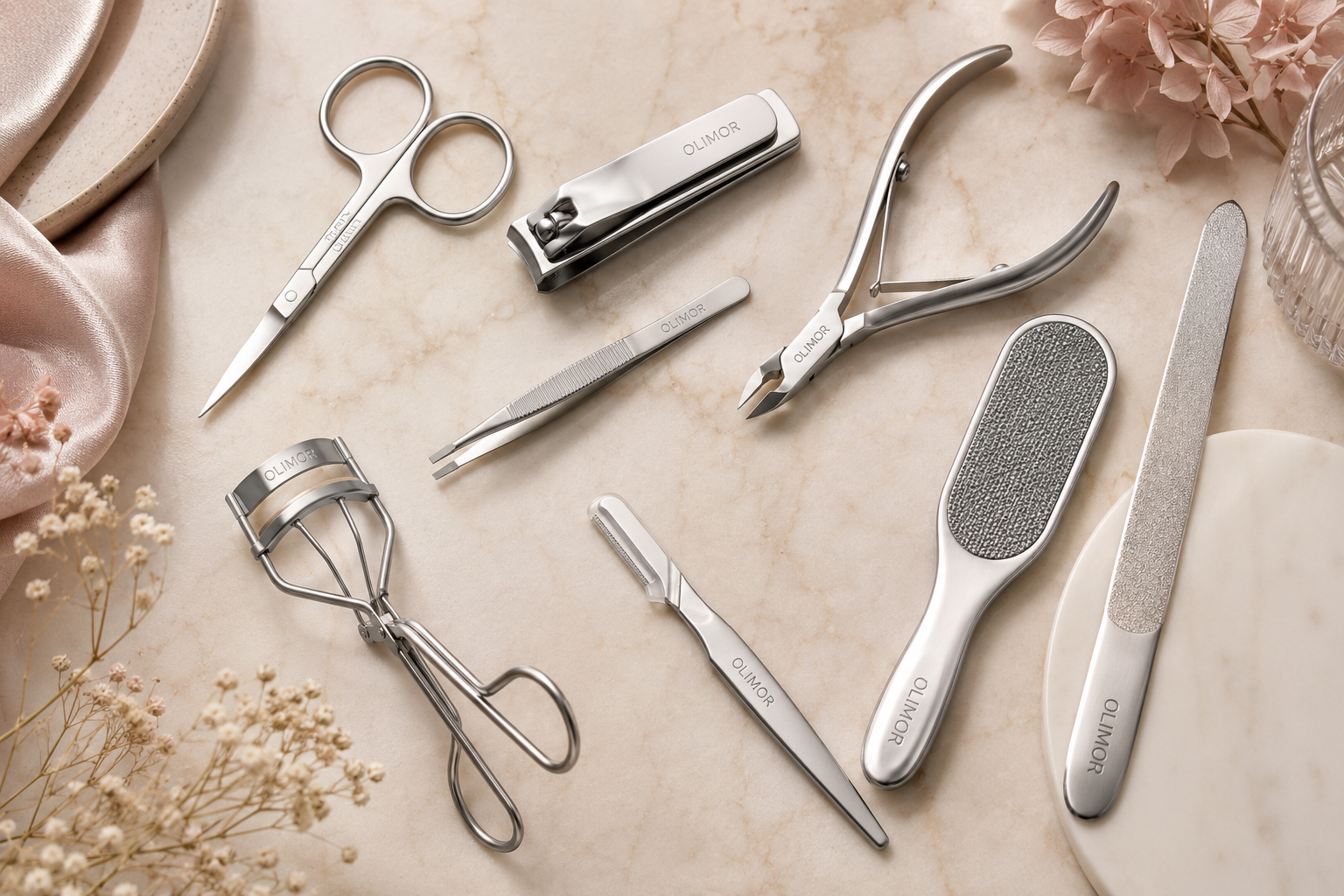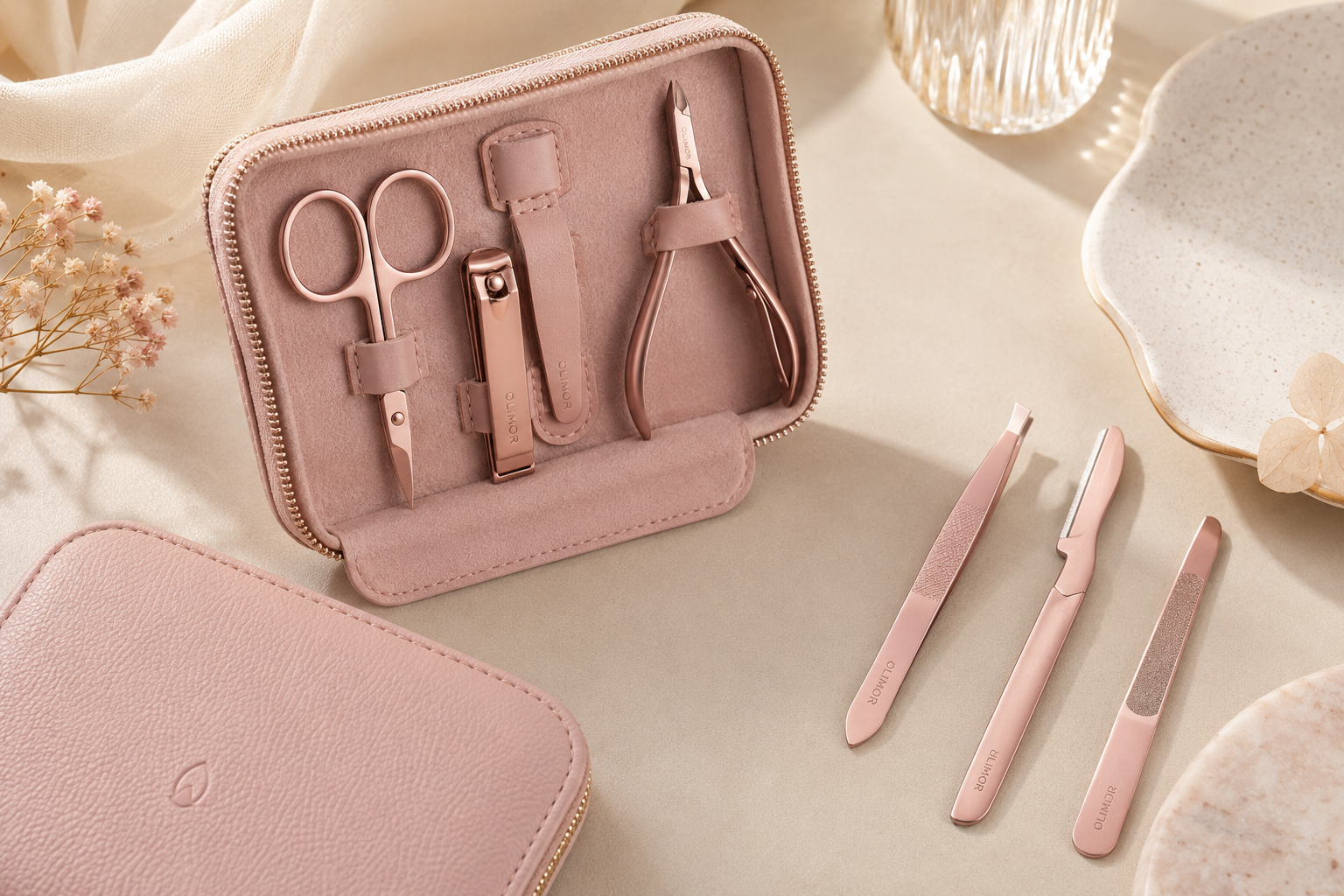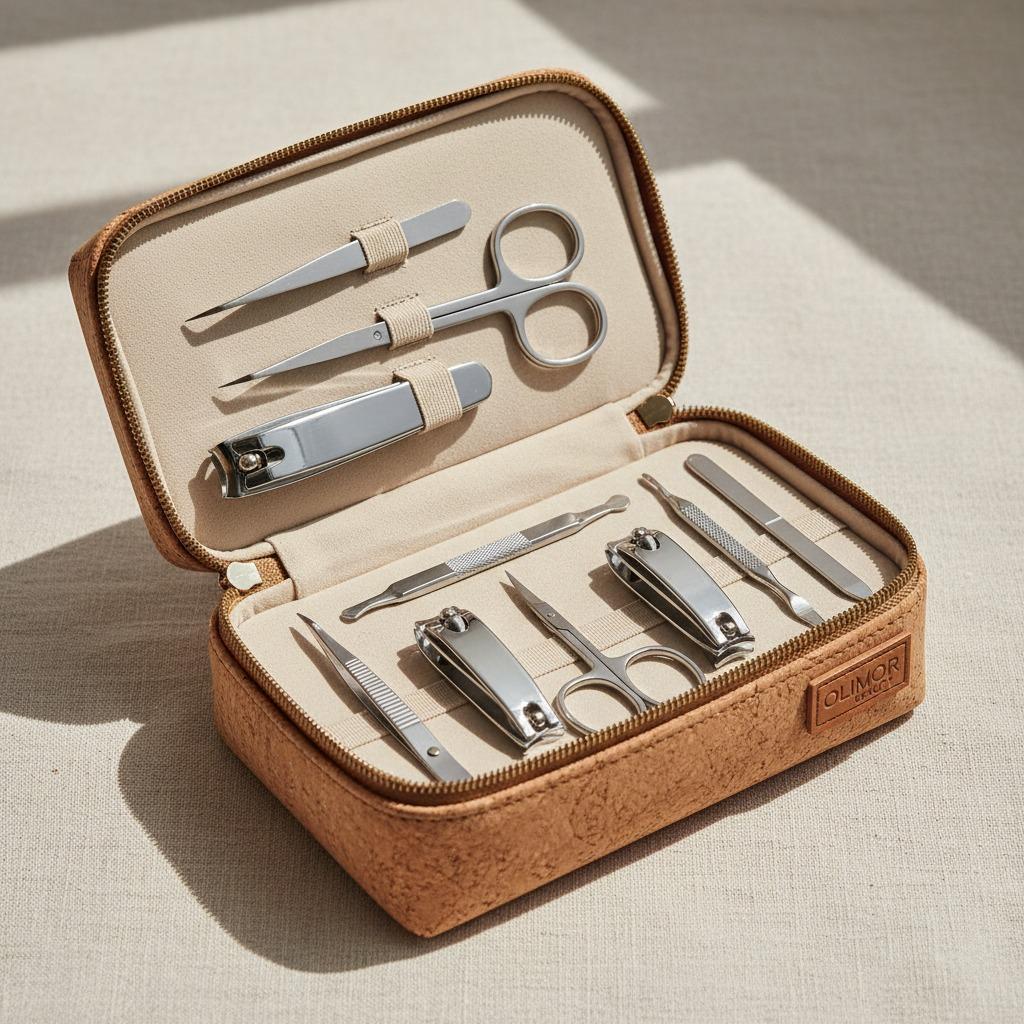











Stainless steel nail clippers are everyday grooming tools, but small design differences have a large effect on cutting comfort, nail edge quality, hygiene, and customer satisfaction. For B2B buyers, the right clipper is not only a low-cost accessory. It can support a retail nail-care range, a travel grooming kit, a salon set, a hotel amenity program, or a private-label beauty-tool assortment.
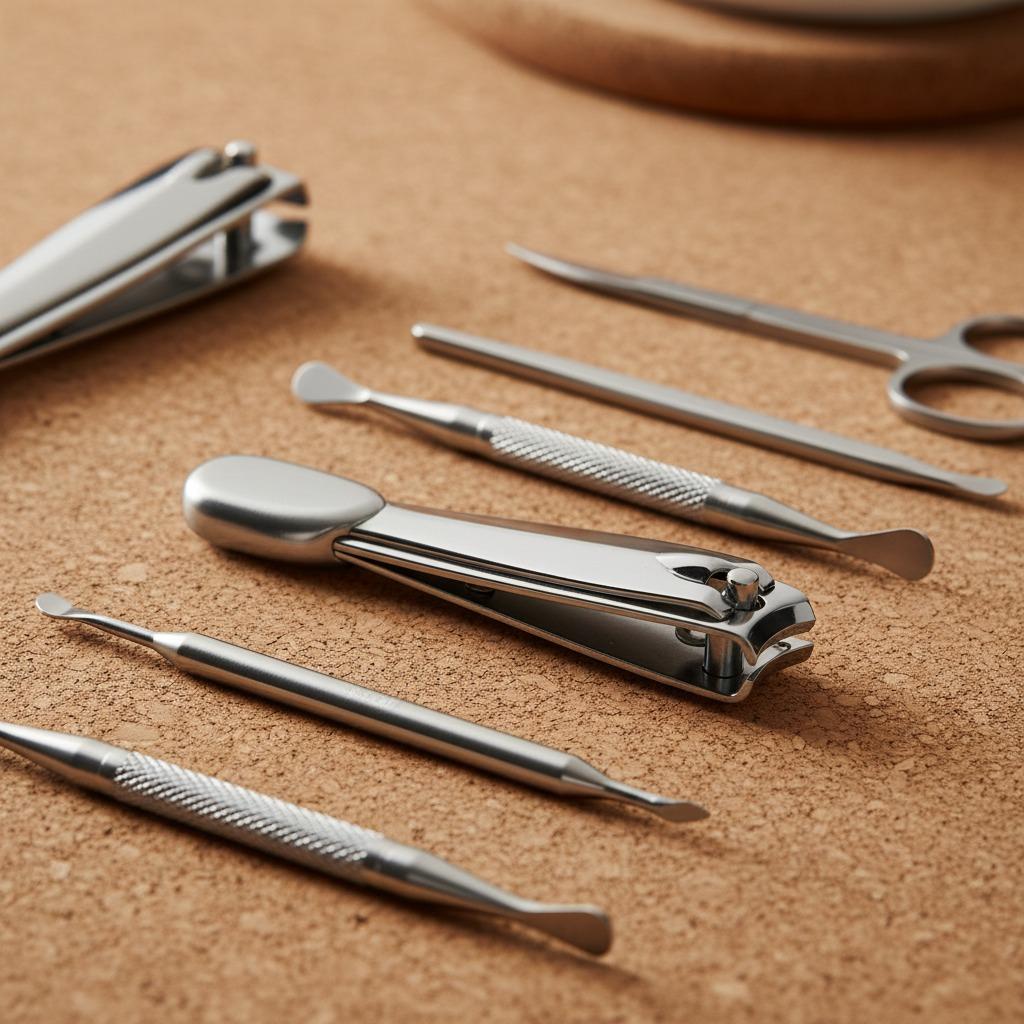
A useful nail clipper should cut cleanly with controlled pressure, feel secure in the hand, resist common storage wear when cared for properly, and be easy to wipe down after use. The Olimor Beauty stainless steel nail clipper described here combines several practical features: a stainless steel body, mirror-like finish, ergonomic shape, textured grip areas, sharp curved blades, compact lightweight handling, a loop base, and a built-in nail catcher system. Each feature affects how the tool performs in real use and how confidently buyers can present it to customers.
What Searchers Usually Want to Know Before Choosing a Nail Clipper
Most buyers and end users are trying to answer a direct question: will this nail clipper cut cleanly, feel safe to control, and hold up to routine grooming? The answer depends on blade alignment, cutting edge shape, leverage, grip texture, finish quality, and how easily the tool can be cleaned and stored.
For commercial buyers, the search intent is broader. A buyer may need to know whether stainless steel is appropriate for a retail line, whether a curved blade is suitable for fingernails and toenails, whether a nail catcher adds visible value, and what should be checked in samples before ordering. A supplier discussion should also cover packaging, customization possibilities, order requirements, inspection expectations, and documentation without relying on unsupported claims.
The best nail clipper for a product range is usually the one that matches the intended channel. A compact clipper may suit travel kits and checkout displays. A polished stainless steel clipper with textured grip may work better in a premium grooming set. A nail catcher can be attractive for home users who dislike scattered clippings. The goal is to connect product details with user expectations rather than choosing by appearance alone.
Why Stainless Steel Is a Practical Material for Nail Clippers
Stainless steel is widely used in grooming tools because it provides a strong, cleanable structure and a professional appearance. In a nail clipper, the material supports the body, lever, cutting head, and jaw area. A stainless steel construction can help the tool resist common surface wear and corrosion when it is cleaned and stored properly after use.
The mirror-like finish is also more than a cosmetic detail. A smooth exterior is easier to wipe after trimming, less likely to hold visible residue than a rough surface, and attractive in packaging. For beauty retailers and kit assemblers, this finish can improve first impressions when the customer opens a manicure set or handles the product in-store.
However, material alone does not define quality. A stainless steel nail clipper still needs accurate forming, even cutting-edge contact, controlled lever movement, and consistent assembly. When reviewing samples, buyers should inspect the whole tool: body feel, hinge movement, blade meeting point, grip stability, and surface finishing. A strong material is valuable only when it is shaped and assembled into a reliable cutting tool.
Curved Blades, Grip Texture, and the Nail Catcher: What the Features Do
The curved blades on this type of nail clipper are designed to follow the natural contour of the nail. This is helpful for fingernails, where users often want a rounded or softly shaped edge, and for toenails when a controlled trim is needed before filing. The curved edge should cut rather than crush. A crushing action can leave rough nail edges that snag on fabric or encourage peeling.
Grip design is just as important as blade shape. Nail trimming requires small, deliberate pressure, especially around corners or thicker nail edges. Textured grip areas help the user hold the clipper more steadily, reducing the chance of slipping during detailed trimming. This matters for personal users, salon operators, and anyone assembling kits for repeated grooming tasks.
The built-in nail catcher adds convenience by helping contain clippings during routine use. It does not replace cleaning, but it reduces mess and makes the product easier to explain at retail. The loop base and compact lightweight form also make the clipper suitable for storage in a grooming pouch, manicure kit, travel bag, or bathroom organizer.
- Stainless steel body: supports durability, cleanability, and a professional look.
- Mirror-like finish: improves appearance and makes the surface easier to wipe.
- Curved blades: help users trim along the natural nail contour.
- Textured grip areas: support controlled pressure and reduce slipping.
- Ergonomic shape: helps make repeated trimming more comfortable.
- Compact lightweight handling: suits travel, retail kits, and personal grooming sets.
- Built-in nail catcher: helps collect clippings and reduce grooming mess.
- Loop base: adds a practical handling and storage detail for kit design.
Comparison: Which Nail Clipper Features Matter by Use Case?
Different sales channels need different priorities. A salon buyer may care most about control and cleaning. A retailer may focus on visible value and packaging appeal. A travel-kit assembler may prioritize compact size. The table below helps buyers connect features with commercial use cases.
| Use case | Most important features | What to check in samples | Commercial note |
|---|---|---|---|
| Home grooming | Curved blades, secure grip, nail catcher | Clean cut, easy catcher emptying, comfortable leverage | Features should be easy for consumers to understand on packaging. |
| Salon or spa accessory | Stainless steel body, wipeable finish, controlled handling | Blade alignment, smooth lever movement, surface finish | Repeated handling makes grip and cleaning especially important. |
| Travel manicure kit | Compact body, lightweight design, loop base | Packaging fit, protection against scratching, secure closure feel | Small size and tidy storage can be key selling points. |
| Retail beauty-tool display | Mirror finish, visible grip texture, built-in catcher | Consistent appearance across units, clear product photos | Visible benefits help differentiate the clipper from plain alternatives. |
| Private-label assortment | Reliable construction, customization suitability, packaging compatibility | Sample quality, finish consistency, supplier communication | Confirm branding, packaging, and documentation before committing. |
How to Inspect Stainless Steel Nail Clippers Before Sourcing
For B2B purchasing, sample inspection is essential. A nail clipper can look acceptable in a product photo but perform poorly if the jaws do not meet evenly or the lever feels loose. Inspection should focus on the user experience and the consistency of production-ready details.
Start with the cutting head. The two blade edges should meet evenly from one side to the other. Uneven contact may cause partial cuts, nail pinching, or ragged edges. Then test the lever. It should open and close smoothly without a gritty sensation, excessive looseness, or uneven resistance. The clipper should feel stable when held at different angles.
Next, review finish quality. A mirror-like stainless steel finish should look clean and consistent, without obvious rough spots, scratches, or uneven polishing on visible surfaces. Check the textured grip areas to confirm that they help control the tool rather than feeling decorative only. If the nail catcher is included, test whether it contains clippings reasonably during normal trimming and whether it can be emptied and wiped without frustration.
Sample inspection checklist
- Do the curved cutting edges meet evenly across the full cutting area?
- Does the clipper cut typical nails cleanly without excessive pressure?
- Does the lever move smoothly and return to position as expected?
- Are the textured grip areas comfortable and useful during trimming?
- Is the stainless steel surface cleanly polished and free from obvious defects?
- Is the nail catcher easy to use, empty, and wipe clean?
- Does the compact body fit the intended pouch, box, blister card, or kit tray?
- Are product instructions, warnings, and packaging claims accurate and supportable?
For markets with consumer product rules, buyers should verify current requirements with their own compliance teams and supplier documents. Depending on the destination market and selling channel, general consumer safety expectations may involve authorities or frameworks such as the U.S. Consumer Product Safety Commission or the EU General Product Safety Regulation. Always confirm current versions, labeling duties, documentation needs, and any retailer-specific requirements before sale.
Cost Factors Without Reducing the Decision to Price Alone
Nail clippers are often price-sensitive, but the lowest unit cost is not always the best commercial choice. Cost is influenced by material selection, forming and finishing quality, blade precision, grip detailing, nail catcher construction, packaging, customization, inspection requirements, and order size. Because these variables differ by project, buyers should request a quotation based on clear specifications rather than asking for a generic price.
Packaging can be a major cost and value factor. A clipper sold as a standalone item may need retail-ready packaging with product benefit messaging. A clipper included in a manicure kit may need a tray, pouch, or protective sleeve to prevent movement and scratches during shipping. For online sales, product photos and descriptions should clearly show the curved blade, textured grip, stainless steel body, and catcher function so customers understand what they are buying.
Customization can also affect cost and timeline. Buyers may want custom packaging, logo application, barcode labeling, instruction inserts, or assortment planning with related nail tools. The most efficient sourcing conversations begin with the target sales channel, desired packaging format, expected positioning, and any mandatory retailer or import requirements. Buyers reviewing broader beauty-tool options can compare related items through Olimor beauty tool products or explore complementary ranges in the product collection.
How to Use a Curved Stainless Steel Nail Clipper for Cleaner Results
Even a well-made nail clipper works best when used carefully. Clean, slightly softened nails are usually easier to trim, but the hands or feet should be dry enough for a secure grip. Instead of cutting a large piece at once, users should trim in small steps along the natural nail contour. This gives better control and helps reduce rough edges.
- Clean the nail first. Remove visible debris and make sure the hand or foot is stable.
- Hold the clipper securely. Place fingers on the textured grip areas for better control.
- Align the curved blade. Follow the natural nail shape rather than forcing a sharp angle.
- Clip gradually. Use several small cuts instead of one heavy cut.
- Avoid cutting too deeply into corners. Leave enough edge for light filing if needed.
- Empty the nail catcher. Dispose of collected clippings after trimming.
- Wipe and dry the tool. Store it in a dry place after use.
For thicker toenails, the user should proceed slowly and avoid forcing the clipper. If a nail is painful, unusually hard, discolored, or difficult to cut safely, professional advice may be appropriate. A nail clipper is a grooming tool, not a medical treatment device.
Maintenance, Storage, and Packaging Details That Protect Value
Maintenance is simple but important. After each use, remove clippings from the catcher and wipe the stainless steel surface. Moisture around the hinge, blade, or catcher area should be dried before storage. Stainless steel is a practical material for grooming tools, but no clipper benefits from being left wet in a sealed pouch or humid drawer.
Storage should protect both the cutting edge and the finish. Dropping the clipper or letting it rub against other metal items may affect the blade edge, alignment, or polished appearance. For travel sets, a dedicated pocket or grooming case helps keep the tool clean and reduces movement during transport.
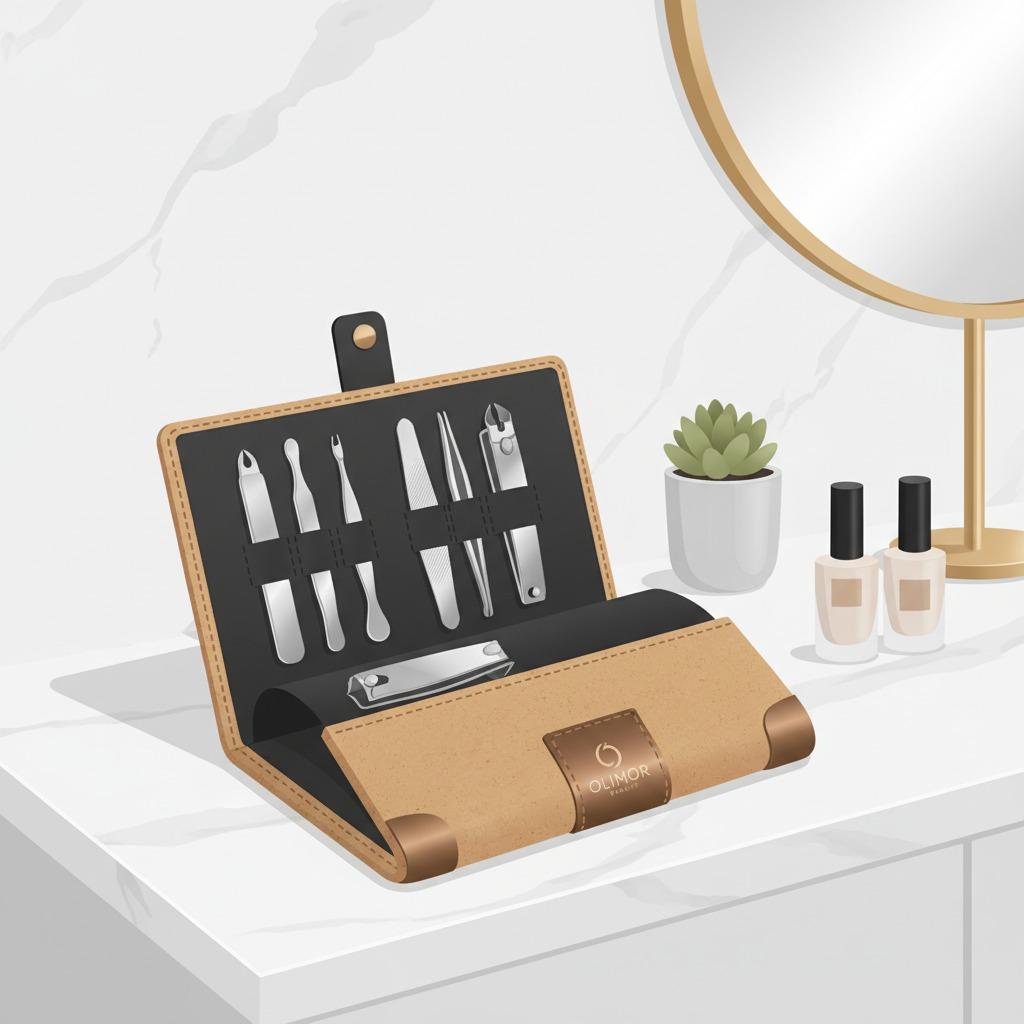
For retail and kit assembly, packaging should protect the mirror-like finish and prevent unnecessary movement during shipping. If the clipper is packed with files, scissors, tweezers, or other metal tools, separators may help reduce scratching. Instructions can also add value by explaining how to use the curved blade, nail catcher, and textured grip properly.
How to Evaluate a Nail Clipper Supplier
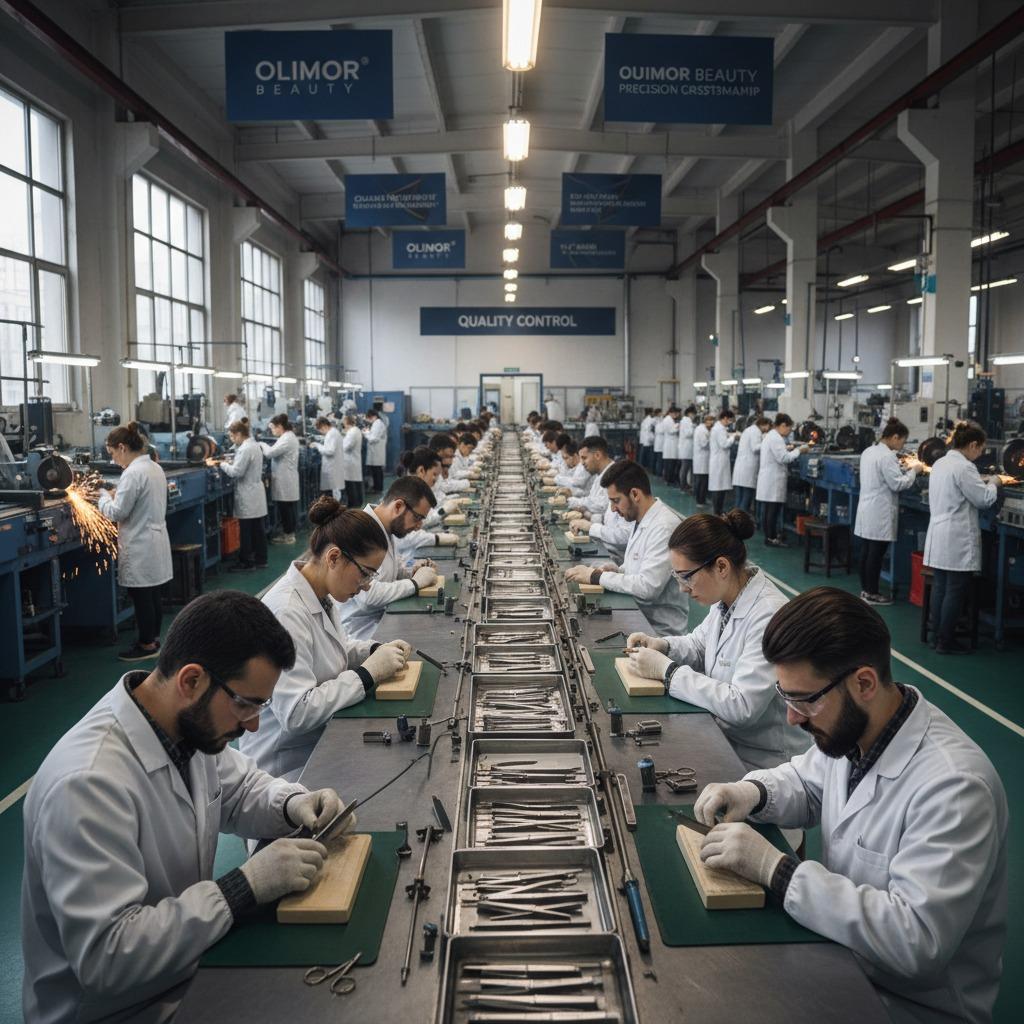
A good supplier should be able to discuss the product in practical terms: material, finish, blade alignment, grip design, packaging options, customization process, sample review, and quality checks. Buyers should be cautious with vague claims that are not connected to inspectable product details or supplier documents.
Before placing an order, define the intended customer and channel. Is the clipper for a supermarket display, a salon accessory range, a hotel amenity kit, an online private-label store, or a travel manicure set? Each use case may require different packaging, branding, inspection, and documentation priorities.
It is also useful to compare the nail clipper with adjacent products. A clipper may sell better when paired with a nail file, cuticle pusher, tweezer, or manicure pouch. Buyers can use assortment planning to create a clearer value proposition instead of relying on one small tool to represent the whole category. For project-specific sourcing, customization, or packaging questions, send details through the Olimor inquiry form or contact Olimor for product discussion.
FAQ for B2B Buyers
Can I request samples before placing a larger order?
Sample requests are commonly used to check blade alignment, cutting feel, surface finish, grip comfort, catcher function, and packaging fit. Contact Olimor with your intended market and product requirements so the team can discuss available sample options.
Is there a minimum order quantity for stainless steel nail clippers?
MOQ can depend on the product configuration, packaging, customization, and current production plan. Buyers should confirm the applicable MOQ directly with Olimor before planning retail launches or kit assembly.
Can the nail clipper be customized for private-label projects?
Customization may involve packaging, branding, labeling, or assortment planning, depending on the project. Share your target channel, brand direction, and packaging expectations so feasibility can be reviewed without assuming unsupported specifications.
How should quality be checked before shipment?
Quality review should include cutting-edge alignment, lever movement, surface finish, grip texture, catcher usability, packaging protection, and labeling accuracy. Buyers should agree on inspection expectations and required documents with the supplier before production.
What affects lead time?
Lead time may be influenced by sample approval, order quantity, packaging development, customization, production scheduling, inspection, and shipping arrangements. Confirm the current timeline with the supplier for each order rather than relying on a general estimate.
A Small Grooming Tool Where Details Decide Quality
A stainless steel nail clipper does not need exaggerated claims to be valuable. Its quality is visible in how it cuts, feels, cleans, stores, and presents in packaging. The combination of stainless steel construction, mirror-like finish, ergonomic handling, textured grip areas, curved blades, compact lightweight form, loop base, and built-in nail catcher makes this Olimor Beauty nail clipper a practical option for everyday nail care and commercial beauty-tool assortments.
For end users, the benefit is cleaner, steadier trimming with less mess. For buyers, the value is a product with features that can be inspected, explained, and matched to real sales channels. Choosing well means looking beyond a simple product name and evaluating the details that affect daily use.