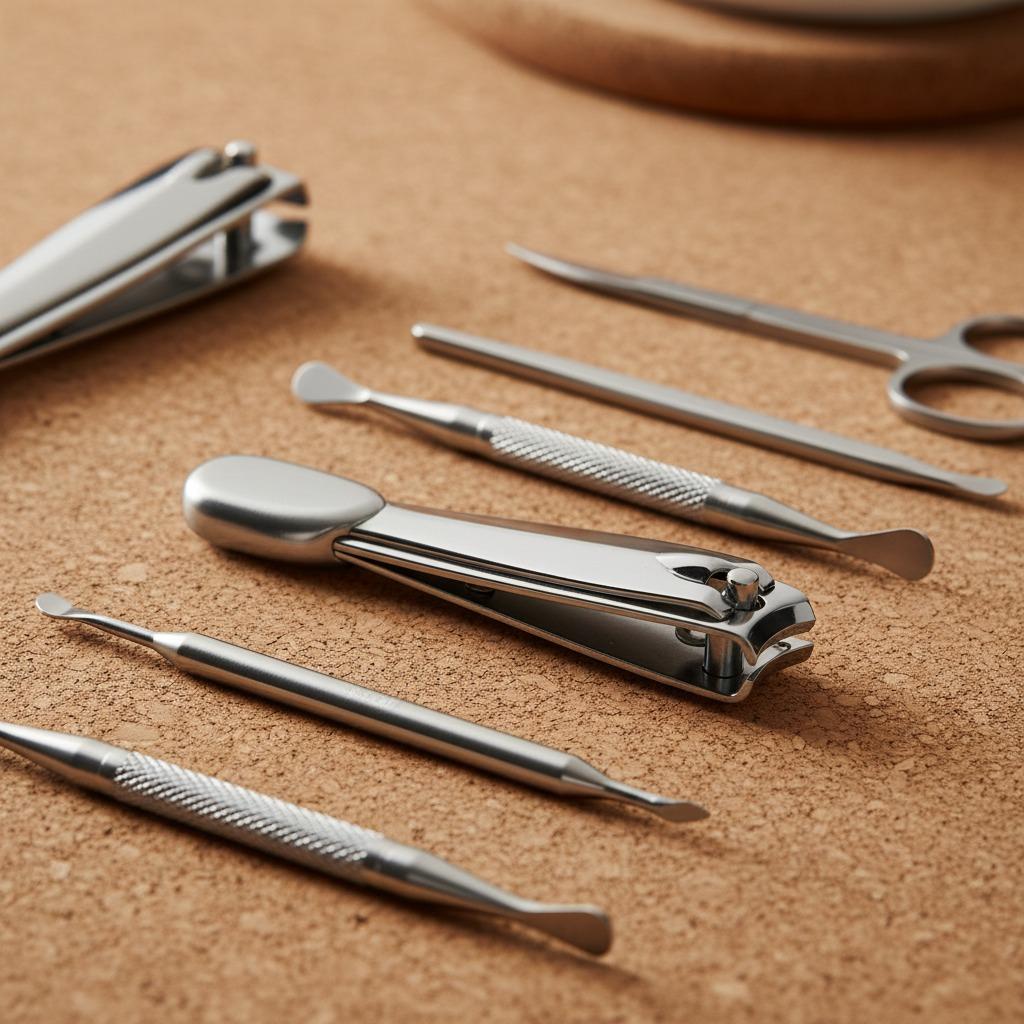











A nail clipper looks simple, but the difference between a clean trim and a rough, split edge often comes down to small design choices. Blade alignment, jaw opening, leverage, steel quality, handle comfort, and surface finish all affect the user experience. For consumers, the goal is safer and neater nail grooming at home. For salons, retailers, and beauty tool buyers, the goal is also consistency: a clipper should feel reliable in repeated use and look appropriate for the market it serves.
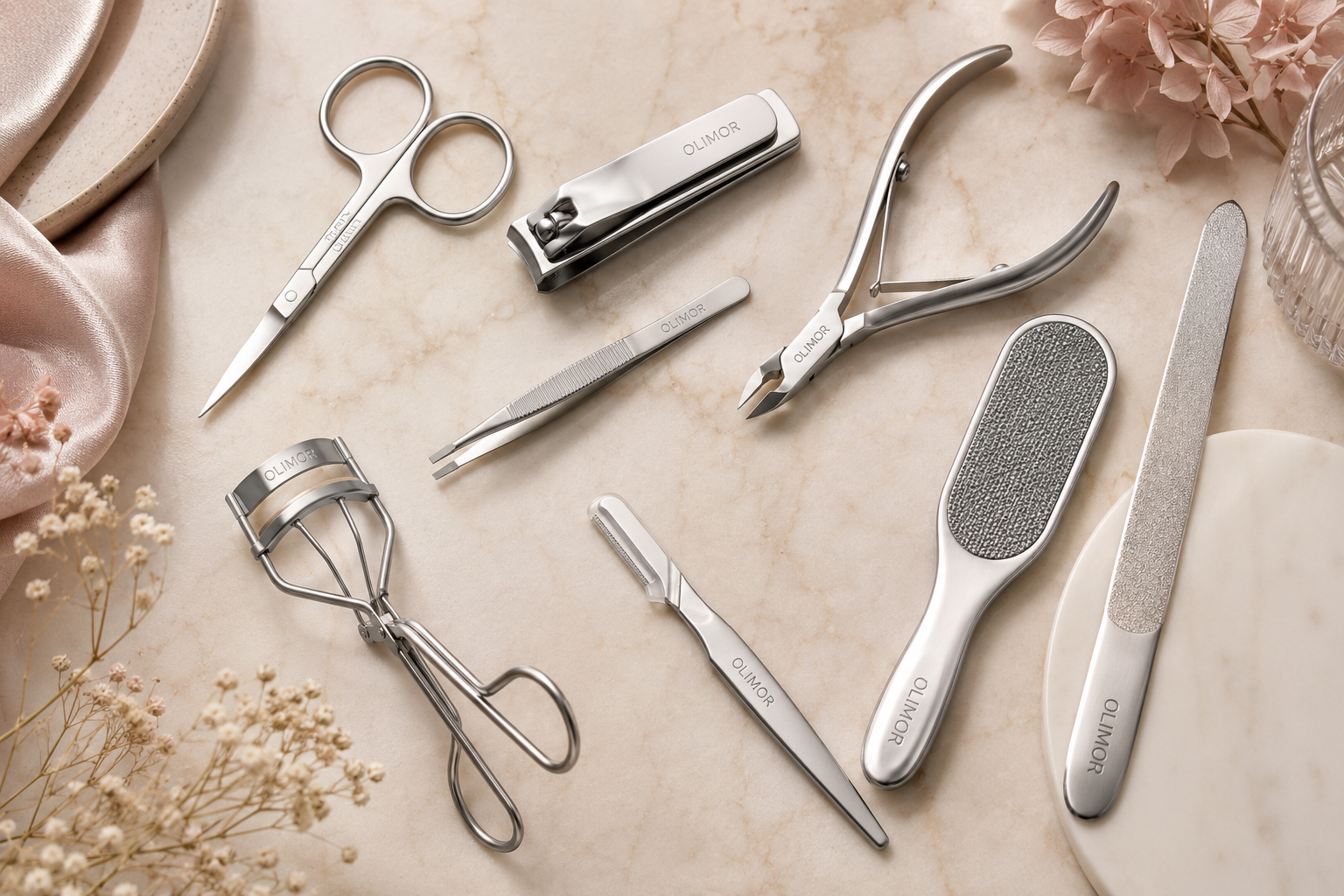
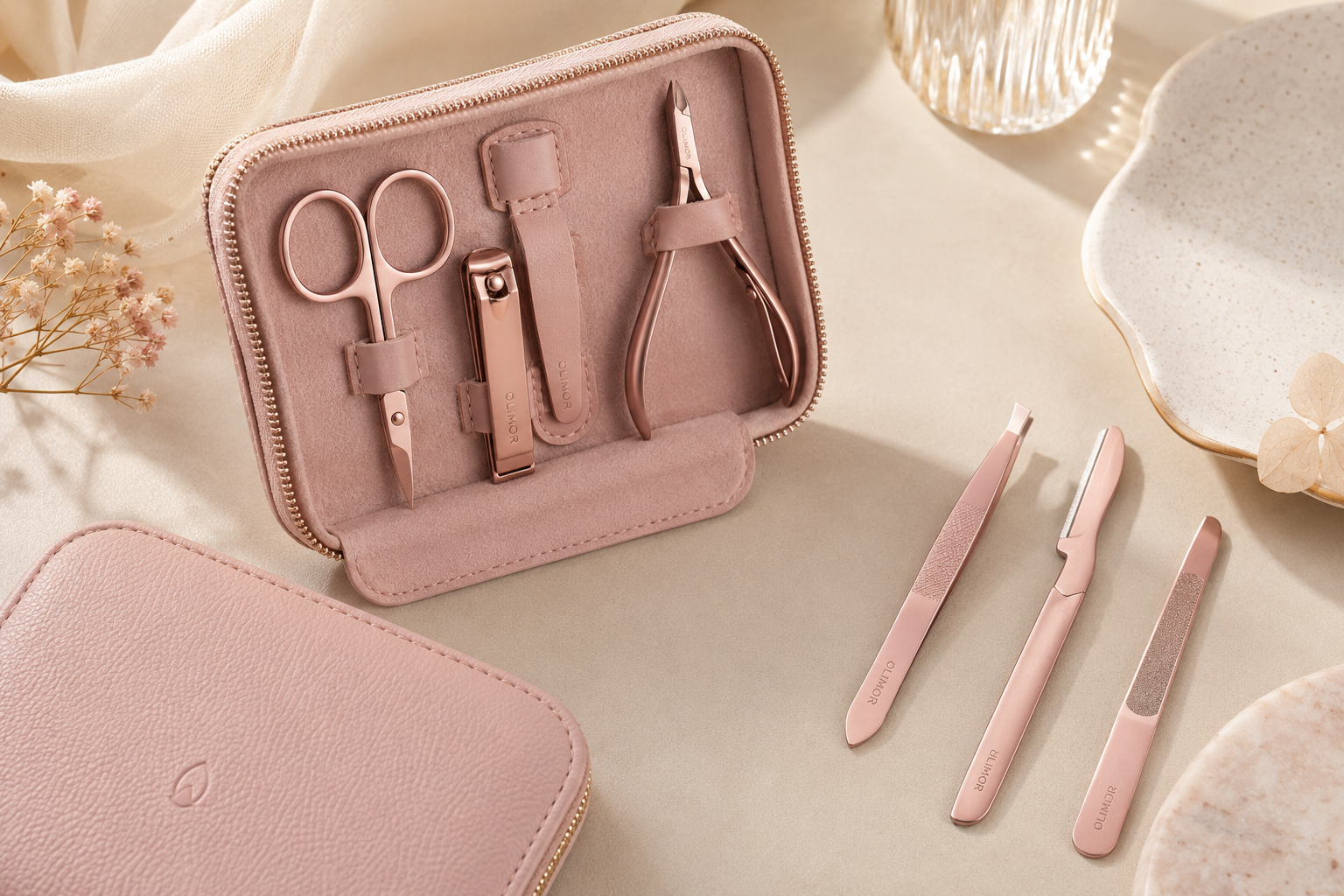
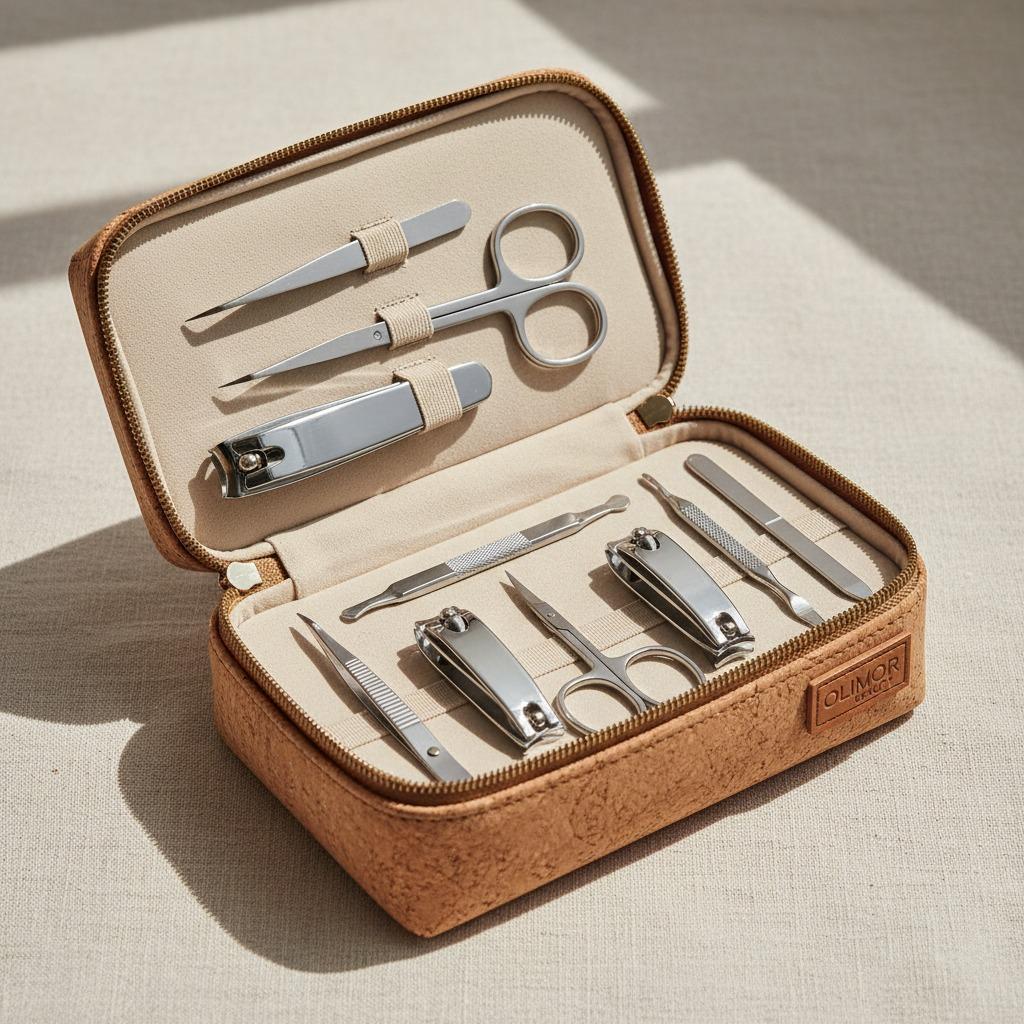
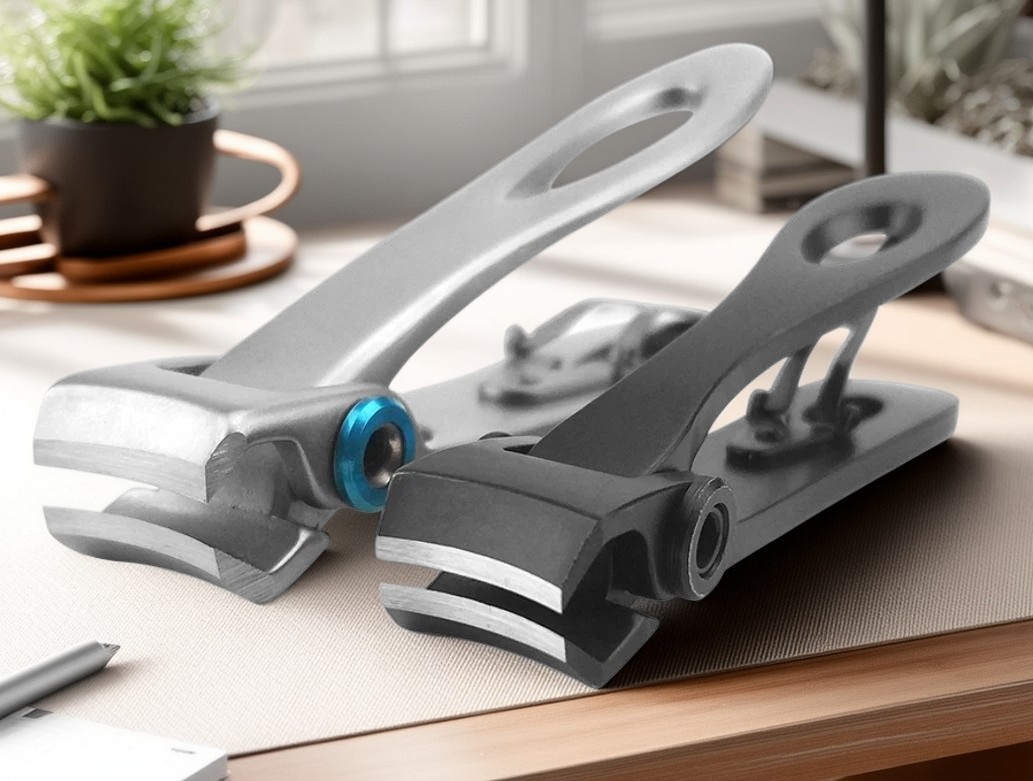
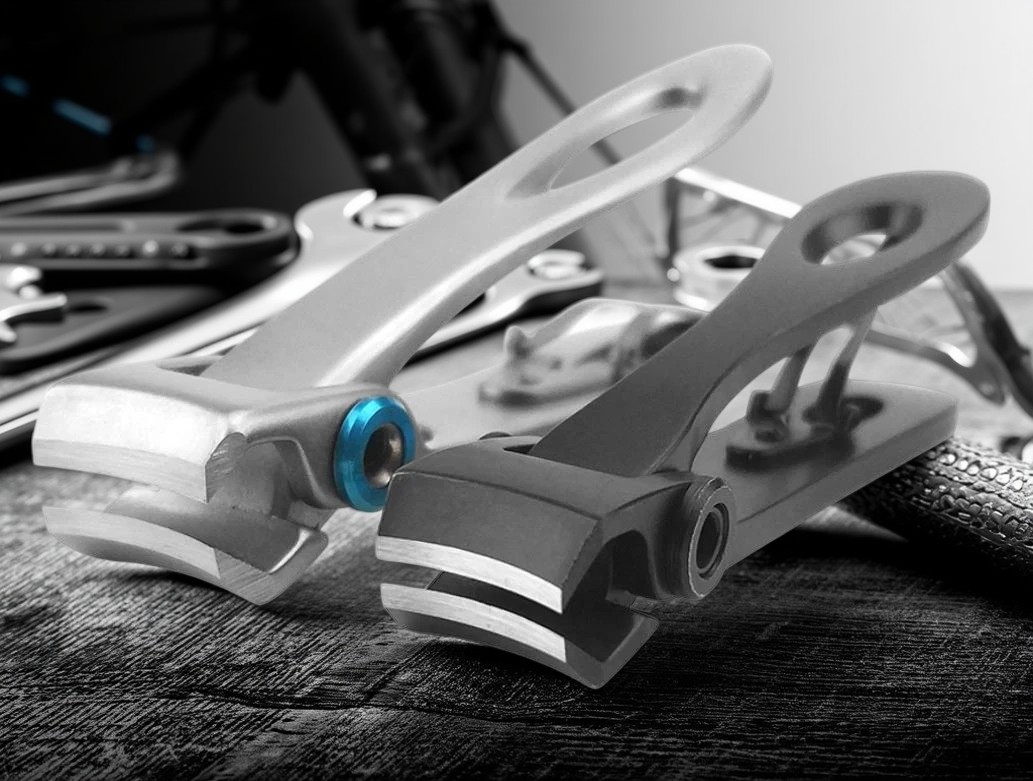
Olimor Beauty nail clippers are presented as stainless steel grooming tools designed for both personal and professional nail care. The original product positioning highlights a precision cutting edge, a wide jaw suitable for thicker toenails, ergonomic handling for comfort and control, and finish options such as silver and matte black. This guide explains how to evaluate those features in a practical way so you can choose, compare, or source nail clippers with more confidence.
Why Precision Matters in a Nail Clipper
The main job of a clipper is to cut the nail cleanly without crushing it. When the cutting edges are well aligned, the user can trim in smaller, controlled cuts rather than forcing the whole nail through at once. This is especially important for toenails, which are often thicker and less flexible than fingernails.
A precision nail clipper should help reduce common grooming problems, including jagged edges, uneven corners, and excessive pressure on the nail plate. It should also give the user enough visibility around the cutting area. If the jaw blocks the view or the lever feels unstable, even a sharp tool can be difficult to control.
For professional use, precision also affects service speed. A nail technician or grooming professional does not want to repeatedly squeeze the same area or correct ragged edges after every cut. For retail buyers, this translates into customer satisfaction: a clipper that cuts predictably is more likely to be kept, recommended, and repurchased as part of a personal care set.
Key Features to Compare Before Choosing Nail Clippers
When comparing nail clippers, avoid judging only by appearance. A polished or matte surface may catch the eye, but the tool must also match the intended use. Fingernails, toenails, travel kits, family grooming, salon stations, and retail gift sets may each require a slightly different balance of size, jaw width, and grip.
- Material: Stainless steel is a practical choice for nail tools because it is durable and suitable for regular cleaning. Buyers should evaluate the surface, edge consistency, and resistance to visible wear during normal handling.
- Cutting edge: The blades should meet evenly. A clean edge helps trim the nail rather than bend or tear it.
- Jaw opening: A wider jaw is useful for thicker toenails, while a smaller clipper may be easier to control for fingernails or travel use.
- Lever feel: The handle should press smoothly without feeling loose, harsh, or wobbly.
- Grip and ergonomics: An ergonomic handle can improve control, especially when trimming toenails or working at an angle.
- Finish: Silver offers a classic grooming-tool look, while matte black can suit modern retail packaging or professional kits.
- Inspection consistency: Quality checks matter because small alignment differences can change the cutting result from one unit to another.
If you are comparing this item with other beauty tool products, place clippers side by side and test how naturally the lever rests under the thumb. A good clipper should not require awkward hand tension to make a controlled cut.
Fingernails, Toenails, and the Importance of Jaw Width
Many people use one clipper for every nail, but fingernails and toenails have different needs. Fingernails are usually thinner and easier to shape in small cuts. Toenails can be thicker, flatter, and more difficult to access. A clipper with a wide jaw can make toenail trimming easier because it allows more nail thickness into the cutting area without forcing the tool.
The wide jaw described for Olimor Beauty nail clippers is particularly relevant for users who need to manage thicker toenails. This does not mean the tool should be used aggressively. Even with a strong clipper, the safest approach is to cut gradually, especially near corners. Large single cuts can create stress on the nail and may leave sharp points that need filing afterward.
For personal grooming, a practical routine is to trim nails after washing, when the nail is clean and slightly more flexible. For professional settings, hygiene and workflow are equally important: tools should be cleaned between uses according to the service environment, and clippers should be stored dry to preserve their condition.
Comfort and Control: Why Handle Design Matters
Blade sharpness gets most of the attention, but the handle is what determines how accurately the user can apply pressure. An ergonomic handle supports steadier cutting because it gives the thumb a more comfortable contact point. This matters for people trimming their own toenails, where the angle can be awkward, and for professionals who may use a clipper many times in a day.
Good control is not only about strength. A clipper should allow the user to make small, intentional cuts. If the lever is too slippery, too short, or poorly balanced, the hand may shift while cutting. That can lead to uneven trimming or accidental overcutting. A comfortable handle also makes the tool more accessible for a wider range of users, including those who prefer a firmer and more stable grip.
When evaluating samples for retail or salon use, test the clipper with both hands and at different angles. Notice whether the lever returns smoothly, whether the jaw stays aligned, and whether the tool feels secure with dry hands. These practical impressions often reveal more than a product photo can.
Stainless Steel, Finish Choices, and Daily Maintenance
Stainless steel is commonly used for nail clippers because it offers strength and is suitable for routine cleaning. For beauty tools, maintenance still matters. A clipper that is left damp, stored loosely with abrasive items, or exposed to residue may lose its clean appearance faster than expected.
Silver and matte black finishes serve different preferences. Silver is familiar, easy to pair with classic grooming kits, and often appeals to buyers who want a straightforward professional look. Matte black can feel more contemporary and may work well in men’s grooming, travel sets, or minimalist beauty packaging. The best choice depends on the audience and merchandising plan rather than on color alone.
- Wipe the clipper after use to remove nail dust and surface residue.
- Keep the cutting edge dry before storage.
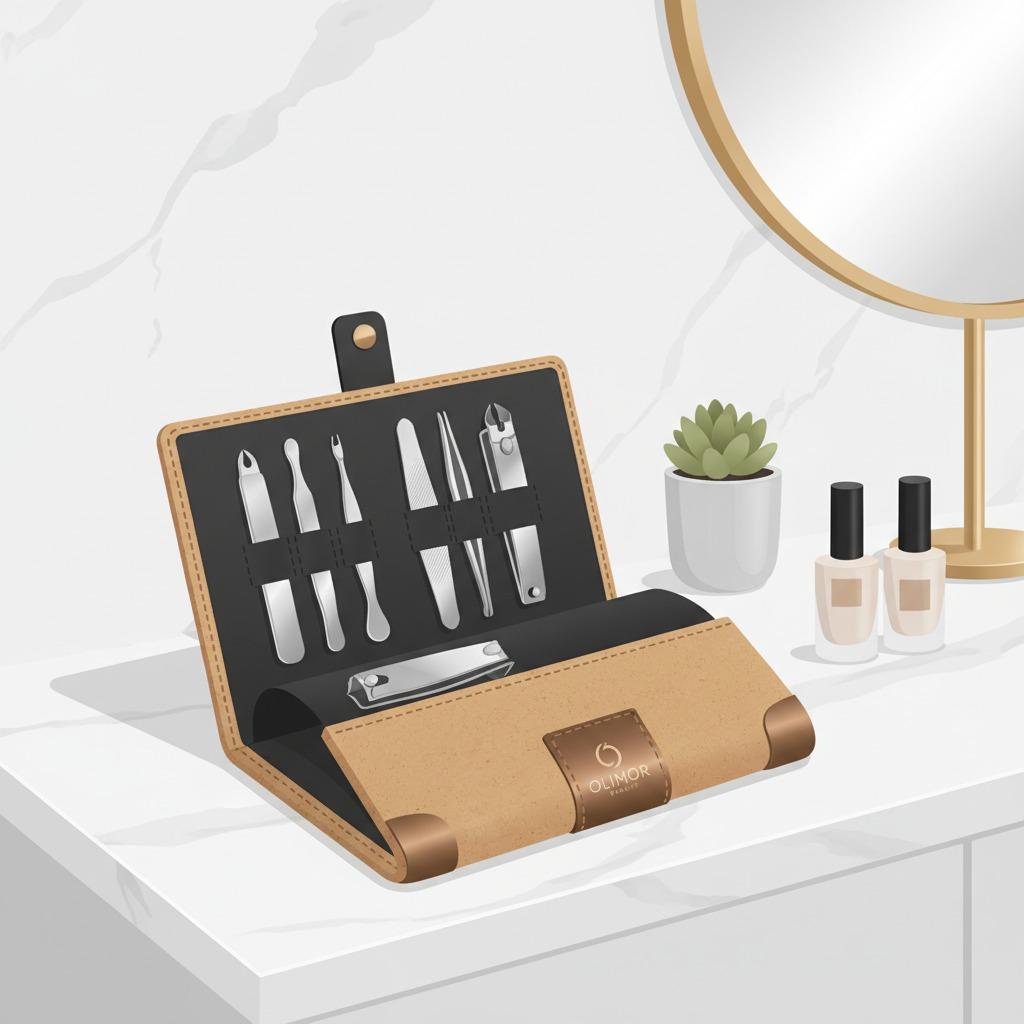
- Store the tool in a clean pouch, tray, or compartment rather than loose in a damp bathroom drawer.
- Do not use nail clippers to cut wire, plastic tags, or other non-nail materials.
- Check the cutting edge regularly; if it starts crushing instead of cutting, replace the tool.
For buyers building coordinated product collections, finish consistency is worth checking across batches of related tools. A nail clipper may be sold alone, but it often performs better commercially when it matches files, scissors, tweezers, or grooming accessories in the same display concept.
Sourcing Checklist for Beauty Tool Buyers
If you are sourcing nail clippers for retail, salon distribution, promotional kits, or private product assortments, the purchasing decision should include more than the unit appearance. The tool must meet user expectations after repeated handling. Because detailed specifications can vary by project, a neutral evaluation checklist helps teams compare samples fairly.
| Evaluation Area | What to Check | Why It Matters |
|---|---|---|
| Cut quality | Test on appropriate nail samples or safe substitutes and inspect the edge left behind. | Clean cuts reduce the need for extra filing and improve user satisfaction. |
| Jaw opening | Confirm whether the jaw suits fingernails, toenails, or thicker toenails. | The wrong jaw size can make trimming uncomfortable or ineffective. |
| Handle comfort | Press the lever repeatedly and note grip stability. | Comfort affects control in both home and professional use. |
| Surface finish | Compare silver or matte black samples under normal lighting. | Finish influences shelf appeal and perceived quality. |
| Inspection standard | Review alignment, movement, and visible defects across multiple samples. | Consistency protects brand reputation and reduces complaints. |
Quality inspection is especially important for tools with moving parts. Two nail clippers can look similar from a distance, yet perform differently if the cutting edges do not meet evenly. Buyers should inspect more than one sample and include packaging, labeling, and user instructions in the review when preparing a retail program.
Who Is This Type of Nail Clipper Best For?
A precision stainless steel nail clipper with a wide jaw and ergonomic handle is suitable for users who want a dependable grooming tool rather than a disposable accessory. It can be useful for personal bathrooms, travel grooming kits, professional nail stations, barbershop grooming add-ons, and beauty retail assortments.
For end users, the main advantage is control: the clipper should make it easier to trim nails neatly and confidently. For business buyers, the appeal is broader. A clean design in silver or matte black can fit multiple merchandising styles, while stainless steel construction and quality checks support a more reliable product presentation.
If you are comparing options for a new beauty tool range, consider how the clipper will be used, who will buy it, and what other tools it will sit beside. To discuss product suitability, packaging direction, or sourcing details, you can contact Olimor or send an inquiry with your intended market and application.
Final Buying Advice
The best nail clipper is not simply the sharpest-looking one. It is the tool that matches the nail type, gives the user steady control, holds up to regular cleaning, and presents well for its intended audience. For thicker toenails, a wider jaw is a meaningful feature. For frequent use, an ergonomic handle becomes more than a comfort detail; it helps make each cut more accurate.
When evaluating Olimor Beauty nail clippers or any professional nail clipper, focus on the practical points: stainless steel construction, cutting alignment, jaw width, lever feel, finish quality, and inspection consistency. These are the details that turn a basic grooming item into a reliable nail care tool for everyday users and professional beauty buyers alike.