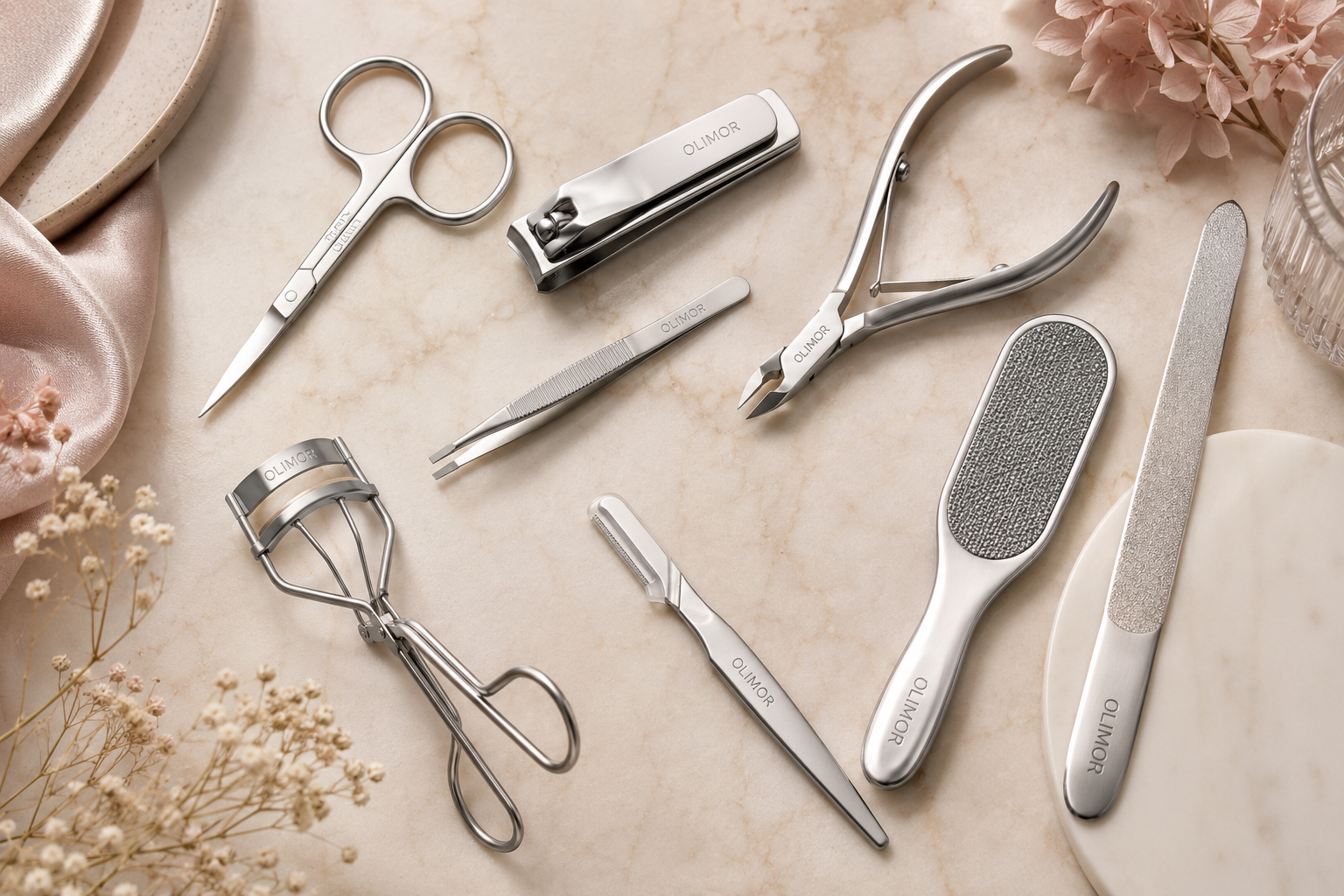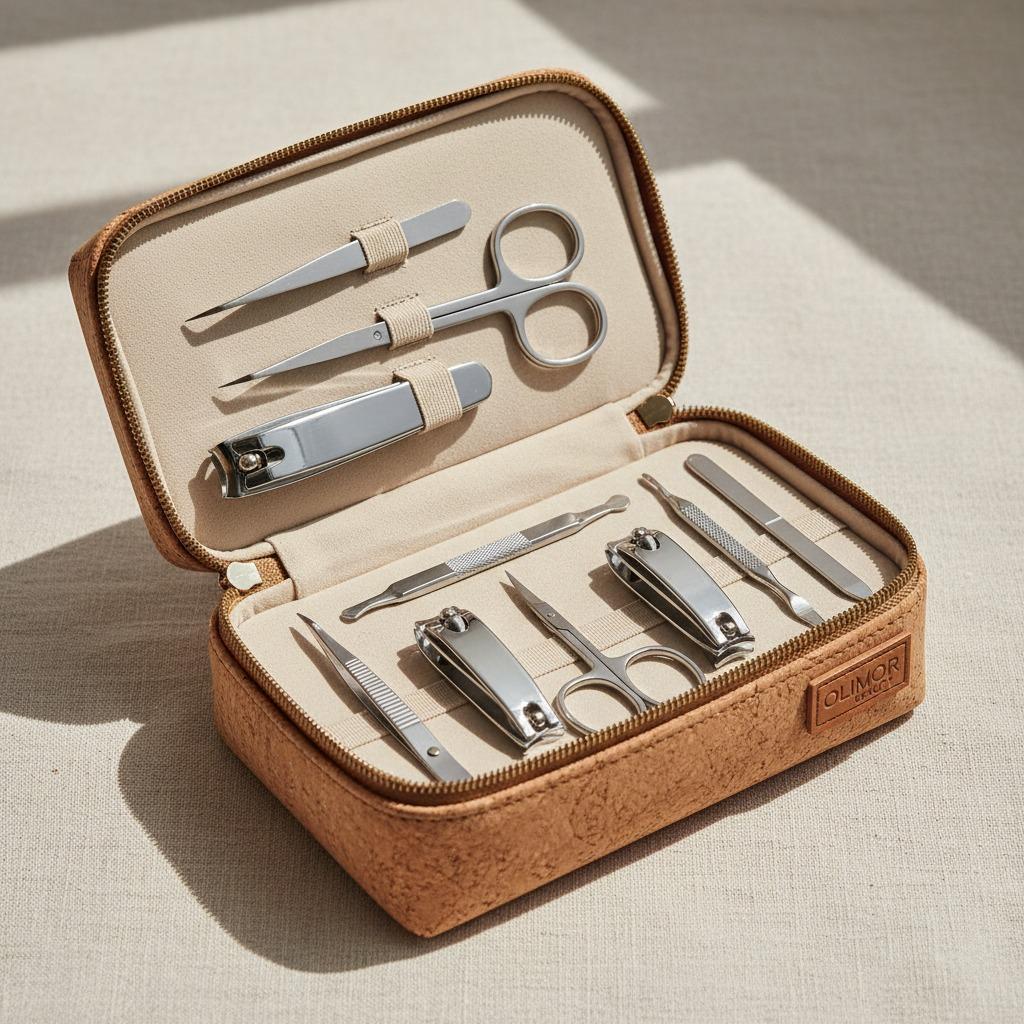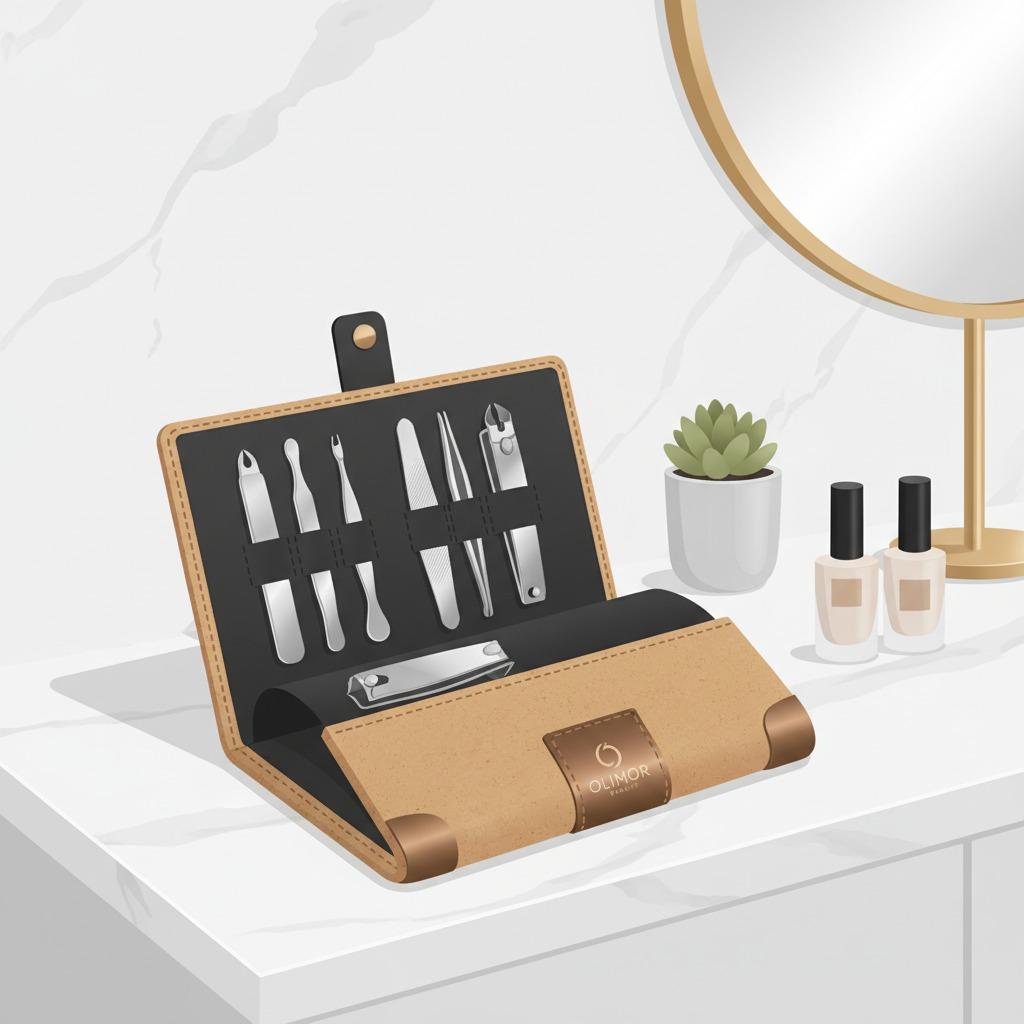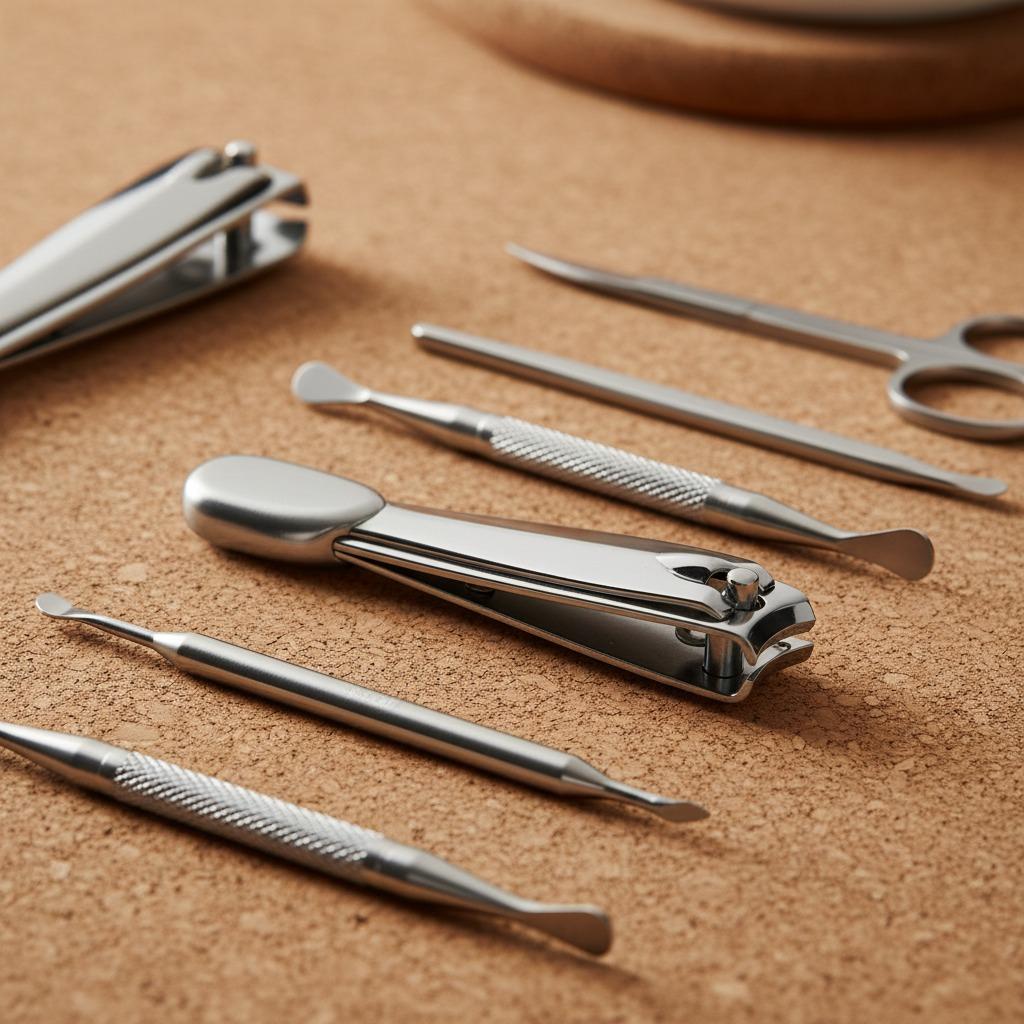











A precision nail clipper should cut cleanly, feel controlled in the hand, and look suitable for the retail or gift environment where it will be sold. For beauty brands, salons, retailers, and personal-care sourcing teams, the right clipper is not defined by appearance alone. Blade alignment, stainless steel construction, lever comfort, finish quality, portability, packaging fit, and inspection consistency all affect customer satisfaction.
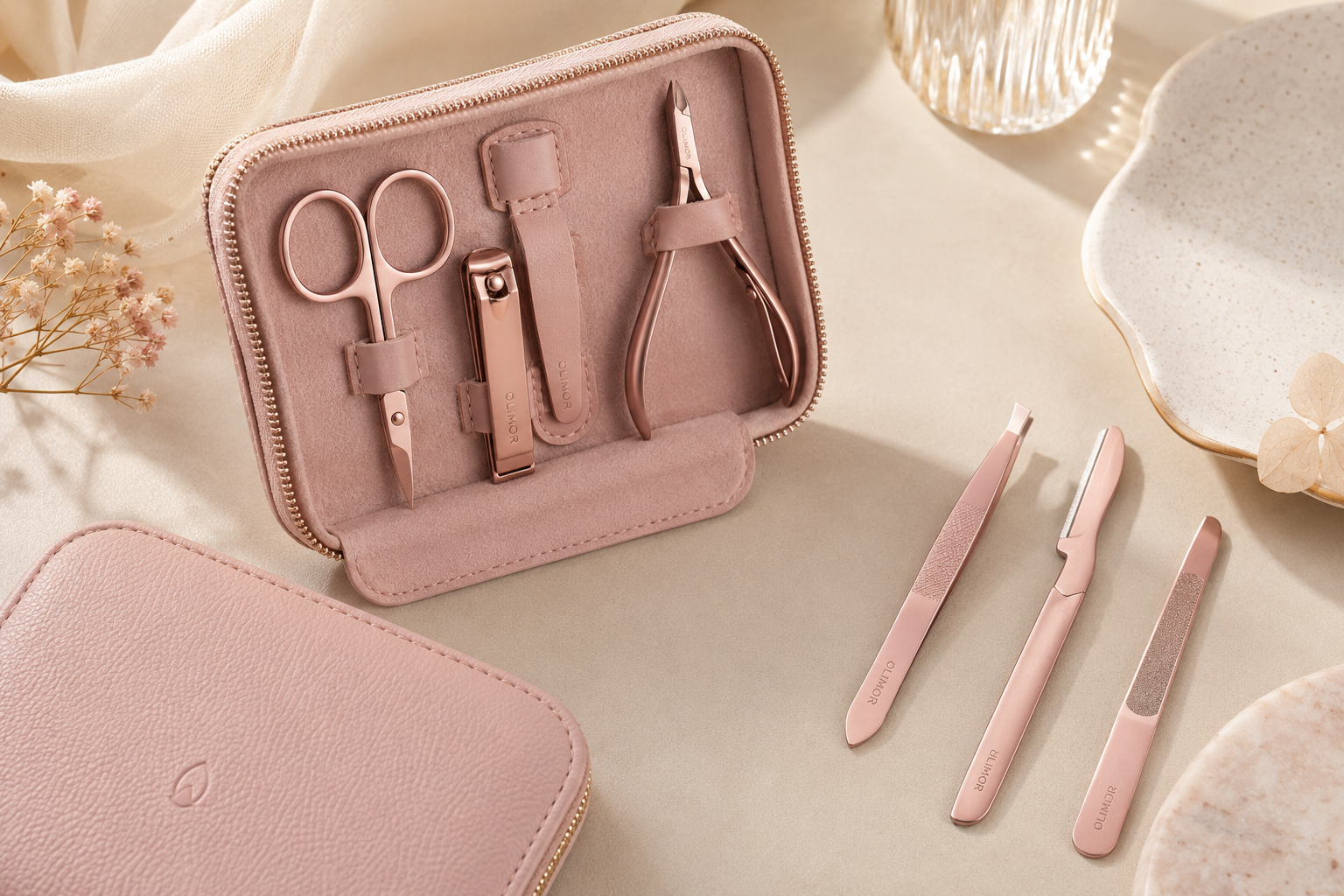
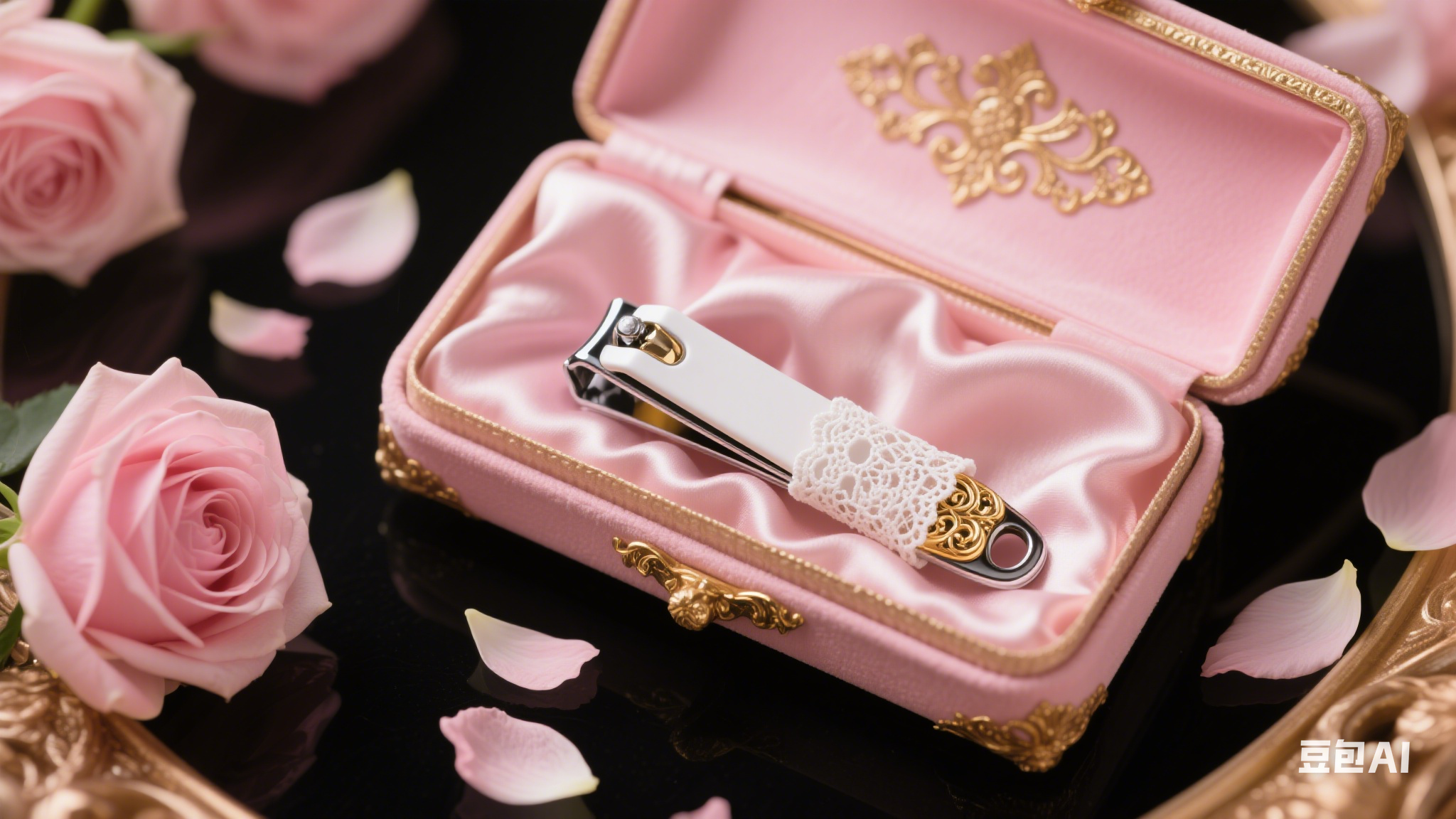
Olimor Beauty focuses on manicure tools that combine practical grooming function with polished presentation. Two useful product directions show how different designs serve different audiences: the Elegant Luxury nail clipper, with vintage-inspired gold silky detailing, polished white enamel, and a soft blush case; and the Brightbloom nail clipper, with a vibrant red design and compact, travel-friendly character. This guide explains how to evaluate a nail clipper for precision, comfort, style, and B2B sourcing without relying on unsupported performance claims.
What Buyers Mean by a Precision Nail Clipper
Precision is the ability to make small, controlled cuts with a clean edge and predictable pressure. A clipper can feel sharp at first but still perform poorly if the upper and lower cutting edges do not meet evenly. Poor alignment may leave rough nail edges, require extra force, or make it harder for the user to shape the nail gradually.
When reviewing a sample, inspect the cutting head from the front and side. The jaws should close evenly without a visible offset. The lever should move smoothly and return without looseness or rattling. The cutting edge should suit the intended use: a curved edge is commonly comfortable for fingernail shaping, while a wider or straighter profile may be preferred for thicker nails. If the clipper is designed as an everyday manicure item, controllability matters more than simply having the widest possible jaw.
Visibility is another part of precision. A bulky head can block the user’s view, while a slippery lever can reduce control. A good personal manicure clipper allows the user to trim in several small steps, then finish the nail edge with a file or buffer if desired. This approach reduces the risk of overcutting and gives the end user a more comfortable grooming experience.
Stainless Steel Construction and Finish Quality
The supplied Olimor product direction identifies high-quality stainless steel construction as a core feature. Stainless steel is widely used for manicure tools because it supports durability, is suitable for clean cutting edges, and is easier to wipe and maintain than many porous materials. In a nail clipper, stainless steel is especially important around the cutting edge, lever, and pivot area, where repeated pressure and exposure to moisture can affect long-term usability.
Finish quality should be evaluated as both a visual and functional detail. A polished white enamel surface, vintage-style gold detailing, or a bright red body can help a clipper stand out in a retail display, travel kit, or beauty gift set. However, the decorative finish should never interfere with the cutting action. The lever should remain comfortable, the edges should feel smooth, and any decorative elements should appear neat and well seated.
The Elegant Luxury direction is suited to brands that want a refined, giftable manicure accessory. Its white enamel finish, gold silky detailing, and blush case create a soft premium look without changing the basic functional requirement: the clipper must still cut cleanly and feel stable. The Brightbloom direction is more colorful and energetic. Its red design is practical for travel pouches because a bright tool is easier to find in a bag, while its compact character supports daily portability.
Ergonomics: Lever Feel, Grip, and Control
Ergonomics matter because nail trimming requires pressure and accuracy at the same time. A clipper that is too stiff can cause the user to press suddenly, while a clipper that feels loose may reduce control. A comfortable tool should give the thumb enough surface area, support the fingers underneath, and provide steady resistance through the cut.
For B2B buyers, ergonomic assessment should involve more than one person. Hand size, grip strength, nail thickness, and grooming habits vary. Ask several evaluators to open and close the lever repeatedly, make short trimming motions, and hold the clipper at different angles. Listen for rattling, check for pinching, and confirm that the clipper remains steady during controlled cuts.
Practical ergonomic inspection points
- Lever movement: The lever should open and close smoothly, without excessive looseness or stiffness.
- Grip stability: The user should not need to squeeze unusually hard to keep the clipper steady.
- Cut visibility: The head shape should allow the user to see the nail edge clearly.
- Comfort edges: Surfaces that touch the fingers should not feel sharp or unfinished.
- Portability: A compact clipper should still provide enough leverage for comfortable use.
Ergonomic quality is not always visible in product photography. Samples should be handled, opened, closed, and tested for consistency before a buyer commits to a retail program or private-label development.
Choosing the Right Nail Clipper Style for Each Use Case
Different selling channels need different nail clipper features. A salon kit, a personal-care gift set, a retail impulse item, and a travel pouch accessory each require a slightly different balance of appearance, size, and handling. The table below can help buyers match design direction to commercial intent.
| Use case | What to prioritize | Suitable design direction | Buyer check |
|---|---|---|---|
| Home manicure kit | Comfort, clean cutting, easy maintenance | Classic stainless steel body with polished details | Confirm smooth lever action and easy wiping |
| Gift set | Presentation, finish, case compatibility | Elegant Luxury style with white enamel, gold detail, and soft blush case | Check finish consistency and packaging fit |
| Travel pouch | Compact size, secure grip, easy visibility | Brightbloom style with vibrant red color | Confirm the compact size still feels stable |
| Retail beauty display | Clear function, attractive appearance, SKU differentiation | Decorative or colored designs that separate product tiers | Compare shelf impact with practical handling |
| Salon or shared-use setting | Cleanability, durability, repeatable performance | Simple stainless steel construction with minimal hard-to-clean decoration | Verify local hygiene requirements and care instructions |
Buyers comparing Olimor beauty tool products should define the intended selling story before choosing a finish. A polished decorative clipper may be ideal for gift packaging, while a simpler surface may be easier to position for professional utility. Style attracts attention, but repeat satisfaction depends on how the tool performs after purchase.
Manufacturing and Inspection Details to Review Before Ordering
A nail clipper is a small tool, but it includes several details that affect quality: cutting edge formation, jaw alignment, lever tension, pivot fit, surface polishing, decorative finish application, and final packaging. For retail buyers and beauty brands, inspection should focus on repeatability. One excellent sample is not enough if production units vary in lever feel, finish quality, or cutting alignment.
Start with a visual inspection. Look for scratches, uneven enamel, rough corners, loose decorative elements, visible burrs, or gaps around the cutting head. Then inspect function. Open and close the lever several times. The motion should feel consistent from unit to unit. Press the jaws together and check whether both sides meet evenly. If possible, review multiple samples from the same proposed production direction, not only a single showroom piece.
Sample review checklist
- Cutting edges meet evenly when closed.
- Lever movement feels smooth and controlled.
- Pivot area does not rattle during normal handling.
- Stainless steel surfaces are clean, polished, and free from obvious burrs.
- Enamel or color finish appears even at edges and corners.
- Gold or decorative details are neat and do not interfere with grip.
- Compact designs remain comfortable enough for practical trimming.
- Case or pouch, if included, protects the clipper and supports the intended presentation.
- Packaging allows the consumer to understand the product function and care guidance.
Where compliance is relevant, buyers should verify current product safety obligations in their target markets. For example, the European Union General Product Safety Regulation may be relevant to consumer products sold in the EU, and ISO 9001 may be used as a recognized reference for supplier quality management systems. These references do not confirm any specific certification for Olimor or any product. Buyers should request current supplier documents, market-specific compliance information, and applicable test or inspection records before making purchasing decisions.
Cost Factors Without Reducing Quality to Price Alone
Cost is important, but the lowest unit price may not produce the best retail outcome. For nail clippers, cost can be influenced by stainless steel construction, the complexity of the cutting head, polishing requirements, decorative finishes, color application, case inclusion, packaging structure, customization work, and inspection expectations. A bright color design, polished enamel surface, or gift-ready case may add value for a specific channel even if the tool itself remains a simple grooming item.
Buyers should separate essential quality from optional presentation. Essential quality includes safe-feeling edges, stable lever action, reliable jaw alignment, and practical cleanability. Optional presentation may include premium surface finishes, decorative accents, color themes, custom packaging, or a coordinated case. This separation helps teams decide where to invest based on the customer segment.
For example, a gift program may justify more attention to finish and case presentation because the unboxing experience affects perceived value. A travel accessory may prioritize compactness and surface durability. A salon supply item may focus on cleanability and simple handling. Before discussing cost, define the intended product tier and the details that matter most to that tier.
Maintenance Guidance to Reduce Customer Complaints
Even a well-made nail clipper performs better when maintained correctly. Nail dust, moisture, and cosmetic residue can collect near the cutting head and pivot. After use, the clipper should be wiped with a soft dry cloth. If exposed to water, it should be dried thoroughly before being placed in a pouch, drawer, or case. This is especially important for decorative finishes, which can lose their polished appearance if stored damp or scratched by loose tools.
For personal use, users should avoid cutting materials other than nails, dropping the clipper on hard surfaces, or forcing the lever through nails that are too thick for the tool’s intended design. For shared or professional environments, cleaning and hygiene procedures should follow local salon rules, workplace policies, and applicable public health guidance. Buyers should verify current requirements for their market rather than relying on a general product description.
- Trim in small controlled cuts instead of one forceful cut across the full nail.
- Wipe nail debris from the cutting head after use.
- Dry the clipper fully before storage.
- Store decorative finishes away from loose abrasive metal tools.
- Replace the clipper if the jaws become misaligned, rough, or difficult to control.
Care instructions can be included on packaging or product inserts. Clear maintenance guidance helps users understand how to protect both function and appearance, especially for polished, colored, or enamel-finished designs.
How to Evaluate a Nail Clipper Supplier
Supplier evaluation should combine product handling, documentation review, customization discussion, and communication quality. A reliable sourcing process begins with a clear brief: target user, sales channel, desired finish, packaging plan, expected retail positioning, and any market requirements. The more specific the brief, the easier it is to compare samples fairly.
Ask how the supplier manages sample review, finish confirmation, packaging development, and production inspection. If customization is needed, discuss which elements can be adapted, such as color direction, presentation, or packaging, without assuming that every component can be changed. Review physical samples before final approval and keep an approved reference sample for comparison.
If you are building a coordinated manicure range, browse Olimor product collections to see how a nail clipper might sit alongside other beauty tools. For product selection, packaging discussion, or custom sourcing questions, you can send a product inquiry or contact Olimor Beauty with your project requirements.
FAQ for B2B Nail Clipper Buyers
Can I request samples before placing an order?
Sample availability should be confirmed directly with Olimor. For sourcing decisions, buyers should review physical samples to check cutting alignment, lever feel, finish quality, and packaging fit before approving a project.
Is there a minimum order quantity for nail clippers?
MOQ depends on the product direction, customization needs, packaging requirements, and current production arrangements. Contact Olimor with the target style, finish, and order plan so the team can provide applicable details.
Can the finish, color, or packaging be customized?
Customization may be possible depending on the design and project requirements. Buyers should specify whether they need a decorative finish, color theme, case, retail box, or coordinated set packaging, then confirm feasibility through the inquiry process.
How should quality be checked before shipment?
Buyers should agree on inspection points such as jaw alignment, lever action, surface finish, decorative detail placement, case condition, and packaging appearance. Request current supplier documents and confirm any market-specific requirements before shipment.
How long does production take?
Lead time varies by product, customization, packaging, order quantity, and production schedule. Olimor should confirm timing for the specific project after reviewing the buyer’s requirements.
Key Takeaway
A better nail clipper is built on small, visible details: clean jaw alignment, controlled lever action, comfortable handling, stainless steel construction, smooth finishing, and suitable presentation. The Elegant Luxury direction supports a refined giftable look with white enamel, gold detailing, and a blush case, while the Brightbloom direction offers a cheerful red, compact, travel-friendly option. The best choice depends on the user, channel, and retail story. By reviewing samples carefully and asking the right sourcing questions, beauty brands and retailers can choose a nail clipper that looks polished and performs reliably in everyday grooming routines.