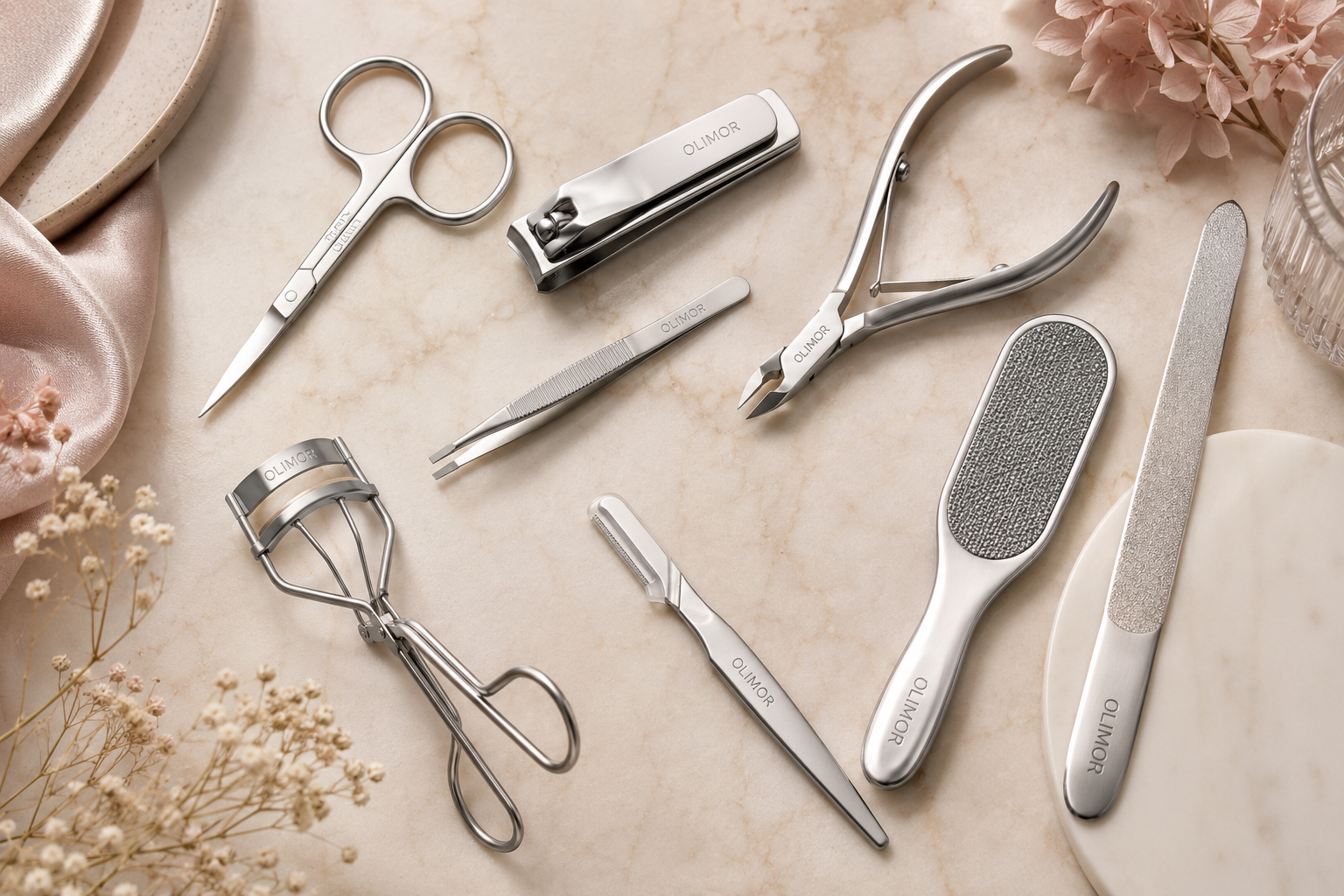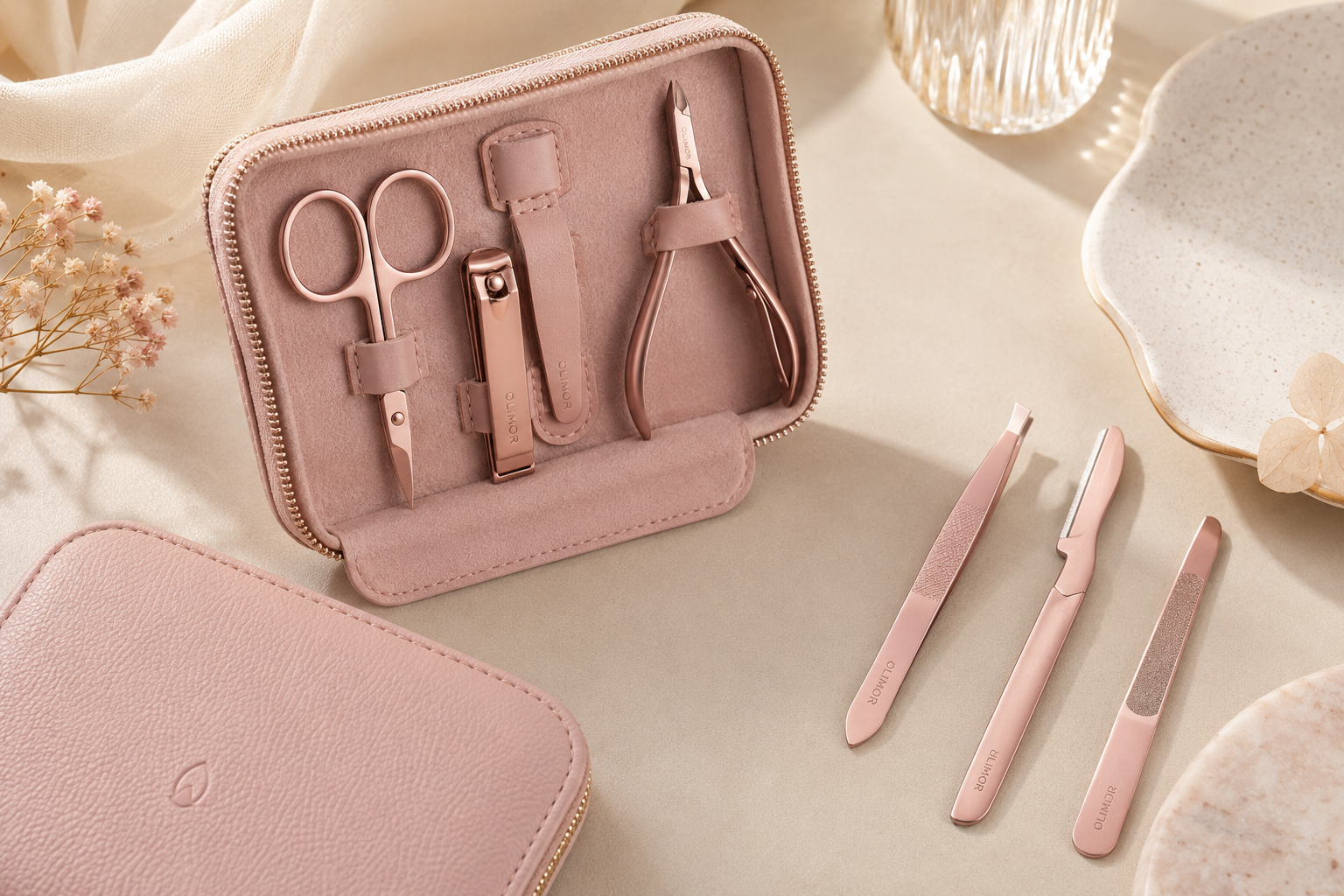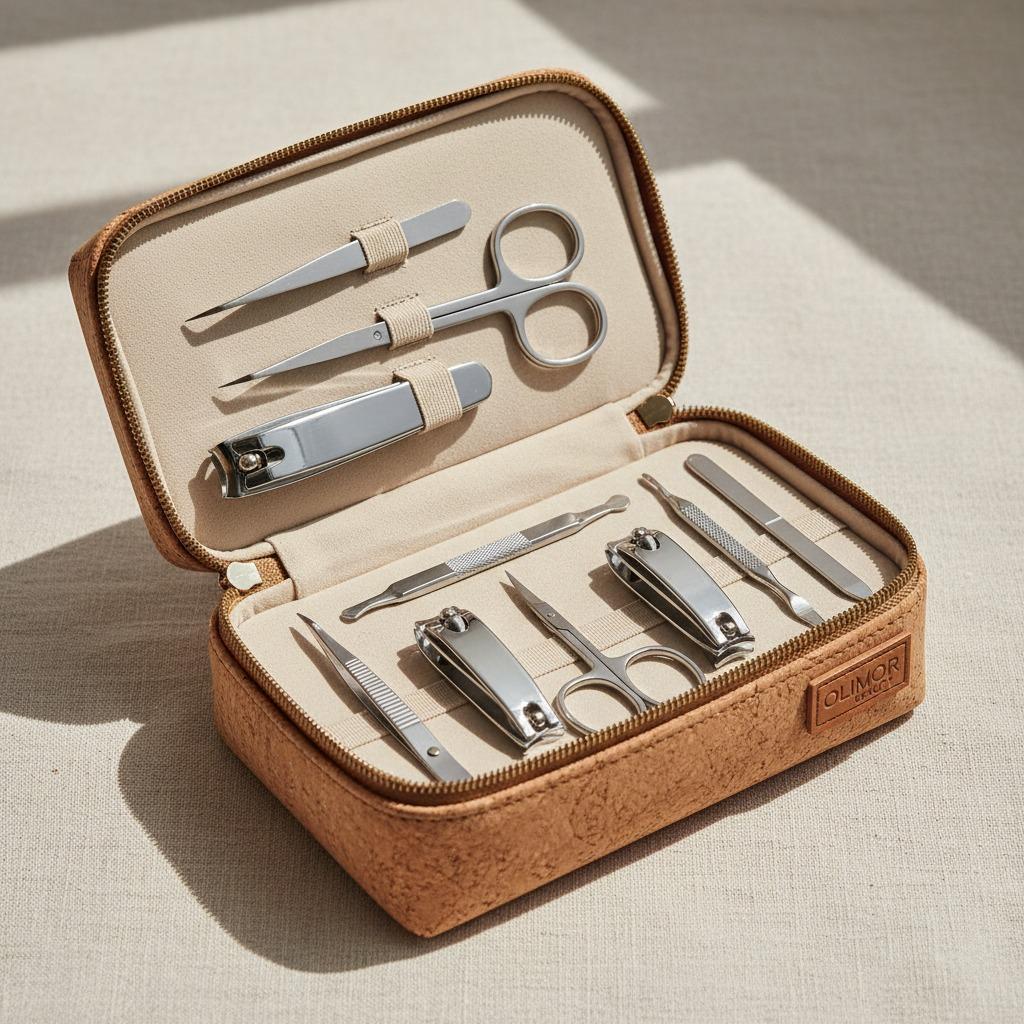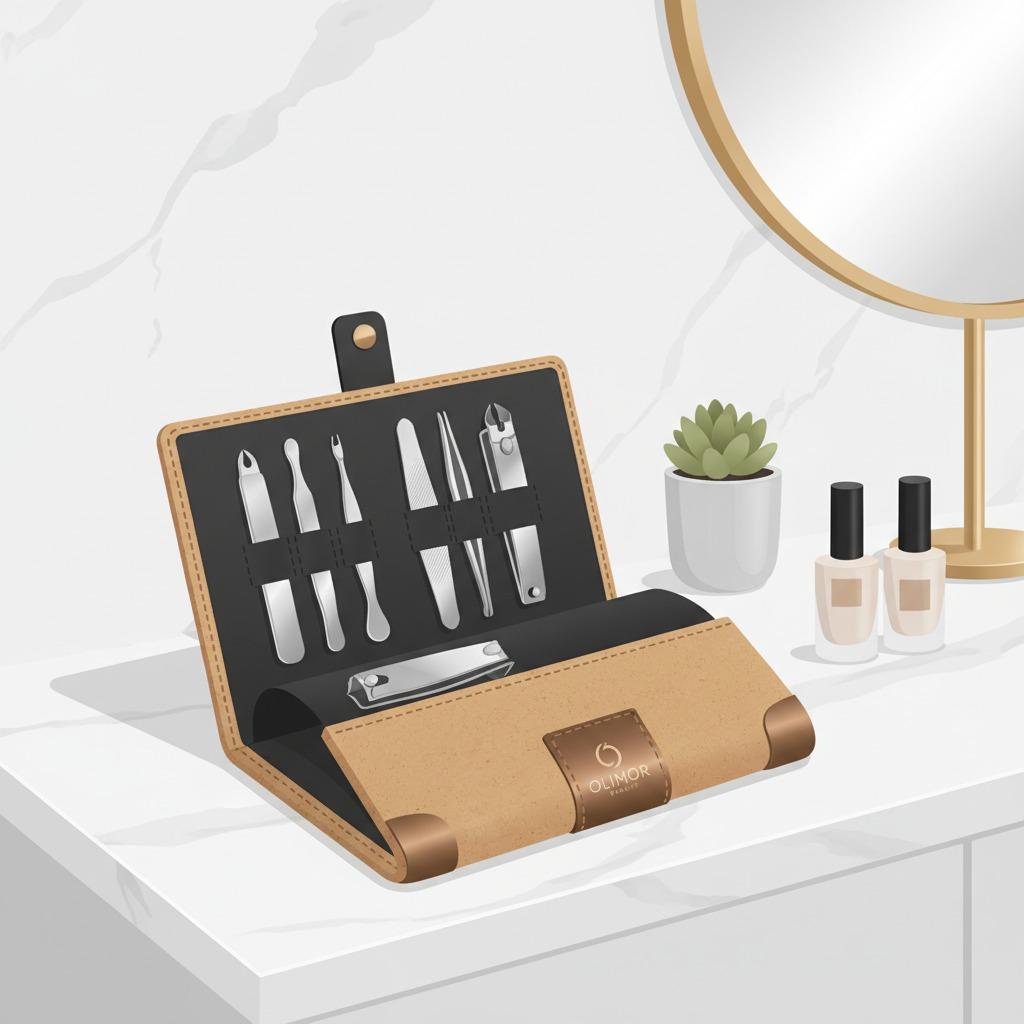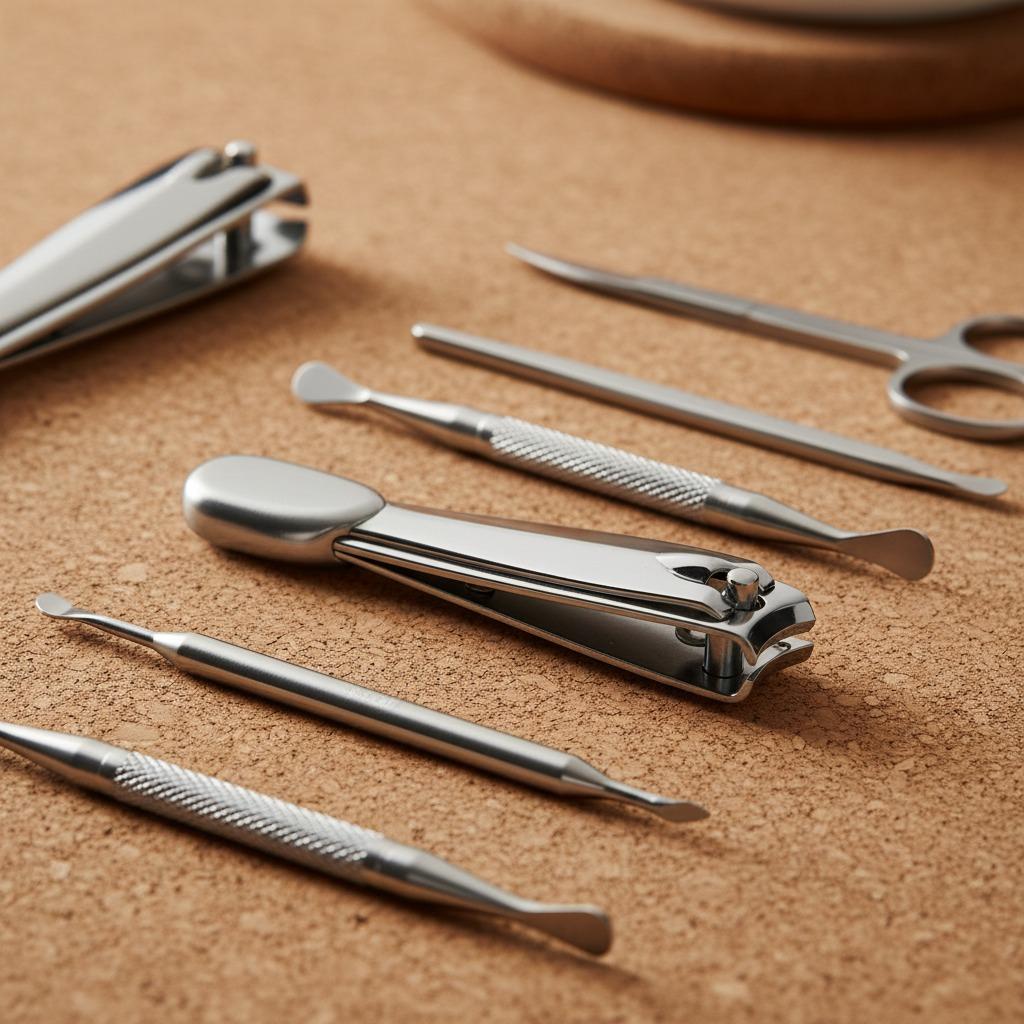











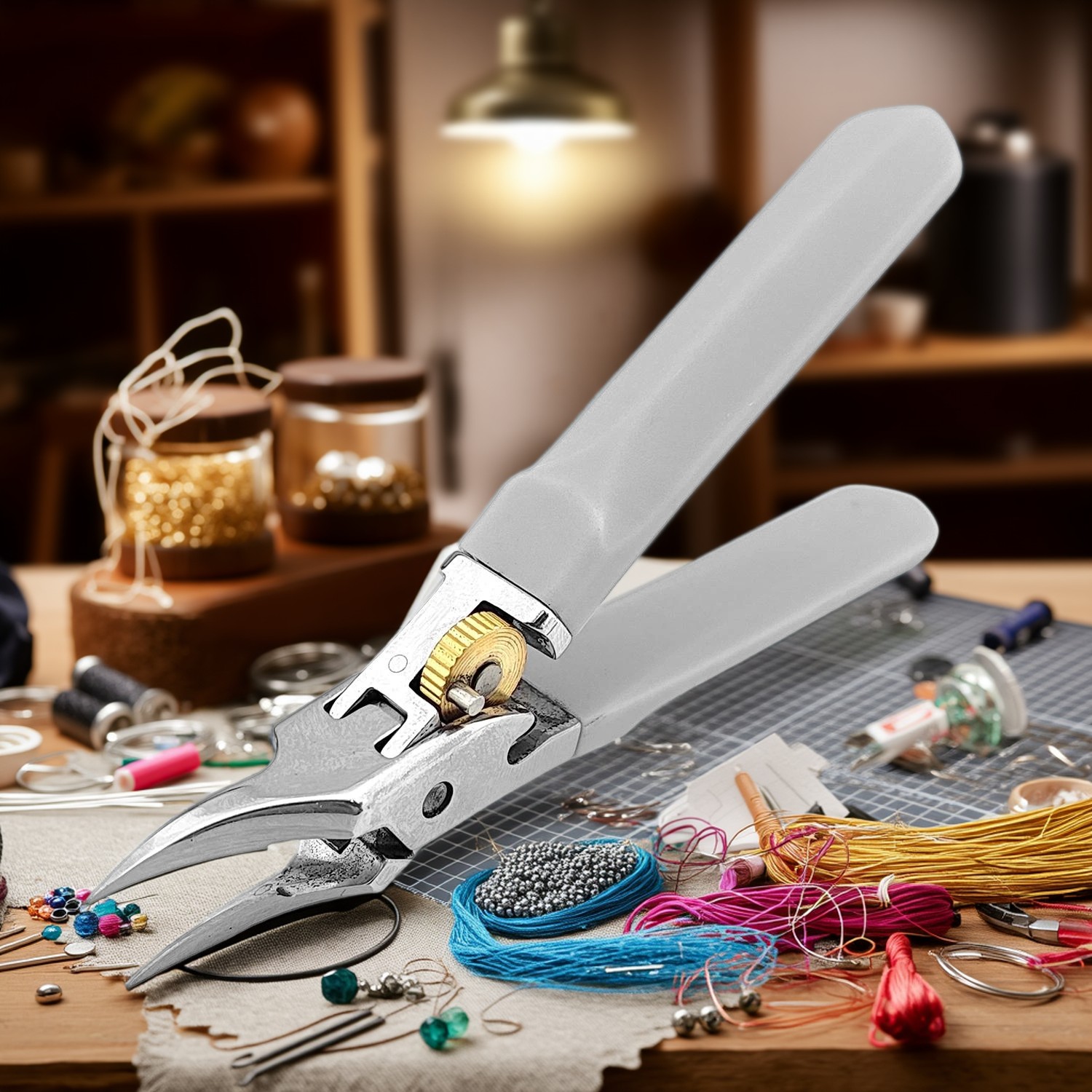
A high-quality nail clipper looks simple, but its performance depends on details that are easy to miss: blade alignment, cutting pressure, lever comfort, edge finish, corrosion resistance, and the way the tool feels in the hand. For adults who trim nails regularly at home, in a grooming kit, or as part of a professional retail range, those details determine whether the cut is smooth and predictable or jagged and uncomfortable.
Olimor Beauty focuses on beauty tools that support practical grooming needs, and a nail clipper is one of the most frequently used items in that category. If you are comparing options for personal use, retail sourcing, salon accessory kits, or promotional grooming sets, the best choice is not simply the shiniest clipper. It is the one that cuts cleanly, is easy to control, and can be kept hygienic over repeated use.
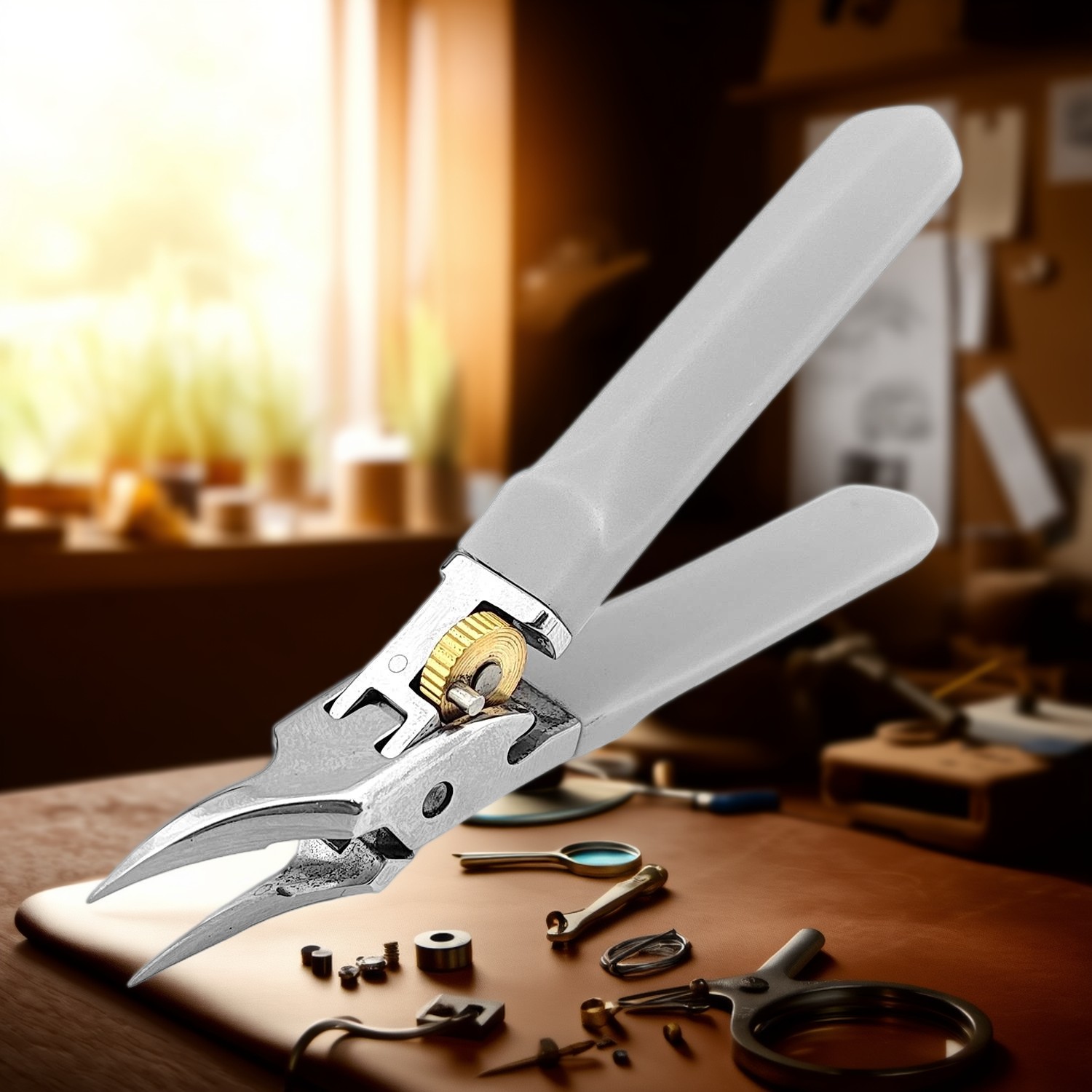
What Makes a Nail Clipper High Quality?
The basic job of a nail clipper is to bring two sharpened edges together with enough force to cut the nail without crushing it. A better clipper makes that action feel controlled. The blades meet evenly, the lever does not flex excessively, and the user can see where the cut will happen before applying pressure.
When evaluating a nail clipper, start with the cutting head. The two cutting edges should be symmetrical, with no obvious gaps when closed. A small misalignment may cause tearing or require multiple passes on the same nail. The curve of the blade should match the intended use: a curved edge is common for fingernails, while toenail trimming may benefit from a broader, more controlled cutting surface depending on nail thickness and user preference.
Material also matters, but it should be considered together with manufacturing quality. Stainless steel is commonly chosen for grooming tools because it can offer durability and easier cleaning, but the quality of sharpening, polishing, assembly, and inspection strongly affects real-world performance. A clipper with a well-finished edge and stable hinge will usually provide a more reliable cut than one that relies only on a material claim.
Blade Precision: The Difference Between Cutting and Crushing
Precision is the main reason buyers search for a high-quality nail clipper. A clean cut reduces the chance of rough edges that catch on fabric or require heavy filing afterward. It also helps users avoid over-clipping, especially near the corners of the nail.
Look at these areas when comparing blade performance:
- Edge alignment: The upper and lower blades should meet evenly across the cutting width.
- Sharpness without roughness: A sharp edge should cut with firm, steady pressure, not scrape or bend the nail.
- Jaw opening: The opening should be wide enough for the intended nail thickness without making the tool feel unstable.
- Lever response: The lever should provide enough mechanical advantage so the user does not need to squeeze excessively.
- Cut visibility: The head shape should allow the user to position the clipper accurately before trimming.
For adult grooming, precision is especially important because nail thickness varies widely. A clipper that works well for thin fingernails may not be comfortable for thicker nails if the lever is weak or the jaws are too narrow. Buyers sourcing a general-purpose product should consider the most common end users and how often the tool will be used.
Why Ergonomics Matter for Adult Nail Care
An ergonomic nail clipper is not only about comfort; it is about control. If the tool slips, requires awkward hand pressure, or forces the wrist into an uncomfortable angle, the user is more likely to cut too deeply or leave an uneven edge. Good ergonomics support safer, more predictable trimming.
Several design features influence handling. A lever with enough surface area is easier to press than a very narrow lever. A textured or well-shaped grip area can help users maintain control, especially when hands are damp after washing. The overall size should suit the target audience: compact clippers are convenient for travel kits, while larger clippers may be easier for adults who prefer a more substantial grip.
For buyers comparing beauty tool products, it is useful to test the clipper as an end user would. Hold it in the dominant hand, position it at different angles, and check whether the cutting head remains visible. A product can look refined in a display photo but still feel difficult to control if the lever is too short or the edges are hard to align with the nail.
Selection Checklist for Buyers and Product Teams
If you are choosing nail clippers for a retail assortment, a grooming kit, or a private-label beauty tool project, a structured checklist prevents decisions based only on appearance. The following points are practical because they can be reviewed through samples, visual inspection, and normal-use testing.
| Evaluation Point | What to Check | Why It Matters |
|---|---|---|
| Blade alignment | Close the clipper and inspect whether both edges meet evenly. | Poor alignment can cause splitting, tearing, or incomplete cuts. |
| Cutting feel | Test on appropriate sample nails or nail-like material. | The clipper should cut cleanly without excessive hand pressure. |
| Lever stability | Press several times and check for wobble or weak rebound. | A stable lever improves control and repeated-use comfort. |
| Surface finish | Look for burrs, sharp non-cutting edges, or rough polishing. | Clean finishing improves handling and perceived quality. |
| Cleaning access | Check whether nail debris can be removed easily. | Simple cleaning supports hygiene and long-term use. |
| Packaging fit | Review how the clipper is secured and protected. | Good packaging reduces scratches and keeps the tool presentable. |
This type of review is helpful before scaling an order or adding a clipper to a wider grooming selection. Buyers can also compare options across product collections to ensure the clipper matches the quality level and user expectations of the rest of the assortment.
Maintenance for Cleaner Cuts and Longer Use
Even a well-made nail clipper performs better when it is maintained properly. Nail debris, moisture, and residue can collect around the cutting head and hinge. Over time, that buildup may affect the smoothness of the lever action or make the tool less hygienic.
- Clean after use: Remove nail fragments from the jaw area and wipe the clipper with a dry cloth.
- Keep it dry: Avoid storing the clipper in a damp bathroom drawer immediately after use. Moisture can shorten the usable life of many metal tools.
- Disinfect when shared: If the clipper is used by more than one person, clean and disinfect it according to the disinfectant instructions and then dry it thoroughly.
- Avoid cutting non-nail materials: Using a nail clipper on wire, plastic tags, or other hard materials can damage the cutting edge.
- Check the edge periodically: If the clipper begins to bend or tear nails instead of cutting smoothly, it may be time to replace it.
For retailers and kit assemblers, maintenance guidance can also reduce complaints. Simple usage instructions on packaging or inserts help customers understand that grooming tools need basic care, especially when exposed to water or stored in travel bags.
Sourcing Questions That Lead to Better Nail Clippers
When sourcing nail clippers, buyers often focus on unit appearance first. Appearance is important, especially for shelf presentation, but performance testing should come early in the decision. A good sourcing conversation includes how the cutting edge is formed, how alignment is checked, what finish options are available, and how packaging protects the clipper during transport.
Useful questions include: What sample evaluation process is recommended before confirming an order? How consistent is the lever feel from one unit to another? Are there options for different sizes or finishes within the same product direction? How is the product protected from scratches in packaging? These questions do not require invented specifications; they help establish whether the selected clipper fits the intended market and use case.
If your team is comparing grooming tools or preparing a purchasing brief, you can send an inquiry with your intended application, target user, packaging needs, and expected quality positioning. For broader coordination or product discussion, contact Olimor with clear details about the type of nail clipper you need and how it will be sold or used.
Choosing the Right Clipper for the User
The best high-quality nail clipper is the one that matches the user’s nails, hand comfort, and grooming habits. For personal grooming, prioritize smooth cutting action, easy grip, and simple cleaning. For retail or sourcing, evaluate consistency, finish, packaging, and how well the tool fits the broader product range. For adult users, a controlled lever and precise cutting head are usually more valuable than decorative details.
A nail clipper is a small tool, but it is used close to the skin and often kept for repeated grooming sessions. Choosing carefully helps prevent rough cuts, improves daily convenience, and supports a more reliable customer experience. By focusing on blade precision, ergonomic handling, clean finishing, and practical maintenance, buyers and users can identify a nail clipper that performs well beyond its simple appearance.