An ergonomic nail clipper should make trimming easier, not simply look more modern. The best choice gives the user a stable grip, cuts cleanly through the intended nail thickness, stores safely in a pouch or grooming kit, and remains easy to clean after repeated use. For retailers, distributors, gift-set planners, and grooming-tool buyers, the real question is not only whether a clipper is sharp. It is whether the design will perform consistently for the user group and sales channel you are serving.
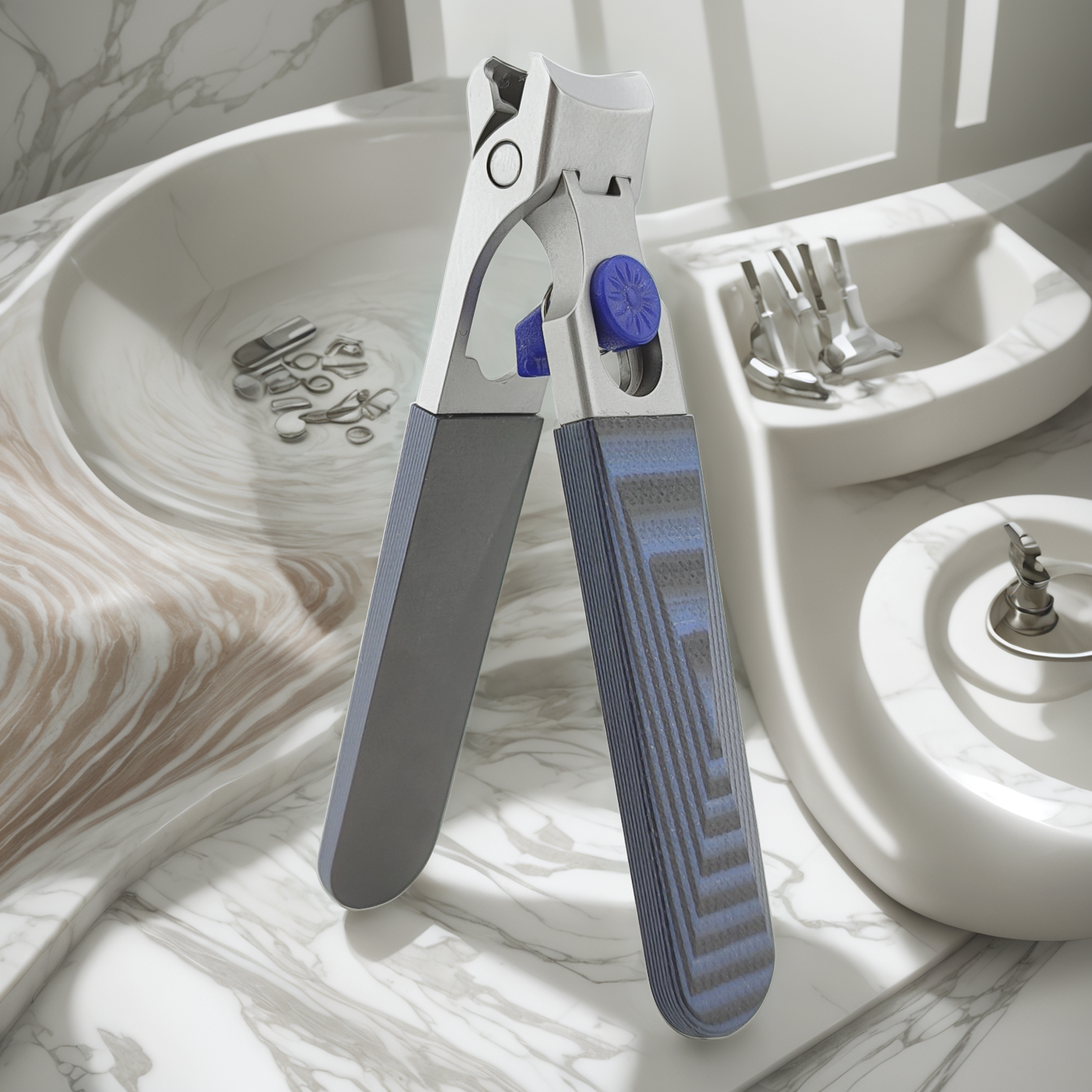
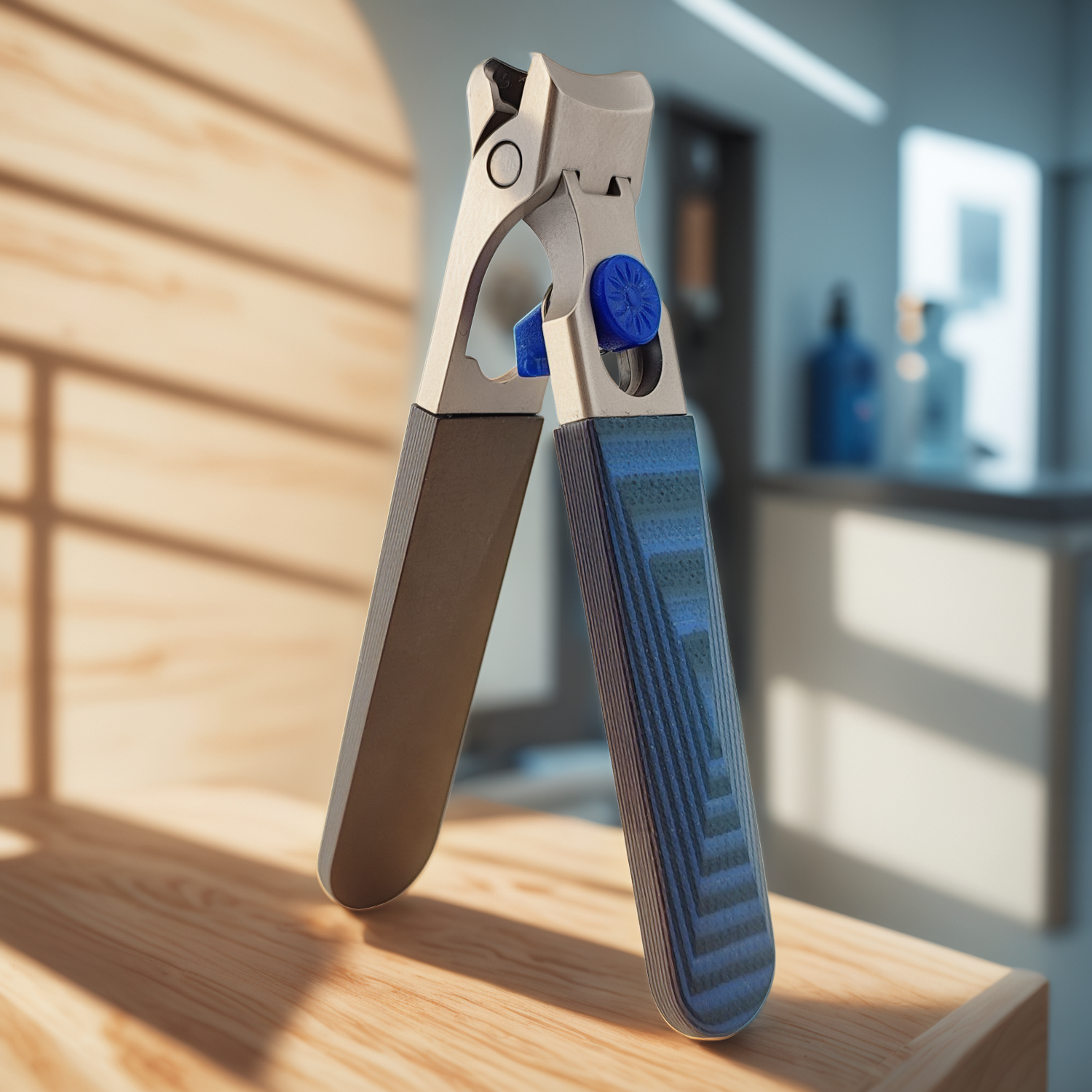
The Olimor ergonomic nail clipper described here is positioned around practical daily use: a dual-layered textured grip for better hand control, stainless steel blades for clean trimming when properly maintained, a compact format suitable for travel, and an adjustable locking mechanism that helps keep the tool closed during storage. Those details are especially relevant for users with thicker nails, travelers who need a secure grooming item, and buyers building a dependable beauty-tool assortment.
This guide explains how to evaluate an ergonomic nail clipper from both user and B2B sourcing perspectives. It covers design, cutting feel, travel suitability, maintenance, retail presentation, sample inspection, cost factors, and supplier questions without relying on exaggerated claims.
What an Ergonomic Nail Clipper Is Designed to Solve
A nail clipper is a simple lever tool, but small design weaknesses can create real frustration. A narrow lever can be hard to press. A smooth handle can slip. Poor blade alignment can crush the nail instead of cutting it. A body that is too small may be portable but difficult to control, especially when trimming thick nails or working near the nail corners.
Ergonomic design focuses on how the hand interacts with the tool. A useful ergonomic nail clipper should help transfer pressure from the fingers to the cutting edge with less strain. It should feel secure before the first cut is made. The user should be able to position the blade accurately, press the lever smoothly, and complete several small cuts without the tool twisting in the hand.
The dual-layered textured grip on this Olimor clipper is a practical feature because grip texture supports control. This is helpful after hand washing, during detailed trimming, or when the user needs extra stability. For B2B buyers, grip design also affects perceived value at retail. A clipper that feels comfortable in the hand is easier to demonstrate, explain, and include in grooming sets.
How to Evaluate Cutting Performance for Thick Nails
Thick nails require more than a sharp-looking edge. The cutting performance depends on blade material, blade finishing, alignment, opening space, lever action, and user technique. Stainless steel blades are a practical choice for nail grooming tools because they can support clean cutting and routine cleaning when properly manufactured and cared for. However, stainless steel alone does not guarantee a good clipper. Buyers should inspect how the blades meet and how the lever feels under pressure.
For thick nails, the clipper should accept the nail without forcing the user to angle the tool awkwardly. The blades should meet evenly across the cutting edge. The lever should feel controlled rather than stiff or loose. If the clipper crushes, hesitates, or leaves ragged edges during testing, the issue may be blade alignment, dullness, insufficient leverage, or inappropriate use for that nail type.
End users can improve results by softening very hard nails before trimming. Trimming after bathing or soaking may reduce resistance, but the clipper should be dried afterward. Instead of cutting a large section at once, it is better to make several smaller cuts following the natural curve of the nail. This reduces stress on both the nail and the tool and often leaves a neater edge for filing.
Travel Suitability: More Than a Compact Size
A travel nail clipper must be compact, but portability is only one requirement. A good travel tool should also stay closed in storage, resist damage from contact with other items, and remain easy to locate and use away from home. The adjustable locking mechanism on this Olimor clipper is relevant because it helps keep the clipper closed when stored in a toiletry pouch, grooming kit, gym bag, or retail travel set.
Travel exposes grooming tools to movement, humidity, and crowded storage. A clipper packed near bottles, cosmetics, razors, or combs may be bumped repeatedly. A locking mechanism helps protect the cutting edge and reduces accidental opening. The compact format also matters for retailers designing travel grooming kits or promotional sets, where space and packaging efficiency affect the overall assortment.
For business travel and daily carry, users should choose a clipper that feels stable despite its size. A tool that is too tiny may be easy to pack but uncomfortable to use. The ideal balance is a compact body with enough grip area and leverage for controlled trimming.
- For frequent travelers: prioritize a secure closed position, compact storage, and easy wiping after use.
- For gym bags: choose a clipper that can be dried quickly and stored away from damp towels or liquid products.
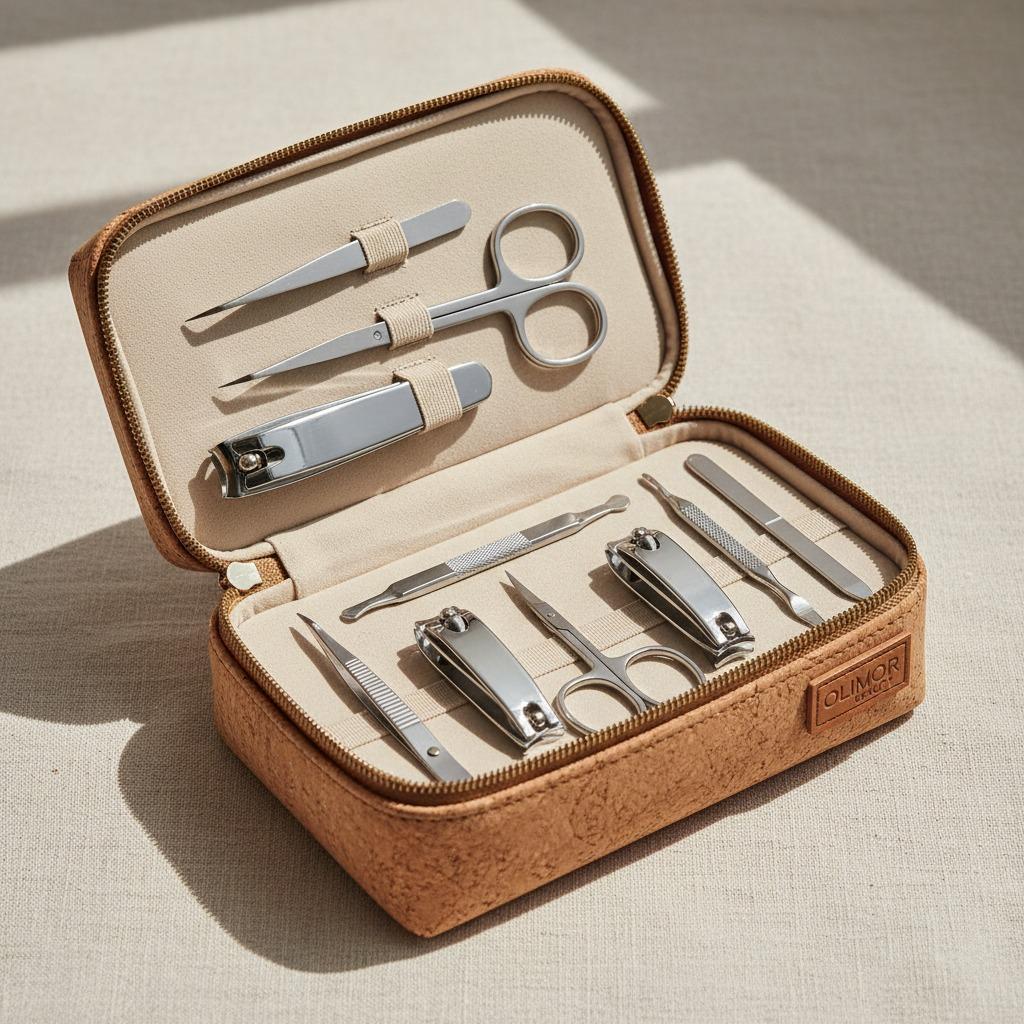
- For retail travel kits: check that the clipper fits the packaging and that the locking function is easy for customers to understand.
- For family grooming sets: store clippers separately and keep them clean between users.
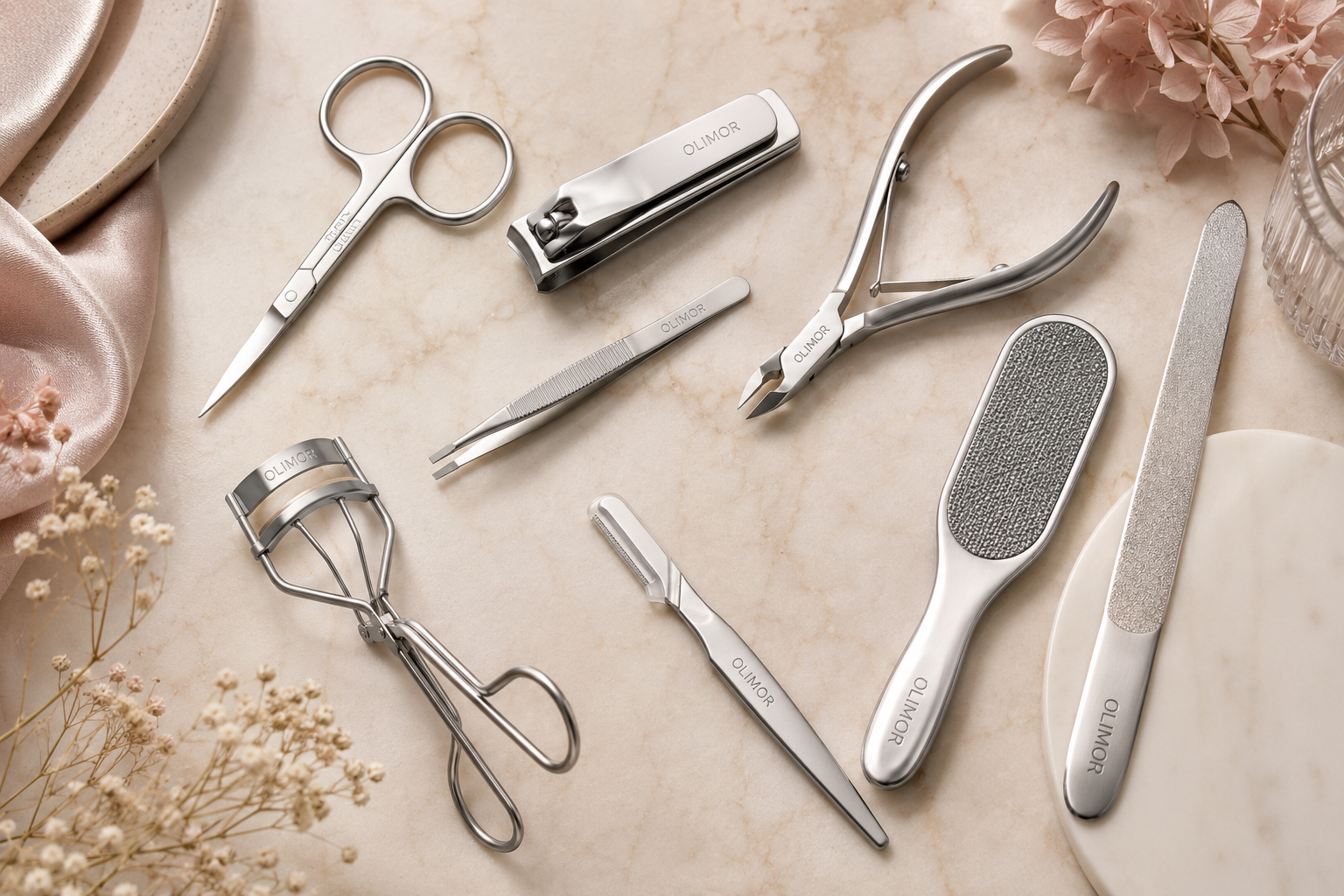
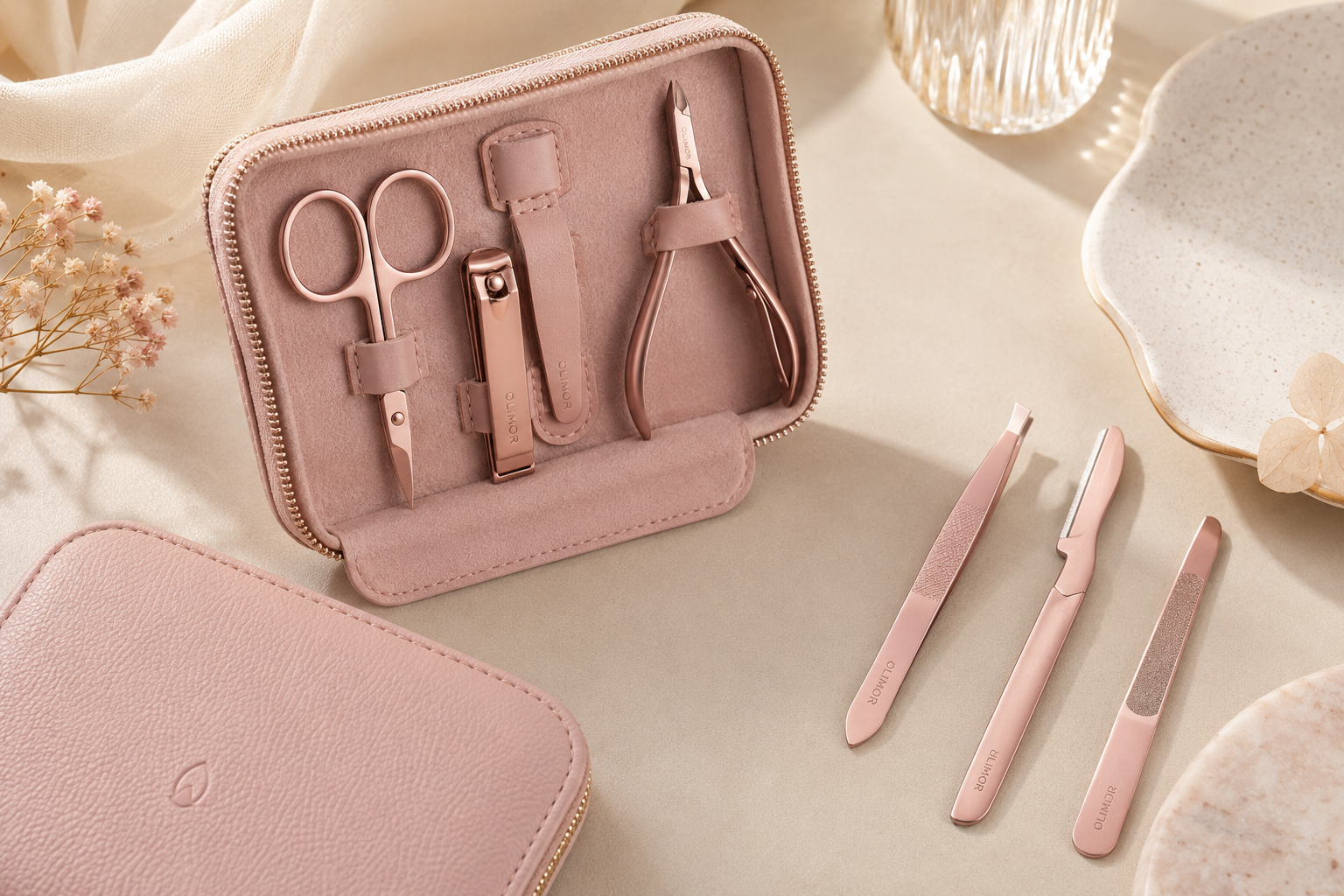
Buyers comparing grooming accessories can review Olimor beauty tool options through the product range to see how nail clippers may fit alongside related personal-care items.
Feature Checklist for Buyers and Product Teams
Many nail clippers look similar online or in a catalog. A better evaluation process compares the features that affect real use, after-sales satisfaction, and retail suitability. The following checklist can be used for sample review, supplier comparison, and internal product selection.
| Evaluation point | Why it matters | What to check before ordering |
|---|---|---|
| Grip comfort | Improves control and reduces slipping during trimming | Confirm the textured area supports stable finger placement and does not feel awkward in the hand |
| Blade material | Affects cutting feel, durability, and cleaning suitability | Stainless steel blades are useful, but also inspect finishing, edge consistency, and alignment |
| Blade alignment | Determines whether the nail is cut cleanly or crushed | Close the clipper slowly and check whether the cutting edges meet evenly |
| Lever action | Controls how much effort the user must apply | Press several times to assess smoothness, stability, and return feel |
| Opening space | Important for thicker nails | Check whether the nail can be positioned without forcing the clipper at an unsafe angle |
| Locking mechanism | Supports safer storage and travel | Confirm the clipper stays closed when handled and packed |
| Cleaning access | Helps maintain hygiene and long-term usability | Look for areas where nail dust can be wiped away and dried after use |
| Packaging fit | Affects retail display, shipping protection, and gift-set assembly | Review whether the clipper is protected and whether key features are easy to communicate |
For assortment planning, product teams can also compare grooming categories in Olimor collections to decide whether an ergonomic nail clipper belongs in a travel kit, daily grooming line, or personal-care gift set.
Cost Factors Without Assuming a Fixed Price
The cost of an ergonomic nail clipper can vary for reasons that are not always visible in a product photo. Buyers should avoid comparing only the unit appearance and instead review the full specification, packaging, inspection expectations, and customization requirements.
Common cost factors include blade material and finishing, handle construction, grip texture, locking mechanism complexity, packaging style, branding requirements, order quantity, inspection process, and shipping arrangement. A clipper with stainless steel blades, a stable ergonomic grip, and a secure locking function may require different production steps than a basic clipper. Custom colors, private-label packaging, printed instructions, or set assembly may also affect quotation and schedule.
When requesting a quote, provide clear information about the target market, intended retail channel, packaging needs, branding, and any compliance documents required for your region. If you need samples, state whether the sample should match the final packaging or only demonstrate the tool function. This helps prevent confusion between a visual sample, a functional sample, and a production-ready sample.
For markets with specific consumer product expectations, buyers should verify applicable regulations and documentation with the supplier and local compliance advisers. For example, the European Union General Product Safety Regulation may be relevant for consumer goods placed on the EU market. If a supplier mentions a quality-management standard such as ISO 9001, ask for current supporting documents and verify the scope. Do not assume certification unless it is provided and applicable.
How to Inspect Samples Before Bulk Purchasing
Sample inspection is where product claims become practical evidence. For an ergonomic nail clipper, the goal is to check comfort, cutting consistency, storage safety, and finish quality. A single quick press of the lever is not enough. Test several samples if available, and compare them under the same conditions.
Functional inspection
Open and close the clipper repeatedly. The movement should feel controlled, and the lever should not wobble excessively. Check the locking mechanism in the closed position and confirm that it stays engaged during normal handling. Inspect the cutting edges under good lighting to see whether they meet evenly.
Use inspection
Evaluate how the textured grip sits under the fingers. The clipper should not rotate in the hand when pressure is applied. If testing for thick nails, use safe and appropriate trimming methods and avoid forcing the tool beyond normal use. Note whether the clipper cuts cleanly, crushes, pulls, or leaves jagged edges.
Finish and packaging inspection
Look for rough edges, inconsistent surface finishing, visible defects, or areas that may trap debris. For retail orders, review packaging protection and user information. If the clipper will be sold as part of a set, confirm that it remains secure in the packaging and does not damage nearby items during shipping or display.
A structured inspection checklist makes supplier comparison more objective. It also helps buyers communicate improvement requests clearly if a sample is close to acceptable but needs adjustment.
Proper Use for Cleaner, Safer Trimming
Even a well-designed clipper performs best when used correctly. Start with clean nails and good lighting. If nails are very hard, trim after washing or soaking, then dry both nails and tool afterward. Hold the clipper so the textured grip supports the fingers and the blades approach the nail straight, not twisted.
- Clean the nail area before trimming so the edge is visible.
- Open the clipper fully and place the nail between the blades without forcing the opening.
- Make small cuts along the natural curve rather than one deep cut across the nail.
- Leave a small margin instead of cutting too close to the skin.
- Smooth sharp corners with a nail file if needed.
- Wipe away nail dust and store the clipper closed after use.
This technique is especially helpful for thick nails. It reduces strain on the nail, improves control, and limits the risk of uneven edges. If a nail is painful, discolored, infected, or unusually difficult to cut, the user should seek appropriate professional advice rather than relying on a grooming tool alone.
Cleaning, Storage, and Maintenance
Nail clippers contact nails, skin, and moisture, so routine cleaning is important. After each use, wipe away nail particles with a clean cloth or tissue. If the clipper has been used after soaking or in a humid location, dry it thoroughly before storage. Store it closed, especially when traveling, to help protect the cutting edge and reduce contact with other items.
Avoid using a nail clipper to cut wire, packaging, tags, or other hard materials. Non-nail use can dull or damage the blade and may affect alignment. Dropping the clipper onto a hard surface can also change how the blades meet. If the tool begins to crush instead of cut, inspect the blade area for debris and check whether the cutting edges still align correctly.
For shared environments such as salons, hotels, wellness kits, or retail demonstrations, hygiene procedures should be clearly defined. Clean tools between uses and store them in a dry place. Local hygiene rules may apply depending on the setting, so operators should verify current requirements from the relevant public authority or regulator in their market.
Choosing the Right Supplier for B2B Nail Clipper Orders
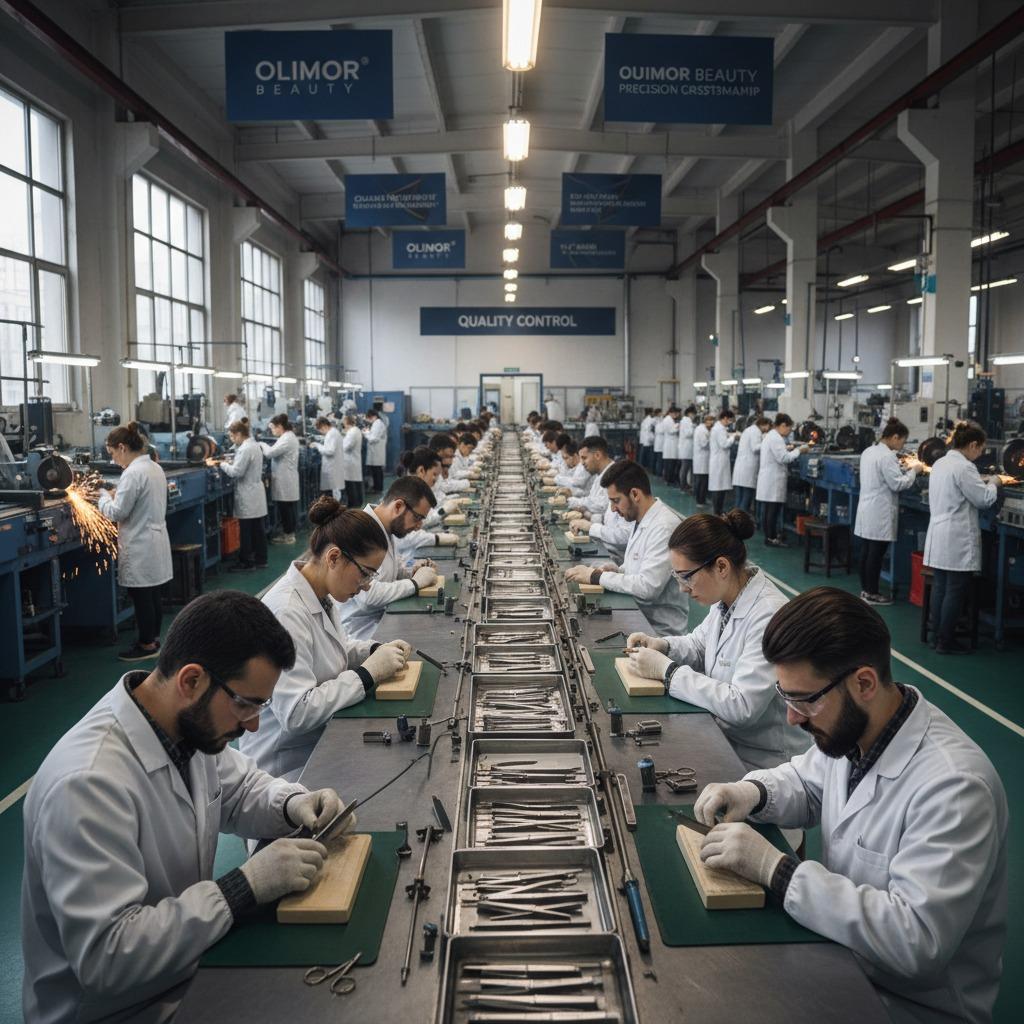
A reliable supplier should help buyers evaluate more than the product photo. For an ergonomic nail clipper, ask about available product options, sample process, customization possibilities, packaging choices, and quality inspection steps. The supplier should be able to explain the practical features of the clipper, including the stainless steel blades, dual-layered textured grip, compact size, and adjustable locking mechanism.
Supplier evaluation should also include communication quality. Clear answers about materials, packaging, artwork requirements, and documentation are important for avoiding delays. If you are sourcing for retail, confirm whether the product can be presented with instructions that explain travel storage, cleaning, and safe trimming. If you are sourcing for a private-label line, discuss branding and packaging before assuming any customization is available.
Commercially, the best choice is often the supplier that can match the product to the intended use case. A travel grooming kit, a daily personal-care line, and a premium gift set may all require different packaging, presentation, and quality checks. To discuss product fit, buyers can send a sourcing inquiry with target channel, packaging expectations, and customization needs. For broader project questions, use contact Olimor to start a practical discussion.
FAQ
Can I request samples before placing a larger order?
Yes, buyers should discuss sample availability before confirming a larger order. Clarify whether you need a functional sample, packaging sample, or customized sample, because each may involve different preparation.
Is there a fixed MOQ for ergonomic nail clippers?
MOQ can depend on product configuration, packaging, customization, and current production arrangements. Ask for the current MOQ based on your required specification rather than assuming one standard quantity.
Can the nail clipper be customized for retail or private label?
Customization may be possible depending on the requested branding, packaging, color, and order details. Provide artwork, market requirements, and packaging expectations early so feasibility can be reviewed.
How should buyers evaluate quality before shipment?
Use a checklist covering blade alignment, lever action, grip comfort, locking function, surface finish, packaging protection, and cleaning access. If standards, compliance documents, or inspection reports are required for your market, verify current versions and supplier documents before ordering.
What affects lead time?
Lead time may be influenced by sample approval, customization, packaging development, order quantity, inspection requirements, and shipping method. Confirm the current schedule with the supplier for your exact order details.
An ergonomic nail clipper is valuable because it solves everyday grooming problems in a small, practical format. When the grip is secure, the stainless steel blades are properly aligned, the locking mechanism works for travel, and the tool is easy to maintain, it becomes a dependable item for both individual users and B2B beauty-tool assortments.