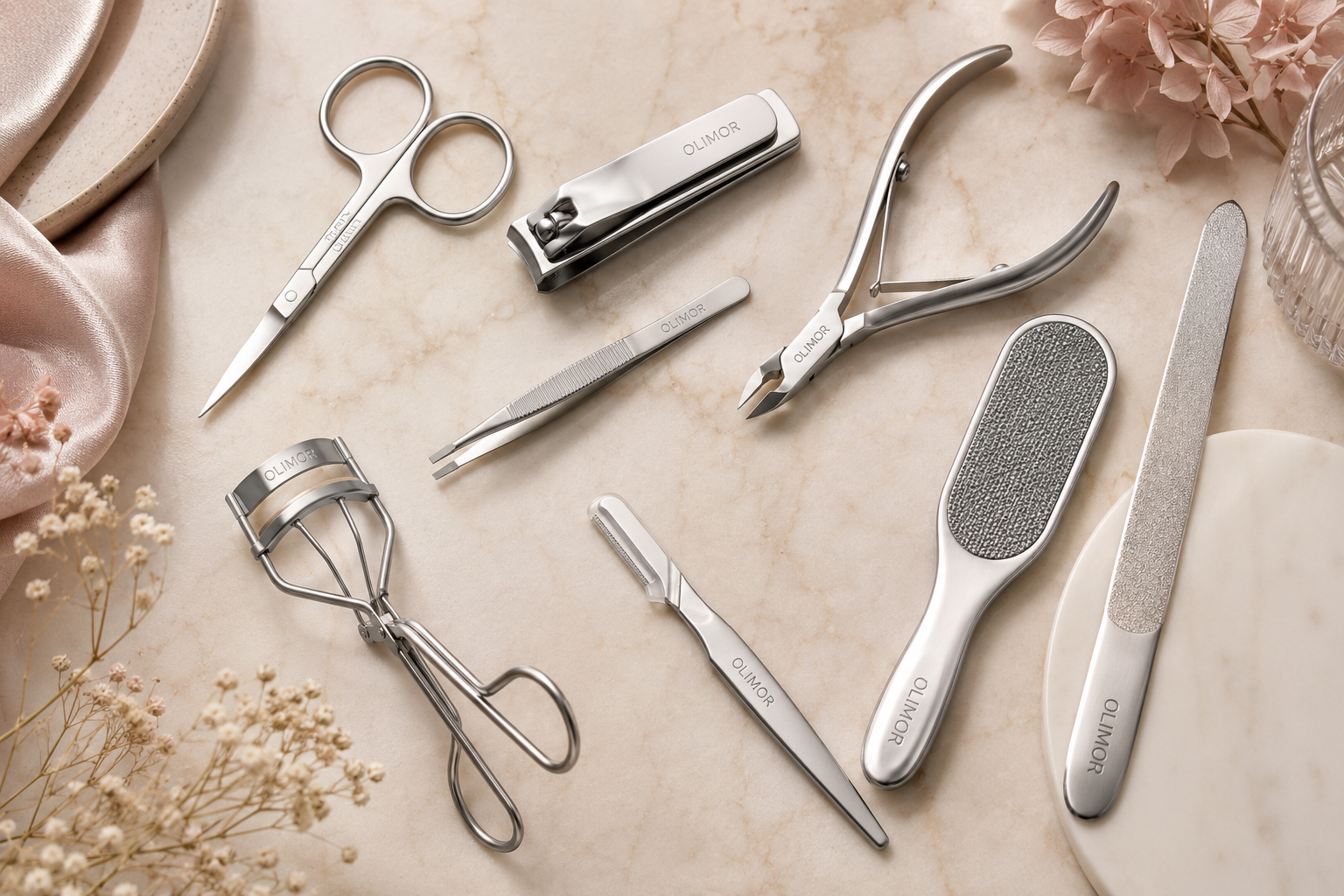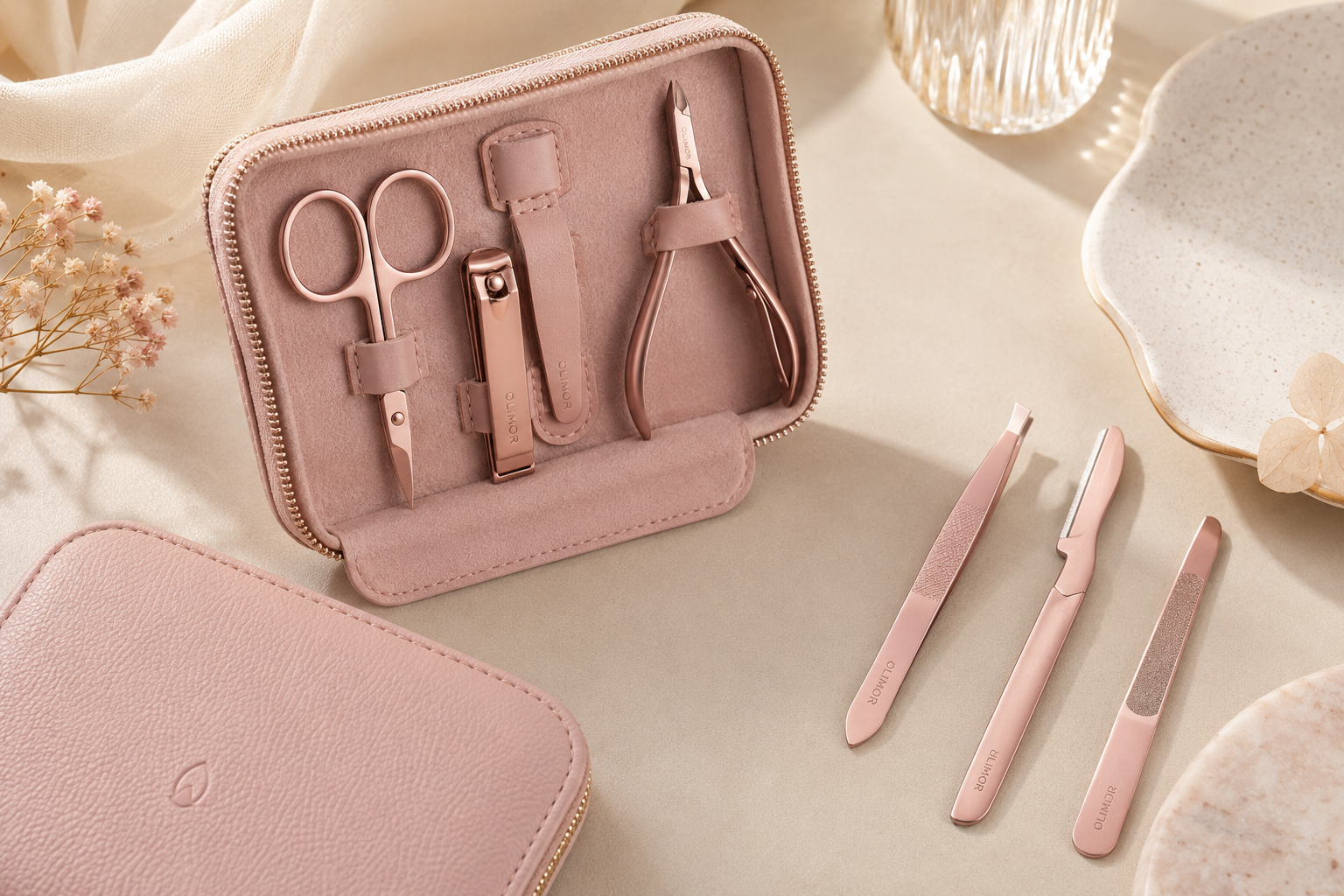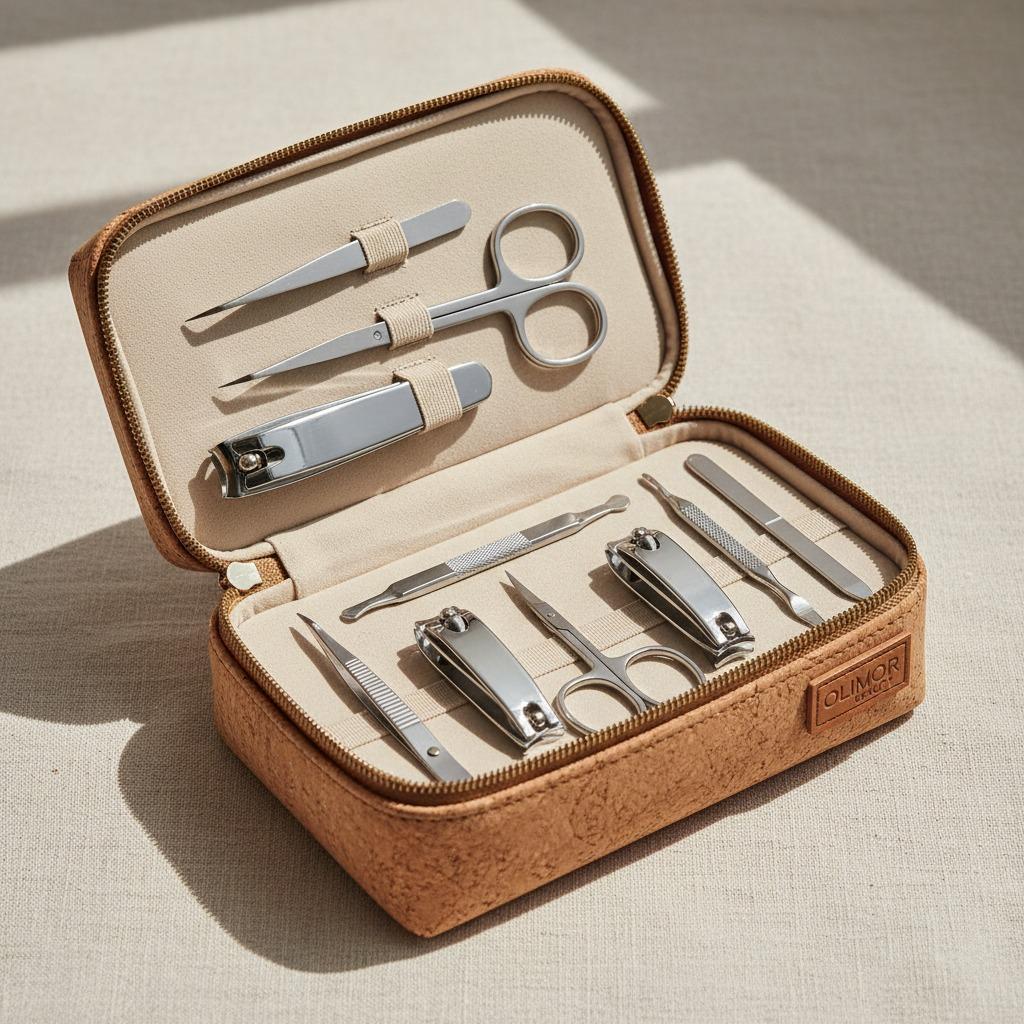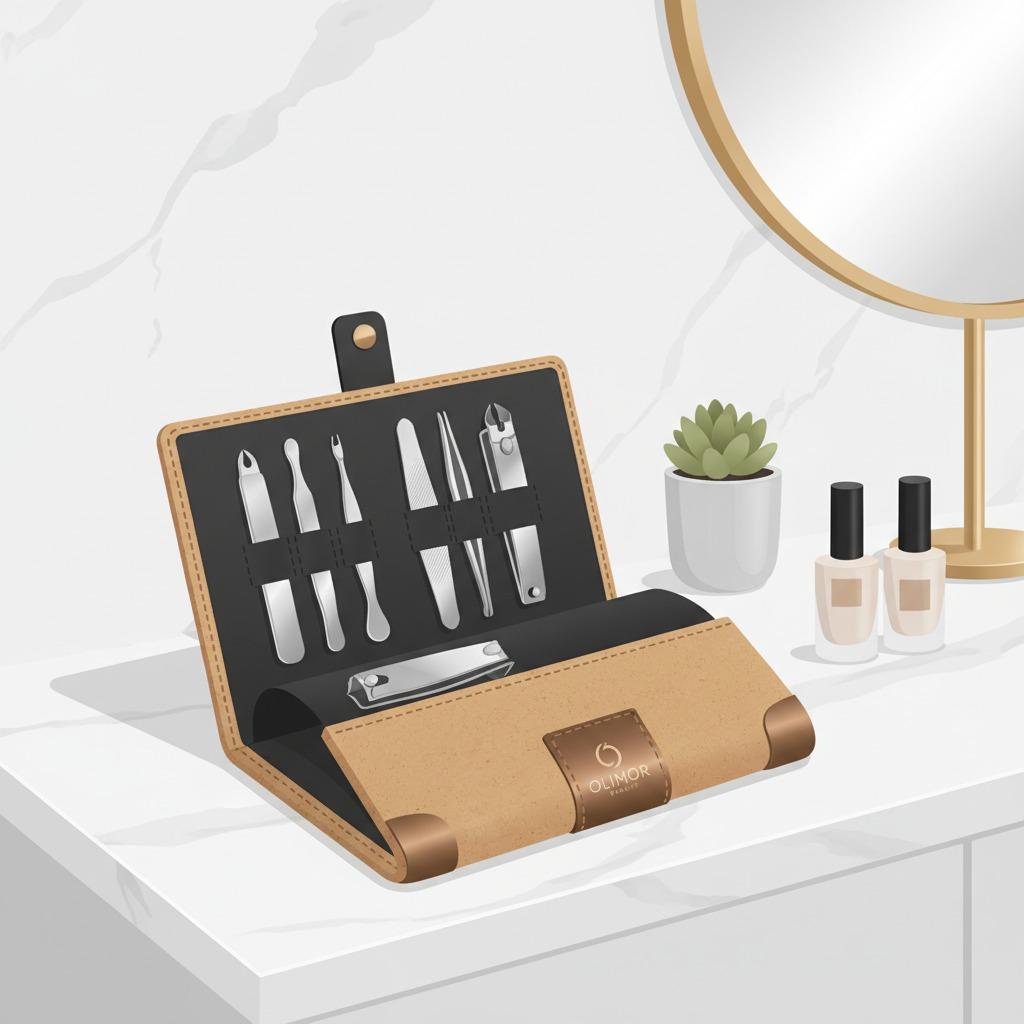











A professional nail cutter should do one job very well: trim nails cleanly, safely and with good control. For consumers, that means less crushing, fewer jagged edges and a more comfortable grooming routine. For retailers, distributors and private-label buyers, it means selecting a tool that feels reliable in the hand, looks consistent on shelf and can fit into a broader beauty-tool assortment without creating avoidable quality complaints.
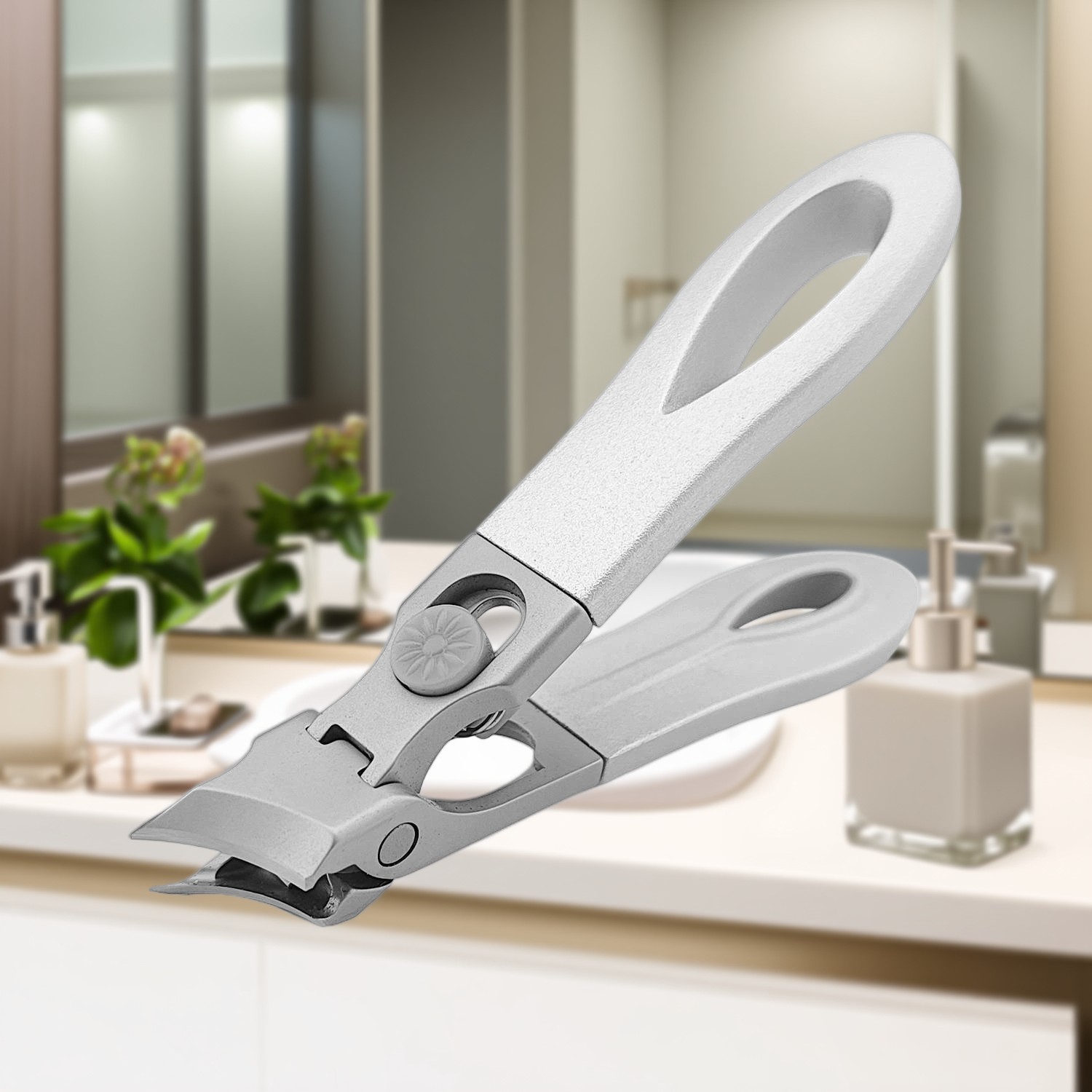
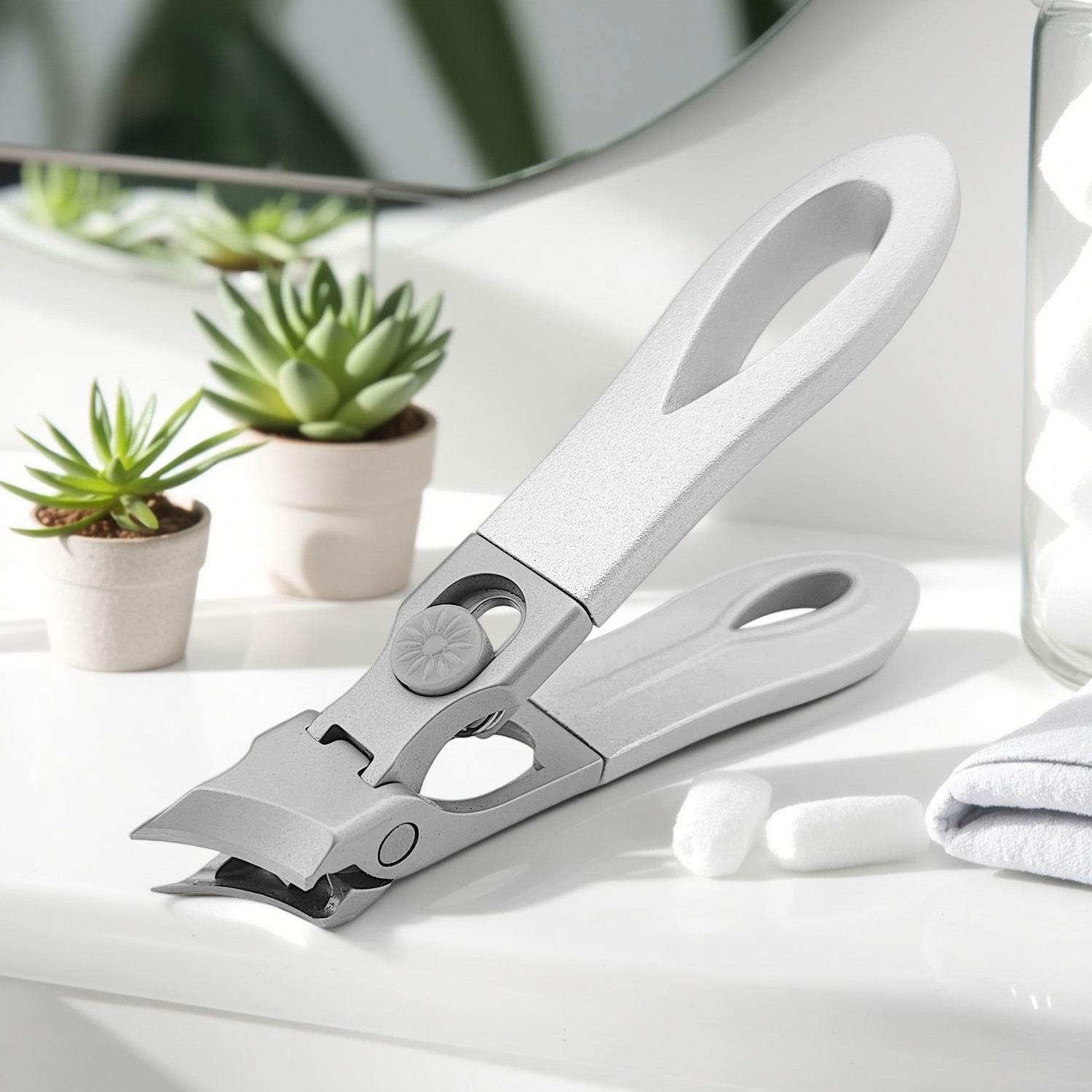
The Precision Titanium Nail Clipper from Olimor Beauty is positioned as a compact professional nail cutter with titanium construction, a contoured handle, an open-loop design, sharp curved blades and a floral-inspired pivot mechanism. These details are useful because nail cutters are judged in daily use, not only by appearance. A buyer should consider how the blade meets the nail, how pressure transfers through the handle, how the pivot moves, and how easily the tool can be cleaned and stored.
This guide explains how to evaluate a professional nail cutter for home care, travel kits, retail assortments and B2B sourcing. It also covers safe trimming technique, inspection points, maintenance habits and supplier questions to ask before placing an order.
What Defines a Professional Nail Cutter?
A professional nail cutter is not simply a shinier version of a basic clipper. It should combine sharp cutting edges, predictable alignment, comfortable leverage and stable construction. The tool should help the user cut in small, controlled sections instead of forcing the nail to split under pressure.
Blade alignment is the first practical test. When the upper and lower cutting edges meet evenly, the nail is more likely to separate cleanly. If the edges do not meet correctly, the clipper may bend the nail before cutting it. That can leave rough edges, cause discomfort and increase the need for extra filing.
Blade shape also matters. Curved blades are useful for routine grooming because they follow the natural outline of many fingernails and toenails. A curved cutting profile helps users trim gradually from one side to the other rather than making one deep, aggressive cut. This is especially important around nail corners, where over-cutting can cause tenderness or create a sharp edge.
Grip comfort is another professional feature. The Olimor Precision Titanium Nail Clipper is described with a contoured handle and secure grip. This matters for both individual users and retail buyers because control depends on how the hand interacts with the tool. A stable handle reduces slipping and helps the user apply pressure exactly where intended.
Key Product Details to Evaluate
The Precision Titanium Nail Clipper includes several design elements that are relevant when comparing professional nail cutters. Titanium construction is presented as a core product feature. For buyers, a robust metal body is important because the cutter must resist flexing when trimming thicker or stronger nails. Buyers should still verify the exact material details, finish requirements and inspection documents directly with the supplier before confirming any commercial order.
The open-loop design is another functional point. A more open handle or lever structure can make the tool easier to position and press, particularly when users need better visibility around the cutting edge. For a compact grooming tool, this can improve control without adding complexity.
The sharp curved blades are intended to adapt to the natural nail shape. This supports a cleaner edge and may reduce the amount of filing needed after trimming. In practice, buyers should check whether the blade curve suits the intended use: fingernail care, toenail care, travel kits, gift sets or general household grooming.
The floral-inspired pivot mechanism is described as both decorative and functional. A pivot is a small component, but it has a large effect on user experience. If the pivot is too loose, the blades may feel unstable. If it is too stiff, the cutter can feel difficult to operate. Smooth movement helps pressure transfer consistently from the handle to the blades.
The compact and lightweight format makes this type of nail cutter suitable for home storage, travel pouches and personal grooming sets. For B2B buyers, portability can also influence packaging style, retail display, shipping carton planning and assortment design.
Comparison: Basic Nail Clippers vs Professional Nail Cutters
When sourcing nail tools, it is useful to compare the cutter by performance features rather than by decoration alone. A professional nail cutter may look simple, but small differences in blade finish, pivot stability and handle shape can change how the tool performs during repeated use.
| Evaluation area | Basic nail clipper concern | Professional nail cutter priority |
|---|---|---|
| Blade alignment | May crush or bend the nail if edges do not meet evenly | Edges should meet cleanly for controlled trimming |
| Blade shape | Shape may not follow the nail curve well | Curved blades help guide small, gradual cuts |
| Grip and leverage | Flat or slippery handles can reduce control | Contoured handling supports stable pressure |
| Pivot action | Loose or rough movement can affect cutting confidence | Smooth pivot action helps transfer force evenly |
| Portability | May be compact but poorly protected in storage | Compact format should store safely in kits or pouches |
| Retail suitability | Finish and operation may vary between pieces | Consistent appearance and function support better customer experience |
For buyers reviewing a wider range of beauty tool products, this table can be used as a starting point for sample inspection. The goal is not to choose the most complicated tool, but to choose the cutter that performs reliably for the target customer.
How to Choose the Right Nail Cutter for Each Use Case
Different channels need different priorities. A salon-style grooming kit, a travel accessory range and a retail peg-display item may all use a compact nail cutter, but the purchase decision should be based on the user and selling environment.
For everyday home grooming
Choose a nail cutter with sharp curved blades, a comfortable handle and smooth opening and closing. Home users need a tool that can be used quickly but safely, especially for routine fingernail maintenance. A compact cutter that is easy to clean and store can become part of a regular grooming routine.
For thicker nails
Focus on leverage, stability and blade alignment. Thick nails should be trimmed gradually, and the cutter should not twist when pressure is applied. A contoured handle is useful because the user may need more force than with thin fingernails. Avoid evaluating this use case by sharpness alone; the overall structure must feel stable.
For travel kits
Portability and safe storage become more important. A compact professional nail cutter should fit into a pouch without damaging nearby items. Buyers should consider whether the packaging or travel kit protects the cutting edge and keeps the tool clean during transport.
For retail assortments and gift sets
Visual consistency, surface finish and packaging compatibility matter. The Precision Titanium Nail Clipper includes a decorative floral-inspired pivot, which can help the tool feel more refined while still serving a practical purpose. Retail buyers should check whether the design complements other grooming accessories in the same assortment.
For private-label or branded beauty programs
Supplier communication becomes critical. Define the intended user, finish expectations, packaging format, inspection process and market requirements before confirming production. If you are building a broader grooming range, compare cutters within relevant beauty tool collections to keep appearance and user experience consistent.
Safe Nail Cutting Technique for Cleaner Results
A well-made nail cutter improves control, but safe technique is still essential. The best results usually come from trimming in small steps, especially for toenails or thicker nails. Avoid forcing one large cut across the nail, because that can create sharp corners or cause the edge to split.
- Clean and dry the nail area first. Wash hands or feet and remove visible debris before trimming. Dry skin and nails help prevent slipping.
- Soften thick nails when appropriate. Trimming after bathing or a short soak can make thicker nails easier to cut. The tool and nail should not be so wet that grip is reduced.
- Position the curved blade carefully. Match the blade to the natural nail edge and avoid pushing the cutter too far under the nail.
- Cut gradually from one side to the other. Several small cuts give more control than one deep cut.
- Avoid deep corner trimming. Cutting too far into the sides can cause discomfort and may contribute to problem nail edges.
- Finish with a file when needed. If a sharp point remains, smooth it with a suitable nail file instead of repeatedly clipping the same area.
- Clean the tool after use. Remove nail fragments from the blades and pivot so the cutter remains hygienic and operates smoothly.
Shared tools require extra attention. In households, salons, sample testing rooms or retail demonstrations, nail tools should be cleaned between users according to the buyer’s hygiene policy and applicable local requirements.
Maintenance, Storage and Inspection
Maintenance affects both hygiene and cutting performance. After each use, remove nail pieces from the blade area and wipe the cutter with a clean, dry cloth. If a disinfecting method is used, choose one appropriate for personal grooming tools and dry the cutter completely before storage. Damp storage can encourage residue buildup and may affect long-term appearance or operation.
Store the cutter where the blades are protected. In a travel pouch or grooming kit, avoid placing the cutting edge directly against loose metal accessories that may cause scratches or dulling. For retail sets, packaging should hold the tool securely so it does not move excessively during shipping or display.
Inspection should be part of both personal use and B2B purchasing. A user should replace or retire a cutter if it begins crushing nails instead of cutting them, if the pivot becomes unstable, or if the blades no longer meet evenly. A buyer should check sample pieces for repeatable operation before approving a larger order.
Sample inspection checklist
- Do the cutting edges meet evenly without visible gaps?
- Does the curved blade feel appropriate for the intended nail type?
- Does the handle feel secure when pressure is applied?
- Does the pivot open and close smoothly without looseness or grinding?
- Is the surface finish consistent across samples?
- Can nail fragments be removed easily after use?
- Does the tool fit the intended packaging, travel pouch or grooming set?
- Are supplier documents, product descriptions and packaging claims consistent?
B2B Sourcing Questions: Cost, Customization and Supplier Evaluation
For retailers, distributors and beauty brands, the best professional nail cutter is the one that matches the target market, quality expectation and purchasing model. Unit cost is only one part of the decision. Total cost can be influenced by material selection, finish complexity, packaging, customization, inspection requirements, shipping method and after-sales handling.
Customization should be discussed clearly before sampling. Buyers may need packaging artwork, assortment coordination, retail display requirements or branding options. Do not assume that every finish, logo method or package style is available for every item. Confirm feasibility with the supplier and review physical samples whenever possible.
Quality expectations should also be documented. For a nail cutter, the most important functional checks are blade alignment, sharpness, pivot stability, handle comfort and finish consistency. For commercial orders, buyers should ask what inspection process is used and what documents can be provided for the specific product and shipment.
Market compliance depends on where the product will be sold. For consumer products, buyers may need to consider current requirements from recognized bodies or regulators such as the U.S. Consumer Product Safety Commission or the European Commission’s General Product Safety Regulation framework. Requirements can change, and they may differ by market, packaging, labeling and product composition. Always verify current versions, applicable rules and supplier documents before import or sale.
If you are comparing a nail cutter for a retail program, travel kit or private-label grooming range, prepare a concise brief before requesting a quote. Include the intended sales channel, target customer, packaging preference, customization needs, inspection expectations and destination market. For direct sourcing discussion, submit details through the product inquiry form or reach the team through Olimor contact support.
Why the Precision Titanium Nail Clipper Fits Practical Nail Care
The Precision Titanium Nail Clipper is suitable for buyers and users who want a compact professional nail cutter focused on control, portability and clean trimming. Its described titanium construction supports a durable product impression, while the contoured handle helps with grip. The open-loop design can make the tool easier to position, and the sharp curved blades support controlled cuts along the natural nail edge.
The floral-inspired pivot adds a visual detail without moving away from the tool’s main function. For retail buyers, that balance can be valuable: the product looks considered, but the selling point remains practical grooming. For travel and home users, the compact format makes it easier to keep the cutter available when a broken or overgrown nail needs attention.
The most important buying principle is simple. Choose a nail cutter by how it performs in the hand, not by appearance alone. A reliable professional nail cutter should cut cleanly, feel stable, store safely and be easy to maintain. When those basics are right, the tool can support a better grooming experience for individual users and a stronger product offer for B2B buyers.
FAQ
Can I request samples before placing a bulk order?
Sample availability depends on the product status and sourcing requirements. Buyers should contact Olimor with the intended use, destination market and any packaging or customization needs so the correct sample options can be discussed.
Is there a minimum order quantity for professional nail cutters?
MOQ can vary by product, packaging, customization and production plan. Confirm the current requirement directly with Olimor before preparing a purchase order or retail launch schedule.
Can the nail cutter be customized for a retail or private-label program?
Customization may involve packaging, assortment planning or branding details, depending on feasibility for the selected item. Buyers should provide artwork, market requirements and expected presentation style for review.
How should buyers evaluate quality before ordering?
Review physical samples for blade alignment, grip comfort, pivot smoothness, cutting consistency and finish quality. Also verify the latest supplier documents and any market-specific compliance requirements before import or sale.
What affects lead time for nail cutter orders?
Lead time can be affected by stock status, order quantity, packaging, customization, inspection requirements and shipping arrangements. Ask for the current schedule during the inquiry stage rather than relying on a general estimate.