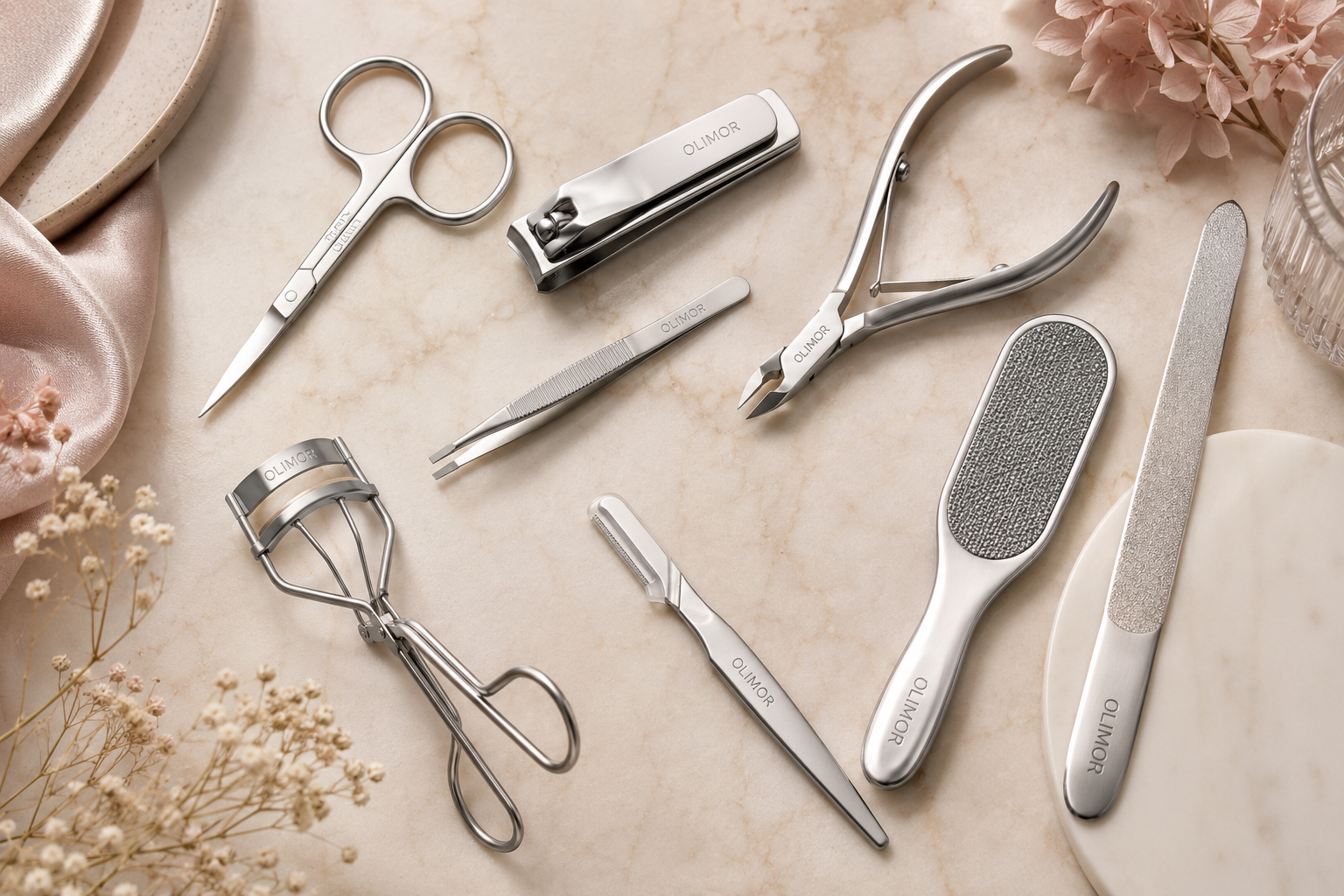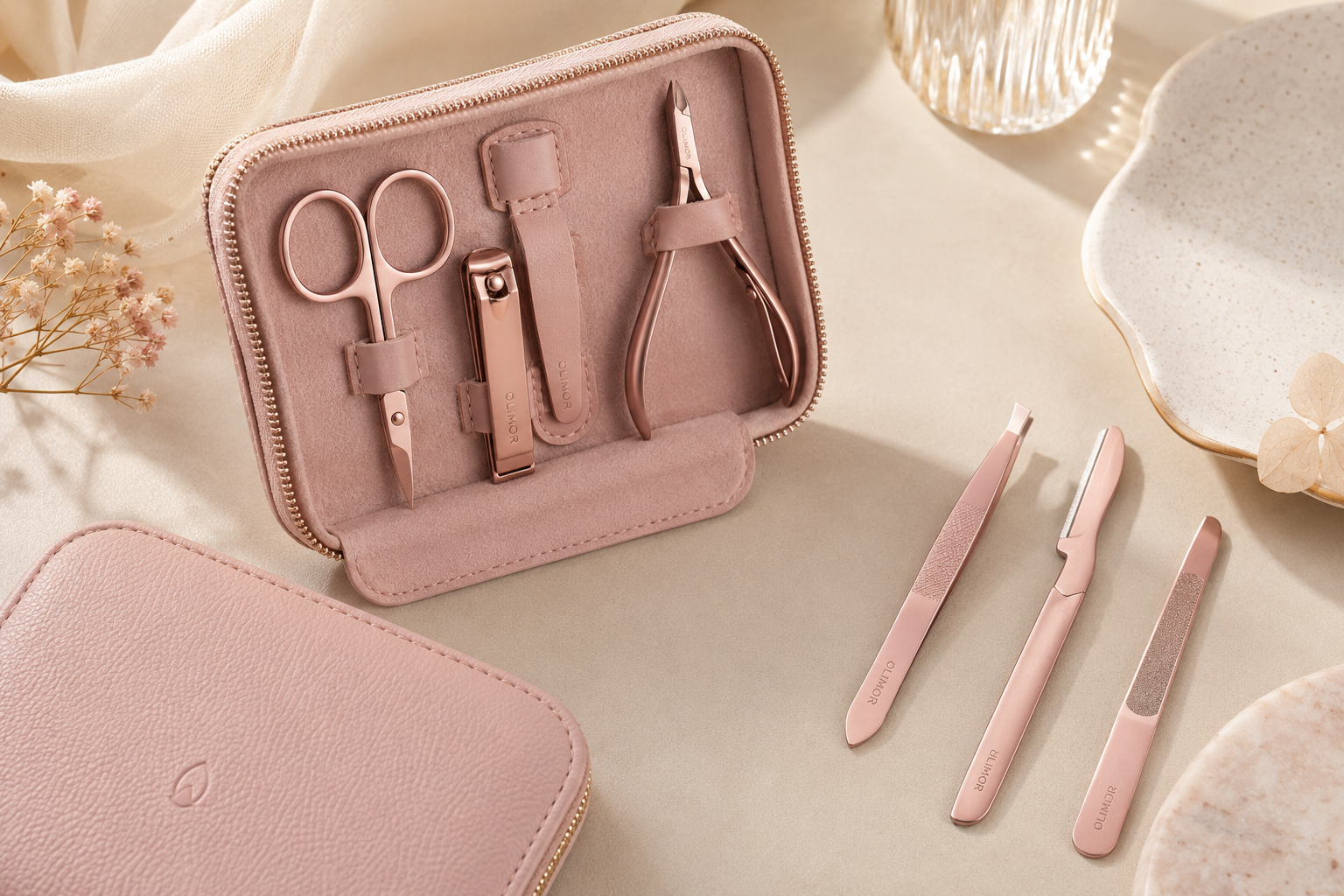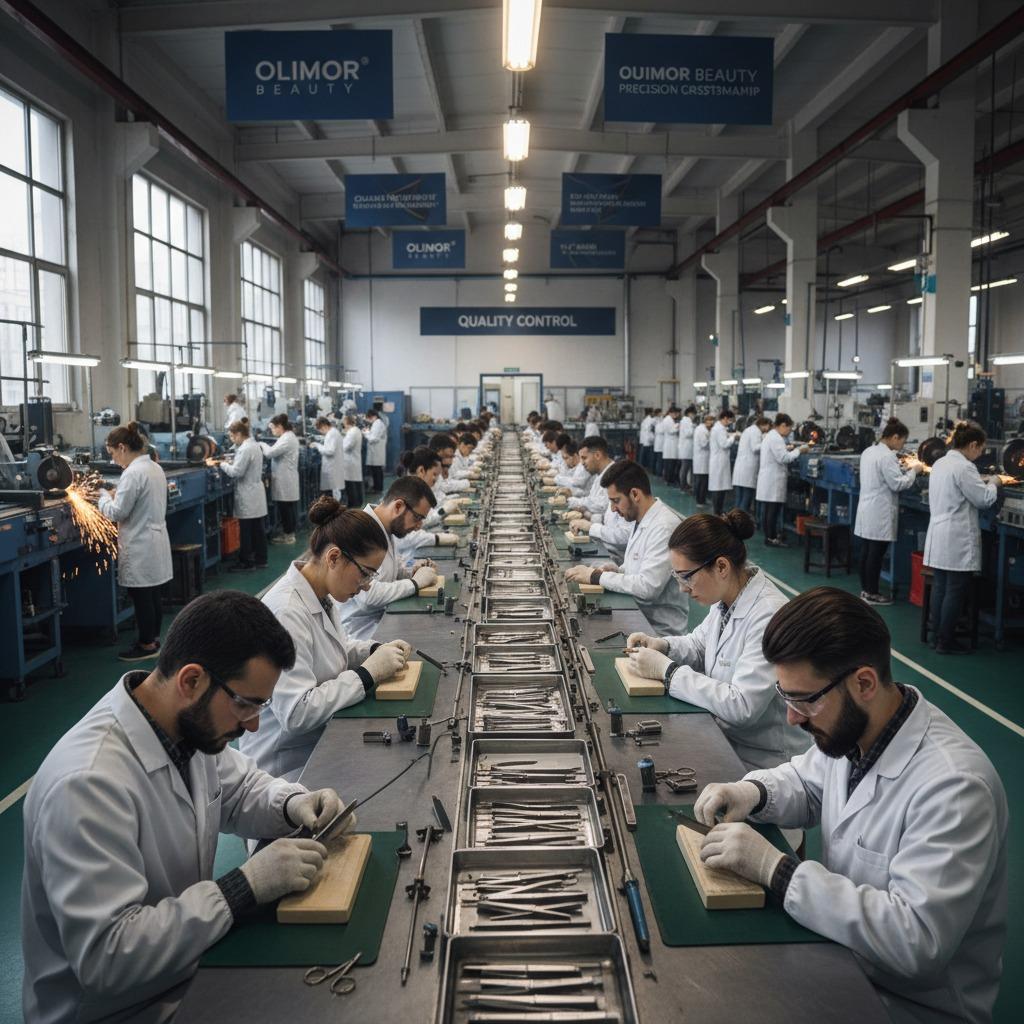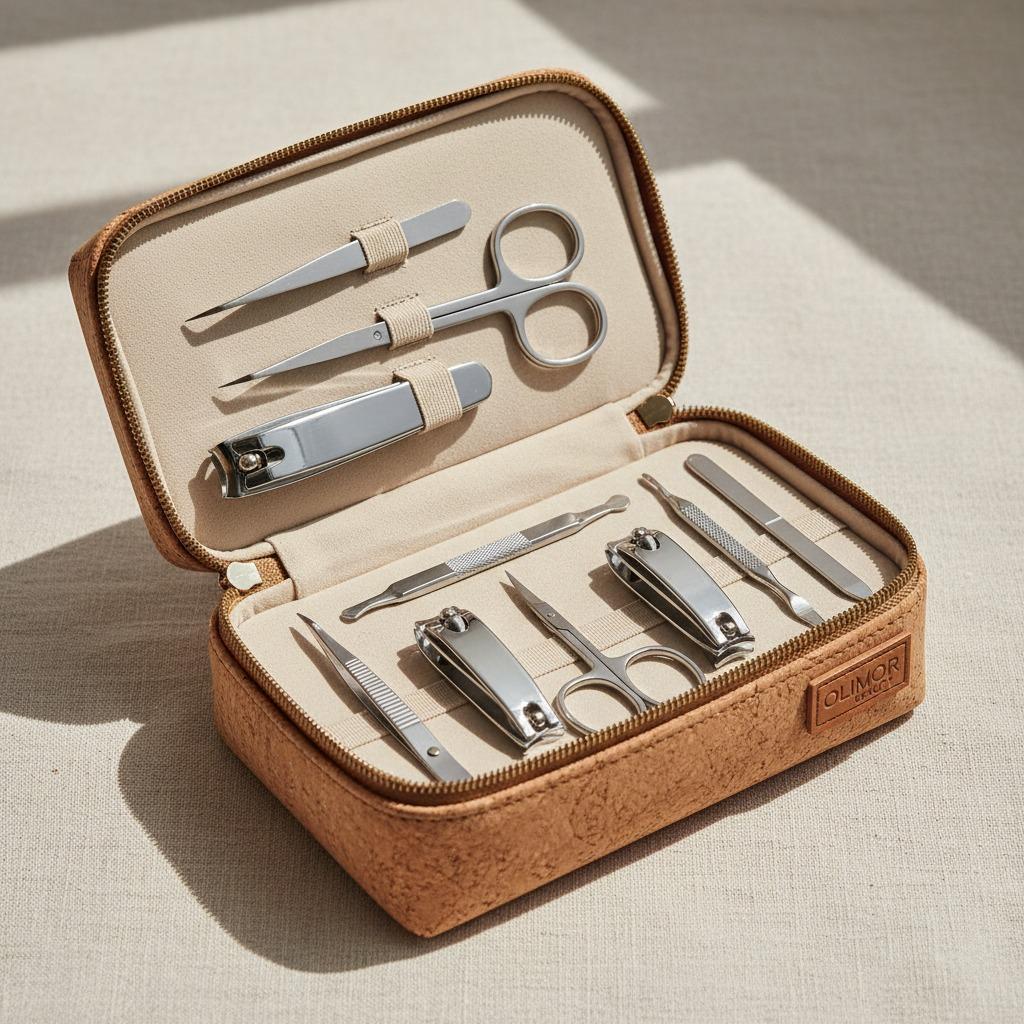











Cuticle nippers are small tools, but they carry a large share of the user experience in a manicure set. A clean cut, controlled grip, balanced spring action, and durable cutting edge can make the difference between a tool that feels professional and one that quickly damages a brand’s reputation. For salons, retailers, hospitality buyers, and private label beauty brands, choosing the right cuticle nippers manufacturer is not simply a sourcing task. It is a product quality decision that affects repeat purchases, customer trust, and how confidently a brand can expand its manicure tool line.
Many buyers begin by comparing prices from general distributors, catalog suppliers, and specialist manufacturers. A distributor may be useful for ready-made assortment buying, but a dedicated manufacturer offers a deeper route to quality control, customization, and long-term consistency. Olimor Beauty works in the professional beauty tools field, supporting buyers who need reliable manicure tools rather than anonymous off-the-shelf items. This guide explains how to evaluate a manufacturing partner, what to inspect in a cuticle nipper, and where private label decisions can improve the finished product.
Why a Specialist Cuticle Nippers Manufacturer Matters
A general professional beauty tools supplier may offer nail files, tweezers, scissors, foot care tools, and cuticle nippers from different sources. That broad catalog can be convenient, but it may also create variation in finish, hand feel, alignment, packaging, and after-sales consistency. For a brand building a recognizable manicure range, these variations can create avoidable quality problems.
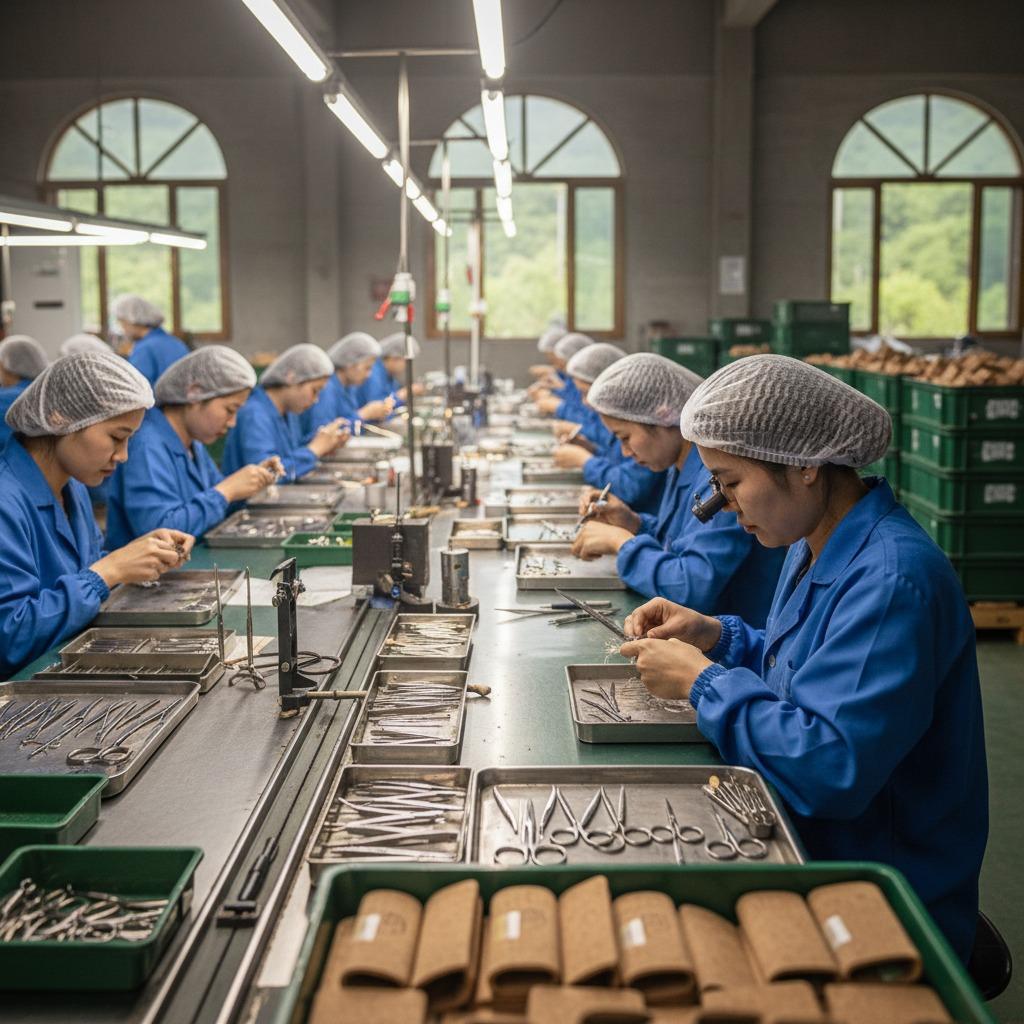
A specialist cuticle nippers manufacturer is closer to the product decisions that matter: material sourcing, forming, sharpening, polishing, assembly, spring tension, inspection, and packing. Even when exact specifications vary by project, the core advantage is process control. The buyer can discuss cutting performance, handle shape, finish preference, packaging direction, and market expectations with a team that understands how those decisions influence the final tool.
This is especially important for private label manicure tools. A cuticle nipper is not judged only by how it looks in a product photo. Users judge whether the jaws meet evenly, whether the edge feels sharp without being rough, whether the handles sit comfortably, and whether the tool keeps performing after repeated use. If your business sells to professionals, hotels, spas, or retailers, consistency across batches is as important as the first sample.
Supplier vs. Manufacturer: What Buyers Should Compare
The right choice depends on your business model, but buyers should understand the practical differences before placing an order. A catalog supplier may be suitable for testing a small assortment quickly. A manufacturing partner is usually the stronger choice when you need product identity, repeatable quality, and a stable supply relationship.
| Decision Point | General Supplier | Specialist Manufacturer |
|---|---|---|
| Product consistency | May vary by source or batch | More direct control over production and inspection |
| Private label options | Often limited to basic packaging or logo placement | Better suited for brand, finish, packaging, and assortment planning |
| Technical discussion | May focus on available stock | Can discuss cutting feel, alignment, handle comfort, and finishing choices |
| Long-term range building | Useful for mixed catalog buying | Better for developing a recognizable manicure tool line |
| Export coordination | Depends on trading setup | Can support production planning and export communication more directly |
For buyers comparing options, the key question is not only “Who can supply cuticle nippers?” but “Who can help us keep the same quality standard as our business grows?” That is where a dedicated manufacturing relationship becomes valuable.
Quality Details That Define a Professional Cuticle Nipper
Cuticle nippers appear simple, but the best results come from many small decisions working together. Buyers do not need to be engineers to evaluate them. A practical inspection approach can reveal whether a tool is suitable for professional or branded use.
- Jaw alignment: The cutting edges should meet cleanly and evenly. Misalignment can pull skin, leave ragged edges, or reduce control.
- Cutting edge finish: The edge should be sharp enough for precise trimming but finished well enough to avoid roughness or uneven cutting.
- Handle comfort: The grip should suit the intended user. Salon professionals may use the tool repeatedly, so hand fatigue matters.
- Spring action: Opening and closing should feel smooth and controlled, not loose, stiff, or unpredictable.
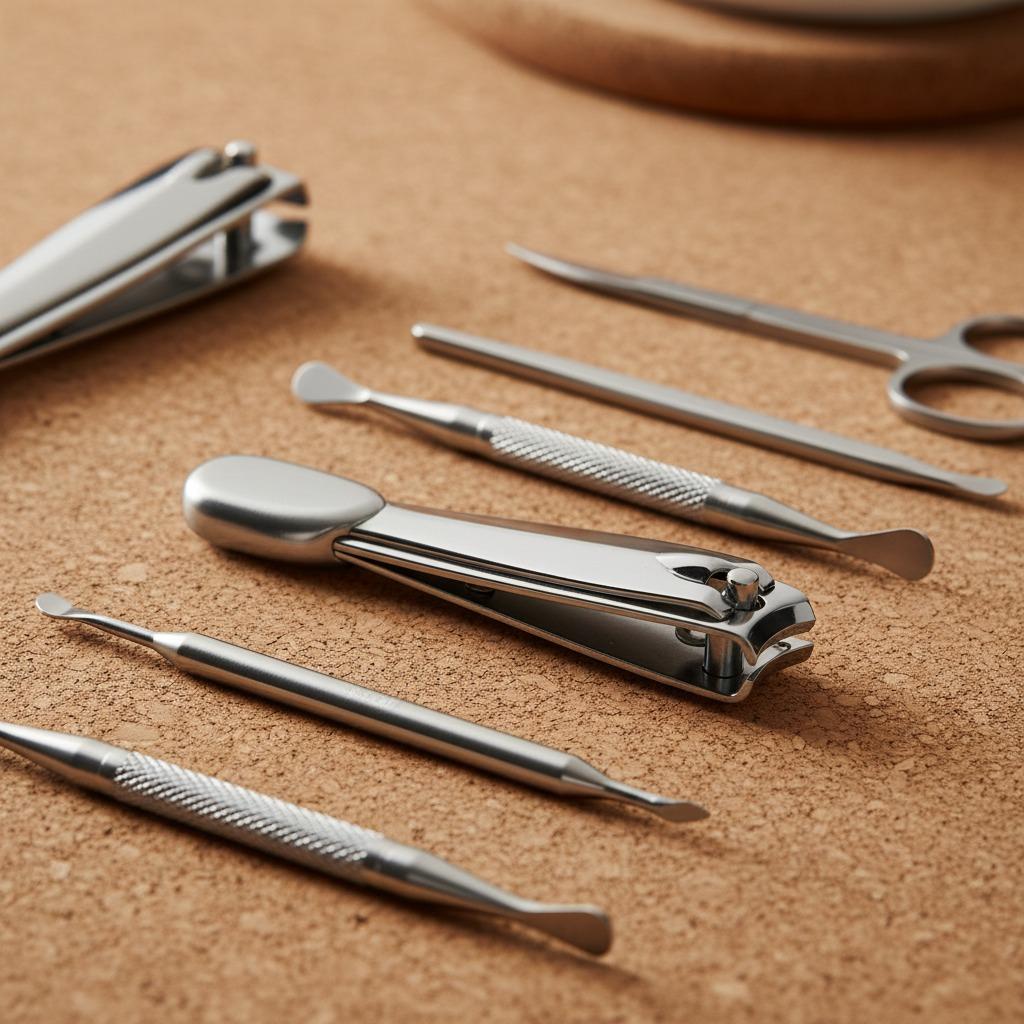
- Surface finish: Polishing and finishing affect both appearance and cleanability. The finish should match the positioning of the brand.
- Packaging protection: Cutting edges need protection during shipping and storage. Packaging should reduce movement and support presentation.
These checks are useful for both sample approval and incoming inspection. They also help buyers communicate clearly with a manufacturer. Instead of asking only for “better quality,” a buyer can discuss specific performance points such as jaw closure, spring feel, edge protection, or packaging durability.
Private Label Manicure Tools: Branding Beyond a Logo
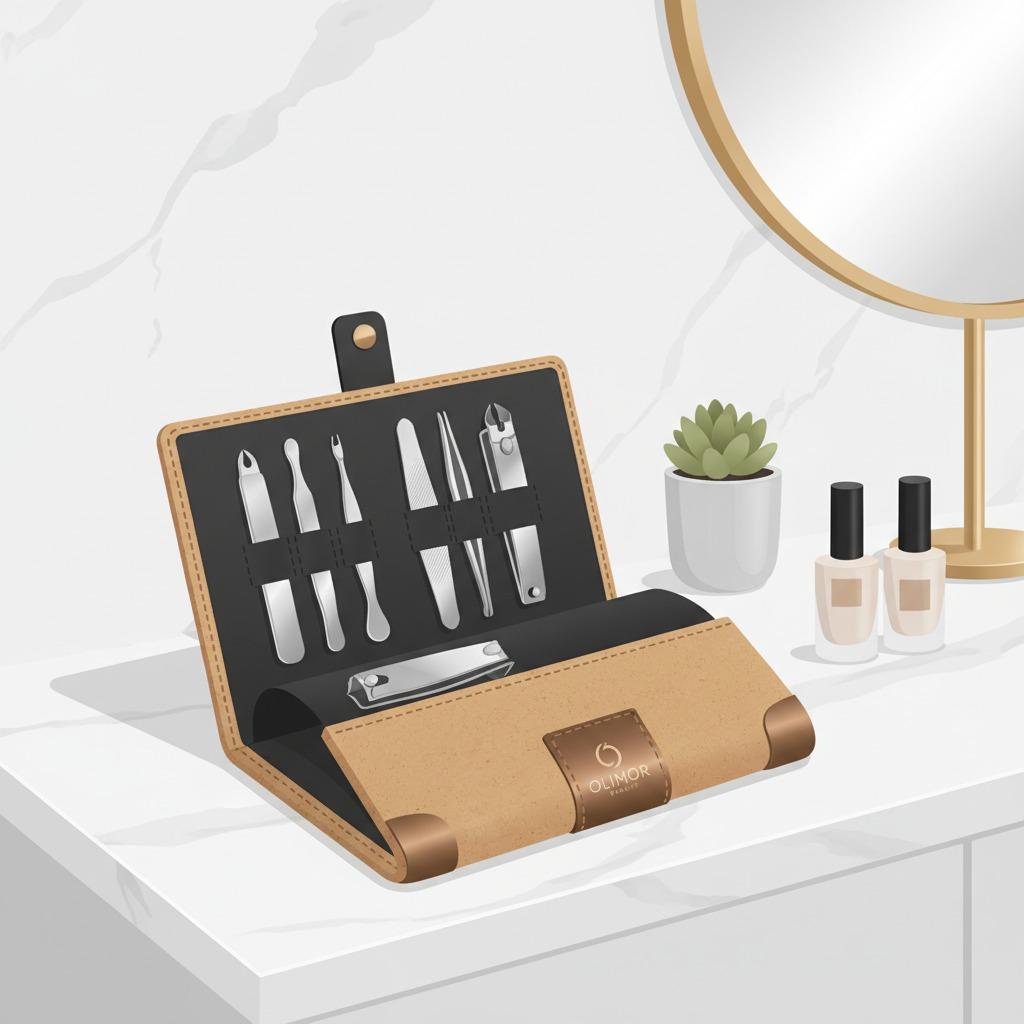
Private label is often misunderstood as placing a logo on an existing item. For beauty tool buyers, it can be more strategic than that. A private label cuticle nipper should fit the visual and functional language of the entire manicure range. The finish, packaging, grip style, and set composition should all support the same brand promise.
When developing private label manicure tools, consider how the cuticle nipper will be sold. A salon-focused item may need a more professional presentation and clear product handling instructions. A retail manicure kit may need compact packaging, strong shelf appeal, and consistent appearance across tools. Hotel amenity beauty tools may require a different balance of presentation, durability, and packing efficiency. The product must match the channel rather than follow a generic catalog format.
Olimor Beauty can be considered by buyers looking at beauty tool products for manicure ranges, professional assortments, and branded sourcing programs. If you are planning a broader nail care line, it is also helpful to review related product collections so the cuticle nipper does not feel disconnected from the rest of the range.
Export Readiness and Guangdong Manufacturing Advantages
The original sourcing decision is only one part of a successful project. Export coordination, sample confirmation, production communication, packing expectations, and documentation flow also affect the buying experience. Working with an experienced manicure tools exporter in Guangdong can be valuable because the region is closely connected to beauty tool manufacturing, component sourcing, finishing resources, and export processes.
Buyers should look for clear communication rather than broad claims. A reliable manufacturing partner should be able to discuss product options, packing preferences, sample review steps, labeling requirements, and shipment preparation in a practical way. If your market has specific compliance, labeling, or retail packaging expectations, prepare those requirements early so the manufacturer can evaluate them before production decisions are locked.
Export readiness is not only about shipping goods. It is about reducing misunderstandings before production begins. The more clearly a buyer defines product use, target market, quality expectations, packaging needs, and inspection criteria, the easier it is to build a repeatable supply program.
Use Cases: Salons, Retail Brands, Spas, and Hospitality
Different customers use cuticle nippers in different ways, so one specification does not suit every channel. A professional salon buyer may prioritize balance, edge performance, and durability under frequent use. A retail beauty brand may value consistent finish, protective packaging, and a clean visual identity. A spa or hospitality buyer may need a tool that supports a polished guest experience while fitting amenity or treatment-room requirements.
Before choosing a cuticle nippers manufacturer, define the main use case. Is the item a standalone professional tool, part of a manicure kit, a gift set component, or a hospitality amenity? Will it be sold online, displayed in retail packaging, or used by trained staff? These answers influence packaging, finish, instruction content, and acceptable handling requirements.
For buyers comparing product directions, the following questions help narrow the brief:
- Who is the end user: nail technician, retail consumer, spa guest, or hotel guest?
- Will the nipper be sold alone or included in a multi-tool set?
- What level of presentation is needed for the sales channel?
- How important are repeat orders with the same appearance and feel?
- Are there market-specific labeling, packaging, or import requirements?
Maintenance Guidance to Support Customer Satisfaction
Even a well-made cuticle nipper needs correct handling. Brands can reduce complaints by providing simple care guidance with the product or on the packaging. The instructions do not need to be complicated, but they should help users protect the cutting edge and maintain hygienic use.
Basic care guidance can include cleaning after use, drying the tool before storage, keeping the cutting edge protected, avoiding drops, and using the nipper only for its intended purpose. If the product is intended for professional settings, buyers should align care instructions with the hygiene practices expected in their market. Clear maintenance guidance helps users understand that precision tools require proper handling, and it supports a more professional impression of the brand.
How to Build a Better Buyer Brief
A strong buyer brief makes manufacturing discussions more efficient. Instead of sending a vague request for “high-quality cuticle nippers,” prepare a short document that describes the product goal. Include the target market, intended use, preferred finish, packaging style, logo or branding needs, inspection concerns, and any market requirements you already know.
It is also useful to define what you consider unacceptable. For example, you may want to reject uneven jaw contact, unstable spring movement, visible surface defects, packaging that allows edge damage, or inconsistent branding placement. These criteria help both buyer and manufacturer focus on measurable quality rather than subjective impressions.
If your company is ready to compare options or discuss a private label manicure tool project, you can send an inquiry with your product brief. For broader sourcing questions, you may also contact Olimor to discuss the intended market and product direction.
Choosing a Long-Term Manufacturing Partner
The best cuticle nippers manufacturer is not simply the one that sends an attractive first sample. The stronger partner is the one that understands how the tool will be used, can communicate clearly about production choices, and helps maintain consistency across future orders. For professional beauty tool buyers, that reliability is essential.
Olimor Beauty focuses on the practical needs of brands and buyers sourcing manicure tools: quality awareness, product presentation, private label support, and export-oriented communication. By evaluating cuticle nippers through the lens of alignment, cutting feel, comfort, packaging, and market fit, buyers can avoid generic sourcing decisions and build a product line that feels deliberate, professional, and trustworthy.