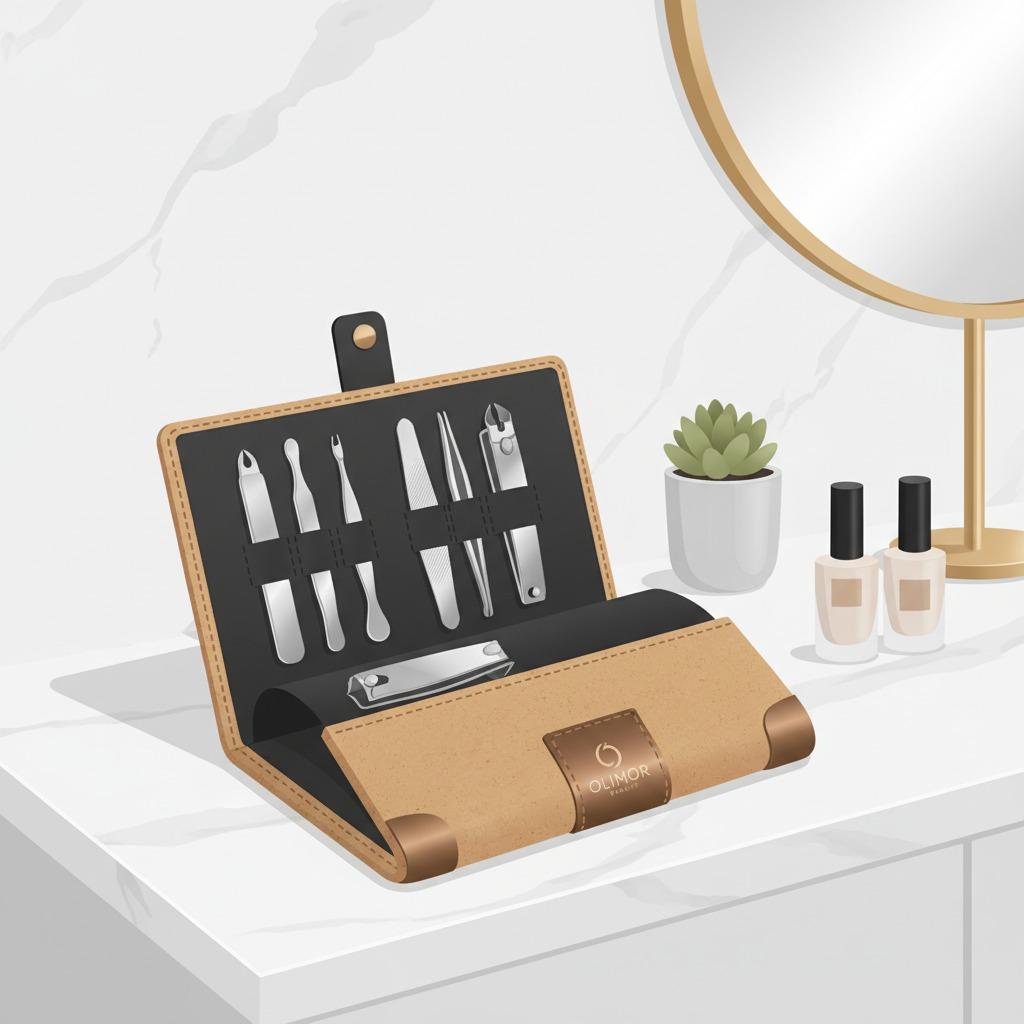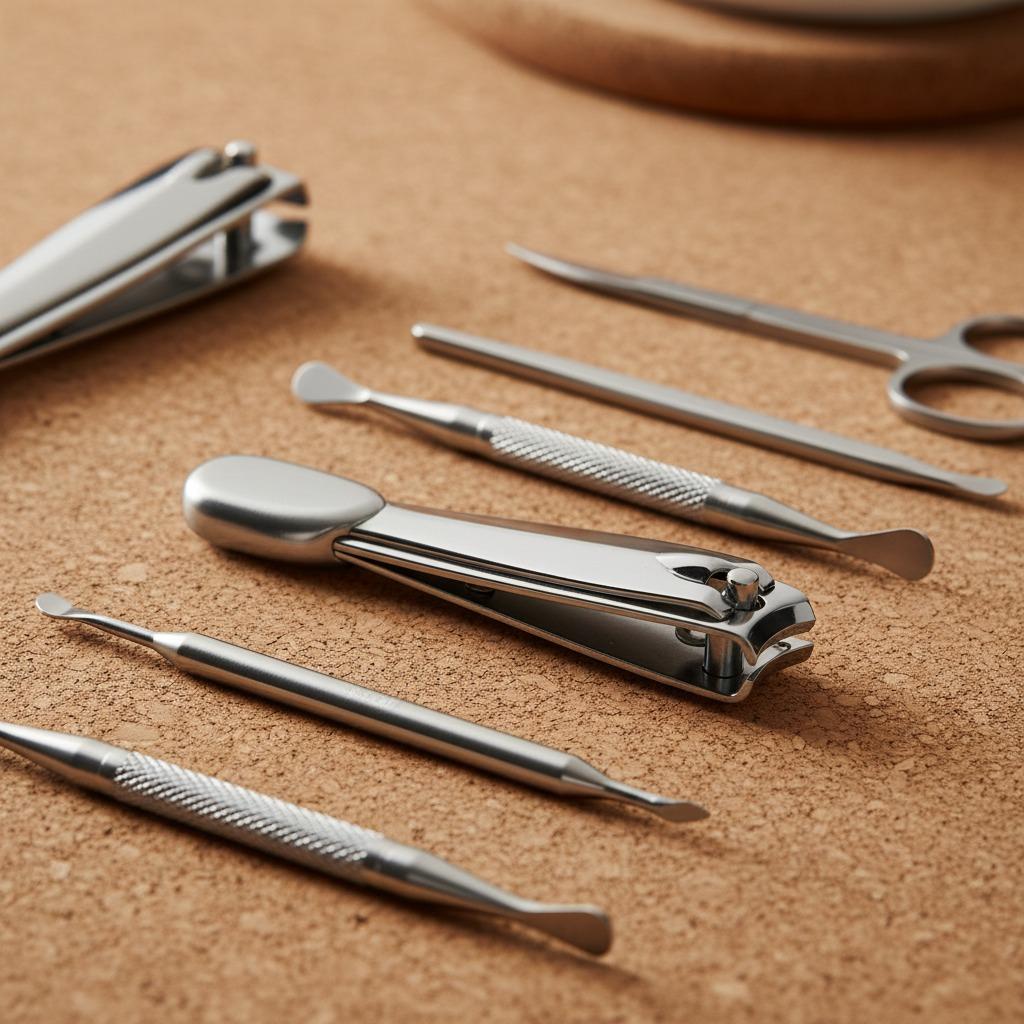











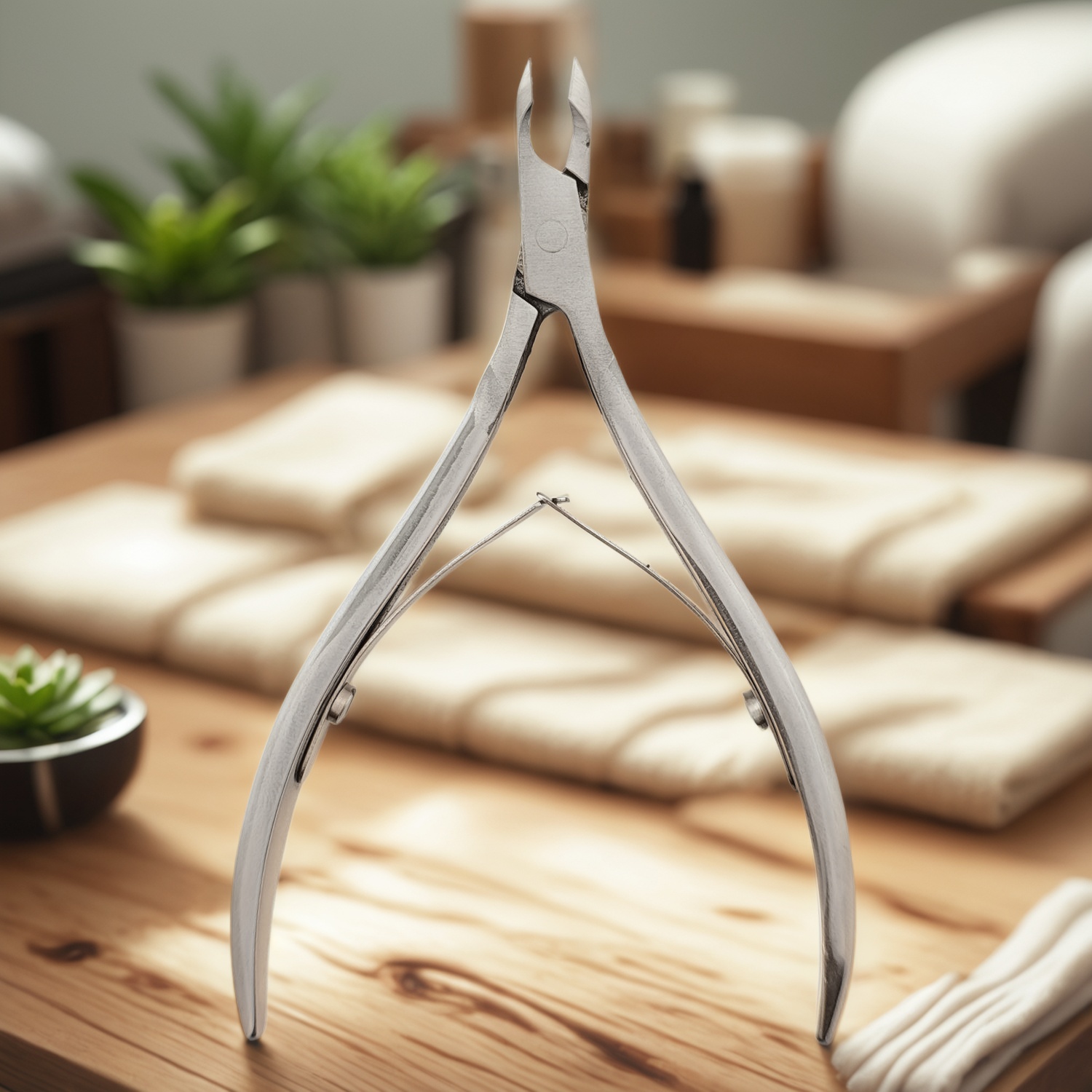
Cuticle nippers are small manicure tools, but they have a large effect on product reputation. A clean-cutting, balanced and well-finished nipper can support a salon range, retail line, distributor catalog or hotel amenity kit. A dull, misaligned or uncomfortable tool can quickly create complaints, returns and doubts about the rest of your beauty tool assortment.
For B2B buyers, the main sourcing question is not simply where to buy cuticle nippers in bulk. The better question is how to evaluate a cuticle nippers manufacturer for material selection, blade alignment, spring action, ergonomic handling, surface finish, private label support, packaging protection and shipment readiness. Olimor Beauty supplies manicure and grooming tools for business buyers, including stainless steel cuticle nippers and private label manicure tools for professional, retail and hospitality applications.
This guide explains how to compare suppliers, review samples and build a practical product brief before confirming a bulk order.
Who Needs Manufacturer-Direct Cuticle Nippers?
Different buyers evaluate cuticle nippers through different commercial priorities. A salon brand may focus on control and repeated use. A retail buyer may care about finish quality, packaging and clear care instructions. A distributor may need consistent cartons and repeatable product appearance. A hotel or travel amenities buyer may need compact grooming tools that feel clean, refined and practical for guest use.
Manufacturer-direct sourcing is especially useful for:
- Private label beauty brands building manicure tool sets or standalone cuticle care products.
- Salon and spa suppliers seeking professional manicure tools with controlled handling.
- Beauty distributors sourcing stainless steel grooming tools for regional or international resale.
- Hospitality buyers adding grooming tools to hotel rooms, suites, spa areas or travel kits.
- E-commerce sellers needing consistent product appearance, protective packaging and stable customer experience.
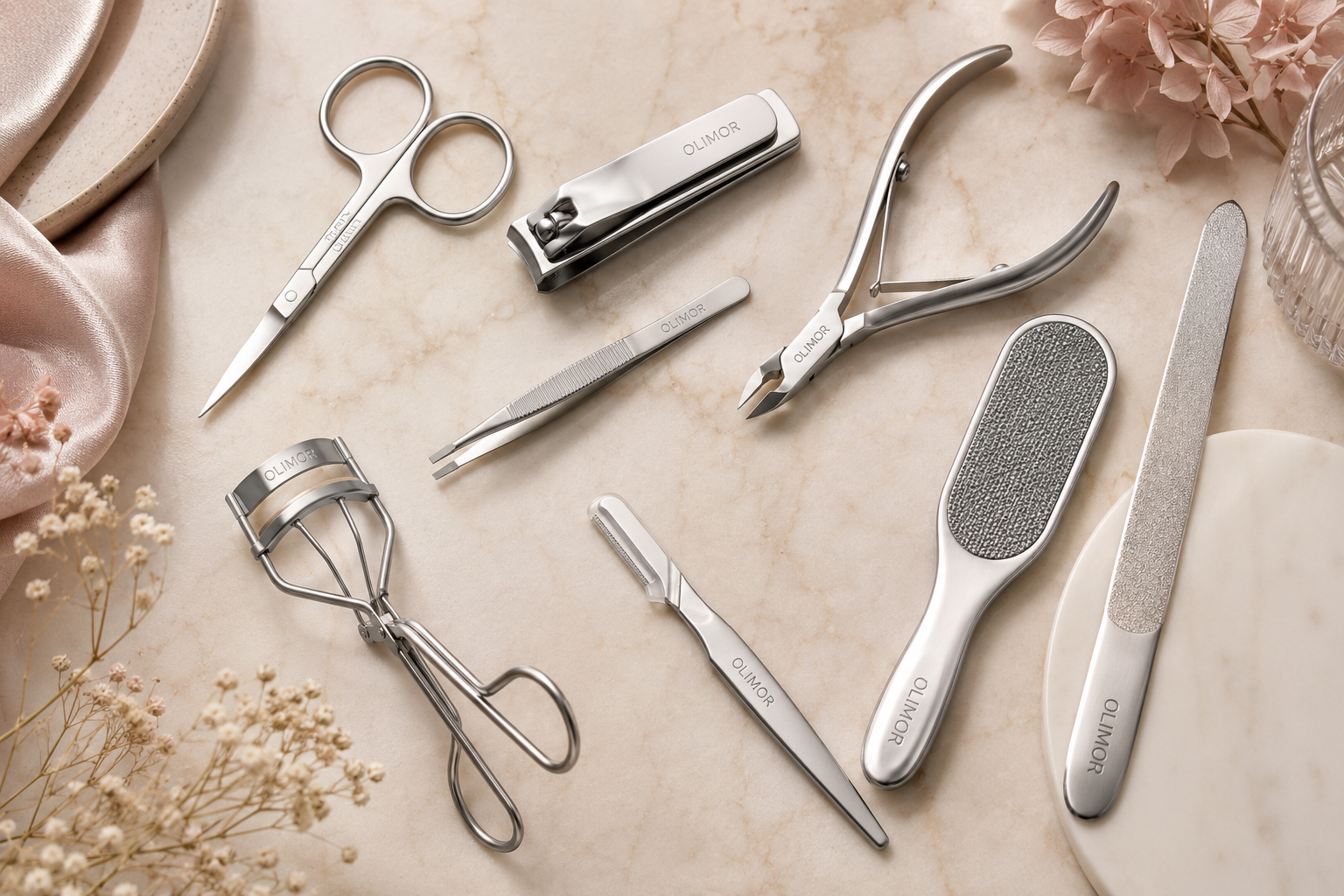
If you are planning a wider nail care range, compare related Olimor beauty tool products before finalizing a single nipper design. This helps confirm whether the cuticle nipper matches your nail files, tweezers, scissors or grooming accessories in finish, positioning and packaging style.
Why Manufacturer Expertise Matters
A cuticle nipper depends on mechanical precision. The two blades must meet accurately, the hinge must move smoothly, the spring must return consistently and the handles must allow controlled pressure. If one of these elements is poorly made, the tool may pinch, pull, crush or slip instead of trimming cleanly.
A specialized manicure tools manufacturer is more likely to understand the production details behind a usable nipper. Catalog photos can show the shape, but they cannot prove whether the jaw alignment is stable, whether the cutting edge is finished properly or whether the tool feels balanced in the hand. For business buyers, this difference affects more than one shipment. It affects repeat orders, salon feedback, online reviews, distributor confidence and the perceived quality of a branded kit.
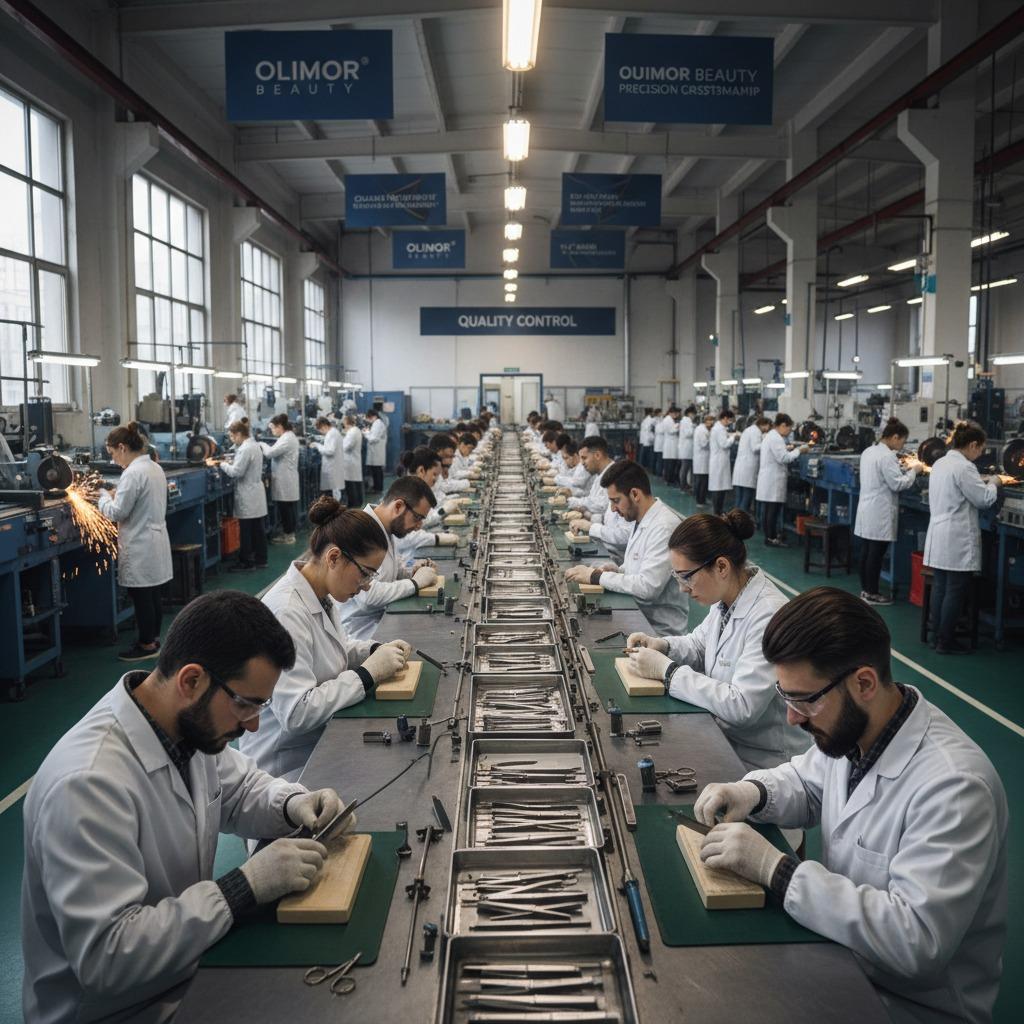
When comparing suppliers, look for clear communication about sample evaluation, quality checks and packaging preparation. A reliable supplier should be able to discuss how the product is formed, sharpened, assembled, finished and inspected before shipment. Buyers should also request and verify any applicable supplier documentation instead of assuming that a factory follows a specific standard.
What Makes a Professional Cuticle Nipper?
A professional-grade cuticle nipper does not need exaggerated claims. It needs dependable cutting, smooth movement, comfortable handling and a finish that supports clean use and brand presentation. Stainless steel is commonly preferred for manicure nippers because it is durable, clean-looking and suitable for tools that may be wiped, dried and stored after use. However, material alone does not guarantee performance. Workmanship determines whether the tool is actually usable.
Blade Alignment and Cutting Edge
Start sample inspection at the cutting edge. The blades should meet evenly through the intended cutting area, with no obvious gap, overlap or distorted tip. A cuticle nipper is used near delicate skin, so a tool that pulls or tears instead of cutting can damage the user experience immediately.
Sharpness should feel controlled, not aggressive or jagged. The best evaluation is practical use under realistic manicure conditions. Check whether the nipper trims small pieces cleanly with minimal pressure and whether the tip allows careful work around narrow nail folds.
Hinge Movement and Spring Action
The joint should open and close without wobbling, grinding or uneven resistance. If the hinge is too loose, the blades may shift during use. If it is too tight, users may experience hand fatigue and inconsistent control. A smooth spring-action mechanism helps the handles reopen naturally after each cut, supporting rhythm during repeated trimming.
When a spring is included, it should not snap back harshly or feel weak between samples. Compare several samples from the same submission to see whether the movement is consistent, not just acceptable on one piece.
Handle Comfort and Ergonomics
Ergonomics influence precision. Salon technicians may use cuticle nippers many times during a workday, so handle shape, grip width, balance and pressure points matter. Home users also benefit from a stable handle because they may have less professional training. Hospitality guests may use the tool only occasionally, but they still judge the amenity by how clean, comfortable and controlled it feels.
Look for smooth non-cutting edges, a secure grip, no awkward pressure points and a handle shape that supports steady control. Decorative finishes should not compromise comfort, cleanability or safe handling.
Surface Finish and Presentation
Surface finishing affects both comfort and perceived value. Check for burrs, staining, visible tool marks, rough joints, unfinished edges or uneven polishing. A clean finish makes the product feel more refined and reduces the chance of discomfort in the hand. For private label retail products, the finish is often judged before the customer ever tests the cutting performance.
Selection Priorities by Sales Channel
The right cuticle nipper specification depends on how the product will be sold and used. A salon-focused model may prioritize repeated cutting comfort. A retail product may require stronger shelf presentation and instructions. A hotel amenity tool may need compact packaging and clean presentation. Use the table below to shape your sourcing brief before asking for quotations.
| Buyer or Channel | Main Priority | What to Check in Samples | Common Sourcing Risk |
|---|---|---|---|
| Salons and nail professionals | Control, clean trimming and comfort during repeated use | Blade alignment, hinge smoothness, spring response, handle comfort and fatigue resistance | Choosing a tool that looks good but feels stiff, loose or tiring in daily service |
| Private label retail brands | Balanced quality, shelf appeal and customer confidence | Surface finish, protective packaging, instructions, logo placement and visual consistency | Treating private label as only a logo project instead of a full product experience |
| Beauty distributors | Stable supply and product uniformity across repeat orders | Reference samples, carton condition, labeling, batch consistency and supplier communication | Comparing only unit price without considering returns or inconsistent batches |
| Hotels and hospitality groups | Clean presentation and practical guest use | Compact design, tip protection, finish quality and compatibility with amenity kits | Selecting a rough or poorly packaged item that weakens the guest impression |
| E-commerce sellers | Consistent customer experience and reduced complaint risk | Product photos versus actual finish, packaging protection and basic care guidance | Approving samples without testing realistic handling and cutting feel |
Private Label Decisions That Shape the Final Product
Private label manicure tools are not only about placing a logo on a stainless steel tool. The strongest programs begin with a clear product brief. Before confirming decoration or packaging, decide whether the nipper will be positioned for professional salon use, consumer retail, a gift set, a travel kit or a hotel amenity program.
Prepare these details before contacting a supplier:
- Sales channel: Define whether the product is for salon supply, retail shelves, e-commerce, distributor catalogs or hospitality use.
- Target user: Professional nail technicians, home users and hotel guests may need different handling and packaging priorities.
- Brand position: Decide whether the tool should look minimal, professional, spa-oriented, gift-ready or practical.
- Packaging role: Confirm whether packaging must protect the tip, support retail display, fit inside a larger kit or include basic care notes.
- Assortment match: Check whether the nipper should coordinate with nail files, tweezers, scissors or other grooming tools.
- Destination market needs: Review labeling, language, importer and documentation expectations for your target market.
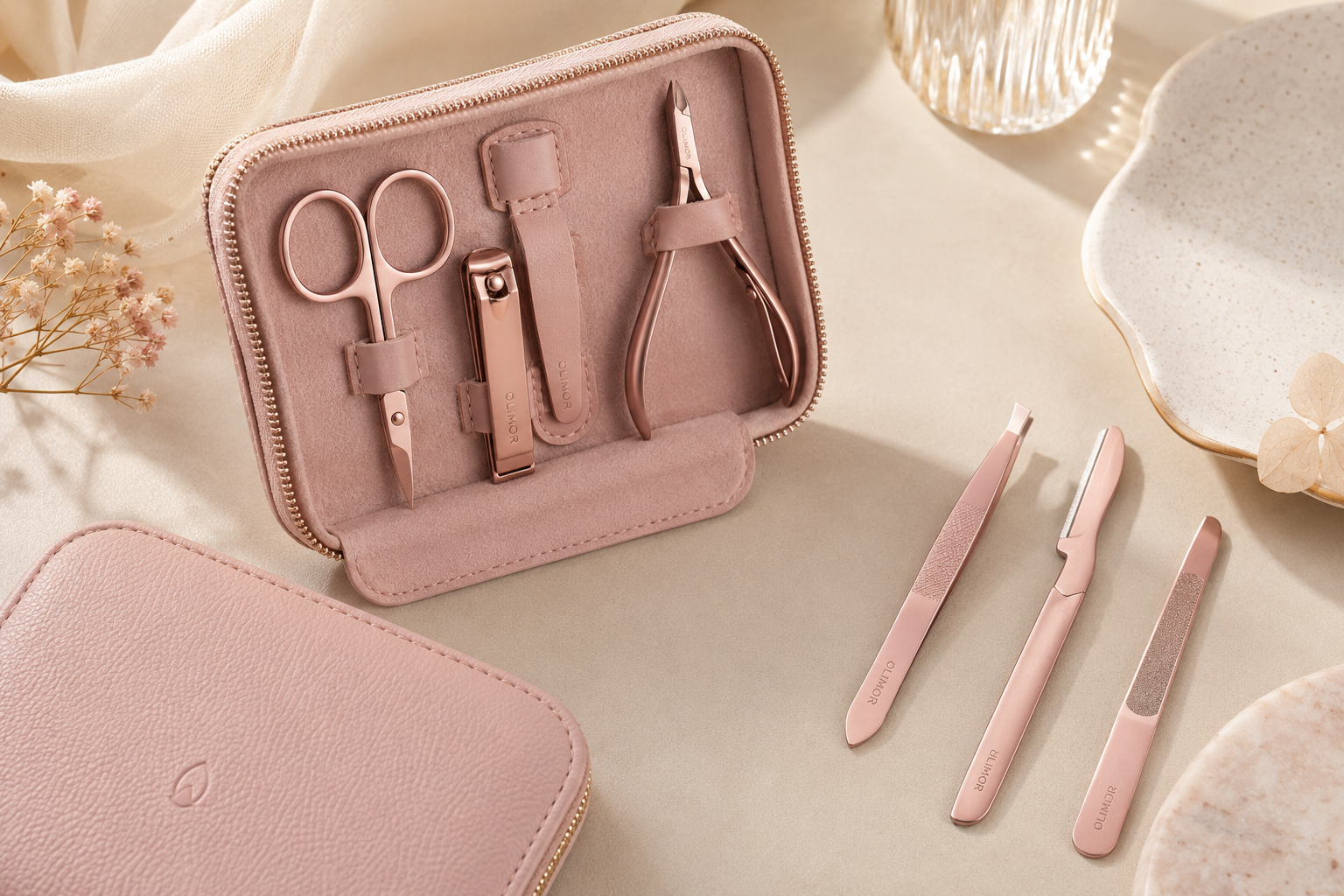
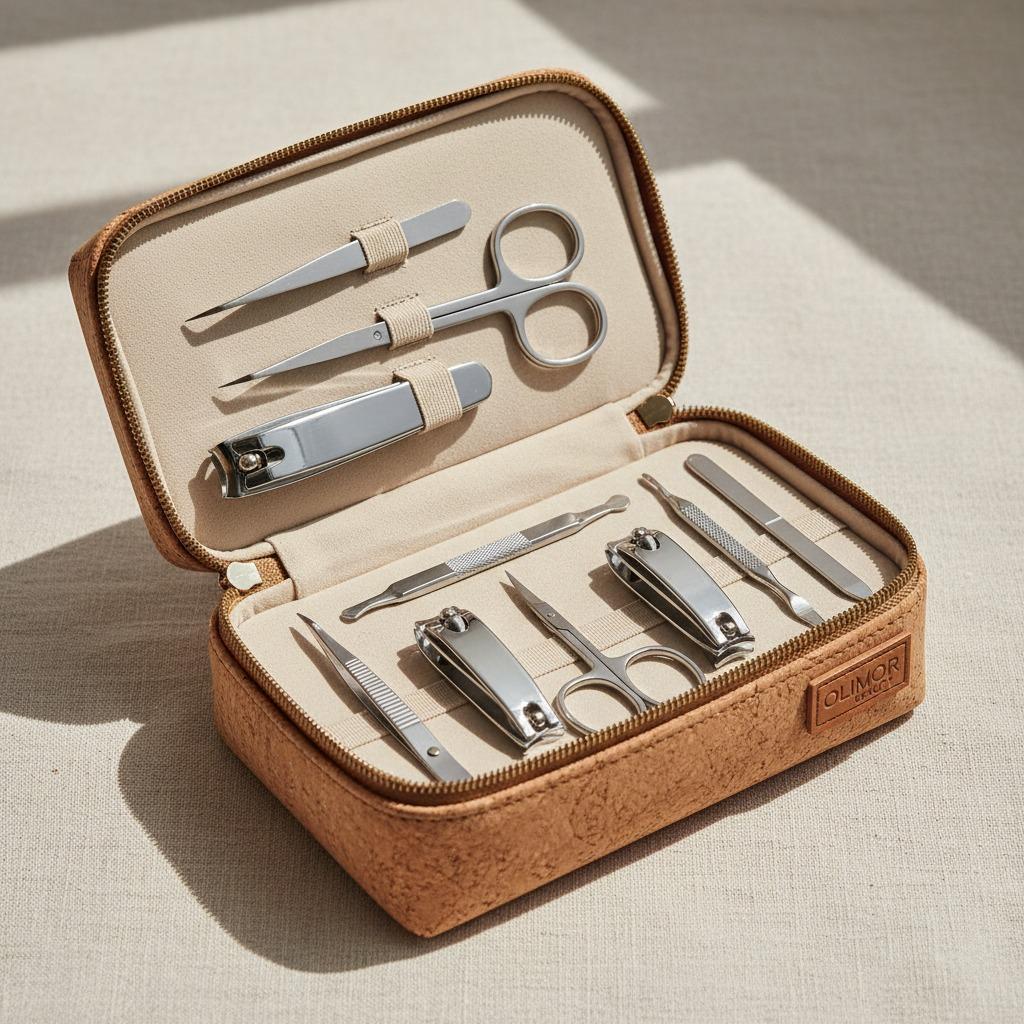
For a coordinated branded line, browse Olimor product collections for manicure tools and consider how cuticle nippers will sit beside related grooming items. This assortment view can prevent mismatched finishes, packaging formats or product levels across the same brand range.
Quality Checks Before Bulk Ordering
Sample approval is one of the most important steps in cuticle nipper sourcing. A photo cannot confirm closing feel, sharpness, wobble, spring tension or hand comfort. Before placing a bulk order, evaluate samples under conditions close to actual use and compare several pieces where possible.
Use this practical inspection checklist:
- Blade alignment: Check whether both cutting edges meet evenly from the base to the working tip.
- Tip precision: Look for clean, symmetrical, well-finished tips suitable for careful trimming.
- Cutting feel: Confirm the tool trims without pulling, crushing or requiring excessive force.
- Hinge movement: Open and close the nipper repeatedly to detect stiffness, looseness or gritty movement.
- Spring response: Make sure the handles return smoothly without harsh snap-back or weak rebound.
- Handle comfort: Hold the tool in realistic positions and check for pressure points, slipping or sharp non-cutting edges.
- Surface finish: Inspect for burrs, stains, rough joints, uneven polish and visible tool marks.
- Packaging protection: Confirm that the cutting tip is protected during storage and shipping.
- Branding accuracy: Review logo placement, packaging color, text and product care information before approval.
Buyers can also ask how the supplier checks raw material, forming, sharpening, assembly, finishing and final packaging. A final visual inspection alone may not be enough because key performance problems are created earlier in production.
Material, Hygiene and Responsible Use
Stainless steel cuticle nippers are valued because they provide a durable and clean-looking tool for nail care. Buyers should still communicate responsible maintenance to the end user. Nippers should be cleaned after use, dried before storage and kept away from unnecessary moisture where possible. The tips should be protected to prevent dulling or accidental damage.
Usage guidance also matters. Cuticle nippers are intended for careful trimming of excess cuticle or hangnails, not aggressive cutting of living skin. For retail and hospitality programs, packaging inserts or concise instructions can help reduce misuse and support customer confidence.
Depending on the destination market and sales channel, buyers may need to review consumer product safety, labeling or quality management expectations. ISO 9001 is a widely recognized quality management standard, and public bodies such as the U.S. Consumer Product Safety Commission provide general consumer product safety information. These references do not mean a supplier is certified or that a product automatically complies. Buyers should verify the applicable version, market requirements and supplier documentation for their own program.
How to Compare Cuticle Nipper Suppliers
Price matters, but the lowest quotation can become expensive if tools generate complaints, returns, repacking work or brand damage. Compare suppliers by total sourcing risk, not only unit cost. Practical cost factors include sample approval time, packaging complexity, inspection expectations, product consistency, communication clarity, rework risk and shipping preparation.
Ask supplier-evaluation questions such as:
- Which jaw styles, handle styles or finishes are available for the intended market?
- How are blade alignment, hinge movement and spring action checked before packaging?
- Can packaging be adapted for retail, salon supply, e-commerce or amenity kits?
- How are approved reference samples used during production review?
- What defects are rejected during inspection?
- How are care instructions, warnings or destination-market labeling handled?
- Which details are standard and which require customization discussion?
Olimor Beauty works with business buyers on manicure tools, grooming tools and private label presentation. If you are comparing specifications or building a product brief, you can contact Olimor to discuss sourcing requirements before requesting samples.
Problem-Solving Guide for Common Nipper Issues
Many sourcing problems appear only after buyers handle the sample carefully. Use these common symptoms to identify what to discuss with the manufacturer before approval.
- The nipper pulls instead of cuts: Review blade sharpness, edge alignment and whether the jaws meet evenly.
- The tool feels tiring: Check hinge tightness, spring response, handle width and pressure points.
- The tips look uneven: Ask for closer finishing control and compare multiple samples, not only one piece.
- The surface feels rough: Inspect polishing, burr removal and non-cutting edges around the handle and joint.
- Packaging damages the tip: Improve protective packaging and confirm how tools are packed inside cartons.
- Repeat orders look different: Use approved reference samples and define inspection points for finish, movement and branding.
These checks help buyers solve problems before bulk production instead of reacting after the goods reach salons, retail shelves or guests.
Working With Olimor Beauty
Olimor Beauty supplies beauty tools for B2B buyers who need practical manicure products, private label support and consistent presentation across grooming assortments. For cuticle nippers, the sourcing conversation should begin with intended use, target channel, sample expectations, finish preferences, packaging requirements and quality checkpoints.
If you already have a specification, packaging concept or target assortment, send the details through the Olimor product inquiry page. The team can review your requirements and help clarify which product and packaging options are suitable before production discussion.
FAQ: Buying Cuticle Nippers in Bulk
Can I request samples before placing a bulk order?
Yes. Samples are important because photos cannot confirm cutting feel, blade alignment, hinge movement, spring response or hand comfort. Buyers should test samples in realistic use conditions before approving a bulk order.
Does Olimor support private label cuticle nippers?
Olimor Beauty supports private label manicure tool projects for business buyers. Prepare your logo direction, packaging needs, target sales channel and any care or labeling requirements so the discussion can focus on both function and brand presentation.
What MOQ or lead time should I expect?
MOQ and lead time depend on the selected product, packaging, customization level and order requirements. Buyers should confirm these details directly during quotation and sample discussions rather than assuming a fixed number.
What quality checks should I request?
Key checks include blade alignment, cutting feel, hinge smoothness, spring action, handle comfort, surface finish, branding accuracy and packaging protection. For customized programs, compare production output against the approved reference sample.
Can cuticle nippers be customized for retail, salon or hotel use?
Customization may involve packaging format, branding, finish direction, assortment planning or care information. The right choices depend on whether the product is intended for professional service, consumer retail, e-commerce resale or hospitality amenities.