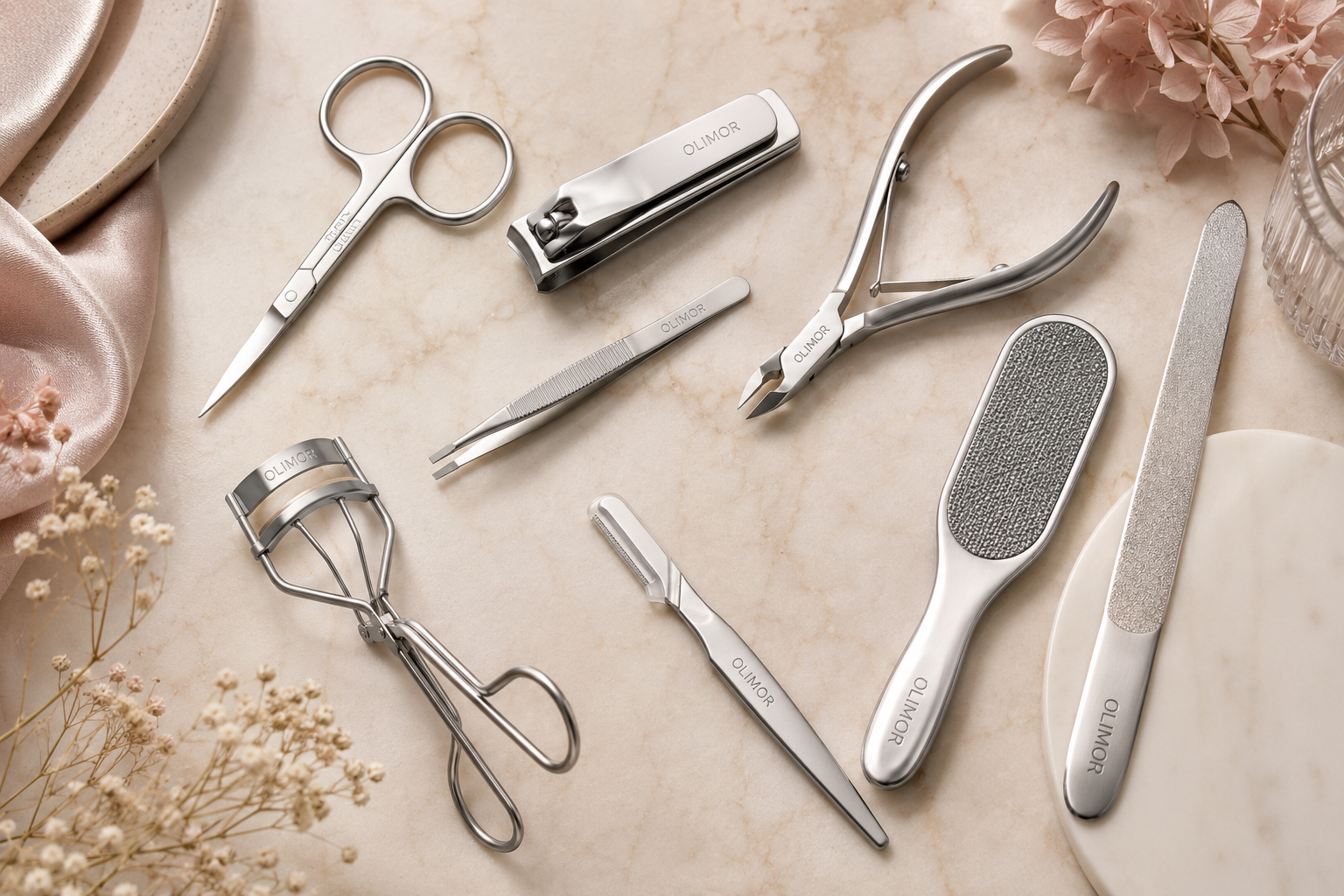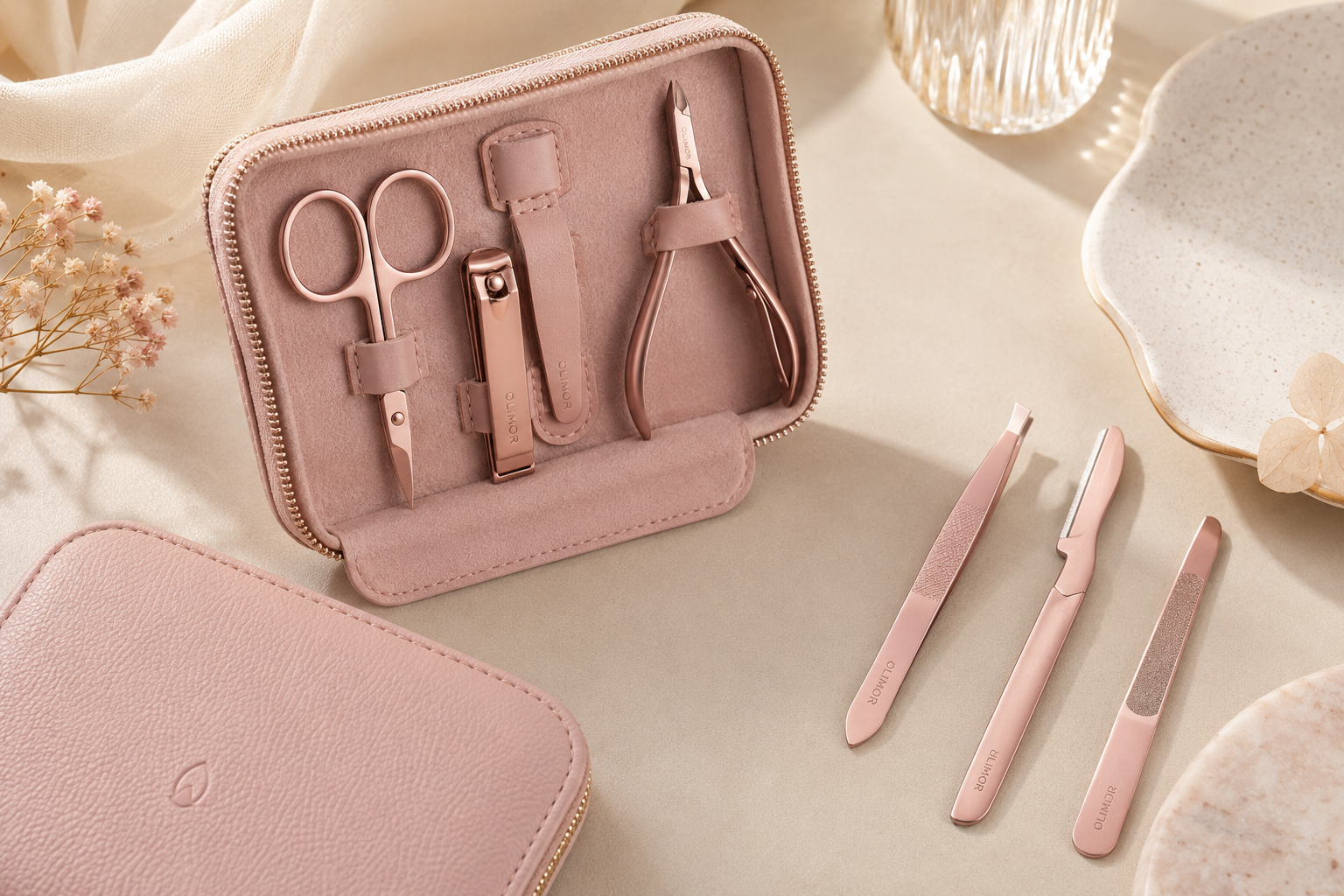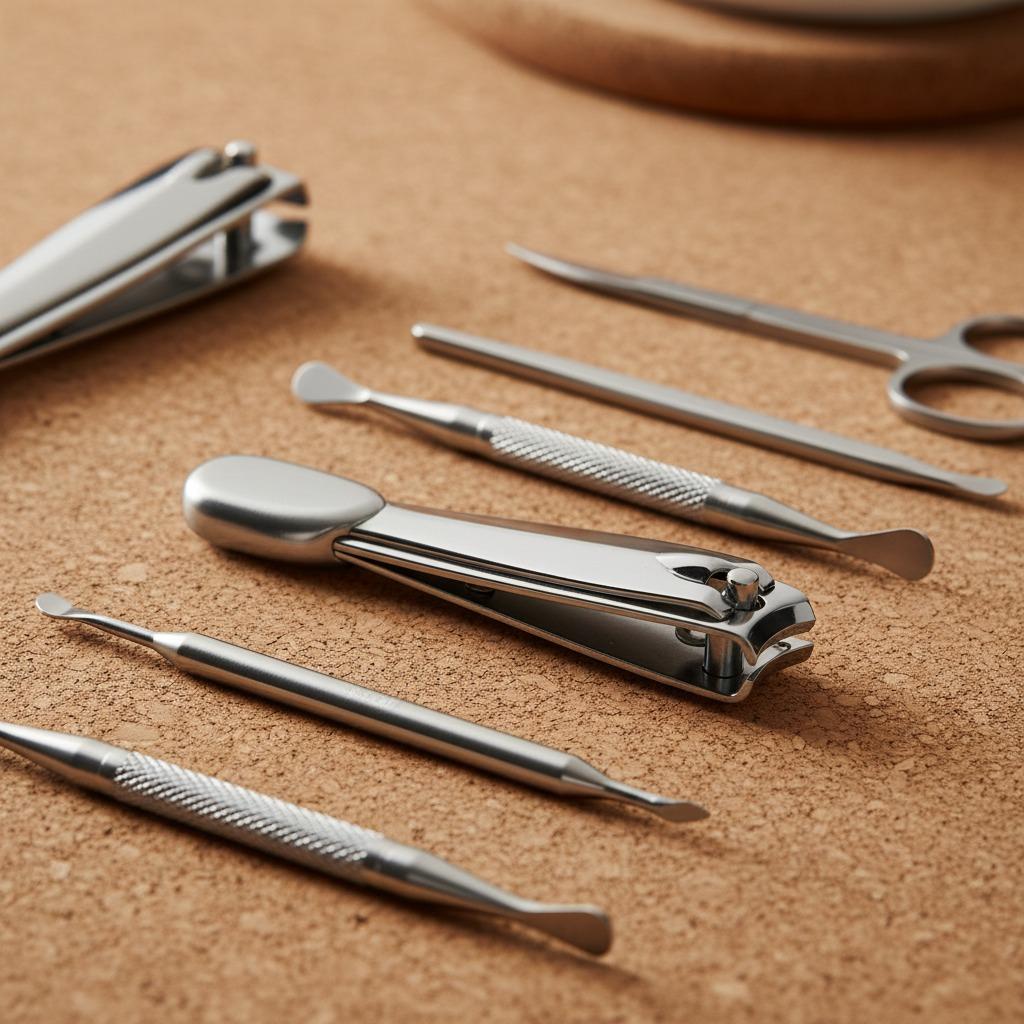











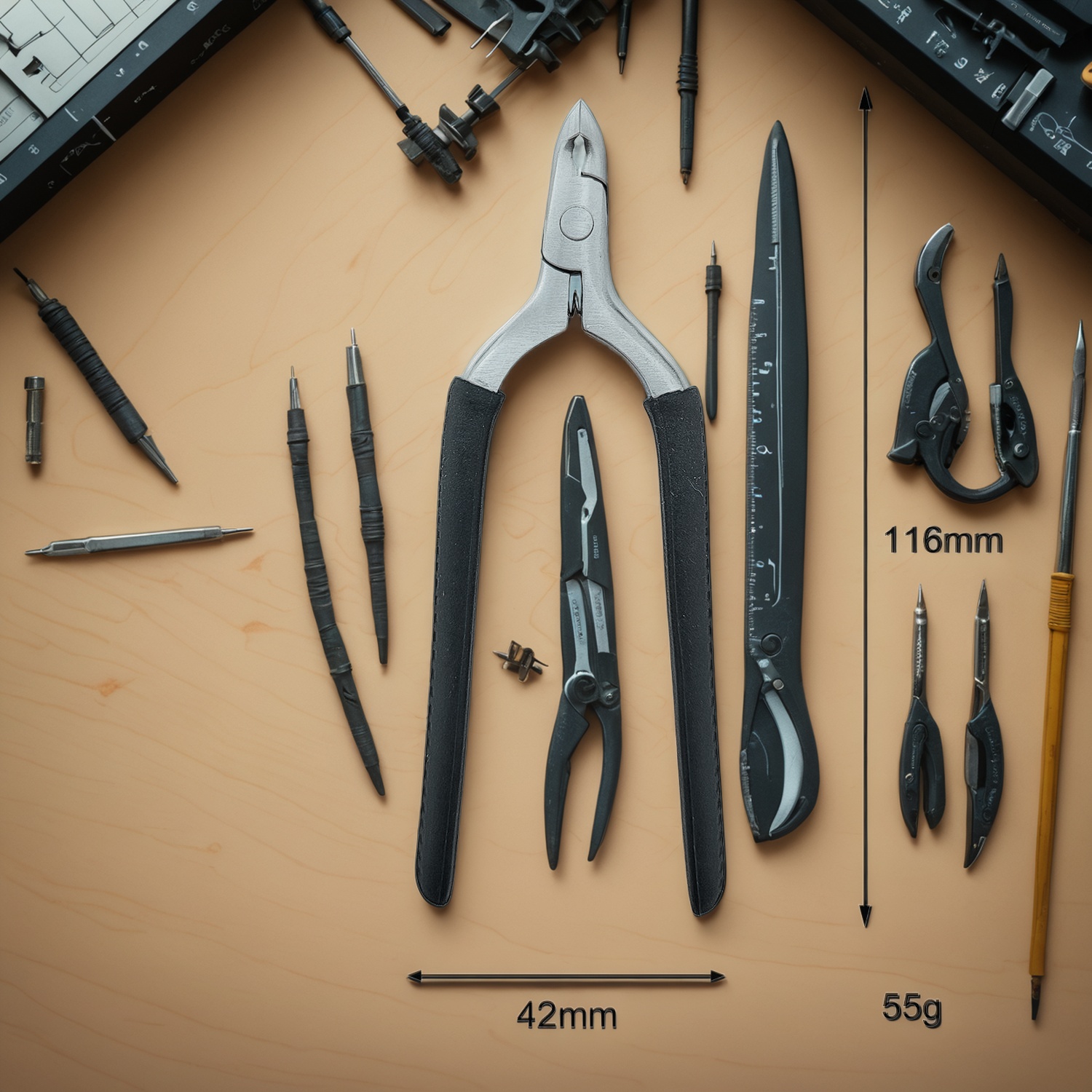
Cuticle nippers look simple, but buyers know they are one of the most sensitive tools in a nail care assortment. A small difference in blade alignment, spring response, handle shape or finishing can change the user experience immediately. For salons, the tool must help technicians work cleanly and consistently. For retail brands, it must feel reliable in the customer’s hand. For hotels and amenity programs, it must support a polished guest-care impression without feeling disposable or careless.
When choosing a cuticle nippers manufacturer, the goal is not only to find a supplier that can produce a sharp tool. The better question is whether the manufacturer understands precision, safety-focused workmanship, durable stainless steel construction, ergonomic handling and inspection discipline from raw materials through final packaging. Olimor Beauty focuses on professional beauty tools where these details matter, including cuticle nippers for personal care, salon use and hospitality applications.
Why Cuticle Nipper Quality Matters More Than It Appears
A cuticle nipper is used close to delicate skin, so poor manufacturing is quickly noticed. Blades that do not meet evenly may tug instead of trim. Tips that are too bulky can block visibility. Handles that slip or feel awkward can reduce control. A weak spring can make repeated use tiring, while overly stiff movement can create uneven pressure.
For professional users, these problems slow down service and can affect the consistency of manicures. For retail buyers, they can lead to negative product feedback even when the outer packaging looks attractive. For hotels, a low-quality grooming tool can weaken the perceived care level of the amenity kit. In all three channels, the product has to prove its quality through touch, control and cutting accuracy, not through appearance alone.
This is why a manufacturer’s process matters. Good cuticle nippers require careful material choice, accurate blade forming, stable assembly and practical inspection standards. A useful sourcing conversation should go beyond general claims and look closely at the details that affect everyday use.
What to Check in a Professional Cuticle Nippers Manufacturer
Before comparing quotations, buyers should define the expected use case. A salon tool, a retail manicure accessory and a hotel amenity item may share the same basic function, but they do not always need the same handle feel, finish, package format or assortment plan. The following points help separate a serious professional beauty tools supplier from a source that only treats nippers as a basic metal item.
- Blade alignment: The two cutting edges should meet cleanly and evenly. Misalignment can cause pulling, uneven trimming or premature wear.
- Blade sharpness: Sharp, accurate blades support clean cuticle trimming and reduce unnecessary pressure during use.
- Stainless steel construction: Durable stainless steel is important for longevity, clean appearance and dependable performance in beauty care environments.
- Tip shape and access: The tip should allow controlled trimming around the nail fold without obstructing the user’s view.
- Ergonomic handles: Comfortable handles help users maintain control, especially during repeated salon services.
- Non-slip grip feel: A secure grip is important when hands are freshly washed, treated with lotion or working around manicure products.
- Spring response: Smooth opening and closing helps reduce hand fatigue and supports consistent cutting pressure.
- Surface finishing: Edges and handle areas should feel smooth, with no rough spots that distract from professional use.
- Packaging readiness: The tool should be protected during transport and presented appropriately for its channel, whether salon, retail or amenity use.
Olimor Beauty’s work as a cuticle nippers manufacturer emphasizes precision engineering, stainless steel durability, ergonomic handling and quality checks. Buyers reviewing beauty tool products can use the criteria above to compare options in a practical, hands-on way.
Blade Precision, Stainless Steel and Ergonomics
The blade is the first feature most buyers inspect, and rightly so. A cuticle nipper that does not cut cleanly fails its core purpose. Sharpness is important, but sharpness alone is not enough. The cutting edges must close with proper contact, and the tip must be fine enough for detailed work while still feeling stable. Uneven blade contact can make one side do more work than the other, which affects trimming quality and can shorten the useful life of the tool.
Stainless steel is commonly preferred for professional cuticle nippers because it supports durability and a clean, high-quality impression. However, buyers should still review finishing quality, joint movement and consistency across samples. A stainless steel tool can look acceptable in photos but feel rough, loose or inconsistent in actual use. The most useful evaluation is physical testing: open and close the nipper repeatedly, check whether the blades meet without gaps, and examine the points under good lighting.
Ergonomics should be evaluated by the people who will use or sell the tool. A salon technician may prioritize comfort over long service sessions. A retail buyer may want a shape that feels intuitive for home users. A hotel amenity buyer may focus on compactness, clean presentation and dependable basic function. Olimor Beauty’s cuticle nippers are described with ergonomic handles and a comfortable, non-slip grip, both of which support control during trimming.
Quality Control from Raw Materials to Packaging
Reliable quality is not created at the final inspection table only. It depends on checks throughout production. The original material choice affects durability. Forming and grinding affect blade geometry. Assembly affects smooth movement. Packaging affects whether the tool arrives in good condition and supports the intended brand experience.
Olimor Beauty applies inspections from raw materials to final packaging. For buyers, this kind of process is valuable because cuticle nippers are precision tools: small inconsistencies can become obvious during use. A sourcing team should look for a supplier that can discuss how products are inspected, how defects are separated and how final goods are protected before shipment.
- Review samples by hand. Do not rely only on catalog images. Open, close and test the tool’s balance and blade contact.
- Check multiple pieces. One good sample is helpful, but consistency across pieces is more important for an order.
- Inspect the tips. Look for symmetry, clean contact and a shape suitable for the intended user.
- Evaluate handle comfort. Consider grip security, pressure points and whether the tool feels stable.
- Confirm packaging suitability. Packaging should protect the cutting edges and match the selling or amenity environment.
These steps keep the discussion focused on measurable product quality rather than vague promises. They also help buyers communicate expectations clearly before moving into order planning.
Use Cases: Salons, Retail Beauty and Hotel Amenities
Different customers value different product details. A salon buyer usually wants reliable daily performance, technician comfort and a professional look. Since the tool may be used repeatedly, smooth movement and ergonomic control are especially important. A retailer may focus on customer confidence: the product should look clean, feel sturdy and be easy to understand for home manicure care. Packaging and clear product positioning matter because the shopper may not have professional training.
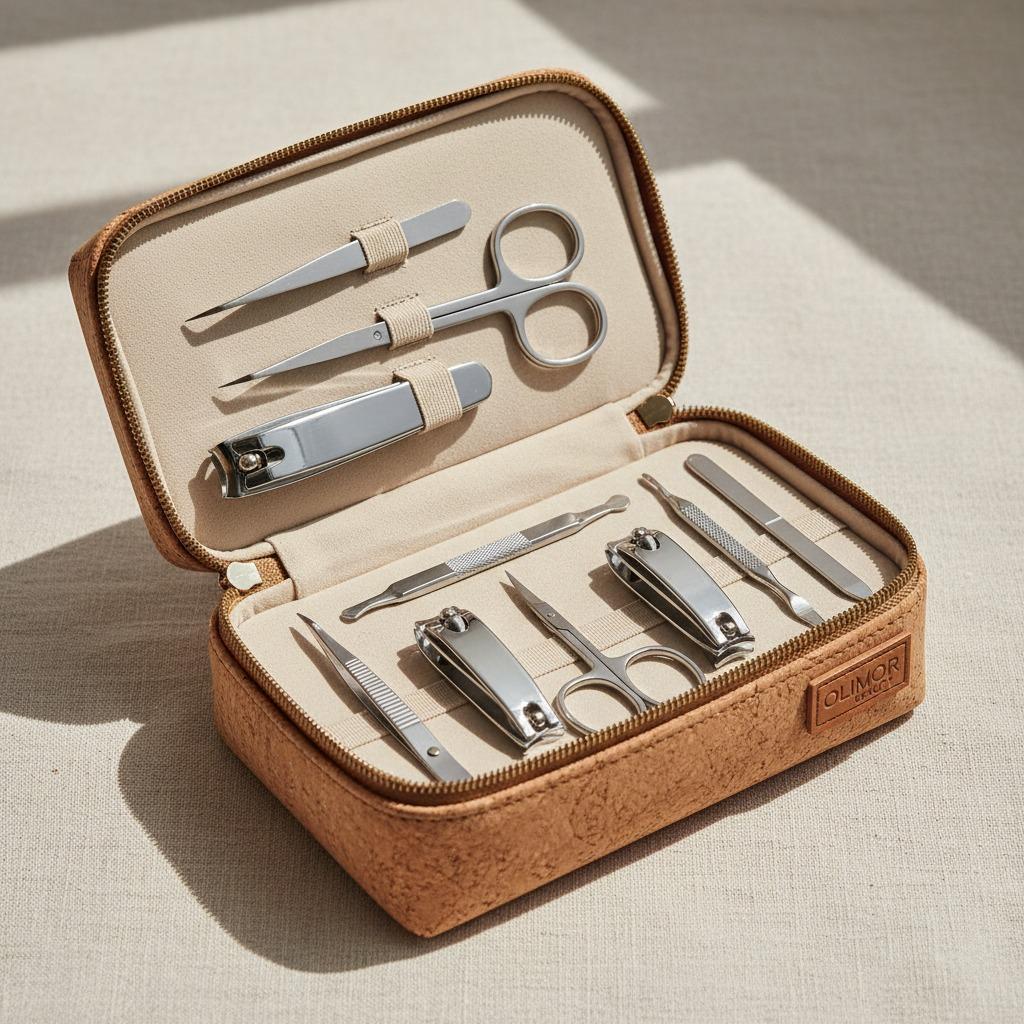
Hotel amenity beauty tools have a different role. They are not only functional; they are part of the guest’s impression of care and attention to detail. A sleek, precision-crafted cuticle nipper in an amenity kit can communicate that the property has considered small personal-care needs. For hospitality buyers, the tool should feel dependable, fit neatly into the kit and support the overall quality level of the guest experience.
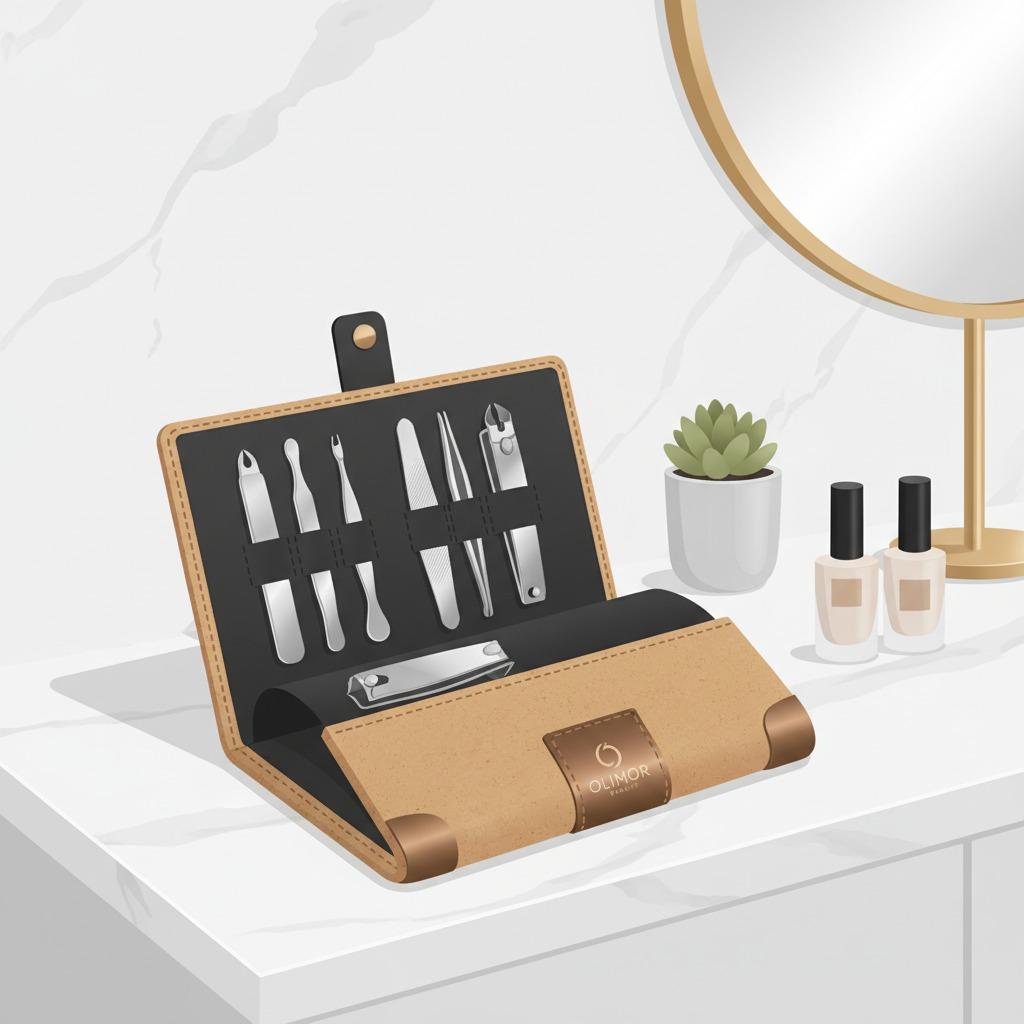
Because these channels differ, buyers may wish to compare product formats and broader product collections before deciding how cuticle nippers should fit into a manicure set, grooming kit or custom beauty tool assortment.
Sourcing Questions That Lead to Better Decisions
A strong sourcing process uses specific questions. Instead of asking whether a nipper is “high quality,” buyers can ask about the details that influence real performance. The answers help identify whether the supplier understands professional beauty tools or is simply offering a standard item.
| Buyer concern | What to evaluate | Why it matters |
|---|---|---|
| Cutting performance | Blade contact, sharpness and tip symmetry | Supports clean trimming and user control |
| Durability | Stainless steel construction and joint stability | Helps the tool withstand normal manicure use |
| User comfort | Handle shape, grip feel and spring response | Reduces strain and improves precision |
| Brand presentation | Finish, surface smoothness and packaging fit | Affects retail shelf appeal and amenity quality |
| Consistency | Inspection points from material to final packing | Reduces variation across delivered goods |
Buyers planning a private assortment, salon supply program or hospitality amenity kit can send an inquiry with the target use case, packaging direction and quality priorities. Clear requirements make it easier to evaluate the right cuticle nipper option.
Maintenance Tips for End Users and Professional Teams
Even a well-made cuticle nipper needs proper care. For salons, tools should be handled according to the salon’s hygiene procedures and stored carefully to protect the blade edges. For personal users, the main goal is to keep the tool clean, dry and safely covered when not in use. Dropping a nipper or leaving the tips unprotected can affect blade alignment, even if the steel body remains intact.
Simple habits help preserve performance: avoid using the nipper on materials other than cuticles, do not twist the blade while cutting, and store it where the tips will not strike other tools. If the cutting action changes, the tool should be inspected before continued use. These practical care steps support a longer usable life and a better manicure experience.
Choosing Olimor Beauty for Cuticle Nippers
Olimor Beauty brings together stainless steel construction, sharp and accurate blades, ergonomic handle design and quality assurance for cuticle nippers used in beauty care settings. The company’s approach suits buyers who need dependable tools for salons, retail manicure programs or hotel amenity beauty kits.
The best manufacturer relationship begins with a clear understanding of the product’s role. A cuticle nipper for a professional technician, a home manicure customer and a hotel guest may share the same function, but each requires thoughtful decisions about comfort, presentation and consistency. To discuss a sourcing plan or compare suitable beauty tool options, buyers can contact Olimor with their intended channel and product requirements.