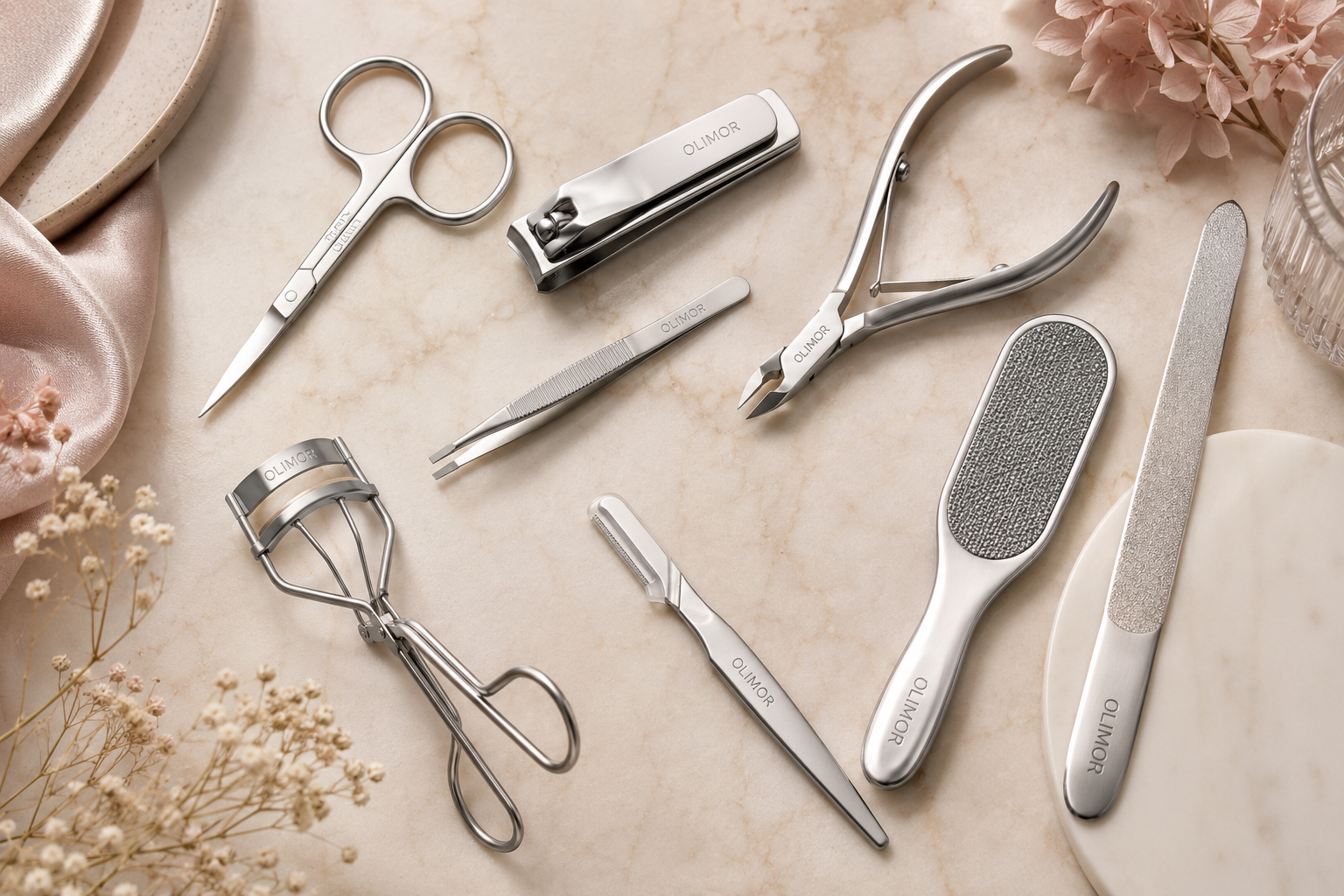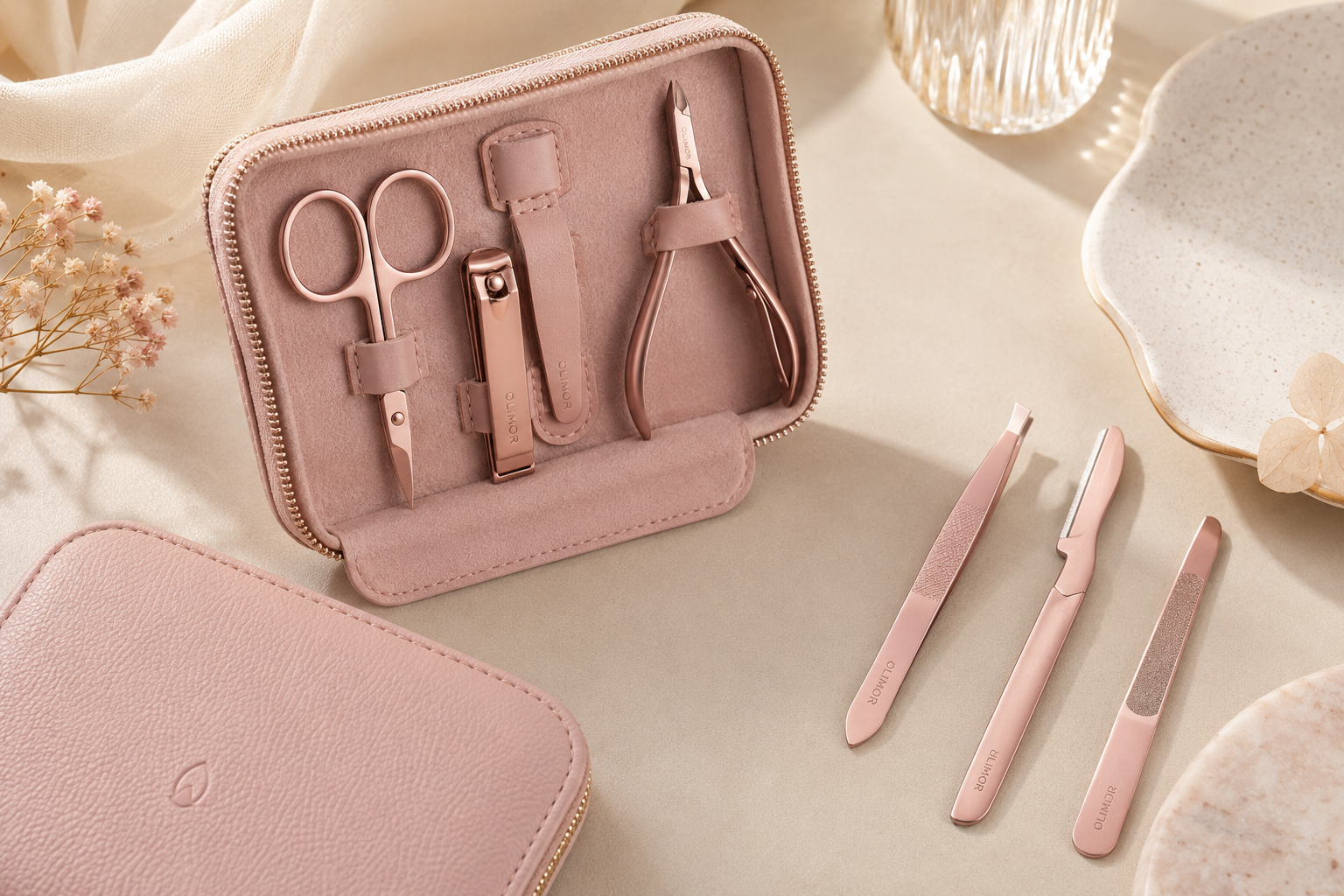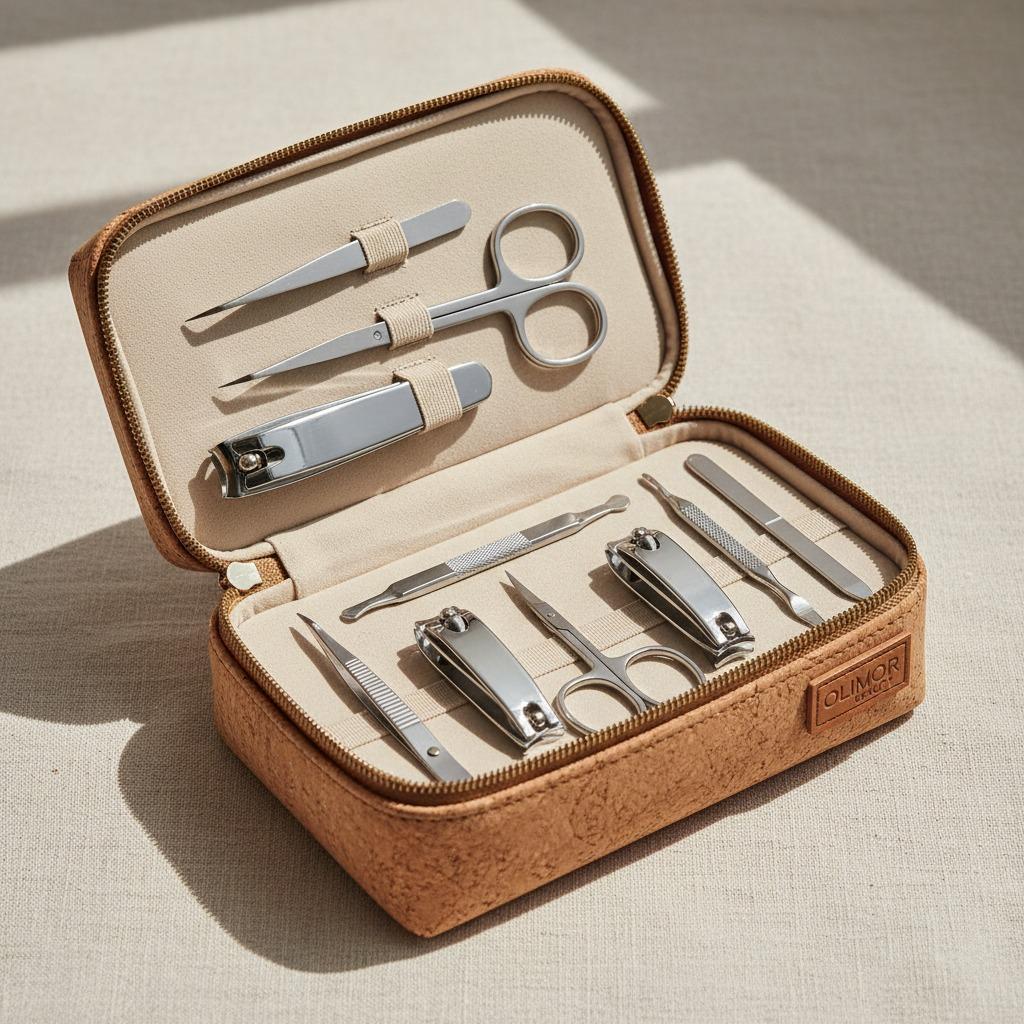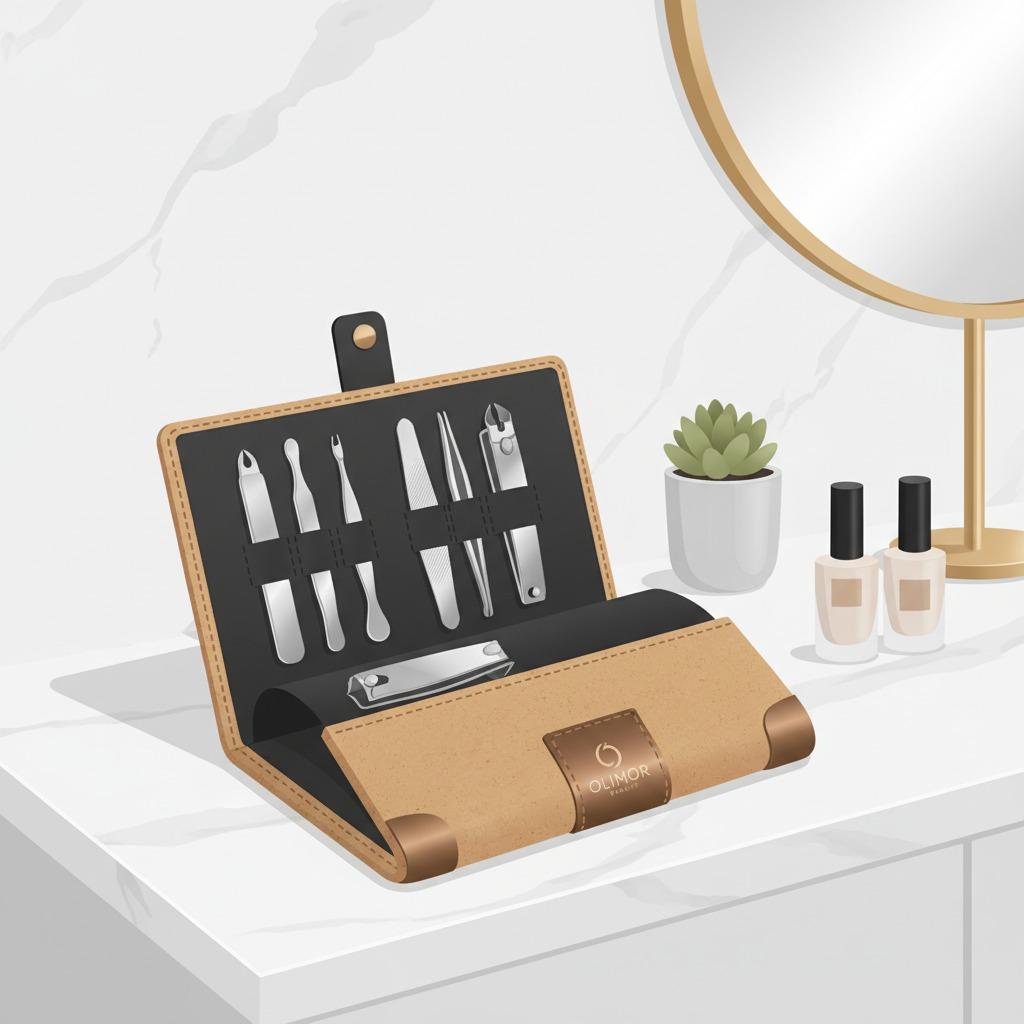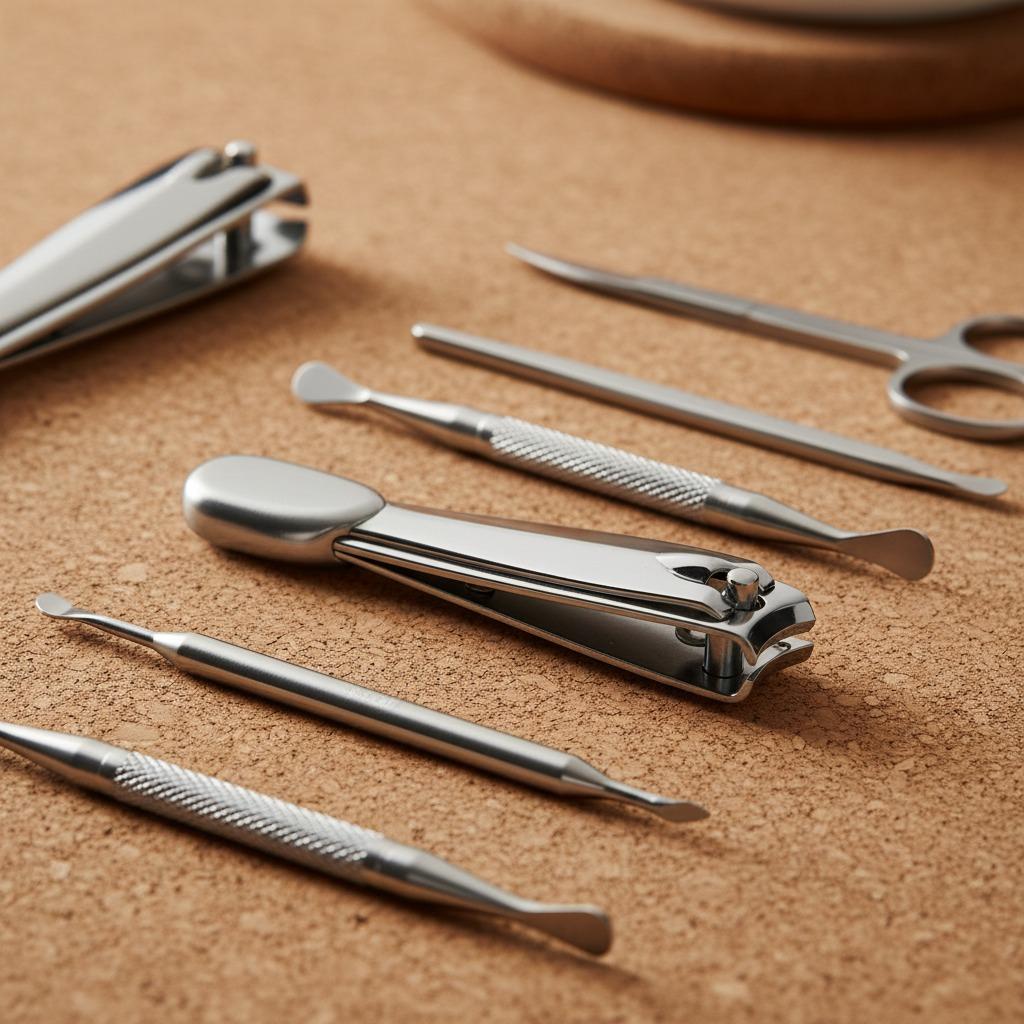











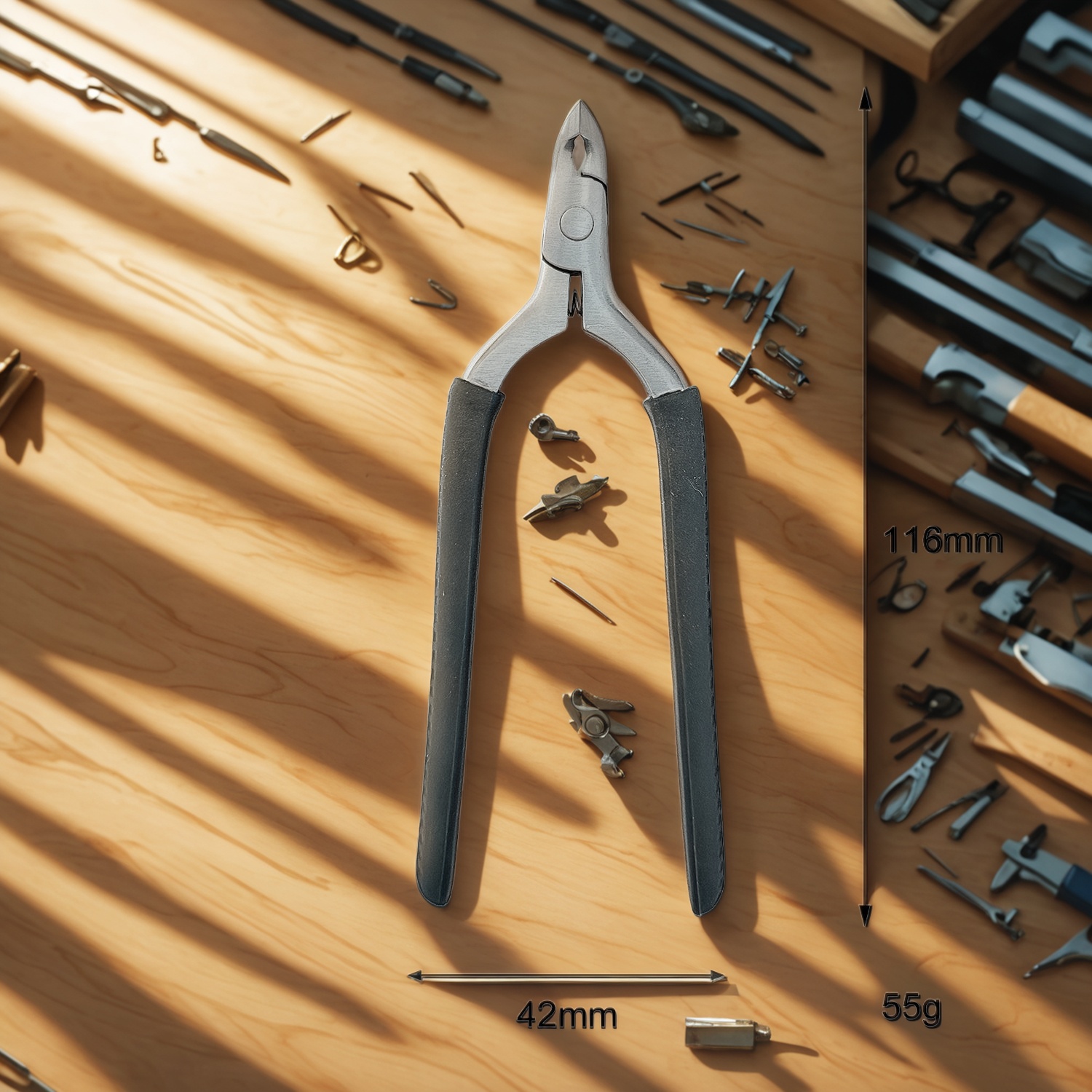
Cuticle nippers look simple, but buyers know they are one of the most demanding beauty tools to source well. A small difference in jaw alignment, edge sharpness, spring tension, or handle comfort can change the user experience immediately. For nail technicians, a poor nipper slows service and increases hand fatigue. For retail beauty brands, inconsistent cutting performance leads to complaints and returns. For hospitality buyers, a low-quality grooming tool can make an otherwise premium amenity kit feel careless.
Choosing the right cuticle nippers manufacturer is therefore not only about finding a supplier that can make a metal tool. It is about evaluating whether the manufacturer understands precision, finishing, quality control, packaging, and the end user’s needs. Olimor Beauty focuses on professional beauty tools, including precision-crafted cuticle nippers designed for salon, personal care, and hotel amenity applications. This guide explains what to examine before placing a sourcing decision.
Why cuticle nipper quality depends on manufacturing detail
A cuticle nipper must remove small, delicate areas of excess cuticle cleanly without dragging, crushing, or tearing. That performance depends on the entire manufacturing process, from material choice to final inspection. The original product requirement may sound straightforward: stainless steel, sharp blades, comfortable handles, and smooth movement. In practice, each of those features requires careful control.
High-grade stainless steel is commonly selected for professional beauty tools because it supports durability and helps resist rust when the tool is handled and stored properly. However, material alone does not guarantee a good nipper. The jaws must meet evenly, the cutting edge must be finished consistently, and the hinge action should feel controlled rather than loose or stiff. A nipper that is sharp but poorly aligned can still pinch or cut unevenly.
For buyers comparing manufacturers, it helps to judge cuticle nippers as precision instruments rather than general accessories. A reliable manufacturer should be able to discuss how the tool is checked through the production process and how consistency is maintained from batch to batch.
Key selection criteria for a cuticle nippers manufacturer
Before choosing a manufacturing partner, create a structured review instead of relying only on appearance or price. The following criteria are useful for salons, distributors, private label buyers, and hotel amenity sourcing teams.
- Cutting performance: The jaws should close cleanly and meet at the intended point. The cut should feel smooth, not rough or crushing.
- Stainless steel construction: The tool should be made with durable stainless steel suitable for beauty tool use and designed to resist rust with proper care.
- Edge consistency: Sharpness should be consistent across samples, not limited to one carefully prepared piece.
- Ergonomic handling: Handles should support comfortable grip and control, especially for repeated salon use.
- Spring and hinge action: Opening and closing should feel balanced, with no grinding, wobbling, or excessive stiffness.
- Surface finishing: Edges, handle surfaces, and joint areas should be smooth enough for safe, comfortable use.
- Packaging readiness: The tool should be protected during transport and presented appropriately for its sales or amenity channel.
- Quality control process: The manufacturer should inspect raw materials, semi-finished parts, assembled tools, and final packaging.
These points help buyers compare samples objectively. A low-cost nipper can look acceptable in a catalog image, but real performance is revealed when multiple samples are opened, closed, inspected, and used on appropriate practice materials or during controlled evaluation.
What professional buyers should test in samples
Sample evaluation should go beyond a quick visual check. A good test plan helps prevent problems after production begins. Start by inspecting several pieces, not only one sample. Open and close each tool repeatedly and listen for friction or uneven movement. Check whether the blades meet cleanly from tip to base. Look at the jaw tips carefully; they should not be visibly misaligned.
Next, evaluate grip comfort. Nail technicians often use tools for long periods, so handle shape matters. Ergonomic design is not a decorative feature; it affects control and hand comfort during repetitive work. If the handle is too narrow, slippery, or awkwardly angled, the user may apply unnecessary pressure. This can reduce precision and make the tool tiring to use.
Also examine finish quality. A professional cuticle nipper should not have rough spots around the handle, spring, or hinge area. The surface should feel clean in the hand and should not catch on packaging materials. For retail or hotel amenity beauty tools, appearance matters because the product may be judged before it is ever used. A sleek, minimalist presentation can support a premium grooming kit, but only when the tool itself performs reliably.
Comparing salon, retail, and hotel amenity requirements
Not every cuticle nipper is sourced for the same use case. A professional beauty tools supplier should understand how the intended channel affects selection priorities. Salon users usually place the highest priority on cutting accuracy, durability, and reduced hand fatigue. Retail buyers must also consider shelf presentation, consumer instructions, and packaging protection. Hospitality buyers often need a grooming tool that feels premium, remains rust-resistant with appropriate use, and fits neatly into an amenity kit.
| Buyer type | Main concern | What to evaluate |
|---|---|---|
| Salon and nail professionals | Daily precision and comfort | Jaw alignment, sharpness, ergonomic grip, spring action |
| Beauty distributors | Consistent quality across orders | Batch consistency, packaging, finish quality, inspection process |
| Retail brands | Consumer-ready presentation | Tool appearance, protective packaging, care guidance, ease of use |
| Hotels and amenity buyers | Guest impression and reliable grooming use | Rust-resistant construction, clean design, compact packaging, perceived quality |
This comparison helps prevent overgeneralized sourcing. A tool that suits one channel may need adjustments in packaging, finishing, or presentation for another. If you are building a broader assortment, review Olimor’s beauty tool products to consider how cuticle nippers fit alongside other manicure, pedicure, and grooming items.
Quality control questions that reveal manufacturing discipline
A dependable cuticle nippers manufacturer should have quality checks throughout production, not only at the end. Final inspection is important, but it cannot fully correct poor material selection, inconsistent grinding, or careless assembly. When evaluating suppliers, focus on practical manufacturing questions that show how they control risk.
- How are stainless steel materials inspected before production? Material review helps confirm the foundation of durability and corrosion resistance.
- At what stages are jaw alignment and cutting edges checked? Inspection should occur before finished goods are packed.
- How is handle comfort reviewed? Ergonomic design should be part of product development, not an afterthought.
- How are surface finish defects identified? Rough edges or uneven finishing can reduce perceived quality and comfort.
- How are packaged goods protected during transit? Cutting edges and tips must remain protected until the product reaches the buyer or end user.
These questions do not require inflated claims or vague promises. They simply show whether the manufacturer thinks in terms of repeatable production quality. For sourcing teams comparing options, clear answers are often more valuable than broad marketing language.
Maintenance guidance buyers should include with cuticle nippers
Even a well-made stainless steel cuticle nipper needs proper care. Maintenance guidance is especially useful for retail buyers and hospitality programs because many end users may not be familiar with precision beauty tools. Clear care instructions can reduce misuse and extend product life.
After use, the nipper should be cleaned and dried before storage. Moisture left on the tool can affect appearance and may contribute to corrosion over time, even on rust-resistant materials. The cutting edge should be protected from impact, because dropping the tool or storing it loose with other metal items can damage alignment or dull the jaw. Users should avoid cutting hard materials that are not appropriate for a cuticle tool.
For salons, internal sanitation procedures should be followed according to local professional requirements. For retail or amenity kits, packaging can include simple reminders: clean after use, dry thoroughly, store safely, and keep the sharp edge away from children. These instructions are not filler; they help protect both the user and the product reputation.
Working with Olimor Beauty on professional beauty tools
Olimor Beauty supplies beauty tools with attention to precision, durability, ergonomic handling, and quality assurance. For cuticle nippers, that means focusing on the details that matter in real use: clean cutting action, comfortable control, stainless steel construction, rust-resistant performance with proper care, and reliable finishing. Whether the end user is a nail technician, a retail consumer, or a hotel guest, the tool should feel dependable from the first use.
If you are sourcing cuticle nippers as part of a wider manicure or grooming line, it is useful to compare related items across Olimor’s product collections. Buyers preparing custom programs, hospitality kits, or professional tool assortments can also send an inquiry with their intended application, packaging needs, and quality expectations. For general sourcing questions or product discussions, you may also contact Olimor.
Final checklist before choosing a supplier
The best manufacturer for cuticle nippers is the one that can deliver consistent performance, not just an attractive sample. Before placing an order, confirm that the product matches your channel, user expectations, and packaging needs. Review multiple samples, test the hinge and jaw action, inspect the finish, and consider how the tool will be stored, shipped, sold, or presented to guests.
A quality cuticle nipper should cut smoothly, feel controlled in the hand, resist rust with proper care, and support a professional grooming experience. By using a disciplined evaluation process, buyers can avoid generic tools that look similar but perform differently. For salons, distributors, retail brands, and hotels, the right cuticle nippers manufacturer is a partner in product reliability and customer satisfaction.