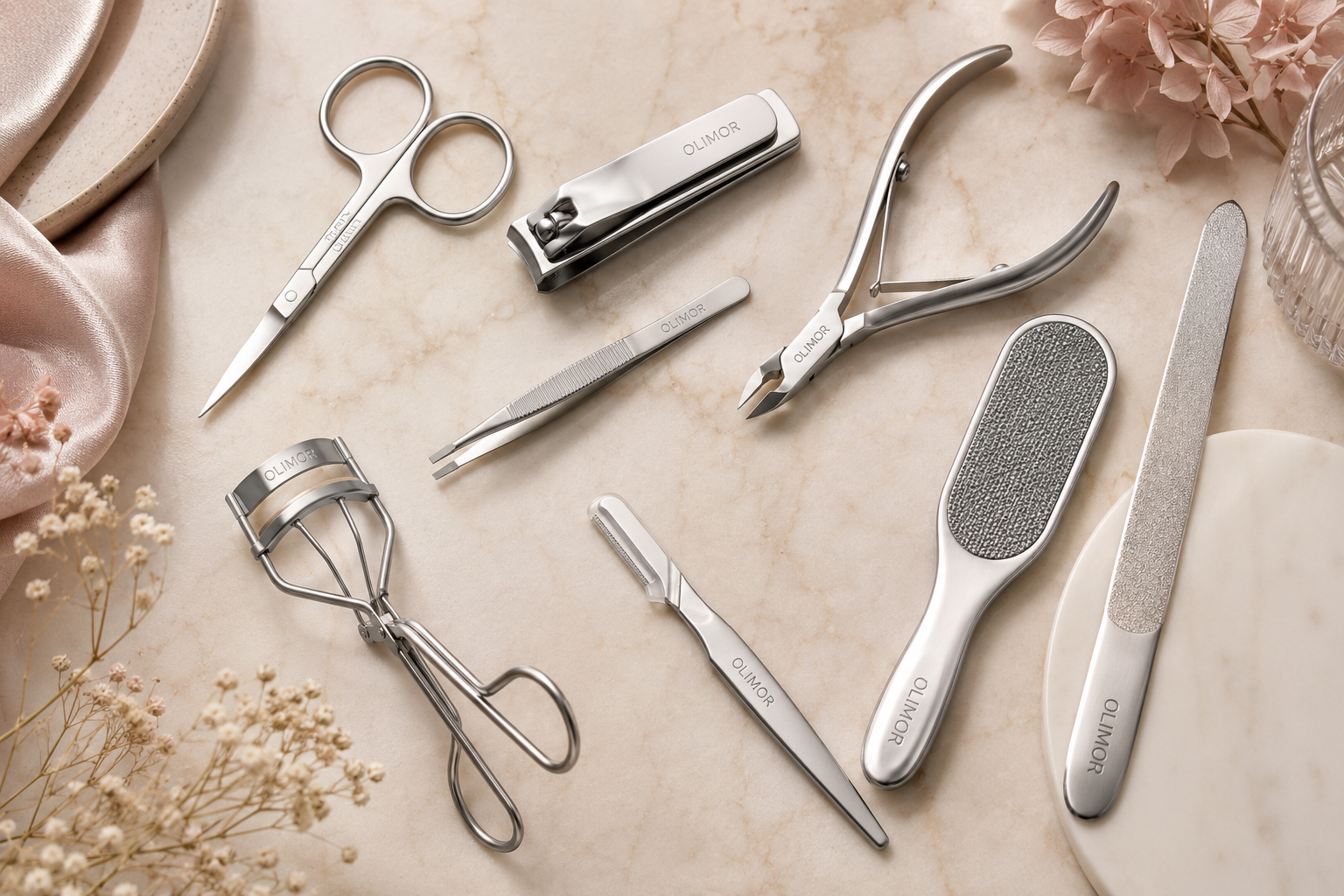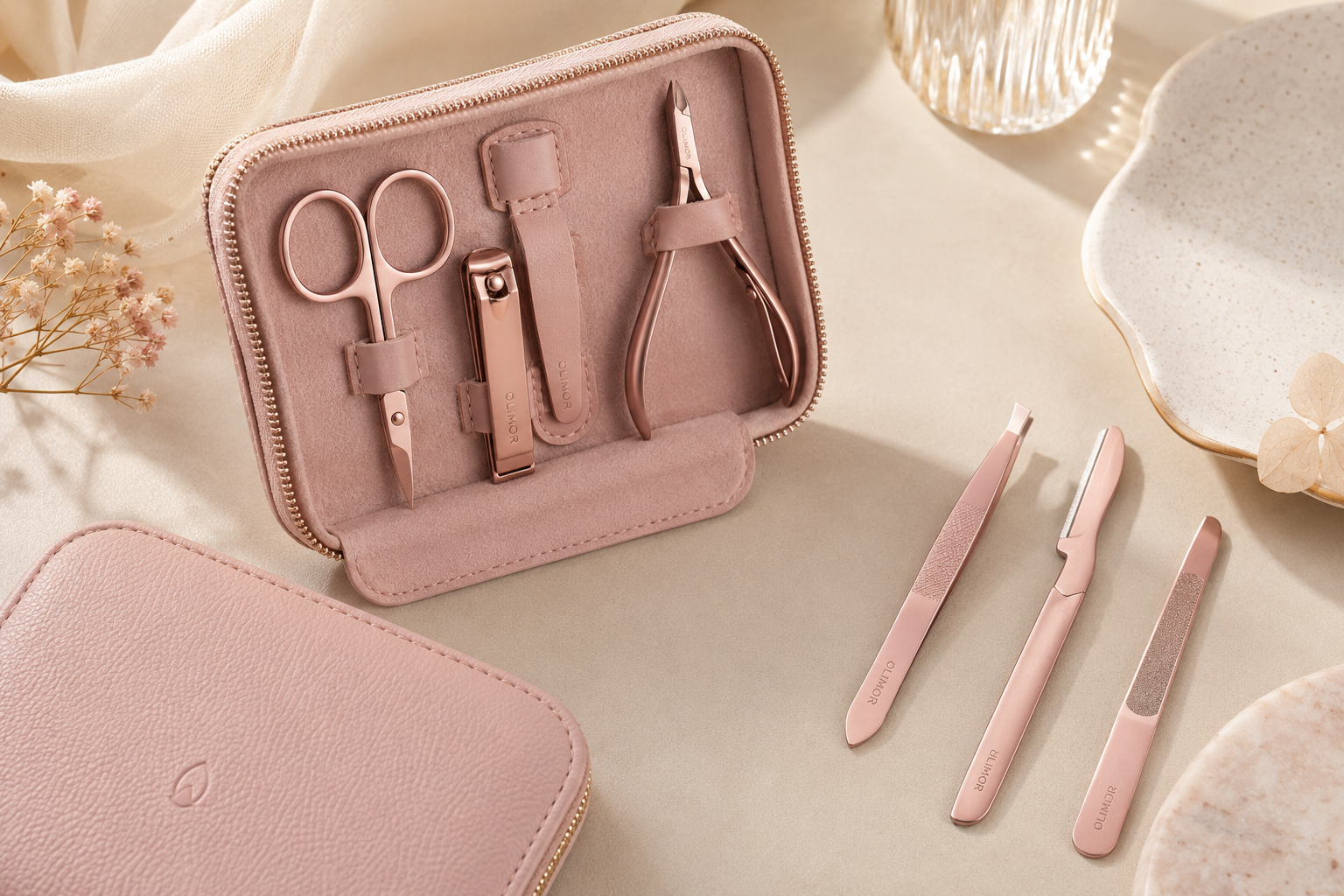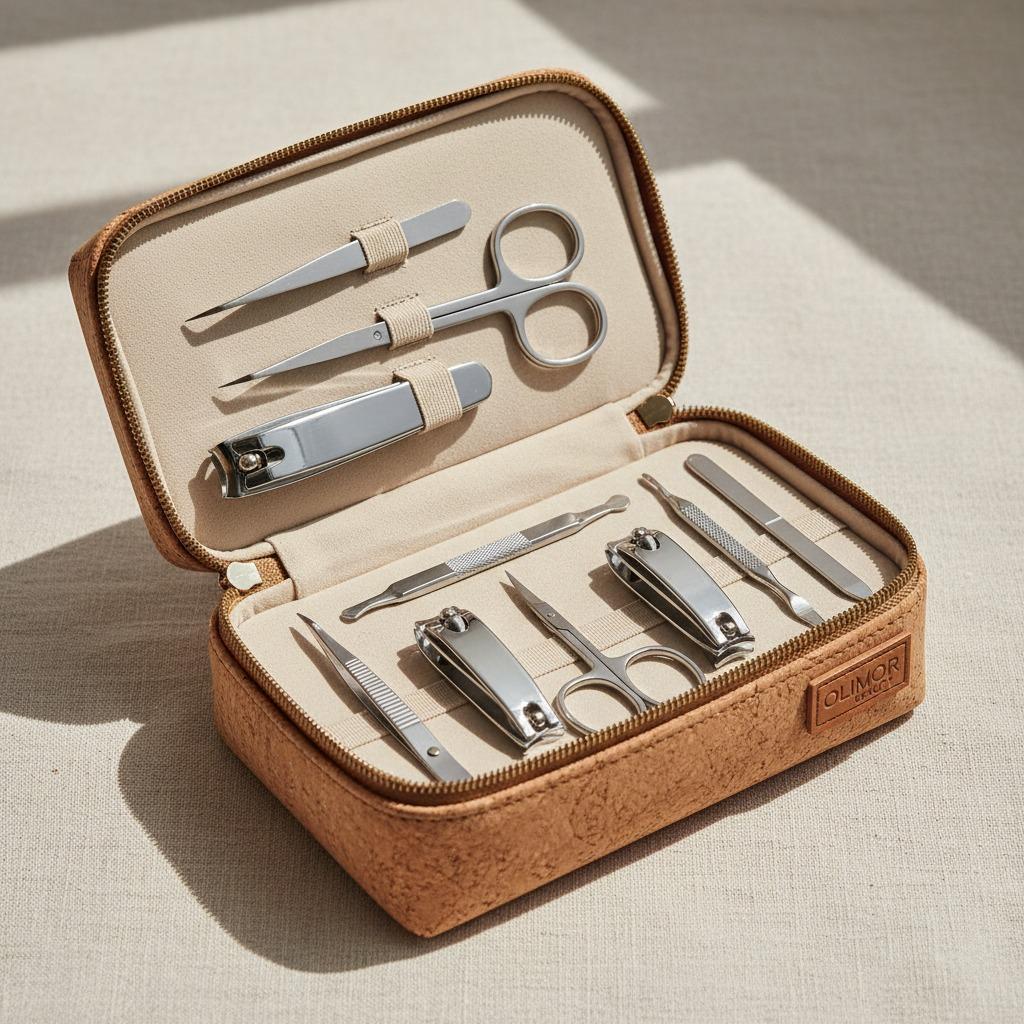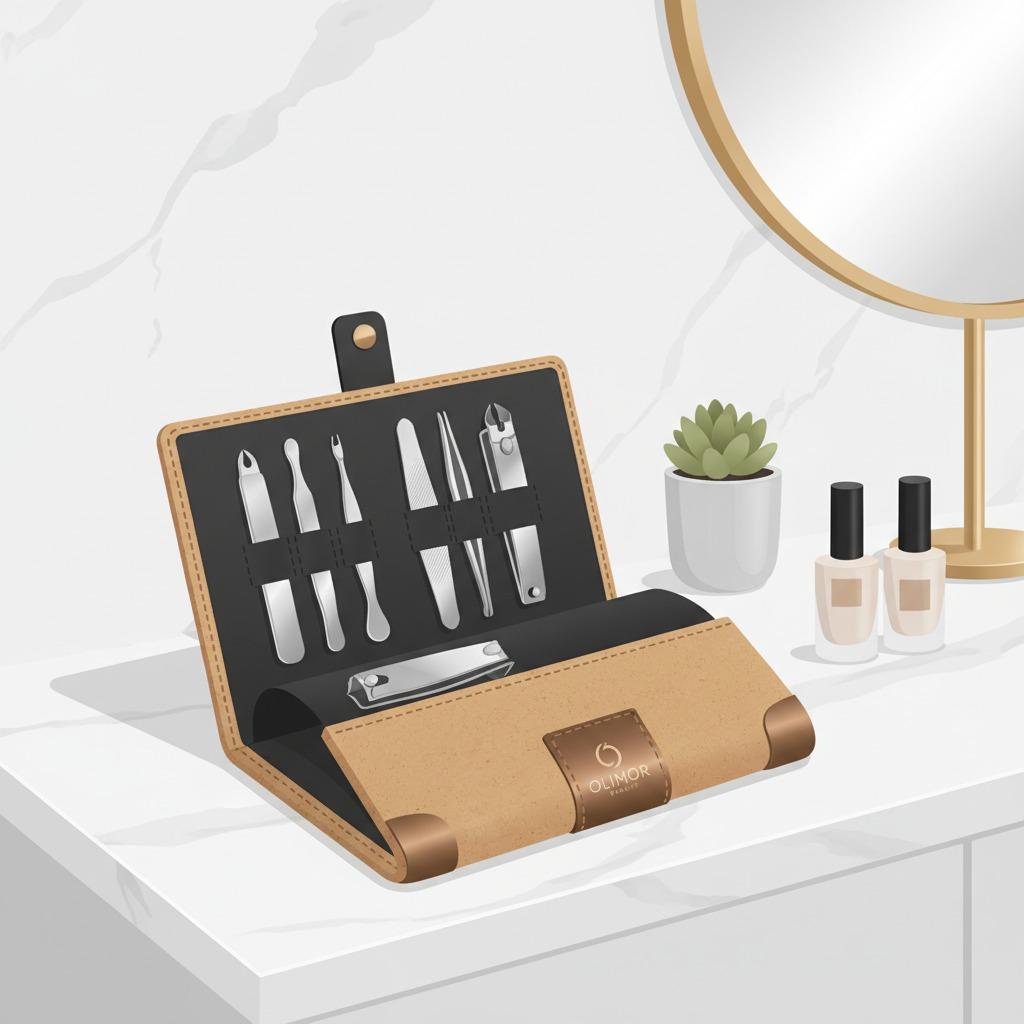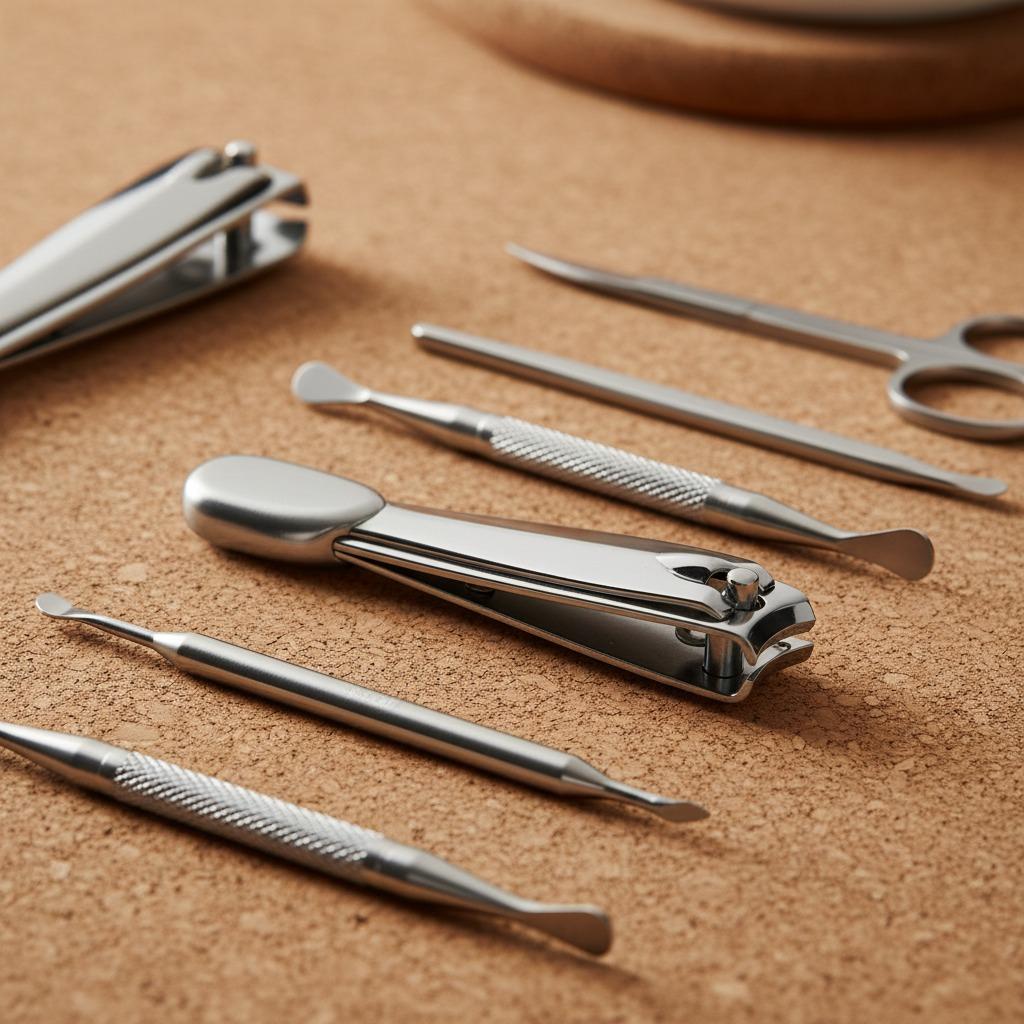













A cuticle nipper is a small tool, but buyers know it can create large differences in user experience. A clean trim, a comfortable grip, and a blade that closes evenly are all details that matter to nail technicians, beauty retailers, training schools, and at-home grooming customers. When sourcing from a cuticle nipper factory, the goal is not simply to find a sharp tool. The better question is whether the tool remains controlled, consistent, and suitable for the audience that will use it every day.
Olimor Beauty focuses on beauty tools for personal care and professional nail care settings, including stainless steel cuticle nippers designed for precision and comfort. If you are comparing options across beauty tool products, this guide explains what to review before selecting cuticle nippers for salon kits, retail assortments, promotional sets, or nail care collections.
What Makes a Cuticle Nipper Factory Worth Evaluating?
A reliable factory process should make the finished tool feel predictable in the hand. For cuticle nippers, predictability comes from several connected details: the alignment of the jaws, the resistance of the spring, the smoothness of the hinge, the finishing of the handle, and the edge quality of the cutting tip. If one detail is neglected, even a stainless steel tool can feel uncomfortable or imprecise.
Factory-made cuticle nippers are often selected by businesses that need repeatable quality across many pieces. A salon may need tools that perform consistently between technicians. A retailer may need a product that looks polished in packaging and feels safe when customers inspect it. A distributor may need a stable design that can fit different sales channels without unnecessary complexity. These buying needs are different, but they all depend on disciplined production and inspection from raw material handling through final packaging.
Because the supplied product information identifies stainless steel construction, buyers can use that as a starting point. Stainless steel is widely chosen for nail tools because it is durable and suitable for routine cleaning when maintained correctly. However, the buying decision should also consider edge geometry, hand feel, closing action, and finish quality rather than relying on material alone.
Key Selection Criteria for Stainless Steel Cuticle Nippers
When comparing cuticle nippers, it helps to evaluate them as working instruments rather than simple accessories. The following checklist can guide product review, sample inspection, and assortment planning:
- Jaw alignment: The tips should meet evenly without crossing, twisting, or leaving a visible gap at the cutting edge.
- Blade sharpness: A precision nipper should trim loose cuticle cleanly without tearing or requiring heavy pressure.
- Hinge movement: Opening and closing should feel smooth, controlled, and free of grinding or looseness.
- Spring response: The spring should reopen the handles reliably while avoiding excessive resistance that tires the hand.
- Handle comfort: Ergonomic shaping helps reduce fatigue during repeated salon use or careful home grooming.
- Surface finishing: Edges around the handles and body should feel smooth, with no rough burrs or uncomfortable points.
- Protective packaging: The cutting tip should be protected during transport and storage to reduce accidental damage.
- Visual consistency: For retail and brand presentation, finish, shape, and polishing should appear consistent across pieces.
These points are useful whether you are choosing one product for a professional kit or planning a broader order. For more context on related beauty tools, you can browse Olimor product collections and compare how different tools fit into a complete nail care range.
Matching the Tool to the User and Sales Channel
A cuticle nipper used by a nail technician faces different demands than one sold for occasional home grooming. Professional users often value a controlled cutting feel, hand comfort, and reliability during repeated service appointments. They may use the tool for long sessions, so fatigue and hinge smoothness become practical concerns. Home users may place more emphasis on safe handling, clear instructions, and packaging that protects the blade when stored in a drawer or toiletry case.
Retail buyers should also consider how the customer will understand the tool at first glance. A minimalist stainless steel appearance can communicate cleanliness and precision, but it should be supported by practical packaging and straightforward usage guidance. For salon supply channels, packaging may be simpler, while tool consistency and protective storage matter more. For nail training or starter kits, balanced handle control and dependable opening action can help new users learn proper technique more comfortably.
If the nippers will be sold together with other manicure tools, check whether the finish, proportions, and packaging style coordinate with the rest of the set. A visually coherent assortment can make purchasing easier for stores and customers, but functional quality should remain the priority. In nail care, a polished look cannot compensate for poor blade alignment.
Manufacturing and Inspection Questions Buyers Should Consider
Before choosing a cuticle nipper factory partner, buyers benefit from a structured review of the production approach. The original product information highlights internal controls from raw materials to final packaging, which is the right framework for a small precision tool. A practical review can include questions such as:
- Material control: How is stainless steel checked before production, and how are batches separated or traced internally?
- Forming and shaping: How are the jaws, handles, and joint areas formed to maintain consistent dimensions?
- Sharpening process: What steps are used to create a clean cutting edge, and how is edge consistency reviewed?
- Assembly control: How is hinge tightness checked so the nipper opens smoothly without wobble?
- Final inspection: Are jaw closure, surface finish, spring action, and packaging condition checked before shipment?
- Packaging protection: How is the tip protected so the cutting edge is not damaged in transit?
These questions do not require a buyer to become a manufacturing engineer. They simply help separate a basic-looking tool from one produced with attention to the details that affect performance. When comparing samples, document what you feel and see: any uneven closing, rough edges, weak spring return, or inconsistent finish. A simple inspection record can make supplier comparison more objective.
Care, Cleaning, and Handling for Longer Tool Life
Even a well-made cuticle nipper needs proper care. Stainless steel supports durability, but misuse, poor storage, and harsh handling can reduce performance. Users should avoid cutting hard materials such as wire, plastic tags, or artificial nail tips unless the tool is specifically intended for that purpose. Cuticle nippers are designed for delicate trimming around the nail area, and the fine cutting edge can be damaged by tasks outside that use.
After use, wipe the tool clean and dry it thoroughly before storage. In salon environments, cleaning and sanitation procedures should follow the rules required by the local workplace or authority. The cutting tips should be protected when not in use, especially if the nipper is stored with other metal tools. Dropping the tool can affect jaw alignment, so storage cases or protective sleeves are useful for both professionals and home users.
For businesses selling cuticle nippers, including basic care instructions can reduce customer misuse and support satisfaction. Clear guidance also helps customers understand that precision tools require more careful handling than ordinary household scissors or clippers.
How Olimor Beauty Fits Cuticle Nipper Sourcing
Olimor Beauty offers stainless steel cuticle nippers for buyers who need precision nail care tools with a clean, professional appearance and comfortable handling. The value of a cuticle nipper factory is not only in producing a finished item, but in maintaining repeatable workmanship across the details users notice: sharp cutting, controlled grip, smooth movement, and a reliable feel during trimming.
If you are building a salon supply range, refreshing retail nail tools, or comparing manicure products for distribution, start with the practical criteria above. Review samples with the intended user in mind, check the cutting and closing action carefully, and consider how packaging will protect the tip until the product reaches the customer.
To explore related options, visit Olimor beauty tool products. For sourcing discussions, product questions, or order planning, you can send an inquiry or contact Olimor with your requirements.