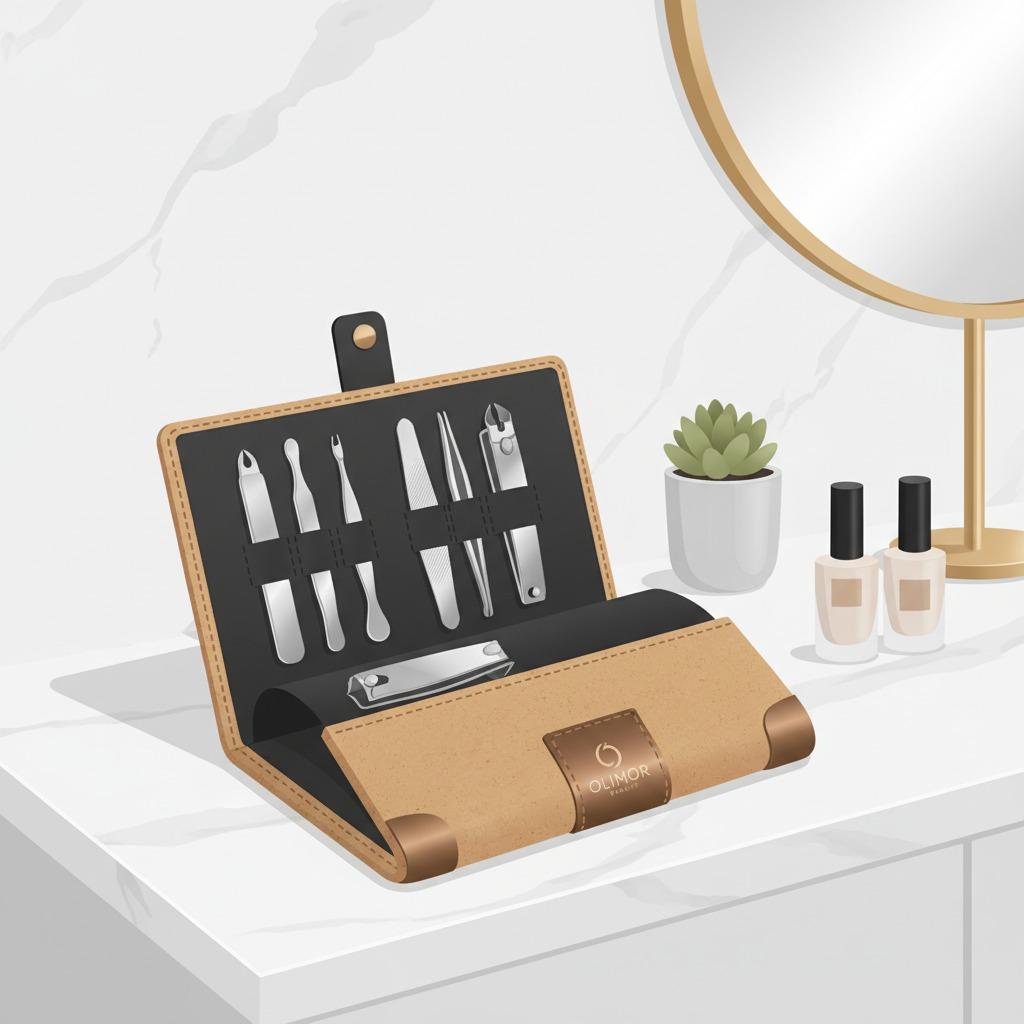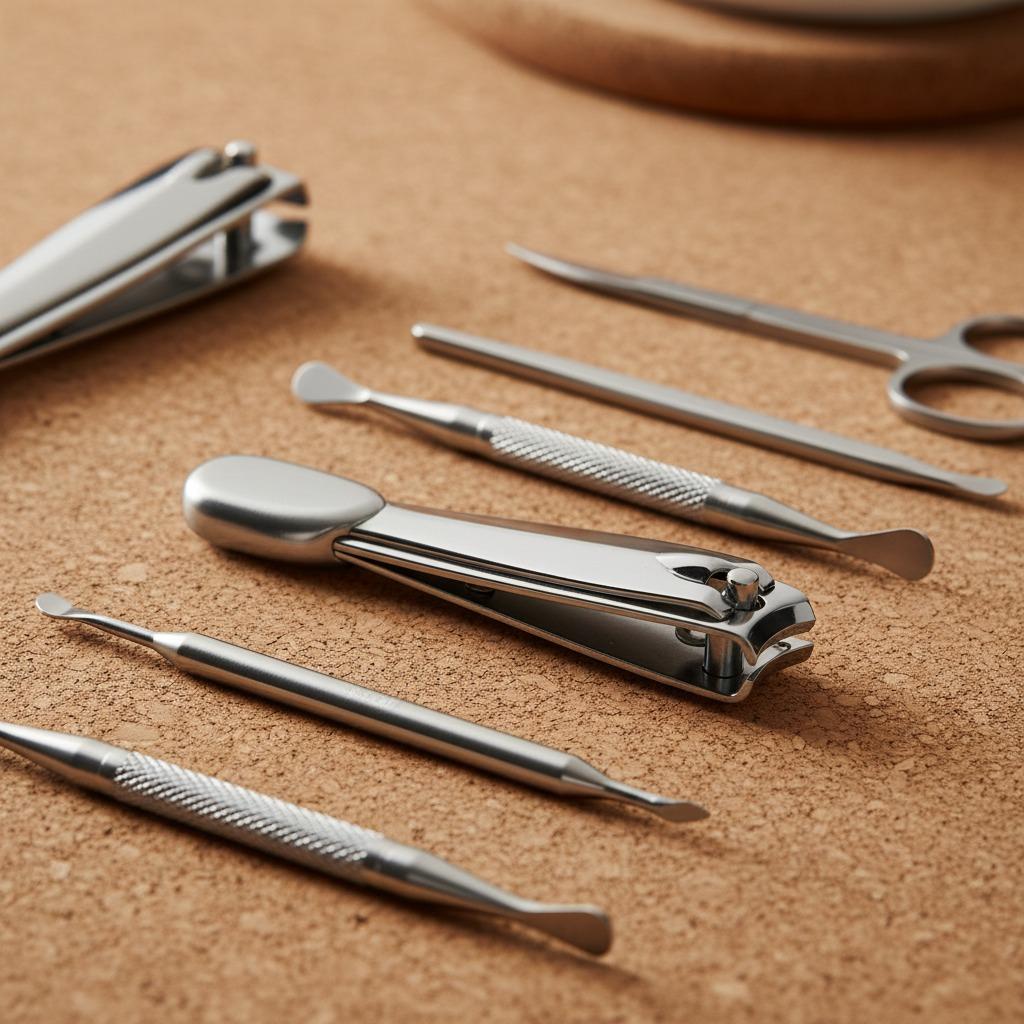











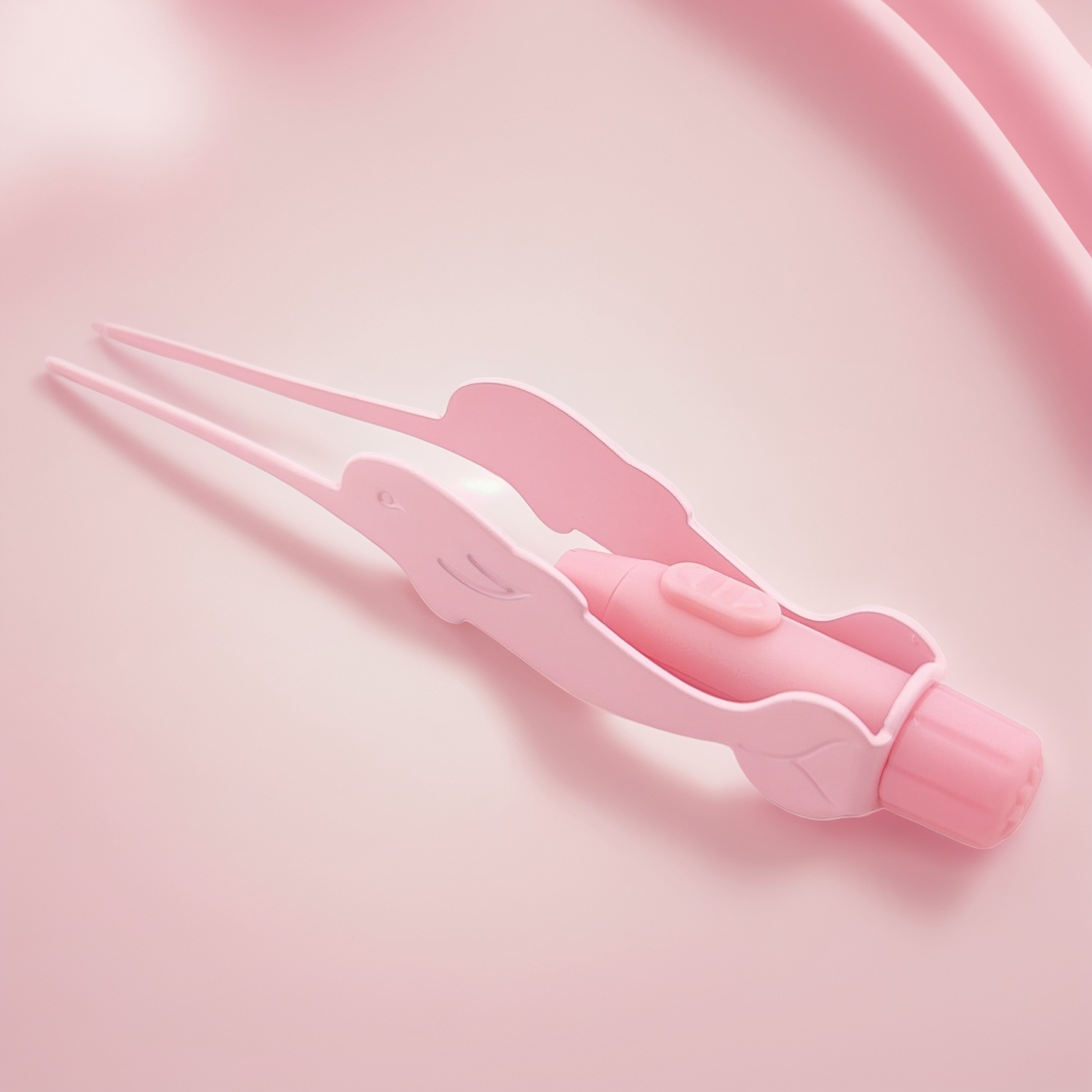
Custom tweezers look like a small item on a product list, but for beauty brands, retailers, salon suppliers and promotional buyers, they can carry a surprising amount of brand value. A tweezer is handled closely, used on delicate areas and judged immediately by its grip, alignment, finish and comfort. If it feels weak, pulls hair poorly or arrives with rough edges, the customer does not blame the factory; they blame the brand printed on the packaging.
That is why sourcing custom tweezers for business should be treated as a product development decision, not only a purchasing task. Price matters, but it should be considered alongside material consistency, tip precision, finishing quality, packaging readiness, inspection standards and communication. Whether you plan to import tweezers from China, compare several factories or work with a tweezers global supplier, the goal is the same: choose a partner that helps protect your reputation after the product reaches the customer.
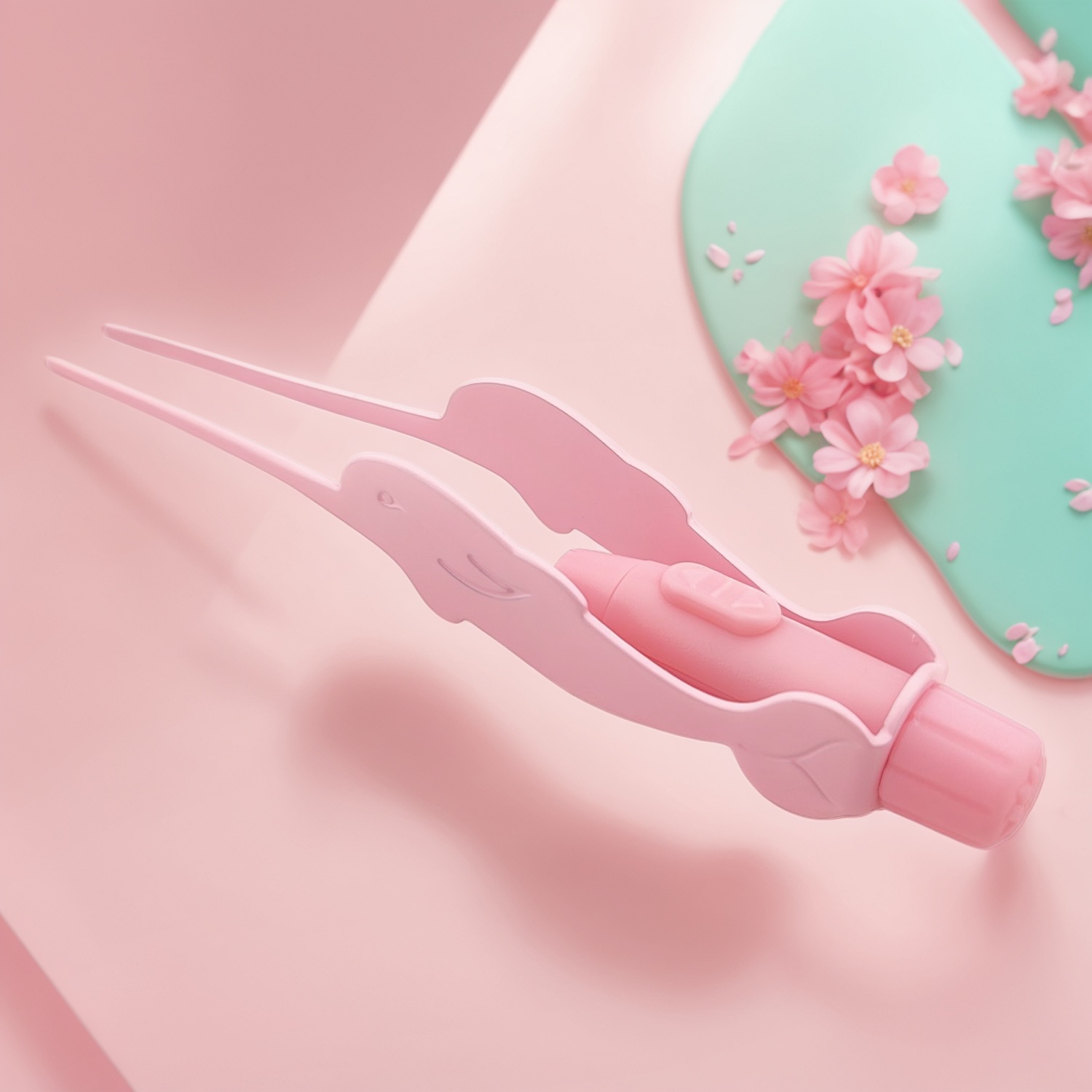
Why Custom Tweezers Need More Attention Than Basic Beauty Accessories
Unlike many cosmetic accessories, tweezers depend on small tolerances. Two tools can look similar in a catalog photo, yet perform very differently in use. The tips must meet cleanly, the arms need appropriate tension, the edges should be smooth enough for safe handling, and the surface finish must hold up during storage, display and repeated use. A poor tweezer can pinch skin, miss fine hair or feel uncomfortable after only a few minutes.
For business buyers, this means the evaluation process should include both appearance and function. A tweezer may be part of a brow kit, a travel grooming set, a salon retail display, a gift-with-purchase campaign or a private-label product line. In each situation, the buyer should define the expected user experience before asking for a quotation. A budget promotional tweezer, a retail-ready beauty tool and a professional grooming accessory may require different packaging, inspection levels and finishing expectations.
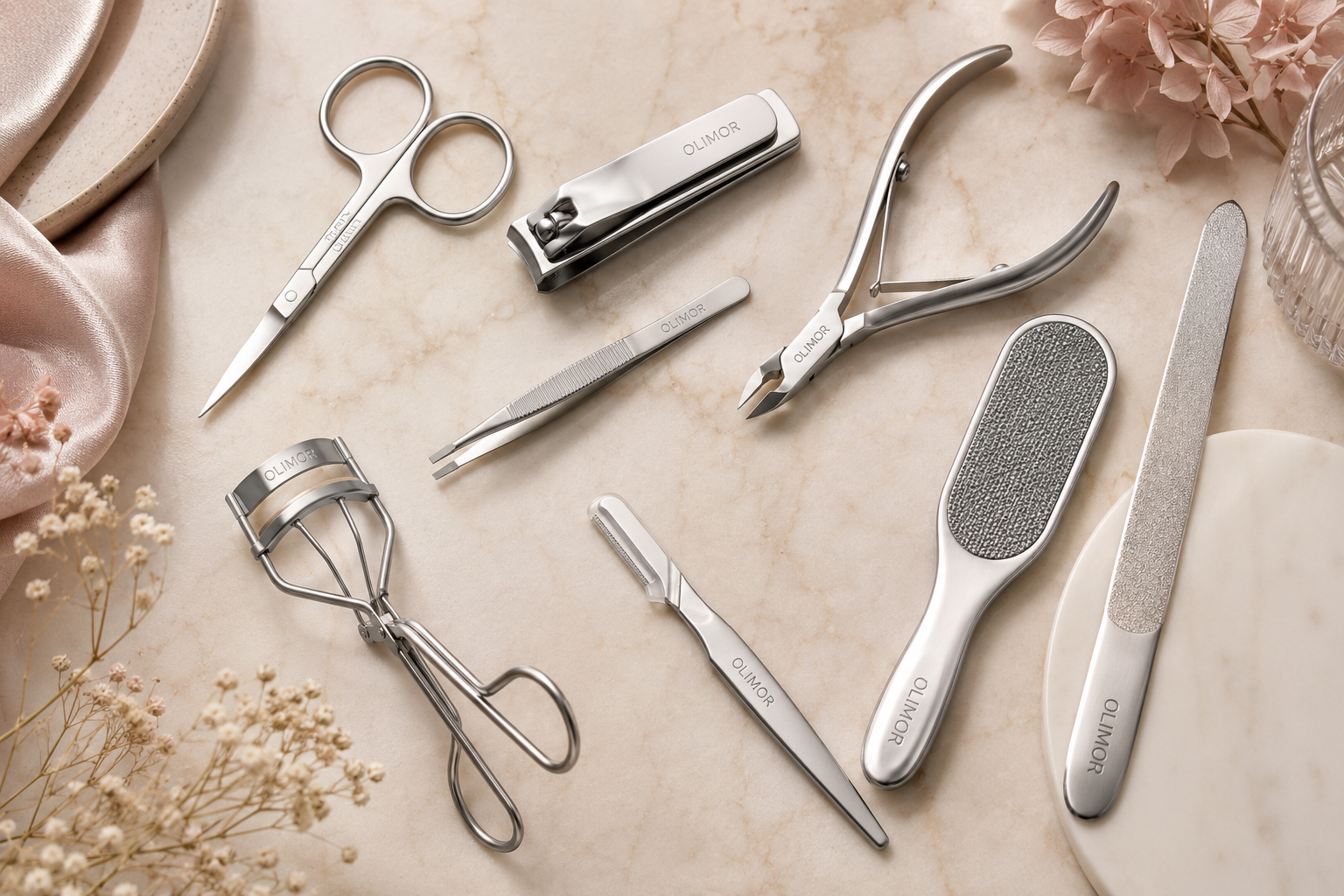
Olimor Beauty focuses on beauty tool supply for brands and trade buyers, including buyers who need practical guidance before confirming a custom order. You can review broader categories through Olimor beauty tool products or compare related product collections when planning how tweezers will fit into your range.
Mass-Market Sourcing vs. a Quality-Focused Specialist
The international tweezers trade includes many types of suppliers. Some are general trading companies, some handle mixed promotional goods, and others focus more closely on beauty tools. A mass-market source may appear attractive because the initial quote is low and the product seems simple. However, low unit pricing can hide important differences in inspection, material control, packaging handling and after-sales support.
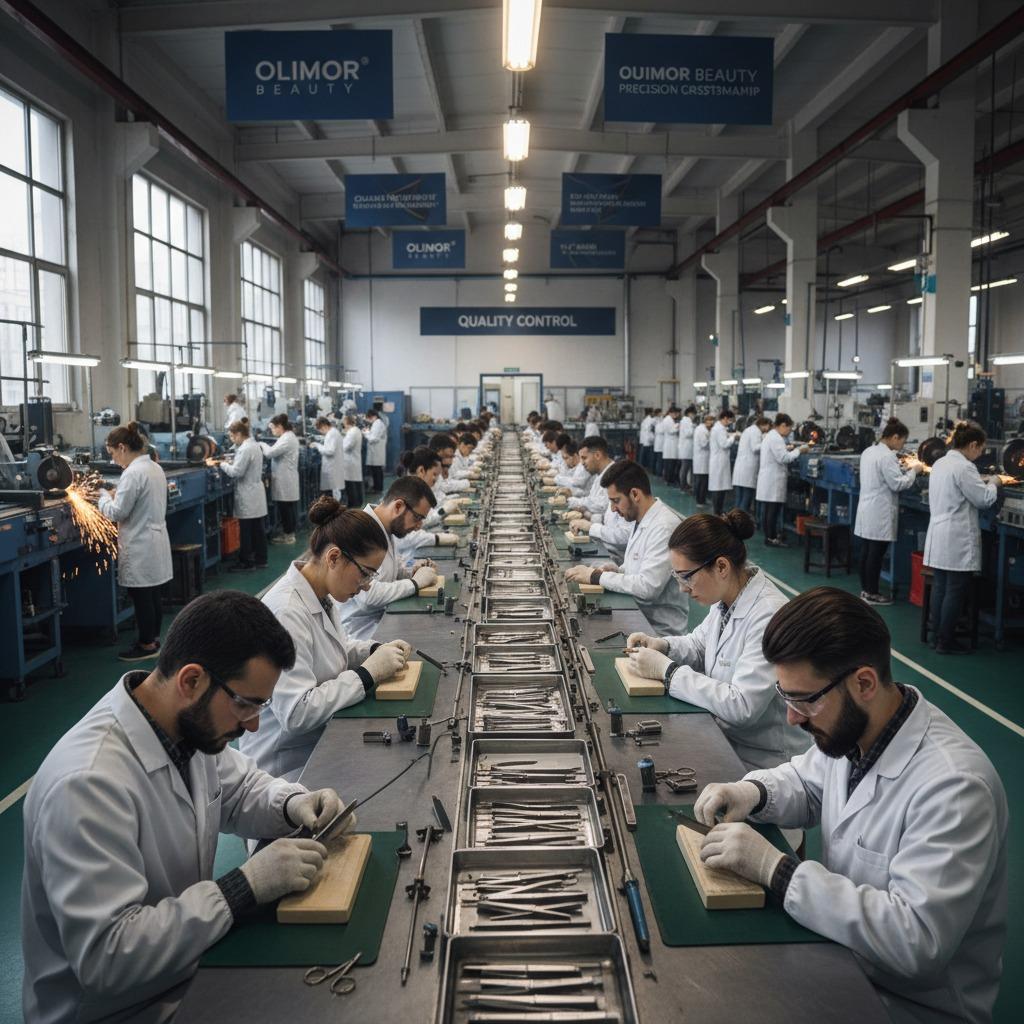
A quality-focused specialist is more likely to understand what beauty buyers actually need: aligned tips, consistent tension, clean finishing, dependable packaging and a product that can pass customer handling without looking careless. This does not mean every order must be positioned as premium. It means the supplier should be able to match the product to the use case and explain the trade-offs clearly.
| Sourcing factor | Mass-market approach | Quality-focused approach |
|---|---|---|
| Product evaluation | Often based mainly on catalog images and price | Considers tip alignment, tension, finish and user feel |
| Customization | May offer simple logo or packaging changes | Can discuss branding, presentation and functional expectations together |
| Quality control | May vary by batch or subcontractor | Emphasizes repeatability and inspection points |
| Communication | Often quotation-led | More likely to clarify application, target market and packaging needs |
| Long-term value | Lowest starting cost can create hidden risk | Better suited to brand consistency and repeat orders |
When comparing suppliers, do not rely only on the lowest price. Ask what the price includes, how samples are checked, how packing is handled and what level of cosmetic defects is considered acceptable. These details affect the final product more than a product photo or short specification line.
Key Quality Points to Check Before Ordering Custom Tweezers
Before placing a production order, business buyers should define clear quality expectations. A useful approach is to separate the tweezer into functional quality, cosmetic quality and packaging quality. Each category influences the end customer in a different way.
- Tip alignment: The tips should meet evenly enough to grip hair effectively. Misalignment is one of the most common reasons tweezers feel cheap or frustrating.
- Grip and tension: The arms should press together smoothly without feeling too loose or too stiff. Tension affects comfort, especially for users shaping brows or handling fine hairs.
- Edge finishing: Edges and corners should not feel sharp in the hand. Smooth finishing improves perceived quality and usability.
- Surface appearance: Check for scratches, uneven coating, stains, discoloration or marks that may become visible in retail packaging.
- Logo placement: If custom branding is required, confirm size, position, color contrast and durability expectations before production.
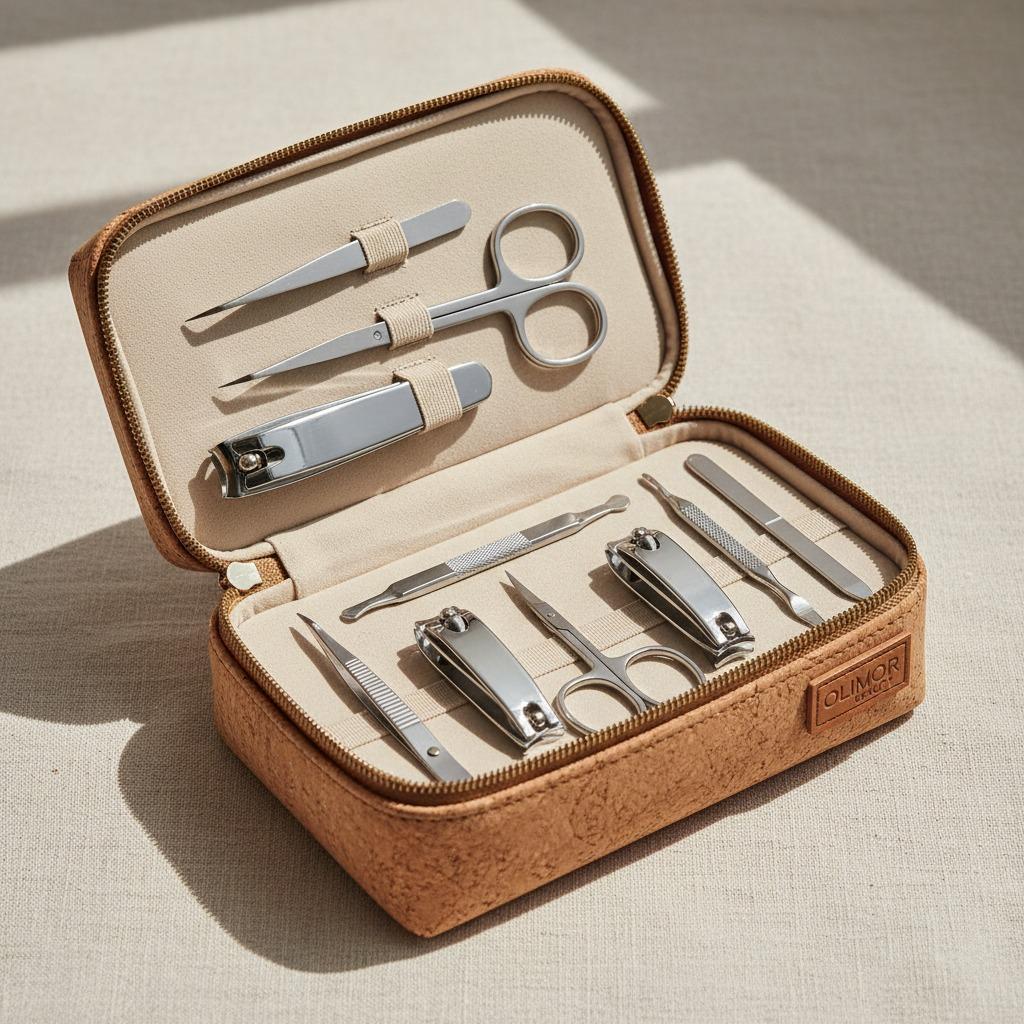
- Packaging fit: The tweezer should sit securely in its pouch, card, box or set. Loose packaging can make even a good tool look poorly presented.
- Batch consistency: Samples should represent production standards, not only a carefully selected piece.
These points are especially important if tweezers will be sold under your brand name. Consumers may not know the technical language of tool manufacturing, but they immediately notice whether a tweezer grips well and feels carefully made.
Customization Choices That Affect Brand Perception
Custom tweezers are not only about adding a logo. The entire presentation should match the customer, sales channel and price position. For example, a salon-focused buyer may care more about practical handling and durable packaging, while a retail beauty brand may place greater emphasis on display appeal and color coordination. A promotional buyer may need simple branding but still cannot ignore basic quality, because the product represents the company distributing it.
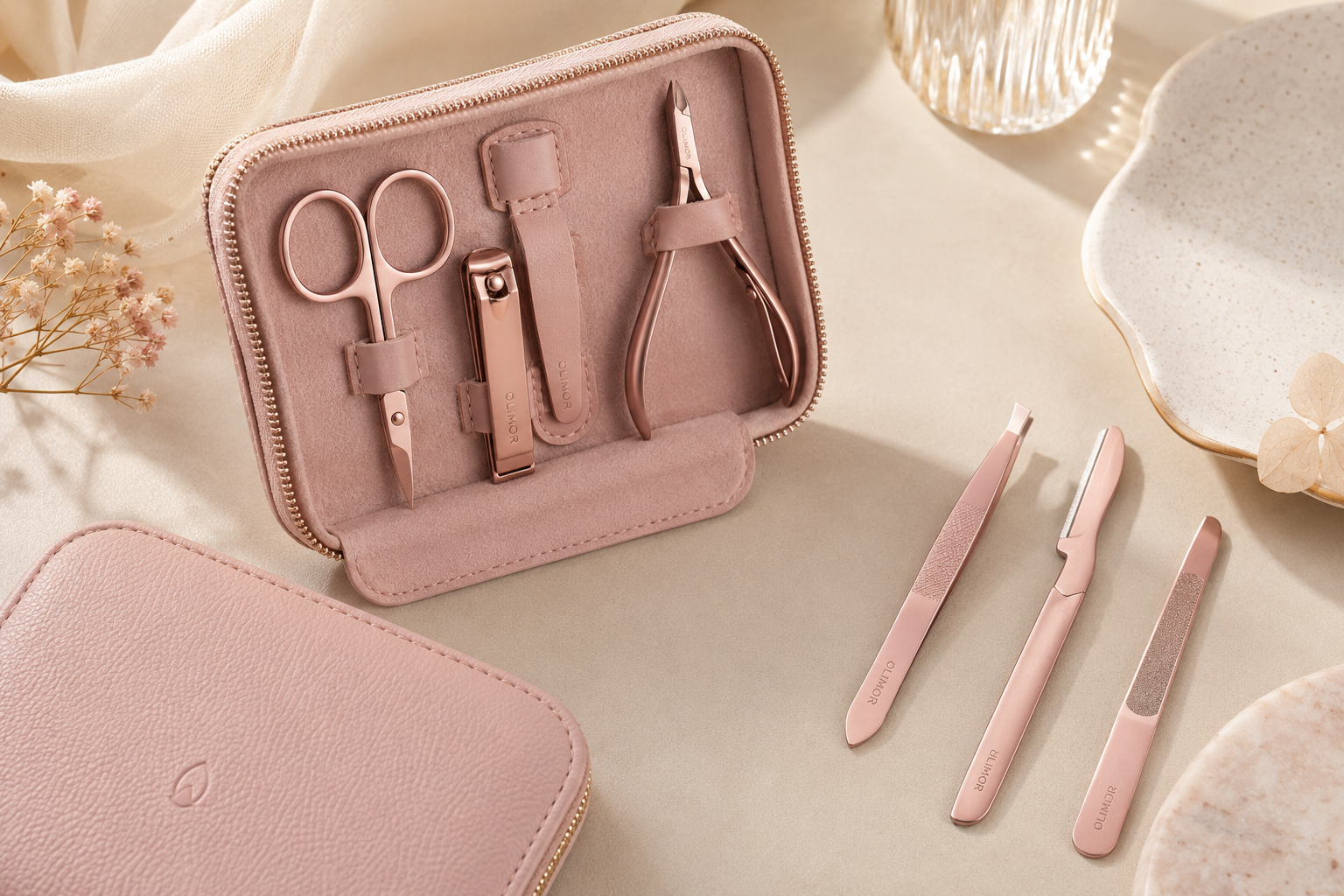
Common customization decisions include surface color, finish style, logo method, packaging format and whether the tweezer is sold alone or as part of a grooming set. Each decision should support the product’s role. A heavily decorated tweezer with weak tip performance will disappoint customers, while a simple well-made tweezer can build trust when the packaging is clean and accurate.
Buyers should also consider regional preferences. Some markets prefer minimal packaging, while others expect protective retail-ready presentation. Some customers value compact travel grooming items; others are looking for professional-looking brow tools. In the international tweezers trade, a supplier that can discuss these differences is often more useful than one that only sends a price sheet.
How to Evaluate a Tweezers Global Supplier
A dependable supplier should help you reduce uncertainty. This does not mean promising unrealistic results or giving vague assurances. It means providing clear product information, practical sampling steps and reasonable production communication. When you assess a tweezers global supplier, look for signs that the company understands both manufacturing and brand responsibility.
- Start with the use case. Define whether the tweezer is for retail sale, salon resale, travel kits, private label, gifting or professional grooming support.
- Request representative samples. Evaluate grip, finish, comfort and packaging, not just color or logo appearance.
- Confirm customization details in writing. Include logo placement, packaging structure, surface finish and any functional expectations.
- Review inspection criteria. Clarify how visible defects, misaligned tips, packaging damage or inconsistent printing will be handled.
- Check communication quality. A useful partner asks relevant questions and responds clearly before production begins.
- Think beyond the first order. If the product is successful, you may need repeatable quality for future replenishment or line extensions.
If you are preparing a private-label program or comparing several beauty tool items, you can send an inquiry with your intended application and packaging direction. For broader questions about product selection or cooperation, you may also contact Olimor.
Reducing Risk When You Import Tweezers from China
Many beauty businesses choose to import tweezers from China because the supplier base is large and product options are broad. This can be a practical sourcing route, but it should be managed carefully. The main risk is not simply country of origin; it is unclear requirements. If the buyer only asks for a “custom tweezer with logo,” suppliers may quote different materials, finishes, inspection standards and packaging levels, making comparisons unreliable.
To reduce risk, prepare a short product brief before collecting quotations. Include target customer, sales channel, approximate positioning, desired packaging, logo requirements and any examples of acceptable finish. If you already have a reference sample, use it to explain expectations, but remember that a reference is not a complete specification. It should be paired with written requirements.
It is also wise to decide which details are critical and which are flexible. For example, tip performance and safe finishing may be non-negotiable, while packaging color or card layout may allow adjustment. This helps the supplier propose realistic options without compromising the features that affect customer satisfaction.
Building a Partnership That Supports Business Success
The best custom tweezer supplier for your business is not always the one with the lowest initial quote or the longest product list. It is the partner that can help you turn a small beauty tool into a consistent, brand-appropriate product. For trade buyers, that means clear communication, usable samples, practical customization choices and attention to quality before the goods reach your customers.
Custom tweezers can support brand loyalty when they feel precise, look clean and arrive in packaging that matches the promise of your business. By comparing suppliers carefully and treating quality control as part of product development, you make better sourcing decisions and reduce the risk of complaints, returns or inconsistent repeat orders. For beauty brands, distributors and private-label buyers, that disciplined approach is what turns a basic grooming tool into a reliable part of a professional product range.