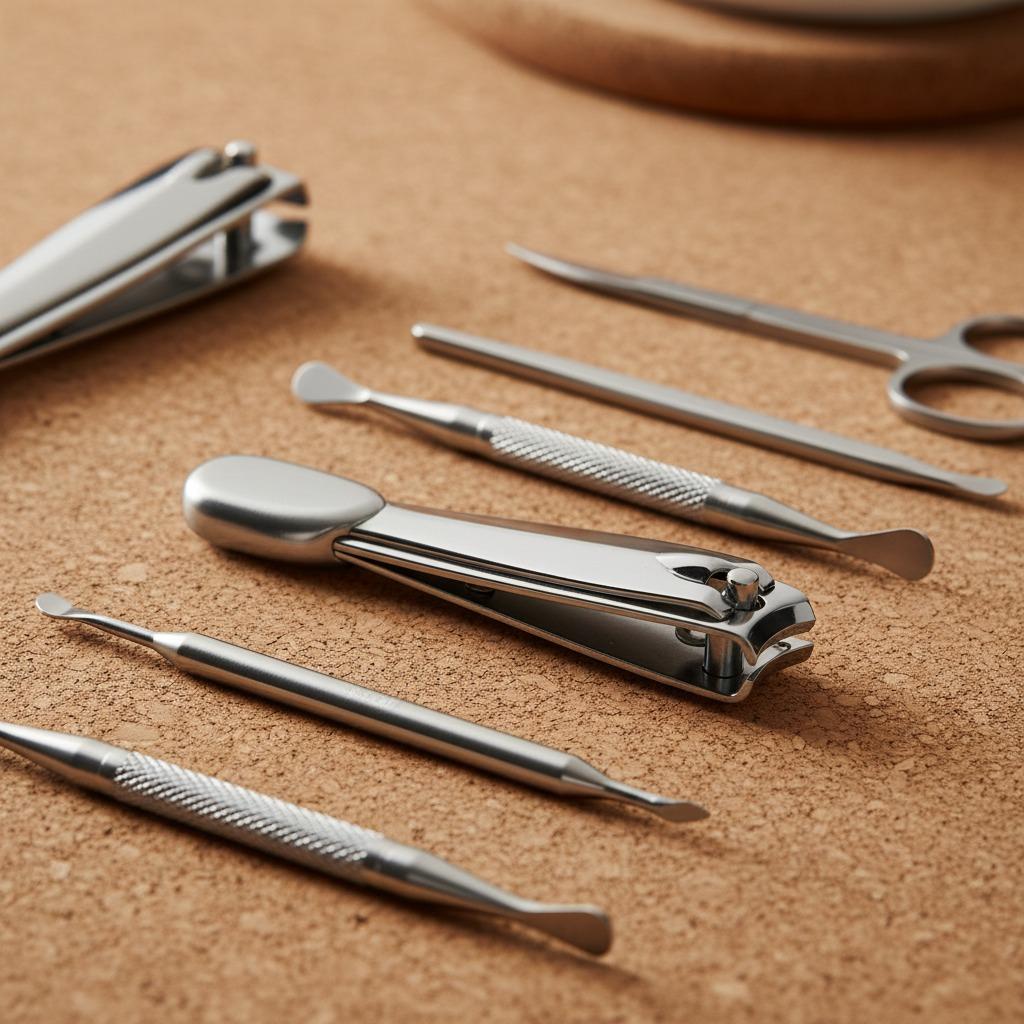











Custom tweezers may look like a small product decision, but they can have a direct effect on customer satisfaction, repeat sales, and the way buyers judge your brand. A tweezer that feels balanced, grips cleanly, and keeps its tip alignment over time creates confidence. A tool that slips, scratches, bends, or arrives with inconsistent finishing can create complaints quickly, especially for salons, beauty retailers, lash professionals, brow specialists, electronics users, and craft tool resellers.
For business buyers, the goal is not simply to find the lowest unit cost. The better question is whether the tweezer fits the intended use, can be customized appropriately, arrives with consistent quality, and supports your positioning in the market. Olimor Beauty supplies beauty tool products for professional and reseller needs, including custom tweezers designed for precision-focused applications.
Start With the End User, Not the Catalog Page
Before comparing finishes, packaging, or logo options, define who will use the tweezers and what they need to do with them. A brow technician, a lash artist, a retail beauty customer, and a craft user may all buy tweezers, but they do not value the same details in the same order.
For example, professional beauty users often pay close attention to tip alignment, grip control, hand comfort, and durability after repeated use. Retail customers may notice packaging, finish, and how easy the tool is to use at home. Resellers may prioritize stable quality across batches because their reputation depends on fewer returns and consistent reviews. If the tool is used in electronics or crafting, fine point control and clean handling of small components may be more important than cosmetic presentation.
A useful sourcing brief should include:
- Primary application: brows, lashes, general grooming, beauty retail, crafting, electronics, or mixed use.
- Target buyer: salon professional, reseller, distributor, private label brand, or consumer retail customer.
- Preferred tweezer shape: straight classic tip, slanted tip, pointed tip, curved tip, or 30-degree slope design where suitable.
- Brand position: entry retail, professional daily use, gift set, salon supply, or private label range.
- Packaging role: protective transport packaging, retail display packaging, or custom branded presentation.
When these points are clear, supplier conversations become more efficient and the sample review process becomes more objective.
Standard Tweezers vs. Professional-Grade Tweezers
Standard consumer tweezers can be suitable for occasional home grooming, but they often fall short when used repeatedly in a professional setting. The difference is usually visible in the tip alignment, spring tension, edge finishing, grip accuracy, and how the tool feels after extended use.
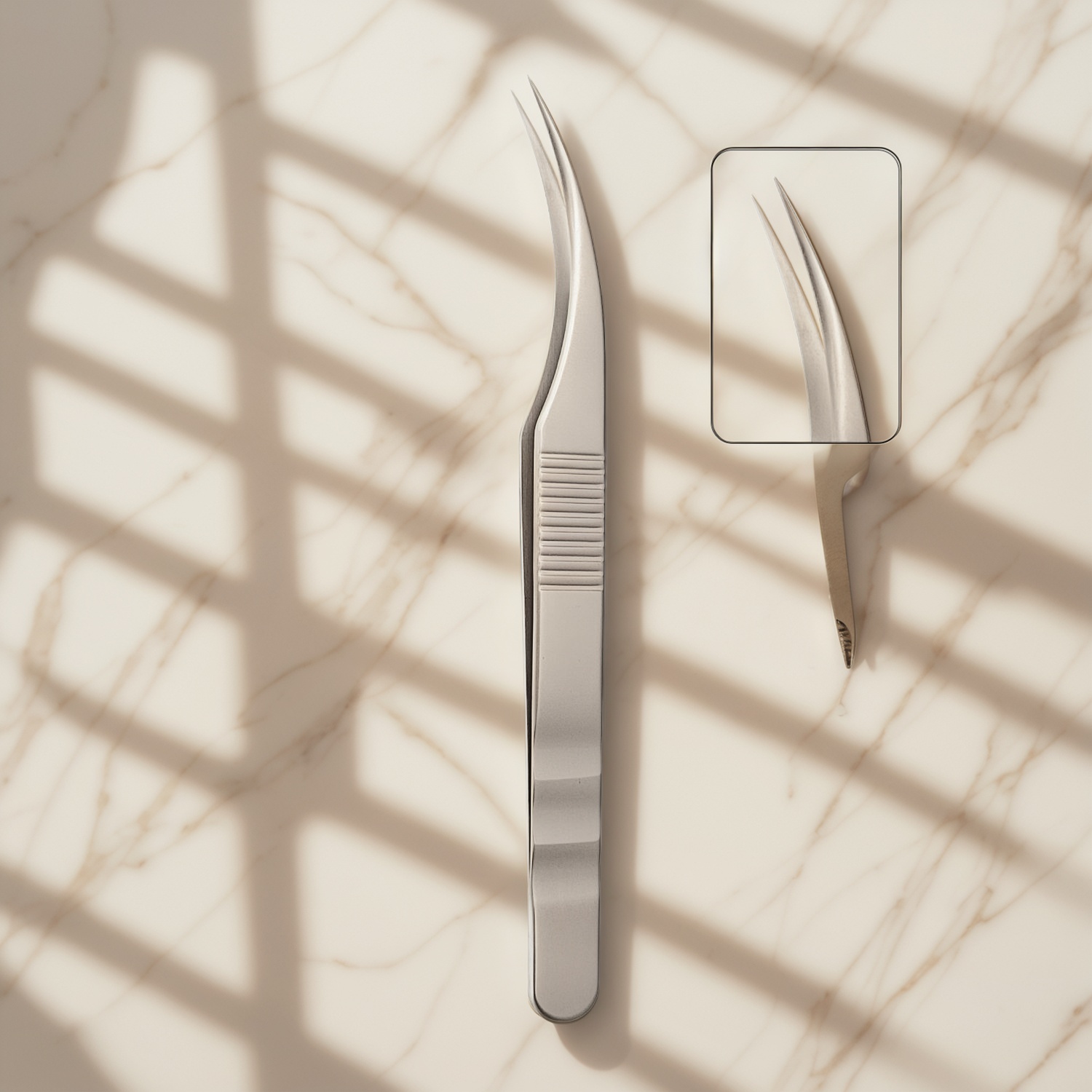
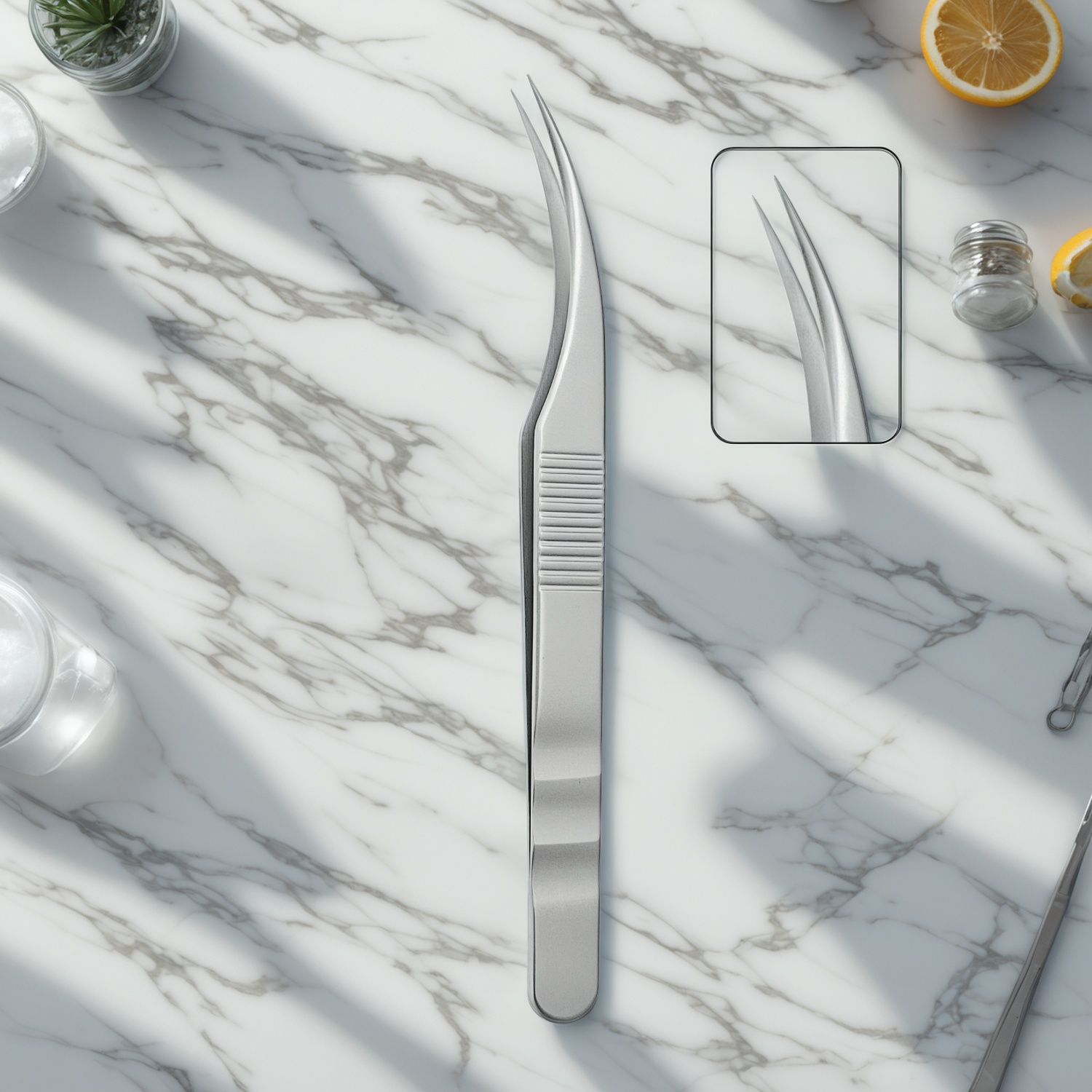
Professional-grade tweezers should close evenly, meet at the tip without gaps, and grip fine hair or small objects without requiring excessive pressure. This matters because hand fatigue can affect accuracy. Olimor Beauty’s tweezer offering includes tools made with surgical-grade stainless steel and engineered tips for accuracy, including options such as the Artisan Curvex when a specialized shape is appropriate for the buyer’s range.
Material, tip geometry, and finishing are all important. A tweezer may look attractive in a product photo, but the business value comes from repeatable performance. For custom tweezers for business, buyers should not judge samples only by appearance. Test how the tool picks up fine hair, how the tips meet under light pressure, whether the edges feel smooth, and whether the tension is comfortable for the expected use case.
Choosing Tip Styles for Different Product Lines
Tip style is one of the most important decisions in a custom tweezer project. A reseller may want multiple shapes in a set, while a salon supply buyer may prefer fewer styles that are proven for daily work. Choosing too many variations can complicate inventory, but choosing only one style can limit your appeal.
| Tip style | Common use case | Buyer consideration |
|---|---|---|
| Straight classic tip | General gripping, craft use, basic grooming | Simple, versatile, and easy to explain in retail listings. |
| Slanted tip | Brow shaping and general beauty use | A familiar shape for beauty customers and salons. |
| Pointed tip | Fine detail work | Requires careful finishing and clear safety-minded packaging. |
| Curved tip | Specialized beauty or precision work | Useful when the angle improves visibility or access. |
| 30-degree slope design | Precision handling where angled control is preferred | Best evaluated through samples because handling preference varies by user. |
The right assortment depends on your sales channel. For online retail, clear product descriptions and close-up images of the tip are essential. For salons, sampling and user feedback may be more valuable than adding many colors or decorative details. For distributors, consistency across repeat orders is usually more important than unusual styling.
Customization That Supports the Brand
Customization should make the product easier to sell, easier to recognize, and more aligned with your customer’s expectations. It should not interfere with grip, comfort, or hygiene-conscious handling. For tweezers, customization may involve logo placement, surface finish, color direction, packaging, assortment structure, or a branded retail set.
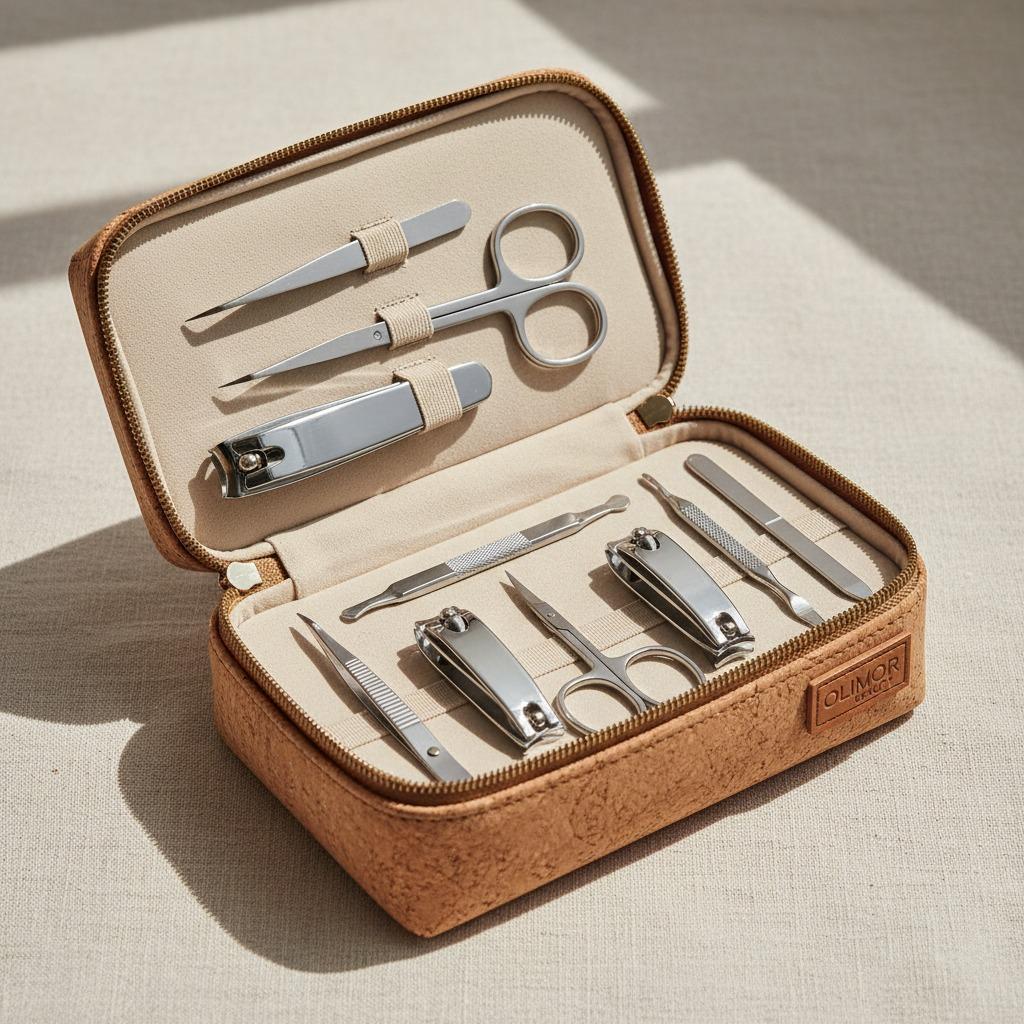
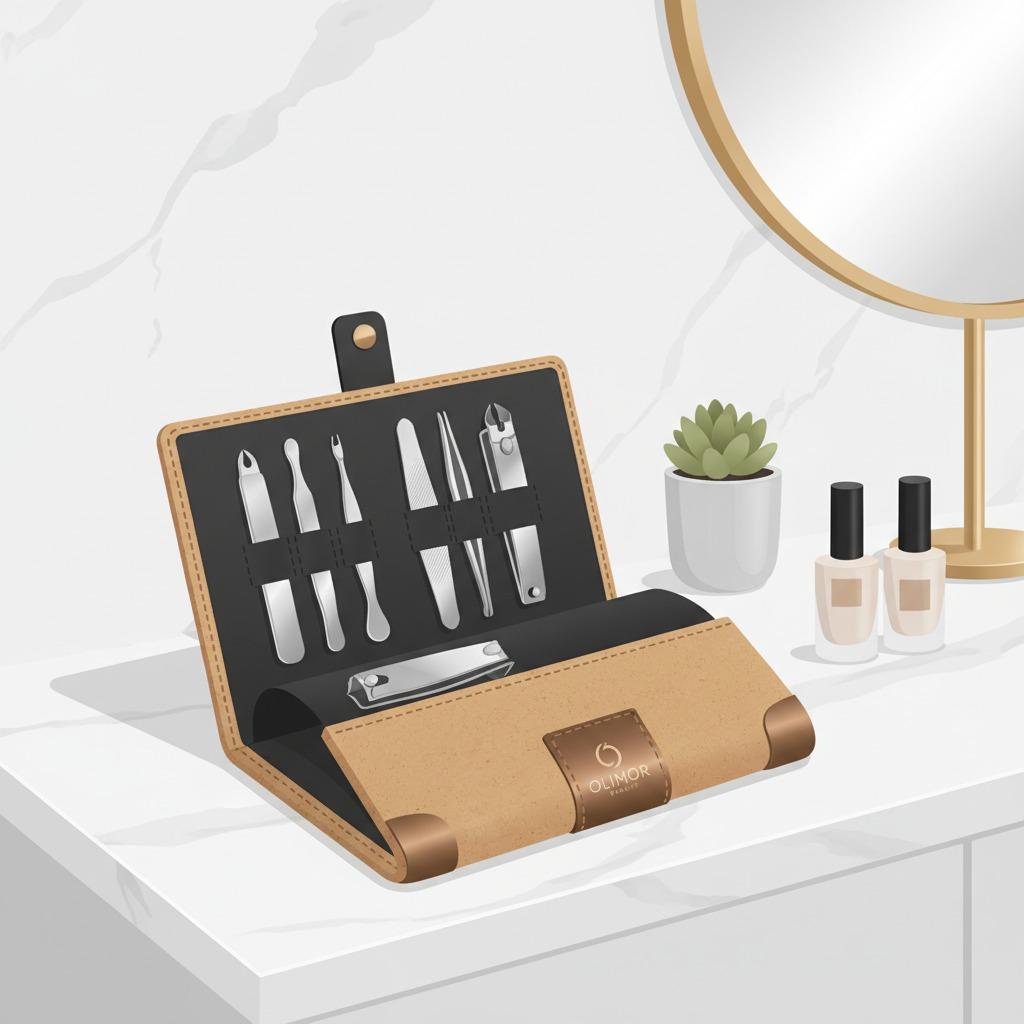
When planning a custom tweezer program, consider where the brand mark will be visible after regular handling. A logo that looks good on the first sample but wears poorly or sits where fingers naturally rub may not be ideal. Packaging also deserves attention. A well-protected tool is less likely to arrive with tip damage, and retail packaging can communicate use case, care instructions, and brand positioning.
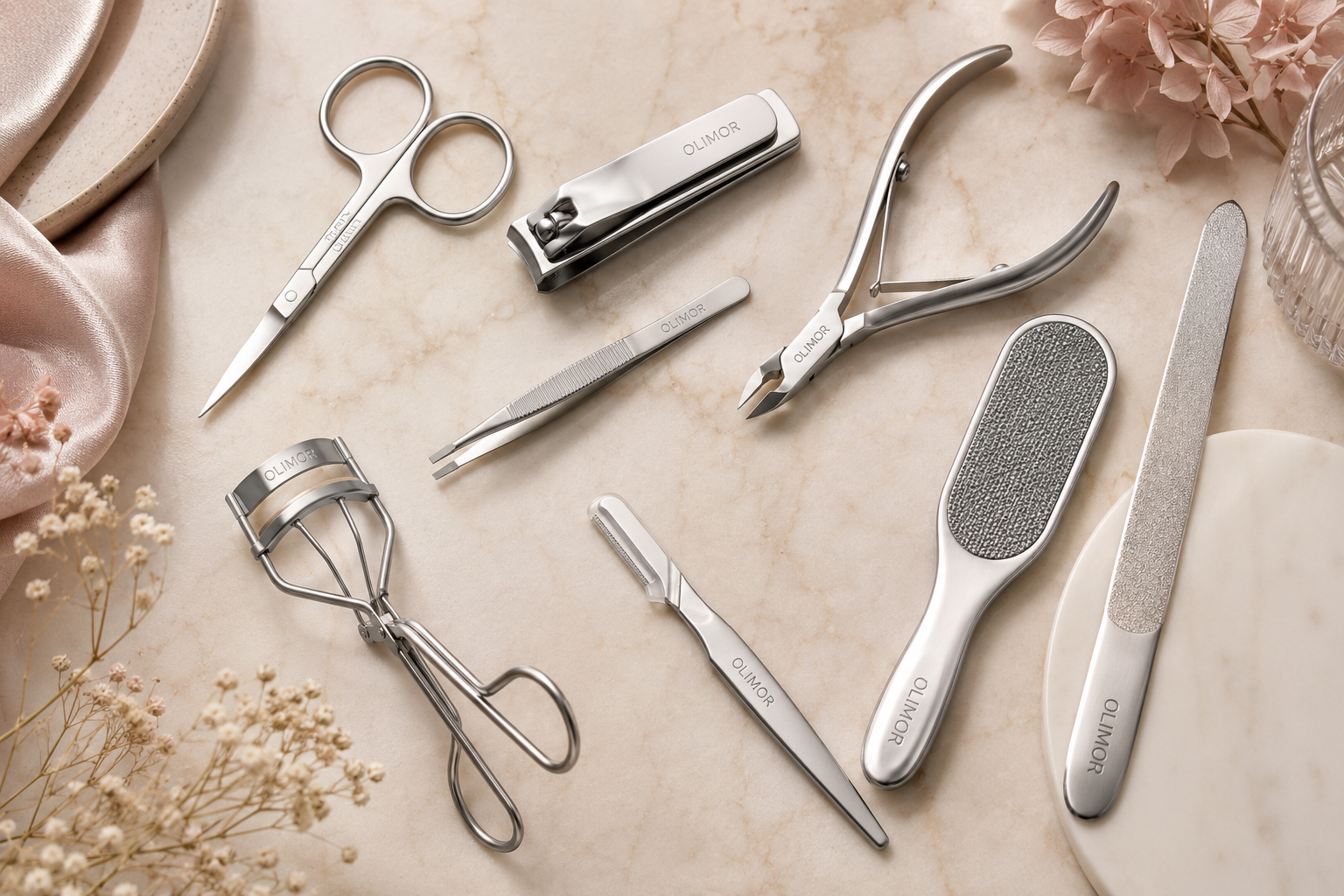
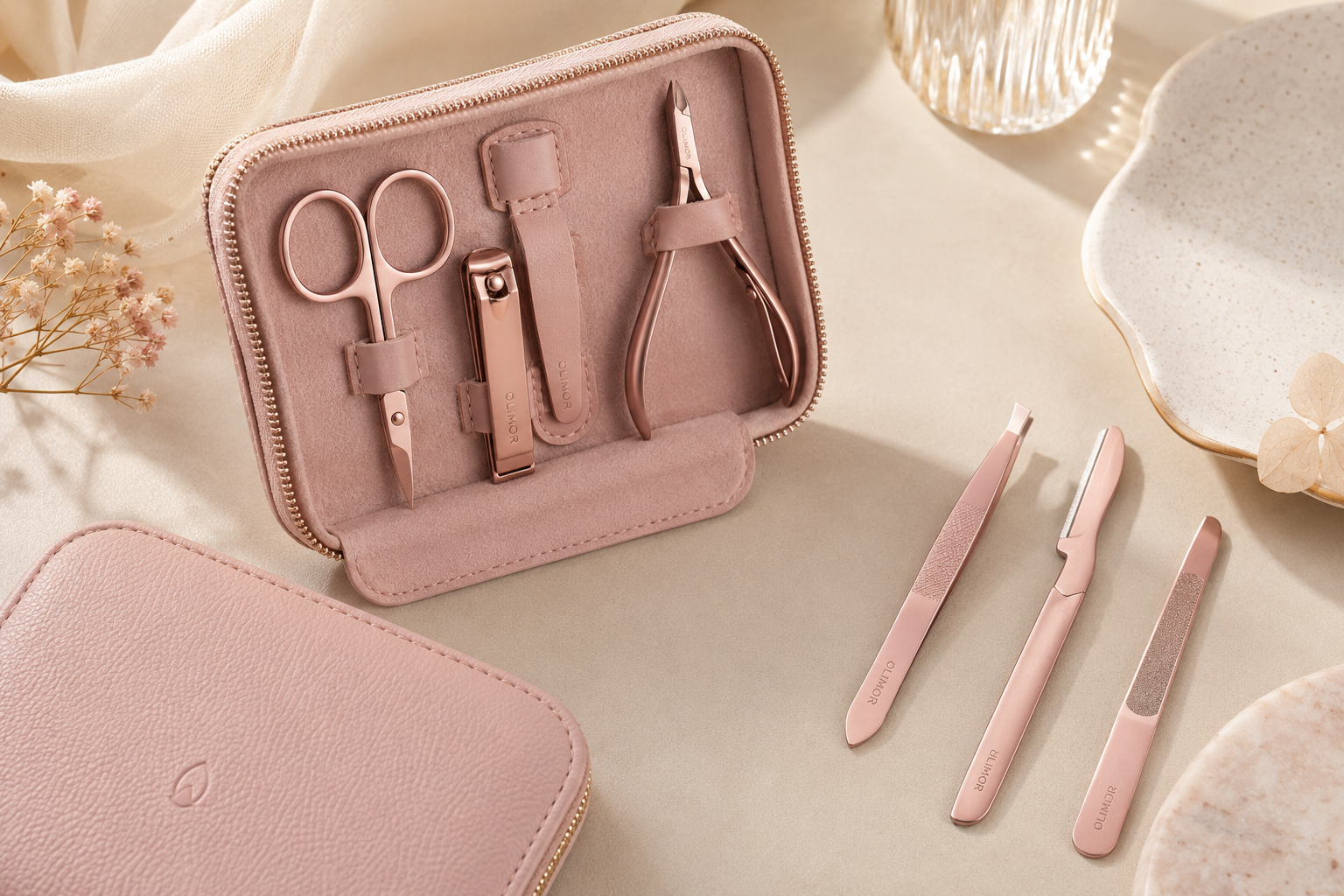
For buyers developing a broader beauty tool range, it can help to review related beauty tool products and compare how tweezers may fit with scissors, manicure tools, brow tools, or lash accessories. If your company is building a themed assortment, browsing Olimor product collections can also help you think about packaging consistency and category structure.
Direct Export From China vs. Local Wholesalers
Many resellers begin with local wholesalers because they are convenient and can supply smaller ready-made assortments. This can be useful for quick market testing, but it may limit branding control, product variation, and direct visibility into manufacturing decisions. Costs may also be higher because the product has already passed through additional distribution layers.
Direct sourcing from a manufacturer can give business buyers more control over specifications, branding, sample revisions, packaging direction, and quality expectations. For tweezers export from China, the value is not only price comparison; it is also the ability to discuss materials, tip shapes, finishing, packaging, and inspection needs directly with the production side.
That said, direct sourcing works best when the buyer is prepared. A vague request such as “send your best tweezers” can lead to mismatched samples. A stronger request explains the market, usage, target price level if relevant, required branding, packaging needs, and whether the product is for retail, salon, distributor, or private label sale.
Quality Checks to Perform Before Placing an Order
Quality control is especially important with tweezers because small variations can affect function. Olimor Beauty conducts inspections from raw materials through final packaging, but buyers should still have a clear internal sample approval process. This prevents decisions from being based only on appearance or cost.
Use a practical checklist when evaluating samples:
- Tip alignment: close the tweezer gently and check whether the tips meet evenly.
- Grip performance: test fine hair, thread, paper edge, or another object relevant to the intended use.
- Tension: confirm that the tool is neither too stiff nor too loose for repeated handling.
- Edge finishing: inspect for rough edges, sharp unintended corners, or uncomfortable grip areas.
- Surface consistency: review finish, color, and logo placement under normal lighting.
- Packaging protection: ensure the tips are protected during storage and shipping.
- User feedback: let the actual target users test the sample when possible, especially for salon or lash applications.
For larger business programs, keep one approved reference sample. This makes future comparison easier if you reorder or add a related tool to the same range.
Maintenance Guidance Adds Value for Your Customers
Business buyers often focus on sourcing, but customer education can improve product satisfaction. Simple care instructions help users protect the tool and reduce avoidable complaints. Tweezers should be stored so the tips are not crushed or bent. Users should avoid dropping them on hard surfaces because even a small impact can affect alignment. Cleaning should be appropriate for the intended setting, and tools should be dried before storage when moisture is involved.
If your tweezers are sold through retail channels, add concise care guidance on packaging or inserts. If they are sold to professionals, include handling and storage recommendations in product listings or sales materials. This is especially useful for pointed, curved, or precision tip designs, where tip condition matters most.
Building a Better Custom Tweezer Program With Olimor Beauty
A successful custom tweezer project balances design, performance, branding, and repeatable supply. The most effective buyers define the use case first, compare tip styles through real handling, confirm packaging requirements, and keep quality checks consistent across samples and orders.
Olimor Beauty supports business buyers looking for custom tweezers, B2B tweezers, tweezers for resellers, and export-focused sourcing. With ergonomic design considerations, diverse tip options, and inspection throughout production and packaging, Olimor Beauty helps buyers develop tools that fit their market rather than relying on generic stock choices.
If you are planning a private label tweezer range, salon tool assortment, or reseller program, prepare your target use case, preferred tip shapes, packaging goals, and branding requirements before requesting samples. To discuss a project, contact Olimor or send an inquiry with your sourcing brief.