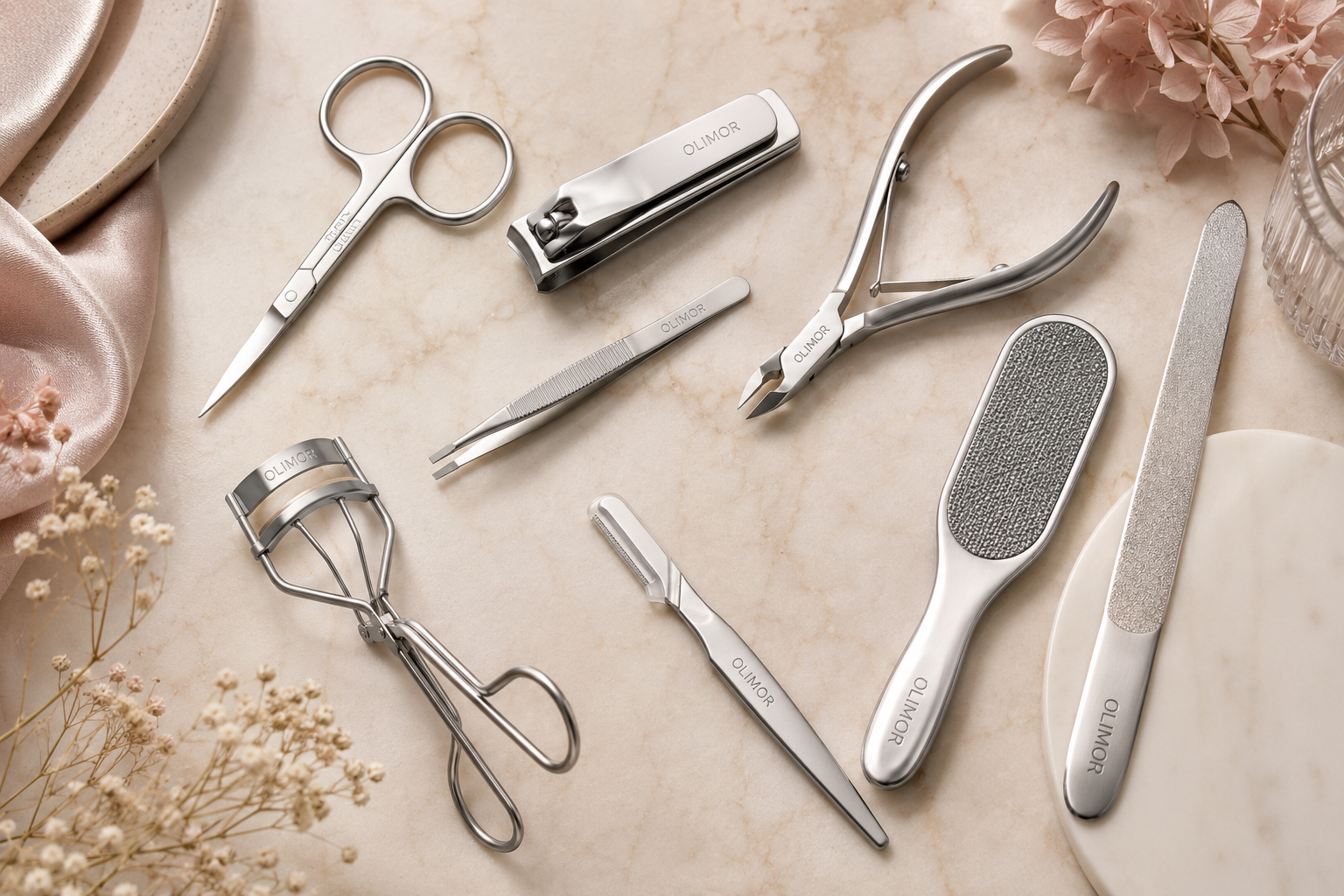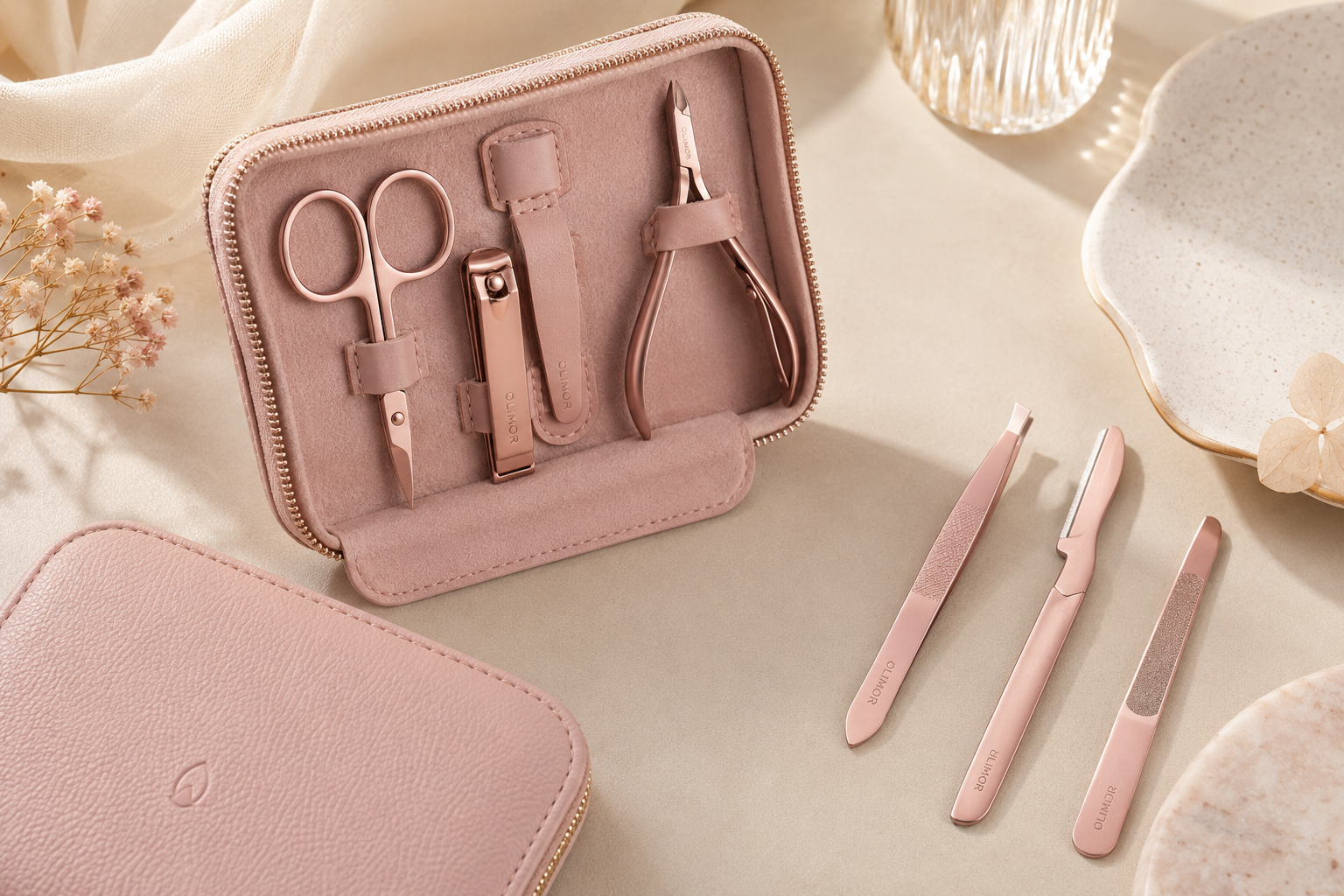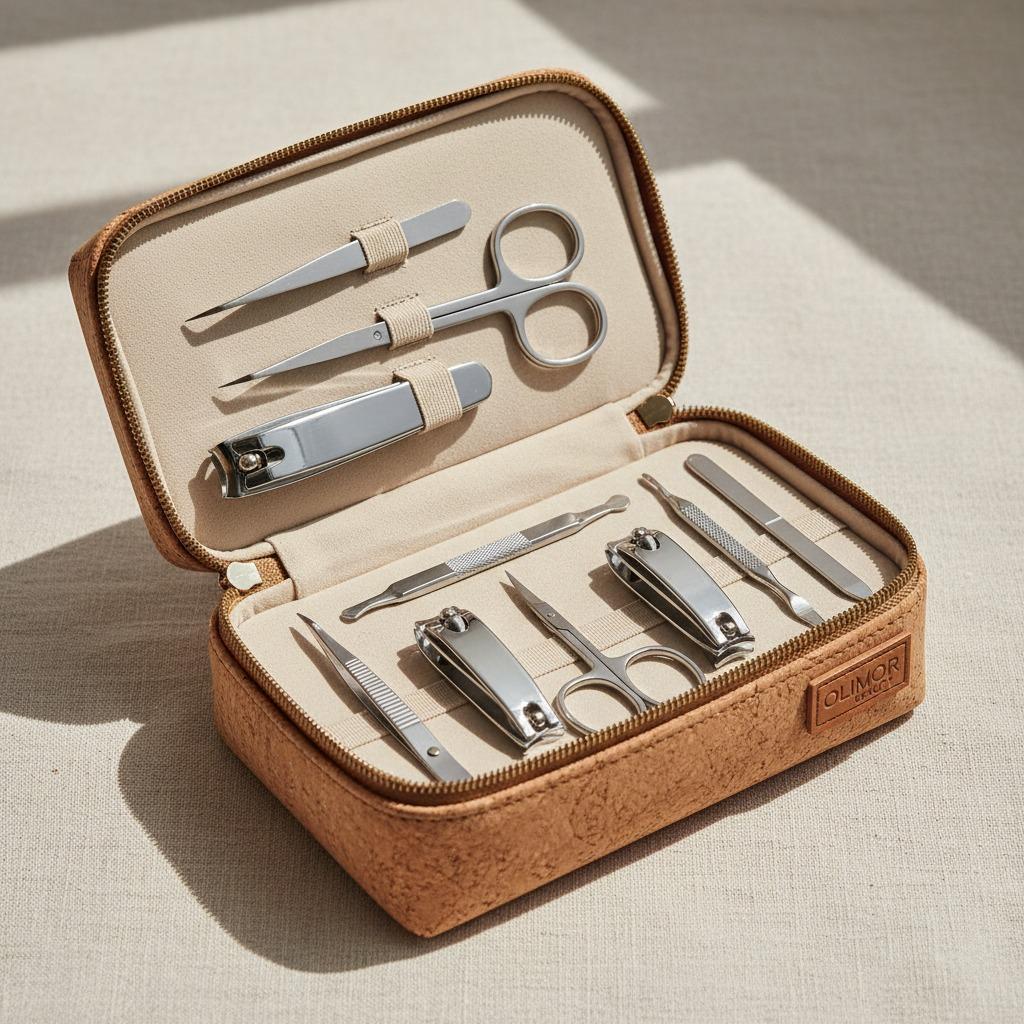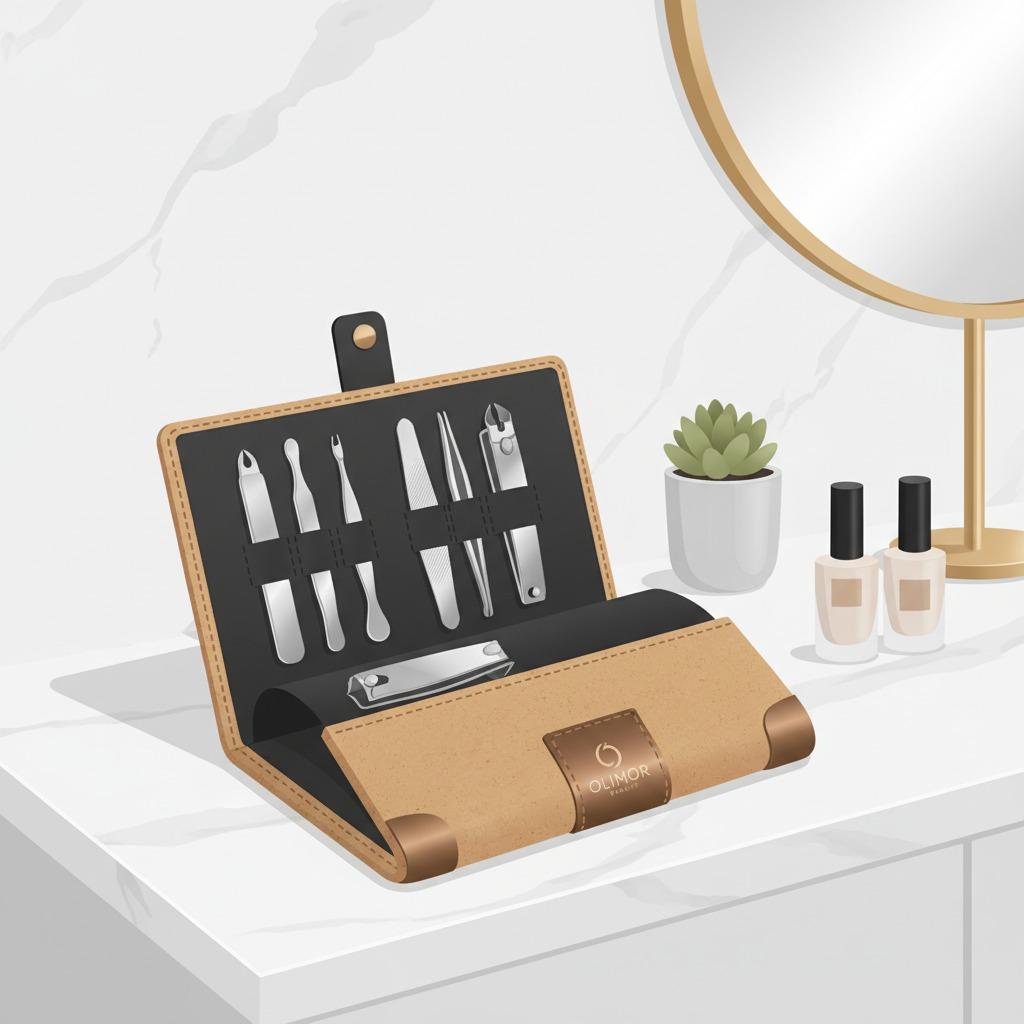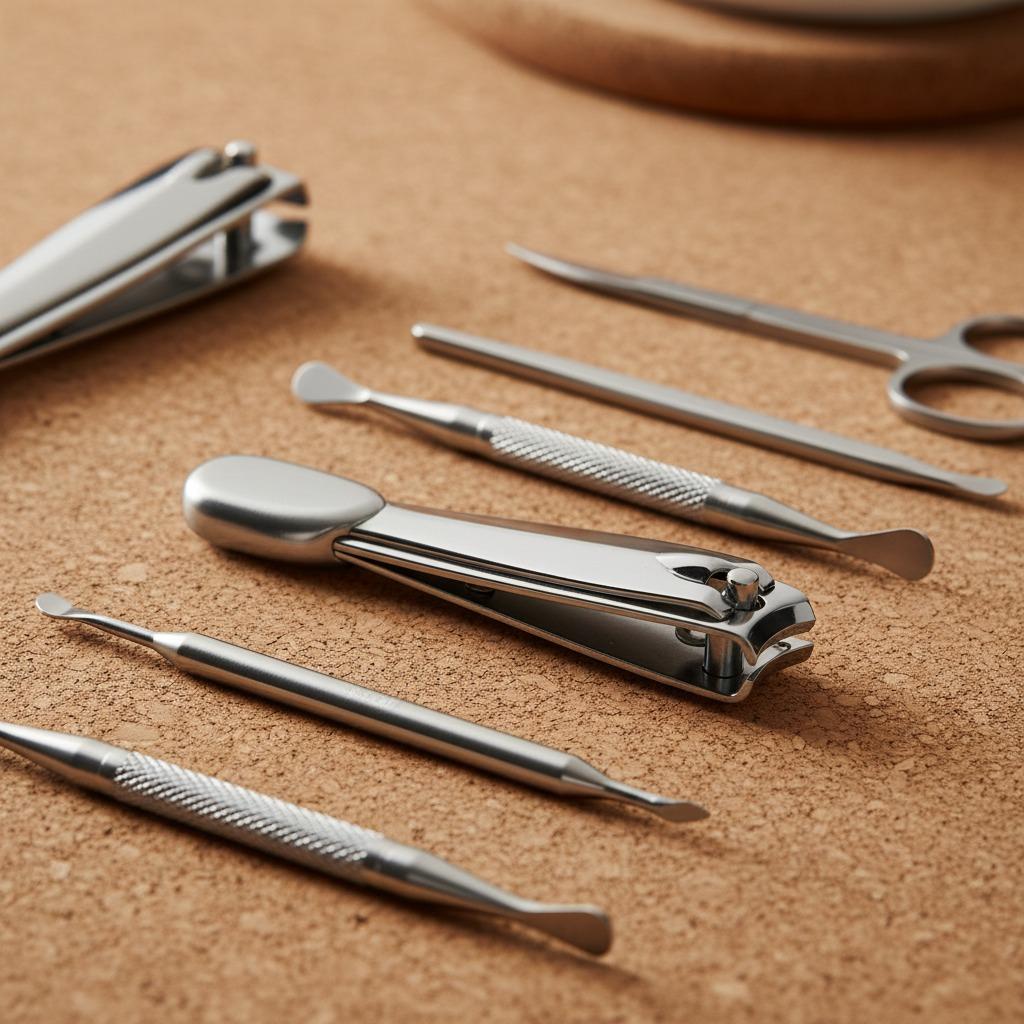











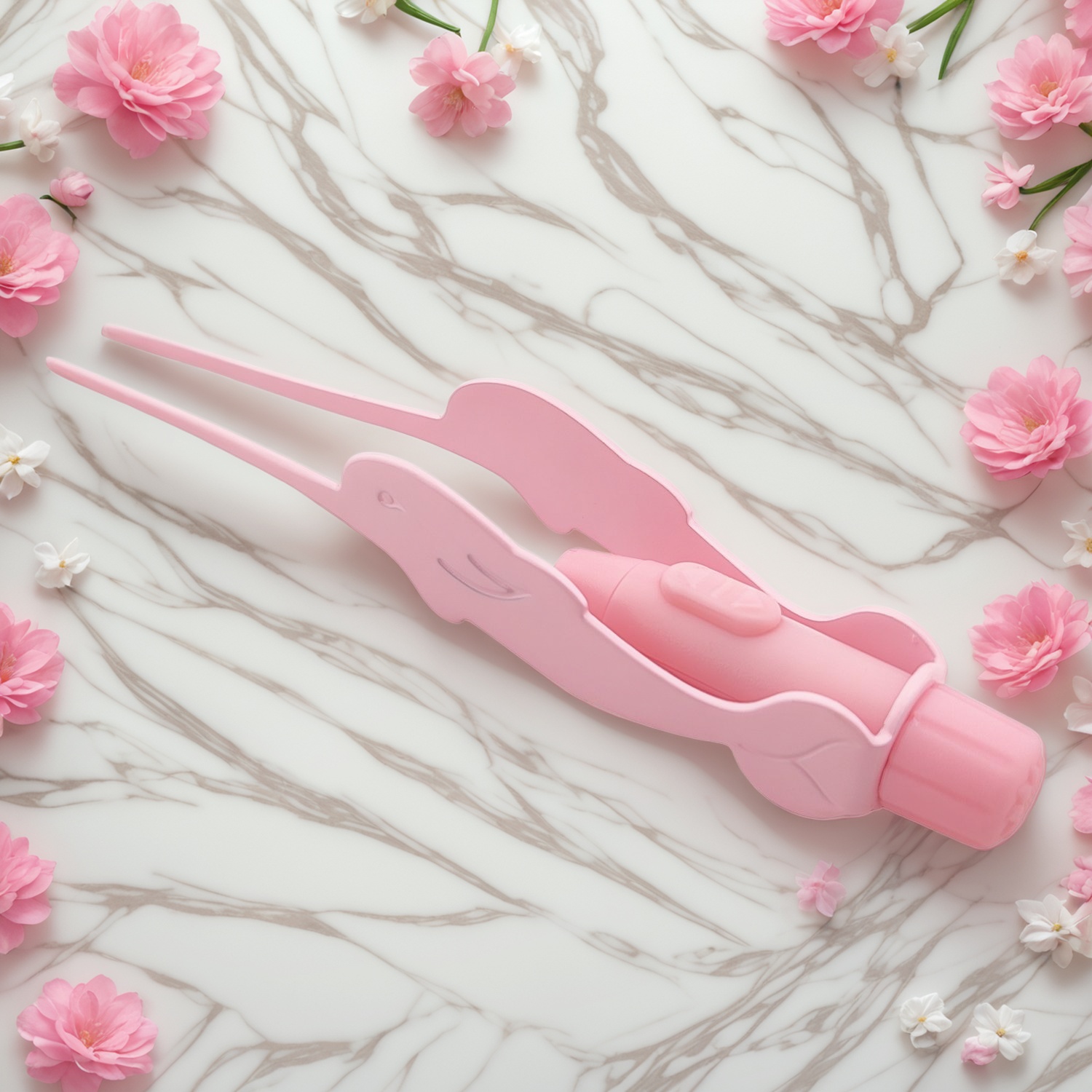
For beauty brands, retailers, salons, gift set companies and distributors, custom tweezers are small products with a large influence on customer trust. A tweezer that feels balanced, grips cleanly and keeps its alignment can support repeat purchases. A tweezer with rough edges, weak tension or inconsistent tips can create returns, complaints and damage to the brand printed on the handle or packaging.
Sourcing custom tweezers for business is not only a price exercise. The decision includes manufacturing consistency, finish quality, packaging suitability, communication, inspection and the ability to make repeat orders that match the original approved sample. Whether you are adding tweezers to a beauty accessories line, building a private label set, or comparing international suppliers, the strongest sourcing plan begins with clear product expectations and a realistic quality control process.
Start With the Use Case, Not Just the Unit Price
Before comparing quotes, define how the tweezer will be sold and used. A product intended for a budget retail card, a professional brow kit and a premium beauty gift set may all look similar in a spreadsheet, but buyers should evaluate them differently. Tip precision, surface finish, tension and presentation can matter more when the tweezer is part of a higher-value offer.
Common business use cases include single retail tweezers, travel grooming kits, eyebrow care sets, nail and lash accessories, promotional beauty gifts and private label tools for salons. Each use case affects the sourcing brief. For example, a retail-ready product may require barcode placement, protective tip covers and packaging that hangs properly in stores. A kit component may need compact dimensions and consistent color matching with other tools. A salon-focused item may prioritize durability, cleanable surfaces and comfortable handling over decorative packaging.
A useful sourcing brief should include the tweezer type, target market, intended sales channel, preferred finish, logo placement, packaging format, acceptable quality level and inspection requirements. When these details are defined early, it becomes easier to compare suppliers on capability rather than choosing the lowest quoted price without knowing what is included.
Domestic vs. International Sourcing: What to Compare
Domestic sourcing may offer convenient communication, shorter transport routes and easier local coordination. For some buyers, especially those testing a new product concept, that simplicity can be valuable. However, domestic options may have narrower production choices or higher cost structures depending on the market.
International sourcing can provide access to broader beauty tool manufacturing networks and more flexible customization options. Many businesses that import tweezers from China or other manufacturing hubs do so to support scale, assortment development and competitive pricing. The trade-off is that buyers must pay closer attention to supplier verification, sample approval, inspection timing, packaging details and shipping documentation.
The best choice depends on your business model. A small brand preparing a limited launch may value speed and low coordination burden. A distributor building a repeat wholesale program may prioritize stable production, repeatability and packaging efficiency. A retailer may need a supplier that can follow detailed labeling and carton instructions. Cost matters, but landed cost, defect risk and reorder consistency matter just as much.
How to Judge a Custom Tweezer Supplier
When reviewing a tweezers global supplier, do not rely only on catalog photos. A polished product image cannot show whether tips meet evenly, whether the tension feels consistent, or whether the finish will resist visible defects during normal handling. A structured supplier review helps separate a capable manufacturing partner from a general trader or mass-market source with limited quality control.
- Product focus: Look for experience with beauty tools and tweezers rather than a supplier with only a broad mixed catalog.
- Customization process: Confirm how logo placement, color, finish, packaging artwork and samples are reviewed before production.
- Sample consistency: Compare multiple samples, not just one perfect piece, to judge variation in tip alignment and tension.
- Packaging capability: Check whether the supplier can support your retail, e-commerce or kit assembly requirements without damaging the tool.
- Communication quality: A reliable partner should answer technical questions clearly and document agreed details.
- Inspection readiness: The supplier should be able to work from a defined checklist and provide space for pre-shipment review if required.
Olimor Beauty works with buyers who need beauty tool sourcing support and product development discussion. You can browse related beauty tool products to understand available product directions, or review broader product collections when planning a coordinated line.
Quality Points That Matter Most for Tweezers
Tweezers are judged by feel and performance. A customer may not know the exact manufacturing process, but they immediately notice whether the tool grips hair cleanly or slips. For business buyers, quality control should focus on the attributes that affect daily use and brand perception.
Tip alignment is one of the most important checks. The two tips should meet evenly without a visible gap or offset that causes missed gripping. Tip finishing should be smooth enough for safe use, without burrs, sharp unintended edges or rough grinding marks. Tension should feel controlled: too loose and the tweezer lacks grip; too stiff and it becomes uncomfortable over repeated use. Surface finish should look consistent across the order, especially when the product has a colored, matte, polished or coated appearance. Logo application should be positioned correctly and remain legible. Packaging should protect the tips and present the product in a way that suits the sales channel.
It is also important to check the full product, not only the tweezer body. Tip protectors, backing cards, pouches, printed boxes, inserts and outer cartons can create problems if they are not included in the approval process. A great tweezer in weak packaging can still arrive scratched, misaligned or unsuitable for retail display.
A Practical Inspection Checklist for Business Buyers
A written checklist turns subjective opinions into measurable expectations. It also helps your internal team, supplier and inspection staff evaluate the same points. The checklist does not need to be complicated, but it should cover performance, appearance and packing.
- Confirm the approved sample: Keep a signed or clearly documented reference sample for shape, finish, tension, logo and packaging.
- Check tip meeting: Inspect whether the tips close evenly and grip a fine target without sliding.
- Review edges and surfaces: Look for burrs, stains, scratches, coating flaws, uneven color or visible deformation.
- Test hand feel: Open and close the tweezer several times to judge tension, spring-back and comfort.
- Verify branding: Confirm logo size, orientation, color and placement against approved artwork.
- Inspect packaging: Check tip protection, product fit, barcode area, printing accuracy and carton labeling.
- Record defects clearly: Use photos and defect categories so corrective action is specific rather than vague.
For repeat orders, compare the new production run with the previous approved standard. This is especially important for custom tweezers because small changes in tip grinding, coating thickness or logo placement can be noticeable to customers even when the product still appears acceptable at first glance.
Customization Decisions That Affect Cost and Risk
Customization can help a tweezer fit your brand, but each choice may affect lead time, cost and quality control. A simple logo on an existing shape is usually easier to manage than a new shape, unique finish and fully custom retail package. Buyers should decide which elements truly support the sales strategy.
Logo placement should be readable without interfering with grip comfort. Finish selection should match the product positioning and expected handling. Packaging should be chosen for the channel: a retail hanging card, e-commerce protective box and kit insert all solve different problems. If the tweezer will be sold with other tools, color matching and packaging dimensions should be checked across the complete set rather than approved separately.
Artwork approval is another common risk area. File formats, print colors, coating appearance and placement tolerances should be reviewed before production begins. A physical pre-production sample is valuable when the appearance is important to the launch. For online-only sales, clear product photography and accurate descriptions also reduce the chance that customers receive something different from what they expected.
Building a Better International Tweezers Trade Process
Successful international tweezers trade depends on a repeatable process. Start with a focused brief, request samples, document approvals, confirm packaging, schedule inspection and keep records for future reorders. Avoid changing multiple details at the last minute, because late changes can create confusion across production, printing and packing.
Communication should be specific. Instead of saying the tweezer should be “high quality,” define what that means: aligned tips, smooth edges, consistent finish, acceptable logo placement and protective packaging. This language helps both sides identify issues before the shipment leaves the factory.
If you are comparing suppliers for a new private label beauty tool project, you can send an inquiry with your product goals, target channel and customization needs. For questions about sourcing direction or product options, you may also contact Olimor for support.
Choose a Supplier for Repeatability, Not Only the First Order
A first order proves whether a supplier can produce an acceptable product once. A strong sourcing partner proves they can repeat that standard over time. For custom tweezers, repeatability protects your reviews, wholesale relationships and brand identity. When evaluating suppliers, look beyond a single attractive quote and consider how well the partner controls samples, production details, packaging and communication.
The most effective sourcing strategy balances cost with practical quality control. Define the use case, compare domestic and international options carefully, inspect the attributes that affect performance, and document the approved standard. With the right process, custom tweezers can become a reliable product in your beauty tool line rather than a source of avoidable quality issues.