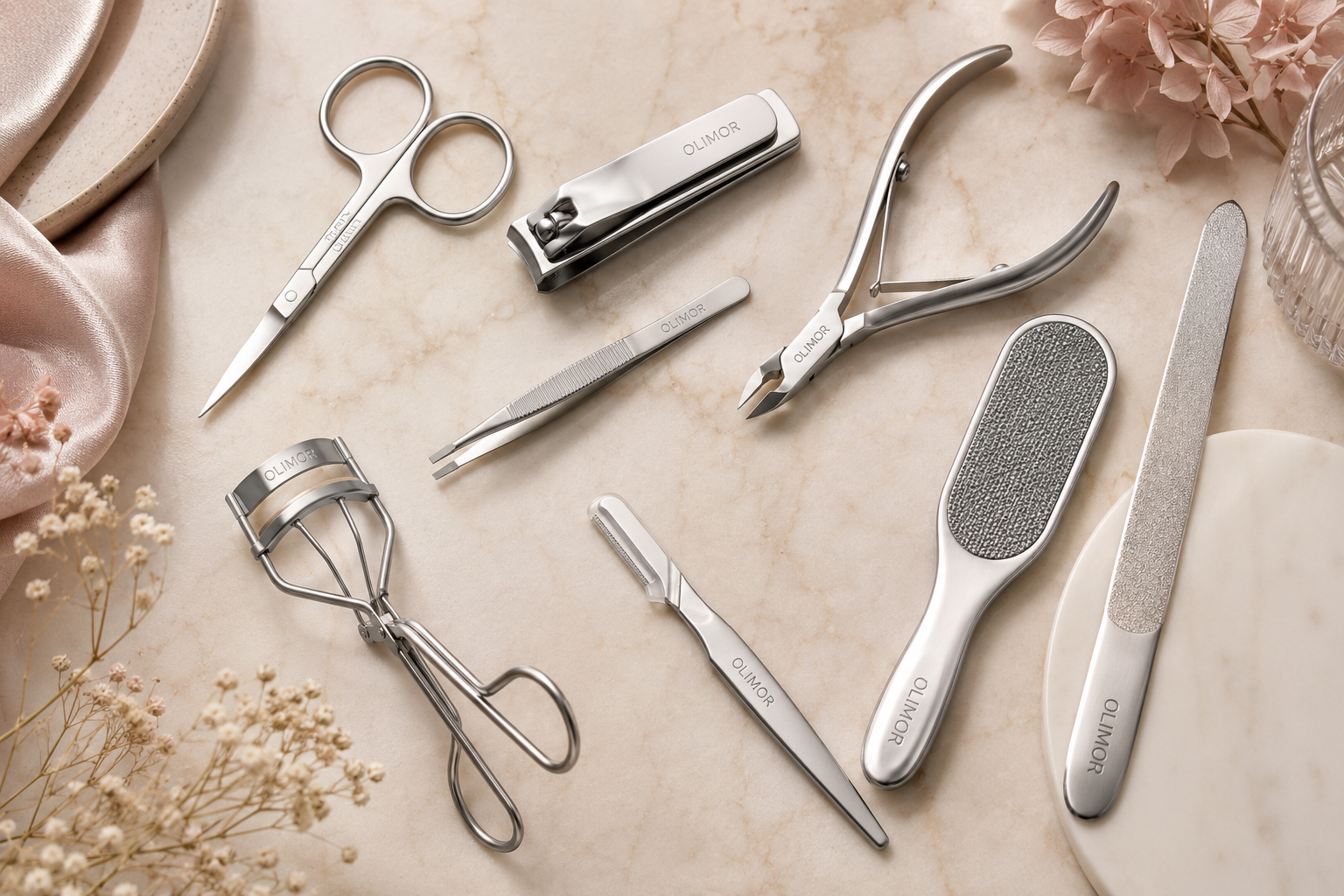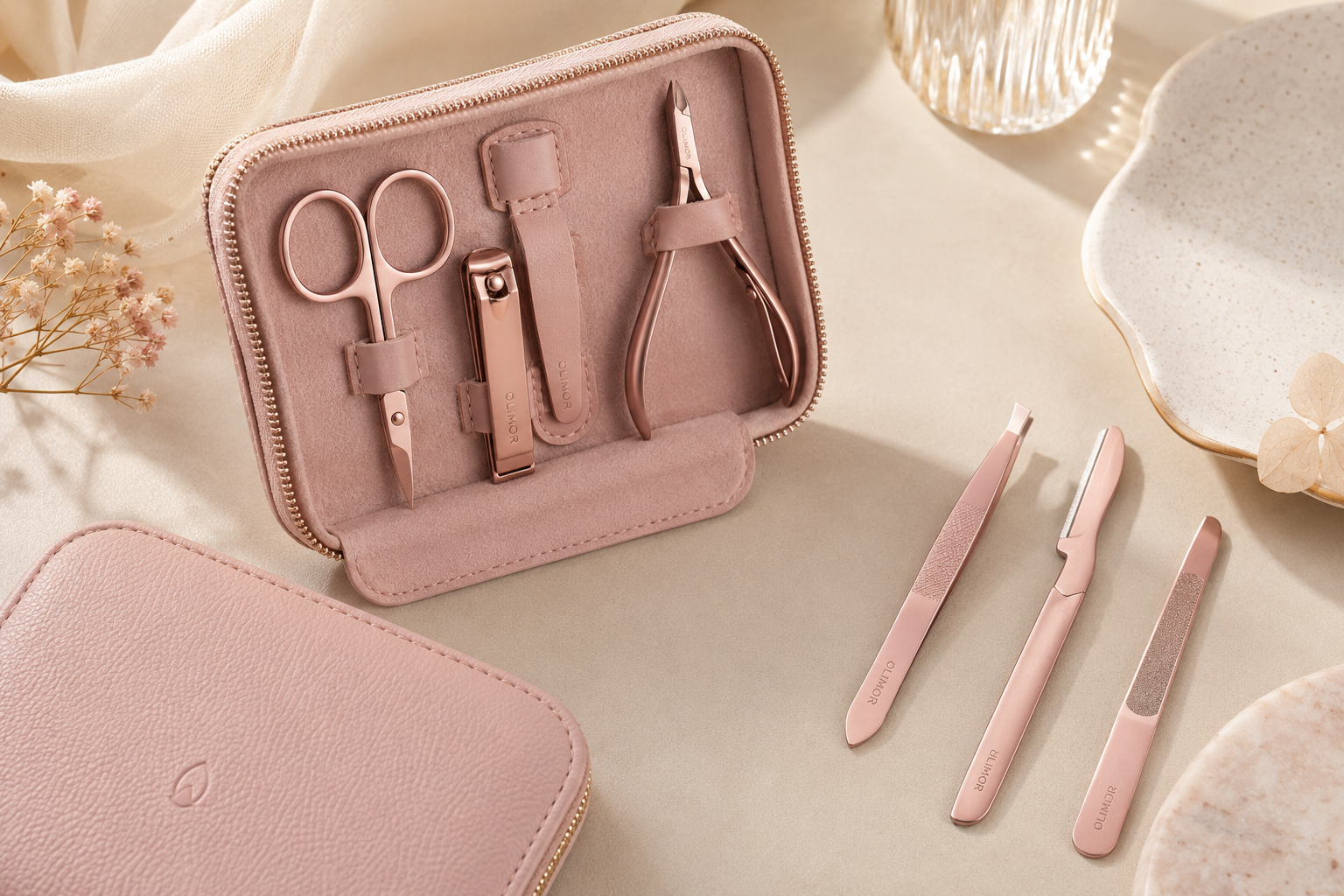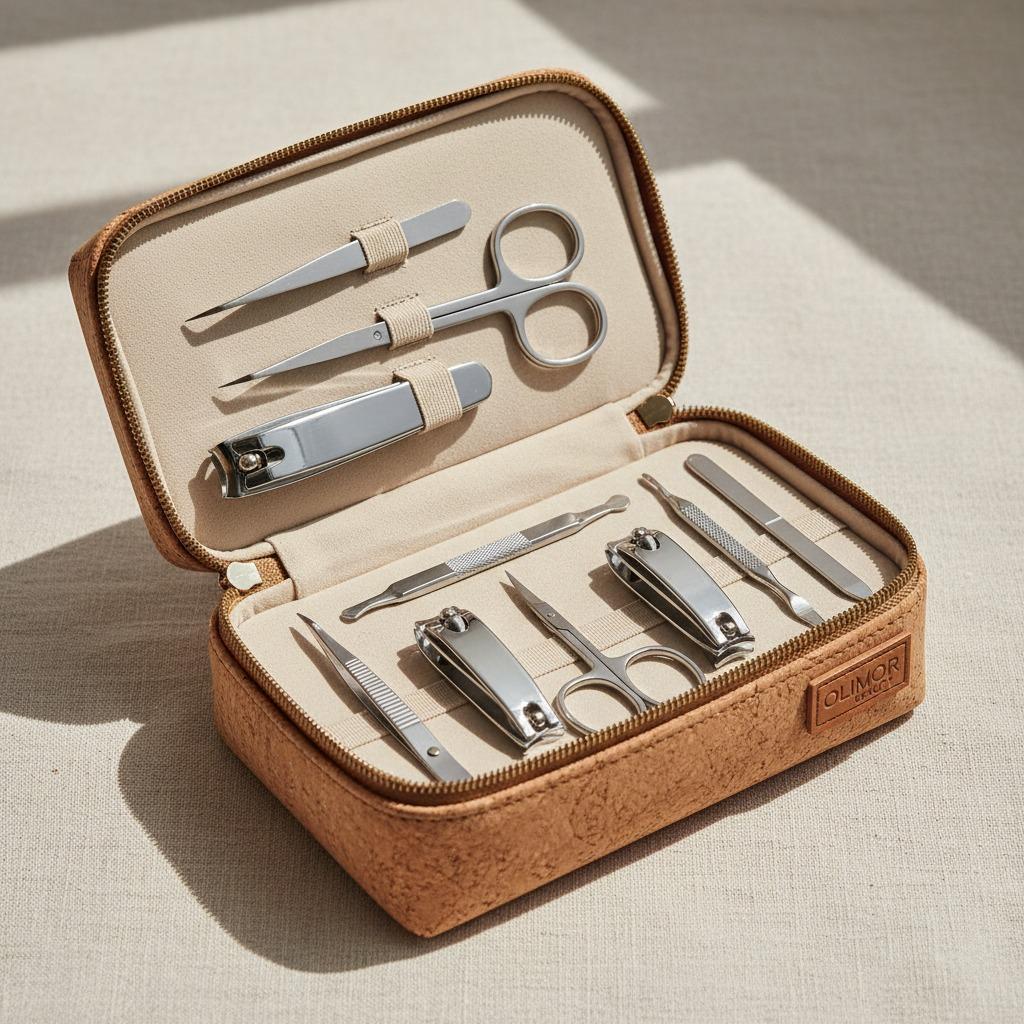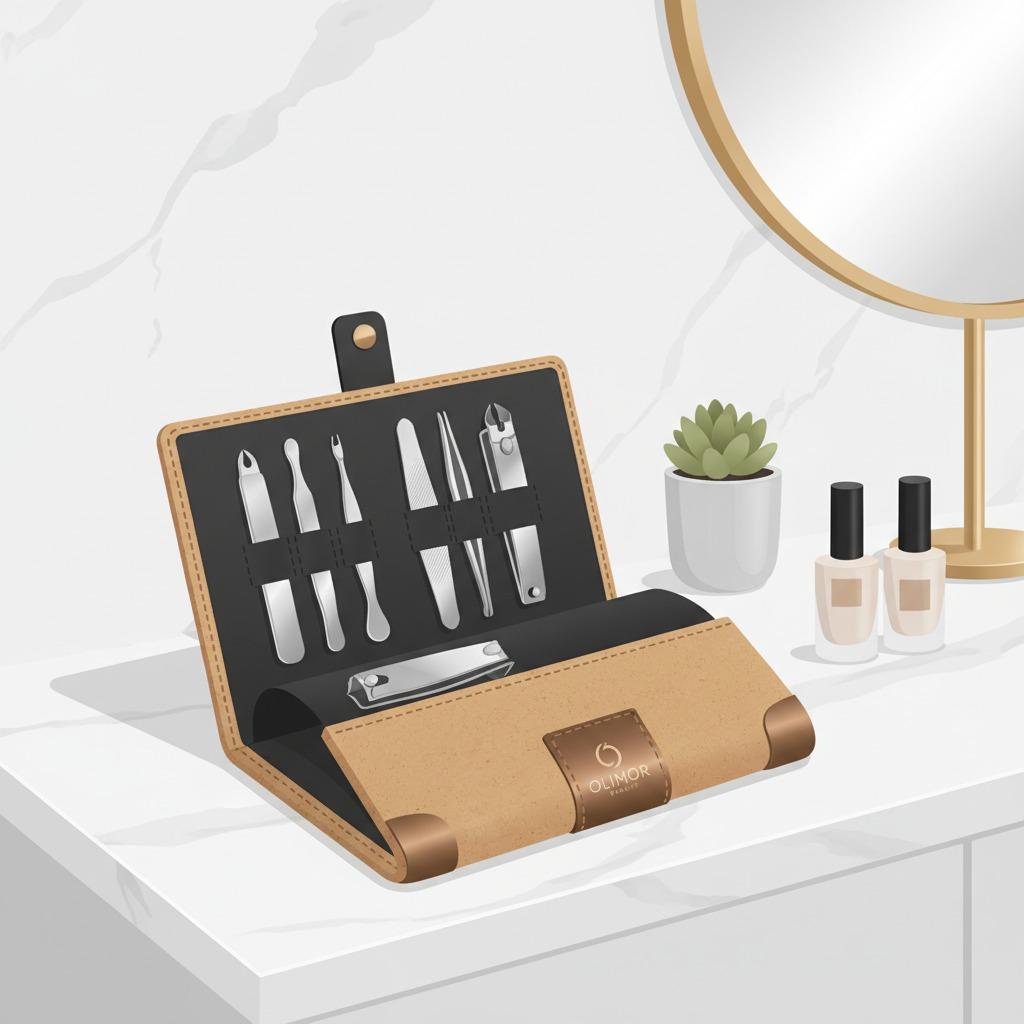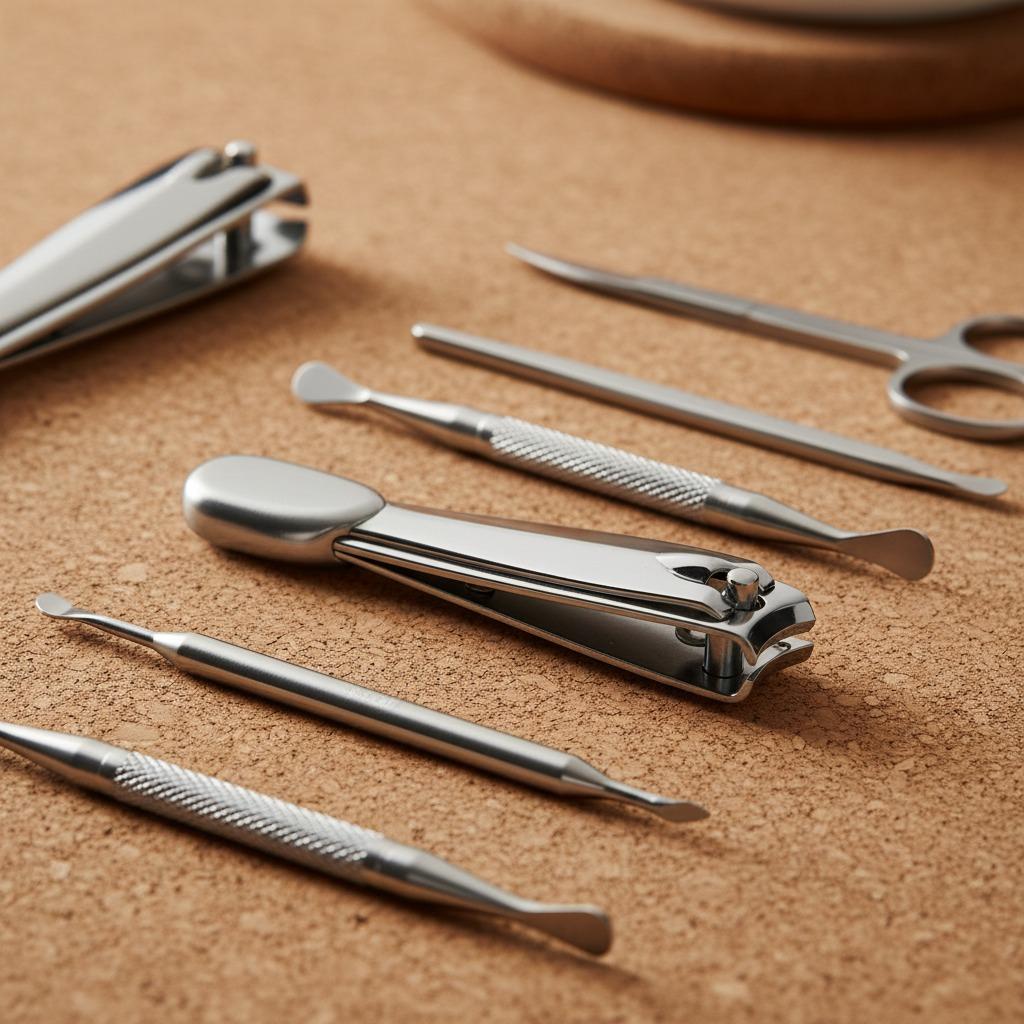











For salons, brow studios, beauty retailers, private-label brands, and distributors, tweezers are not a minor accessory. A poorly aligned tip can slow down service, cause hair breakage, frustrate clients, and damage confidence in a brand. When the tool is sold under your name or used daily by trained professionals, consistency matters as much as appearance.
Sourcing custom tweezers for business from global suppliers can open up useful options in finish, packaging, tip style, and production scale. It can also create risk if price becomes the only selection factor. The best sourcing decision balances precision, material suitability, quality control, customization, communication, and repeat-order reliability.
Why Custom Tweezers Require More Than a Catalog Choice
A standard catalog tweezer may be acceptable for low-risk promotional use, but professional beauty tools need a closer review. Brow artists, lash technicians, makeup professionals, and retail customers all judge tweezers by how they perform in the hand: the tension, the grip, the tip alignment, and the ability to remove fine hairs cleanly.
Customization adds another layer. A business may want a specific color, logo placement, surface finish, retail packaging, or a particular tip shape. Each adjustment can affect production handling and final inspection. For example, a coated tweezer still needs clean, accurate tips; branded packaging still needs to protect the tool during shipping; and a polished surface should not hide poor alignment.
Before comparing suppliers, define the actual purpose of the product. A tweezer for professional brow shaping may need a different tip profile than one sold in a travel grooming kit. A product intended for a premium retail display may require more attention to finishing and packaging than a bulk service tool for back-bar salon use. Clear use cases make supplier evaluation much easier.
Understanding the Global Supplier Landscape
The international tweezers trade includes a wide range of manufacturers and trading companies. Some suppliers focus on high-volume, low-cost production with broad catalog options. Others specialize in precision beauty tools and understand why tip accuracy, balance, and inspection standards are central to performance.
A generic tweezers global supplier may advertise many shapes, colors, and fast availability. That can be useful for simple buying needs, but it does not automatically mean the supplier is suitable for a professional beauty business. The key is to identify whether the supplier can explain how the tool is made, inspected, packed, and repeated consistently across future orders.
When reviewing global suppliers, look beyond a product photo. Request clear information on the tweezer’s intended use, available customization areas, packaging options, inspection process, and sample procedure. A supplier that understands beauty-tool performance should be able to discuss alignment, finishing, and ergonomic handling in practical terms rather than relying only on broad claims.
Importing Tweezers from China: What Buyers Should Evaluate
Many businesses choose to import tweezers from China because of the country’s established manufacturing base and wide supplier network. This can be an efficient path, but it is important to recognize the difference between commodity production and precision-focused manufacturing.
Low-cost, high-volume production may be suitable for some promotional or entry-level items, but professional tools need tighter control. Inconsistent tension, misaligned tips, rough edges, weak finishing, or packaging damage can quickly increase returns and complaints. A lower unit cost may not remain economical if the product creates service issues or brand dissatisfaction.
For beauty businesses, the best import decision starts with a realistic sourcing checklist:
- Tip performance: Check whether the tips meet evenly and can grip fine hairs without slipping or cutting.
- Hand feel: Review the tension, spring-back, edge comfort, and stability during repeated use.
- Material suitability: Confirm that the material choice supports durability, finishing, and the intended beauty application.
- Surface finish: Inspect coating, polishing, color consistency, and any sharp or uncomfortable areas.
- Logo and branding: Make sure logo placement remains readable and does not interfere with grip or cleaning.
- Packaging protection: Confirm that retail or bulk packaging protects tips during storage and transit.
- Repeatability: Evaluate whether approved samples can be matched in later production runs.
These points help separate a simple low-price offer from a supplier relationship that can support a beauty business over time.
Custom Options That Matter for Beauty Tool Buyers
Customization should serve the product’s function and the customer’s buying experience. A beautiful tweezer that does not grip properly will not build loyalty, while a precise tool with poor packaging may fail at retail. Businesses should consider custom features as part of one complete product plan.
| Customization Area | Why It Matters | Buyer Checkpoint |
|---|---|---|
| Tip shape | Influences grip, control, and suitability for brow or grooming tasks. | Test samples on fine and short hairs before approval. |
| Surface finish | Affects appearance, hand feel, and perceived retail value. | Inspect coating or polishing consistency under normal lighting. |
| Logo placement | Supports brand recognition without reducing usability. | Check readability, durability, and positioning on the handle. |
| Packaging | Protects the tool and communicates brand positioning. | Review tip protection, barcode space, labeling needs, and shelf display. |
| Assortment planning | Helps brands offer the right mix for professionals or retail customers. | Compare product roles before adding too many similar styles. |
Buyers building a full beauty-tool range can also review Olimor’s beauty tool products or browse product collections to understand how different tools may fit into a sourcing program.
Quality Control Questions Before You Approve Production
Quality control for tweezers should focus on measurable, visible, and practical details. The most important question is not simply whether a sample looks attractive, but whether the production order can match the approved sample consistently.
When comparing suppliers, prepare a written approval standard. This does not need to be complicated, but it should define what an acceptable tweezer looks and feels like. Include reference photos if needed, especially for logo position, surface finish, and packaging layout.
- Approve functional samples first. Test alignment, tension, and gripping performance before finalizing decorative details.
- Confirm artwork and packaging separately. Packaging approval should include dimensions, print content, and product protection.
- Define acceptable cosmetic limits. Minor surface variation may be acceptable in some finishes, while scratches near the tip may not be.
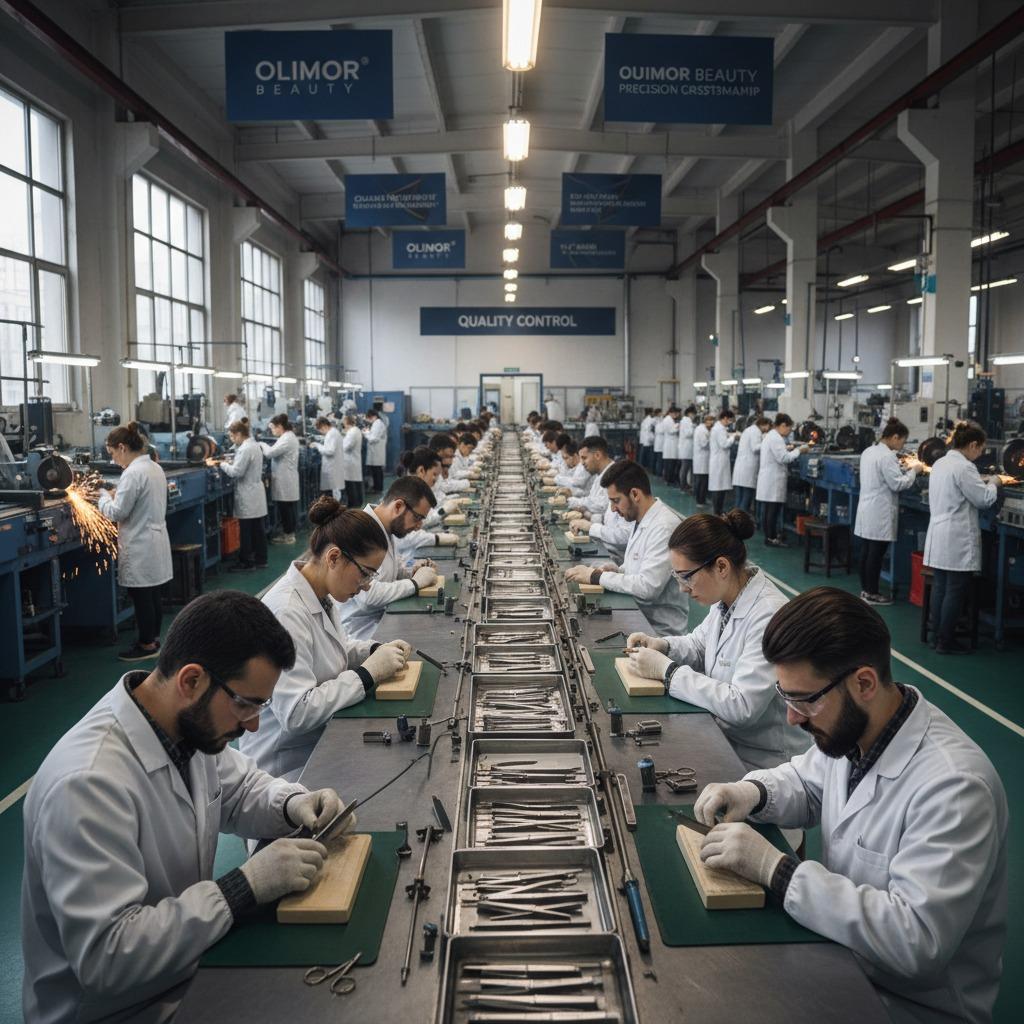
- Clarify inspection stages. The original product information highlights inspections from raw materials to final packaging; this kind of process is valuable for reducing avoidable defects.
- Keep a reference sample. A signed or documented sample helps align expectations for future repeat orders.
Olimor Beauty focuses on custom tweezers for business with ergonomic designs and high-grade stainless steel, supported by quality checks from raw materials through final packaging. For buyers, that combination of material attention, handling comfort, and inspection discipline is central to a reliable sourcing decision.
Choosing a Supplier for Long-Term Business Fit
A strong supplier should be evaluated as a production partner, not just a one-time quote. Communication quality, sample handling, problem solving, and clarity around customization can affect the entire project timeline. If a supplier cannot provide clear answers during sampling, the risk usually increases during production.
Beauty businesses should pay attention to how a supplier discusses trade-offs. For example, certain finishes may look distinctive but require careful handling. Some packaging choices may improve retail presentation but add complexity to packing and inspection. A capable supplier helps buyers understand these decisions without pushing unnecessary options.
It is also useful to consider how tweezers fit into a wider product strategy. A retailer may want a simple, focused line with a few proven styles. A salon distributor may prioritize durability and repeat availability. A private-label brand may need packaging that matches other beauty accessories. The right supplier should be able to support the intended channel and customer expectation.
Building a Better Custom Tweezer Sourcing Brief
A clear sourcing brief saves time and reduces misunderstanding. Instead of asking only for “custom tweezers,” describe the product role, target customer, preferred finish, logo needs, packaging type, and performance priorities. If you already have a reference sample, note what you like and what should be improved.
Your brief can include:
- Target market, such as brow studios, beauty retailers, gift sets, or salon distributors.
- Preferred tweezer style or intended use, without overloading the range with duplicate tools.
- Branding requirements, including logo size, color direction, and packaging information.
- Performance priorities, such as fine-hair grip, comfortable tension, and clean tip alignment.
- Expected sales channel, because retail packaging and professional bulk supply have different needs.
- Any compliance, labeling, or import documentation requirements relevant to your market.
If you are planning a new private-label tweezer order or comparing suppliers for an existing beauty-tool line, you can send an inquiry with your project details. For broader sourcing questions, contact Olimor to discuss suitable options.
Final Takeaway for Beauty Businesses
Custom tweezers can strengthen a beauty business when they are sourced with the same care applied to professional services and retail presentation. The right supplier should deliver more than an attractive product image. Look for precision, ergonomic handling, appropriate material choices, consistent finishing, protective packaging, and a quality process that supports repeat orders.
Global sourcing offers many options, especially for businesses considering importing tweezers from China. The strongest results come from choosing a specialized partner that understands beauty-tool performance and can help turn customization into a dependable product, not just a decorated commodity.