











For salons, spas, brow studios, beauty retailers, and distributors, tweezers are small tools with an outsized effect on customer confidence. A pair that grips cleanly, aligns correctly, and feels comfortable in the hand supports accurate work and reduces frustration. A poorly finished or inconsistent pair can lead to missed hairs, slipping, excessive pressure, or premature replacement. When sourcing custom tweezers for business, the goal is not simply to find the lowest unit cost. The smarter goal is to choose tools that match your service standard, retail positioning, and reorder expectations.
Business buyers often compare B2B tweezers by appearance first: color, finish, packaging, or branding options. Those details matter, especially for retail display and private label programs. However, performance begins with the working tip, the tension of the arms, the surface finishing, and the supplier’s ability to keep those qualities consistent from order to order. Olimor Beauty supports beauty tool buyers who need practical, professional sourcing decisions rather than generic commodity selection.
Why Custom Tweezers Matter for Professional and Retail Buyers
In a consumer setting, one pair of tweezers may be used occasionally. In a salon or brow bar, the same tool type may be used repeatedly across services, making comfort and repeatable grip more important. Retail buyers face a different challenge: the customer may judge the product after only one or two uses, so the tweezer must feel reliable immediately. Distributors need the broadest view of all, because product inconsistency can create complaints across multiple accounts.
Custom tweezers for business can help align the product with the buyer’s market. A salon may prefer a shape that supports detailed brow work. A retail brand may prioritize a clean finish, attractive packaging, and a tip style familiar to home users. A distributor may need a dependable core line that can serve different customer groups without creating inventory risk. Customization should therefore start with use case, not decoration.
Before focusing on logo placement or packaging, define the purpose of the tweezer: brow shaping, facial hair removal, lash-related work, general grooming, travel kits, gift sets, or professional back-bar use. This makes it easier to evaluate sample performance and avoid choosing a design that looks appealing but does not match the end customer’s expectations.
Key Performance Checks When Comparing B2B Tweezers
A high-quality tweezer should grip fine hairs without requiring excessive hand force. It should close evenly at the tip, maintain comfortable tension, and have no sharp burrs or uncomfortable edges. While material and finish descriptions are useful, buyers should also evaluate the physical sample in a consistent way. A structured inspection helps purchasing teams compare suppliers more fairly.
- Tip alignment: When the arms close, the gripping edges should meet evenly. Misalignment can cause slipping or hair breakage.
- Grip consistency: Test fine, medium, and shorter hairs if possible. The tweezer should not grip only at one tiny point unless it is intentionally designed that way.
- Arm tension: The tool should close with controlled pressure. Tension that is too stiff causes fatigue; tension that is too loose reduces control.
- Surface finish: Check for rough edges, uneven coating, visible scratches, or areas that may catch on packaging or skin.
- Hand feel: The tweezer should feel balanced and stable, especially for professional users who repeat the same motion many times.
- Packaging fit: Retail packaging should protect the tip and keep the product secure during shipping, storage, and display.
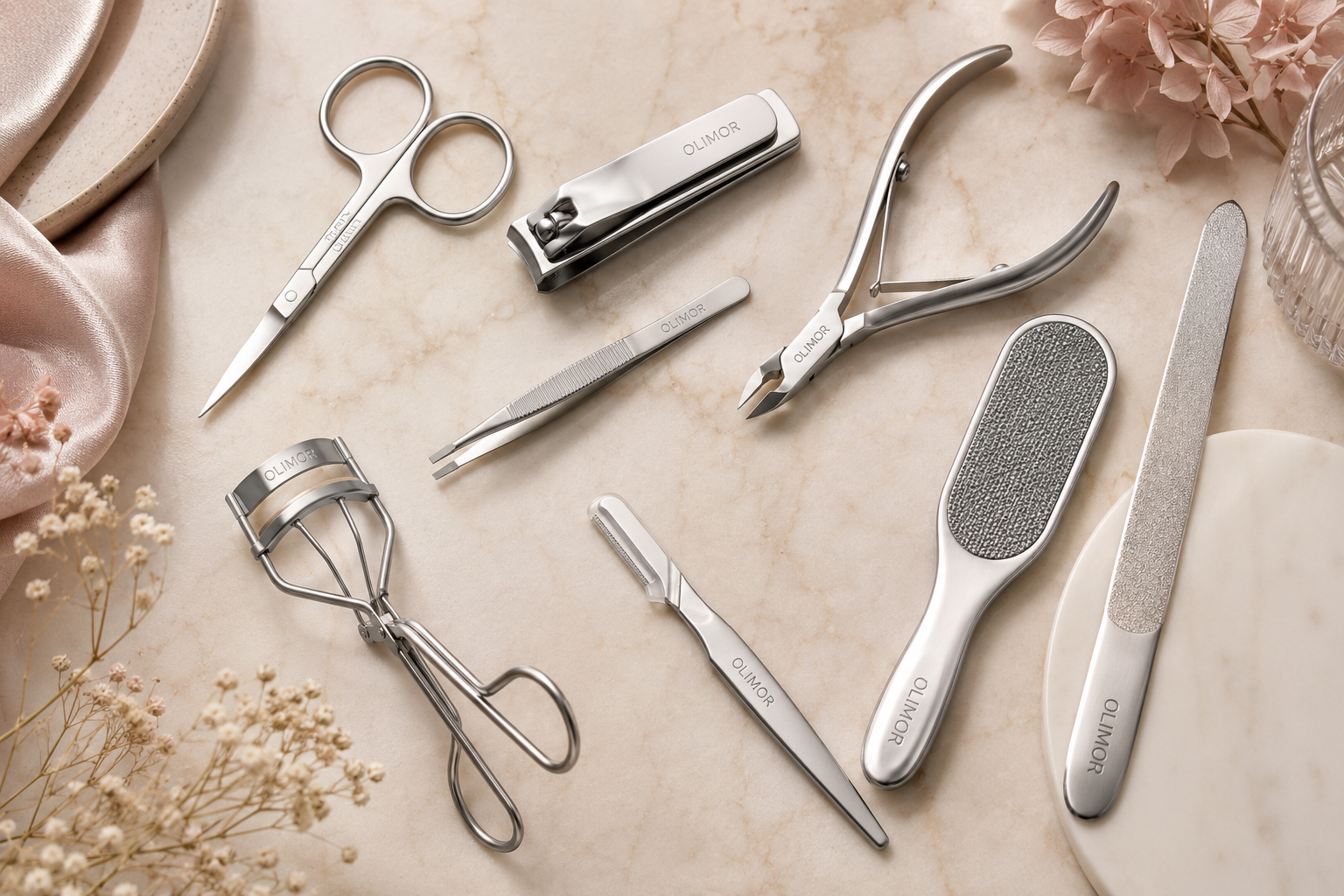
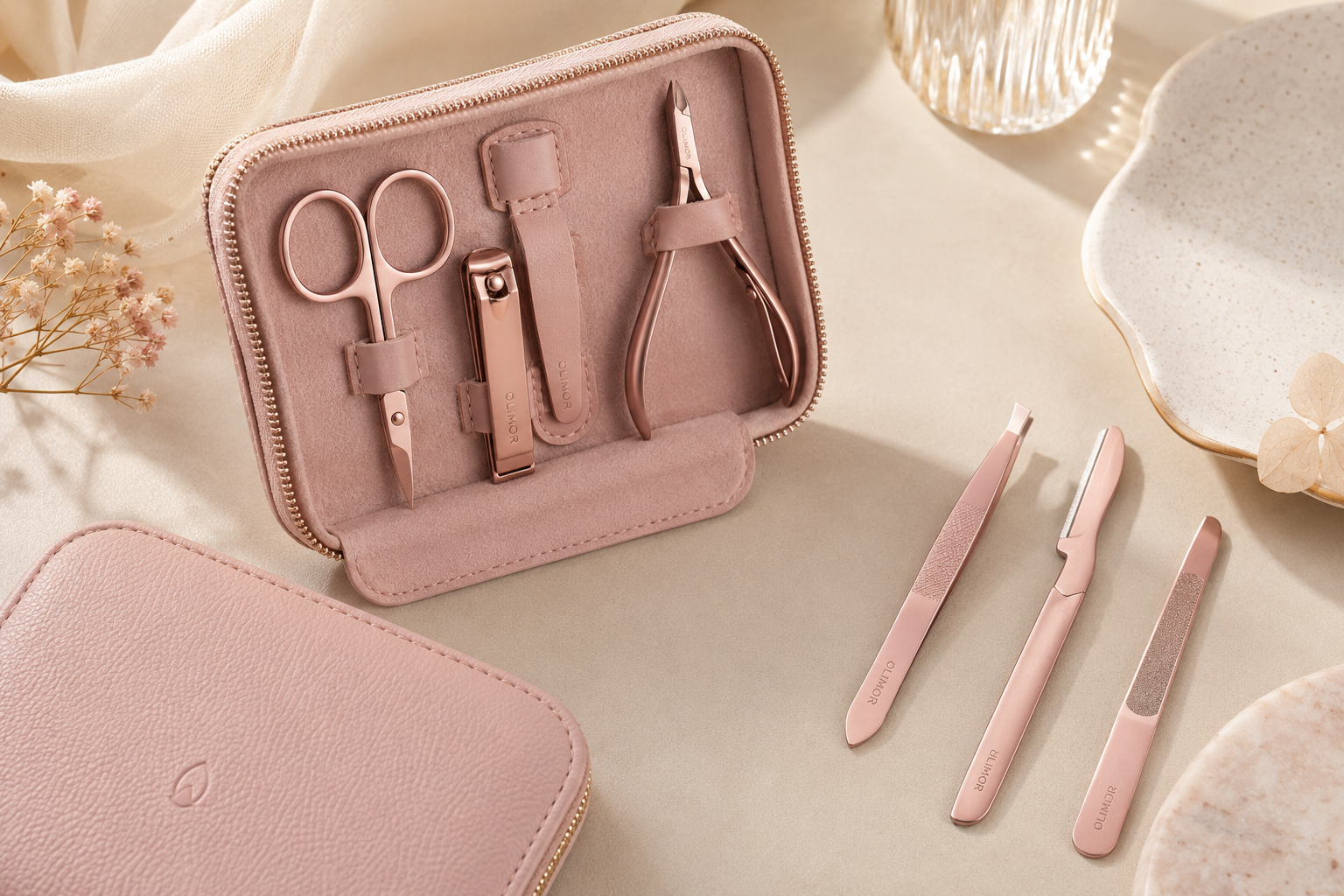
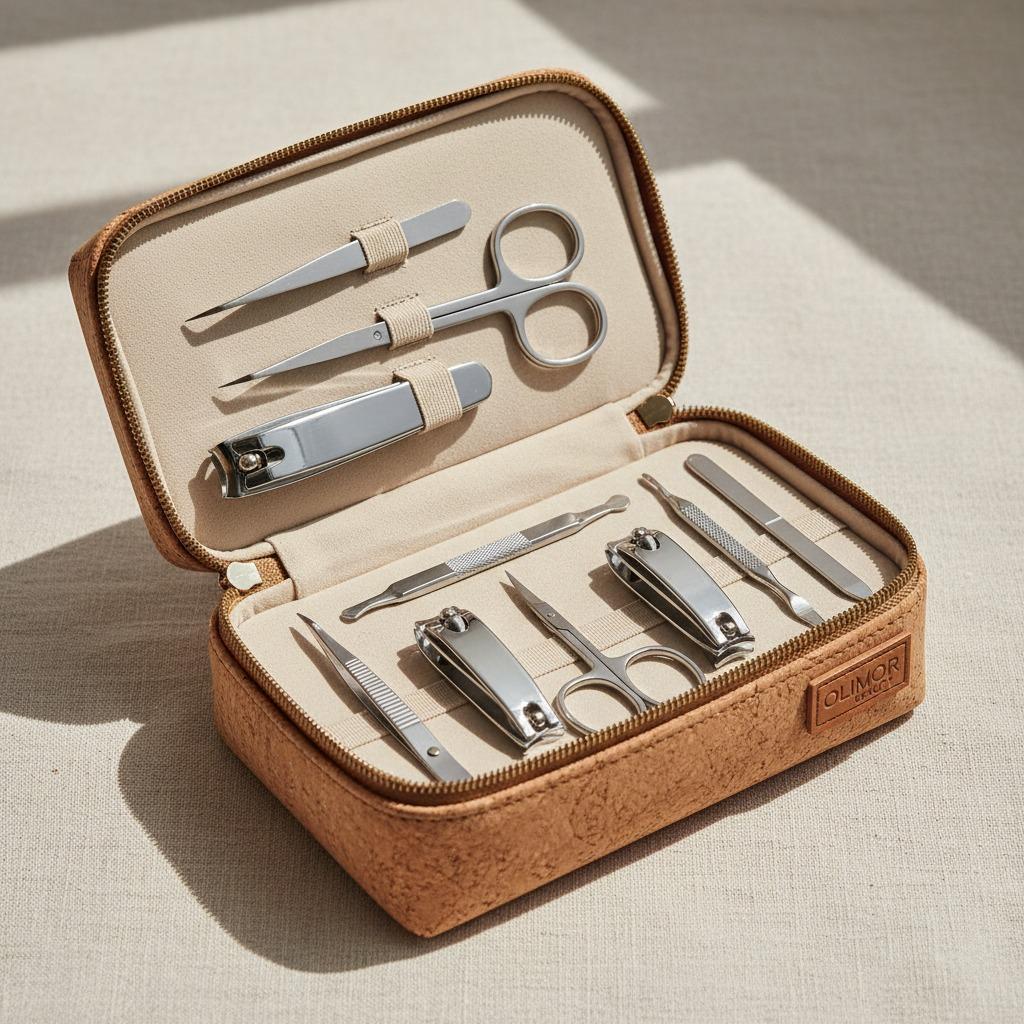
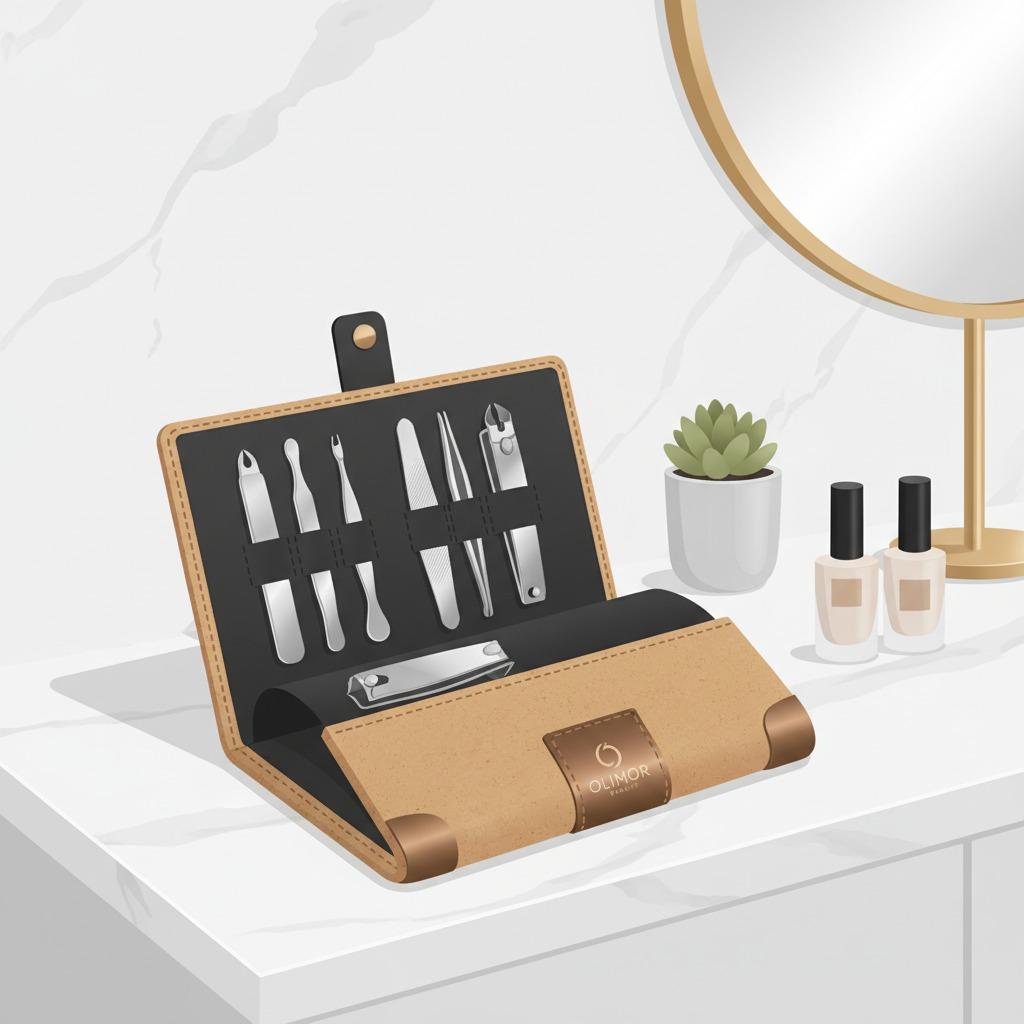
For buyers building a wider assortment, it can be useful to compare tweezers alongside other beauty tool products to ensure the finish, packaging style, and quality level feel consistent across the line. Consistency helps retailers build trust and helps distributors present a more coherent offer to their customers.
Balancing Bulk Tweezers Price With Long-Term Value
Bulk tweezers price is a central part of any purchasing decision, but the unit price alone rarely tells the full story. A cheaper tool that produces higher defect rates, more returns, or weak customer reviews may cost more in the long run. For professional buyers, replacement frequency matters. For retail brands, customer satisfaction and repeat purchase potential matter. For distributors, a stable product line reduces the time spent resolving complaints.
When comparing quotations, separate the cost discussion into practical categories. The base product, finish, packaging, branding, inspection needs, and shipping method can all influence the final landed cost. If two quotes look very different, verify whether they include the same packaging format, decoration method, and quality expectations. A low quote may omit details that become important later.
| Buying Factor | Why It Matters | What to Review |
|---|---|---|
| Tip quality | Directly affects grip and customer satisfaction | Alignment, closure, edge smoothness, sample performance |
| Finish choice | Influences appearance and perceived value | Color consistency, scratch visibility, texture, cleaning suitability |
| Packaging | Protects the product and supports retail presentation | Tip protection, barcode area, display format, insert clarity |
| Customization | Connects the tool with your brand identity | Logo position, print durability, artwork accuracy, color matching |
| Order planning | Reduces shortages and excess inventory | Forecasts, reorder timing, seasonal demand, product mix |
The best bulk purchase is usually the one that meets performance requirements at a sustainable cost, not the one that only looks cheapest on the first invoice. If you are comparing private label, distributor, or retail-ready options, you can send an inquiry with your intended use, packaging expectations, and target market so the discussion begins with the right priorities.
Customization Choices That Should Be Decided Early
Custom tweezers can involve several decisions, and each one can affect production planning. Buyers should define the required tip shape, finish direction, branding area, packaging format, and sales channel before approving samples. Changing these details late in the process can create delays or require new samples.
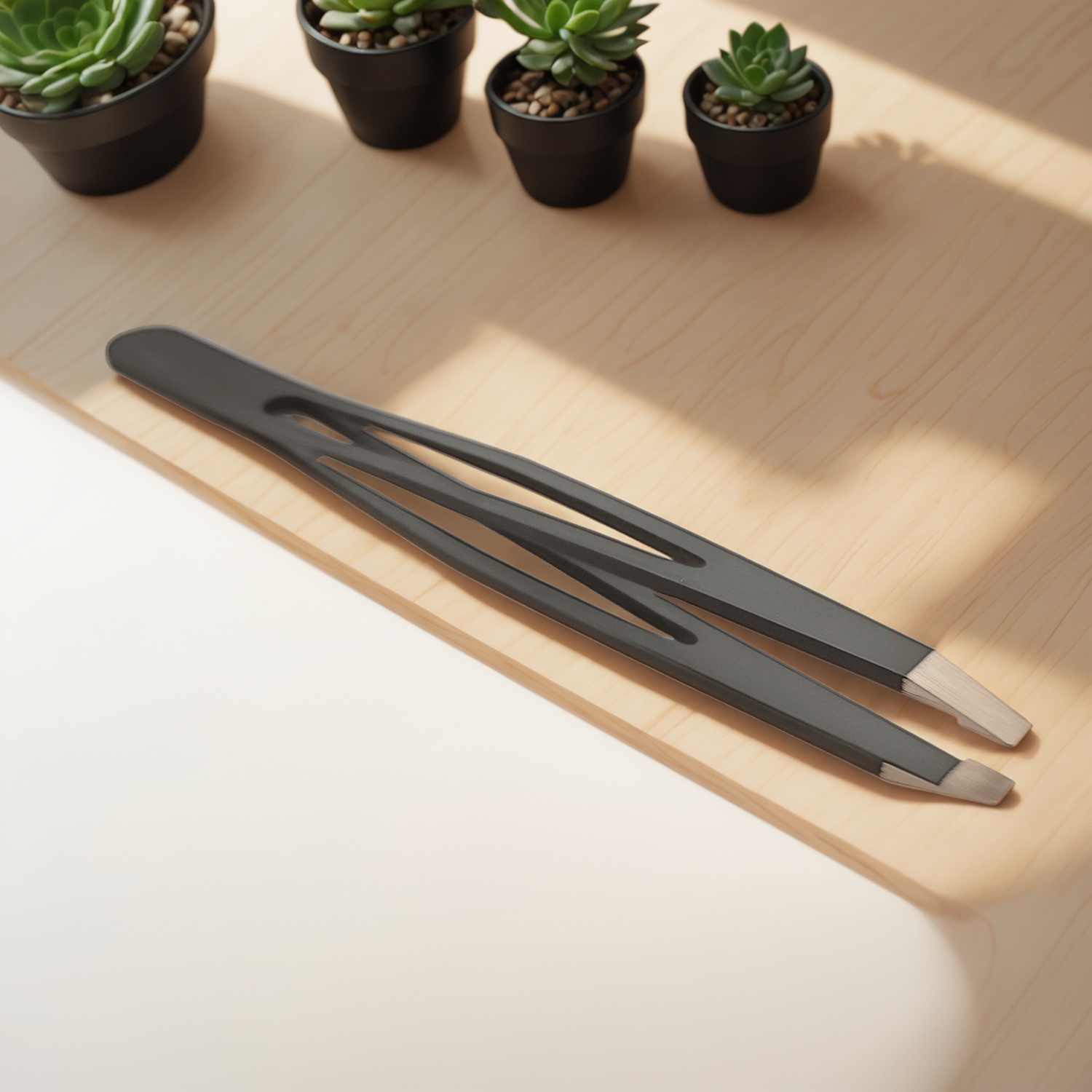
Tip style should be linked to the user. Slanted tips are common for brow grooming because they offer a useful balance of precision and surface contact. Pointed tips may be selected for very detailed work, but they require careful handling and may not be ideal for every retail audience. Flat or broader tips may suit general use, depending on the product concept. The article’s supplied information does not specify a single model, so buyers should treat tip selection as a use-case decision rather than assuming one style fits all markets.
Finish and color also need practical review. A polished surface may look clean and premium, while a matte or coated finish can offer a different visual identity. However, any finish should be judged for consistency, comfort, and durability expectations. Packaging should protect the gripping edge, because even a well-made tweezer can be damaged if the tip is left exposed during transport or retail handling.
- Define the end user: salon professional, home grooming customer, travel kit buyer, or distributor account.
- Choose the tip style based on the task, not only on appearance.
- Review physical samples for alignment, tension, and surface finishing.
- Confirm branding placement and packaging structure before bulk approval.
- Plan reorder timing so inventory does not run out during peak retail or salon demand.
What Distributors Should Look for in a Tweezer Product Line
Tweezers for distributors must be reliable enough to serve multiple customer types. A distributor may sell to salons, beauty supply stores, online retailers, or regional wholesalers, each with different priorities. The product line should therefore be easy to explain, easy to reorder, and consistent enough to protect the distributor’s reputation.
Distributors should pay attention to assortment logic. Too many near-identical options can make buying harder for customers and increase inventory complexity. Too few options can limit market reach. A practical range might be organized around use case, finish, or packaging tier, but the exact structure should match the distributor’s customer base. When reviewing product collections, consider whether the tweezer range can be merchandised with related tools in a way that feels clear to the buyer.
Another important point is documentation. Even when specifications are simple, distributors benefit from consistent product descriptions, images, packaging information, and sample references. Clear information helps sales teams present the item accurately and reduces confusion between similar products. It also helps when expanding from one tweezer style into a broader beauty tool assortment.
Maintenance Guidance to Share With End Users
A good tweezer lasts longer when users treat it properly. Including simple care guidance in retail packaging, training materials, or product pages can reduce avoidable complaints. The guidance does not need to be complicated. It should explain how to protect the tip, keep the tool clean, and avoid damage from dropping or misuse.
For salon and spa environments, cleaning practices should follow the business’s hygiene procedures and applicable local requirements. For consumer retail, simple instructions such as wiping the tool after use, drying it before storage, and using a protective cap or case can help preserve performance. The gripping edges should not be used as a prying tool or for tasks outside grooming, as this can affect alignment.
Maintenance communication is especially useful for branded retail programs. Customers often judge quality by long-term performance, and proper care helps the product deliver the intended experience. A small instruction card or concise packaging note can be a low-cost way to improve user satisfaction.
How to Prepare a Better Custom Tweezer Inquiry
A clear inquiry helps move sourcing conversations from general pricing to realistic product planning. Instead of asking only for a bulk tweezers price, provide the intended market, approximate order needs, preferred style, packaging direction, and any branding expectations. If you already have a benchmark sample, describe what you like and dislike about it. If you are building a new line, explain whether the product is for professional service use, retail sale, gift sets, or distribution.
Useful inquiry details include target user, tip preference, finish preference, packaging type, logo needs, and expected sales channel. If some details are undecided, identify them as open points so samples and recommendations can focus on the most important choices first. This approach helps avoid mismatched quotes and makes it easier to compare options.
Olimor Beauty works with business buyers who need practical beauty tool sourcing support. To discuss custom tweezers, retail packaging, or distributor supply planning, you can contact Olimor with your project details. A strong tweezer program begins with a tool that performs reliably, supports your brand presentation, and makes sense for your customers’ actual use.