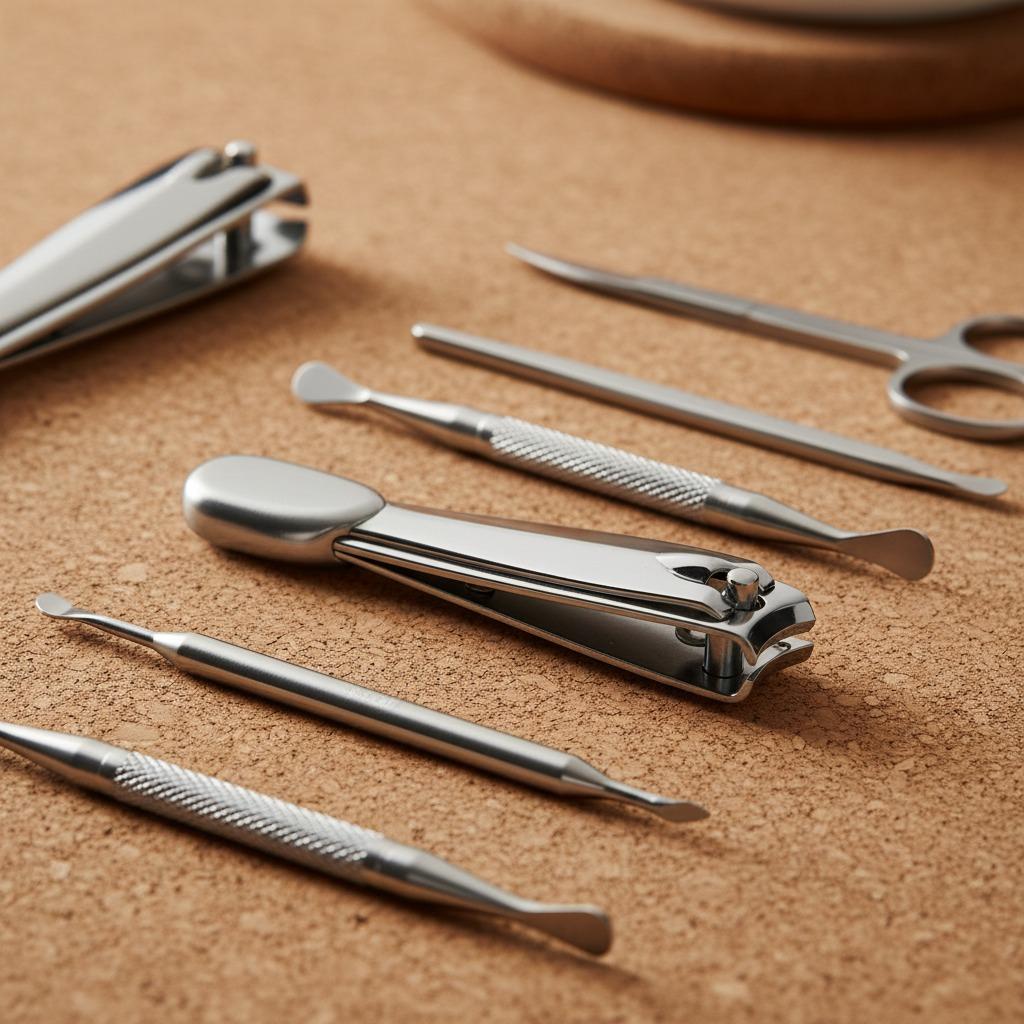











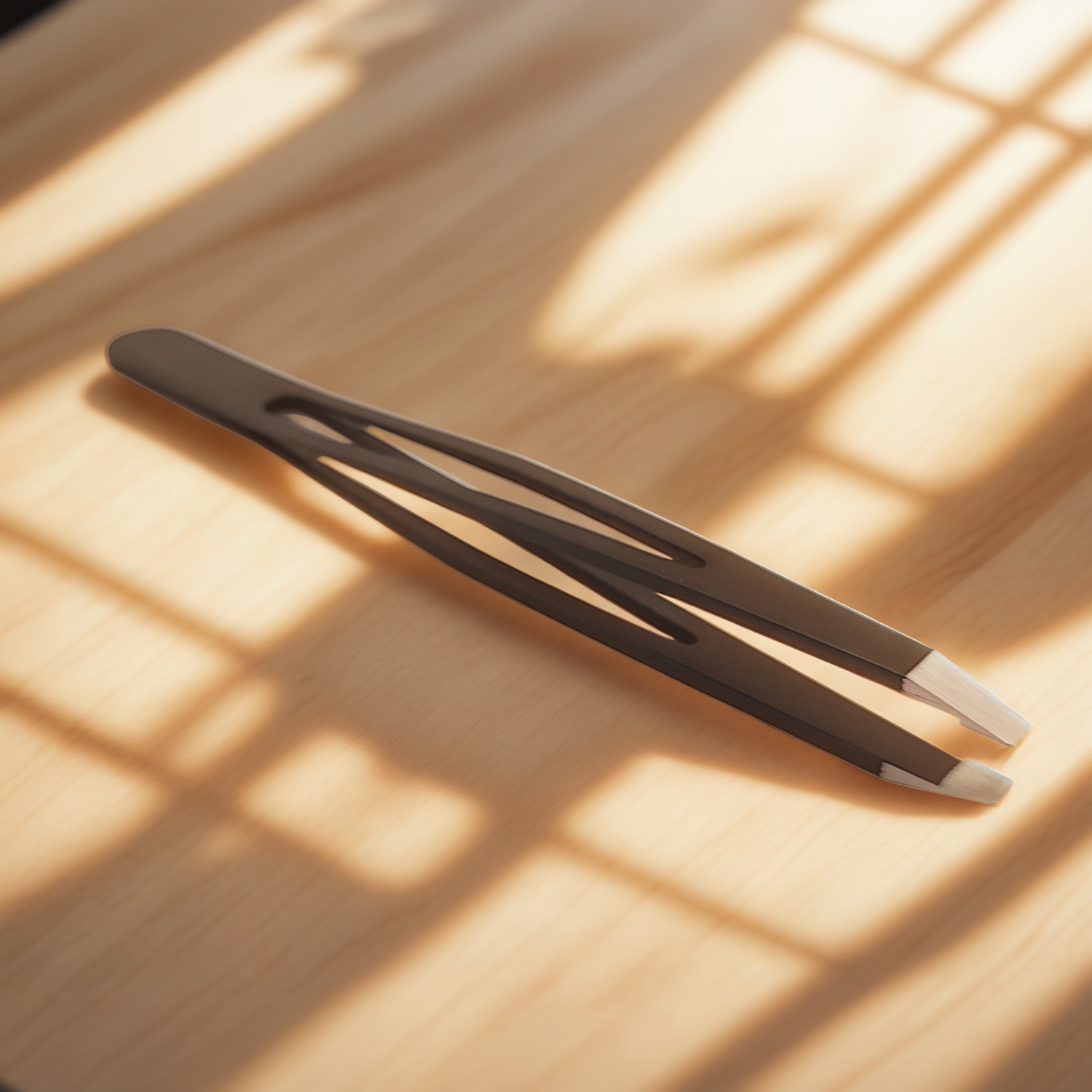
For beauty brands, salons, distributors and promotional buyers, tweezers are small products with a large effect on customer perception. A tweezer that grips cleanly, feels balanced in the hand and arrives in neat packaging can reinforce a professional brand image. A poorly aligned tool, by contrast, can quickly make a buyer question the quality of the entire range. That is why sourcing custom tweezers for business should involve more than comparing the lowest unit price.
The right purchasing decision depends on your sales channel, target user, branding requirements and expected quality level. A salon may need reliable daily-use tools for brow shaping. A retailer may need attractive branded tweezers that fit a display set. A distributor may need stable repeat supply and consistent appearance across batches. This guide explains how to assess custom tweezer options with a practical B2B mindset.
Why Custom Tweezers Matter in B2B Beauty Sourcing
In consumer beauty, tools often serve two roles at once: they must perform well, and they must communicate the standard of the brand behind them. Generic tweezers may be suitable for urgent, low-complexity purchasing, but they provide little differentiation. If another seller offers the same shape, finish and packaging, the product competes mainly on price.
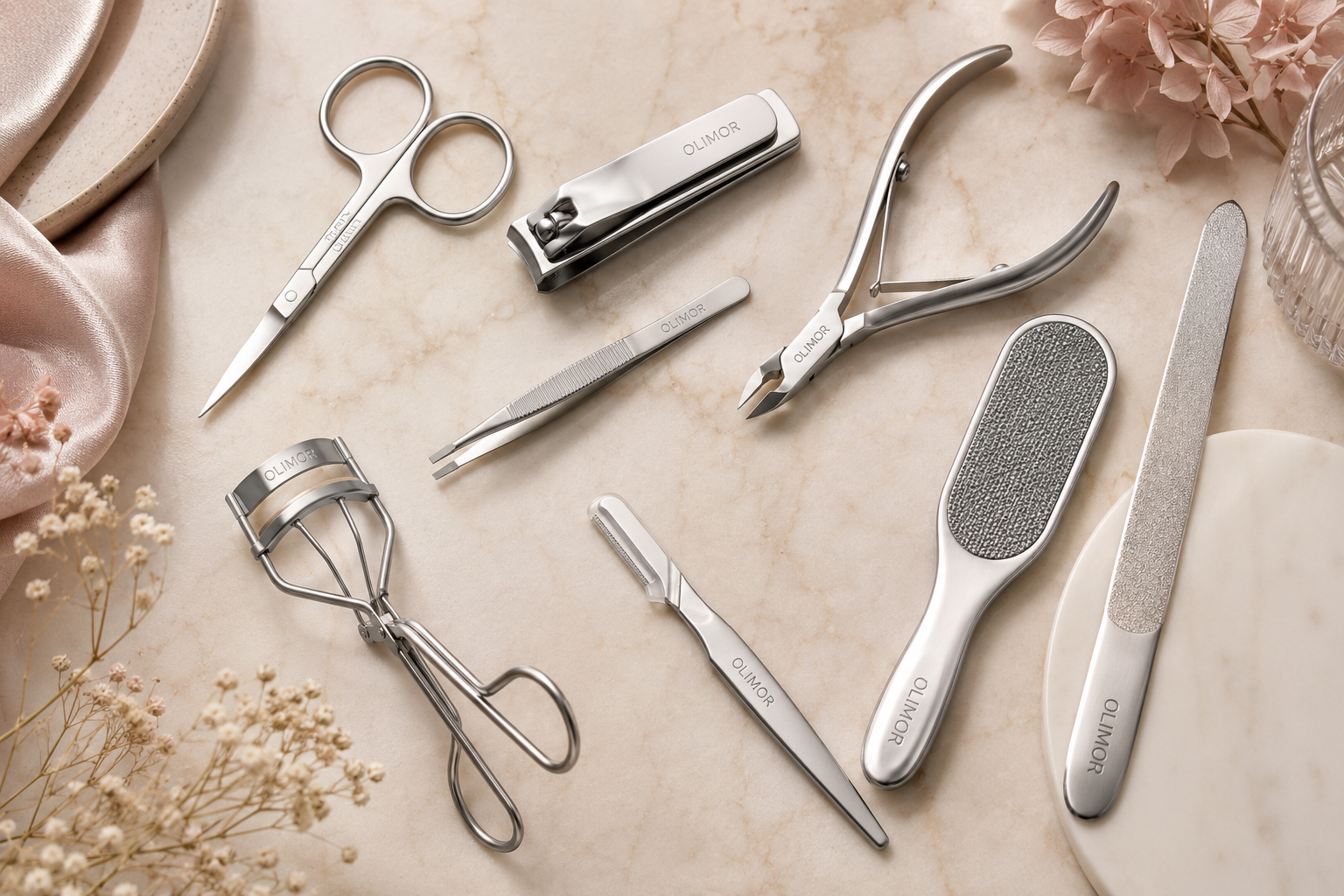
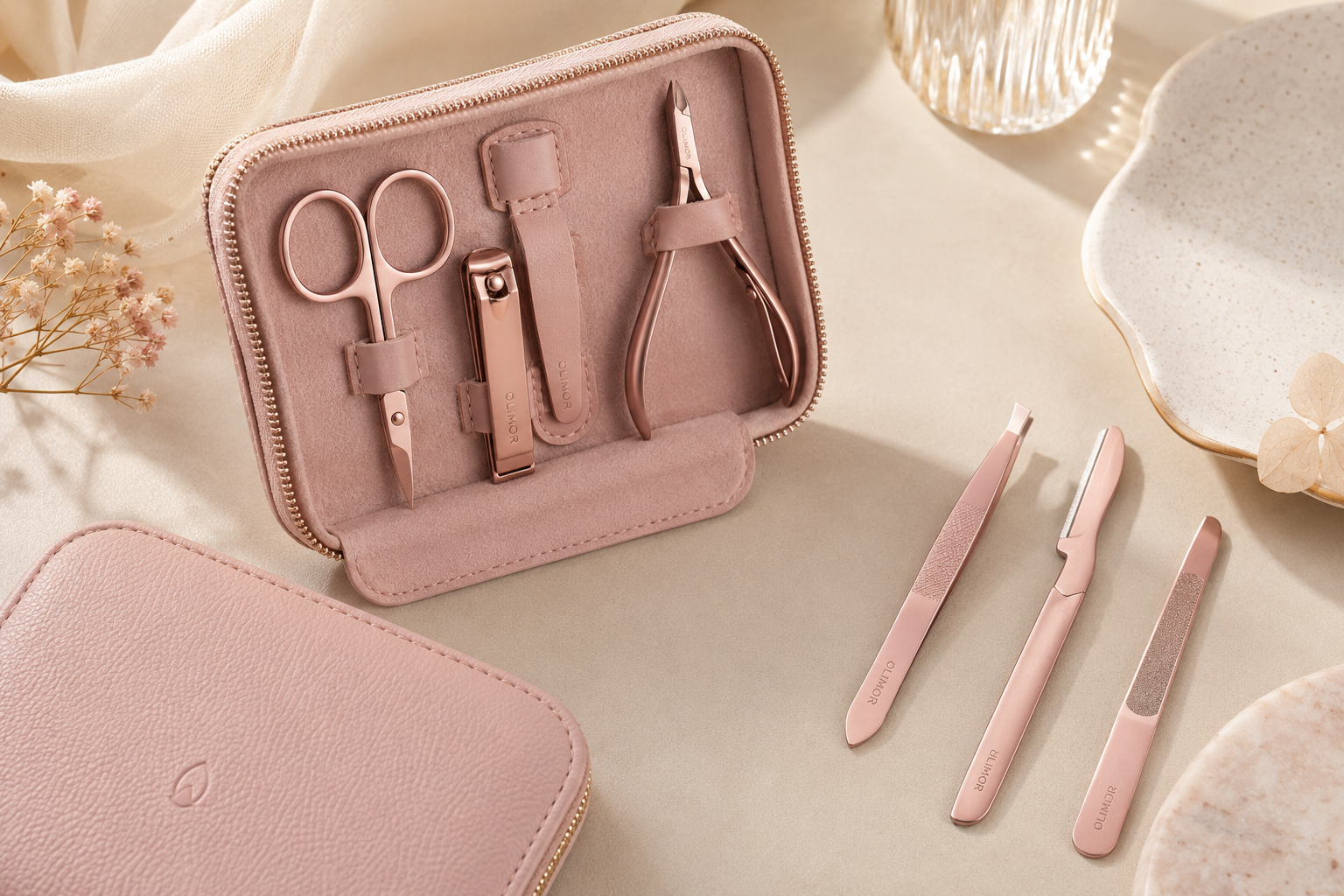
Custom-branded tweezers create more control over how the end user experiences the product. A logo, chosen finish, packaging format or color direction can make a basic grooming tool feel more connected to your retail line, salon identity or promotional campaign. For distributors, this is especially important because own-brand tools can help build recognition across repeat orders instead of promoting an anonymous commodity.
Customization should not be treated as decoration only. It should support the product position. A professional brow tool may call for a clean, restrained finish and clear protective packaging. A retail beauty accessory may benefit from a stronger visual identity. A promotional tweezer may prioritize clear logo placement and a simple, durable presentation. Before choosing a design, define the role the tweezer plays in your business model.
Generic vs. Custom Branded Tweezers
The choice between generic and custom tweezers is usually a trade-off between speed, identity and long-term brand value. Generic tools can be readily available and may appear cost-effective at first. However, they rarely help a business stand out, and they may limit how much control you have over the customer experience.
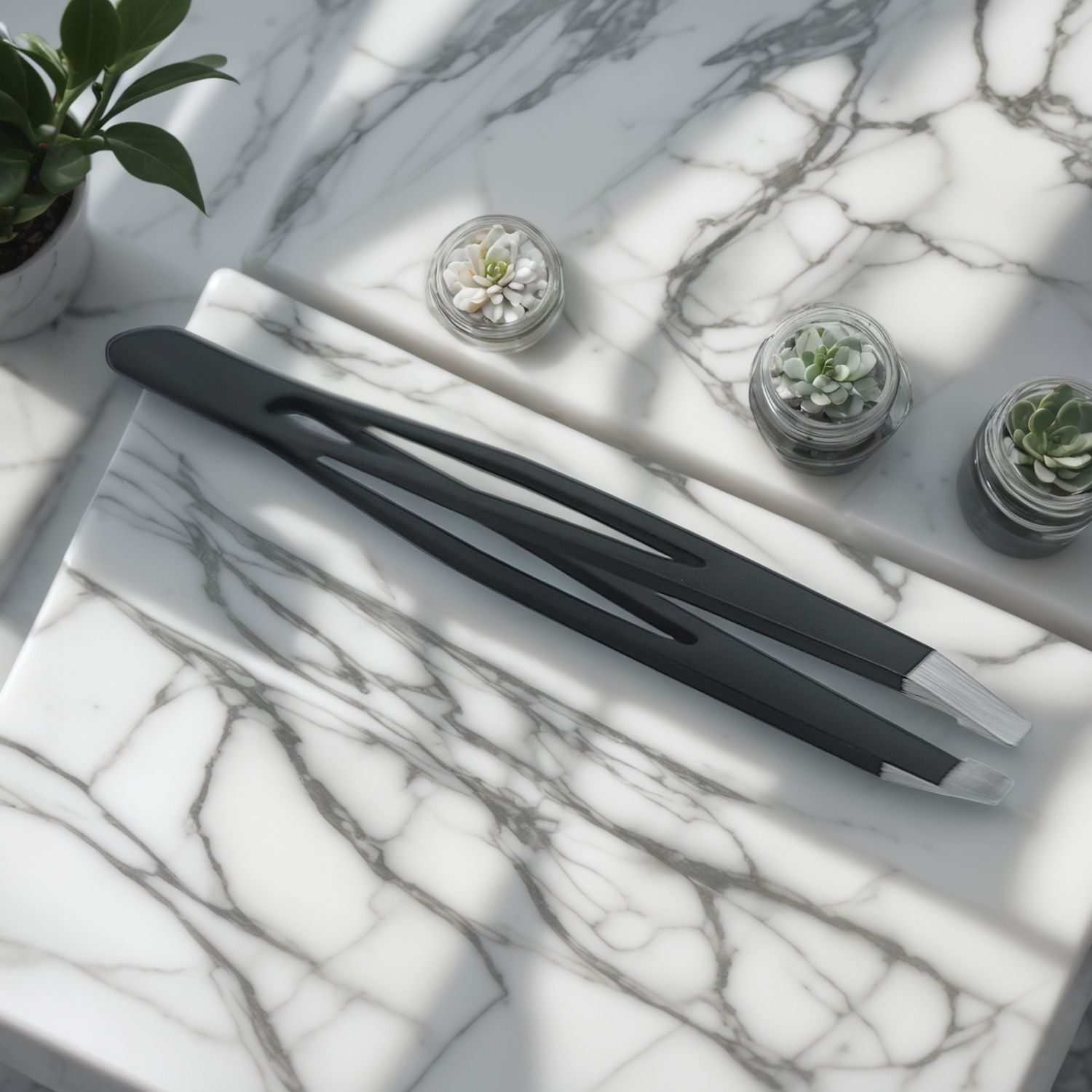
Custom tweezers allow a company to make decisions that match its market. These may include logo application, surface finish, packaging style or design details. A matte black finish, for example, can create a modern look when it fits the brand direction. Other buyers may prefer a simpler polished or understated appearance. The important point is not to choose the most eye-catching option, but to choose a specification that matches the buyer’s expectations and the product’s price position.
When comparing the two routes, consider the following:
- Brand recognition: Custom tools carry your identity each time the product is used or displayed.
- Retail differentiation: A branded item is easier to position as part of a coordinated beauty range.
- Perceived value: Consistent finishing and packaging can make the product feel more intentional.
- Purchasing flexibility: Generic products may be faster for short-term needs, while custom products better support long-term programs.
- Quality responsibility: With custom sourcing, you should define quality expectations clearly before production.
Quality Features That Affect Real Tweezer Performance
For B2B tweezers, appearance is only one part of the decision. The end user will judge the product by how it handles small hairs, how the tips meet and whether the tool remains usable after repeated handling. A beautiful logo cannot compensate for tips that do not align properly.
Tip alignment is one of the most important practical checks. The two ends should meet evenly, without a visible gap or offset that prevents clean gripping. Buyers should also evaluate the tension of the tweezer. If the tension is too soft, the tool may feel weak and imprecise. If it is too stiff, it may become uncomfortable for repeated salon or personal use.
Material choice also matters. Stainless steel is commonly considered for beauty tools because buyers often look for durability, cleanability and resistance to rust in personal care environments. However, material wording should be verified against the actual production specification rather than assumed from appearance. Surface finish should also be checked for smoothness, consistency and any sharp or uncomfortable edges.
A practical quality review can include:
- Check whether the tips meet evenly under normal hand pressure.
- Test grip on fine hair or a suitable sample material to assess precision.
- Inspect the finish for scratches, discoloration, burrs or uneven coating.
- Confirm that logo placement is straight, legible and consistent.
- Review packaging fit so the tips are protected during transit and storage.
- Compare samples from different positions in the batch, not only one perfect piece.
How to Balance Bulk Tweezers Price and Product Value
The topic of bulk tweezers price often begins with unit cost, but total value is broader than the number on a quotation. A very low price can become expensive if it leads to returns, customer complaints, inconsistent branding or packaging damage. On the other hand, a higher-priced option is not automatically better unless the quality, finish and service match the business need.
When evaluating price, divide the offer into its practical components. The tweezer itself, customization method, packaging, inspection expectations and delivery requirements all influence cost. A simple logo on a standard finish will differ from a more complex appearance or retail-ready package. If you sell through stores or online marketplaces, packaging presentation and protection may be as important as the tool itself.
Instead of asking only for the cheapest option, prepare a comparison that shows what is included. This helps avoid misleading quotes and makes it easier to judge suppliers fairly.
| Buying factor | Why it matters | What to review |
|---|---|---|
| Tip precision | Directly affects hair gripping and user satisfaction | Alignment, closing point and sample testing |
| Finish consistency | Supports brand perception and retail appearance | Color, coating, surface marks and edge comfort |
| Logo application | Makes the tool identifiable as your brand | Size, placement, durability and readability |
| Packaging | Protects the product and shapes first impression | Fit, labeling area, material feel and shipping protection |
| Inspection process | Reduces risk in larger orders | Agreed checkpoints and acceptable defect standards |
Branding and Packaging Decisions for Different Buyers
Different business buyers should approach custom tweezers in different ways. A salon chain may care most about comfort, reliable alignment and a professional look that can be used by staff or sold at reception. A beauty retailer may focus on shelf appeal, barcode or label space, and visual consistency with other beauty accessories. A distributor may need a flexible product that can be offered to several client types without looking too niche.
Logo size deserves careful thought. An oversized logo may look promotional rather than premium, while a very small logo may be hard to see on darker finishes. The best choice depends on the tweezer surface, finish and packaging window. If the tool is sold in packaging where the handle is visible, logo placement can influence the first impression before the product is opened.
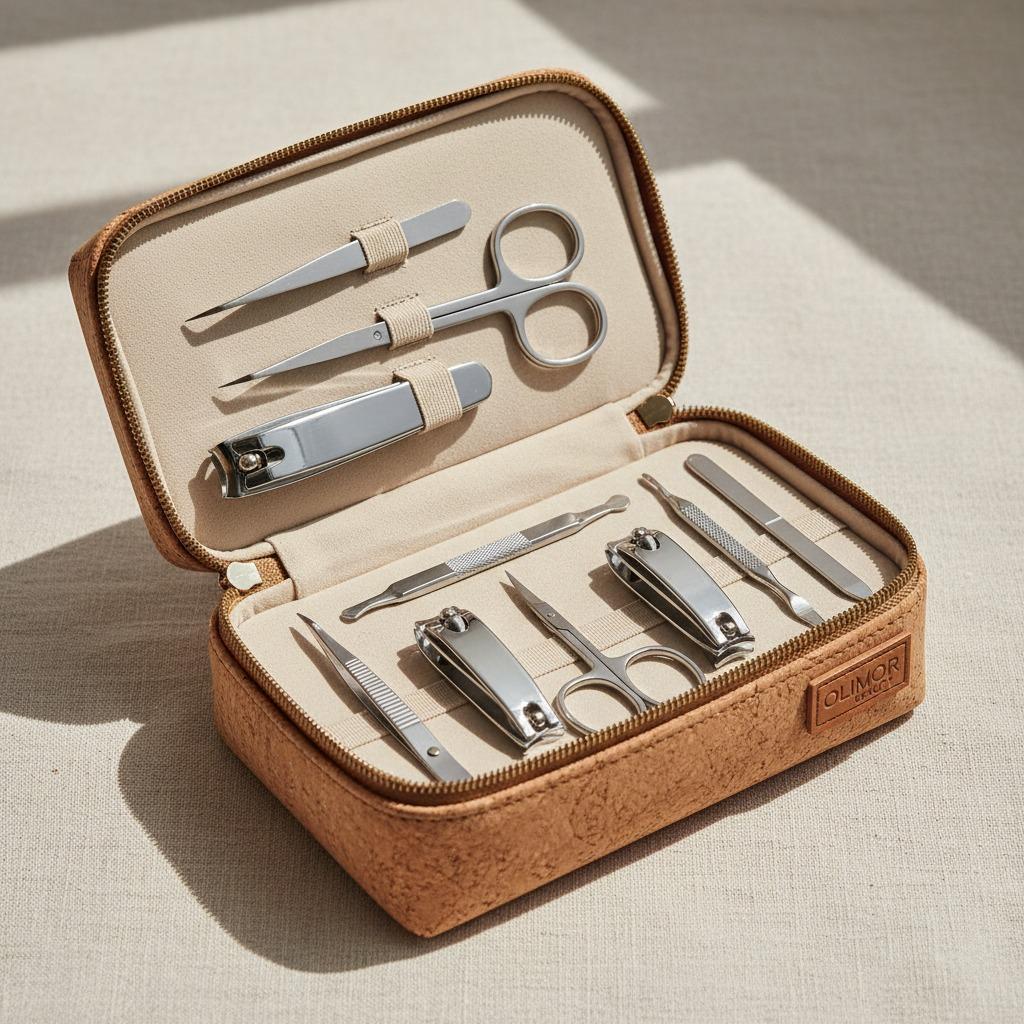
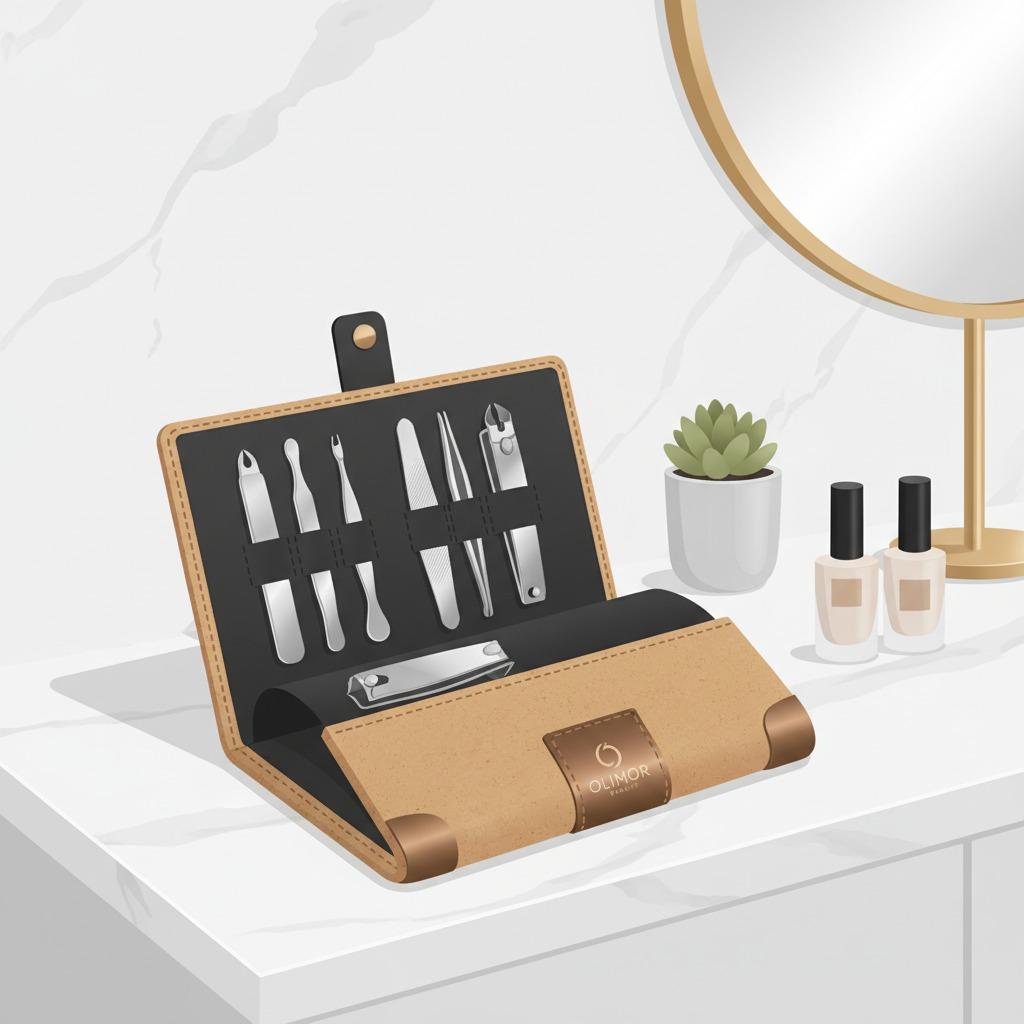
Packaging should also be selected according to the sales environment. Protective sleeves or simple packaging may suit professional purchasing or bulk supply. Retail settings may need clearer presentation, product information space and stronger protection against handling. If the tweezer will be included in a kit, dimensions and color coordination become more important. Buyers exploring related beauty tool options can review Olimor’s beauty tool products or browse product collections for broader sourcing context.
Questions to Resolve Before Placing a Custom Order
A well-prepared sourcing brief saves time and reduces misunderstandings. Before confirming production, define the end user, target sales channel and quality expectations. Even if exact specifications are still being developed, a clear checklist helps both sides understand the intended product.
Useful points to clarify include the tweezer tip style, finish direction, logo method, packaging type, labeling needs and inspection expectations. It is also helpful to define how samples will be reviewed. For example, will the buyer test only appearance, or will they also check grip performance and hand feel? A sample that looks acceptable in a photo may feel different in use, so physical evaluation is important for professional beauty tools.
For distributors, repeatability is another key concern. If the product will become part of an ongoing catalog, consistency between orders matters. Color tone, logo placement and packaging dimensions should remain stable enough that customers recognize the item as the same product. If you are preparing a custom program, you can send an inquiry with your project requirements or contact Olimor to discuss suitable beauty tool sourcing options.
Choosing a Manufacturing Partner for Long-Term Brand Growth
The right partner for custom tweezers is not simply the supplier with the fastest answer or the lowest starting price. Look for a partner that understands the relationship between tool performance, branding and B2B purchasing risk. A suitable supplier should be able to discuss practical details such as tip alignment, finish consistency, packaging protection and logo positioning without treating them as afterthoughts.
For businesses building a private-label or distributor line, the goal is to create a product that customers trust enough to reorder. That trust comes from consistent performance as much as visual branding. A custom tweezer should feel intentional: the grip should work, the finish should match the brand, and the packaging should protect the tool until it reaches the user.
By focusing on selection criteria rather than price alone, businesses can turn a small grooming accessory into a reliable branded product. Custom tweezers may be compact, but they carry your company’s quality message every time they are used. Careful sourcing helps ensure that message is clear, consistent and worth repeating.