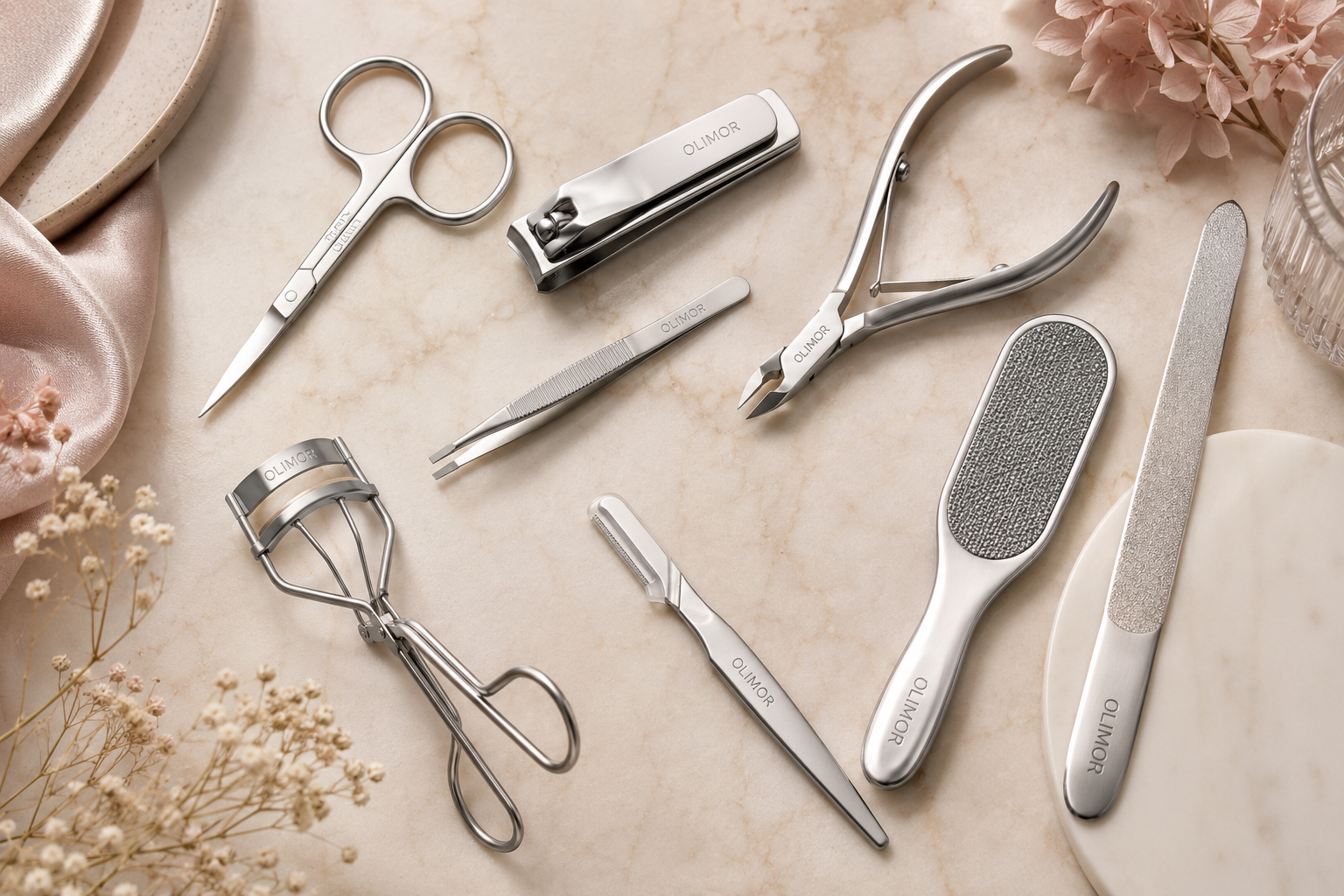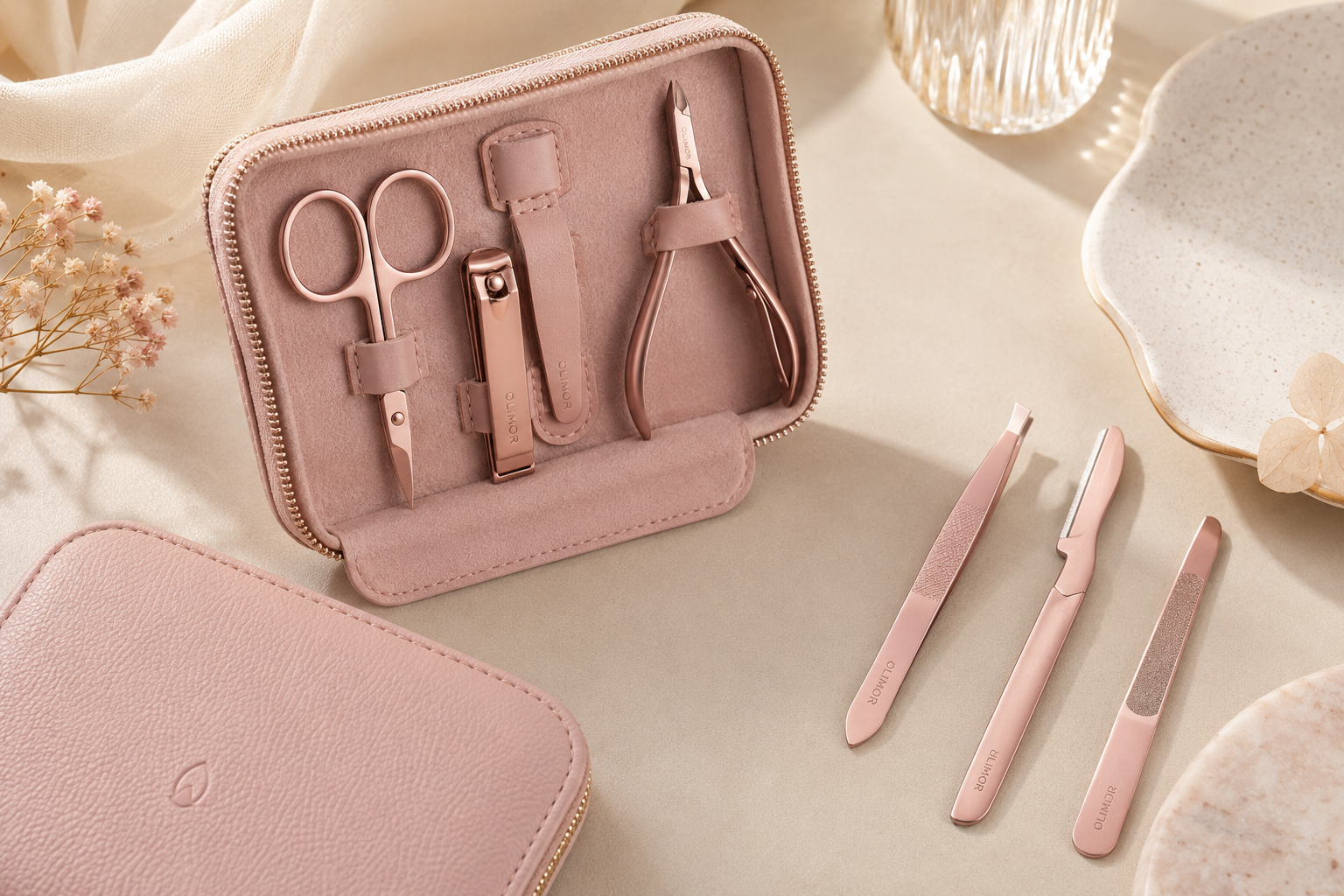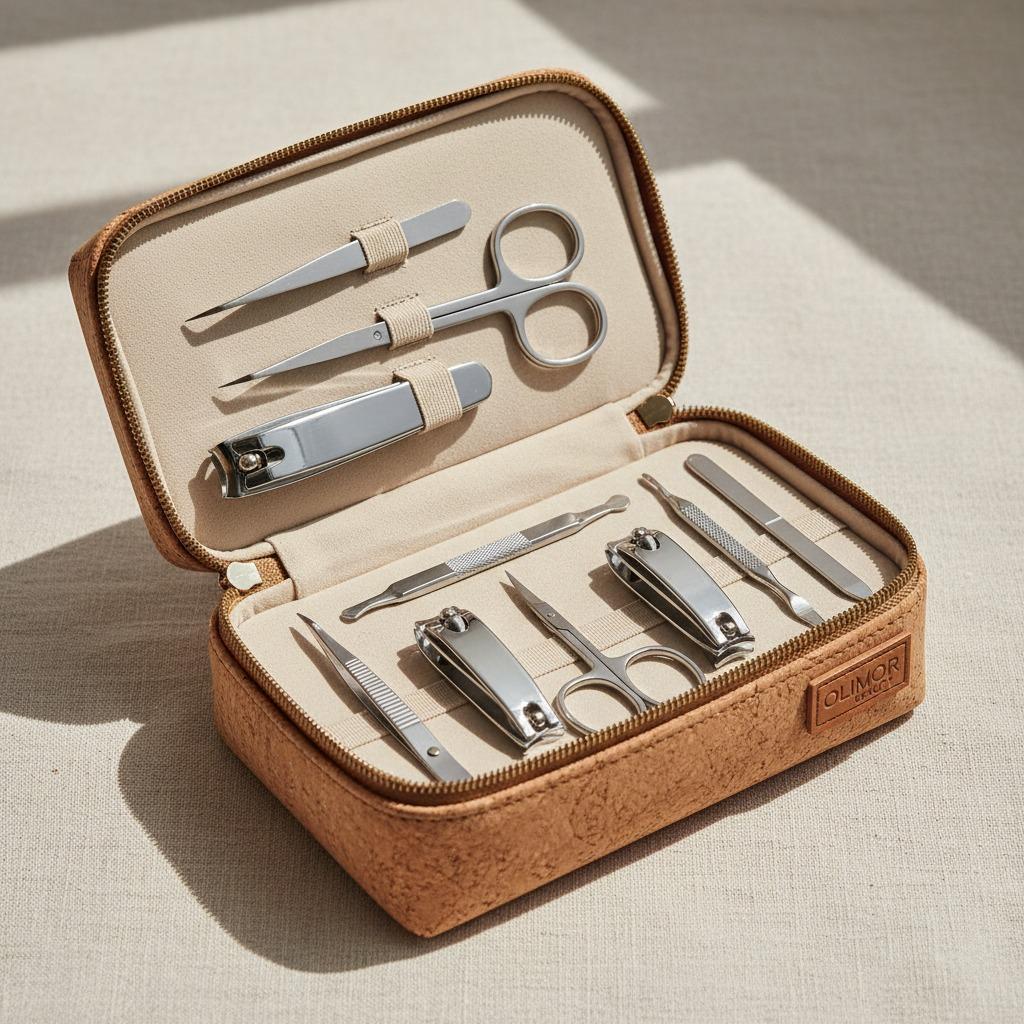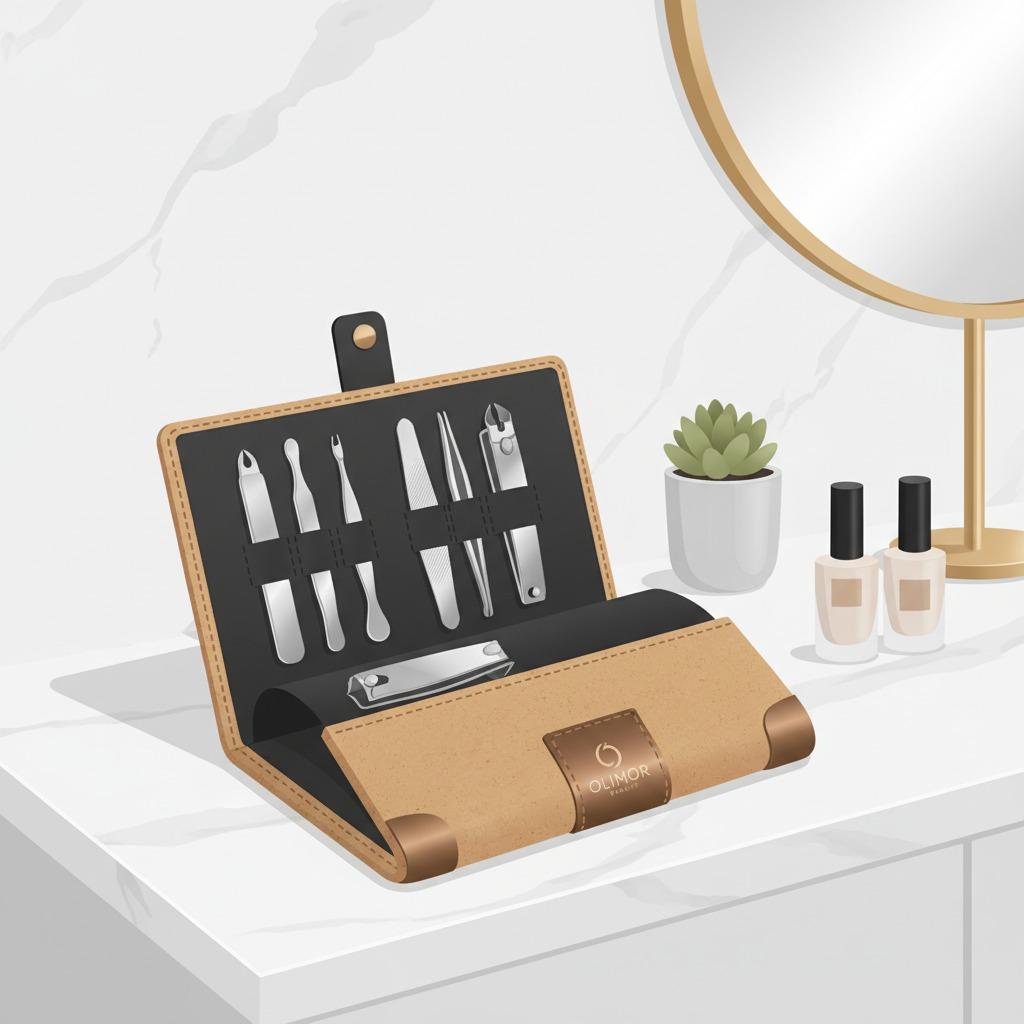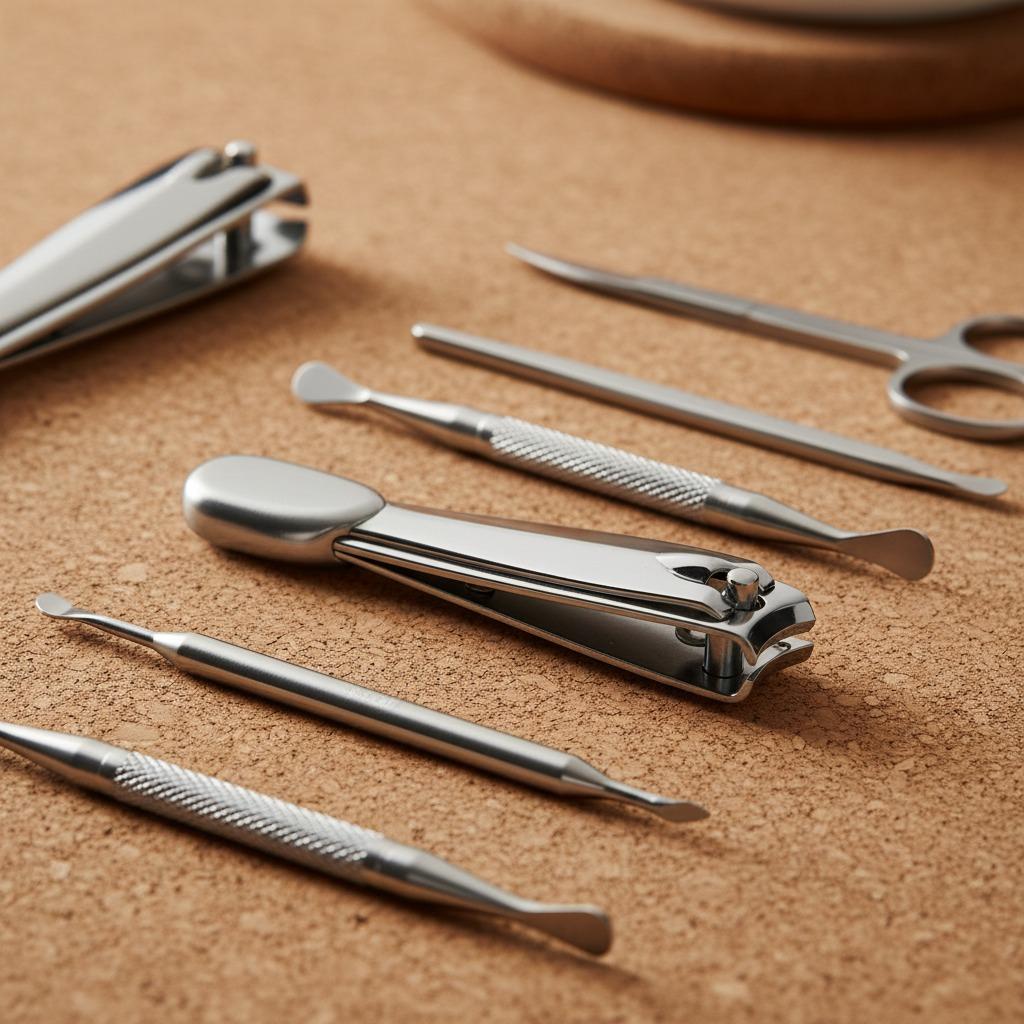











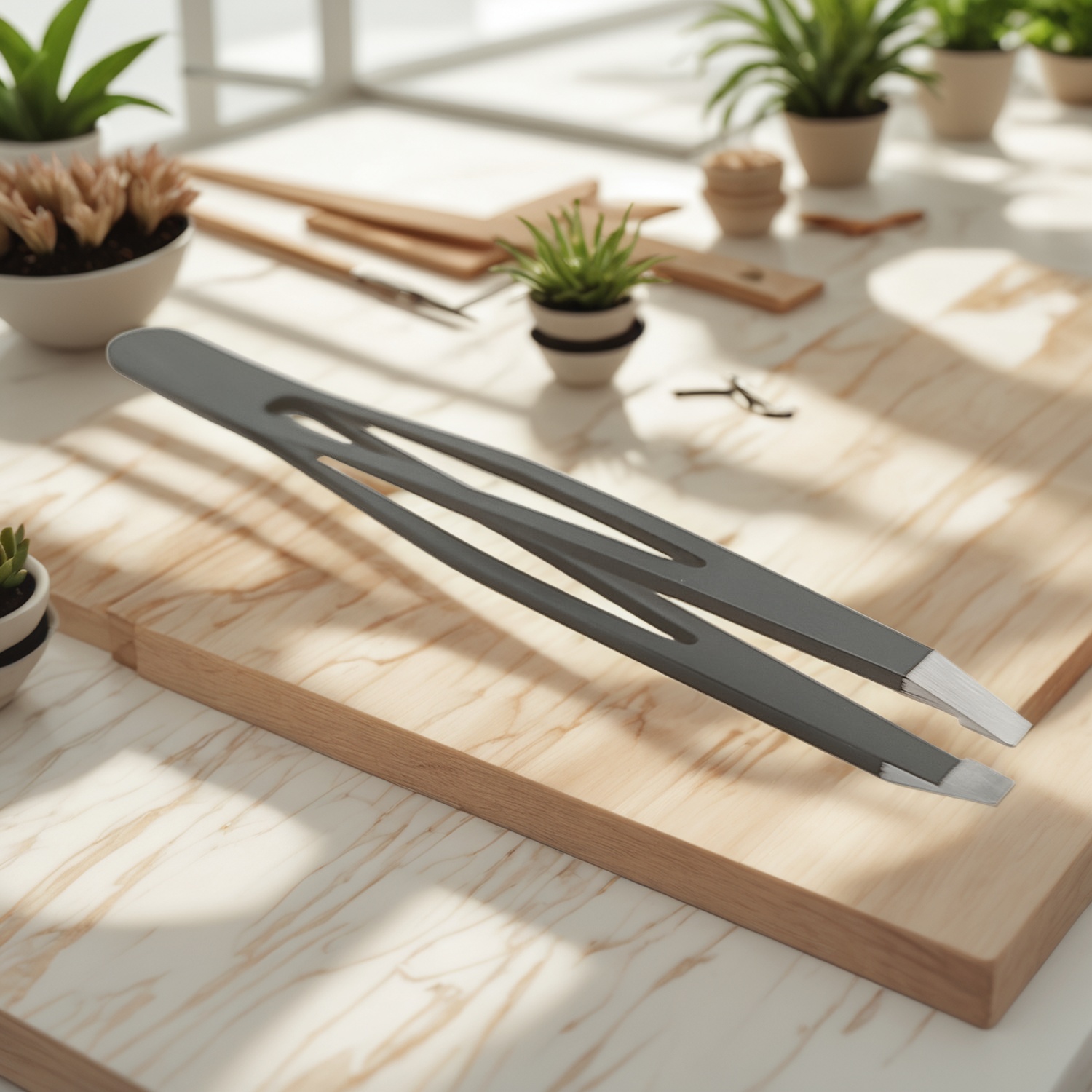
For beauty retailers, salon suppliers, lash studios, grooming brands and distributors, tweezers are small tools with a large influence on customer trust. A tweezer that pinches skin, loses alignment quickly or feels uncomfortable in the hand can create product returns and poor reviews. A well-made tweezer, on the other hand, supports accurate hair removal, clean lash work, efficient brow shaping and a more reliable professional experience.
Choosing custom tweezers for business is not only about adding a logo or selecting a fashionable color. The real sourcing decision involves tip geometry, alignment, hand feel, durability, finish consistency, packaging and supplier quality control. If you are comparing B2B tweezers for retail shelves, salon kits or distributor programs, this guide explains what to evaluate before placing a bulk order.
Start With the Use Case Before Choosing a Tweezer Style
The best tweezer for a brow bar may not be the best option for a general retail grooming set. Before reviewing finishes or packaging, define how the tool will be used and who will buy it. This prevents a common B2B mistake: ordering a visually attractive tweezer that does not perform well for the target application.
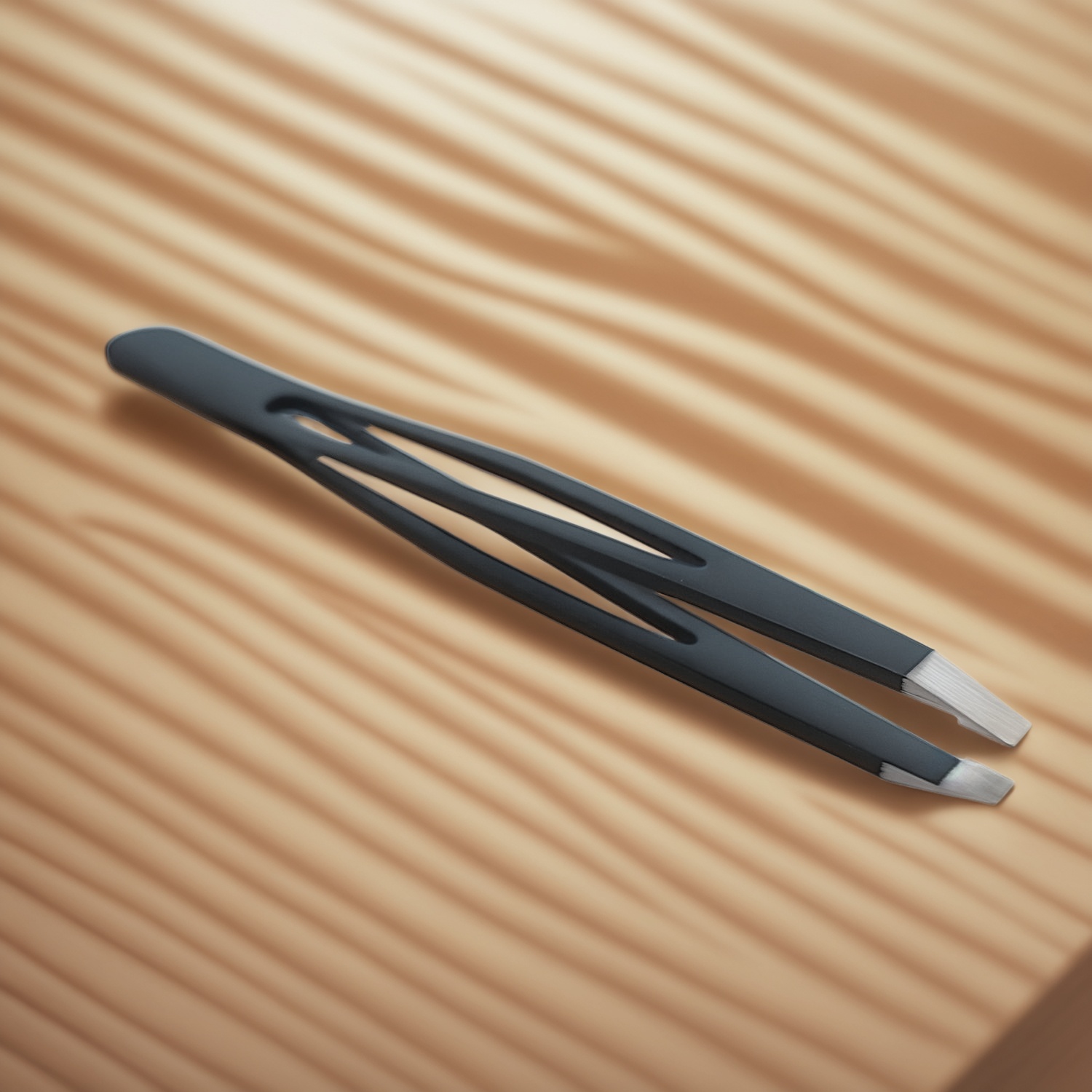
For brow shaping, a slant-edge tweezer is often favored because the angled tip can approach hairs from different directions while offering control. For fine detail work, a pointed or precision-style tip may be considered, but it also requires careful handling and protective packaging. For general consumer grooming, a balanced slant tip with a comfortable grip is often easier to sell because it is familiar and versatile.
Businesses should also consider the user environment. A professional salon tool may be used repeatedly throughout the day, so alignment and hand comfort matter more than decorative features. A retail gift set may require stronger attention to visual finish, instructions and display packaging. Distributor programs need consistent quality across cartons because one inconsistent batch can affect multiple downstream accounts.
What Quality Means in B2B Tweezers
In consumer marketing, tweezer quality is often described with broad words such as sharp, premium or durable. For business sourcing, those words are not enough. Quality should be reviewed through practical performance checks that connect directly to customer satisfaction.
Olimor Beauty focuses on technical excellence in beauty tools, and the supplied product information identifies the SleekPro Slant-Edge as a tweezer made from high-quality stainless steel with an ergonomic design for salon-quality results. When assessing this type of custom tweezer, buyers should look at how the jaws meet, whether the tips close evenly, and whether the spring tension feels controlled rather than stiff or loose.
- Tip alignment: The two sides should meet accurately along the working edge, without visible gaps at the point of contact.
- Grip tension: The tweezer should close smoothly with moderate pressure so users can work for longer periods without hand fatigue.
- Edge consistency: Slant edges should be clean and even, with no rough spots that could scratch skin.
- Surface finish: Coating, polishing or coloring should look consistent across units, especially for retail and private label programs.
- Material suitability: Stainless steel is widely used for tweezers because it supports strength, cleanability and long-term tool performance when properly manufactured.
- Packaging protection: Tips should be protected during transport so alignment is not damaged before the product reaches the user.
These checks are simple, but they are more meaningful than judging a tweezer only by appearance. A tool can look attractive in a catalog image and still fail if the tips do not meet properly.
Custom Branding: More Than a Logo on Metal
Custom tweezers can support brand recognition, retail differentiation and stronger kit presentation. However, the best branding choices should match the sales channel. A minimalist logo may work well for professional salon supply, while a bolder color or gift-ready package may suit retail shelves. For distributors, neutral branding options may be needed when serving multiple customers with different market positions.
When planning a custom program, review the full product experience: the tweezer, the sleeve or box, the protective cap, labeling, barcodes if applicable and any care instructions. Even if the tweezer itself performs well, weak packaging can make the product feel lower value. Conversely, attractive packaging cannot compensate for poor alignment or uncomfortable tension.
Useful customization decisions include finish color, logo placement, handle texture, outer packaging format and set composition. If you are building a larger beauty tool range, compare tweezers alongside other beauty tool products so the visual identity feels consistent across your assortment. Buyers developing multiple SKUs can also review product collections to plan how tweezers fit with related grooming or salon tools.
Bulk Tweezers Price: How to Compare Value, Not Just Cost
Bulk tweezers price is important, but the lowest unit cost is not always the best business decision. A cheaper tweezer can become expensive if it creates complaints, replacements, lost accounts or slow sell-through. The more practical approach is to compare price against performance, consistency and packaging readiness.
When reviewing supplier quotations, avoid comparing only the number at the bottom of the offer. Confirm what is included in that price. Does it include a protective cap? Is packaging included or separate? Is the quoted finish the same finish shown in the sample? Are branding and artwork handling included? Is the sample produced in the same way as the bulk order? These questions help prevent cost surprises and product mismatch.
| Buying Factor | Why It Matters for Business Orders | What to Check |
|---|---|---|
| Tip precision | Directly affects hair grip and user satisfaction | Close the tips under light pressure and inspect contact alignment |
| Stainless steel quality | Supports durability and a professional feel | Review material claims, finish consistency and sample performance |
| Finish and coating | Influences retail appearance and brand perception | Compare color consistency across multiple samples |
| Packaging | Protects tips and supports shelf presentation | Check tip protection, printing quality and carton handling |
| Quality assurance | Reduces risk in distributor and repeat orders | Understand inspection steps from raw materials to final packaging |
Olimor Beauty applies internal quality assurance from raw materials to final packaging. For business buyers, that kind of process focus matters because tweezer performance depends on small details that may not be visible in a product photo.
Distributor Considerations for Tweezers at Scale
Tweezers for distributors must satisfy a wider chain of expectations. The distributor needs reliable supply and consistent product presentation. Retailers need tools that look good on shelves and generate few complaints. End users need a tweezer that grips accurately and feels comfortable. This makes consistency the central sourcing requirement.
Distributors should evaluate samples from the perspective of repeat orders. A first sample may look excellent, but the real question is whether future bulk production can match the approved standard. Create a reference sample and keep clear records of finish, packaging, logo position and tip expectations. If the product is part of a private label line, store artwork and packaging files carefully so reorders do not drift in appearance.
It is also wise to plan how the tweezer will be positioned. A tool sold to salons may emphasize control, stainless steel construction and professional handling. A retail item may focus on ease of use, brow shaping and protective storage. A distributor catalog may need concise technical descriptions that avoid unsupported claims while still explaining the tool’s purpose.
Sample Evaluation Checklist Before a Bulk Order
Before approving custom tweezers for business use, inspect more than one sample if possible. A single unit can miss consistency issues. Use a basic checklist that your purchasing, product and quality teams can repeat for future orders.
- Check whether the tweezer tips meet evenly when closed with light pressure.
- Test grip on fine hair or a comparable sample material without excessive squeezing.
- Hold the tweezer for several minutes to judge comfort, balance and tension.
- Inspect edges and corners for roughness that could irritate skin.
- Review the finish under good lighting for scratches, uneven color or coating defects.
- Confirm that the logo or branding position matches the approved artwork.
- Check that the packaging protects the tips during shipping and storage.
- Record the approved sample details for future production comparison.
This process is especially useful for brands that plan to reorder. It turns subjective feedback into repeatable criteria, which is essential when multiple team members are involved in purchasing decisions.
Maintenance Guidance Adds Value for End Users
Clear care guidance can reduce complaints and extend product life. Many tweezer issues come from poor storage rather than manufacturing defects. If the tips are dropped on a hard surface or stored unprotected in a crowded cosmetic bag, alignment can be affected. Including simple care instructions in packaging or product pages helps users protect the tool.
Recommended guidance can include wiping the tweezer after use, keeping the tips dry, replacing the protective cap after cleaning and avoiding use as a general prying or scraping tool. Professional users may need a more formal hygiene routine based on their workplace requirements. Keep instructions practical and avoid unsupported claims. A short, clear care card can make the product feel more professional while helping users maintain performance.
Choosing a Supplier for Long-Term Custom Tweezer Programs
A reliable custom tweezer program depends on communication, sample discipline and realistic product planning. Look for a supplier that can discuss tool performance, branding, packaging and quality control rather than focusing only on decoration. The right partner should help you connect your customer’s use case with the correct tweezer design and presentation.
Olimor Beauty offers custom beauty tool sourcing support for businesses that need precision, ergonomic design and consistent presentation. If you are comparing options for B2B tweezers, preparing a distributor assortment or building a private label grooming tool range, you can contact Olimor to discuss product direction or send an inquiry with your target use case, packaging needs and branding plan.
Custom tweezers may be small, but they represent your brand every time a customer uses them. By evaluating tip precision, stainless steel construction, comfort, packaging and supplier quality control, you can select a product that supports repeat business instead of creating avoidable after-sales problems.