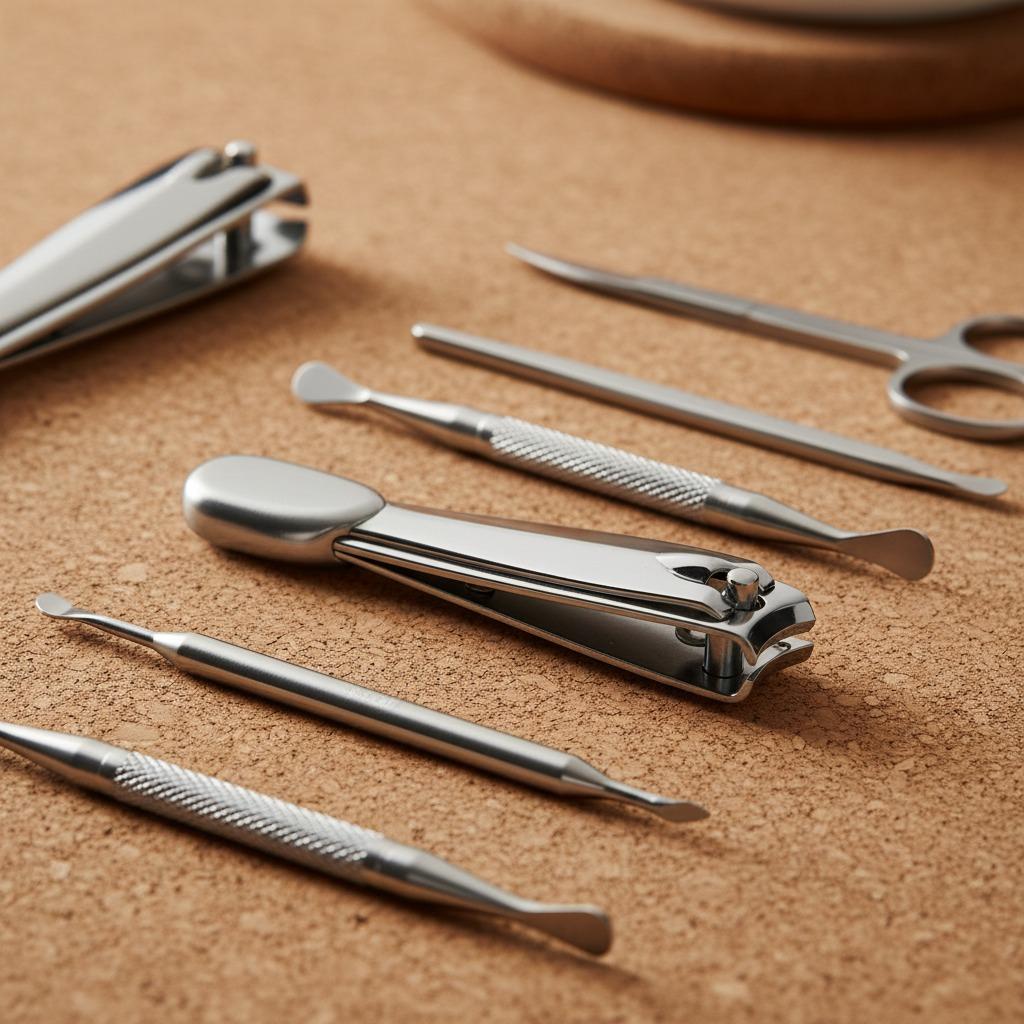











Finding the right supplier for custom tweezers for business is a practical decision with visible consequences. Tweezers are small tools, but customers judge them immediately by grip, alignment, finish, balance, and comfort. For beauty brands, salons, retailers, promotional buyers, and distributors, a poor tweezer can create returns, complaints, or a weak first impression of the wider product range. A well-made tweezer, by contrast, feels controlled in the hand and performs consistently across routine grooming tasks.
Business buyers often begin by comparing the bulk tweezers price, but price alone is not enough. The right buying process should compare intended use, tip style, material, finishing quality, packaging needs, inspection standards, and the reliability of repeat supply. Olimor Beauty works in the beauty-tool category, where details such as tip symmetry and surface finish influence the end user’s experience. If you are reviewing beauty tool products for resale, salon use, gift sets, or distribution, use this guide to build a more reliable sourcing checklist.
Start With the Real Use Case, Not the Unit Price
Custom tweezers are purchased for different business goals. A salon may need dependable tools for daily eyebrow shaping. A retailer may need a consumer-friendly tweezer that looks clean on a shelf and feels comfortable for at-home use. A distributor may need a balanced option that can serve multiple customer segments without excessive after-sales issues. A beauty brand may care about how the tweezer fits into a broader personal-care kit.
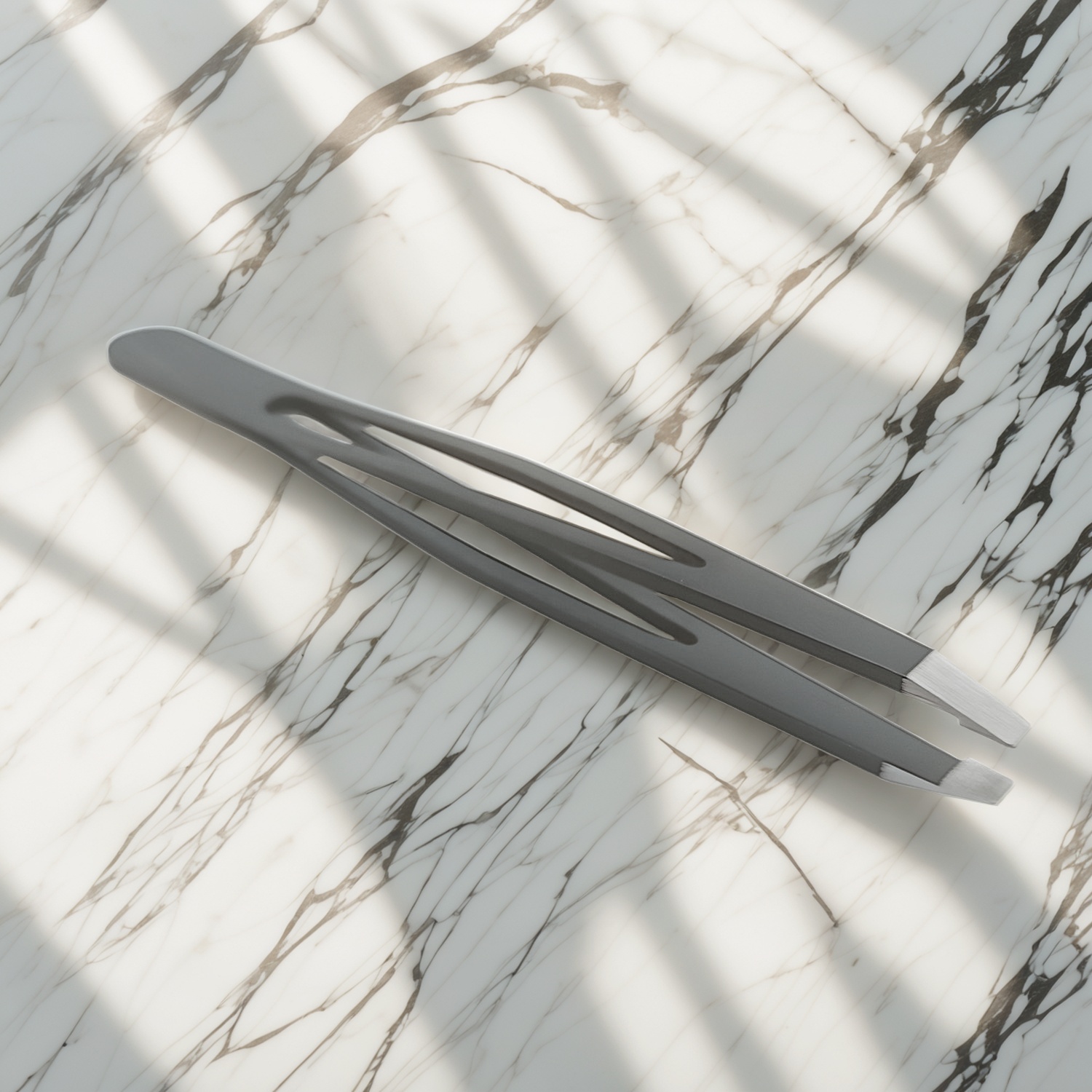
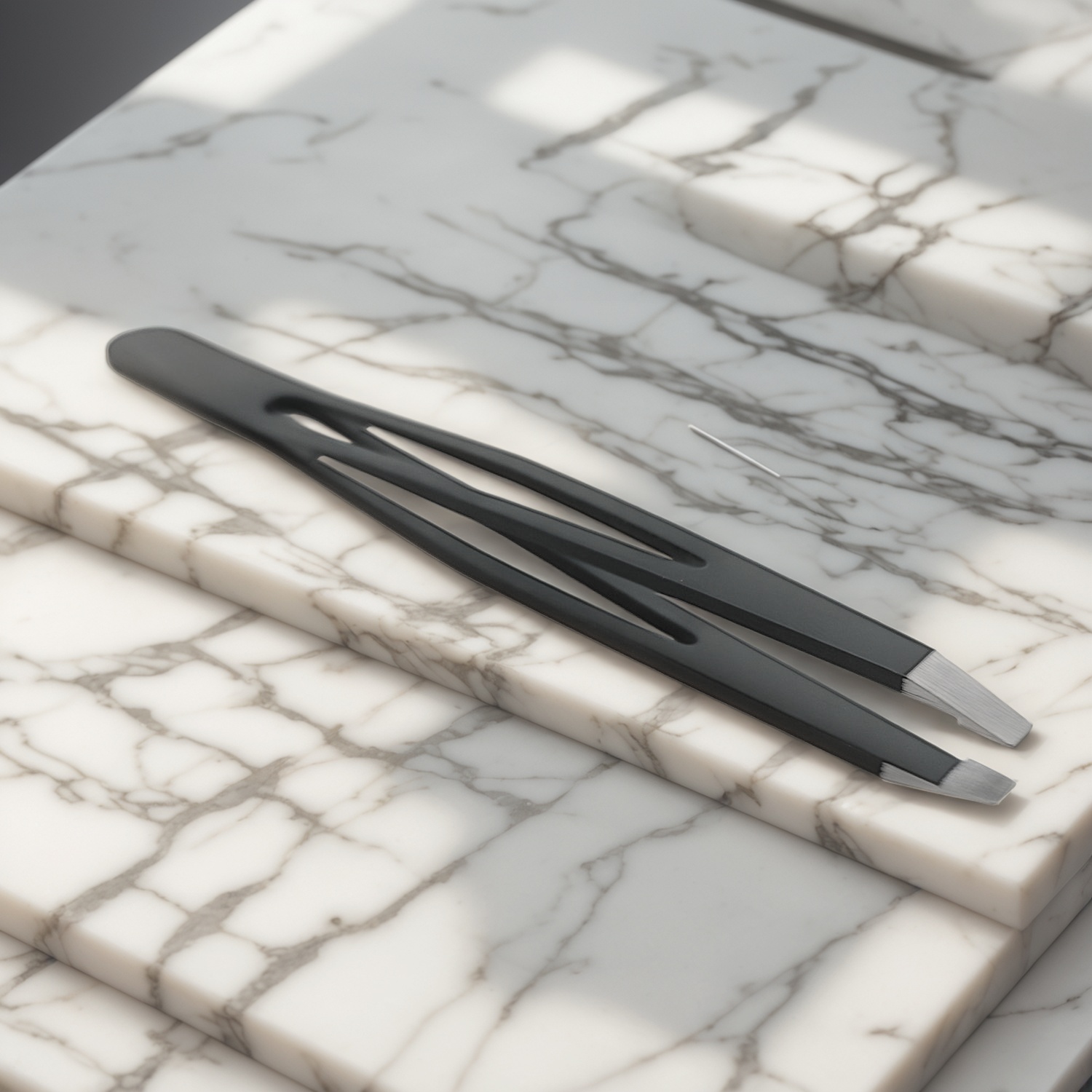
Before comparing quotes, define the job the tweezer must perform. General eyebrow shaping typically benefits from a slant tip because it gives a broad contact angle while still allowing controlled hair removal. Fine detail work, such as removing very short hairs or placing small nail art pieces, may require a slimmer and more precise tip. The original product comparison highlights two different directions: a classic Precision Black Slant Tip Tweezer for robust, general grooming grip, and an Ultra-Slim Precision Tweezer with a lightweight 9-gram body for more delicate tasks. That distinction is useful for B2B buyers because it shows why one tweezer design rarely covers every use case perfectly.
Compare Tip Accuracy, Grip, and Comfort
For professional and retail tweezers, the tip is the performance center of the product. Even if the handle looks attractive, the tweezer will disappoint if the tips do not meet evenly. When evaluating samples, check whether the two sides close with balanced pressure and whether the meeting edge catches hair cleanly without cutting, slipping, or requiring excessive force.
Grip is also more than surface friction. A tweezer should give the user enough control without hand fatigue. A heavier, more robust slant tweezer may feel reassuring for eyebrow shaping and routine hair removal. A very slim tweezer may provide better visibility and control for delicate work, but it must still feel stable in the fingers. Ergonomic design is useful only when it supports real control, not just appearance.
- Tip alignment: The tips should meet evenly when closed, with no visible offset that affects hair removal.
- Closing tension: Pressure should feel controlled, not too stiff for repeated use and not too loose for precision.
- Surface finish: Edges should feel smooth enough for safe handling while maintaining useful grip at the tip.
- Handle balance: The tool should sit naturally in the hand for the intended task.
- Task suitability: Slant tips suit general grooming; slimmer precision formats suit detailed work.
What Business Buyers Should Know About Materials and Finish
The supplied product description notes that the compared tweezers are crafted from high-grade stainless steel. For buyers, the key point is not only the material name but how consistently the finished tool performs. Stainless steel is widely used for beauty tools because it can provide strength, a clean appearance, and practical durability when properly processed. However, buyers should still examine finishing quality, edge consistency, and packaging protection because poor handling can affect the final product even when the base material is appropriate.
Look closely at surface coating, color consistency, printed or engraved customization, and the condition of the tips after packaging. Black finishes, polished surfaces, and slim shapes can all look appealing, but they should be checked under normal lighting and with real hand use. If a tweezer is intended for retail, it should look consistent across the batch. If it is intended for salon operations, comfort and long-term handling may matter more than decorative packaging. If it is intended for distribution, consistency across cartons is especially important because distributors often serve buyers with different quality expectations.
Bulk Tweezers Price: What a Low Quote May Hide
A competitive bulk tweezers price can be attractive, especially when purchasing for a large campaign, starter kit, or reseller program. Still, a low quote should be reviewed against the total business cost. If tip alignment is inconsistent, the apparent savings may turn into returns, replacements, negative reviews, or reduced reorder rates. A tweezer that costs slightly less but performs unpredictably can be more expensive over time than a stable option with a clearer quality standard.
When comparing quotations, make sure each supplier is quoting the same scope. Packaging, customization method, inspection expectations, and finishing requirements can change the real cost. A buyer comparing plain bulk tweezers to customized retail-ready tweezers is not making a fair comparison. Similarly, a sample that performs well should be matched by production controls so that the delivered goods feel consistent with the approved sample.
| Buying factor | Why it matters | What to check before ordering |
|---|---|---|
| Tip style | Determines grooming accuracy and user comfort | Match slant or slim precision tips to the intended application |
| Tip alignment | Affects whether hairs are gripped cleanly | Test several samples, not only one display piece |
| Finish quality | Influences perceived value and handling | Check coating, smoothness, and visible consistency |
| Packaging | Protects the tool and supports retail presentation | Confirm whether the packaging prevents tip damage in transit |
| Customization | Connects the product to your brand or campaign | Review logo placement, durability, and appearance on the actual finish |
Customization Choices for Brands, Salons, and Distributors
Custom tweezers for business can support different selling strategies. A beauty brand may want a tweezer that matches a color theme or kit concept. A salon chain may want a simple, professional tool for customer retail or daily staff use. A distributor may want flexible packaging that can serve multiple accounts. The best customization plan should improve recognition without making the product harder to use or harder to inspect.
Keep branding decisions practical. A logo should be placed where it remains visible but does not interfere with grip. Packaging should protect the tips because even a minor deformation can affect performance. If the tweezer is part of a kit, check how it sits beside other items and whether it can scratch nearby products during shipping. For larger assortment planning, review Olimor Beauty’s product collections to consider how tweezers may fit with related beauty tools.
Sample Evaluation Checklist Before a Bulk Order
A structured sample review helps prevent subjective decisions based only on appearance. Ask multiple team members to test the same samples if the product will be used by professionals or sold under your brand. If your business serves both everyday consumers and trained beauty users, test the tweezer against both simple and detailed tasks.
- Open and close the tweezer repeatedly to evaluate tension, spring feel, and hand comfort.
- Inspect the tips under good lighting to see whether they meet evenly along the gripping edge.
- Test on realistic grooming tasks rather than judging only by appearance or catalog descriptions.
- Check finishing and branding for scratches, uneven color, unclear marks, or uncomfortable edges.
- Review packaging protection to confirm the tips are not exposed to pressure during handling.
- Compare several samples from the same lot to judge consistency, not just the best piece.
Building a Supplier Conversation Around Quality
For B2B tweezers, a strong supplier conversation should be specific. Instead of asking only for the lowest bulk tweezers price, prepare questions about sample approval, acceptable appearance standards, packaging options, and how production pieces are checked against the approved sample. This keeps the discussion focused on the details that affect customer satisfaction.
It is also helpful to define your market position. A promotional giveaway may prioritize simple presentation and budget control. A salon retail product may require a more refined finish and dependable performance. A distributor may need reliable repeatability because the product will pass through several business layers before reaching the end user. If you need to compare options or discuss a custom project, you can send an inquiry with your intended use, quantity range, packaging preference, and customization goals. For broader sourcing questions, you may also contact Olimor directly.
Why Precision Protects Brand Reputation
Tweezers are simple tools, but the user experience is immediate. If the tips slip, if the tension feels awkward, or if the finish looks inconsistent, customers notice quickly. That is why custom tweezers for business should be sourced with the same care given to larger beauty tools. Precision supports function; consistent finishing supports perceived value; appropriate packaging protects the tool until it reaches the user.
The best sourcing choice balances cost, performance, and brand fit. A classic slant tweezer can be ideal for dependable everyday grooming, while an ultra-slim precision format can serve more detailed beauty tasks. By testing samples carefully, comparing like-for-like quotations, and defining the intended use before ordering, brands, salons, retailers, and distributors can choose tweezers that feel reliable in the hand and represent their business with confidence.