











For beauty brands, distributors, salon suppliers, and retail buyers, custom tweezers are more than a small accessory. They are a daily-use precision tool that customers judge quickly: the tip alignment must feel accurate, the grip must be comfortable, the finish must look clean, and the packaging must match the brand promise. When sourcing custom tweezers for business, buyers often face one central question: should you import directly from a factory, or work with a tweezers global supplier that manages more of the process?
Both routes can be workable. Direct importing may offer more hands-on control and potential cost advantages for experienced procurement teams. A supplier partnership can reduce complexity, improve communication, and create a more predictable route from product concept to delivery. The right choice depends on your internal resources, tolerance for risk, customization needs, and how much time your team can dedicate to product development, inspection, and logistics.
What Business Buyers Need From Custom Tweezers
Before comparing sourcing routes, define what the product must achieve. A tweezer may look simple, but small differences in material, tension, finishing, and tip geometry affect performance. Eyebrow tweezers, lash tweezers, pointed tweezers, slant tweezers, flat tips, and precision tips each serve different users. A salon buyer may prioritize professional handling and repeated disinfection, while a retail beauty brand may focus on packaging, perceived value, and consistent appearance across a full order.
For custom tweezers, the buyer checklist usually includes the following:
- Tip alignment: Tips should meet evenly without gaps, twisting, or excessive pressure.
- Grip and tension: The tweezer should close smoothly and return without feeling weak or too stiff.
- Surface finish: Polished, matte, coated, or colored finishes should be even and free from obvious scratches, stains, or rough edges.
- Branding method: Logo placement, size, contrast, and durability should suit the tweezer finish and packaging.
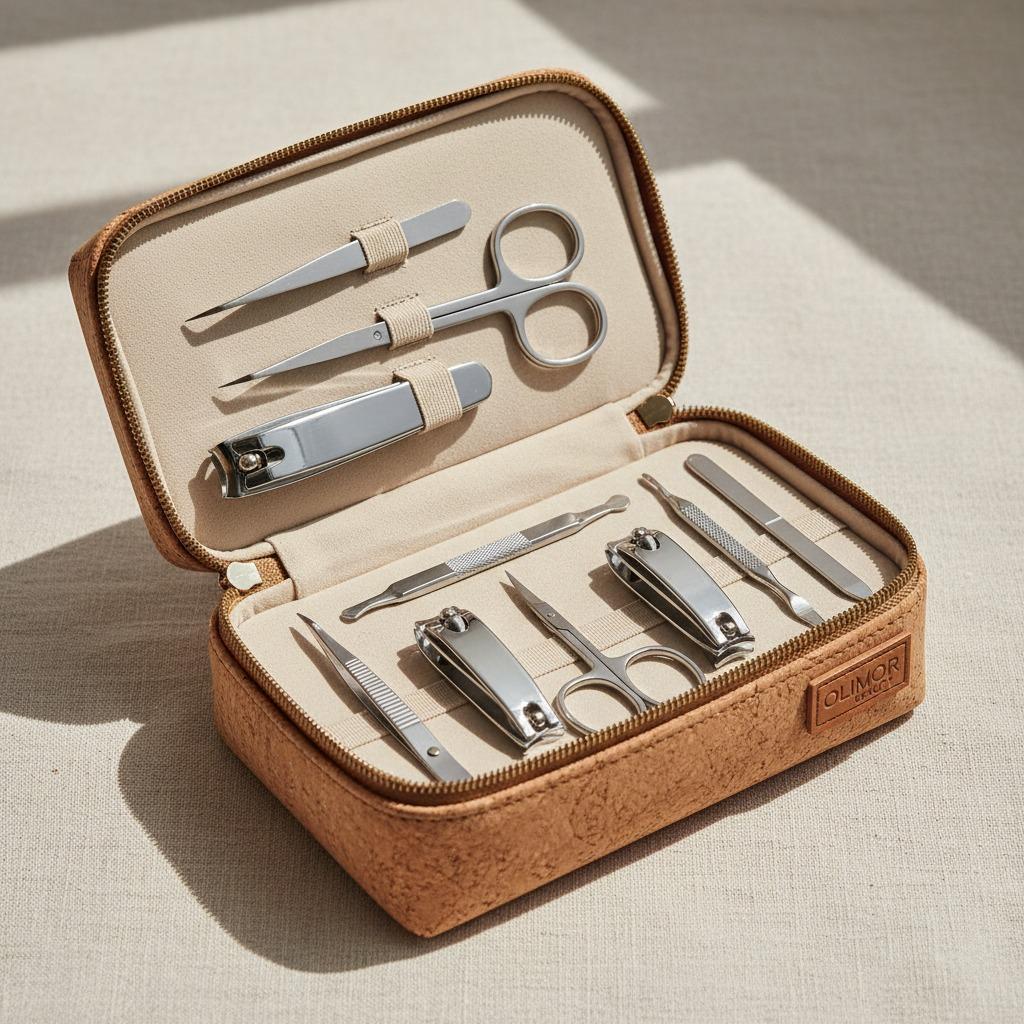
- Packaging: Retail cards, sleeves, boxes, or protective caps should protect the tips and present the brand clearly.
- Consistency: The approved sample should match the final bulk shipment as closely as possible.
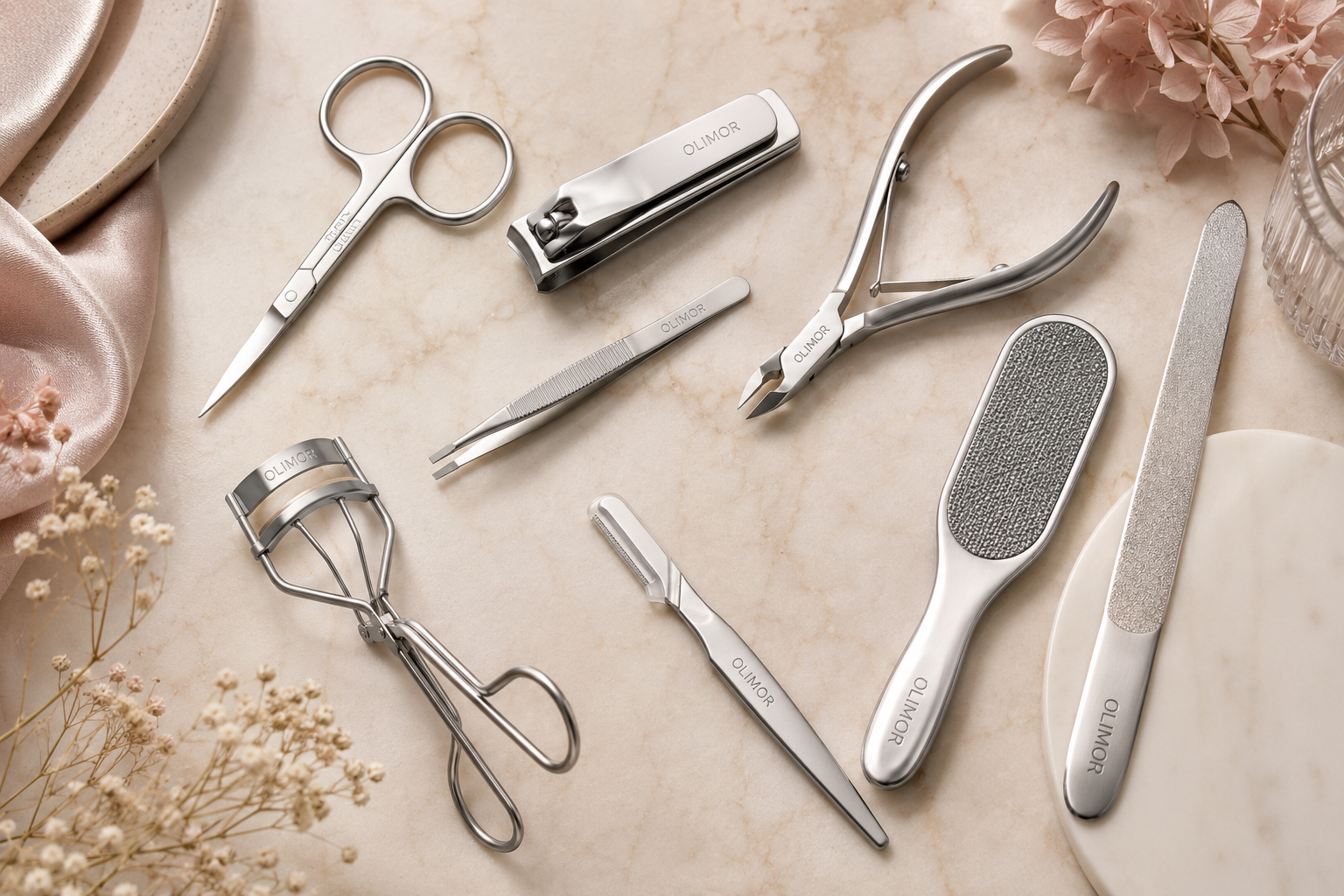
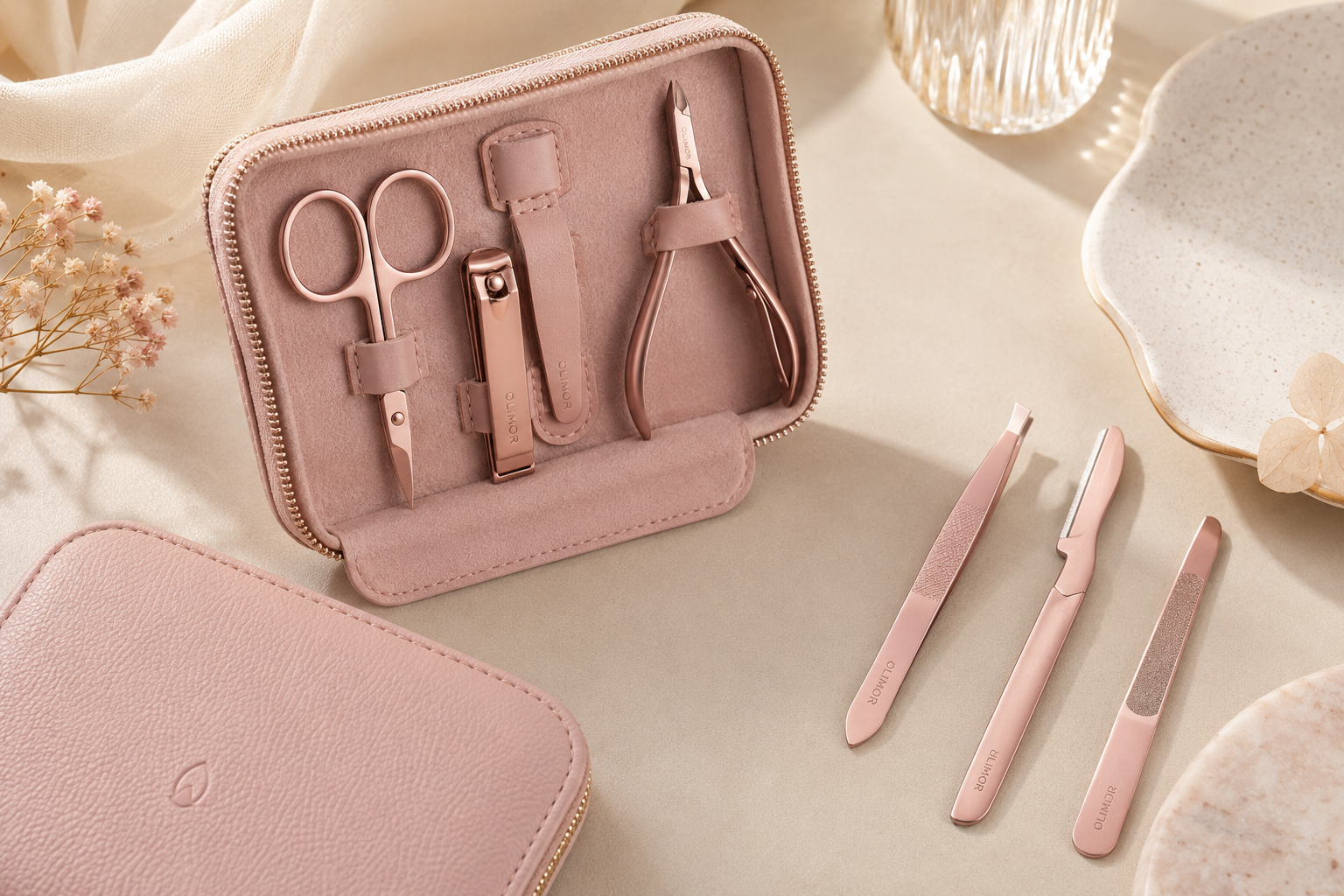
These requirements are easier to manage when your team has a clear specification sheet before requesting quotations. You can browse Olimor beauty tool products to understand the kinds of product categories and formats commonly considered when building a sourcing plan.
Route One: Import Tweezers Directly From China
Direct importing is often attractive because it appears to shorten the supply chain. Buyers communicate with the manufacturer, negotiate terms, approve samples, and arrange shipment. For companies with experienced sourcing staff, established inspection partners, and a clear understanding of import documentation, this route can provide flexibility.
The potential benefits include direct factory communication, access to customization options, and the ability to compare multiple production sources. If your brand has a technical product manager who can evaluate samples and communicate detailed changes, direct importing may help you refine a product closely to your target market.
However, direct importing also places more responsibility on the buyer. You may need to manage time-zone differences, technical translation, sample revisions, payment timing, freight coordination, customs documents, and inspection scheduling. If the order involves custom colors, logo printing, special packaging, or multiple tweezer types, the project can become more complex than expected.
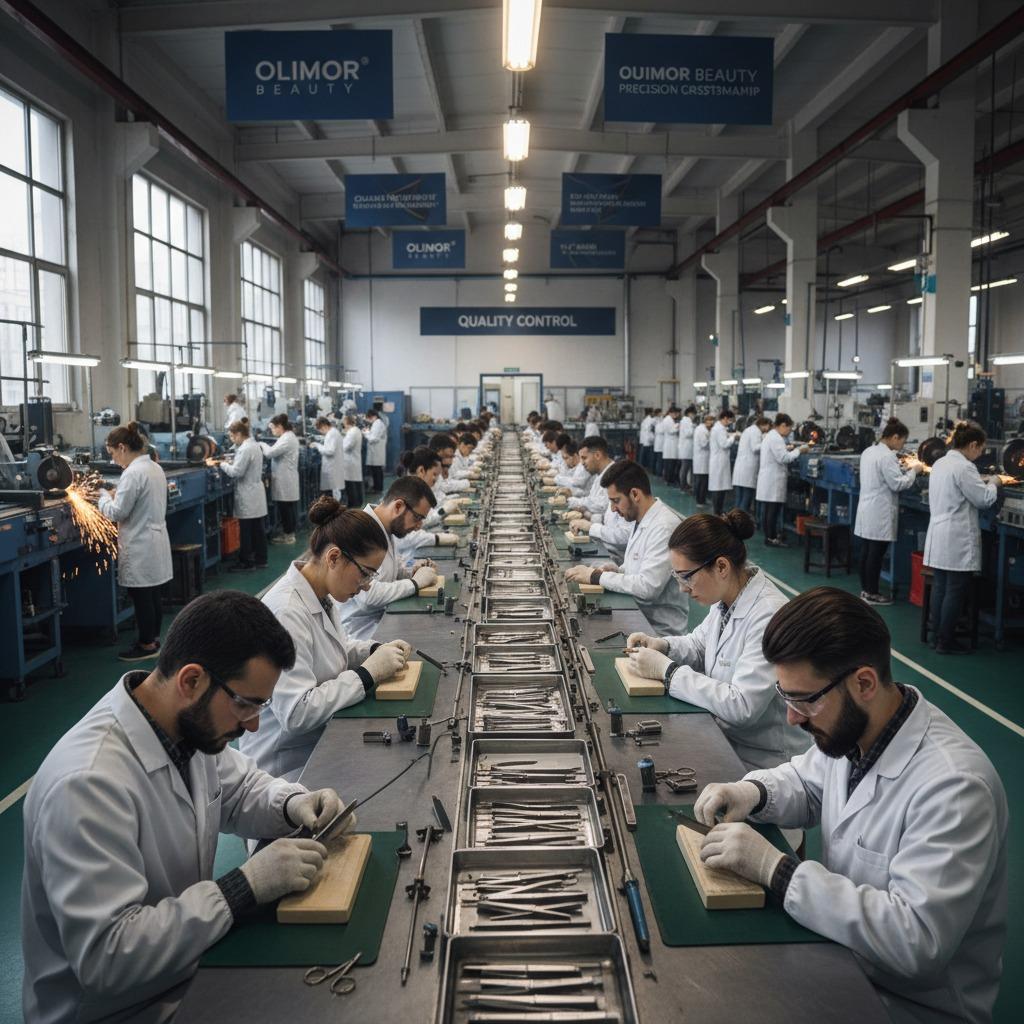
Quality control is one of the most important considerations. A tweezer that looks acceptable in a photo may still have poor tip contact or uneven spring tension. Inspection should not be limited to appearance; it should include functional checks. Buyers importing directly should prepare measurable acceptance criteria, define how many units will be inspected, and decide how nonconforming goods will be handled before production begins.
Route Two: Work With a Tweezers Global Supplier
A tweezers global supplier can be a practical option for businesses that want a more coordinated procurement process. Instead of managing every step alone, the buyer works with a partner familiar with production communication, internal quality checks, packaging coordination, and export procedures. This can be especially helpful for brands that are expanding their beauty tool line for the first time or that do not have a dedicated sourcing office.
Olimor Beauty works in the beauty tools category and supports business buyers who need reliable sourcing for products such as tweezers and related tools. The value of a supplier relationship is not only the product itself; it is also the process. A good supplier helps clarify product requirements, aligns sample expectations, monitors production details, and reduces the chance of miscommunication between design intent and finished goods.
For custom tweezers, this can include practical guidance on which customization choices are realistic for the intended price point and order structure. For example, a subtle logo on a polished tweezer creates a different visual effect than a logo on a matte or coated finish. A protective cap may be enough for some professional packs, while retail shelves may need stronger packaging presentation. These decisions affect cost, durability, and customer perception.
Working with a supplier does not remove the need for buyer diligence. You should still review samples carefully, confirm artwork, approve packaging proofs, and define inspection expectations. But the day-to-day coordination burden is usually lower than managing direct factory sourcing alone. Buyers who want to discuss a customized tweezer project can send an inquiry with product requirements, target market, and packaging preferences.
Import vs Supplier: Practical Comparison for Buyers
The best route is not the same for every company. The comparison below highlights common sourcing considerations for custom tweezers and private label beauty tools.
| Decision Area | Direct Importing | Supplier Partnership |
|---|---|---|
| Internal workload | Higher; buyer manages more communication, inspection, and logistics details. | Lower; supplier coordinates more steps and supports project management. |
| Customization control | Can be strong if the buyer has clear technical specifications. | Can also be strong, with added guidance on practical production choices. |
| Quality oversight | Buyer must define and arrange inspection standards independently. | Supplier can support quality checks, but buyer should still approve samples and criteria. |
| Communication risk | May be higher due to language, time-zone, and technical interpretation issues. | Usually reduced through a more structured communication process. |
| Best suited for | Experienced importers with sourcing resources and quality control systems. | Brands, distributors, and retailers seeking a more guided procurement route. |
Quality Control Points That Matter for Tweezers
Whether you import directly or work through a supplier, quality control should be built into the sourcing plan from the beginning. Tweezers are precision beauty tools, and users notice small flaws. A buyer should not rely only on product photos or a single perfect sample.
Important inspection points include tip symmetry, tip closure, tension consistency, edge smoothness, surface finish, logo position, packaging accuracy, and protective packing for shipment. If the tweezer is intended for professional use, the feel in hand and the repeatability of performance across units become particularly important. If it is intended for retail, the packaging and visible finish may influence the customer’s first impression before the tool is ever used.
It is also wise to keep an approved control sample. This sample becomes the reference for production comparison. When reviewing bulk goods, compare against the approved sample for finish, weight feel, branding, and function. For custom packaging, keep final artwork files and physical packaging proofs organized so future reorders can stay consistent.
How to Prepare a Clear Custom Tweezer Brief
A clear brief saves time and reduces misunderstandings. Instead of asking only for “custom tweezers,” prepare a concise sourcing document. This helps any supplier or manufacturer respond more accurately and makes quotations easier to compare.
- Define the user: Retail consumer, brow salon, lash technician, travel kit, promotional gift, or professional distributor.
- Select the tweezer type: Slant, pointed, flat, lash-style, or other shapes based on the intended task.
- Describe the finish: Polished, matte, colored, coated, or another appearance preference.
- Specify branding: Logo size, location, color, and whether the logo should appear on the tool, packaging, or both.
- Choose packaging direction: Protective sleeve, card, box, pouch, or retail-ready display packaging.
- Set performance expectations: Tip alignment, tension feel, smooth edges, and packaging condition.
- Plan approvals: Sample review, artwork proof, pre-production confirmation, and final inspection process.
If you are building a broader assortment, review Olimor product collections to think about how tweezers can fit alongside other beauty tools in a coordinated product range.
Which Sourcing Route Fits Your Business?
Choose direct importing if your company already has strong procurement experience, a reliable inspection system, and enough time to manage factory communication. This route may suit businesses that frequently import beauty tools and can handle technical discussions without relying heavily on intermediary support.
Choose a supplier partnership if your priority is a smoother sourcing experience, clearer communication, and more support with production coordination. This route often fits beauty brands adding custom tweezers to an existing line, distributors managing multiple SKUs, and retail buyers who need consistent presentation across repeat orders.
For many businesses, the true cost of sourcing is not only the unit price. Delays, unclear specifications, rejected packaging, inconsistent quality, and freight complications can all affect profitability. A slightly more structured supplier route may protect time and reduce avoidable risk, especially when brand reputation depends on consistent customer experience.
Final Buying Advice
Custom tweezers can be a strong addition to a beauty tool assortment when the sourcing process is handled carefully. Start with the product experience you want your customer to have, then work backward into specifications, samples, inspection points, and packaging. Compare direct importing and supplier partnerships not only on quotation price, but also on communication quality, process control, quality assurance, and the amount of work your own team must absorb.
If your business is evaluating custom tweezers, Olimor Beauty can help clarify product options and sourcing considerations. To discuss requirements for private label or business supply, contact Olimor with your intended product type, branding needs, and target sales channel.