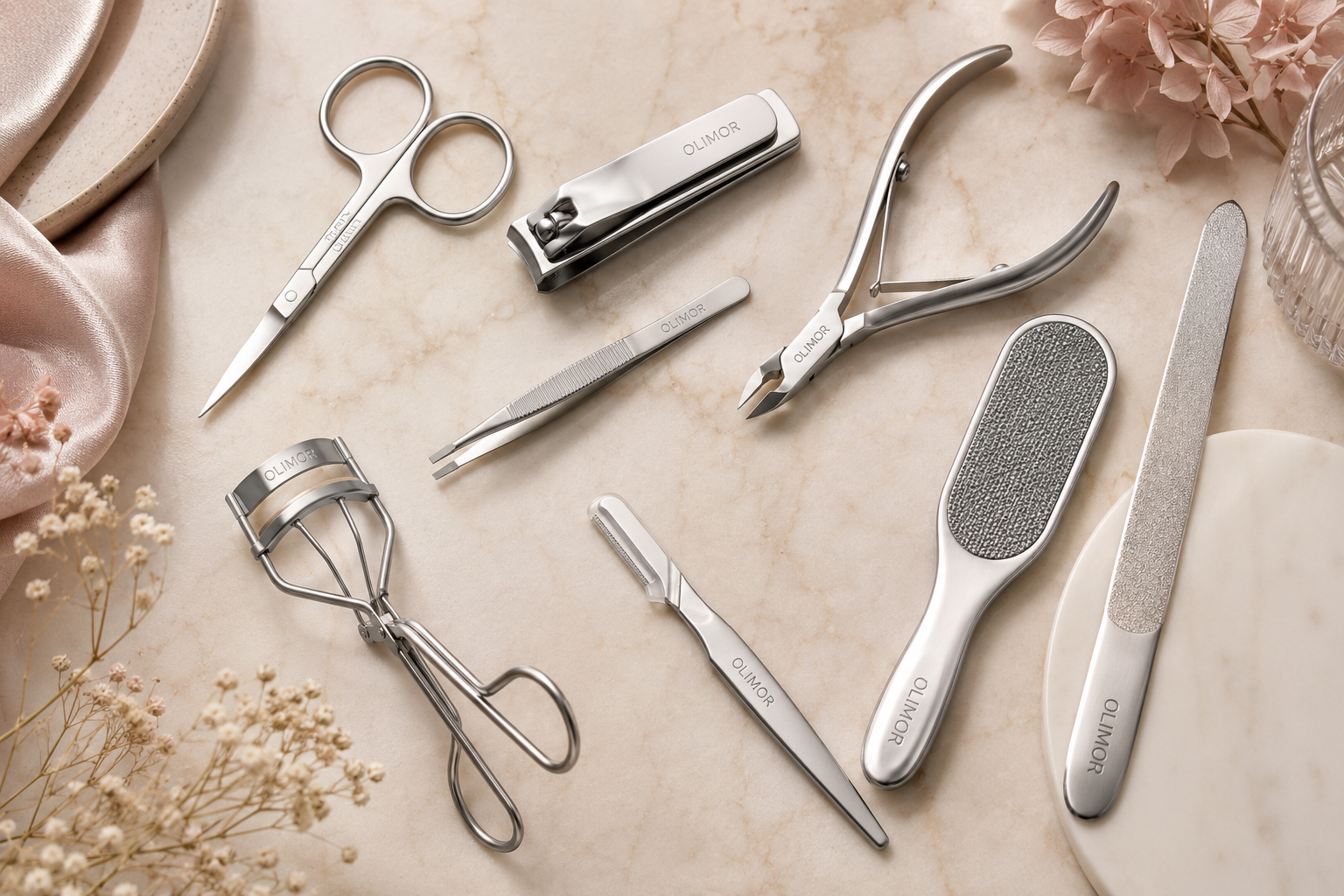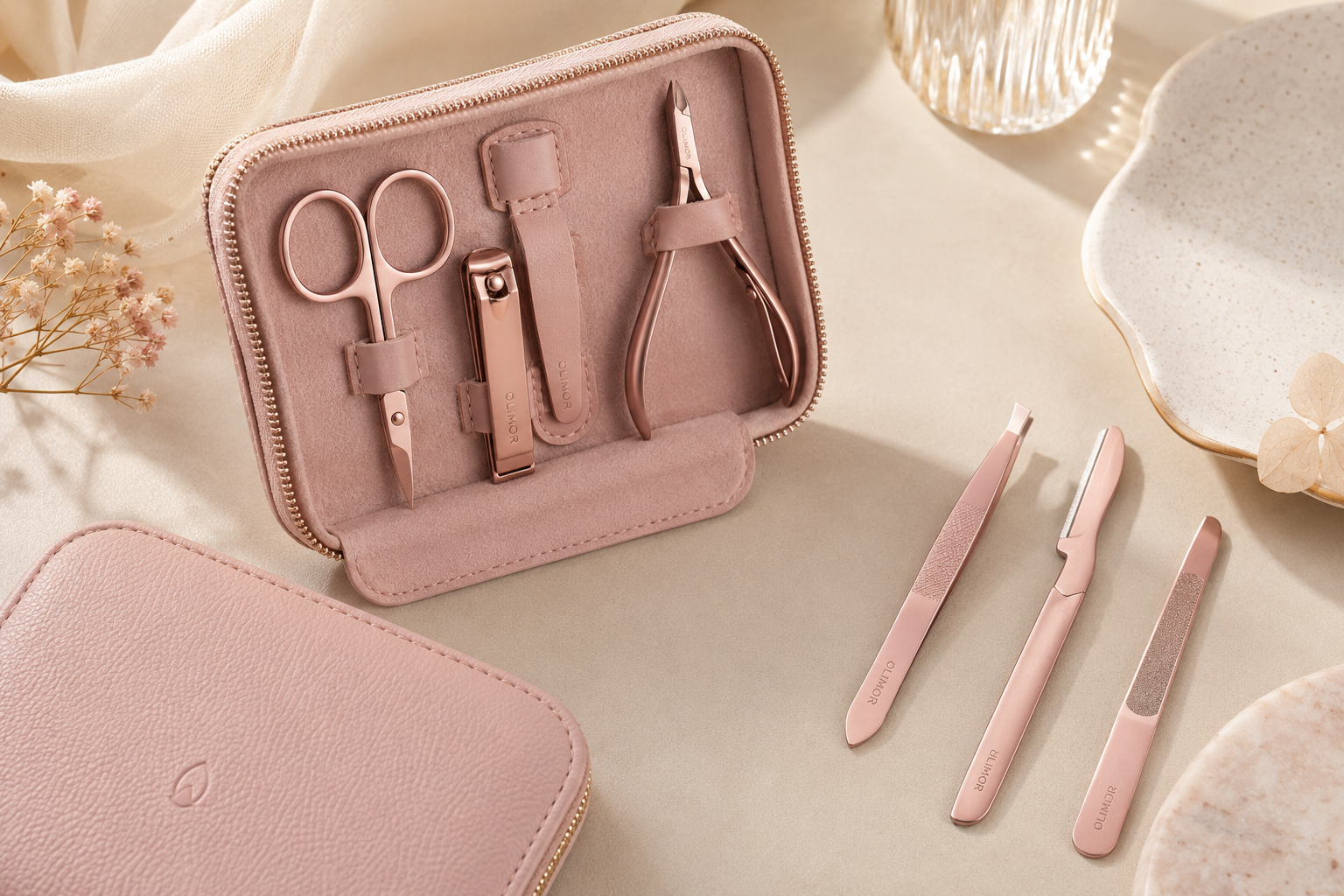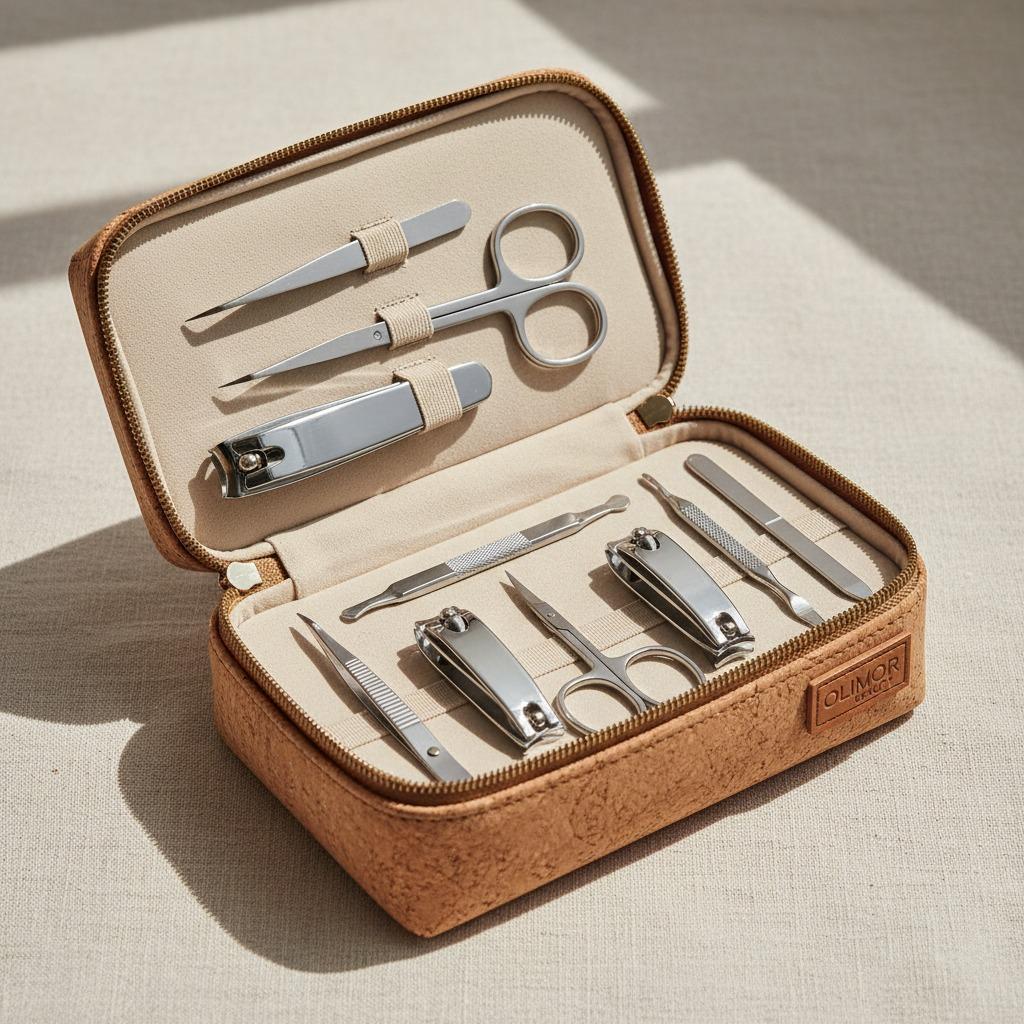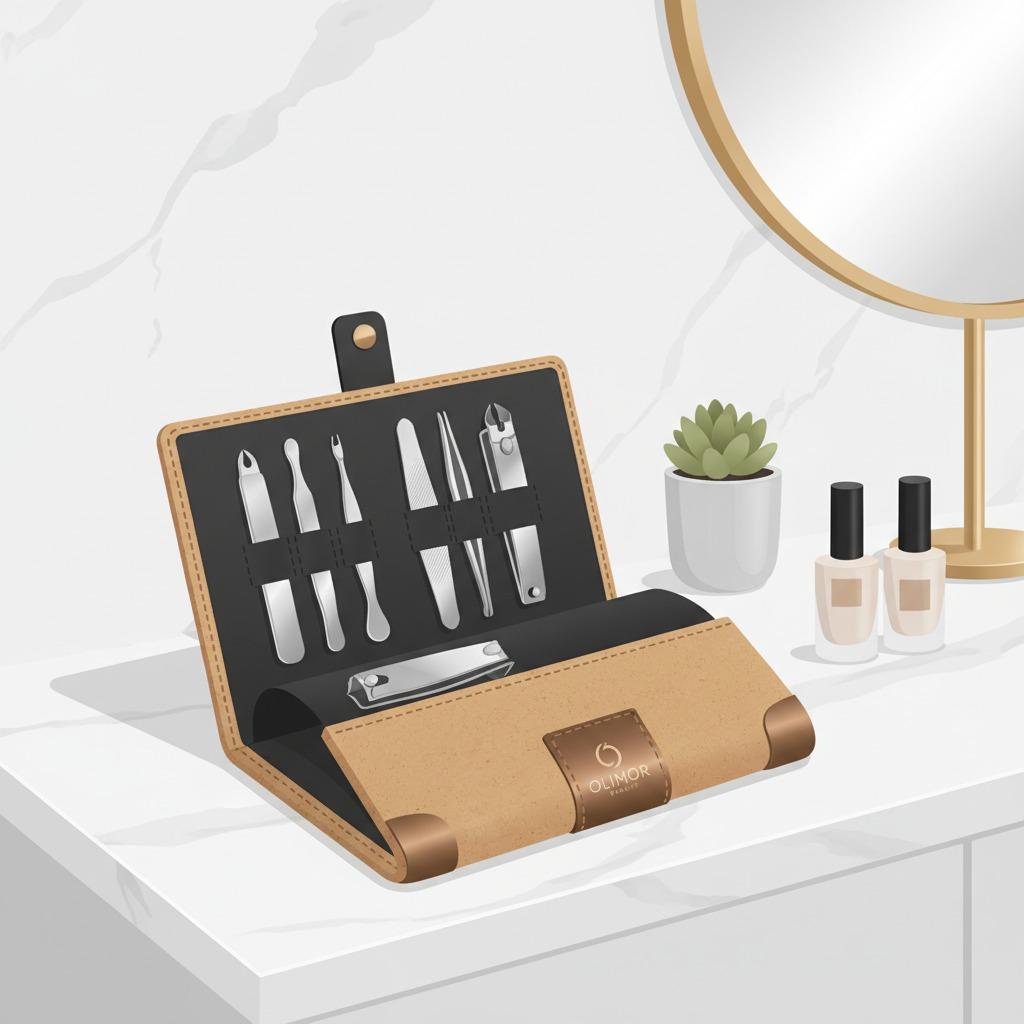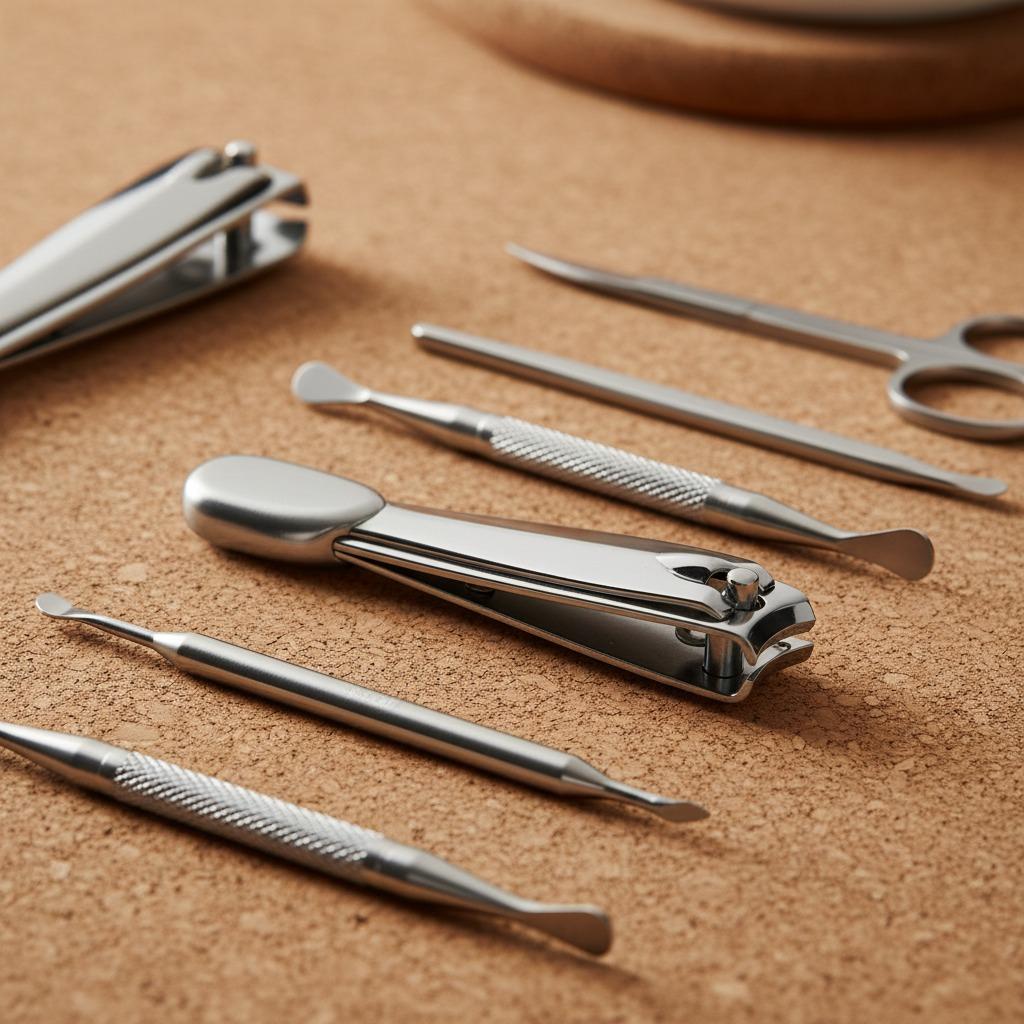











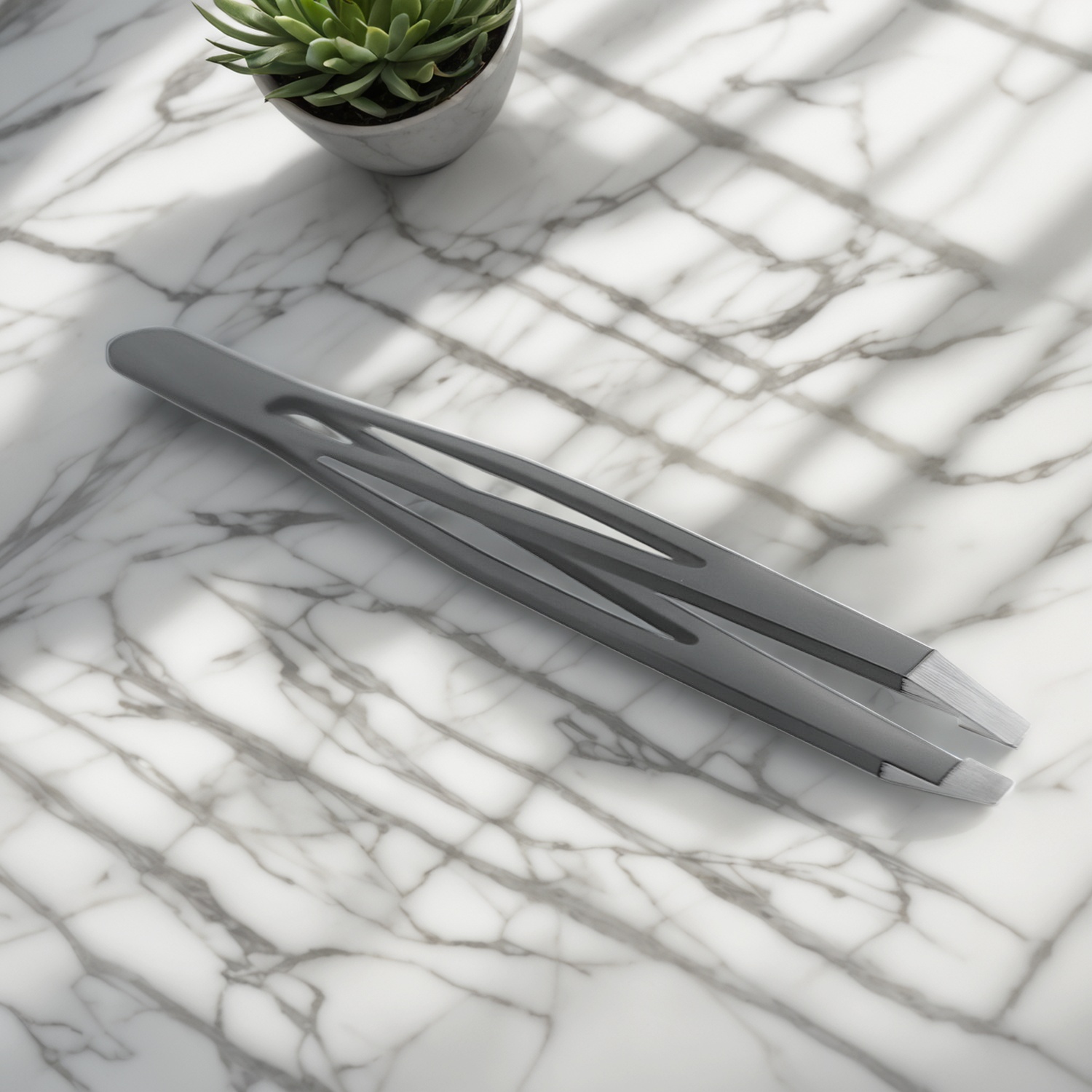
Custom tweezers can be a small product with a large impact on how customers judge a beauty brand. Whether you are building a retail beauty line, adding tools to a salon supply catalog, preparing a gift set, or sourcing private-label accessories for distributors, the tweezer needs to feel precise, durable and consistent in the hand. A weak grip, misaligned tips or rough finish can make even attractive packaging feel disappointing.
For companies buying custom tweezers for business, the sourcing decision should not be based on unit price alone. The right product has to match the end user, retail position, packaging plan and expected service life. A professional brow artist may need a different tip style than a general consumer gift set. A distributor may need stable repeat orders, while a brand may prioritize visual identity and packaging presentation. This guide explains how to evaluate B2B tweezers with practical criteria before placing a bulk order.
Start with the End User and Sales Channel
Before choosing finish, logo placement or packaging, define who will use the tweezer and how it will be sold. A tweezer for a salon professional should prioritize tip alignment, controlled tension and hand comfort during repeated use. A tweezer in a retail brow kit must also communicate value quickly on a shelf or product page. A promotional beauty tool may have a different budget, but it still needs to function well enough to protect your brand reputation.
Common B2B use cases include private-label beauty tools, eyebrow grooming kits, salon retail products, distributor catalog items, ecommerce accessories, hotel or spa amenities, and cosmetic gift sets. Each use case changes the sourcing brief. For example, a distributor may prefer a broadly appealing slant-tip tweezer because it suits many customers. A brow-focused brand may want a more specialized tweezer style and more refined packaging because the tool is central to the product experience.
If you are still comparing product directions, review Olimor Beauty’s broader beauty tool products to understand how tweezers can fit with other grooming tools, accessories and retail bundles.
Direct Manufacturing vs. General Wholesaling
Businesses sourcing B2B tweezers often compare two routes: buying from a general wholesaler or working more directly with a beauty-tool manufacturer. A wholesaler may be useful when speed and small assorted stock are the top priorities. However, wholesale inventory can be limited in customization, and consistency may vary if the supplier pulls from mixed batches or changing sources.
A manufacturing-focused sourcing route is often better for companies that need custom tweezers with repeatable quality and brand-specific presentation. It can provide clearer control over materials, shape, finish, packaging and inspection requirements. It also makes it easier to document a standard product so later orders match the approved sample more closely.
The best choice depends on your business model. If you are testing a market with a temporary campaign, an existing stock option may be enough. If the tweezer will become part of a long-term catalog, a direct production discussion usually gives better control over the details that affect customer satisfaction.
What Quality Means in a Pair of Tweezers
Quality in tweezers is not just about looking polished. The most important qualities are felt during use: the tips meet cleanly, the arms flex smoothly, and the tool grips fine hairs without cutting, slipping or requiring excessive pressure. Small differences in alignment can turn a professional-looking product into a frustrating one.
When reviewing samples, evaluate the following points:
- Tip alignment: The tips should meet evenly along the gripping edge, with no visible gap when closed.
- Grip performance: The tweezer should hold fine hair or thin material securely without forcing the user to squeeze too hard.
- Arm tension: Tension should feel controlled, not too loose and not so stiff that it causes hand fatigue.
- Surface finish: Edges should feel smooth, with no burrs, sharp unfinished corners or uneven coating.
- Consistency across pieces: Bulk tweezers should not vary widely in tension, finish or tip shape within the same order.
- Packaging protection: Tip protectors, sleeves or fitted packaging help prevent damage during storage and transport.
These checks are especially important for tweezers for distributors because the distributor’s customers may include salons, retailers and resellers. A small defect rate can create extra customer service work and weaken confidence in the catalog.
Choosing Tip Style, Finish and Custom Details
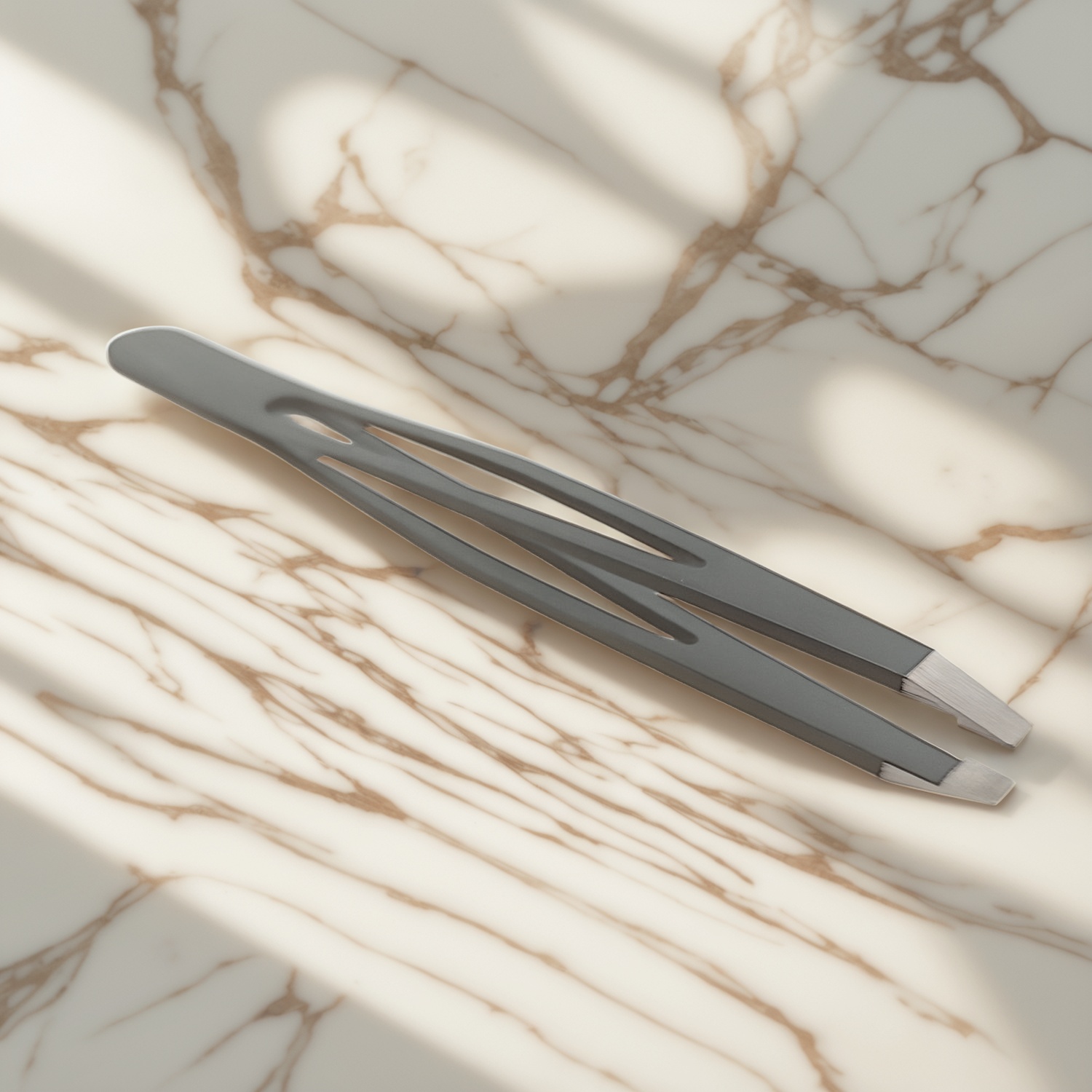
Customization should support function first. Logo printing or a distinctive color can make the product recognizable, but the tweezer’s shape and tip design determine whether customers continue using it. For general eyebrow grooming, slant tips are commonly chosen because they balance precision and ease of use. Pointed or specialty tips may be appropriate for more specific tasks, but they require clearer customer education and careful quality control.
Color and finish also deserve practical review. A polished metal look may suit professional beauty tools, while matte or coated finishes may help a retail line stand out. However, any coating or color process should be judged for uniformity, feel and durability. If the tweezer will be handled frequently or included in a travel kit, a finish that looks good only in photos may not be enough.
Branding can include logo placement, handle decoration, printed sleeves, paper cards, pouches or gift packaging. Keep the design readable at actual product size. A complex logo may not reproduce clearly on a narrow tweezer arm, so a simplified mark or packaging-focused branding may work better. Buyers planning several related tools can also explore Olimor Beauty product collections for ideas on building a more coherent beauty-tool assortment.
Understanding Bulk Tweezers Price and Long-Term Value
Bulk tweezers price should be reviewed together with quality level, customization scope, packaging, inspection needs and repeat-order reliability. A very low unit price can look attractive in a spreadsheet, but poor alignment, weak packaging or inconsistent finish can increase the real cost through returns, unsellable inventory and damage to reviews.
A practical way to compare offers is to list what is included rather than comparing the headline price only. For example, one quote may include basic packaging while another assumes loose-packed goods. One supplier may include logo application, while another treats it as an extra process. Sampling, artwork handling, cartons, protective sleeves and special packing instructions can all influence the final landed value.
| Evaluation Area | Why It Matters | What to Check |
|---|---|---|
| Functional quality | Drives customer satisfaction and repeat orders | Tip alignment, tension, grip and smooth edges |
| Customization | Creates brand recognition | Logo clarity, finish consistency and approved artwork |
| Packaging | Protects tips and supports retail presentation | Tip covers, sleeves, cards, pouches or boxes |
| Consistency | Reduces returns and catalog risk | Sample-to-bulk match and inspection criteria |
| Total value | Shows the real cost of the order | Unit price plus packaging, branding and freight factors |
This type of comparison helps purchasing teams defend a slightly higher investment when it results in a more reliable, better-presented product.
Sampling and Approval Steps Before Bulk Production
A sample is not just a visual reference. It should become the standard for production. When reviewing a custom tweezer sample, test it under real conditions. Use it on fine hair or a similar test material, inspect the tips under good lighting, check the feel of the arms, and handle the packaging as a customer would. If the product is intended for a kit, place it inside the planned pouch, tray or box to confirm fit and presentation.
A simple approval process can reduce misunderstandings:
- Define the target user, sales channel and expected quality level.
- Confirm the tweezer shape, tip style, finish and packaging concept.
- Review a physical sample for function, finish and branding.
- Record approved details with photos, artwork files and written notes.
- Agree on inspection points that matter most, such as tip alignment and logo position.
- Keep an approved sample for comparison when bulk goods are received.
This process is useful for both new brands and experienced distributors. It creates a shared reference that purchasing, product development, quality control and sales teams can all understand.
Maintenance Guidance Adds Value for Customers
Businesses often focus on sourcing and forget after-sale education. Clear care instructions can reduce complaints and help customers get better performance from the tool. Even a well-made tweezer can be damaged if dropped on the tip, stored unprotected, or exposed to moisture without proper drying.
Consider adding simple care guidance to packaging inserts, product pages or distributor materials. Recommend keeping the tips covered when not in use, wiping the tool after use, storing it in a dry place, and avoiding impact against hard surfaces. If the tweezer has a coated finish, advise customers not to use abrasive cleaning methods that may affect the appearance. These small instructions make the product feel more professional and help extend its useful life.
Questions to Settle Before Placing an Order
A strong sourcing brief makes communication faster and reduces the risk of receiving a product that looks right but does not match the business need. Before moving to production, clarify the details that affect usability, presentation and repeatability.
- Which customer group is the tweezer designed for: professionals, retail consumers, gift buyers or distributors?
- What tip style is most appropriate for the intended use?
- Should branding appear on the tweezer, the packaging, or both?
- What level of packaging protection is needed for shipping and retail display?
- How will approved samples and production goods be compared?
- Which defects would be unacceptable for your sales channel?
- Will this be a one-time promotion or a repeat catalog item?
If you already have artwork, target packaging or a product brief, you can send an inquiry to discuss the project details. For broader sourcing questions, you can also contact Olimor and outline the intended market, product requirements and timeline.
Build a Tweezer Product That Protects Your Brand
Custom tweezers for business should be judged by how well they combine reliable function, appropriate customization and consistent presentation. The product is small, but customers notice whether it grips cleanly, feels comfortable and arrives in good condition. For beauty brands, salon suppliers and distributors, that experience becomes part of the brand promise.
By defining the user, testing samples carefully, comparing total value instead of price alone, and documenting the approved specification, buyers can source bulk tweezers with more confidence. A well-planned tweezer program can support retail kits, professional catalogs and private-label beauty lines without relying on generic tools that fail to distinguish the brand.