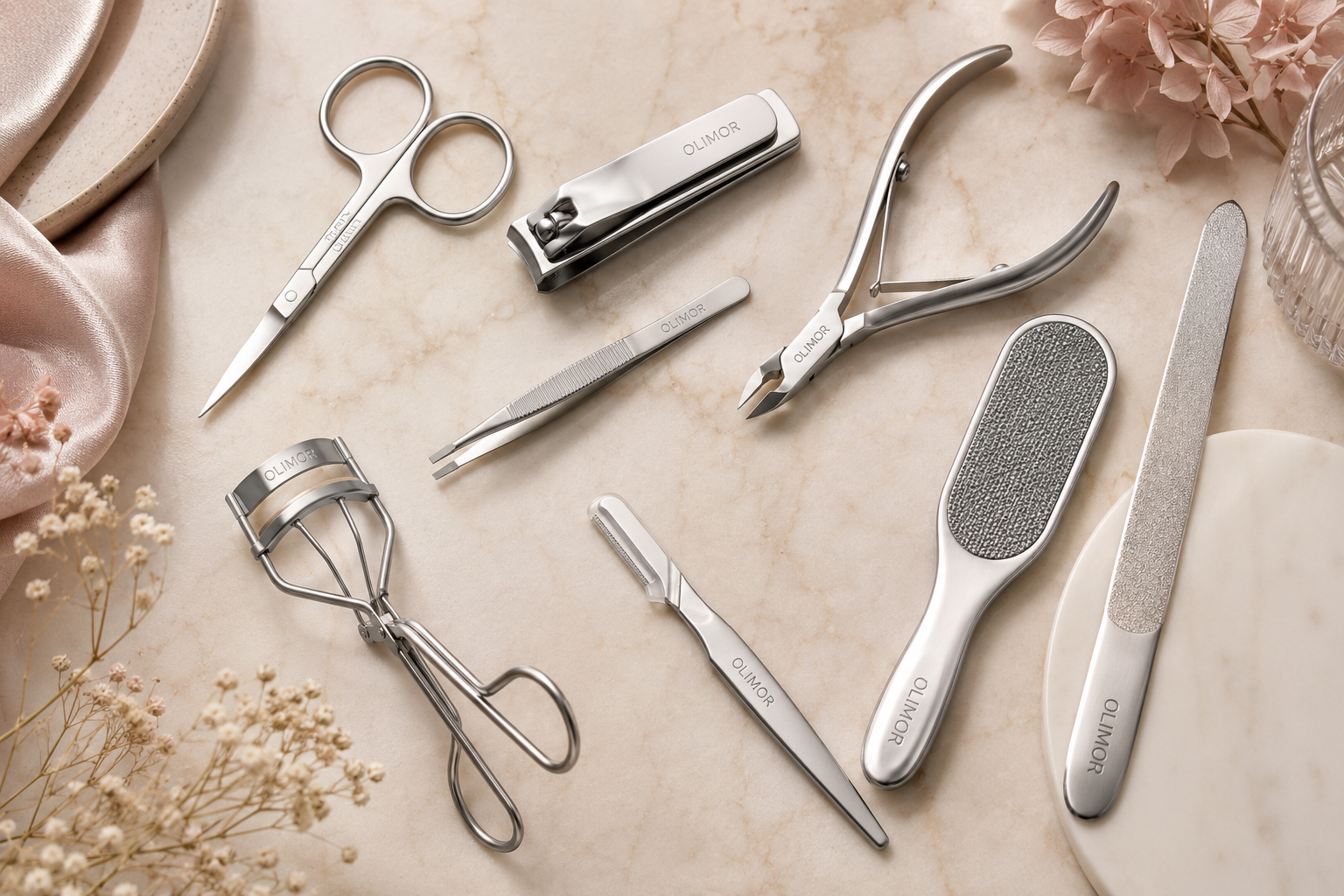
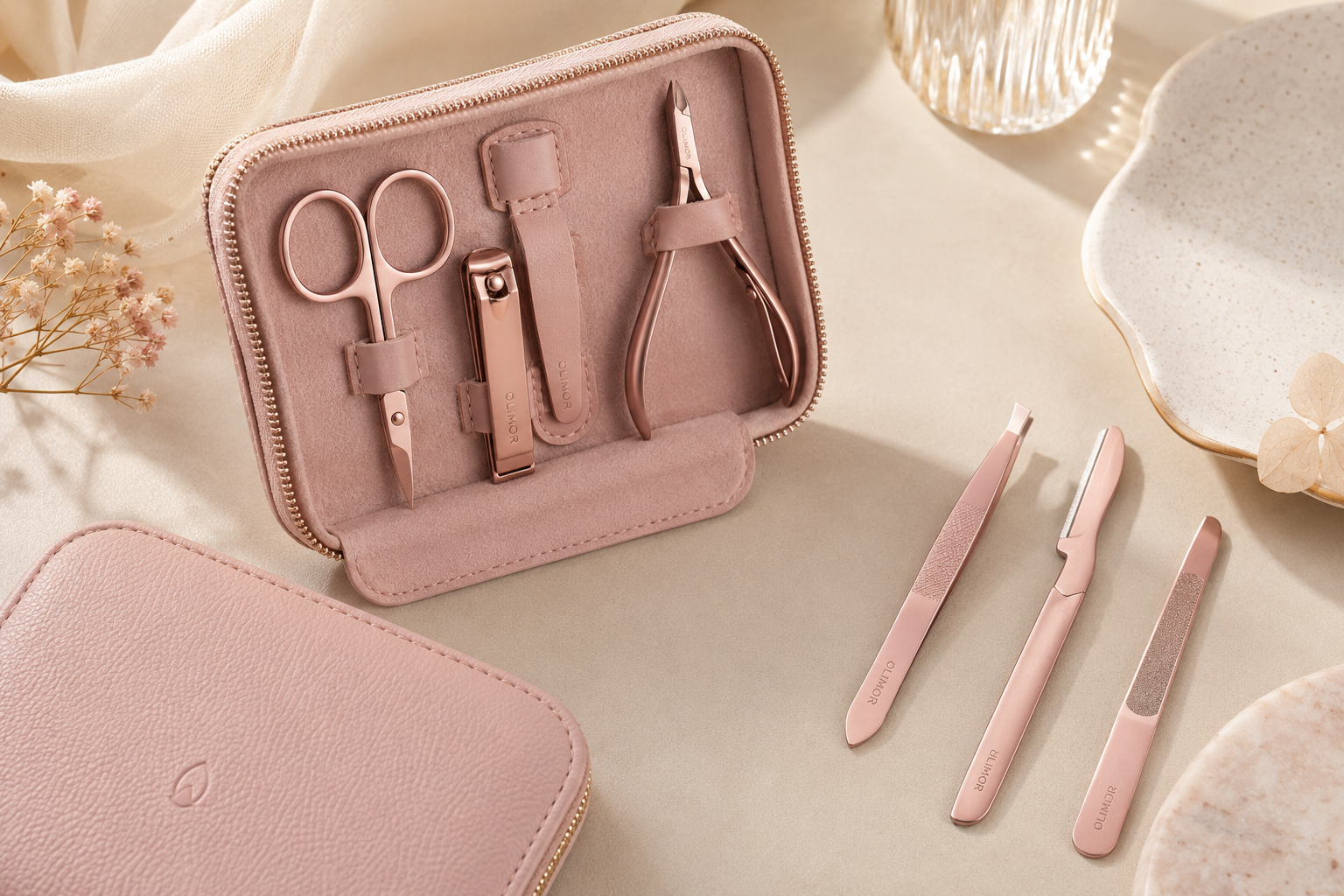
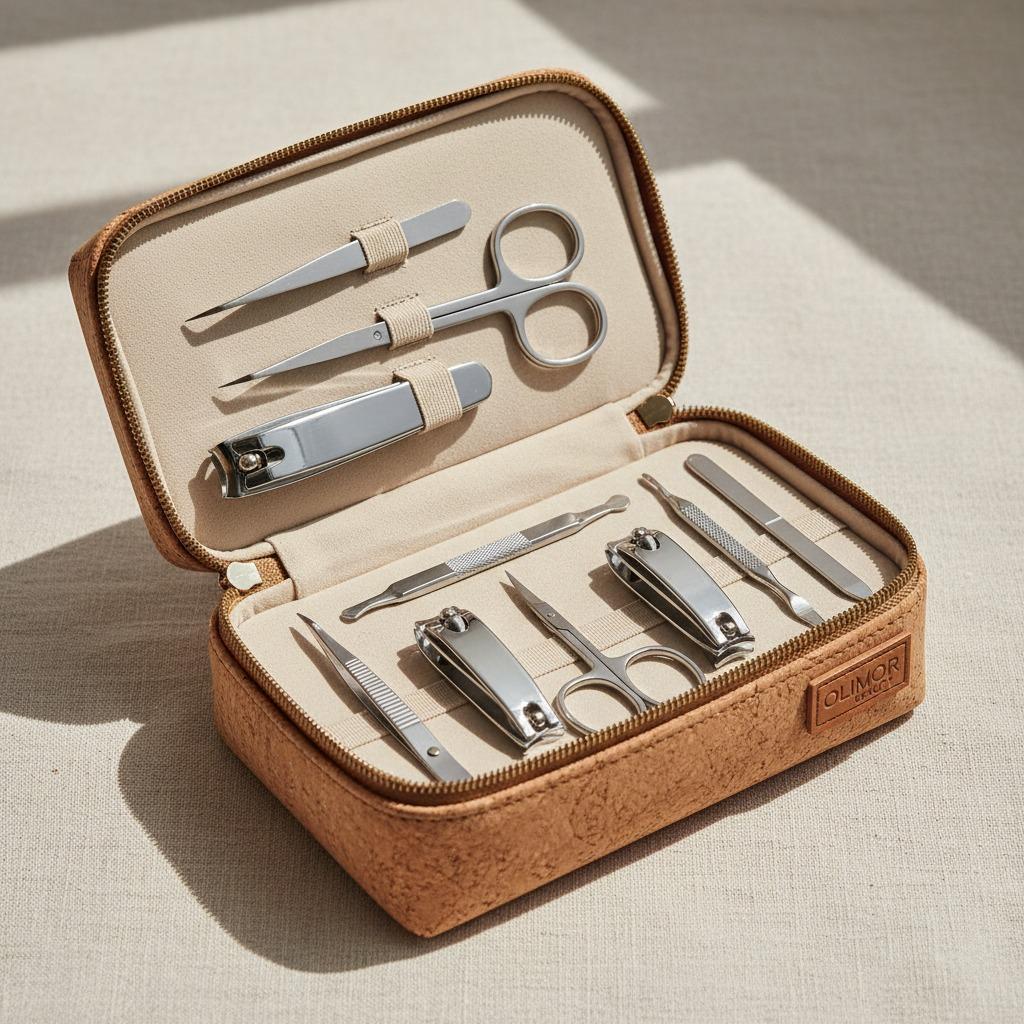
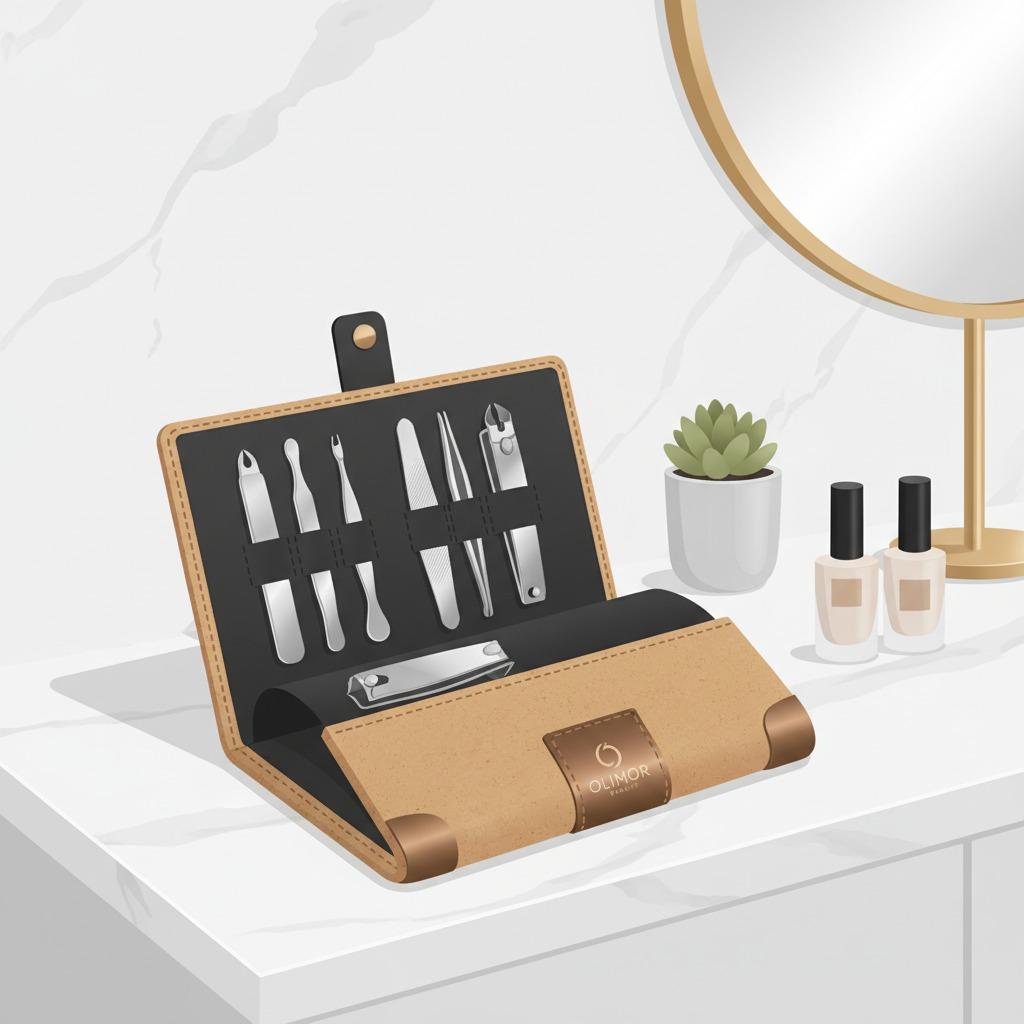
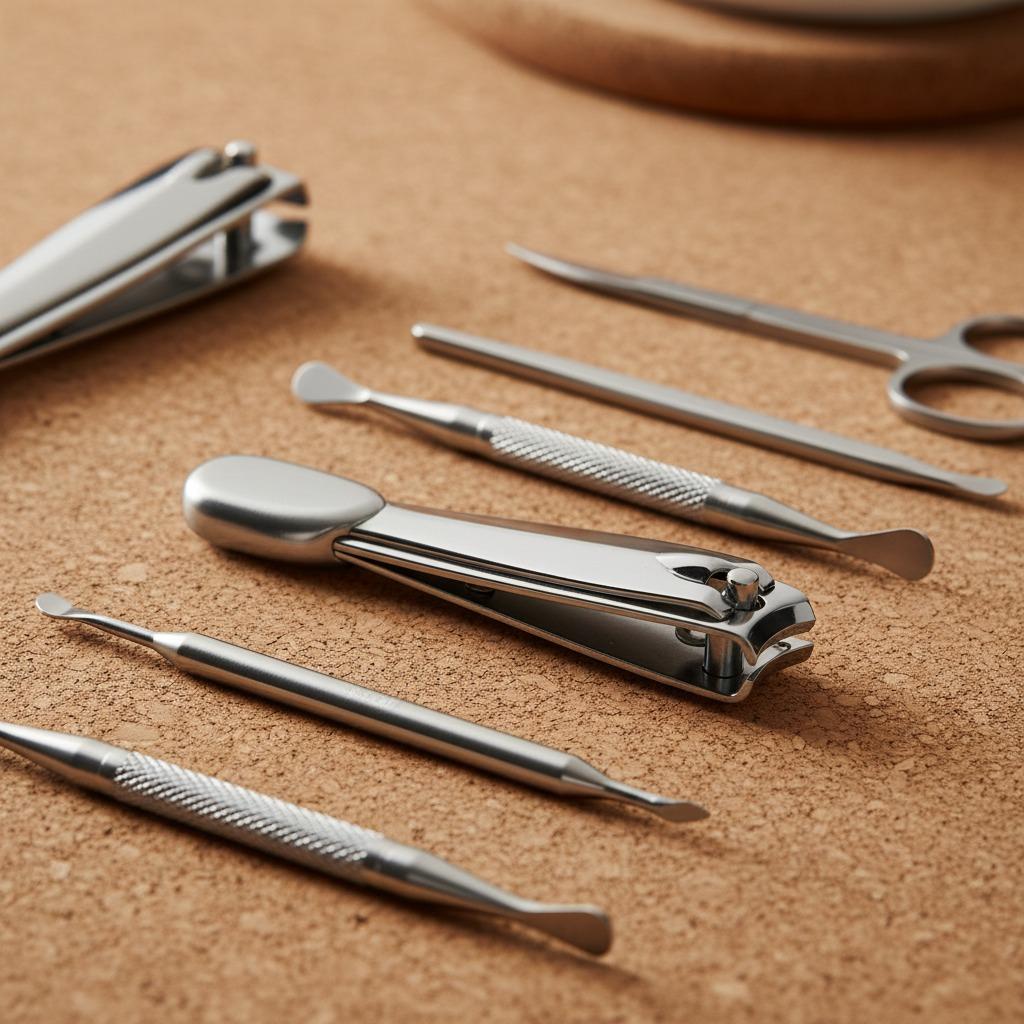
Custom tweezers for business are more than small accessories in a beauty supply catalog. For salons, brow studios, lash technicians, distributors and professional resellers, tweezers affect service speed, control, hygiene workflow and the way a tool range is perceived by customers. A tweezer that feels comfortable in the hand and closes accurately can support more consistent eyebrow shaping, eyelash extension work and daily professional grooming services.
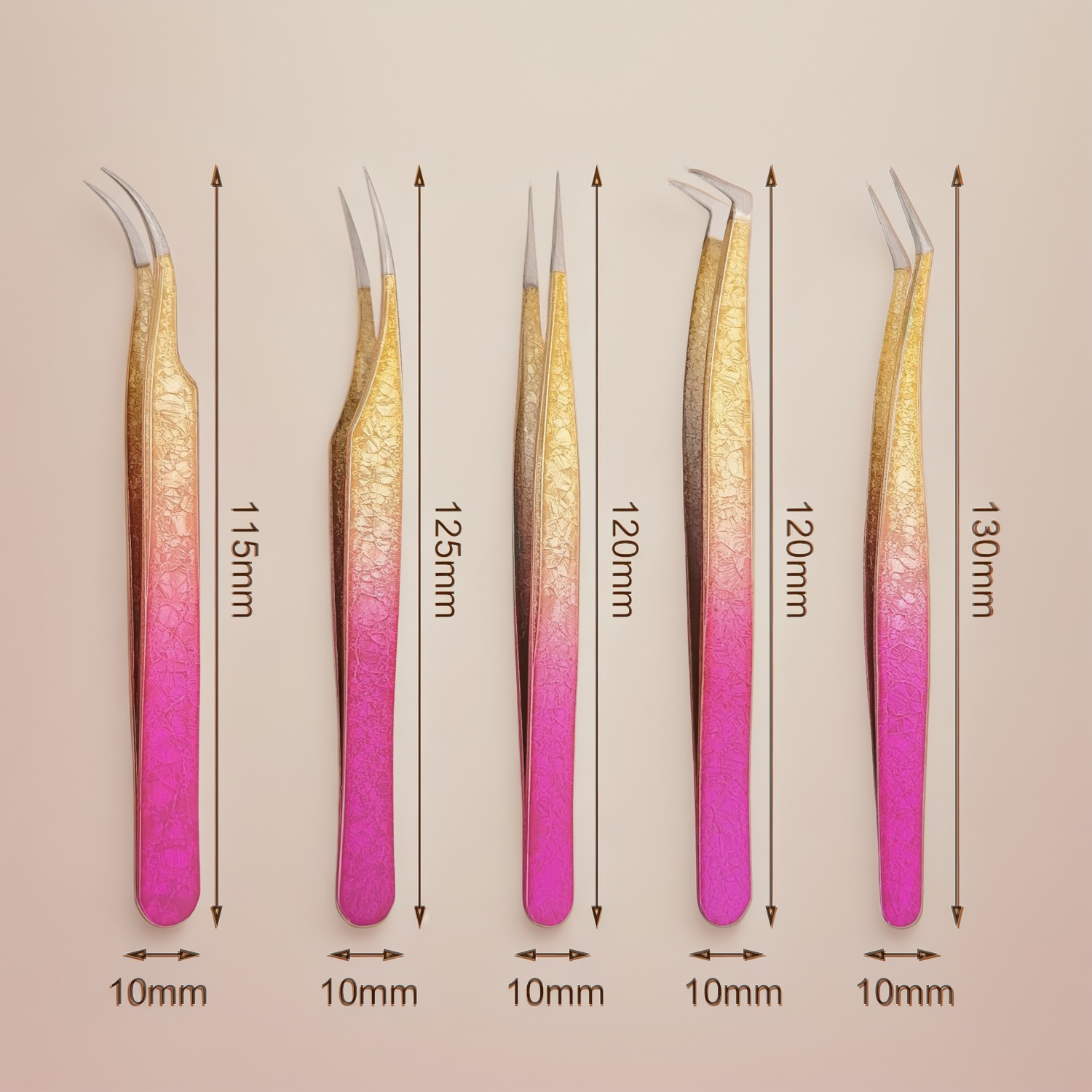
Olimor Beauty supplies B2B tweezers for businesses that need dependable tools for repeated use, resale or branded beauty programs. The original product information highlights ergonomic designs, stainless steel construction, gradient finish options, varied tip designs and length choices from 115mm to 130mm. Those details matter because professional buyers usually need to compare more than appearance. They need to understand how a tweezer will perform in volume purchasing, how it will fit different services, and what quality checks should be considered before placing a larger order.
Why Custom Tweezers Matter in a Professional Beauty Business
In professional settings, tweezers are used repeatedly throughout the day. The difference between a generic tweezer and a well-selected business-grade tweezer often appears in small but important details: how easily the tips meet, how comfortable the tension feels, whether the length suits the task, and whether the finish looks suitable for a professional retail display or salon station.
For salons, the main goal is service consistency. A tool should help staff pick up fine hairs or lash materials with confidence, without requiring excessive hand pressure. For distributors, the priority is broader: the tweezer must be suitable for multiple customer types, easy to position in a catalog, and reliable enough to support repeat purchasing. For B2B buyers building a beauty tool line, custom tweezers can help create a more coherent product offer when tip style, finish and packaging direction are aligned with the target audience.
Customization does not need to mean overcomplication. It can be as practical as selecting the right length range, choosing a tip design for the intended application, and confirming that the finish and overall look match the buying channel. If you are comparing tweezers with other beauty tool products, treat them as precision instruments rather than simple add-on items.
Selection Criteria: Length, Tip Design, Grip and Finish
The supplied product information notes tweezer lengths from 115mm to 130mm. This range is useful because different users prefer different balance points. Shorter tools may feel compact and controlled for detailed brow work, while longer tools can offer a different reach and hand position for lash or professional station use. The best choice depends on the service, the user’s technique and the way the product will be sold.
Tip design is equally important. Varied tip designs allow a buyer to match the tweezer to specific beauty applications. Eyebrow shaping often requires accurate contact at the tip so that individual hairs can be removed cleanly. Eyelash extension work may call for a shape that supports isolation, pick-up or placement techniques. Because application styles vary, B2B buyers should evaluate samples in real working conditions before deciding which tip assortment belongs in a bulk program.
The original information also mentions ergonomic design. In practical terms, business buyers should look at the pressure needed to close the tweezer, whether the sides feel secure in the fingers, and whether the tool remains comfortable during repeated use. A tweezer can look attractive but still be tiring if the tension is not suitable for long sessions.
The gradient finish described in the product information can help the tool stand out visually, especially for professional retail displays, salon kits or distributor catalogs. Still, finish should not be assessed by appearance alone. Buyers should also consider whether the finish is even, whether edges are smooth, and whether the tool looks consistent across a batch.
Matching Tweezers to Use Cases
Not every custom tweezer order should be built the same way. A salon that uses tweezers internally may value comfort, durability and easy identification between stations. A distributor may need a broader selection that can serve brow technicians, lash artists and general beauty retailers. A brand owner may place more emphasis on consistent appearance and a product story that is easy for sales teams to explain.
The following table summarizes common buying situations and the criteria that usually matter most:
| Business use case | Primary concern | What to evaluate |
|---|---|---|
| Salon or brow studio use | Daily comfort and precision | Tip alignment, closing tension, length preference and hand fatigue during repeated services |
| Lash service environment | Controlled handling for detailed work | Tip shape, grip stability, balance and whether the tool supports the technician’s method |
| Distributor assortment | Broad appeal and repeatability | Multiple tip options, consistent finish, packaging direction and suitability for different customer segments |
| Private business tool range | Professional appearance and brand fit | Finish, customization direction, quality consistency and how the product sits beside other beauty tools |
This approach helps avoid a common purchasing mistake: choosing one tweezer style only because it looks attractive in photos. For business buyers, the better decision is to connect each style with a clear use case and customer group.
Bulk Tweezers Price: What Buyers Should Compare Beyond Unit Cost
Bulk tweezers price is an important factor, especially for distributors and businesses building inventory. However, the lowest unit cost does not always create the best long-term value. A bulk order that includes inconsistent tip alignment, uncomfortable tension or a finish that varies from piece to piece can create returns, complaints or slow-moving stock.
When comparing B2B tweezers, consider the total commercial picture. Does the selected length range cover your intended users? Are the tip designs clearly matched to brow shaping, eyelash extension work or general grooming? Is the appearance suitable for your sales channel? Are internal checks for durability and rust resistance part of the supplier’s process, as described for Olimor Beauty products?
For a more disciplined purchasing process, create a simple evaluation checklist before discussing bulk options:
- Application fit: Define whether the tweezers are for eyebrows, eyelashes, general beauty use or resale assortment.
- Length preference: Compare available lengths within the 115mm to 130mm range and test them with intended users.
- Tip performance: Check whether the tips meet cleanly and hold fine materials or hairs as expected.
- Hand comfort: Assess closing pressure and grip feel during repeated movements, not just a single test.
- Finish consistency: Review the gradient finish for even appearance across samples.
- Quality expectations: Confirm inspection points for durability, rust resistance and visible workmanship.
- Commercial fit: Consider whether the product works with your catalog, retail display, salon kit or distributor pricing structure.
If you are building a broader sourcing plan, you can review related product collections to see how tweezers may fit beside other beauty tools in a professional assortment.
Quality Checks for Professional Tweezer Orders
Olimor Beauty’s product description refers to internal checks for durability and rust resistance. For business buyers, quality assurance should be treated as a practical process rather than a marketing phrase. Tweezers are small tools, but they require precision at the point of contact. A slight mismatch at the tip can change the user experience.
Before moving from samples to a larger purchase, inspect the tool from several angles. Look at whether both arms are symmetrical, whether the tips close evenly, and whether the edges are smooth. Test the tweezer on the type of task it is intended for. For eyebrow shaping, this may mean checking control on fine hairs. For eyelash extension support, it may mean assessing the way the tip handles delicate materials.
Stainless steel construction is a useful feature for professional beauty tools, but buyers should still think about care and handling. Tools used in salons may be cleaned, stored and handled many times each week. A buyer should consider how the surface responds to normal professional care routines and whether the tool can be stored without damaging the tips.
Care, Storage and Staff Training
Even well-made tweezers can perform poorly if they are dropped, stored loose in a drawer or used for unsuitable tasks. For salons and beauty businesses, maintenance habits protect the value of a bulk purchase.
- Protect the tips: Store tweezers so the tips do not strike other metal tools. Tip damage can reduce precision quickly.
- Use tools for intended services: Avoid using professional beauty tweezers for non-beauty tasks that may bend or dull the tips.
- Clean consistently: Follow appropriate salon hygiene procedures and dry tools properly after cleaning.
- Separate by use: If different tip designs are selected, keep them organized by service type so staff do not use the wrong tool.
- Check regularly: Add tip alignment and surface condition to routine tool inspections.
Distributors can also turn these care points into useful customer education. Clear product guidance helps end users understand that precision tools require proper handling, which can reduce avoidable complaints.
How to Plan a Custom Tweezer Inquiry
A strong inquiry helps both the buyer and supplier focus on the right product quickly. Instead of asking only for a bulk tweezers price, prepare a short brief that explains your business type, target customer, expected application and preferred style direction. Include whether you are looking for tweezers for distributors, salon use or a business tool range.
Your inquiry can include desired length preferences within the available 115mm to 130mm range, tip design needs, finish expectations and any packaging or assortment goals. You do not need to finalize every detail before the first conversation, but a clear starting point makes it easier to compare options and avoid mismatched samples.
Businesses can send an inquiry to discuss custom tweezer requirements or contact Olimor for guidance on matching tool options to a professional buying plan.
Final Buying Perspective
Custom tweezers for business should be selected with the same care as larger beauty equipment. The best choice balances precision, user comfort, finish, durability expectations and commercial positioning. For salons, that means tools that support consistent service work. For distributors, it means a reliable product that can be explained clearly to different buyers. For B2B beauty brands, it means choosing specifications that fit the intended audience instead of relying on appearance alone.
By comparing length, tip design, ergonomic feel, stainless steel construction, gradient finish and quality checks, buyers can make more confident decisions when sourcing professional tweezers in bulk. A thoughtful selection process helps turn a small beauty tool into a dependable part of a professional product offer.