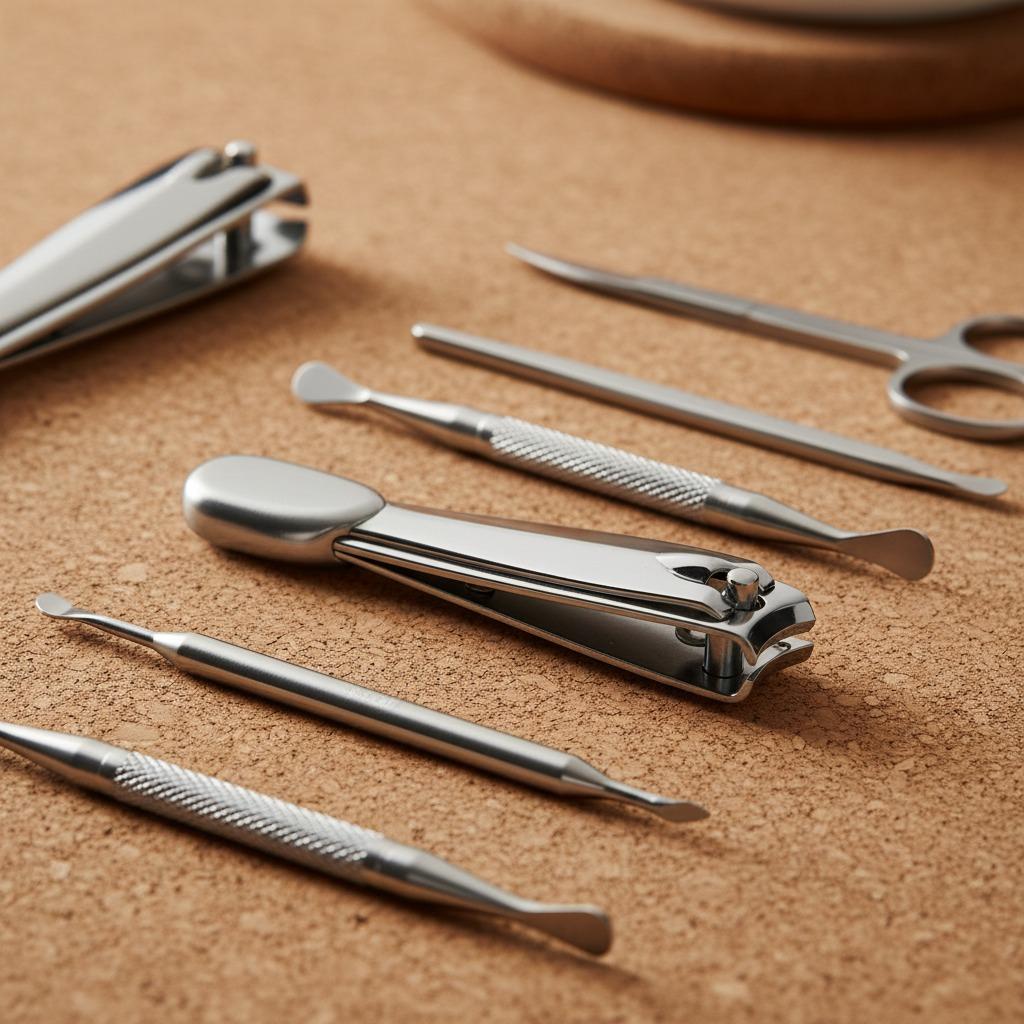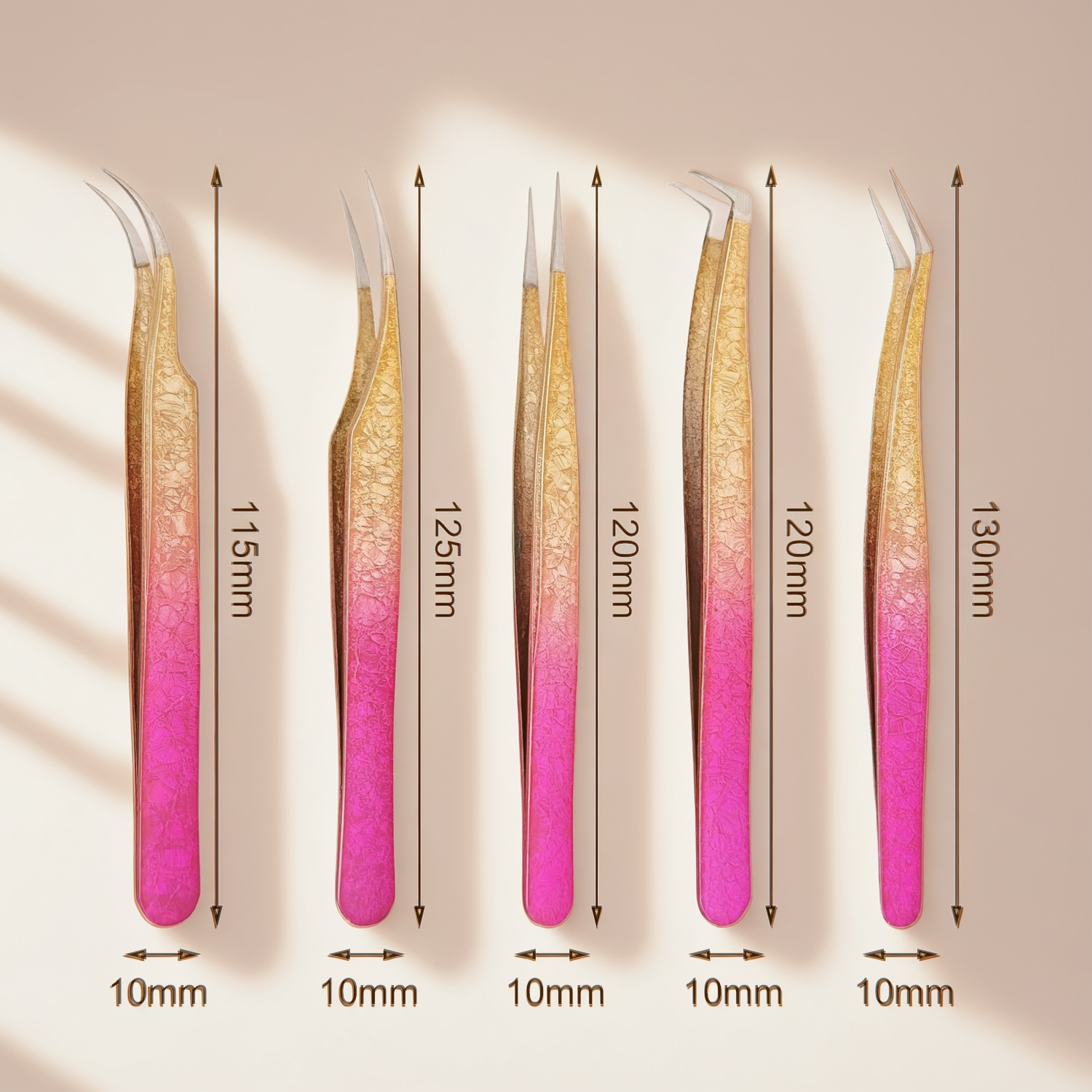
Custom tweezers for business are small tools with a large influence on customer experience, retail presentation, and daily service efficiency. For beauty brands, distributors, salons, lash technicians, brow specialists, and precision tool resellers, the right tweezer is not only a commodity item. It is a product that customers judge by feel, grip, alignment, finish, packaging, and consistency from one order to the next.
Bulk purchasing can make tweezers easier to stock and more cost-efficient, but buying the lowest-priced option is rarely the best long-term strategy. A distributor may need a dependable assortment for different clients. A private-label beauty brand may need a finish and package that match its identity. A salon supply company may need tools that look professional, are comfortable to handle, and arrive in consistent condition. This guide explains how to evaluate B2B tweezers, what affects bulk tweezers price, and how to plan a custom order without relying on vague claims or unnecessary features.
Why Custom Tweezers Matter in B2B Beauty Supply
In retail and professional beauty settings, tweezers are handled directly by the end user. That means quality is noticed quickly. If the tips do not meet evenly, if the spring tension feels awkward, or if the finish scratches too easily, the customer may associate that weakness with the distributor or brand that supplied the tool.
Custom tweezers are useful for several business goals. They can help create a consistent product line, support private-label programs, and give distributors a more differentiated item than unbranded stock. Customization may include visible elements such as logo placement, color direction, packaging format, and retail presentation. It may also include practical buying choices such as selecting shapes for different uses, choosing a finish appropriate for the audience, and specifying inspection priorities before repeat orders are placed.
For businesses comparing beauty tool products, tweezers are often a smart category because they are compact, easy to merchandise, and relevant to multiple customer groups. They can be sold individually, included in grooming kits, supplied to salons, or offered as part of a larger beauty tool range.
Choosing Tweezer Types for Your Customers
The best tweezer for one customer is not automatically right for another. A brow bar, lash studio, consumer retail shelf, and precision craft buyer may each value different handling characteristics. Before requesting a custom order, define the intended use clearly. This helps avoid overcomplicating the product and keeps purchasing decisions aligned with the real customer.
- Slant tweezers: Often selected for eyebrow grooming and general beauty use because the angled tip can support controlled hair removal.
- Pointed tweezers: Useful when customers need more precision, but they require careful packaging and handling because the tips are more delicate.
- Flat or straight tips: Suitable for gripping wider items or for tasks where a narrow point is not required.
- Lash-focused tweezers: Buyers serving lash technicians may compare shape, balance, and hand comfort more closely than general retail customers.
- Assorted sets: Distributors may prefer multiple tip styles in one program to serve different channels without managing too many unrelated product categories.
When planning tweezers for distributors, avoid choosing a style only because it looks attractive in a catalog. Ask who will use it, how often it will be used, whether it must fit existing packaging, and whether the customer expects a professional salon tool or an affordable retail accessory. Those answers should guide shape, finish, and packaging decisions.
What Affects Bulk Tweezers Price
Bulk tweezers price is influenced by more than quantity. Larger orders can help improve purchasing efficiency, but the final cost depends on the combination of tool design, customization, packaging, quality control requirements, and order complexity. A plain tweezer in simple packaging is not priced the same way as a customized product with a logo, color treatment, and retail-ready presentation.
Buyers should compare quotes based on the same assumptions. If one quote includes branded packaging and another only includes loose tools, the lower number may not be the better value. The most useful comparison is a full landed and usable product view: what will arrive, how it will be packed, what inspection expectations are included, and whether it is ready for your sales channel.
| Buying Factor | Why It Matters | What to Clarify Before Ordering |
|---|---|---|
| Tip alignment | Directly affects grip and customer satisfaction | Inspection standard for closing, meeting, and visible gaps |
| Finish choice | Influences appearance, perceived value, and scratch visibility | Color, texture, coating expectations, and acceptable variation |
| Logo method | Supports branding but can affect cost and lead planning | Logo size, placement, color, and durability expectations |
| Packaging | Protects tips and shapes retail presentation | Individual sleeve, card, box, set packaging, or bulk pack |
| Assortment plan | Helps distributors serve multiple customers efficiently | Number of styles, quantities per style, and reorder priorities |
This type of comparison helps teams evaluate price in relation to usability. A slightly higher unit cost may be reasonable if it reduces returns, supports a stronger shelf presentation, or makes repeat sales easier for distributors.
Branding Decisions That Actually Help Sales
Customization should make the product easier to sell, not simply more complicated to produce. For tweezers, the most practical branding decisions usually involve logo clarity, color consistency, packaging, and how the item fits into a broader product range. A logo that is too large, placed on an uncomfortable grip area, or printed in a low-contrast color may not help the product look more professional.
Businesses should decide whether the tweezer is meant to look clinical, salon-focused, premium, playful, or minimalist. That direction affects finish, packaging graphics, and even the number of styles in the range. A distributor may prefer a neutral design that works for many clients, while a private-label brand may want a stronger visual identity.
If you are building a wider beauty tool assortment, review related product collections so the tweezer program does not feel disconnected from other items. Consistency across grooming tools, applicators, mirrors, or manicure accessories can help retailers present the range more clearly.
Quality Checks to Plan Before a Bulk Order
Tweezers are precision tools, so quality control should focus on the details customers experience. General appearance matters, but tip performance is especially important. A good sourcing plan defines what must be checked before goods are accepted and what level of variation is acceptable for the intended market.
- Check tip meeting: The tips should close in a way that supports reliable gripping for the intended use.
- Review spring tension: The tweezer should not feel too loose or too stiff for the target customer.
- Inspect surface finish: Look for visible scratches, stains, uneven color, or coating issues.
- Confirm logo placement: Branding should be readable, correctly positioned, and aligned with approved artwork.
- Test packaging protection: Tips should be protected during shipping and handling, especially for pointed styles.
- Compare samples to production: Approved samples should be used as a practical reference for repeat orders.
Olimor Beauty focuses on beauty tools for business buyers, and a clear checklist helps both sides communicate expectations. Instead of relying on broad words such as “high quality,” define the checks that matter for the product, the channel, and the end user.
How Distributors Can Build a Smarter Tweezer Program
Tweezers for distributors should be planned as a repeatable product program rather than a one-time purchase. The goal is to hold stock that sells across multiple customer types while avoiding too many slow-moving variations. A focused selection is often easier to manage than a large range with small quantities of each style.
Start with the main customer groups you serve. If your clients are salons and brow specialists, a slant tweezer and a precision option may be more useful than decorative colors. If your channel is retail gifting, packaging and visual appeal may carry more weight. If you supply mixed beauty stores, consider an assortment that balances everyday grooming with one or two more specialized tools.
Distributors should also plan for reorders. Keep artwork files organized, record approved specifications, and track which styles sell through fastest. This makes future purchasing more efficient and helps prevent small changes from appearing between shipments. Consistency builds confidence for both retailers and end users.
Preparing an Inquiry for Custom B2B Tweezers
A well-prepared inquiry saves time and leads to a more accurate discussion. You do not need to know every technical detail at the beginning, but you should provide enough information to define the business need. Useful details include intended market, estimated quantity range, preferred tweezer style, branding needs, packaging concept, and any delivery or retail requirements that affect planning.
Before you send an inquiry, prepare reference images for design direction if available, but avoid copying protected designs from other brands. If you are unsure which style fits your audience, explain the end use and sales channel. A buyer serving professional lash artists will need a different conversation than a buyer building an entry-level grooming kit.
You can also contact Olimor to discuss customization priorities, product selection, and how to organize a clearer bulk purchasing request. The more specific the project brief, the easier it is to compare options and avoid unnecessary revisions.
Final Buying Advice
Custom tweezers for business are worth evaluating carefully because they sit at the intersection of function, branding, and repeat purchase potential. For distributors, they can be a practical stock item that supports many sales channels. For beauty brands, they can strengthen a private-label assortment when the design, finish, and packaging are aligned. For professional suppliers, they need to perform consistently in daily use.
The best approach is to define the customer first, then select the style, customization, packaging, and quality checks around that customer. Bulk tweezers price matters, but it should be judged alongside usability, consistency, and retail readiness. With a clear sourcing plan, custom tweezers can become a dependable part of a beauty tool program rather than a generic add-on.