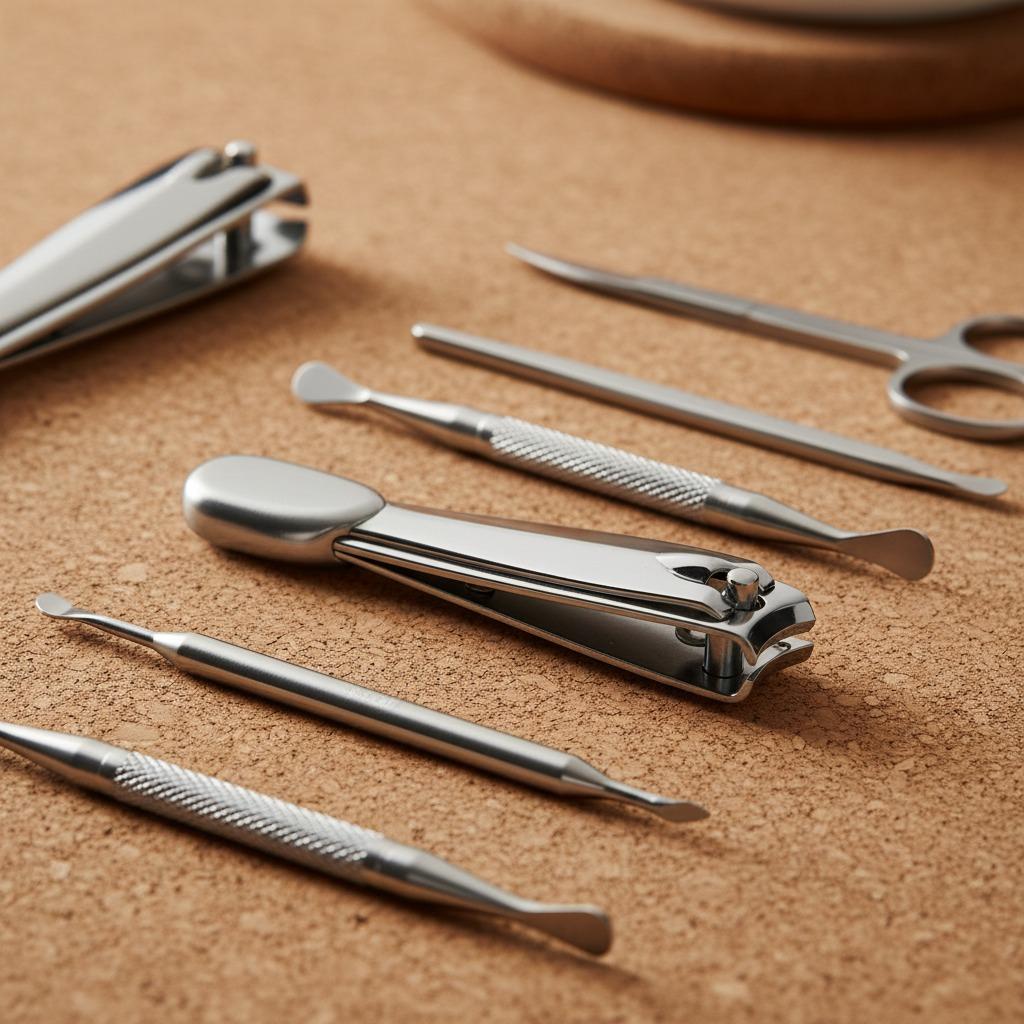











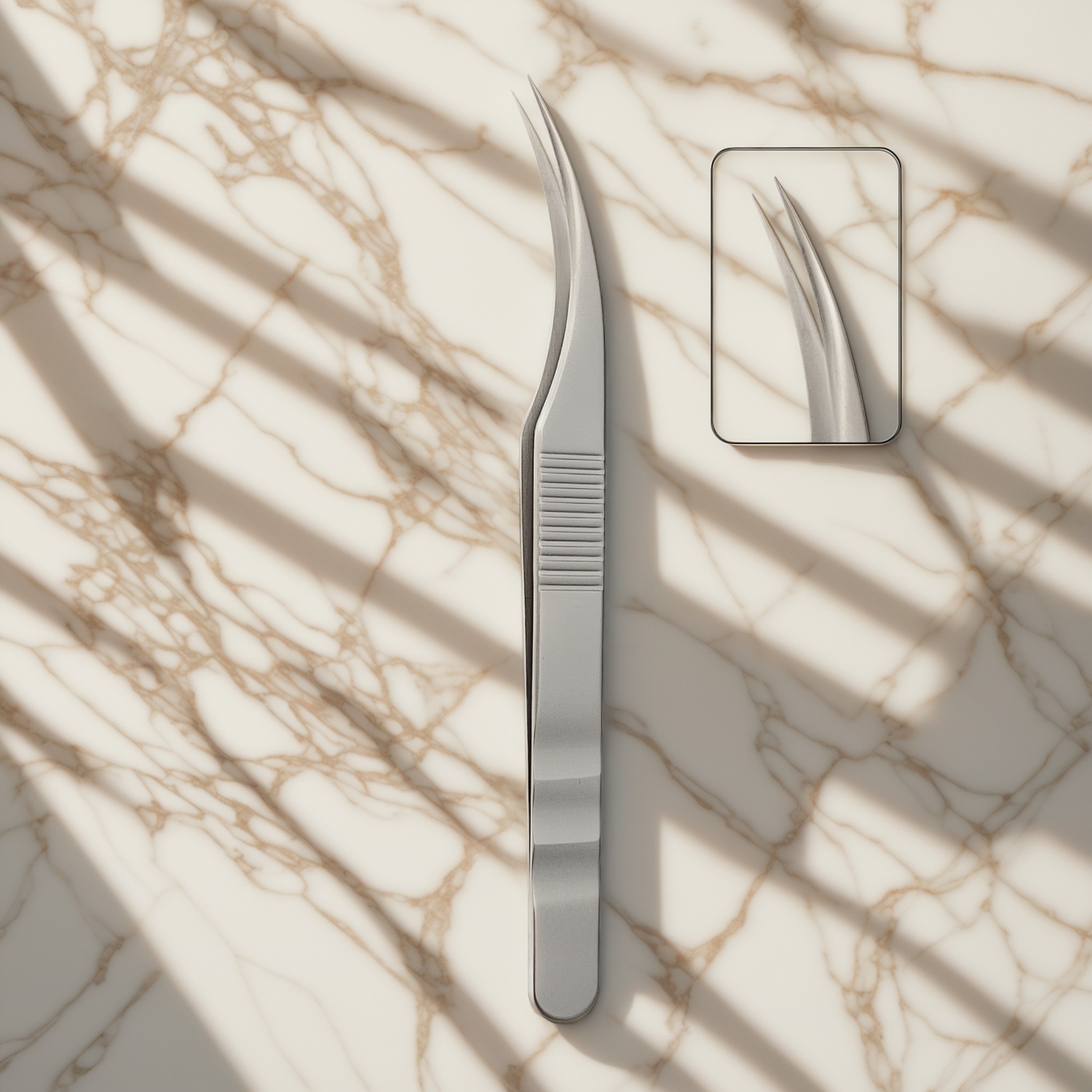
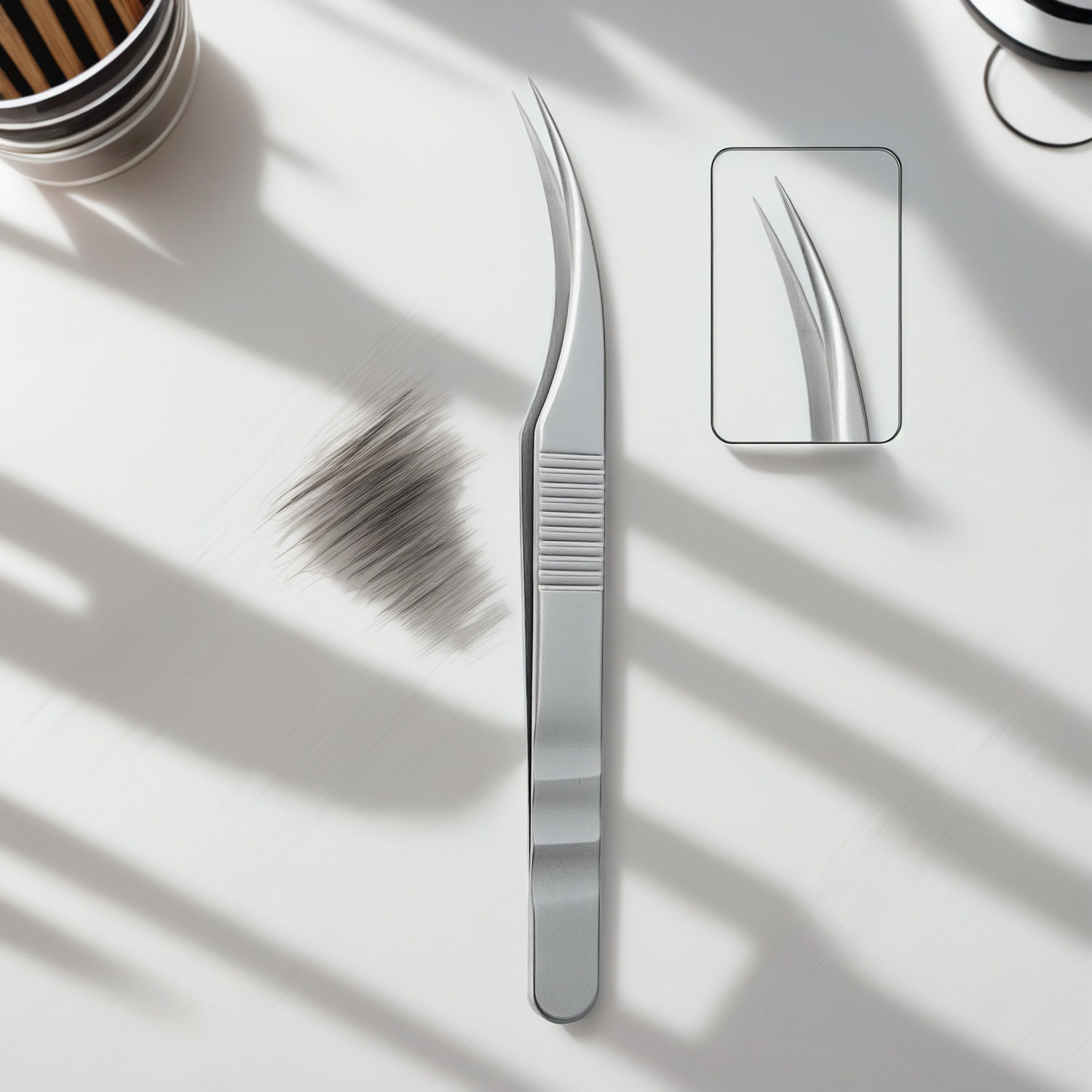
Custom tweezers are a small product with a big impact on trust. For salons, retail brands, distributors, and precision-use buyers, the right tweezer must feel controlled in the hand, close evenly at the tips, and arrive in packaging that supports the brand promise. The wrong one can lead to poor grip, discomfort, returns, and weak customer confidence.
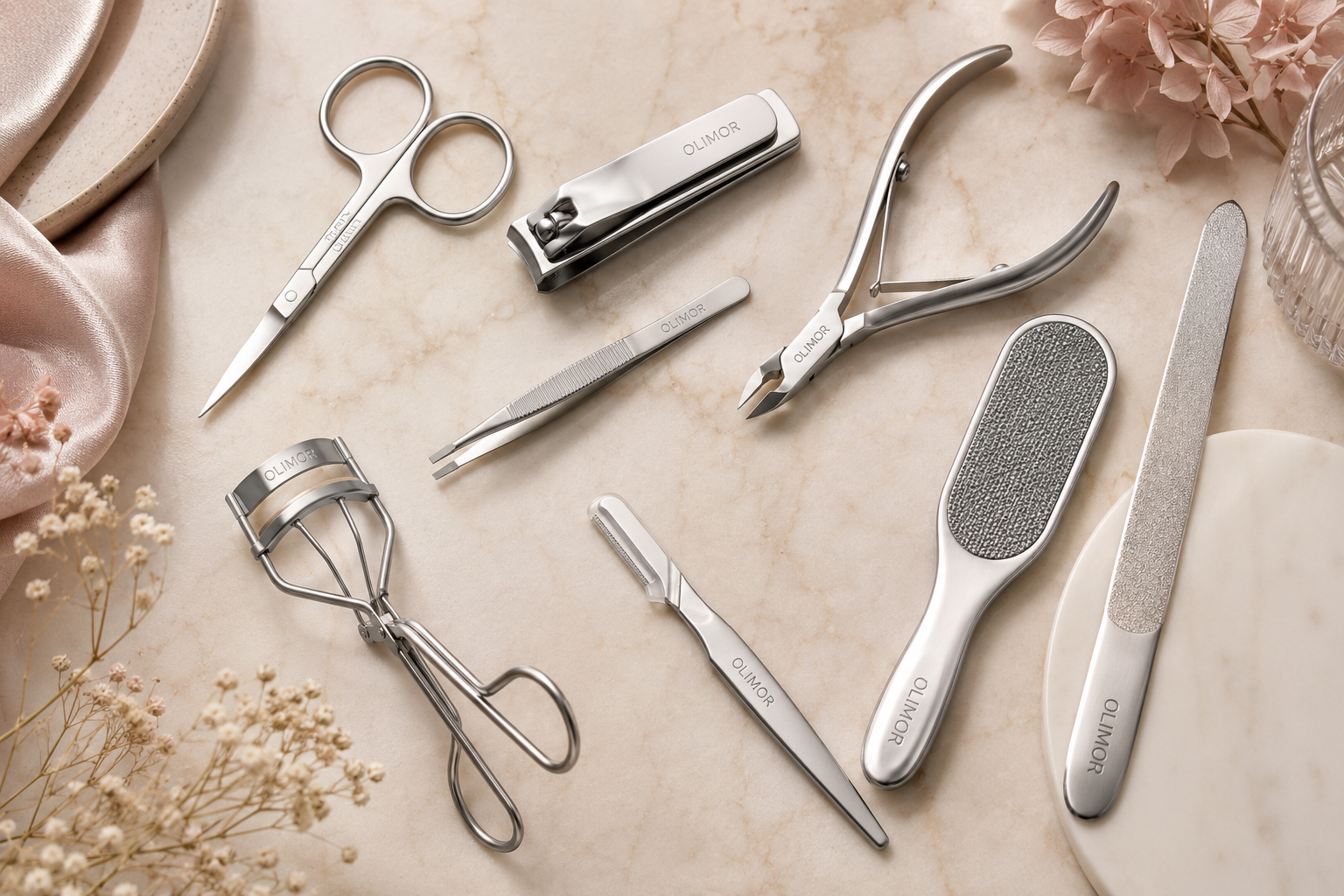
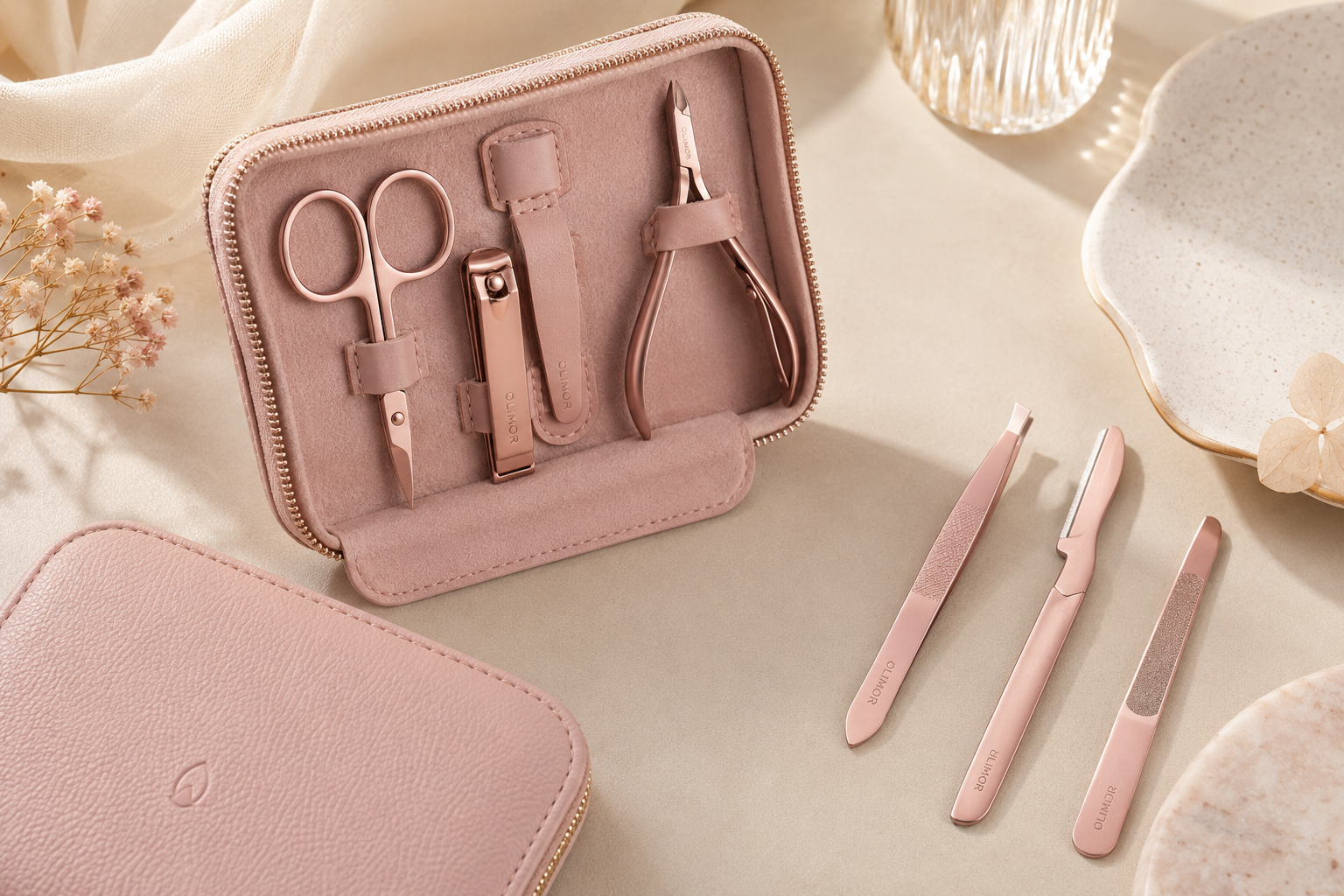
The best sourcing approach is to define the end use first, then compare tool style, material, finish, inspection, and packaging against that brief. That helps you choose between standard and custom options, negotiate from a clear specification, and build a product line that fits your market rather than a generic catalog item. If you are planning a broader range, you can also review Olimor's product range and curated collections to compare how different tool types fit different customer needs.
Start with the user, not the logo
Before discussing branding, decide who will use the tweezers and how they will be used. This is the most important step because the same basic tool can perform very differently depending on tip shape, tension, finish, and handling expectations.
Common business use cases
- Salon and brow use: buyers usually want smooth grip, dependable tip contact, and comfortable repeated use.
- Retail beauty brands: shelf appeal, consistent quality across repeat orders, and packaging clarity matter as much as function.
- Distributors and resellers: a balanced assortment and stable reorder quality matter more than one-off appearance.
- Precision handling or assembly: fine tips, controlled pressure, and stable handling are often the priority.
When the use case is clear, your sourcing brief can specify the right tweezer style, surface finish, and packaging protection instead of relying on broad language like “good quality” or “custom made.”
Standard or custom tweezers?
There is no single right answer. Standard tweezers can be the better choice when you need a practical item for general resale, salon supply, promotional bundles, or fast replenishment. Custom tweezers make more sense when your product needs to match a specific user group, a private label position, or a defined performance requirement.
| Buying option | Best for | Strengths | Watchouts | What to verify |
|---|---|---|---|---|
| Standard tweezers | General resale, salon supply, quick replenishment | Shorter selection process and easier comparison | May offer less control over branding and product detail | Tip consistency, finish quality, packaging protection |
| Custom tweezers | Private label, branded retail, specialized use | Better fit for brand identity and user needs | Requires clearer specifications and sample approval | Logo method, material, tip alignment, packaging, repeat-order consistency |
| Mixed assortment | Distributors and resellers with different customer segments | Wider coverage across beauty and precision applications | Can become confusing if the range is too similar | Clear product roles, naming, and differentiation by use case |
A well-made standard tweezer can outperform a poorly specified custom one. A carefully developed custom tweezer can also give your business stronger differentiation and a clearer price position. The decision should be based on how the tool will be used, sold, and reordered.
Choose the right style for the job
Tip shape affects both performance and user experience. That is why tweezer style should be matched to the task rather than chosen only for appearance.
Slant tip tweezers
Slant tips are commonly selected for brow grooming because the angled edge improves visibility and control when gripping individual hairs. They are often the most versatile option for beauty-focused retail or salon use.
Pointed tip tweezers
Pointed tweezers are useful for very fine precision tasks. They require careful handling and consistent tip finishing, because small alignment issues are easier to notice when the user is working on delicate detail.
Straight or flat tip tweezers
Straight tips are suitable for general gripping tasks and some professional kit applications where a flatter contact area is preferred. They may be less specialized than slant or pointed designs, but they can work well in broad-use assortments.
Curved or specialty tips
Curved or specialty tips are often considered for lash-related work or other close-detail applications where the working angle matters. These styles should be chosen only when the end user genuinely needs them, not simply to expand the catalog.
What matters most in performance
For B2B buyers, performance differences are often small on paper but obvious in daily use. A tweezer that closes unevenly, feels too stiff, or loses control after repeated opening and closing can create a poor product experience even if the finish looks attractive.
Tip alignment and closure
Check whether the tips meet evenly without twisting or visible gaps. Uneven tip contact can make it harder to grip fine hairs or small components and can quickly undermine trust in the tool.
Tension and hand feel
Tension should feel controlled. If it is too stiff, repeated use can become tiring. If it is too loose, the user may feel a lack of control. The right feel depends on whether the product is meant for salon work, retail grooming, or precision handling.
Finish and edge quality
Review the arms, grip zones, and tip area for rough spots, sharp edges, or inconsistent polishing. Small surface flaws can affect comfort and create a lower-quality impression in retail or professional settings.
Packaging protection
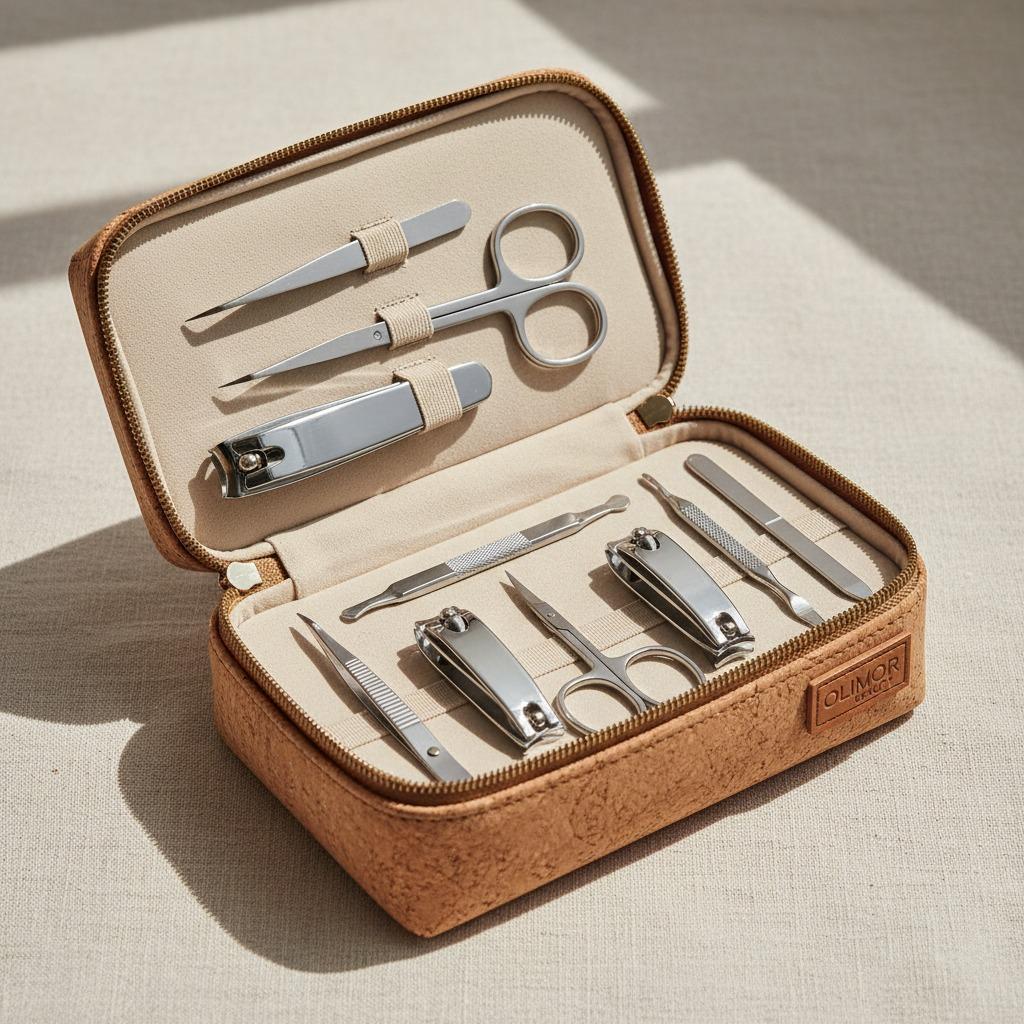
Packaging is not only about presentation. It should also help prevent tip damage, scratches, and handling wear during shipping and storage. For precision tweezers, this is especially important because even small deformations can affect use.
Olimor offers beauty tools with stainless steel construction and precision-aligned tips for beauty applications. Even so, buyers should define their own acceptance criteria for the market they serve and review samples under realistic working conditions.
How to evaluate a B2B tweezers supplier
A reliable supplier should be able to discuss the product as a working tool, not only as a commodity. Look for clear answers about production consistency, inspection points, and customization options.
- Define the application: brow grooming, lash work, retail kits, salon use, or precision handling.
- Review physical samples: check grip, spring tension, tip contact, and surface finish.
- Confirm customization options: logo method, finish, color direction, and packaging style.
- Clarify inspection expectations: agree on the quality points that matter before production starts.
- Plan for repeat orders: keep approved samples, artwork files, and packaging references for later orders.
For many buyers, supplier communication is as important as the product itself. Clear specification handling helps reduce misunderstandings, prevents expensive rework, and supports reorder consistency.
Branding, packaging, and range planning
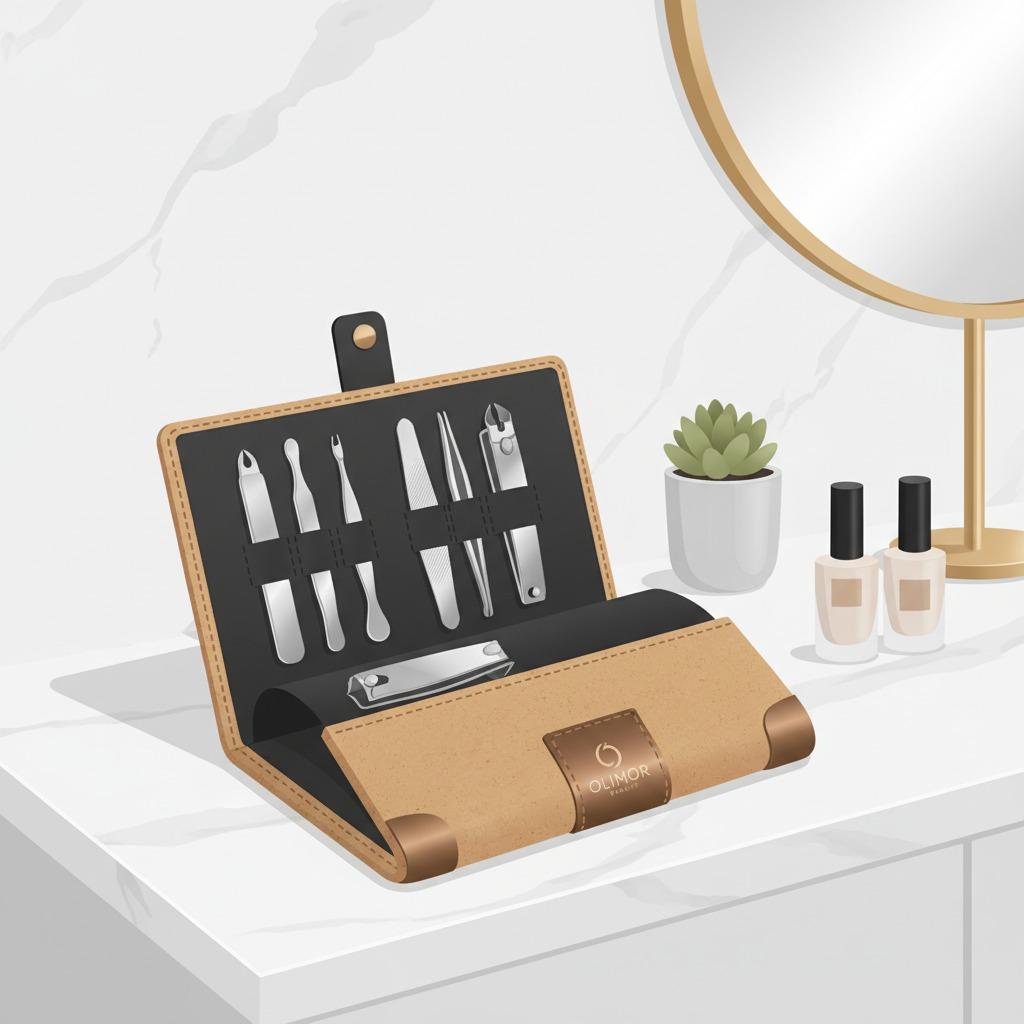
Branding is more than a logo on the handle. The tweezer, finish, packaging, and product description should all tell the same quality story. A premium-looking box cannot rescue a weak tool, and a strong tool can be undervalued by unclear packaging.
Think about where the product will be sold. Online listings need accurate images and claims that match the real item. Retail displays need packaging that identifies the tweezer type quickly. Salon supply channels may care more about sanitary storage, easy recognition, and consistent replenishment.
Private label buyers should also avoid overloading the line with too many similar variants. A focused assortment is often easier to sell and easier to manage. For example, a brand might use one slant tweezer for brow grooming, one pointed tweezer for fine detail work, and one general-purpose tool if the audience is broad enough.
If you are building a larger program, Olimor's beauty tool collections can help you think in terms of range structure rather than one-off purchases.
Cost factors beyond unit price
Bulk tweezers price matters, but it should not be the only comparison point. The cheapest quote can become expensive if the order arrives with inconsistent tips, rough finishes, weak packaging, or products that do not match the approved sample.
When comparing quotations, make sure you are comparing the same product details. Two tweezers can look similar in photos while differing in material choice, finish, logo method, or packaging protection. Those differences affect both the final cost and the user experience.
- Tip consistency: directly affects gripping performance and trust in the tool.
- Surface finish: influences appearance, hand feel, and perceived quality.
- Logo execution: should look clean and match the rest of the brand presentation.
- Packaging protection: helps reduce scratches and bent tips during shipping.
- Reorder control: supports stable inventory when you place repeat orders.
In some markets, buyers also ask whether documentation aligns with relevant quality-management or chemical-compliance frameworks such as ISO 9001 or EU REACH, depending on material and finish. Verify the applicable version and request the supplier's supporting paperwork rather than assuming compliance from a product description.
Practical checklist before placing a bulk order
- Write the end-use brief in plain language.
- Choose the tweezers style that fits the task.
- Inspect samples for tip alignment, tension, finish, and comfort.
- Confirm the branding method and packaging format.
- Agree on inspection points and acceptable variation.
- Save approved references for repeat orders.
This process helps buyers move from general interest to a clear purchasing decision and makes supplier evaluation much easier.
FAQ
Can I request samples before a bulk order?
Yes. Samples are the easiest way to check tip alignment, tension, finish, and packaging protection before you commit to a larger order.
What should I ask about MOQ?
Ask whether MOQ changes with customization, packaging, or variant count. If you need multiple styles, confirm each one separately.
What customization options are usually worth discussing?
Logo placement, finish, color direction, packaging style, and artwork preparation are the most common starting points.
How do I check quality before approval?
Review physical samples, agree on inspection points, and compare multiple pieces rather than judging a single sample only.
How should I ask about lead time?
Ask for lead time based on your exact specification, packaging needs, and order volume. Avoid assuming that a standard item and a customized item will move on the same schedule.
Talk with Olimor
If you are sourcing custom tweezers for a salon brand, retail line, distributor program, or professional kit, a clear brief is the best place to start. Share the use case, preferred style, branding needs, and packaging expectations through the contact page or send your project details via the inquiry form. That makes it easier to align the product with your market before production begins.
For buyers comparing options across beauty tools, a focused sourcing conversation can save time, reduce revisions, and improve repeat-order consistency.