










Custom tweezers are small tools with outsized brand impact. In salons, brow studios, retail kits, and private-label assortments, users notice the tips, tension, and finish almost immediately. If a tweezer feels loose, misaligned, or rough, the complaint usually lands on the brand that sourced it.
That is why business buying is different from personal shopping. A B2B order should be judged on repeatability, packaging fit, inspection expectations, and how well the tool matches the final sales channel. Olimor Beauty supports buyers who need practical stainless steel beauty tools for resale, display, or professional use.
How business buyers should think about custom tweezers
When you source tweezers for business, you are not buying a one-off accessory. You are selecting a product that may be handled daily by brow artists, salon staff, resellers, or retail customers. The right choice depends on who will use it, where it will be sold, and what level of performance your brand needs to protect.
Retail customers often judge appearance first. Professional users judge function first. Distributors and wholesalers need a balance of both, because they must satisfy multiple downstream buyers. That is why custom tweezers should be evaluated as a working tool, not only as a branded item.
- For salons: focus on comfortable handling, precise grip, and easy cleaning.
- For retail: focus on shelf appeal, packaging protection, and clear product presentation.
- For resellers and distributors: focus on batch consistency, fewer complaints, and reorder reliability.
- For private label brands: focus on how the tool supports brand perception in the hand and in the package.
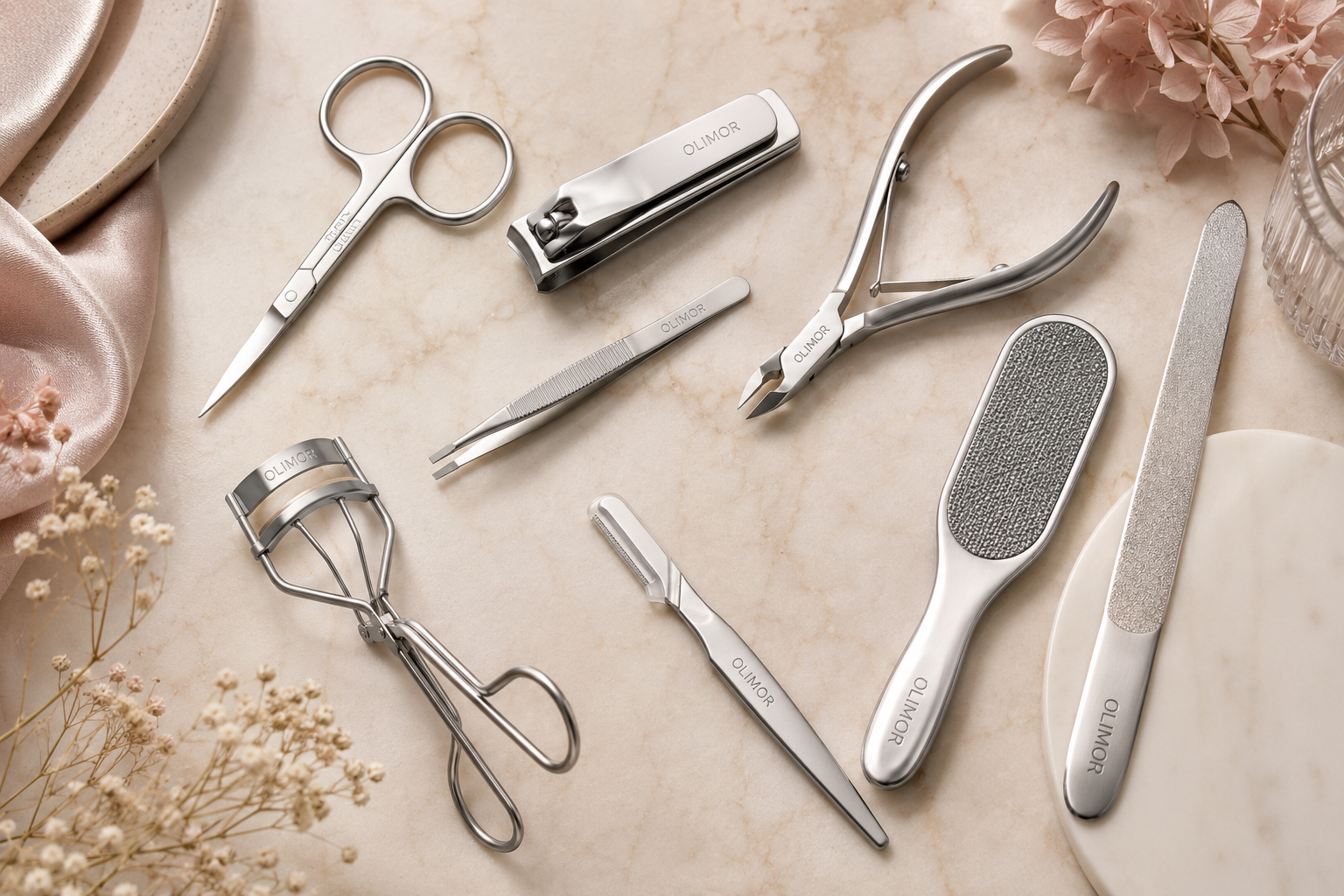
If you are comparing tweezers with other beauty tools, it helps to review the broader assortment in the Olimor product range and think about how the tweezer will fit alongside grooming, brow, or lash items.
Key quality checks before you approve samples
A useful sourcing process starts with practical checks. The value of a tweezer comes from the relationship between material, shape, tension, and finishing. Olimor Beauty highlights stainless steel construction, ergonomic designs, and precision-aligned tips because those basics matter more than decoration when the product is used close to the face.
Tip alignment and closing feel
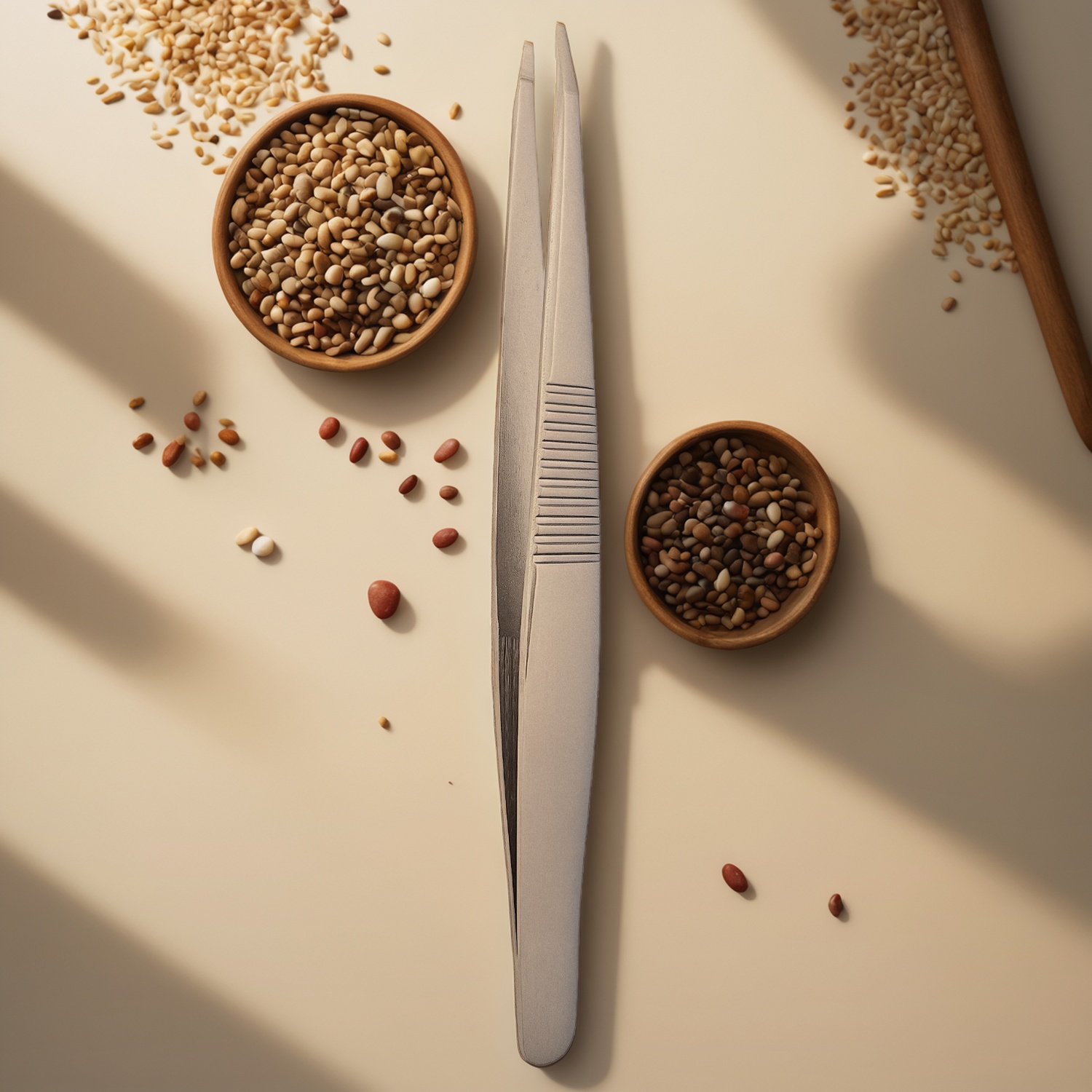
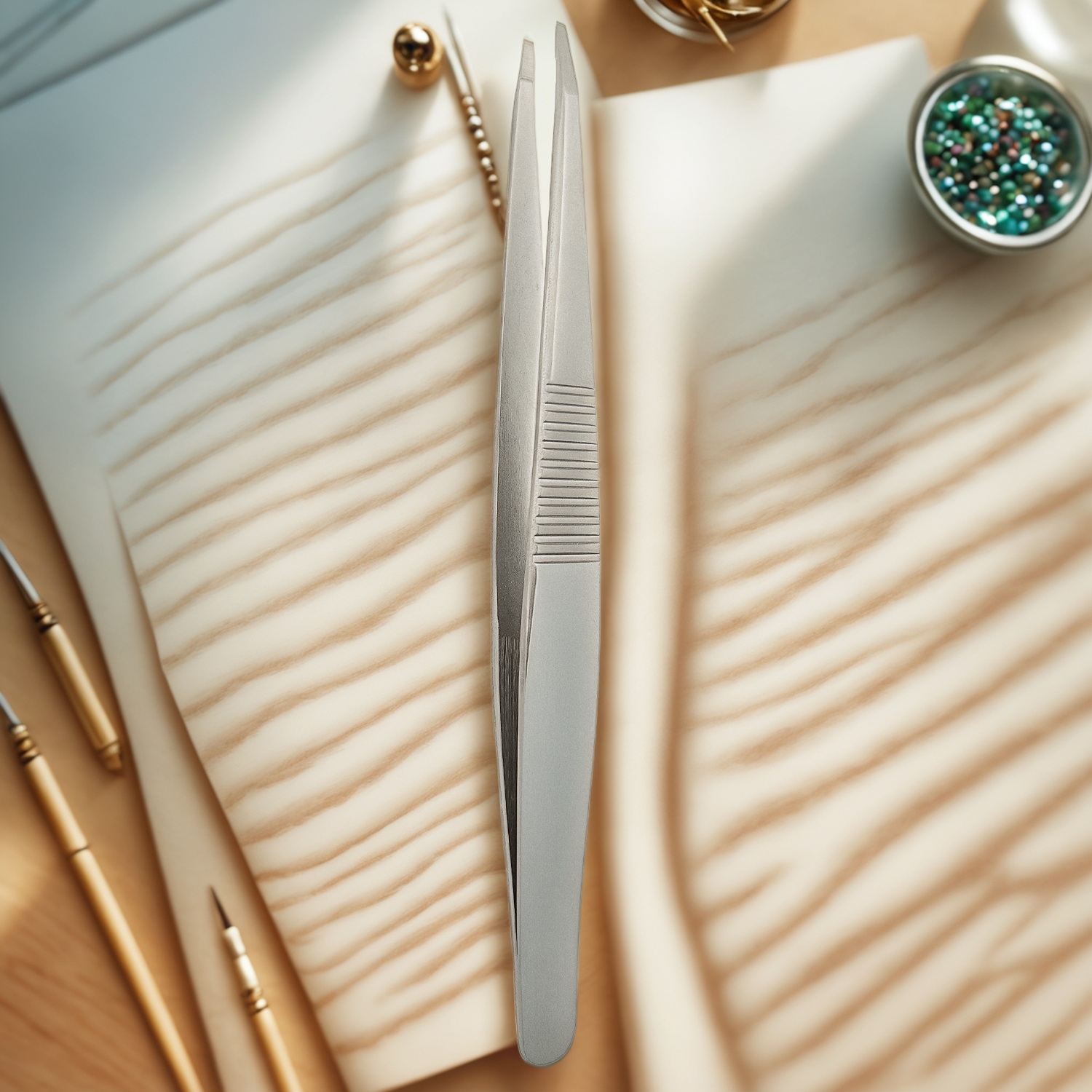
The two tips should meet evenly without visible gaps. Misalignment makes it harder to grip fine hairs or small objects and can lead to frustration during brow shaping or grooming. The tweezer should also open and close with controlled resistance. If it feels too stiff, the hand tires more quickly. If it feels too loose, the tool loses accuracy.
Material, finish, and hand comfort
Stainless steel is a practical base material for beauty tools because it supports a clean finish and everyday durability. Buyers should still review the surface closely. Look for even finishing, smooth edges, and a feel that is comfortable during repeated use. A rough or inconsistent surface can undermine the impression of quality even if the logo looks attractive.
For business buyers, the question is not only whether the tweezer looks good in a photo. The real test is whether it feels stable, aligns correctly, and remains consistent across a bulk order.
Tip style matters more than it seems
The supplied product information notes three useful styles: slant, straight, and pointed. These are not interchangeable. Each serves a different task and a different customer expectation.
| Tip style | Typical use | Best fit for business buyers | Sourcing note |
|---|---|---|---|
| Slant | General eyebrow shaping and everyday grooming | Retail beauty aisles, brow kits, salon resale | A familiar choice for broad distribution |
| Straight | Gripping larger hairs or holding small items | General grooming sets and practical tool assortments | Useful where gripping, not shaping, is the priority |
| Pointed | More precise picking and detailed work | Professional users and experienced grooming customers | May need clearer packaging guidance because the tip is more precise |
A slant tweezer is often the safest starting point for general retail programs. Pointed tweezers can serve advanced users well, but they should be positioned carefully. Straight tweezers can work well in kits where the focus is on grip rather than cosmetic shaping alone.
Customization choices that support branding
Customization should make the product easier to sell and easier to remember. A private-label tweezer can carry your logo, match your packaging direction, or complement a broader grooming line. But branding should support performance, not hide weak construction. A logo on a poorly aligned tweezer can make the quality issue more visible, not less.
Before confirming a custom order, define the product’s role. Will it be a standalone retail item, part of a beauty set, a salon retail accessory, or a promotional insert? The answer influences packaging, presentation, and how much emphasis should be placed on the finish.
Logo, finish, and packaging
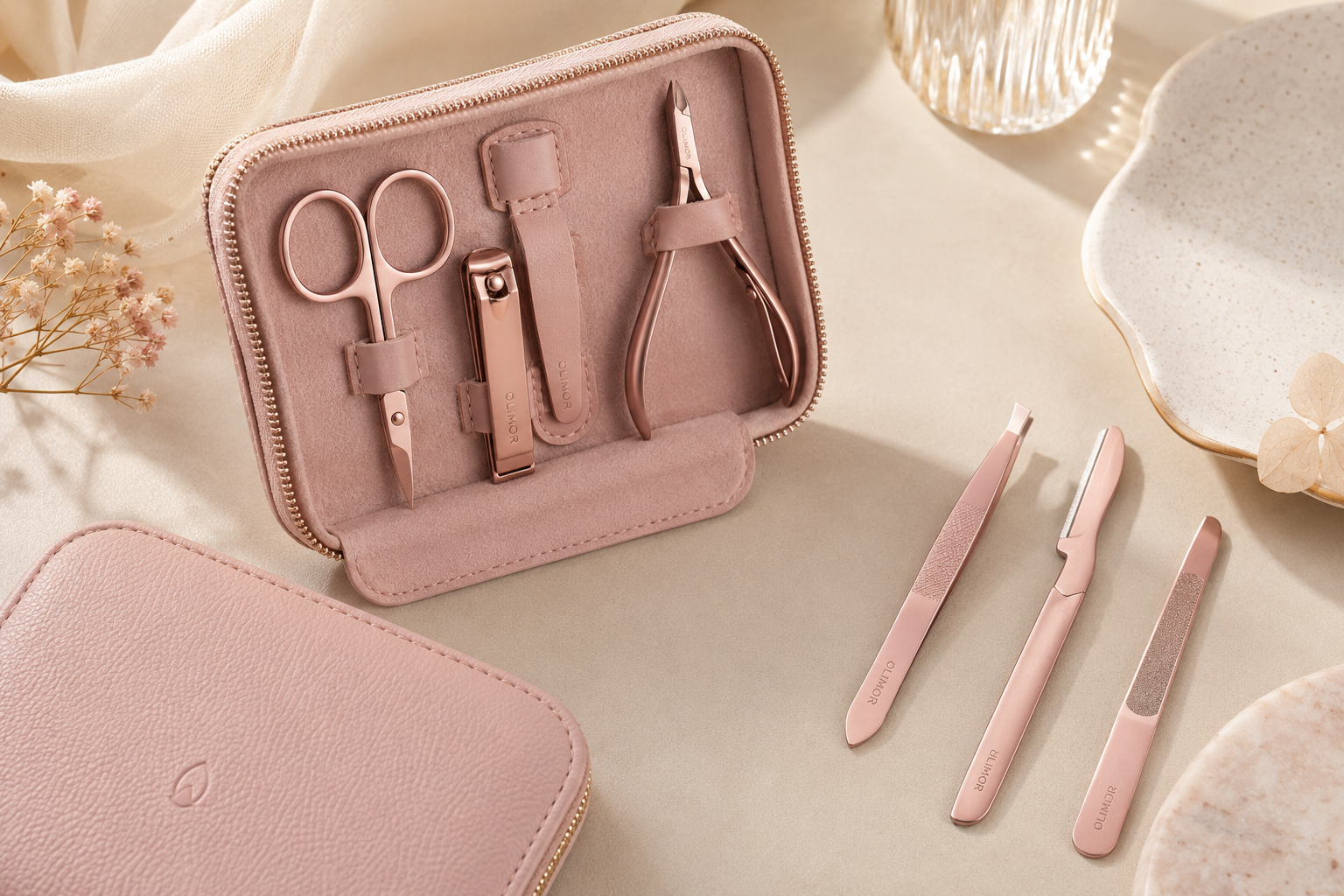
Common customization decisions include logo placement, surface treatment, color direction, and packaging format. A minimalist brand may prefer a clean metal look with restrained marking. A gift set may need stronger shelf appeal. A distributor may need packaging that is easy to label, store, and ship.
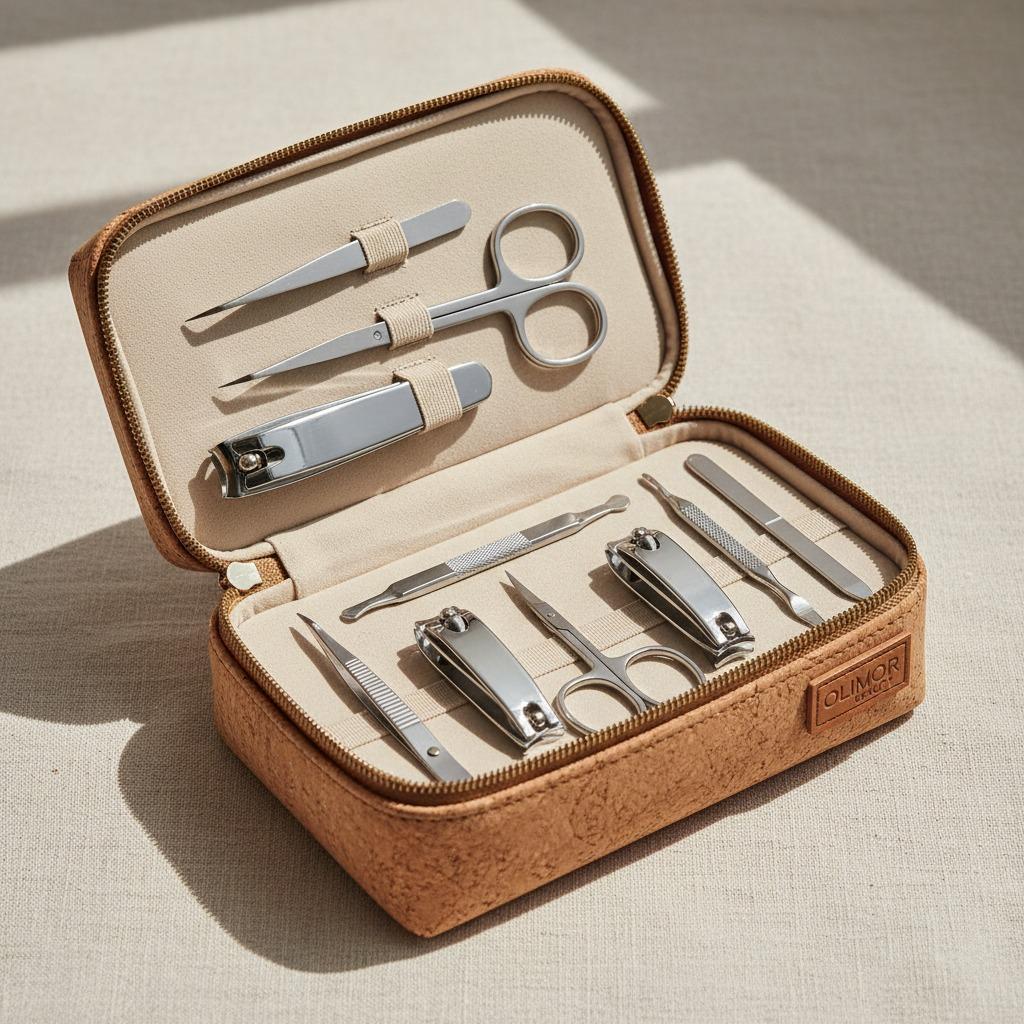
Packaging should also protect the tips and support the sales channel. For e-commerce, the package must reduce movement in transit. For retail, it should present well on shelf. For salon supply, it should be practical to store and dispense.
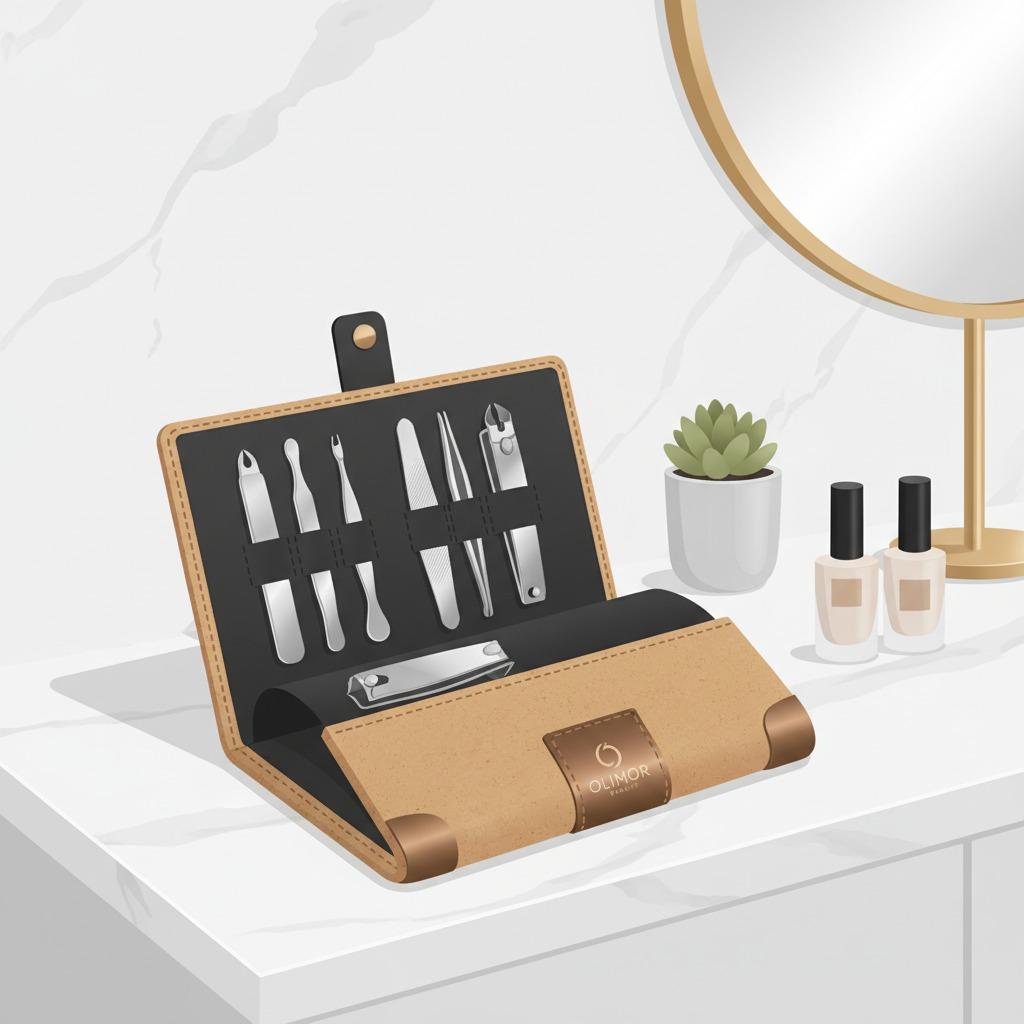
If you are building a wider beauty assortment, you can also review the current collection to see how tweezers may sit alongside other tools in a coordinated range.
Channel-specific presentation
The same tweezer can be positioned differently depending on the buyer. A salon chain may care most about function and repeat use. A retailer may need visual clarity and protective packaging. A wholesale customer may care about consistency across cartons and the ease of reordering. The best supplier will help you match the tool to the channel instead of forcing one presentation style into every market.
How bulk tweezers price is usually built
Bulk tweezers price matters, but the lowest quote rarely tells the whole story. A cheaper product can become expensive if it creates rework, complaints, returns, or a weak brand impression. Business buyers should compare total value rather than unit price alone.
| Cost factor | What it affects | What to review |
|---|---|---|
| Material choice | Durability, feel, and overall product quality | Ask what stainless steel construction is used and how the finish is handled |
| Finishing process | Appearance, smoothness, and perceived value | Check whether the surface looks even across samples and cartons |
| Packaging complexity | Retail appeal and shipping protection | Confirm whether tips are protected and whether the format matches your channel |
| Inspection scope | Consistency across the order | Clarify what is checked before shipment and how variation is handled |
| Customization details | Brand fit and production complexity | Review logo placement, color direction, and packaging artwork early |
The most useful question is not, What is the cheapest tweezers quote? It is, Which offer gives the most dependable result for my channel at a workable cost?
That distinction matters because hidden costs often show up later: extra sorting, damaged tips, poor reviews, or lost customer confidence. For distributors and private-label brands, those costs can outweigh a small unit-price difference very quickly.
Supplier evaluation checklist for B2B tweezers
Before placing a bulk order, use a simple evaluation process. The goal is to reduce surprises and confirm that the supplier can support your business model, not just supply a product sample.
- Ask for samples. Check the feel of the tool in hand, not just the photo or product sheet.
- Inspect tip alignment. Make sure the tips meet cleanly and consistently.
- Review tension and grip. The tweezer should close with controlled pressure and hold without slipping.
- Check the finish. Look for smooth surfaces, clean edges, and uniform appearance across pieces.
- Confirm packaging protection. The tips should be protected during storage, display, and transport.
- Clarify branding details. Approve logo placement, size, and packaging artwork before production.
- Set inspection expectations. Agree on what should be checked before shipment, including appearance and packaging condition.
- Request documentation for your market. If your sales channel requires labeling or product documentation, confirm what the supplier can provide.
If your tweezers will enter a regulated market or appear in a product claim environment, buyers should verify the applicable version of any relevant rule or guidance with the right public body, such as local consumer-product authorities or, where relevant, the U.S. FDA. Do not assume a generic template is enough; ask for current supplier documentation that matches your market and use case.
Olimor Beauty emphasizes practical manufacturing steps and internal quality control from raw materials through final packaging. Buyers should still verify the finished samples themselves, because the final decision rests on the product you will actually sell or use.
Where Olimor fits in your sourcing workflow
For business buyers, the most efficient path is usually: define the end user, choose the tip style, agree on the finish, check samples, and then lock down packaging and inspection points. That workflow makes the bulk order easier to manage and reduces avoidable revisions.
If you are preparing a private-label launch, a salon supply refresh, or a reseller program, it can help to request a custom quotation with your product brief and packaging goals. If you still need to compare tool formats or discuss channel fit, talk through your sourcing plan with the Olimor team before you finalize artwork or production details.
The strongest custom tweezer programs are simple in structure and careful in execution: a reliable base tool, the right tip style, practical packaging, and clear inspection expectations. That combination supports repeat orders far better than a low price alone.
FAQ
Can I request samples before placing a bulk order?
Yes. Samples are the best way to check tip alignment, grip, finish, and packaging fit before you commit to a larger order.
What should I confirm about customization?
Confirm the logo placement, surface style, packaging format, and any labeling needs that apply to your market or sales channel.
Does the lowest bulk tweezers price always mean the best value?
No. A lower quote can become expensive if quality is inconsistent, packaging is weak, or the product generates returns and complaints.
How do I judge quality in a sample?
Check whether the tips meet evenly, whether the tension feels controlled, whether the edges feel smooth, and whether the packaging protects the tool well.
Can Olimor help with retail or salon-focused presentations?
Olimor Beauty works with business buyers on practical product planning, so you can discuss the tool role, packaging direction, and branding needs before ordering.