










Custom tweezers are small beauty tools, but they have a direct effect on customer trust, salon efficiency and repeat purchasing. For retailers, distributors, salon suppliers, lash studios and private label beauty brands, the right tweezer must grip consistently, feel comfortable in the hand, arrive in suitable packaging and match the brand experience promised to the end user.
The best sourcing decision is not simply the lowest bulk tweezers price. Business buyers need to compare material, tip alignment, tension, finish, packaging, customization and supplier quality controls before placing a larger order. This guide explains how to select custom tweezers for business use, what to check in samples, which cost factors matter and how to evaluate a supplier without over-customizing a simple tool.
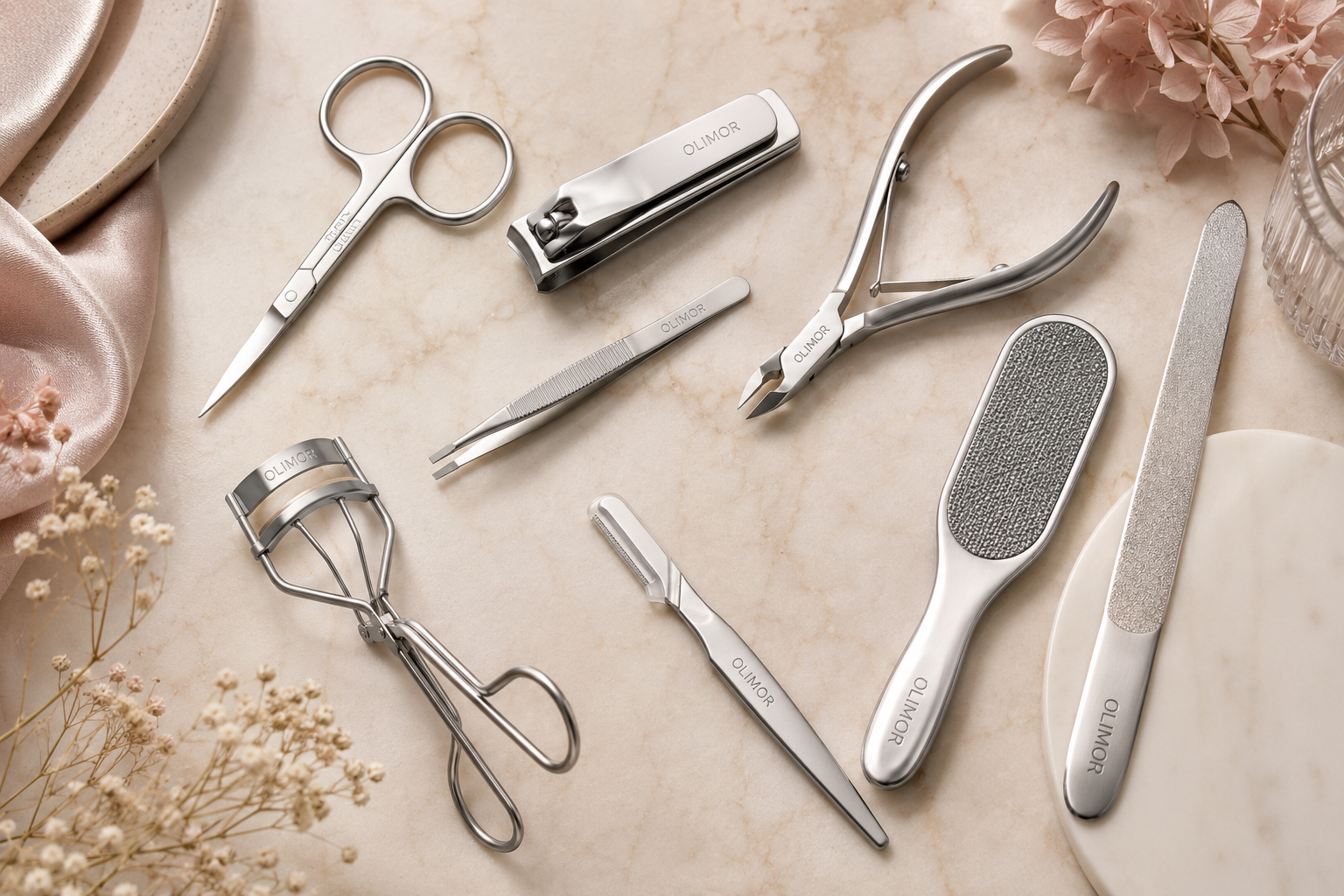
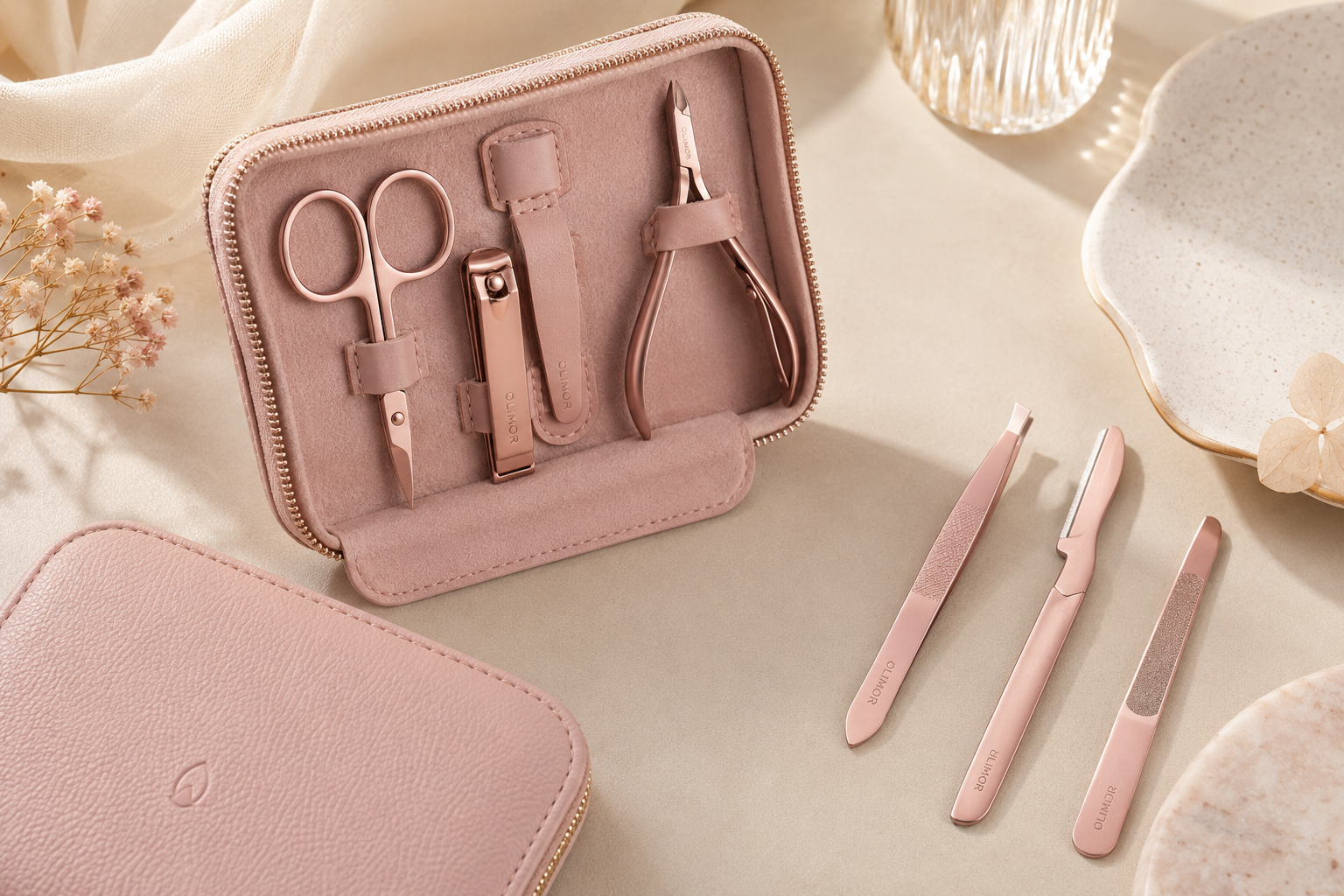
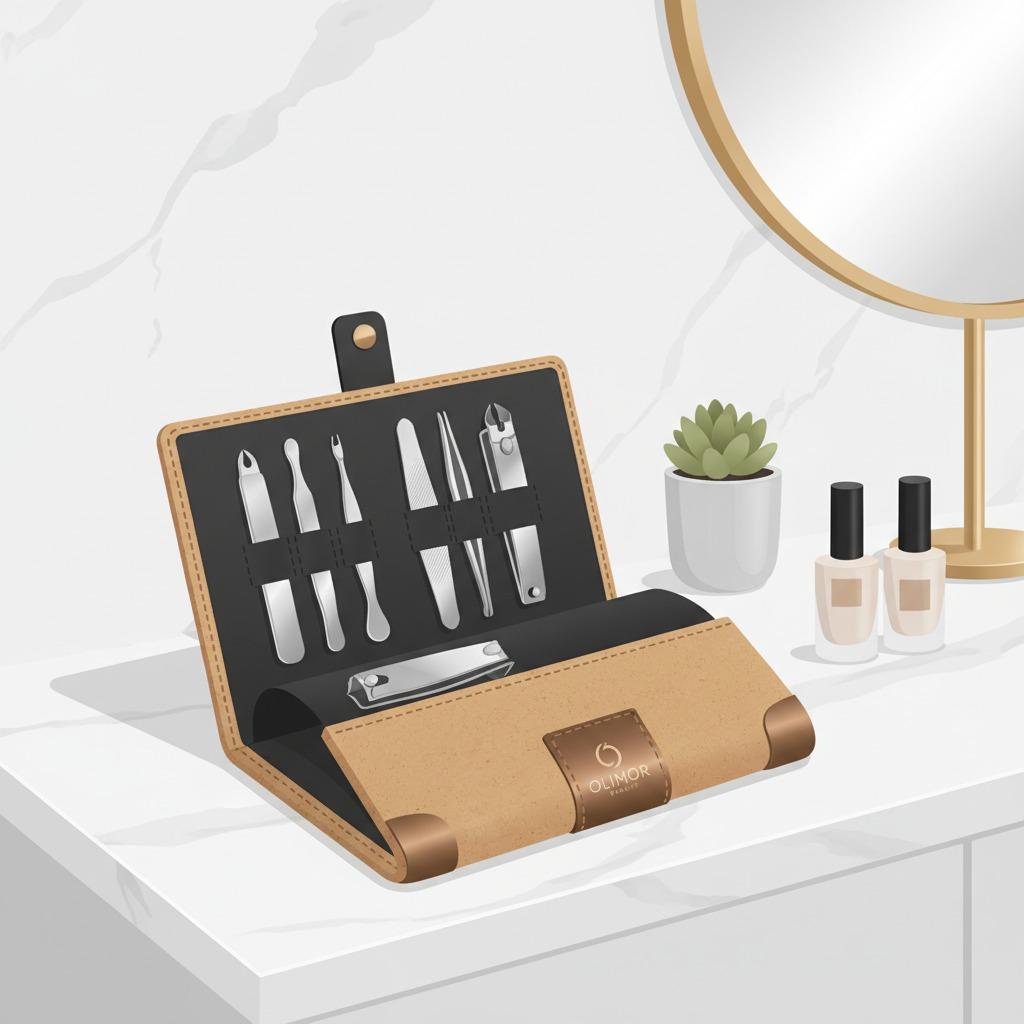
Olimor Beauty supplies professional beauty tools for commercial buyers looking for stainless steel tweezers, ergonomic handling, private label presentation and consistent order execution. Buyers building a wider assortment can also review related Olimor beauty tool products to see how tweezers may fit alongside lash, brow, manicure or grooming accessories.
Why Custom Tweezers Matter in B2B Beauty Sourcing
In professional and retail beauty channels, tweezers are often judged in seconds. A brow technician notices whether the tips meet evenly. A lash artist notices whether the closing tension creates control or hand fatigue. A reseller notices whether each unit in the carton looks consistent. A retail customer notices whether the finish, grip and packaging feel reliable enough to buy again or recommend.
Generic tweezers may be suitable for casual use, but business buyers usually need repeatability. If one batch feels precise and the next batch has uneven tips, rough edges or inconsistent packaging, the brand relationship weakens quickly. Custom tweezers help solve two linked problems: practical tool performance and brand presentation.
For salons and beauty studios, customized tweezers can create a more professional impression during treatments and can also be sold as aftercare or grooming tools. For retailers, they can support a coherent private label range. For distributors, they are compact, easy to display and suitable for multiple sales channels, including beauty stores, salon supply catalogs, e-commerce listings and kit assembly.
Start With the Use Case Before Branding
Branding should come after the basic tool specification is correct. A clean logo cannot compensate for poor alignment, uncomfortable tension or tips that do not grip reliably. Before requesting custom colors, packaging or logo placement, define who will use the tweezers and what task they must perform.
- Lash application or isolation: Buyers usually prioritize precision tips, controlled tension, stable hand feel and a shape that supports detailed work.
- Brow grooming and fine hair removal: Clean tip closure, comfortable grip and broad user familiarity are important.
- Salon back-bar use: Tools should feel durable, practical and easy to handle during repeated daily service.
- Retail beauty sales: The tweezer must look presentable, be easy to understand and arrive in packaging that protects the tips.
- Beauty kits or gift sets: Size, finish, packaging fit and visual coordination with other tools may matter as much as standalone presentation.
- Distributor inventory: Stable supply, clear positioning, consistent packaging and repeatable quality are essential for multiple downstream customers.
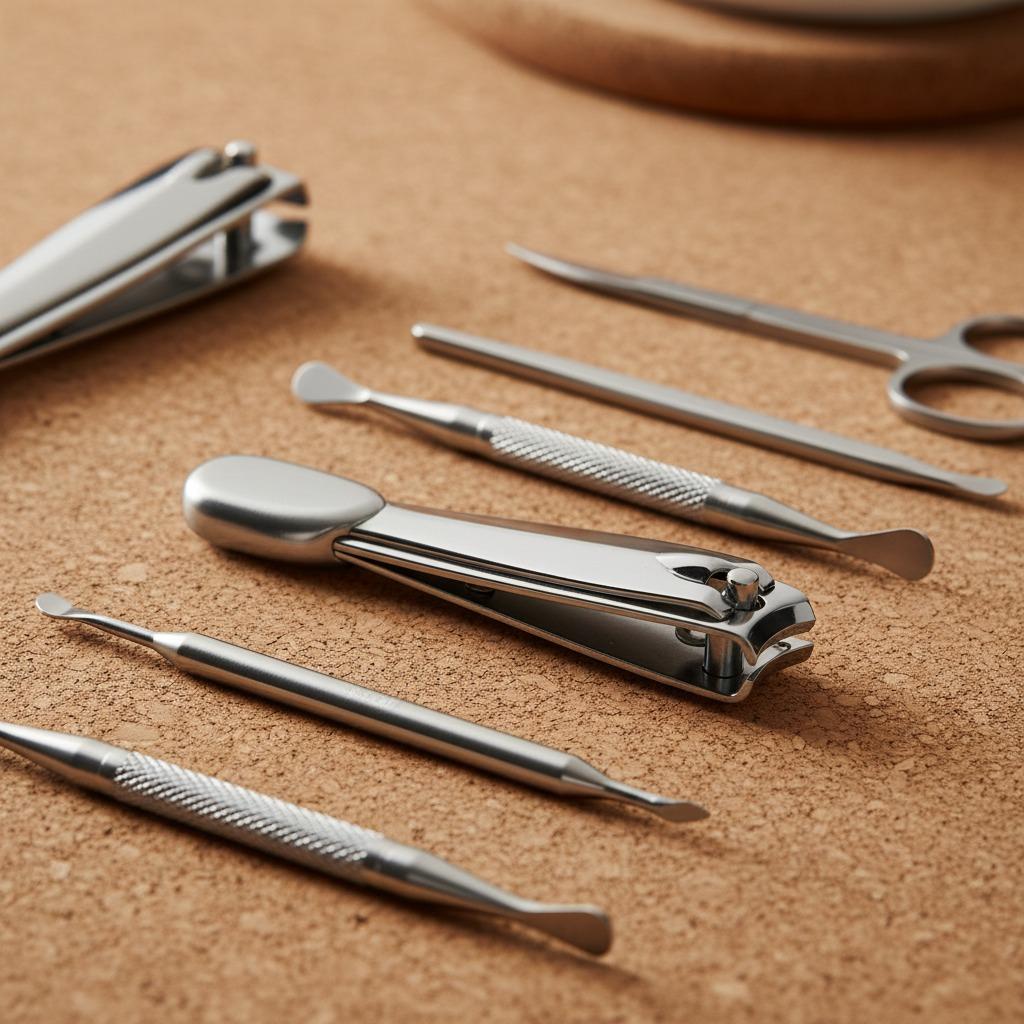
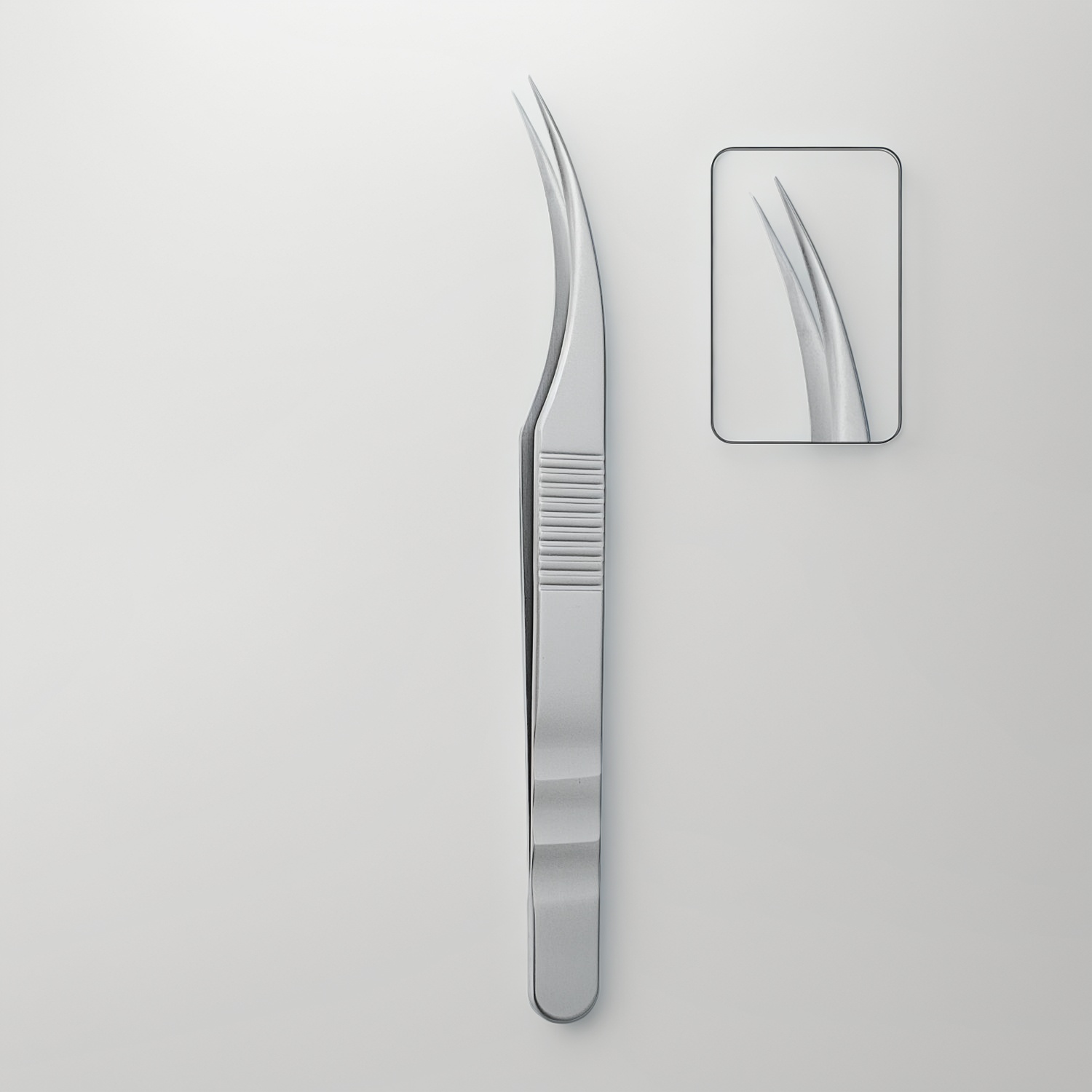
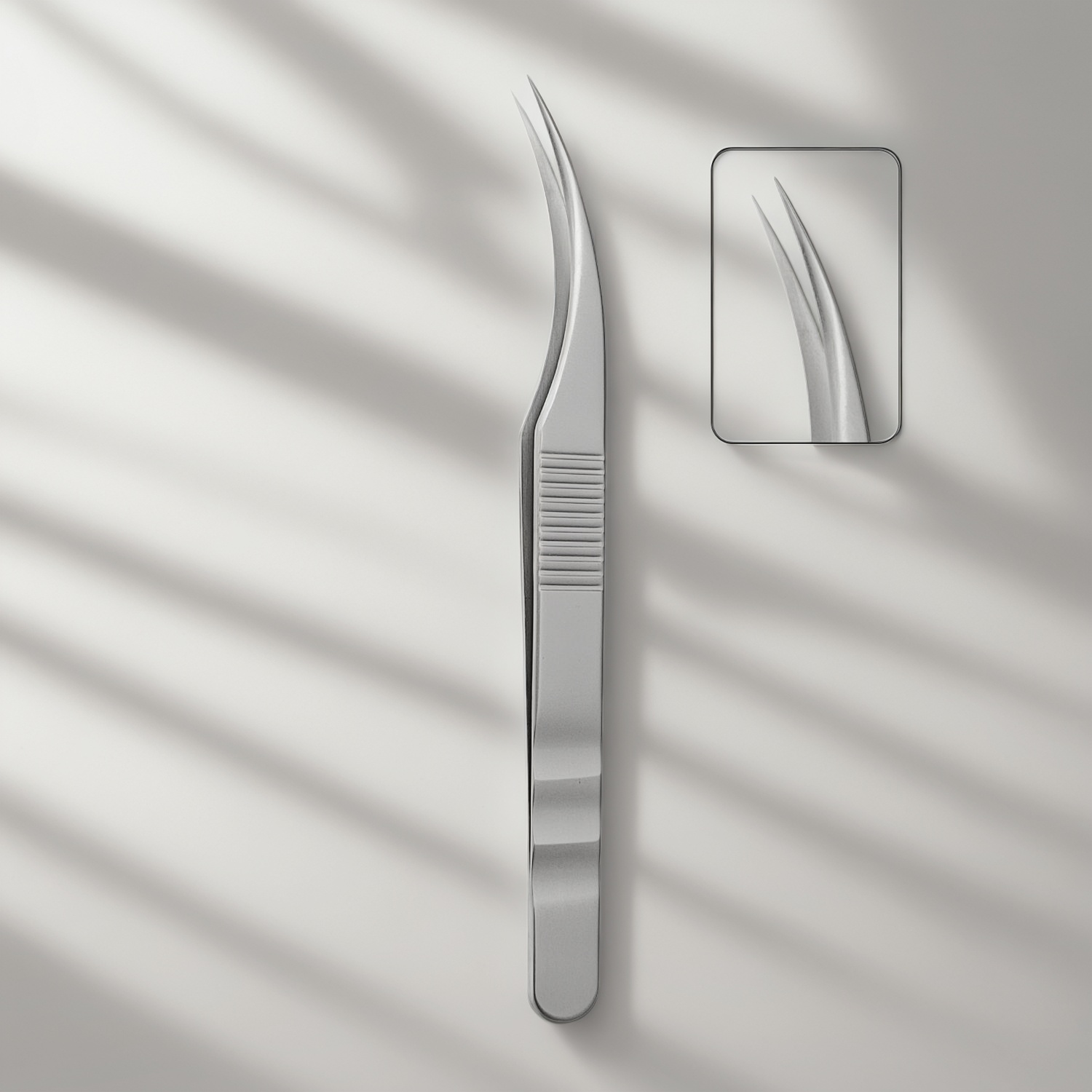
Olimor product information describes stainless steel tweezers with ergonomic designs, finely ribbed grips, unique angles and precision tips. These features are relevant when accuracy, control and hand comfort are part of the buyer’s value proposition. The key is to match those features to the actual channel rather than choosing a style only because it looks attractive in a product photo.
Core Quality Checks for B2B Tweezers
Small differences in manufacturing can change the user experience. For business buyers, inspection should focus on function first, then appearance and packaging. Stainless steel construction is commonly preferred for beauty tools because it supports durability and cleanability, and the supplied Olimor information highlights surgical-grade stainless steel as a material commitment. Buyers should still verify the exact material description, finish and supplier documentation for their order.
A good sample is useful, but one good sample is not enough for a commercial program. The production batch should match the approved sample in shape, finish, logo position, closing feel and packaging fit.
| Check point | Why it matters | What buyers should look for |
|---|---|---|
| Tip alignment | Determines whether the tweezer grips fine hair, lashes or small materials accurately. | Tips should meet evenly without visible gaps, crossing or twisting. |
| Closing tension | Affects comfort and control during repeated use. | Pressure should feel controlled, not too stiff and not too loose. |
| Grip and ergonomics | Helps users maintain control during detailed beauty work. | Body shape and ribbed or textured areas should feel secure without sharp discomfort. |
| Surface finish | Influences perceived quality, cleaning experience and retail presentation. | Check for scratches, stains, rough edges, burrs or uneven coating. |
| Material expectation | Supports durability and cleanability expectations for professional beauty tools. | Confirm stainless steel description and any supplier material documentation before approval. |
| Packaging fit | Protects tips and supports retail, wholesale or kit assembly needs. | The tool should stay secure, clean, identifiable and protected during transport and storage. |
| Batch consistency | Reduces returns and protects brand reputation. | Compare multiple units from the same sample set or production lot for the same feel and appearance. |
Choosing the Right Tweezer Style for Your Customers
Not every customer needs the same tweezer shape. Slant, pointed, straight and flat tips each serve different beauty tasks. A professional brow artist may value precision and visibility. A lash technician may care about controlled angles and stable tip contact. A mass-market shopper may prefer a familiar shape, comfortable grip and clear packaging that explains the intended use.
When comparing custom tweezers for business, avoid selecting only by appearance. A highly specialized pointed tweezer may be useful for trained professional users but may not be the right choice for a broad retail audience. A polished or colored finish may attract retail buyers, but it still needs dependable closure and practical grip.
| Business model | Main priority | Useful sourcing focus |
|---|---|---|
| Salon or beauty studio | Daily performance and comfort | Tip alignment, grip feel, tension, durability and easy cleaning. |
| Lash or brow professional supplier | Precision and technician control | Purpose-based shapes, stable closing feel and consistent tip contact. |
| Retail beauty brand | Customer appeal and repeat purchase | Clear use positioning, attractive finish, protective retail packaging and consistent appearance. |
| Private label program | Brand recognition and product coherence | Logo placement, finish direction, packaging design and alignment with other tools. |
| Distributor or wholesaler | Broad market suitability | Practical styles, neutral or flexible packaging options and documented quality checks. |
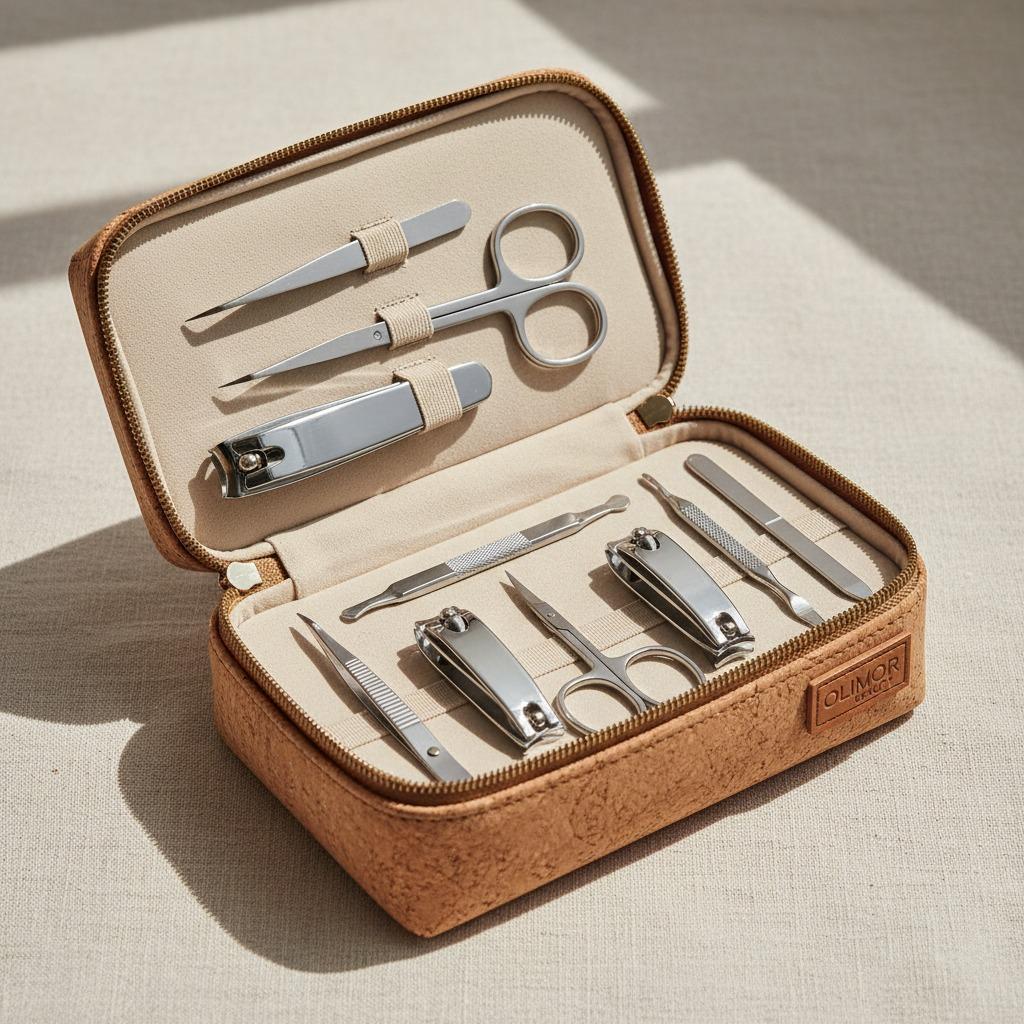
| Beauty kit or gift set | Fit within an assortment | Compact dimensions, coordinated color, tip protection and secure kit placement. |
Customization Options That Support the Brand Without Hurting Function
Custom tweezers are not only about adding a logo. A strong private label product should look appropriate for the target channel, feel comfortable in the hand and arrive in packaging that reduces confusion for the end buyer. Customization may include logo placement, surface finish, color direction, tip type, packaging structure and printed insert information.
For many buyers, the most effective customization is not the most complicated. A clean logo, consistent finish and clear packaging can look more professional than an overdesigned product that is difficult to reproduce. If the tweezers are part of a broader beauty range, review the design next to related items in Olimor product collections so the color language, typography and packaging proportions feel consistent.
Branding Decisions to Confirm Early
- User group: Define whether the tweezer is for lash technicians, brow specialists, students, everyday shoppers, salon staff or distributor accounts.
- Selling format: Confirm whether it will be sold as a single retail item, multipack, kit component, salon tool or wholesale unit.
- Logo placement: Place branding where it remains visible but does not affect grip comfort, cleaning or hand contact.
- Finish direction: Consider whether polished, matte or coated appearances fit the brand and can be produced consistently.
- Packaging purpose: Decide whether packaging is designed for retail display, wholesale storage, e-commerce shipping, salon use or kit assembly.
- Packaging copy: Use clear, practical language that identifies the intended use without overpromising performance.
Tip protection deserves special attention. Damaged tips are one of the fastest ways to create returns, negative reviews or technician complaints. Packaging should hold the tool securely and protect fine or angled tips during transport, storage and display.
Understanding Bulk Tweezers Price and Cost Factors
Bulk tweezers price is important for distributors, retailers and private label buyers, but the lowest unit cost is not always the best business result. A plain bulk item and a finished private label retail product can have very different cost structures. Price should be compared together with the required quality level, packaging format and inspection expectations.
Common cost factors include material selection, tweezer style, finish complexity, logo method, packaging type, artwork preparation, order structure, quality checks and export handling. More complex finishes or packaging can increase production coordination. More detailed inspection requirements may also affect the process, but they can reduce downstream risk when the product is sold under your brand.
A practical sourcing question is not only “What is the unit price?” but “What does this price include?” Buyers should clarify whether the quotation covers the approved finish, logo, packaging, labeling requirements, sample process, inspection scope and shipment preparation. This helps prevent later misunderstandings and makes supplier comparisons more meaningful.
Sourcing Tweezers Exported from China Without Losing Control
Sourcing tweezers from China can be attractive for businesses that need cost-effective production, customization options and volume flexibility. However, the result depends heavily on supplier selection, clear specifications, sample approval and quality control expectations. Low price alone is not a complete sourcing strategy for a tool where small differences in alignment, tension or finish can change the user experience.
A staged sourcing process gives buyers more control:
- Define the market and use case: Confirm the target customer, sales channel, tweezer style and performance priority.
- Prepare a product brief: Include material expectations, finish direction, logo placement, packaging needs and any labeling requirements.
- Review samples physically: Check grip, tip alignment, tension, finish, logo appearance and packaging fit.
- Approve a reference sample: Keep a clear standard for comparing production units.
- Set inspection points: Agree what should be checked before shipment, including function, appearance and packaging.
- Confirm reorder expectations: Discuss how future batches will stay consistent with the approved sample.
For inspection planning, some buyers use public standards such as ISO 2859-1 as a sampling reference, while ISO 9001 is often used as a general framework for quality management systems. These references can be useful in supplier discussions, but buyers should verify the applicable version, scope and documentation for their own market and order. Do not assume a supplier holds a certification unless current documentation is provided and checked.
Supplier Evaluation Checklist for Custom Tweezers
A reliable supplier should help you move from product idea to repeatable order with fewer surprises. When evaluating a custom tweezers supplier, look for practical communication and evidence of process control rather than broad claims. Ask how raw materials are reviewed, how functional checks are performed and how final packaging is inspected before shipment.
| Supplier evaluation area | Questions to ask | Why it matters |
|---|---|---|
| Product knowledge | Can the supplier explain which tip styles suit lash, brow, retail or kit use? | Reduces the risk of choosing a tool that does not match the end user. |
| Material clarity | What stainless steel description and supporting documentation can be provided for the order? | Helps buyers verify suitability without relying on vague claims. |
| Sample control | Will the approved sample be used as the production reference? | Creates a practical benchmark for alignment, tension, finish and packaging. |
| Customization support | Can logo placement, finish and packaging be reviewed before bulk production? | Prevents branding decisions from interfering with function. |
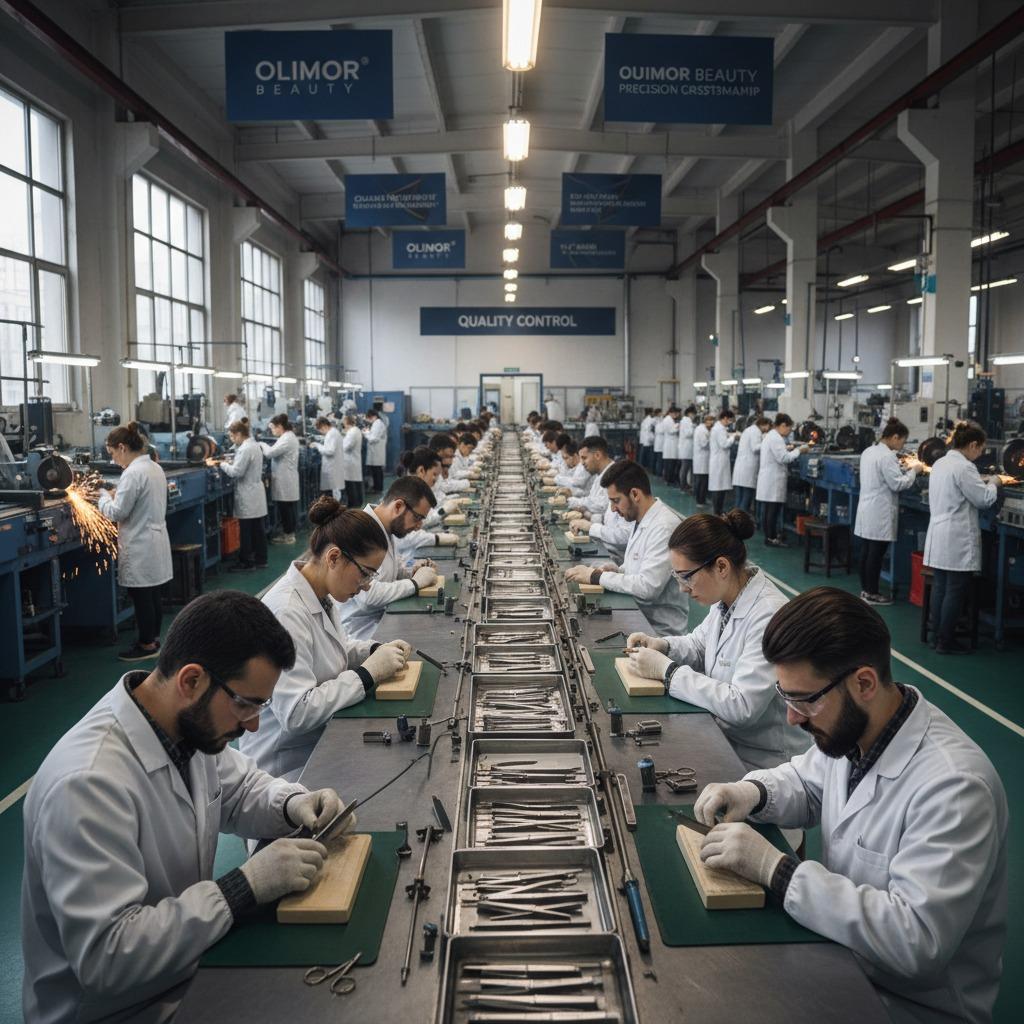
| Quality checks | What is checked from raw material inspection through final packaging? | Supports batch consistency and reduces downstream returns. |
| Commercial communication | Can the supplier clarify samples, MOQ, lead time factors and reorder process without pressure? | Helps buyers plan purchasing, launches and inventory more confidently. |
How Olimor Supports Custom Tweezers for Business Buyers
Olimor Beauty focuses on professional beauty tools for commercial buyers, including stainless steel tweezers designed for ergonomic handling, precision use and custom presentation. For B2B buyers, the value is in aligning the tool specification, finish, packaging and inspection expectations before moving into larger orders.
If you are comparing custom tweezers for salons, retailers, distributors or private label programs, prepare your intended use case, desired style, branding needs and packaging direction. Olimor can then discuss suitable options and help you evaluate the product against your channel requirements. To start a project conversation, send details through the custom tweezer inquiry form or contact the team through Olimor Beauty contact support.
FAQ: Custom Tweezers for Business Sourcing
Can business buyers request samples before placing a bulk order?
Yes. Samples are important because buyers need to check tip alignment, closing tension, grip comfort, finish, logo placement and packaging fit before approving a larger order. Sample availability and arrangements should be confirmed with Olimor based on the requested style and customization.
What affects MOQ for custom tweezers?
MOQ can depend on the tweezer style, finish, logo method, packaging type and order structure. Buyers should avoid assuming one fixed quantity for every project and should confirm requirements for the exact specification they need.
Can tweezers be customized with logo and packaging?
Custom branding may include logo placement, finish direction and packaging design, depending on the selected product and production option. The best approach is to confirm branding early and review a physical sample to make sure the logo and packaging support usability rather than interfere with it.
What quality checks should be requested before shipment?
Useful checks include tip alignment, closing tension, surface finish, grip area, rough edges, packaging security and consistency against the approved sample. Buyers should also confirm what inspection steps the supplier performs from raw material review through final packaging.
How should buyers plan lead time for private label tweezers?
Lead time can vary according to sample approval, customization complexity, packaging preparation, order quantity and inspection requirements. Buyers should discuss schedule factors with the supplier before confirming launch dates or retail commitments.