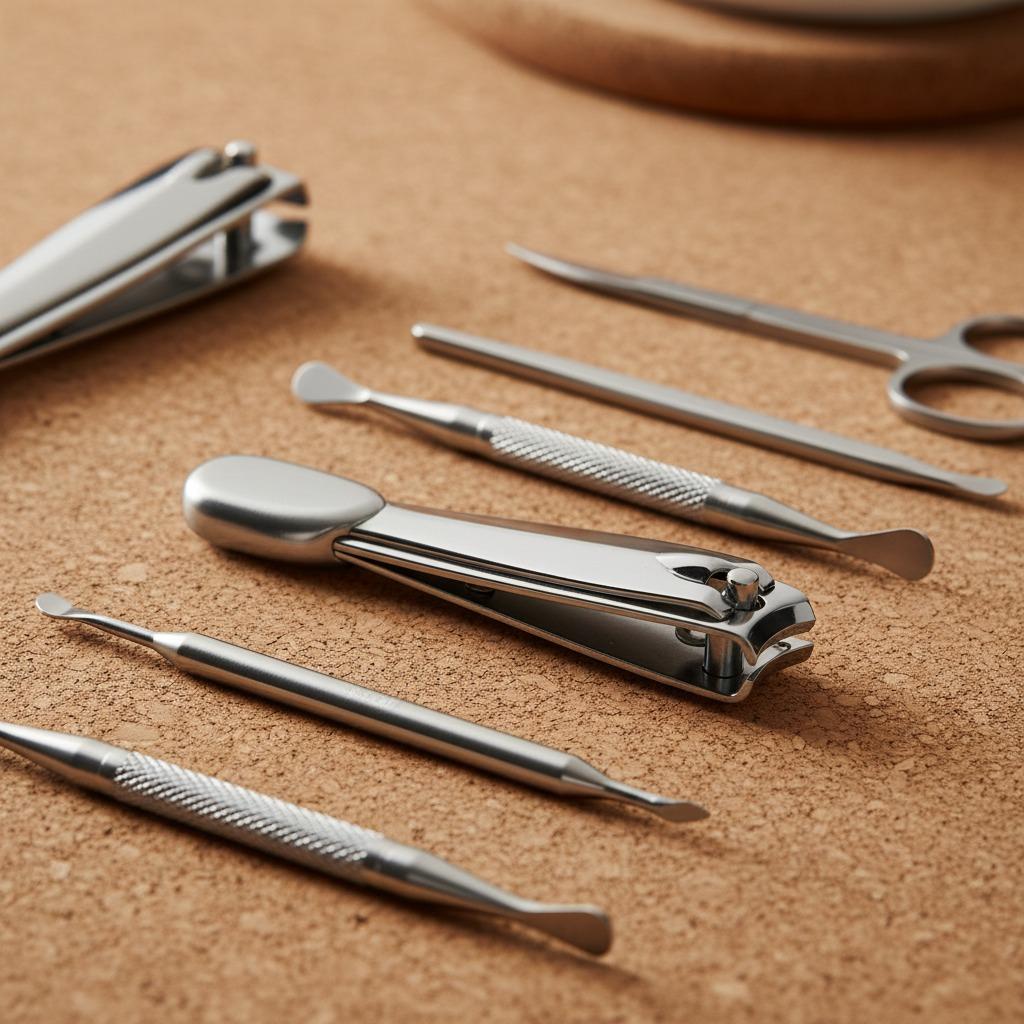
Custom tweezers for business are small products with a large commercial role. For distributors, beauty supply wholesalers, salon chains, private-label buyers and promotional product teams, tweezers can be practical retail items, kit components or branded accessories that customers use regularly. A good tweezer is not judged only by how it looks in packaging. It must grip consistently, align cleanly at the tips, feel comfortable in the hand and hold up through repeated use.
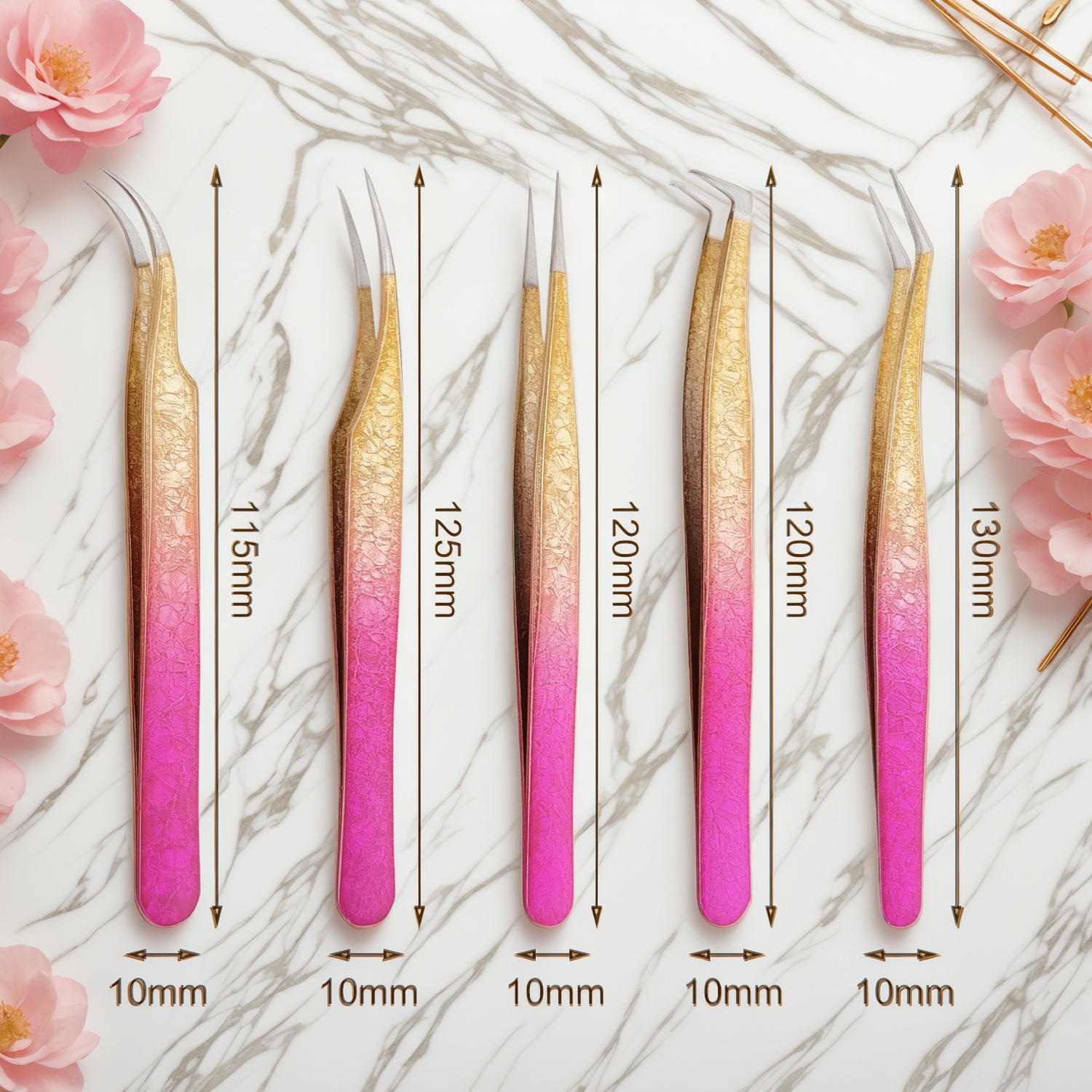
Olimor Beauty supplies beauty tools for business buyers who need dependable products for resale, salon supply or custom programs. The original product focus includes options such as the GlamourGrip Precision Tweezer Set and Dual-Toned Precision Tweezers, both pointing to the same buyer need: a tweezer that combines useful precision with an appearance suitable for modern beauty retail. This guide explains how to evaluate B2B tweezers, what affects bulk tweezers price, and how distributors can build a better product offer without relying on vague claims.
Why Custom Tweezers Make Sense for B2B Beauty Programs
Tweezers are easy to underestimate because they are compact and familiar. In business purchasing, however, that familiarity is an advantage. Consumers, salons and beauty professionals already understand what the tool is for, so the buying decision often comes down to quality, finish, packaging and trust in the supplier.
For B2B buyers, custom tweezers can serve several purposes. They can be sold as standalone beauty tools, included in brow grooming kits, supplied to salons for everyday use, used in subscription boxes, or offered as branded gifts by beauty retailers. Because tweezers are lightweight and simple to display, they also fit well into impulse-buy areas, counter displays and e-commerce bundles.
Customization adds another layer of value. A distributor may want a finish that matches a seasonal collection. A salon group may need a tool that supports its service identity. A retailer may prefer packaging that explains the tweezer type and use case clearly. The goal is not customization for decoration alone; it is to make the product easier to position, easier to sell and more consistent with the buyer’s customer base.
Key Selection Criteria for B2B Tweezers
When comparing tweezers for distributors or wholesale programs, start with performance. A polished finish and attractive color can help retail appeal, but weak grip or poor tip alignment will quickly damage repeat sales. The best buying process considers both user experience and commercial presentation.
- Tip alignment: The two tips should meet evenly without a visible gap. Misalignment reduces grip and makes detailed grooming more difficult.
- Grip performance: A tweezer should hold fine hairs or small items securely without requiring excessive hand pressure.
- Edge smoothness: Tips should feel precise but not rough. Sharp, unfinished edges can create an uncomfortable user experience.
- Hand comfort: Ergonomic grip areas or carefully shaped arms help users maintain control during repetitive tasks.
- Finish consistency: Dual-toned, gradient or polished designs should look uniform across the order, especially for retail display.
- Rust resistance and care: The original product information highlights rust-resistant materials and stainless steel construction as valuable features. Buyers should also plan simple care instructions for end users.
- Packaging suitability: Retail tweezers need packaging that protects tips, supports barcode or label placement and communicates the intended use clearly.
Different end users may need different tweezer styles. A salon may prioritize precision and comfort, while a mass-market distributor may focus on durability, visual appeal and packaging efficiency. For buyers building a broader assortment, it can be useful to review related beauty tool products to see how tweezers can fit into a larger grooming or cosmetic accessory line.
Understanding Bulk Tweezers Price and Real Value
Bulk tweezers price should never be evaluated as a number by itself. A low unit price can be attractive, but the real cost includes defect rates, packaging damage, inconsistent finishes, unclear specifications and products that do not match the buyer’s target market. For B2B programs, value comes from the relationship between price, reliability and saleability.
Several factors can influence the final cost of a custom tweezer order. Material choice, finish complexity, packaging format, order quantity, inspection requirements and customization details can all affect pricing. A simple unbranded tweezer in basic packaging will usually be evaluated differently from a custom-finished set with retail packaging and special labeling. The correct comparison is not simply “which is cheaper,” but “which option meets the channel requirements with the least avoidable risk.”
A distributor selling to salons may accept a higher unit cost if the tool has better grip, a more comfortable feel and fewer customer complaints. A promotional buyer may prioritize consistent color, clean logo placement and dependable packaging. A retailer may need product photography consistency and shelf-ready presentation. Each situation changes how bulk price should be judged.
Customization Options That Matter Commercially
Custom tweezers for business can include a range of appearance and packaging decisions. The original information mentions unique designs, finishes, gradient designs and ergonomic grips. Those choices can be useful, but they should connect to a clear sales purpose.
For example, a dual-toned finish can help the product stand out in online images or on a retail peg. A satin or polished look may support a more professional salon image. A grip texture or widened grip area can help communicate comfort and control. Packaging can do even more commercial work by explaining whether the tweezer is intended for brow shaping, general grooming or beauty-kit use.
Before confirming a custom order, buyers should prepare a short specification sheet. It does not need to be complicated, but it should describe the intended customer, product finish, logo or branding area, packaging type, color expectations, and any inspection points that are important to the sales channel. This helps reduce misunderstandings and makes it easier to compare options fairly.
Distributor Use Cases and Product Positioning
Tweezers for distributors can be positioned in several ways. The same core item may require different packaging, messaging or finish depending on the buyer’s customer type. A wholesale beauty supplier might sell tweezers as dependable salon essentials. An e-commerce retailer might create bundles with scissors, brow tools or cosmetic accessories. A beauty brand may use a custom tweezer as an add-on product that supports a brow or lash category.
| Business type | Likely priority | Useful buying focus |
|---|---|---|
| Beauty distributor | Repeatable stock and broad appeal | Consistent finish, reliable packaging, clear SKU planning |
| Salon supplier | Daily usability | Tip alignment, comfort, durability and simple care instructions |
| Retail brand | Brand presentation | Custom finish, logo placement, retail-ready packaging |
| Promotional buyer | Visual impact and gifting value | Color consistency, protective packaging and branding area |
| Kit assembler | Fit with other tools | Size, finish matching, packaging dimensions and safe tip protection |
Buyers who are expanding beyond a single item can also browse Olimor product collections to plan tweezers alongside complementary beauty tools. This is especially useful when creating coordinated retail sets or private-label grooming kits.
Quality Checks Before Approving a Bulk Order
A structured quality review helps protect margins and brand reputation. For tweezers, inspection should focus on the parts users notice immediately: the tips, finish, hand feel and packaging condition. These checks are practical for both distributors and brand buyers.
- Check tip closure: Open and close samples several times to confirm the tips meet evenly.
- Test grip on fine material: Use a fine hair-like fiber or thin paper edge to evaluate control and holding strength.
- Review surface finish: Look for scratches, uneven coating, discoloration or rough areas.
- Assess hand pressure: The tweezer should spring back properly and not feel too stiff or too loose.
- Inspect packaging: Confirm that the tips are protected and that labels, cards or boxes are clean and aligned.
- Compare samples to approved reference: Keep an approved sample or specification reference for future production comparisons.
These checks do not require exaggerated claims or complicated laboratory language. They create a shared standard between the buyer, sales team, warehouse and end customer. For repeated orders, keeping the same inspection notes also helps maintain consistency over time.
Care, Storage and End-User Instructions
Good after-sale guidance can reduce complaints and improve customer satisfaction. Even durable tweezers need basic care. End users should keep the tips clean, dry the tool after contact with moisture and store it with tip protection when possible. If the tweezer is included in a kit, the packaging should prevent the tips from bending during transport.
For salon or professional environments, buyers may also want to include clear cleaning and storage guidance that matches the customer’s local hygiene practices. Avoid vague promises; provide simple instructions that help the tool last longer. This is particularly important when selling tweezers with attractive finishes, because rough storage with other metal tools can scratch the surface.
How to Prepare a Better B2B Inquiry
A well-prepared inquiry saves time and leads to more useful recommendations. Instead of asking only for a bulk tweezers price, define the business goal first. Is the product for salon resale, e-commerce bundles, retail shelves, promotional gifting or a private-label beauty kit? The answer affects the recommended finish, packaging and inspection priorities.
When you are ready to discuss custom tweezers, include your target channel, approximate quantity range, preferred finish, packaging needs, branding requirements and any reference style you already like. If you are comparing tweezers with other beauty tools, note whether the product must match an existing set. You can send an inquiry with these details, or contact Olimor for guidance on choosing options that fit your sales plan.
Custom tweezers are most successful when they are treated as a precise retail and professional tool, not just a low-cost accessory. By reviewing tip quality, grip, finish, packaging and use case before ordering, B2B buyers can build a product that looks good, performs reliably and supports long-term customer trust.