










Custom tweezers can be a small product with a large impact on how customers judge a beauty brand. A tweezer that grips cleanly, aligns correctly, feels balanced in the hand, and keeps its finish after repeated use can support repeat purchases and positive reviews. A poorly made tweezer, however, is immediately noticeable: tips may not meet, the arms may feel weak, coating may scratch quickly, or the tool may pinch skin instead of hair.
For retailers, salons, beauty subscription businesses, gift set planners, and private label brands, sourcing custom tweezers for business is not only about finding the lowest unit cost. It is about matching product design, production control, packaging, branding, and delivery reliability to the expectations of your market. This guide explains how to evaluate suppliers, compare local sourcing with importing, and build a more dependable sourcing process for customized tweezers.

Start With the Use Case Before Choosing a Supplier
Before comparing factories or requesting quotations, define how the tweezers will be used and sold. A tool designed for an eyebrow kit may need a different tip shape, tension, and finish than a tweezer included in a travel grooming set or promotional beauty bundle. The clearer your product brief is, the easier it is to compare suppliers fairly.
Consider the target buyer. Are they everyday consumers looking for affordable grooming tools, professional brow artists who expect reliable precision, or gift buyers who care about presentation? Each audience values different details. Professional users may prioritize clean tip alignment and comfortable repeated handling. Retail customers may pay more attention to packaging, color, and perceived quality at first touch. Promotional buyers may need a balance between logo visibility, cost control, and consistent appearance across a larger order.
A practical sourcing brief should describe the intended sales channel, expected retail positioning, preferred tweezer style, finish direction, branding method, packaging preference, and any compliance or documentation requirements relevant to your market. You do not need to solve every specification at the start, but you should know what the product must achieve commercially.
Local Sourcing vs. Importing Tweezers
Local sourcing can be attractive because communication may feel easier, lead times can be shorter, and product development may involve fewer time zone or logistics challenges. For small trial runs, urgent replenishment, or premium handmade positioning, a local option may be worth exploring. The limitation is that local production can come with higher costs and fewer choices in surface treatments, packaging combinations, or scalable customization.
Importing tweezers from China gives businesses access to a broad manufacturing network and a mature beauty tool supply chain. This can support more options for finishes, packaging, private label presentation, and order scaling. However, importing also requires stronger process control. If a buyer chooses only by quoted price, the risk of inconsistent alignment, weak finishing, unclear packaging execution, or delayed shipment can increase.
The decision should not be framed simply as local versus overseas. The better question is which sourcing route gives your business the best balance of cost, consistency, communication, and product fit. For many beauty businesses, working with a specialized tweezers global supplier can provide a more structured path than trying to manage multiple unknown vendors directly.
What Makes a Specialized Tweezers Supplier Different
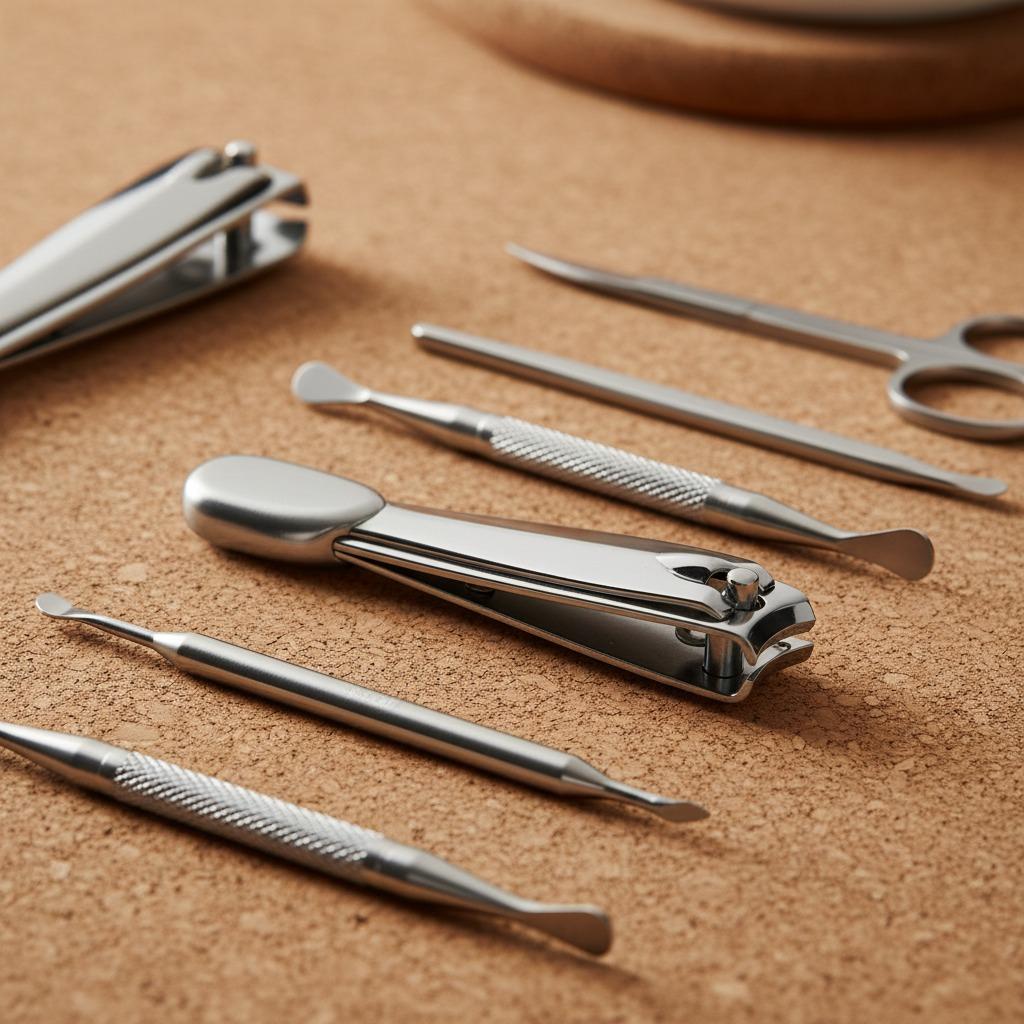
A specialized supplier understands the small details that determine whether a tweezer performs well. With tweezers, quality is not only visible in the finish. It is felt in the tension of the arms, the accuracy of the tip contact, the smoothness of the edges, and the repeatability from one unit to the next. These details matter because customers test tweezers immediately during real use.
Compared with a general sourcing agent, a beauty tool supplier focused on tweezers can help translate buyer goals into production decisions. For example, if a brand wants a sleek retail tweezer for eyebrow grooming, the supplier can help discuss tip style, grip feel, finish durability, logo placement, and packaging approach. If the product is intended for a kit, the supplier can consider how the tweezer fits visually and physically with other beauty tools.
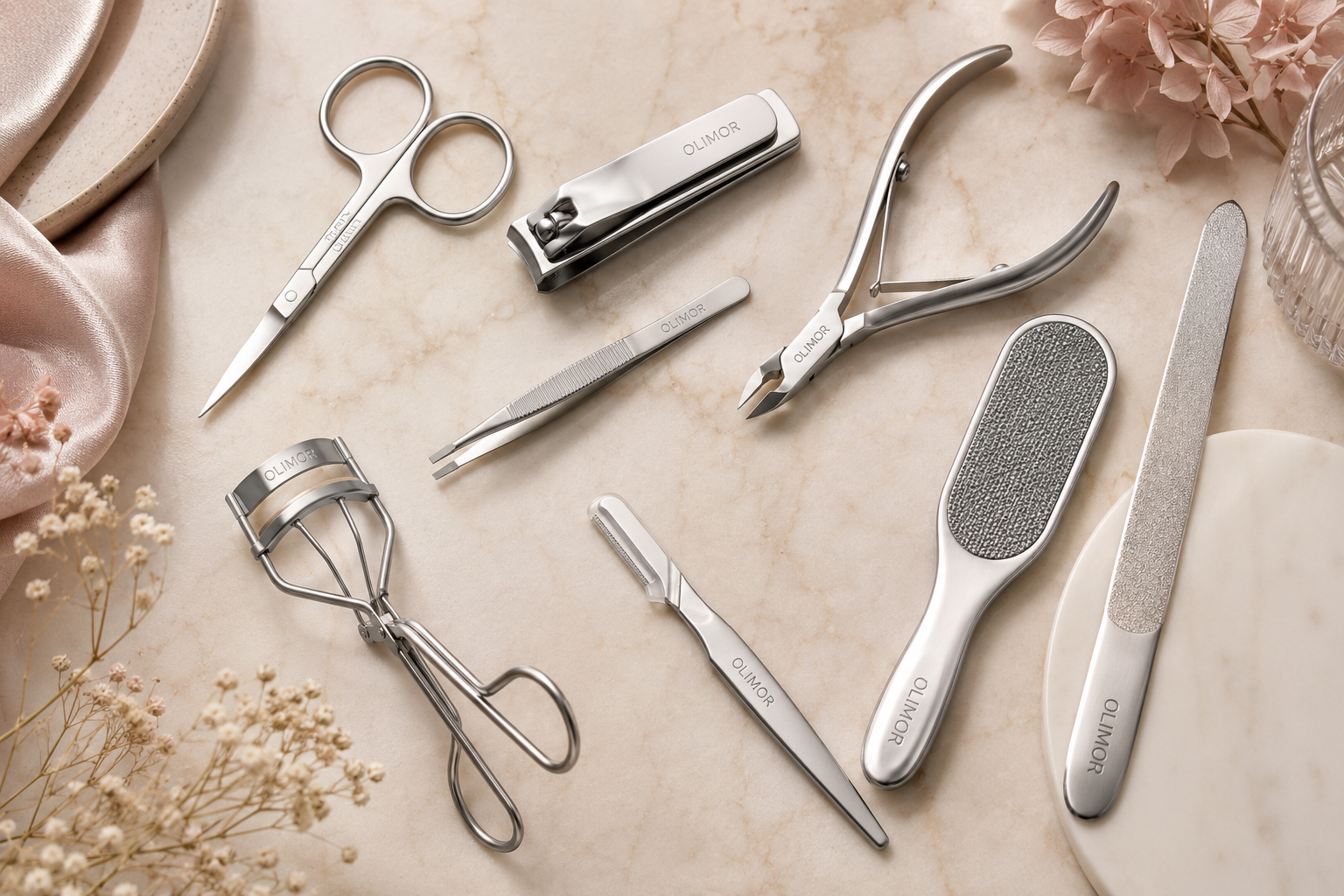
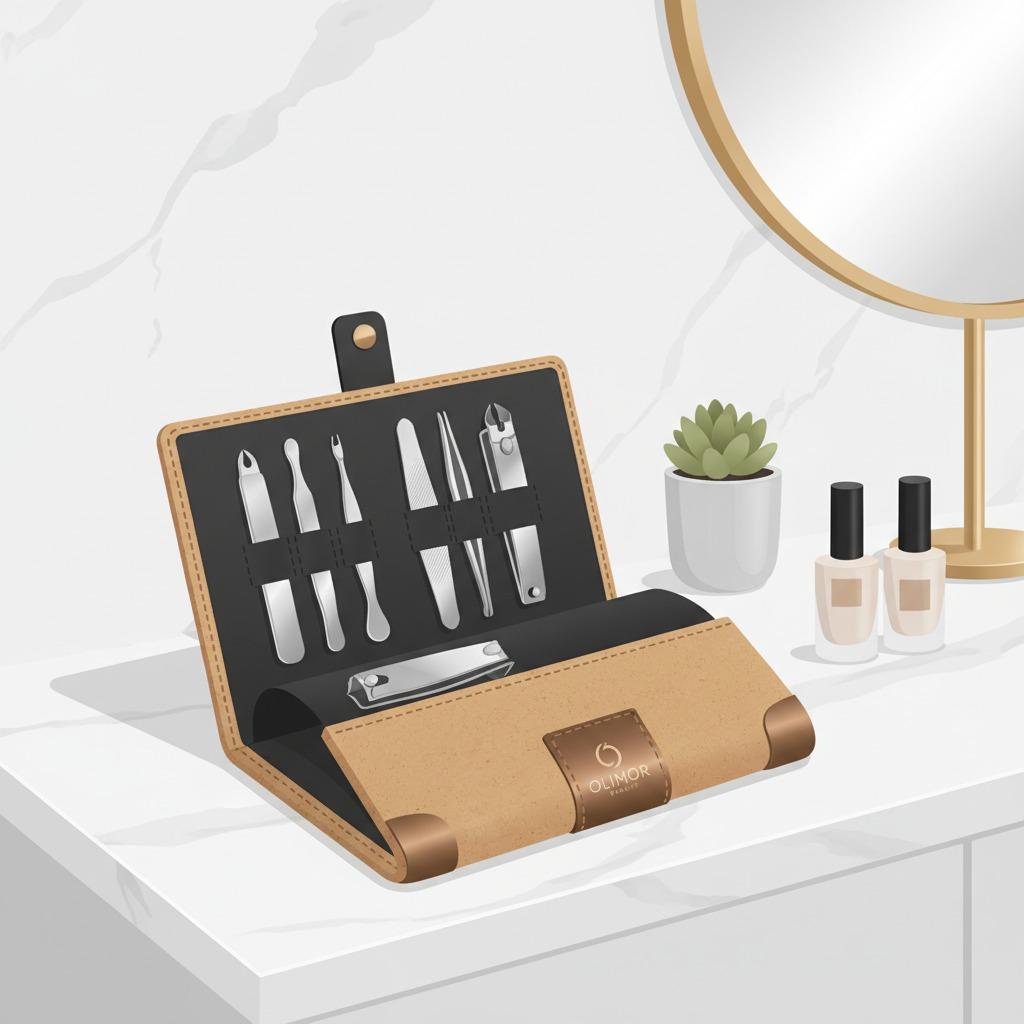
Olimor Beauty works with beauty tool buyers who need practical product sourcing support. Buyers can review broader beauty tool products to understand available product directions, or explore product collections when planning a coordinated assortment. The goal is to make the sourcing process more organized, not to treat tweezers as a generic metal accessory.
Customization Choices That Affect Cost and Quality
Customization can improve brand recognition, but every customization decision should be purposeful. A complex finish, oversized logo, or special package may look appealing in a concept document but add cost, production risk, or longer approval time. The strongest custom tweezer projects usually focus on a few details that customers will notice and value.
- Tip style: Slant, pointed, flat, or other tip styles should match the intended grooming task. Tip consistency is more important than novelty.
- Surface finish: Matte, polished, coated, or colored finishes influence both appearance and handling. Buyers should review actual samples when possible because digital colors can be misleading.
- Logo placement: A logo should remain readable without interfering with grip or visual balance. Placement also depends on finish and printing method.
- Packaging: Retail cards, pouches, boxes, or kit packaging should suit the sales channel and protect the tool during transport.
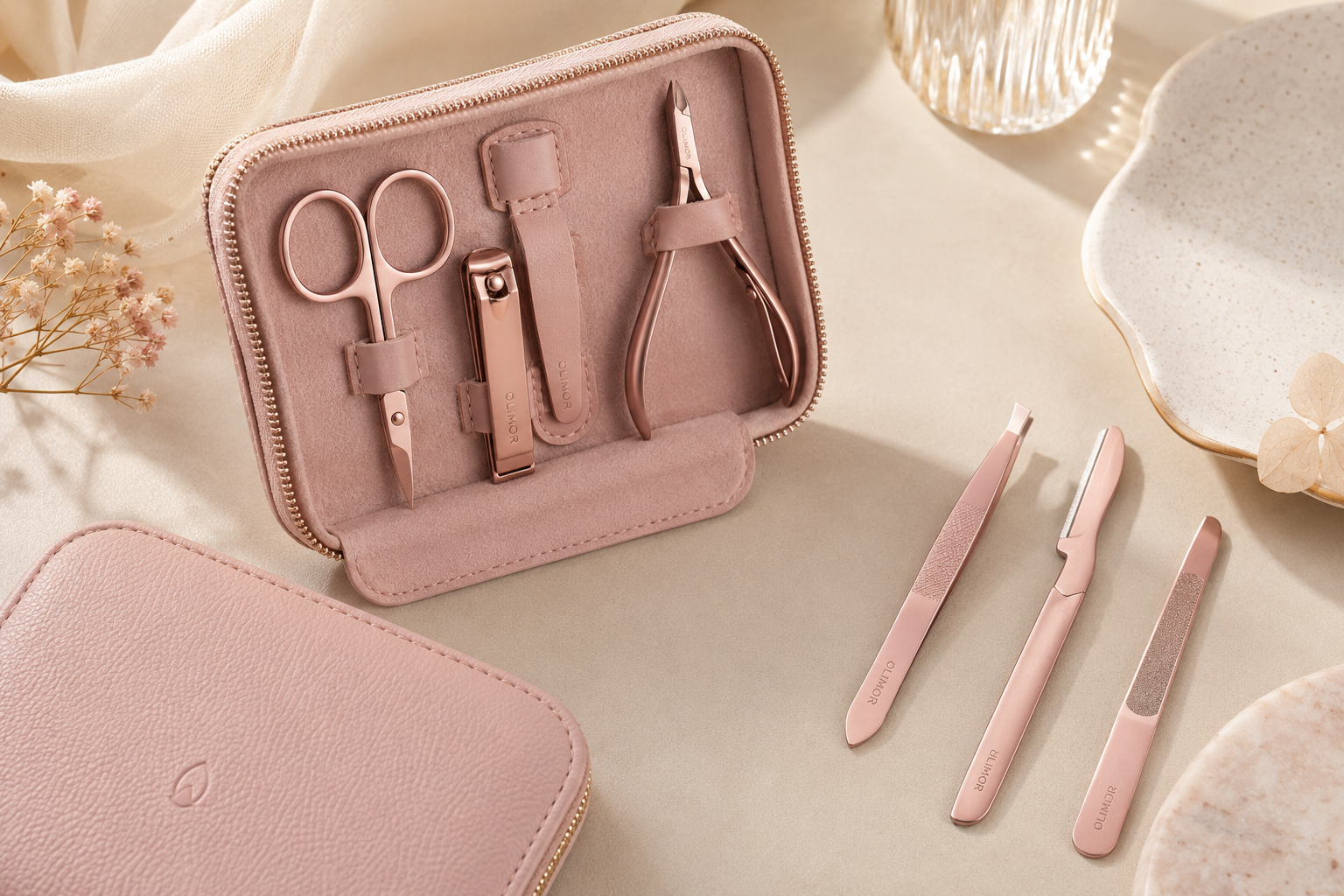
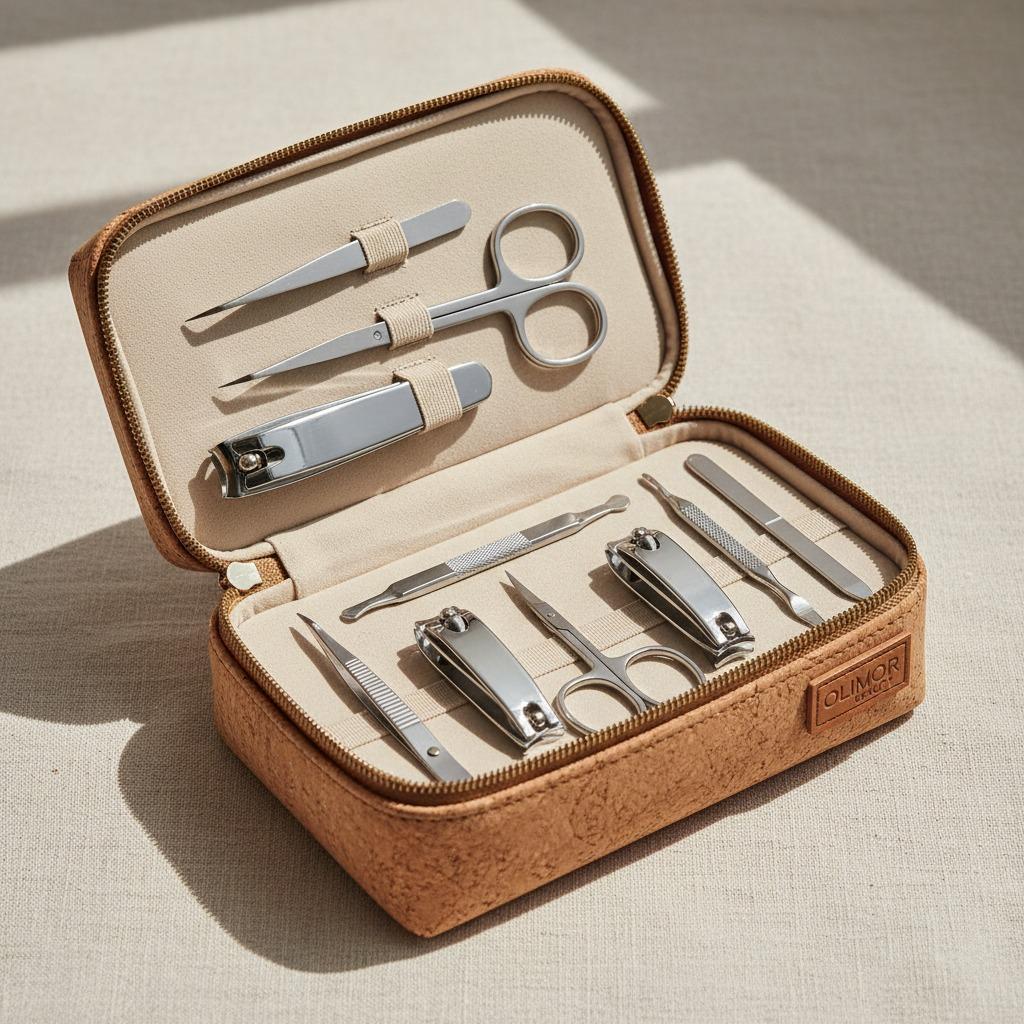
- Set coordination: If tweezers are sold with scissors, lash tools, or manicure items, the design language should feel consistent across the set.
When details are unknown, avoid locking in specifications too early. Use samples, reference products, or annotated images to clarify expectations. A short approval process with clear sign-offs can prevent misunderstandings after mass production begins.
Quality Checks Buyers Should Build Into the Process
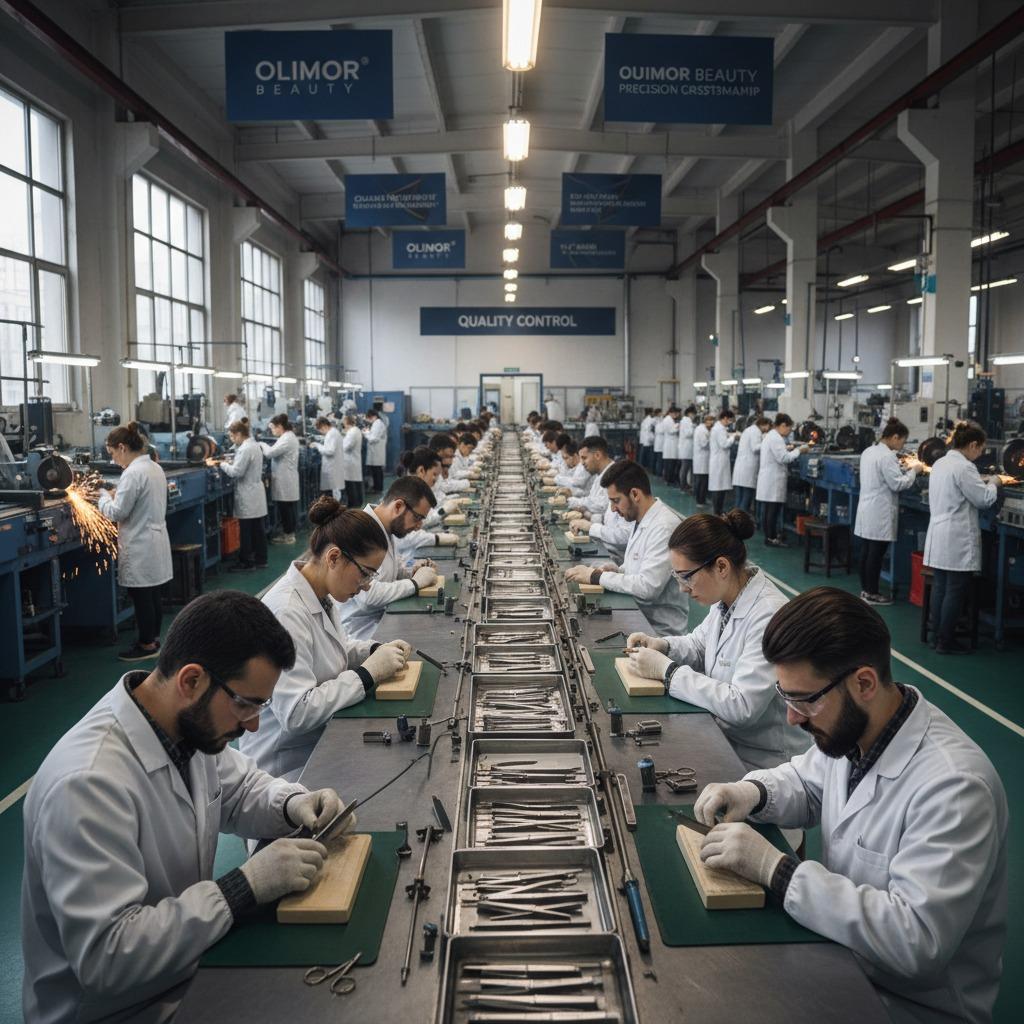
Quality control for custom tweezers should be planned before the order is placed. The most common mistake is waiting until finished goods arrive to decide what counts as acceptable. Buyers should define critical points in advance and make sure the supplier understands which issues are minor and which are unacceptable.
| Check Point | Why It Matters | What Buyers Can Review |
|---|---|---|
| Tip alignment | Misaligned tips reduce grip accuracy and can frustrate users. | Review sample tips from multiple angles and test on fine hair or comparable material. |
| Arm tension | Too stiff or too loose tension affects comfort and control. | Compare hand feel across several samples, not just one unit. |
| Edge finishing | Rough edges can feel uncomfortable or unsafe. | Run fingers carefully along non-tip edges and inspect finishing consistency. |
| Surface appearance | Scratches, uneven color, or coating flaws affect retail presentation. | Check finish under normal light and bright inspection light. |
| Logo and packaging | Branding errors are costly and visible to customers. | Approve artwork, placement, spelling, barcode needs, and packaging layout before production. |
A buyer does not need to become a manufacturing engineer, but should understand the product well enough to identify functional and cosmetic priorities. For private label tweezers, approval samples are especially important because they become the reference point for future orders.
Questions to Ask Before You Commit
Good supplier conversations are specific. Instead of asking only for the cheapest price, ask questions that reveal how the supplier manages product development and production consistency. This helps you avoid misunderstandings and compare offers beyond the first quotation.
- Which tweezer styles and customization options are suitable for the intended sales channel?
- What sample approval steps are recommended before bulk production?
- How should logo artwork and packaging files be prepared?
- Which finish options are realistic for the desired appearance and budget?
- How are cosmetic defects and functional defects usually categorized?
- What information is needed to quote packaging, labeling, and shipping preparation accurately?
- How should reorder consistency be managed if the product becomes a continuing item?
These questions encourage a practical discussion about quality, timing, and responsibility. They also help reveal whether a supplier understands beauty tools or is simply reselling generic products with minimal product knowledge.
Planning for Import, Packaging, and Reorders
If you import tweezers, think beyond production alone. Packaging dimensions, carton packing, labeling, destination requirements, and delivery timing can all affect the total cost and customer experience. A tweezer may be lightweight, but packaging choices can still influence freight efficiency and retail presentation.
Brands should also plan for reorderability. If a product sells well, customers may expect the same finish, grip, and packaging in the next batch. Keep approved samples, artwork files, color references, and packaging specifications organized. When changes are made, document them clearly so future orders do not rely on memory or informal chat history.
For new buyers, it can be useful to begin with a focused assortment rather than too many variations. A simple range with one or two strong tweezer styles may be easier to manage than a large mixed program with many finishes and package types. Once sales data shows which designs perform best, the assortment can expand more confidently.
Choosing a Long-Term Sourcing Partner
The best sourcing partner for custom tweezers is not always the one with the lowest initial quote. A dependable partner helps reduce the hidden costs of unclear samples, inconsistent production, packaging errors, and delayed decision-making. For beauty businesses, those hidden costs can be larger than a small difference in unit price.
Look for a supplier that communicates clearly, asks relevant product questions, provides practical customization guidance, and understands the difference between a promotional tool and a retail-ready beauty product. A strong supplier should help you make better sourcing decisions without overcomplicating the project.
If your business is planning custom tweezers for retail, salon use, gifting, or private label programs, Olimor Beauty can help organize the next sourcing conversation. You can contact Olimor with your product direction or send an inquiry with details such as target market, preferred tweezer style, finish ideas, packaging needs, and expected timeline. Clear information at the start leads to more accurate recommendations and a smoother path from concept to finished product.