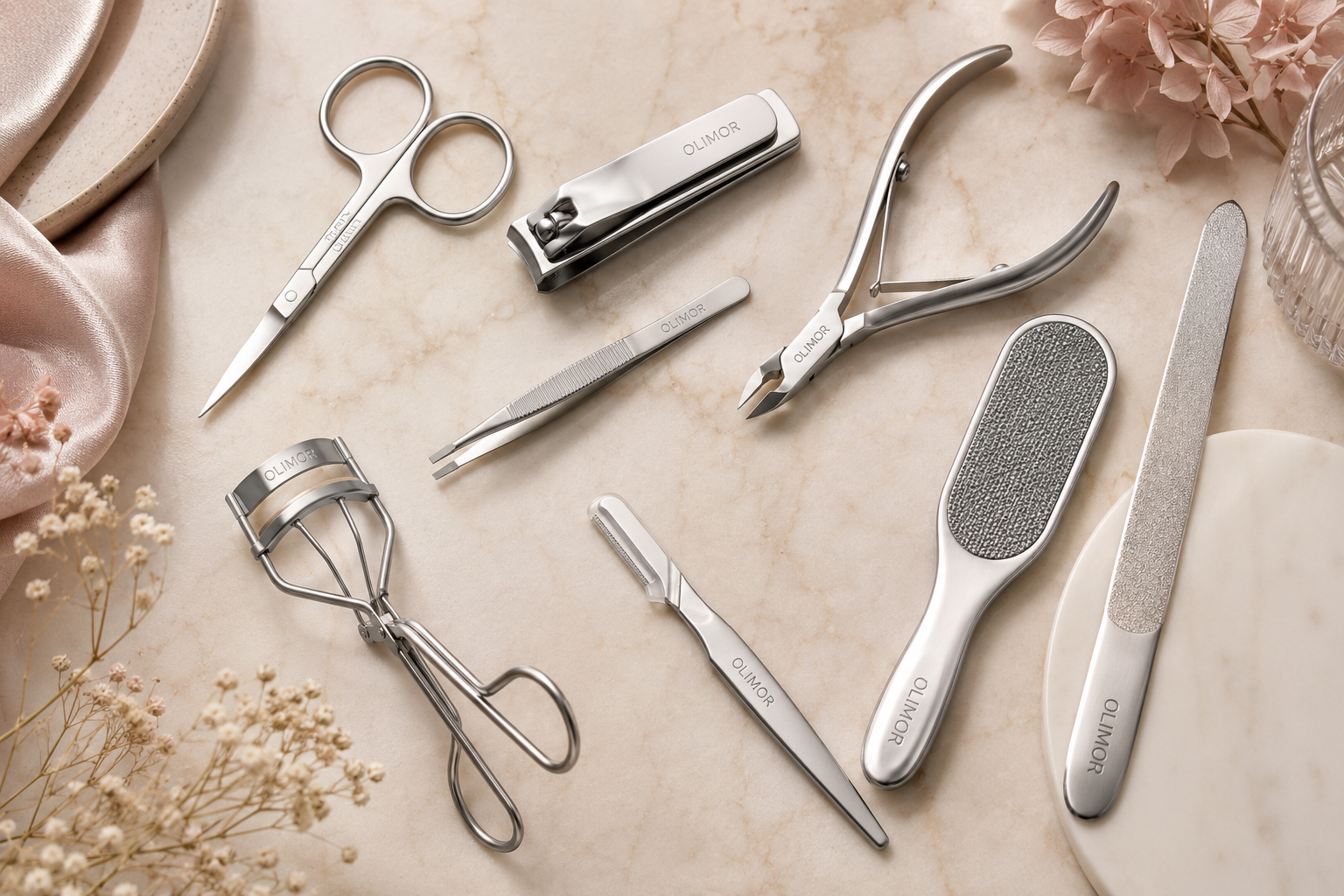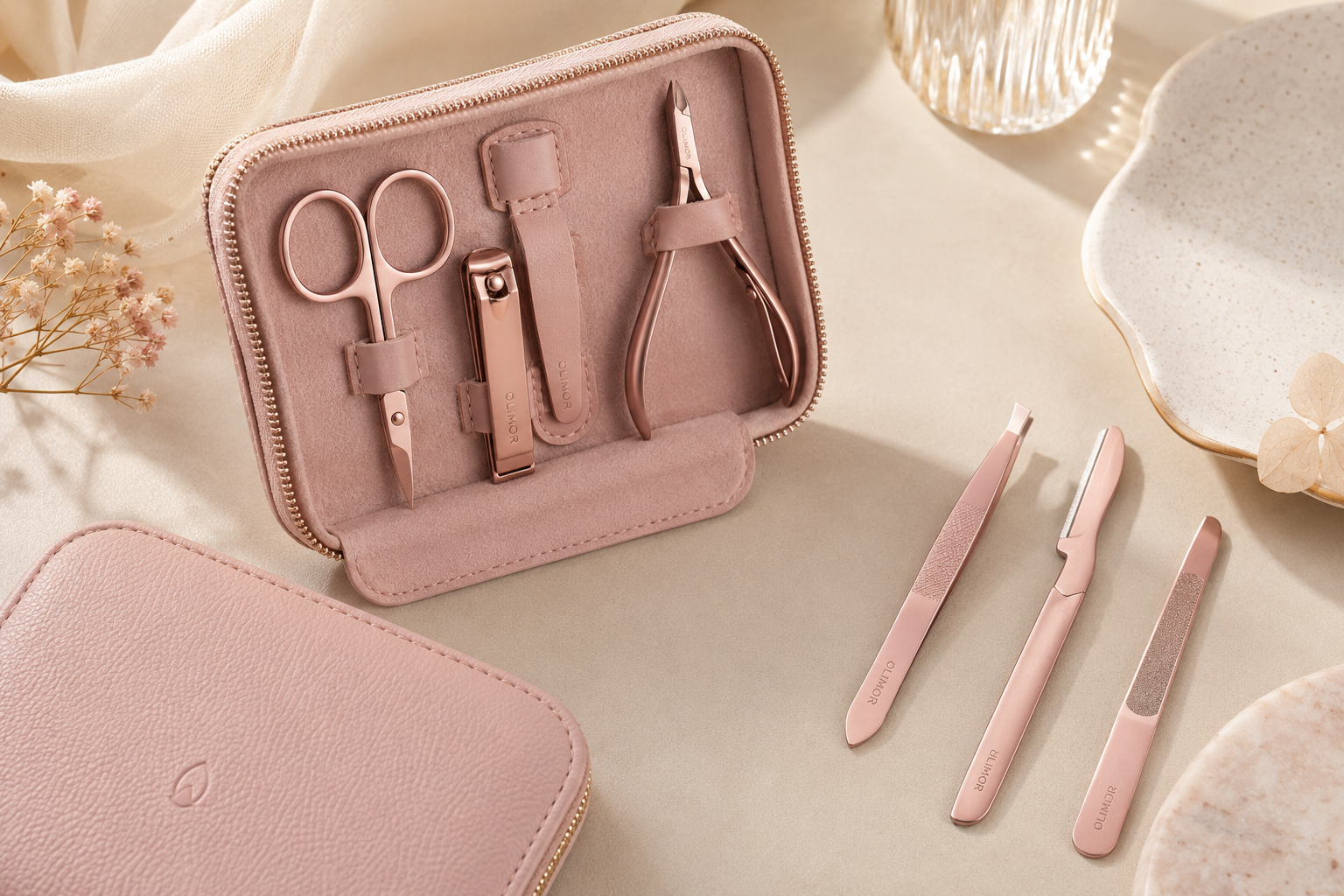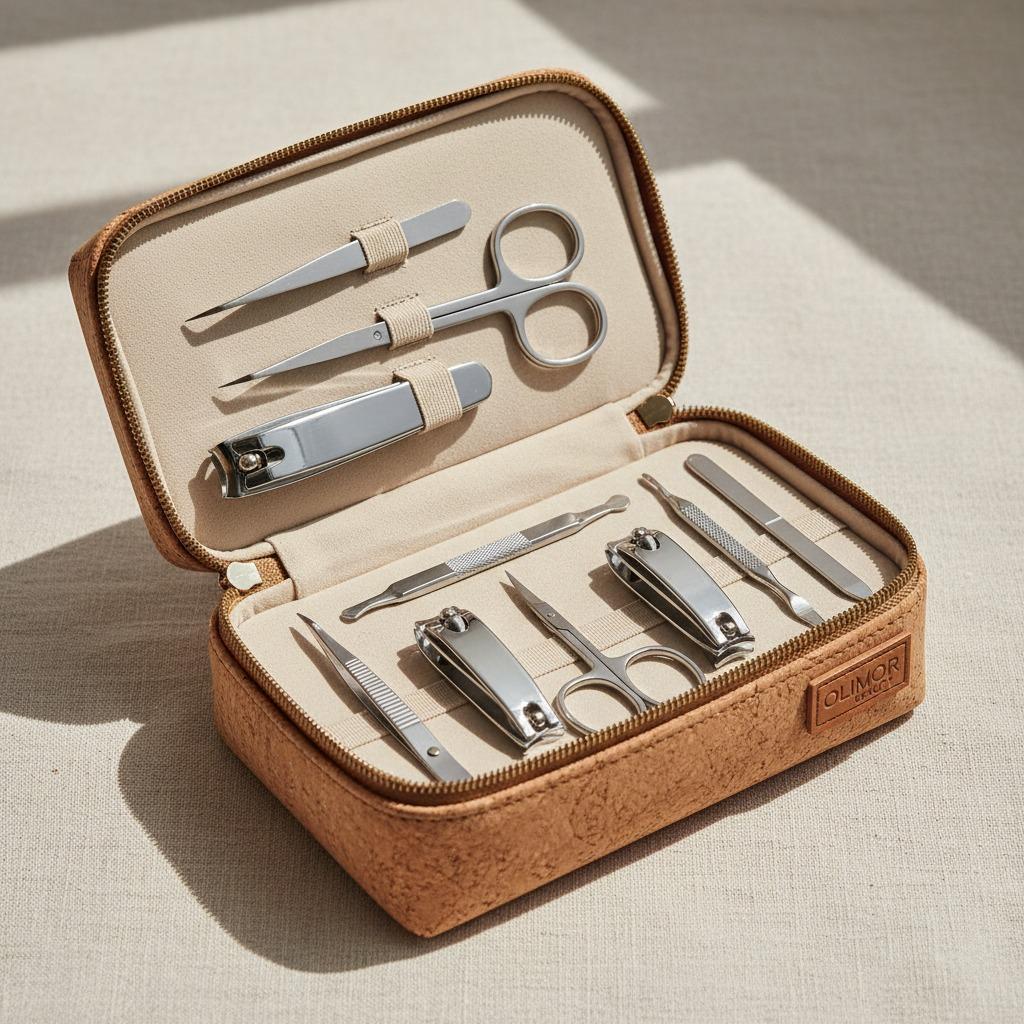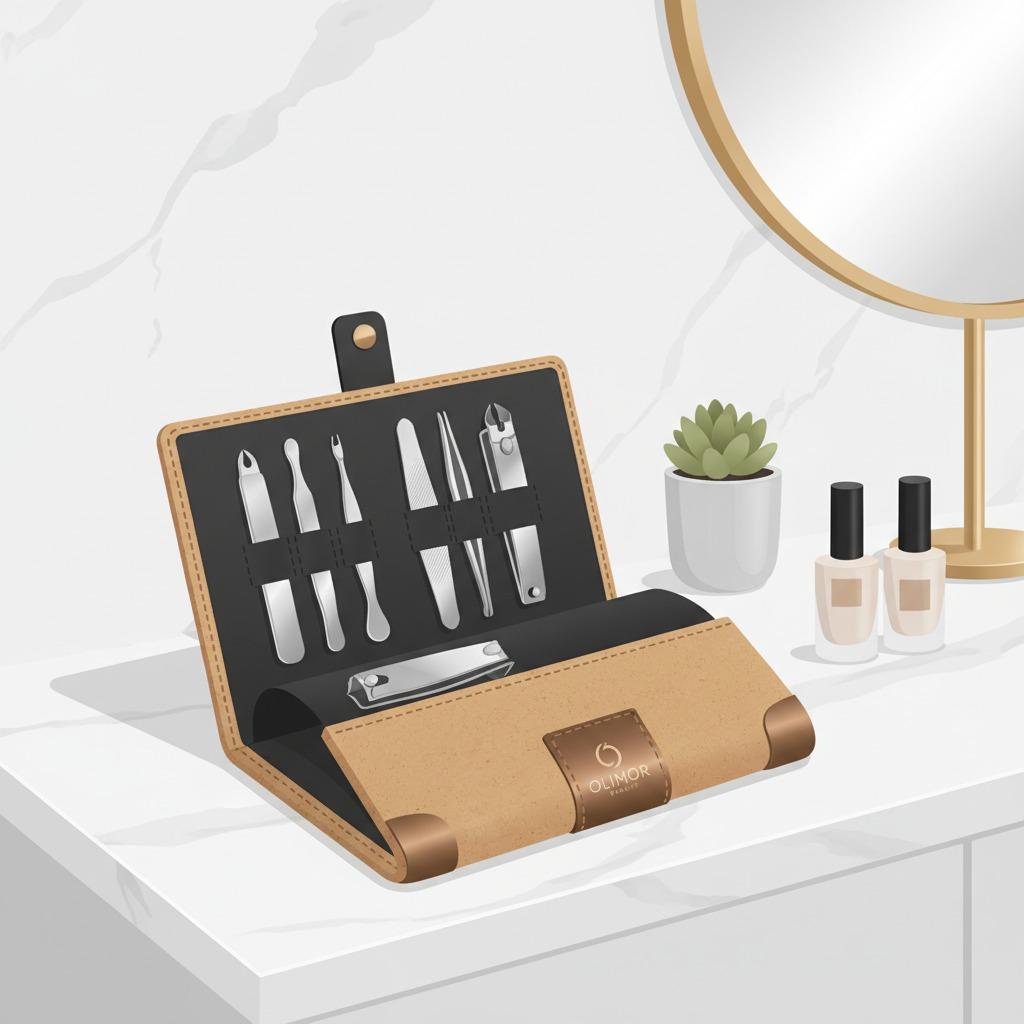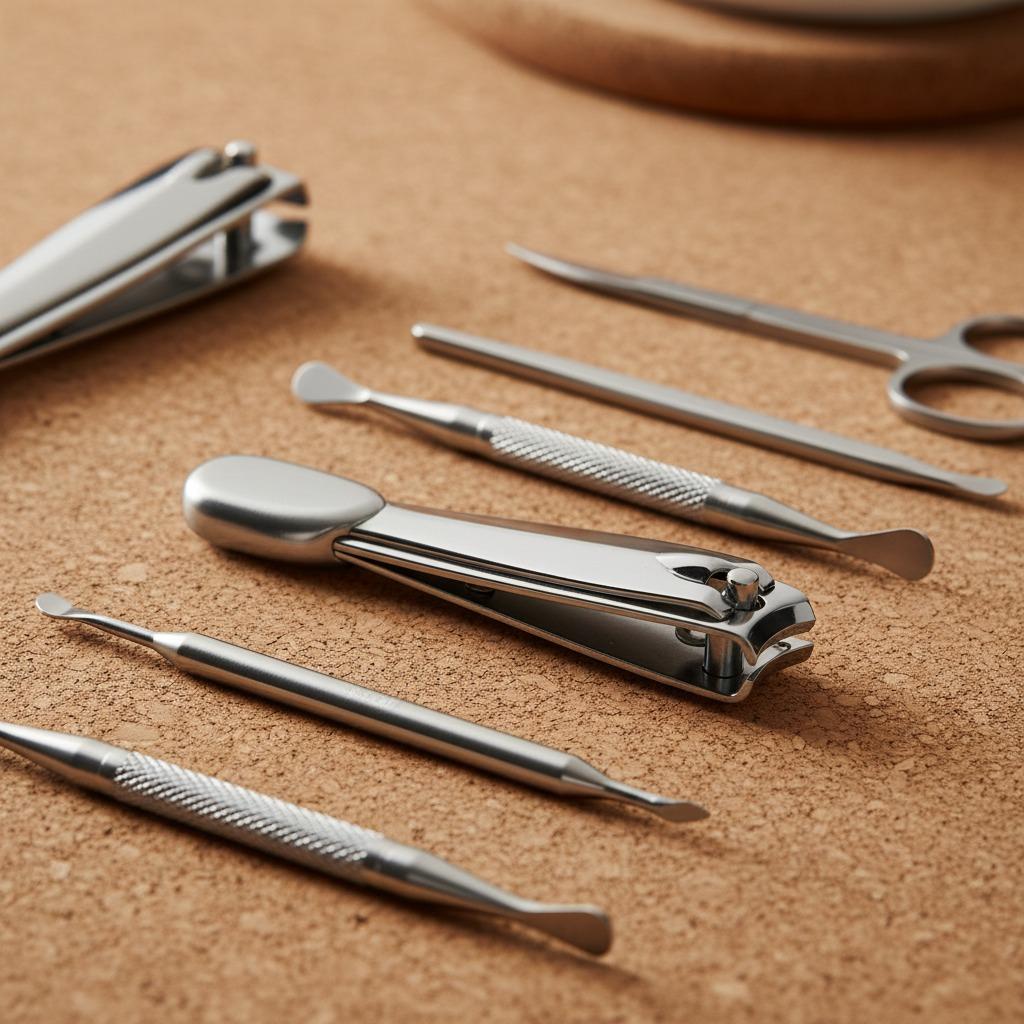
Custom tweezers are a small product with a large impact on a beauty brand’s reputation. A tweezer that feels balanced, grips cleanly and arrives in consistent packaging can support repeat purchases, retail confidence and professional use. A poorly made one can create returns, complaints and damage to brand trust. For businesses planning to add tweezers to a product line, the sourcing decision should not be based on unit price alone.
This guide is written for beauty brands, wholesalers, retailers, salons, e-commerce sellers and promotional buyers comparing local suppliers with global manufacturing options. It explains how to think about sourcing strategy, what makes importing from China attractive, what risks to manage in international trade, and how to evaluate a tweezers global supplier such as Olimor Beauty without relying on vague claims.
Why Custom Tweezers Need a Sourcing Strategy
Tweezers may look simple, but buyers should treat them as precision beauty tools. The user notices details immediately: whether the tips meet evenly, whether the grip is comfortable, whether the finish feels smooth, and whether the tool performs reliably after repeated use. For a business, those details translate into customer reviews, reorder potential and brand positioning.
A sourcing strategy helps define the product before price discussions begin. Businesses should clarify whether the tweezer is intended for eyebrow grooming, general beauty retail, professional salon use, travel sets, gift sets, promotional programs or private label collections. Each use case affects design and packaging decisions.
Useful early decisions include:
- Target customer: consumer, professional, retailer, distributor or promotional buyer.
- Brand position: entry-level, everyday retail, professional-focused or gift-ready.
- Customization level: logo only, color finish, packaging, shape preference or full private label presentation.
- Sales channel: online marketplace, independent retail, salon distribution, wholesale or brand website.
- Quality expectations: basic grooming tool, more refined ergonomic design or consistent bulk supply.
When these points are unclear, suppliers can only quote around assumptions. A clear sourcing brief makes comparisons more meaningful and reduces delays later.
Local vs. Global Sourcing: What Businesses Should Compare
Local sourcing can be attractive for businesses that prioritize convenience, shorter communication loops and potentially faster delivery. It may also be easier to inspect samples, resolve issues and coordinate small trial orders when a supplier is nearby. For companies launching a first small product run, these advantages can reduce friction.
Global sourcing, however, gives buyers access to broader manufacturing capacity, more customization choices and competitive pricing structures. Businesses seeking custom tweezers for larger retail programs, distributors or repeated private label orders often compare international options because the supplier base is wider.
| Sourcing factor | Local supplier considerations | Global supplier considerations |
|---|---|---|
| Communication | Often easier because of time zone and language alignment. | May require clearer written specifications and structured follow-up. |
| Customization | Options may be limited depending on local production capability. | Often broader, especially for color, packaging and volume production. |
| Cost structure | Convenience may come with higher production or handling costs. | Competitive production costs may be balanced by freight, duties and coordination. |
| Lead time | Can be faster for nearby stock or simple orders. | Depends on production schedule, shipping method and order complexity. |
| Quality control | Inspection may be easier to arrange locally. | Requires defined standards, approved samples and consistent supplier process. |
The best choice depends on order goals. Local sourcing is not automatically safer, and global sourcing is not automatically cheaper after all costs are included. The stronger approach is to compare total landed cost, quality consistency, customization ability and supplier responsiveness together.
The Appeal of Importing Tweezers from China
Many beauty businesses consider importing tweezers from China because Chinese manufacturers often combine production scale with a wide range of customization possibilities. For brands that need logo application, different finishes, private label packaging or repeatable bulk supply, this manufacturing ecosystem can be appealing.
Cost is one reason buyers look to China, but it should not be the only one. A low quoted unit price can become expensive if the product fails inspection, packaging is unsuitable for the sales channel, or the supplier cannot maintain consistency across multiple orders. The value of importing comes from matching production capability with a clear quality plan.
When comparing Chinese tweezer suppliers, focus on practical trade questions:
- Can the supplier produce the tweezer style required for your audience? Do not assume every supplier is equally strong in every shape, finish or packaging type.
- How is customization confirmed? Logo placement, color, packaging artwork and surface finish should be approved through samples or clear production references.
- How are quality expectations documented? Tip alignment, closing tension, surface appearance, packaging condition and quantity checks should be part of written approval criteria.
- What communication process is used? International trade works best when specifications, revisions and approvals are recorded clearly.
- How will shipping affect timing and cost? Freight method, customs clearance, duties and destination handling can influence the real cost of an imported order.
Importing can be an efficient route for business growth when the buyer treats it as a managed project rather than a simple purchase.
Quality Criteria for Business-Grade Custom Tweezers
For custom tweezers, quality is not just a final inspection issue. It begins with design, material selection, production control and packaging suitability. While every buyer’s requirements differ, the following criteria are useful when building a specification sheet or evaluating samples.
- Tip alignment: The tips should meet evenly and grip hair or small objects cleanly without excessive force.
- Closing tension: The tweezer should feel controlled, not too loose and not tiring to use.
- Edge comfort: Surfaces and edges should be smooth enough for safe handling and retail acceptance.
- Ergonomic feel: The body shape should suit the intended user, especially for professional or frequent-use products.
- Finish consistency: Color, polish or coating appearance should look uniform across the order.
- Logo clarity: Branding should be legible, correctly positioned and suitable for the product surface.
- Packaging protection: Packaging should protect the tips and present the product appropriately for the sales channel.
- Batch consistency: Repeat orders should match the approved sample as closely as practical.
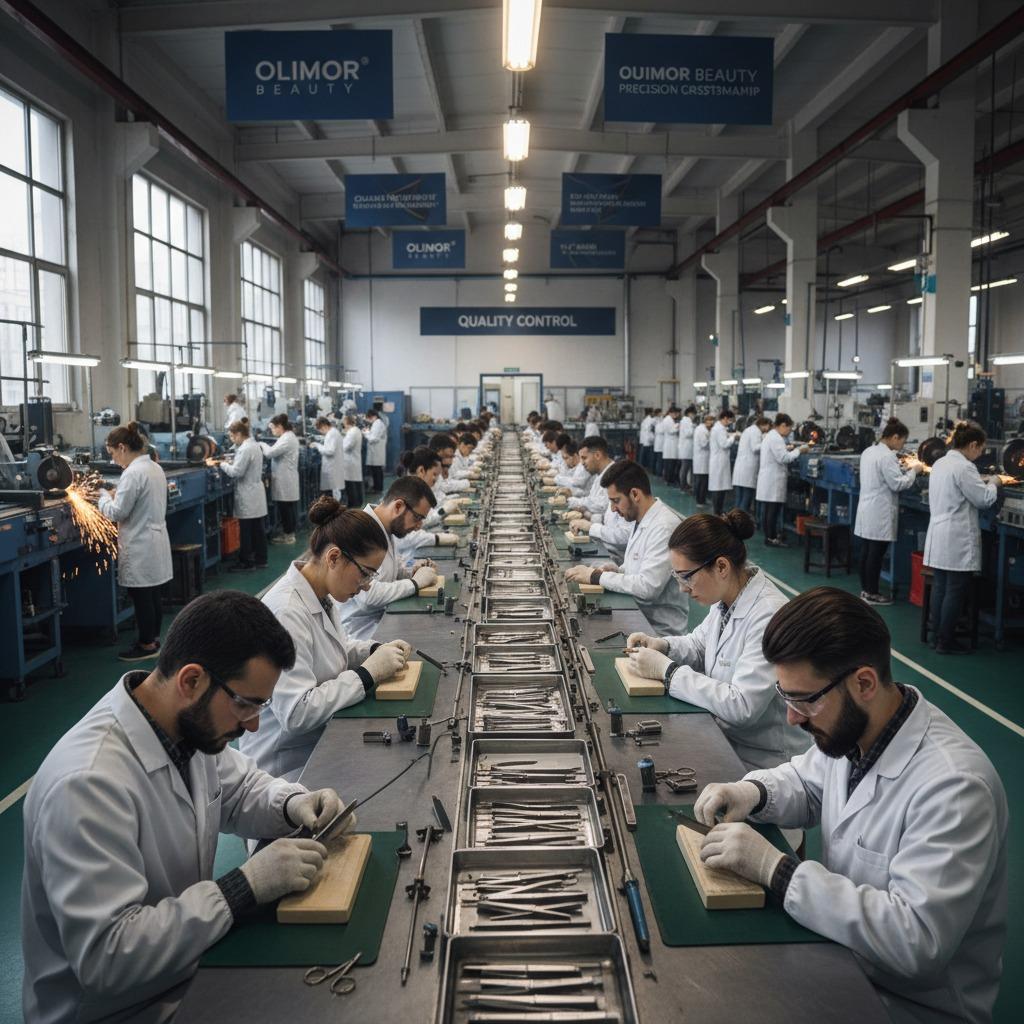
Olimor Beauty emphasizes stringent internal quality control and ergonomic design, two points that matter because tweezers are judged by hand feel and performance. Buyers comparing suppliers should look beyond catalog images and request a process that confirms the approved sample, production expectations and final presentation before committing to larger purchases.
Customization Decisions That Affect Cost and Brand Fit
Customization can make a tweezer feel aligned with a brand, but every added feature should serve a commercial purpose. A minimalist logo on a reliable tool may be better for a professional audience, while retail programs may need packaging that communicates product use, care and brand identity clearly.
Common customization decisions include logo method, product color, surface finish, tweezer shape, tip style, packaging structure and set configuration. The right combination depends on the customer and sales channel. For example, a salon distributor may prioritize tool performance and durability of branding, while an online beauty brand may place more emphasis on product photography, packaging consistency and customer unboxing experience.
Before confirming a custom project, prepare the following:
- Vector logo files and approved brand colors.
- Target sales channel and packaging language requirements.
- Reference images for the desired product appearance.
- Any retailer packaging or barcode requirements.
- Expected order timing and shipping destination.
- Quality priorities such as tip grip, finish, comfort or packaging protection.
Businesses exploring options can review Olimor’s broader beauty tool products to understand category possibilities, then compare suitable items with the intended price point and customer profile. If the product will sit within a wider launch, browsing product collections can also help buyers think about consistency across tools and packaging.
How to Evaluate a Tweezers Global Supplier
A reliable global supplier is not only a factory that can produce a sample. The supplier should be able to communicate clearly, understand business use cases, manage customization details and support consistency across production. In international tweezers trade, these capabilities are as important as the first quotation.
When reviewing supplier options, use a structured evaluation instead of relying on general promises. Consider responsiveness, willingness to clarify specifications, understanding of packaging needs, sample quality, ability to explain production steps and approach to quality control. A trustworthy supplier should help turn a buyer’s idea into a practical product plan while identifying details that may affect cost, lead time or consistency.
Important questions include:
- What product styles and customization methods are suitable for the intended order?
- How will the approved sample be used as the production reference?
- What visual and functional checks are practical before shipment?
- How will packaging artwork, color and labeling be confirmed?
- What information is needed to estimate shipping and delivery planning?
- How are changes handled after sampling but before production?
For buyers who already have artwork, target quantity and a preferred tweezer style, the next step is to send an inquiry with a concise brief. If the project is still early and needs discussion, it may be more useful to contact Olimor and clarify product direction first.
Planning International Trade Without Avoidable Surprises
International sourcing works best when the commercial, technical and logistics details are organized from the beginning. Beauty brands sometimes focus heavily on product appearance while leaving freight, customs, packaging dimensions and inspection expectations until late in the process. That can create delays or unexpected cost changes.
A practical timeline should allow time for specification confirmation, sample review, artwork approval, production, inspection, packing and shipping. Buyers should also consider destination requirements such as labeling language, retail packaging rules or marketplace compliance needs. These requirements vary by market, so they should be checked before packaging is printed.
Documentation is also important. Keep written records of approved samples, product descriptions, packaging artwork, order quantities, agreed inspection points and shipping instructions. Clear documentation protects both the buyer and supplier by reducing misunderstandings.
Building a Better Custom Tweezer Program
Custom tweezers can be a profitable and brand-building product when sourced with discipline. The strongest programs start with a clear understanding of the target customer, then match design, customization, packaging and supplier capability to that purpose. Local suppliers may offer convenience, while global suppliers can provide broader production options and competitive manufacturing opportunities. Importing from China can be especially attractive for businesses that need customization and scale, provided that quality control and communication are handled carefully.
For business buyers, the goal is not simply to find the lowest price. It is to create a tweezer that performs reliably, represents the brand well and can be reordered with confidence. By comparing sourcing routes, defining quality criteria and working with a supplier focused on internal quality control and ergonomic design, brands can make custom tweezers a dependable part of their beauty tool offering.