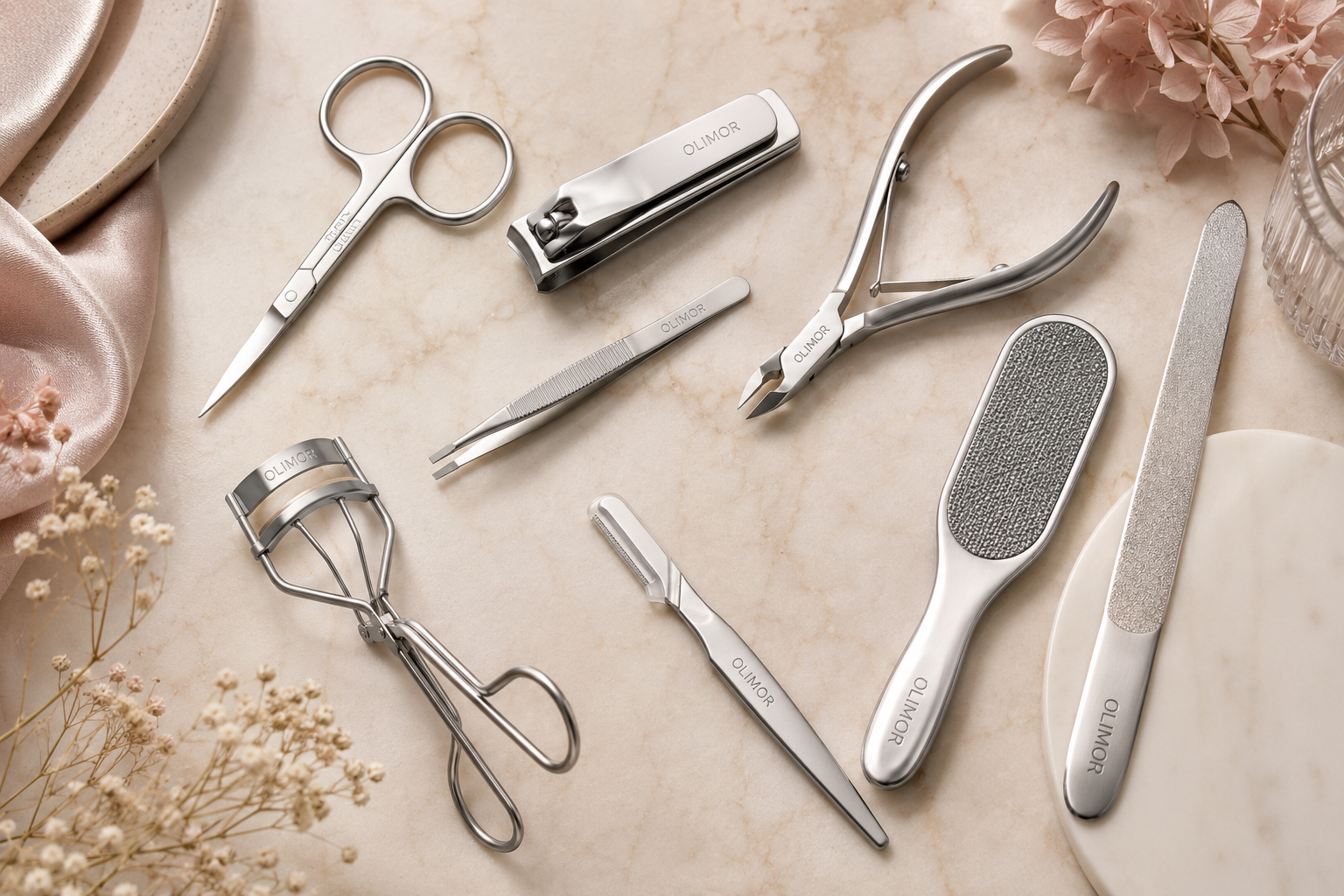
Choosing a custom beauty tools manufacturer is not only a purchasing decision. For salons, distributors, nail studios, and private-label beauty businesses, the tools you source affect service consistency, client comfort, hygiene workflow, retail presentation, and long-term brand trust. A manicure tool may look simple, but small differences in edge finishing, grip shape, surface smoothness, packaging, and inspection standards can decide whether it performs well in daily salon use.
The beauty tools supplier China market offers many sourcing possibilities, from standard wholesale manicure tools to customized sets for salons and retail programs. The opportunity is broad, but buyers need a structured way to compare suppliers. Instead of focusing only on appearance or unit cost, it is better to evaluate how each tool supports precision, durability, aesthetics, ergonomic handling, and the ethical expectations of modern customers.
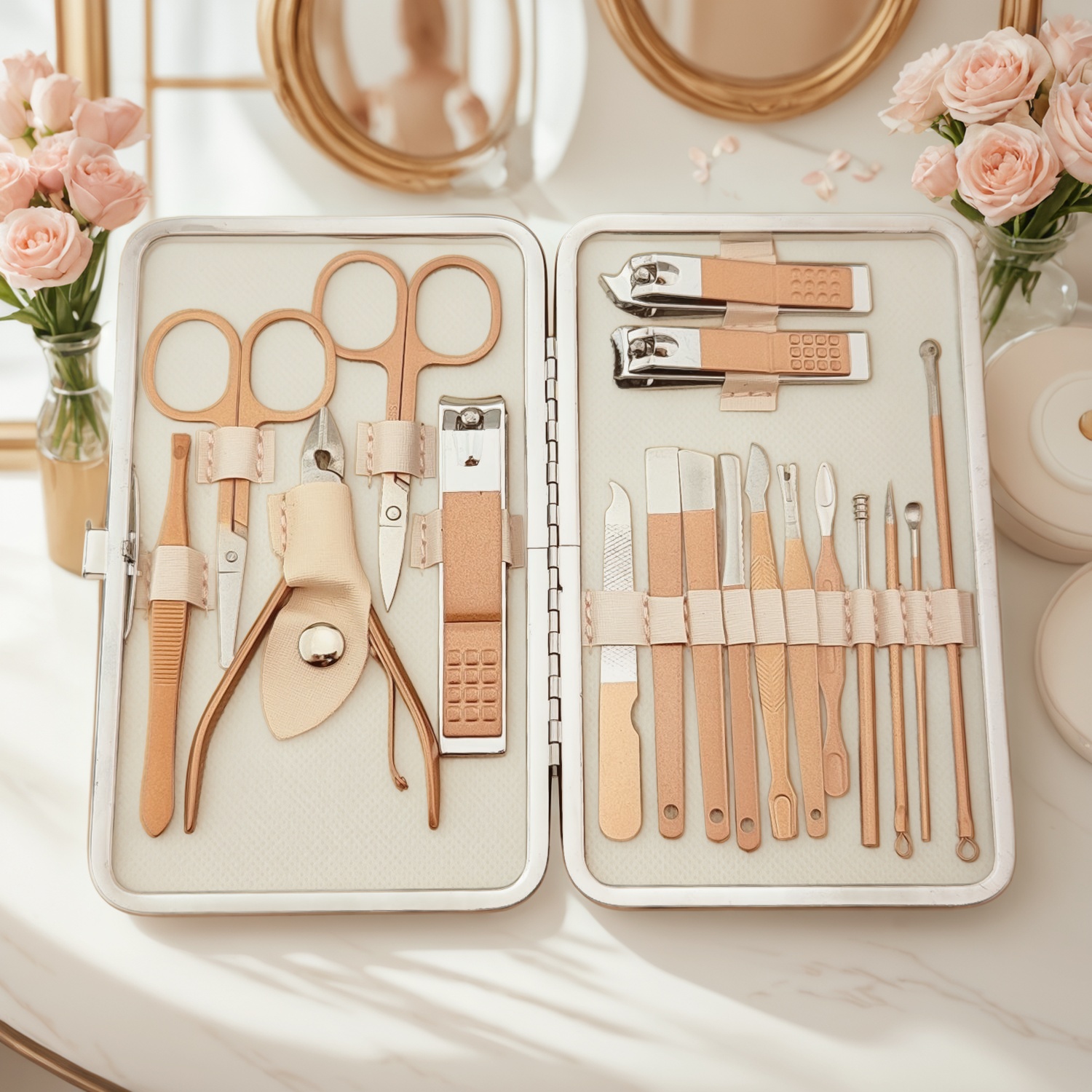
What “Custom” Should Mean for Salon Beauty Tools
Customization should go beyond putting a logo on a pouch. For a salon or wholesale buyer, custom beauty tools should be planned around the user, the service environment, and the final sales channel. A professional nail technician may use the same tool repeatedly throughout the day, so comfort and balance matter. A retail customer may judge the set first by presentation, then by whether the tools feel safe and precise at home.
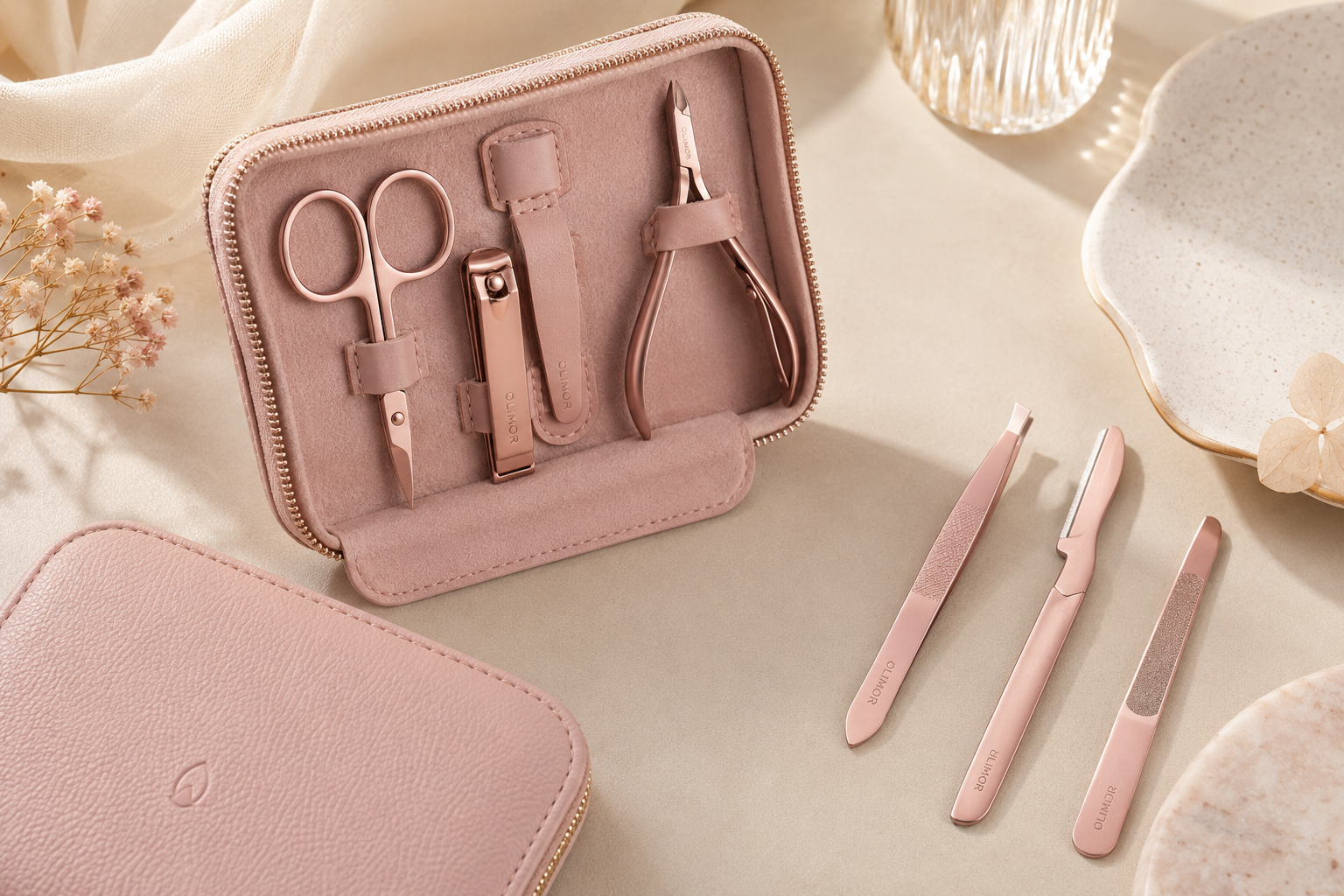
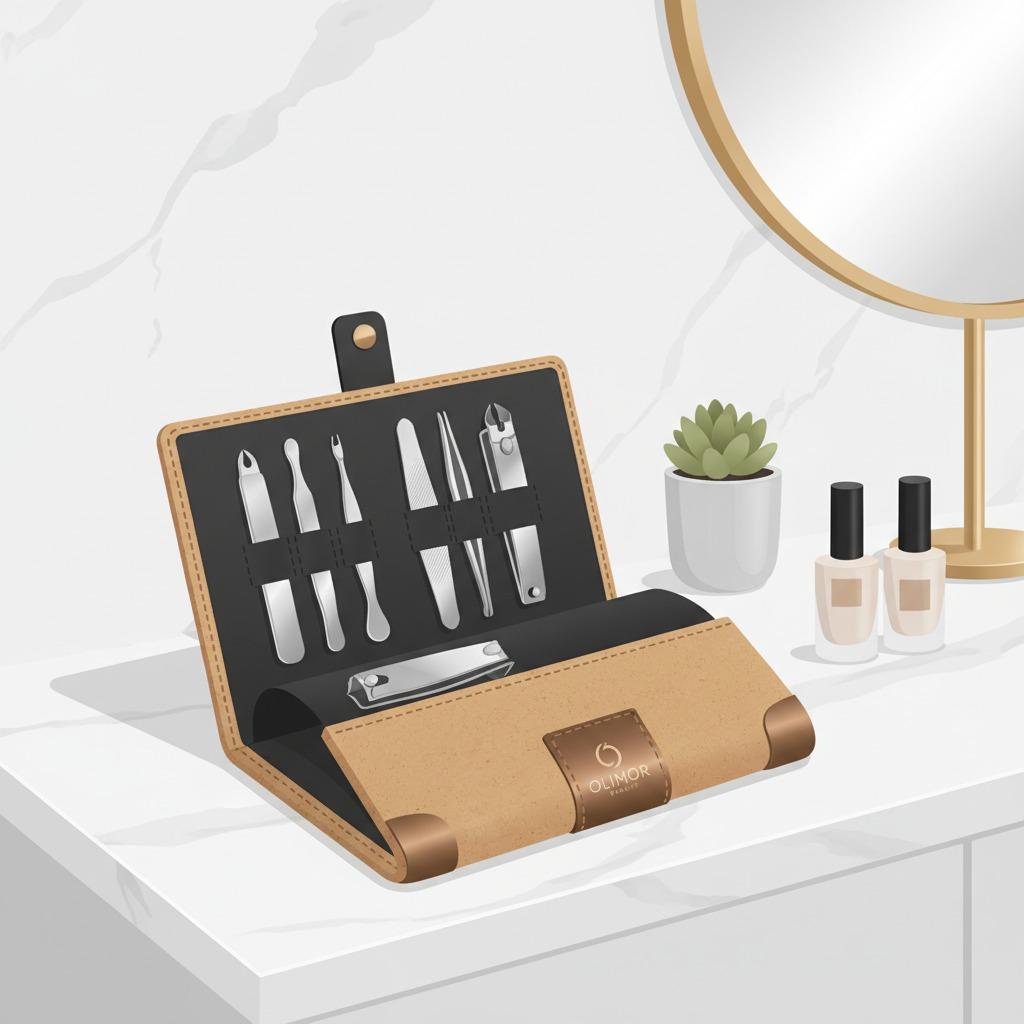
Common customization decisions include handle texture, tool finish, set composition, color direction, retail packaging, instruction inserts, and brand placement. For manicure tools, the right combination depends on whether the set is intended for professional treatment rooms, travel retail, gift packaging, e-commerce, or salon resale. A compact consumer set may prioritize protective storage and simple instructions, while a salon-use set may prioritize easy identification, cleaning workflow, and durable construction.
Before requesting samples, define the role of the product. Is it a core salon tool for daily use, a branded retail add-on, a seasonal gift set, or a wholesale line for distributors? Clear positioning helps prevent over-customization and keeps the finished tool aligned with real customer needs.
Key Quality Criteria When Comparing Manufacturers
Beauty tools are often judged by appearance first, but performance details are more important. A polished surface may look attractive in product photos, yet the tool must also feel balanced, operate smoothly, and withstand repeated handling. When comparing manufacturers, use objective checks wherever possible.
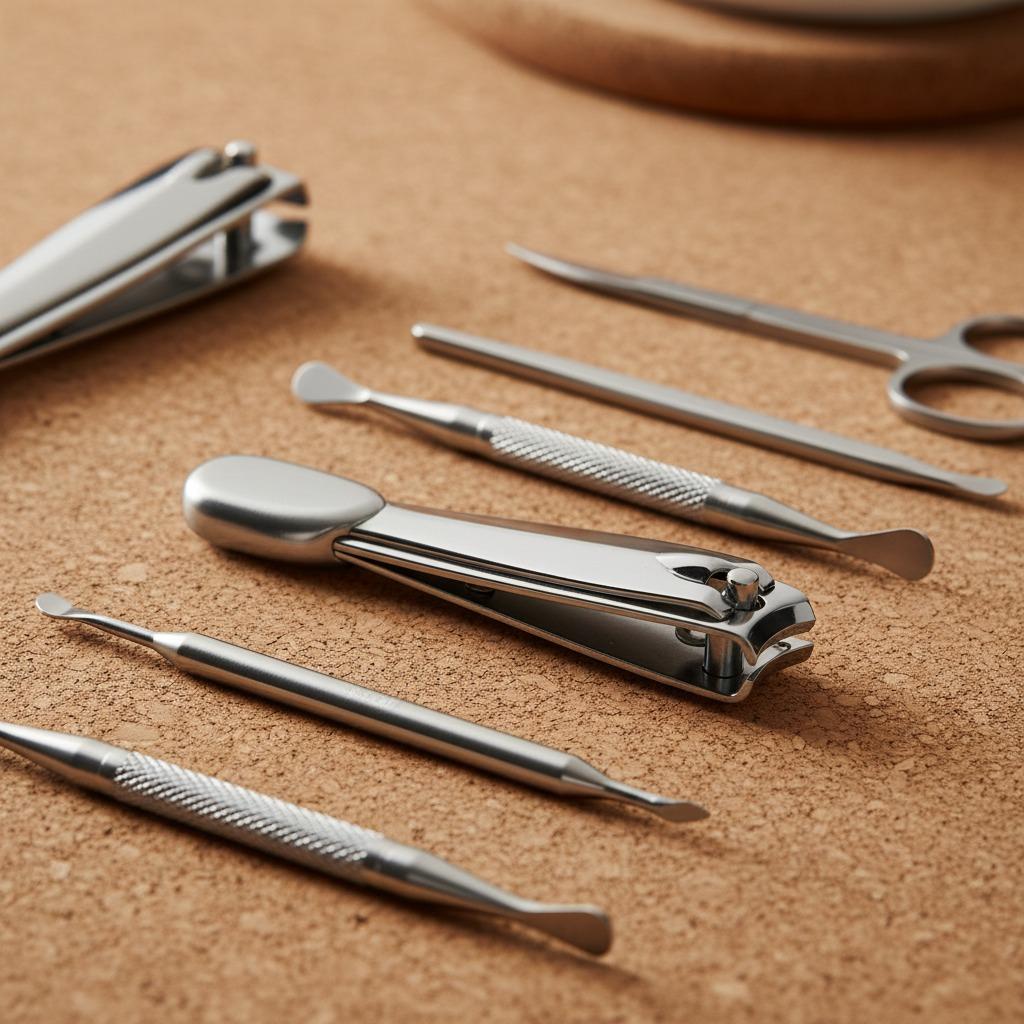
- Precision: Edges, tips, and contact points should be consistent and appropriate for the tool’s intended use. Rough or uneven finishing can create discomfort and reduce confidence during salon services.
- Durability: Tools should resist bending, loosening, surface damage, and premature wear under normal use. Packaging should also protect the product during shipping and storage.
- Ergonomics: Handles should be comfortable for different hand sizes. Slippery finishes, sharp corners, or awkward weight distribution can cause fatigue during repeated services.
- Aesthetics: Color, finish, and packaging should match the salon or retail brand without making the tool difficult to clean or handle.
- Consistency: Samples should be compared against later production expectations. Consistent finishing across a full set is especially important for wholesale and branded programs.
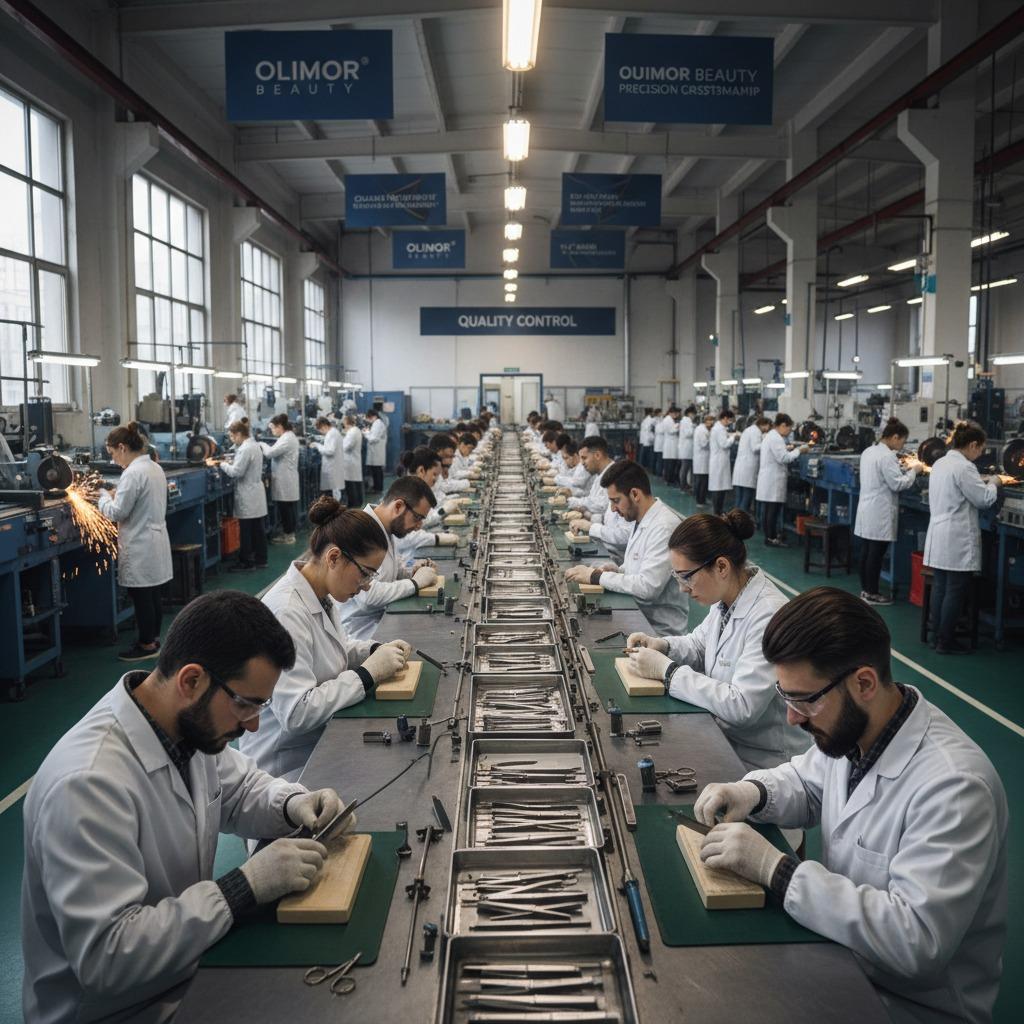
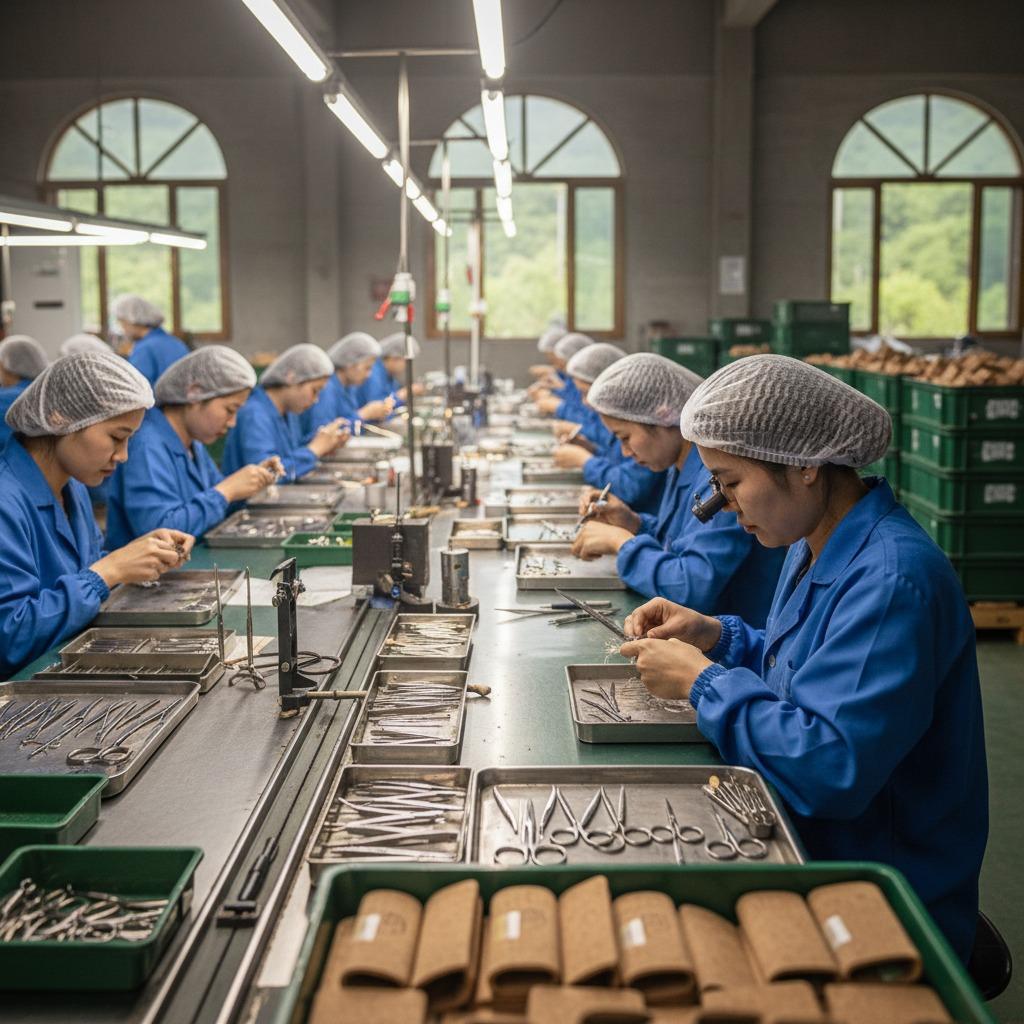
A useful approach is to build a written inspection checklist before finalizing the order. Include visual standards, functional checks, packaging requirements, labeling content, and acceptable tolerances. This makes communication clearer and reduces the risk of approving a sample based only on its look.
Working With a Beauty Tools Supplier in China
China remains a major sourcing destination for beauty tools because buyers can often find a wide range of manufacturing capabilities, customization options, and wholesale formats. However, a large supplier base also means quality levels, communication styles, and production processes can vary. The best sourcing results usually come from specific questions and well-prepared product briefs.
When contacting a manufacturer, provide the intended market, preferred tool types, packaging direction, logo placement requirements, and any restrictions related to materials or claims. If you are comparing options on beauty tool products, note which shapes, finishes, or set formats are closest to your plan. If you are building a coordinated range, review product collections to think about how tools might sit together in a larger salon or retail offering.
Supplier evaluation should include both product and service factors. Product capability matters, but so do response clarity, sample preparation, packaging knowledge, and willingness to discuss realistic production details. Avoid vague approvals such as “high quality” or “luxury finish” without defining what those terms mean for your project.
| Evaluation Area | What to Check | Why It Matters |
|---|---|---|
| Sample quality | Surface finish, tool alignment, grip comfort, packaging fit | Shows whether the product can match salon or retail expectations |
| Customization scope | Logo method, color options, set composition, packaging structure | Helps align the product with brand positioning |
| Communication | Clear answers, documented specifications, timely revisions | Reduces mistakes during sampling and production |
| Inspection planning | Functional checks, visual standards, packing checks | Supports consistency across wholesale orders |
Vegan Manicure Tools: What Buyers Should Clarify
Demand for vegan manicure tools has increased as salons and consumers pay closer attention to ethical sourcing. For metal or synthetic manicure tools, the vegan question is often less about the main tool body and more about accessories, adhesives, coatings, packaging inserts, cases, and promotional claims. Buyers should be careful with wording and documentation, especially when selling into markets where customers expect transparency.
A practical vegan manicure tools wholesale program should clarify whether any animal-derived materials are used in cases, pouches, brushes, adhesives, decorative parts, or packaging components. If the product is sold as vegan-friendly, make sure the claim is supported by the selected components and the way the finished set is described. Avoid broad sustainability claims unless the product details support them.
For salons, vegan positioning can be useful when it matches the service menu and customer base. A vegan-friendly manicure tool set may support a salon that already offers cruelty-conscious nail services or retail products. For distributors, the benefit is often clearer product segmentation: one line for standard professional use, another for buyers who prioritize animal-free components and responsible presentation.
Designing a Wholesale Set That Salons Will Actually Use
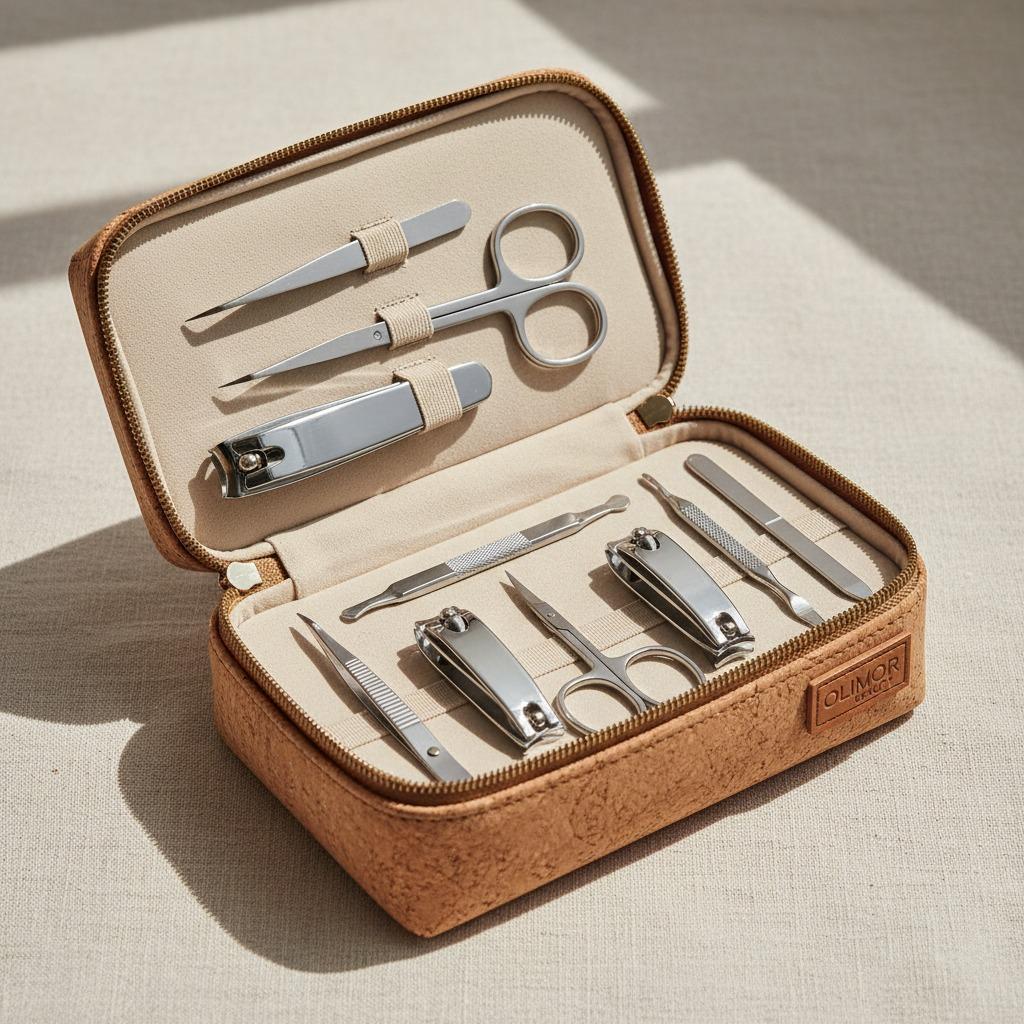
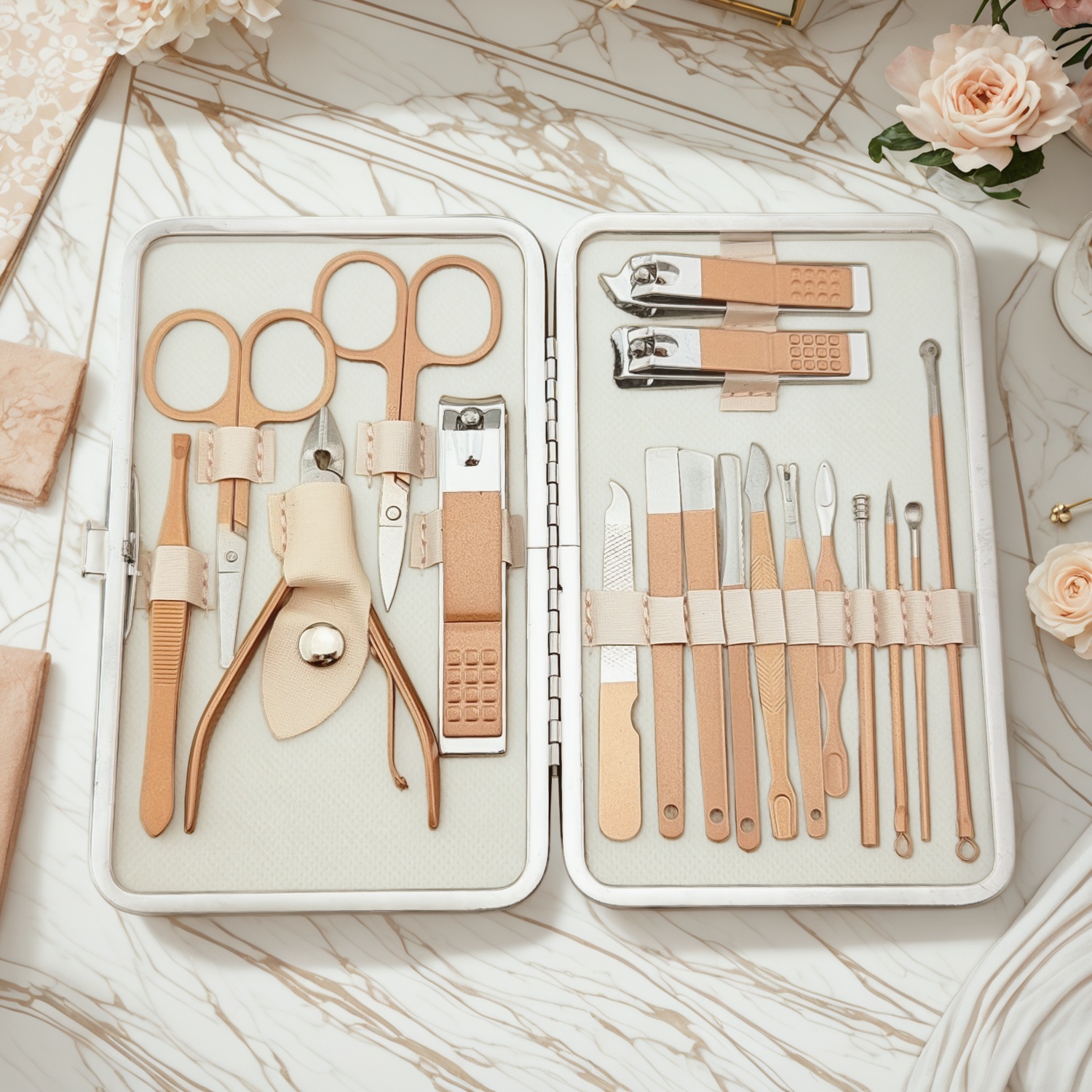
A wholesale manicure set should not be assembled only by adding more pieces. Too many tools can make the set look impressive but create confusion if several items overlap in function or do not match the buyer’s service style. A stronger set is built around real use cases: nail preparation, cuticle care, shaping, finishing, travel grooming, or retail self-care.
For professional salons, consider how the tools will move through the workday. Can technicians identify each item quickly? Does the finish remain comfortable when hands are dry or lightly damp? Is the case easy to store? Can the set be presented neatly at a manicure station or retail shelf? These details affect repeat purchasing more than decorative features alone.
For retail and e-commerce, packaging needs to communicate clearly. Customers should understand what is included, how the tools are used, and how to care for them. If the set is positioned as salon-quality, the finish, weight, and presentation should support that promise without relying on exaggerated claims.
Maintenance Guidance to Include With Custom Beauty Tools
Useful maintenance instructions can reduce complaints and improve customer satisfaction. Many buyers focus on the product itself but forget that end users may not know how to store or clean manicure tools properly. A simple instruction card or packaging panel can add value without changing the tool design.
- Wipe tools after use to remove visible residue before storage.
- Keep tools dry before placing them into a pouch, case, or retail storage box.
- Avoid dropping precision tools, as impact can affect alignment or edge condition.
- Store sharp or pointed tools with suitable protection to prevent damage and accidental contact.
- Follow appropriate hygiene procedures for the intended setting, especially in professional salon environments.
For salon buyers, maintenance guidance should also fit local hygiene rules and internal service procedures. For retail buyers, instructions should be simple, visual when possible, and written in language that matches the target market.
How to Prepare a Strong Custom Tool Inquiry
A clear inquiry helps a manufacturer respond with relevant options instead of generic suggestions. Before you send an inquiry, gather the information that affects design, sampling, and quotation. Include the tool types you want, target user, preferred finish, packaging style, logo needs, vegan-related requirements if any, and expected sales channel. If you are unsure which format suits your project, you can also contact Olimor with a concise description of your salon, wholesale, or private-label plan.
It is also useful to separate fixed requirements from flexible preferences. For example, logo placement may be essential, while color may have several acceptable options. Tool composition may be fixed for a professional kit, while packaging can be adjusted to meet the retail budget. This distinction helps the sourcing conversation move faster and prevents unnecessary redesign work.
Custom beauty tools should serve both brand presentation and daily performance. By evaluating precision, durability, ergonomics, aesthetics, vegan component choices, and wholesale packaging from the beginning, salons and distributors can build manicure tool programs that feel considered rather than generic. The result is a product line that supports professional service quality, retail confidence, and a more consistent customer experience.