











Tweezers look simple, but buyers who source them for retail beauty ranges, salon kits or private label programs know that small manufacturing choices can change the entire user experience. Tip alignment, hand feel, edge finishing, spring tension and surface treatment all affect whether a tweezer grips cleanly or slips, pinches the skin or feels controlled in the hand. Choosing a tweezers manufacturer is therefore not only a purchasing decision; it is a quality decision that influences customer reviews, repeat orders and brand trust.
A manufacturer such as Olimor Beauty focuses on the production side of beauty tools, including material selection, tool shaping, finishing and quality control. That differs from a general distributor or wholesaler that may mainly move stock. For buyers comparing a tweezers factory, supplier, wholesaler or OEM partner, the most important question is not simply who can ship product. The better question is who can help you control the details that make precision tweezers reliable in daily grooming and detailed work.
What a Tweezers Manufacturer Actually Controls
A true tweezers manufacturer is involved in how the tool is made, not just how it is packed or sold. That matters because precision tools depend on repeatable production. The two tips must meet evenly, the arms must flex with suitable resistance, and the finishing must avoid sharp unintended edges while preserving accurate grip at the working end.
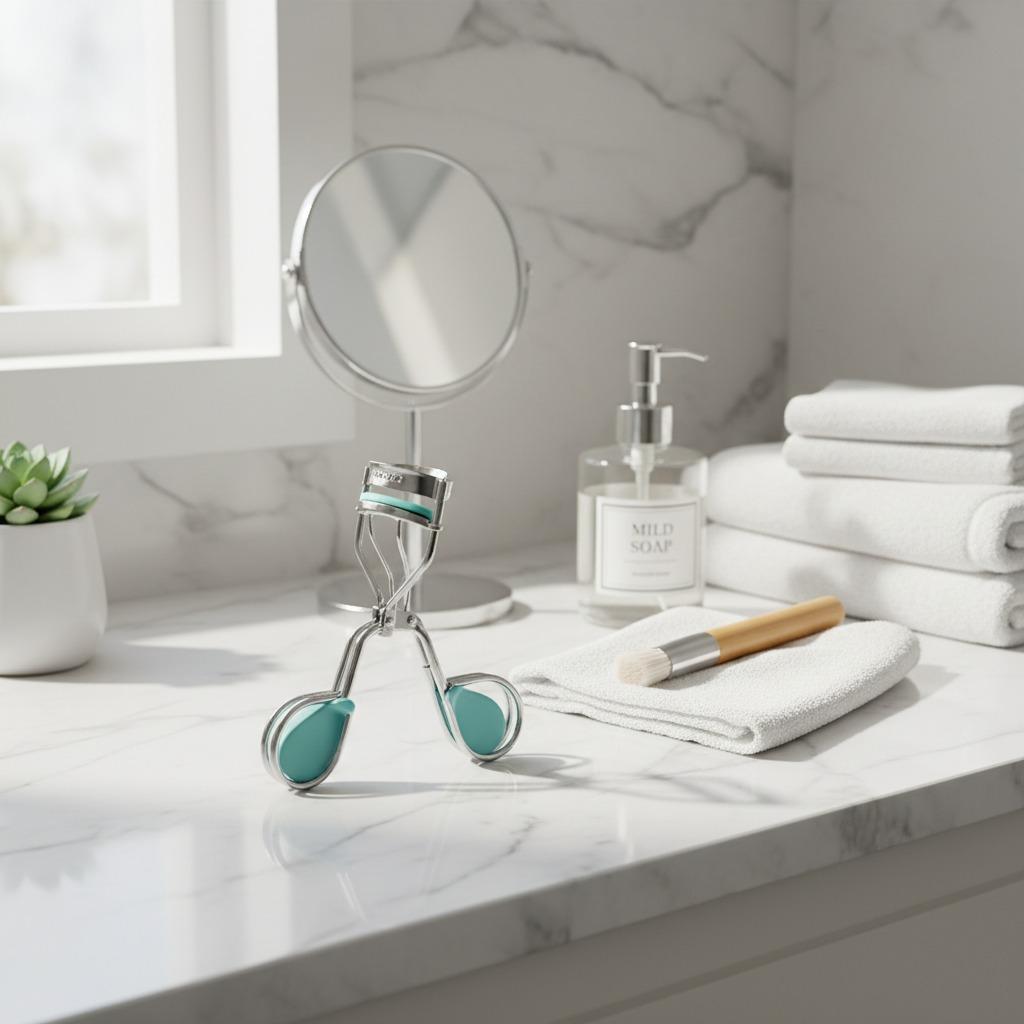
In beauty applications, stainless steel tweezers are commonly valued because they are durable and suitable for frequent handling. The supplied product information for Olimor Beauty also highlights ergonomic, high-quality stainless steel tweezers and references options such as pastel blue stainless steel tweezers. Color and appearance may help a product range feel coherent, but the underlying function still depends on alignment, finish and consistency.
When evaluating a manufacturer, look for evidence that the factory can manage the whole process with consistency. This may include how blanks are formed, how tips are finished, how surfaces are treated, how products are inspected and how defects are separated before packing. A manufacturer that understands beauty tool use should be able to discuss practical performance, not just catalog style.
Manufacturer, Supplier, Factory or Wholesaler: Which One Fits Your Goal?
The terms used in sourcing can overlap, but they usually point to different business models. Understanding the difference helps you choose the right partner for your project stage.
| Partner type | Typical strength | Possible limitation | Best fit |
|---|---|---|---|
| Tweezers manufacturer | Direct production control, finishing knowledge and potential customization | May require clearer specifications before quoting | Brands that need consistent quality or OEM development |
| Tweezers factory | In-house making and process control | Communication and export support can vary by factory | Buyers who want closer production visibility |
| Tweezers supplier | Access to a broad range of available products | Quality can vary if products come from multiple sources | Fast assortment building or early market testing |
| Tweezers wholesaler | Standard stock in larger quantities | Less control over design, finish and packaging details | Simple replenishment of existing common styles |
| OEM provider | Supports buyer-specific design, color, branding or packaging requirements | Requires decisions on specifications and approval samples | Private label beauty tool programs |
If your goal is to buy generic tools quickly, a wholesaler may be enough. If your goal is to build a beauty tool line that feels consistent across repeat purchases, a manufacturer or OEM partner is usually the stronger option. Buyers can also explore Olimor’s wider beauty tool products to understand how tweezers fit within a broader personal care assortment.
Precision Details That Separate Good Tweezers from Average Ones
Precision in tweezers is not just about having pointed or slanted tips. It is about the way the whole tool works together. A tweezer may look attractive in photos but perform poorly if the tips do not close evenly or if the arms require too much pressure. For beauty use, the tool should feel controlled during eyebrow shaping, hair removal and other close-detail grooming tasks.
Use the following criteria when checking samples:
- Tip alignment: The two ends should meet evenly without visible gaps. Misalignment often causes slipping or uneven grip.
- Grip consistency: Test the tweezer on fine hair or a similar material. It should grasp without requiring excessive force.
- Spring tension: The arms should flex smoothly. Too stiff can cause hand fatigue; too loose can reduce control.
- Edge finishing: The body should not have rough corners, burrs or uncomfortable edges.
- Surface finish: Coating or coloring should appear even, with attention to wear points around the arms and tips.
- Ergonomics: The tool should sit naturally between the fingers, especially for repeated salon or retail customer use.
- Packaging fit: The tweezer should be protected in transit so the tips are not bent before reaching the user.
These checks are simple, but they reveal a great deal about manufacturing discipline. A reliable manufacturer should welcome performance-based sample review because it clarifies expectations before a larger order is produced.
OEM Tweezers: What Buyers Should Define Before Production
OEM manufacturing can help brands create tweezers that match their market position, packaging style and customer expectations. However, customization works best when the buyer defines requirements clearly. Without clear specifications, even a capable manufacturer may interpret the product differently from what the brand intended.
Before discussing OEM tweezers, prepare a short brief covering the intended user and sales channel. A salon-focused tool may prioritize hand comfort and professional durability. A retail beauty kit may need a coordinated appearance, protective packaging and simple usage instructions. A travel or gift set may emphasize compact presentation. None of these goals is wrong, but each can lead to different manufacturing and packing decisions.
A practical OEM brief may include:
- The intended use, such as eyebrow shaping, general grooming or inclusion in a beauty kit.
- The preferred tweezer shape, such as slant, pointed, flat or another style already confirmed by sample.
- Material expectations, including whether stainless steel is required.
- Color or surface finish direction, such as a neutral metallic look or a pastel finish.
- Branding placement needs, if logo or printed packaging is part of the program.
- Inspection priorities, especially tip alignment, closing feel and surface appearance.
- Packaging requirements for retail, ecommerce shipment or professional distribution.
If you are comparing product ranges or planning a coordinated launch, Olimor’s product collections can help frame how tweezers may be grouped with other beauty tools.
Quality Control Questions Worth Asking
Quality control should not be treated as a final step only. For precision tweezers, defects can appear during shaping, polishing, coloring, assembly, packing or transport. A good sourcing discussion should focus on how problems are prevented and detected.
Useful questions include: How are tweezer tips checked for alignment? At what stage is the closing force reviewed? How are surface defects classified? Are samples from production compared against an approved reference? How are finished tools protected so tips do not shift in transit? These questions do not require the manufacturer to disclose confidential processes, but they help you understand whether quality is managed systematically.
It is also sensible to request pre-production samples when developing a custom or OEM item. Review the sample with the same criteria your end customer will use: grip, comfort, visual finish and packaging condition. If multiple decision-makers are involved, create a shared checklist so feedback is specific. Comments such as “make it better” are less useful than “the left tip does not meet the right tip evenly” or “the arm tension feels too stiff for repeated salon use.”
Sourcing Tweezers for Retail, Salon and Distributor Needs
Different buyers evaluate tweezers differently. A beauty retailer may focus on shelf appeal, product consistency and complaint reduction. A salon distributor may care more about repeat performance and comfortable use throughout the day. A private label brand may need a manufacturer that can support a defined look across packaging and product color without losing functional quality.
For ecommerce brands, packaging protection deserves special attention. Tweezers can be damaged if the tips are exposed or pressed during shipping. For brick-and-mortar retail, presentation and product security may matter more. For professional users, easy handling and reliable grip usually outweigh decorative features. Clear priorities help prevent spending effort on details that do not matter to the target customer while overlooking details that do.
When comparing quotations, avoid judging by unit price alone. A low-cost tweezer that slips, bends easily or arrives with inconsistent finishing can become expensive through returns, negative reviews and lost reorder opportunities. A better comparison includes sample performance, communication clarity, packaging suitability and the manufacturer’s ability to repeat the approved result.
Building a Better Brief for Your Tweezers Manufacturer
The best manufacturer relationship begins with a clear product brief and practical quality expectations. You do not need to know every production detail in advance, but you should know the customer, the use case and the standard you want the finished tool to meet. Provide reference samples if available, identify what you like and dislike about them, and separate essential features from optional preferences.
For beauty brands and distributors, working directly with a manufacturer can provide more control than buying anonymous stock through a general channel. It supports better conversations about stainless steel construction, ergonomic handling, surface appearance and inspection standards. It also gives your team a clearer path when you need consistent repeat orders or a custom OEM program.
If you are preparing a sourcing project for tweezers or related beauty tools, you can contact Olimor to discuss the product direction or send an inquiry with your specifications. A clear request, supported by sample feedback and end-use requirements, will make it easier to evaluate options and move from concept to a dependable finished product.