










Cuticle nippers look simple, but they are one of the most quality-sensitive items in a manicure tool line. A poorly made nipper can pinch instead of cut, lose alignment quickly, feel tiring in the hand, or create an inconsistent salon experience. For nail salons, beauty distributors, private label brands and hotel amenity buyers, selecting the right cuticle nippers manufacturer is not only a purchasing decision. It affects user comfort, product returns, brand perception and repeat orders.
The right manufacturer should help you balance precision, durability, appearance, packaging and commercial requirements. A professional supplier also understands that different buyers need different outcomes. A salon may care most about control and daily-use comfort. A beauty brand may need a consistent private label product that can sit beside other manicure tools. A hotel buyer may need a compact, presentable set that supports the guest experience without feeling disposable or careless.
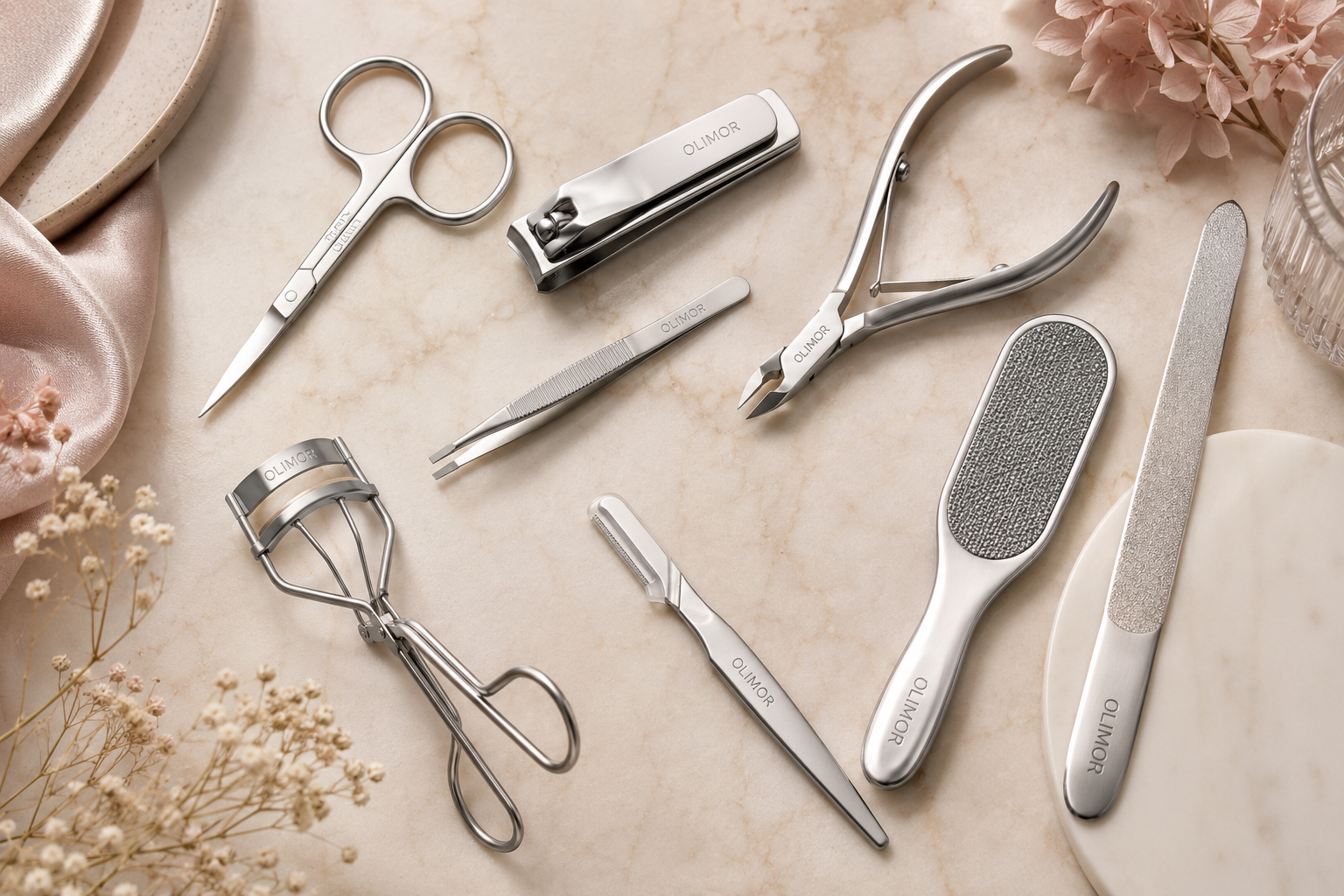
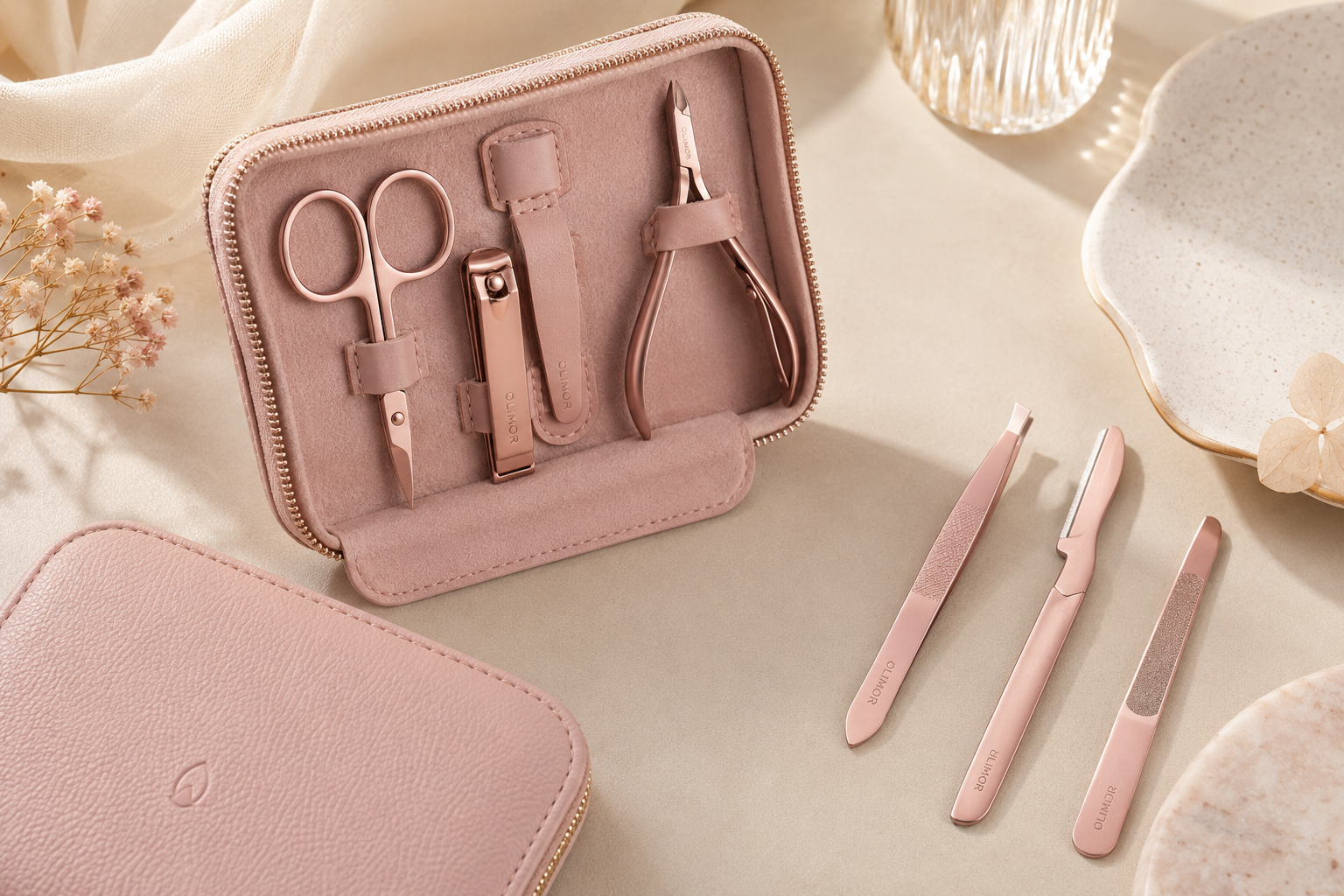
This guide explains what to evaluate before placing an order, how to compare suppliers, and which questions help separate a serious beauty tools partner from a generic trading source. You can also review related beauty tool products and product collections to understand how cuticle nippers may fit within a broader manicure range.
Why Cuticle Nippers Require Careful Supplier Selection
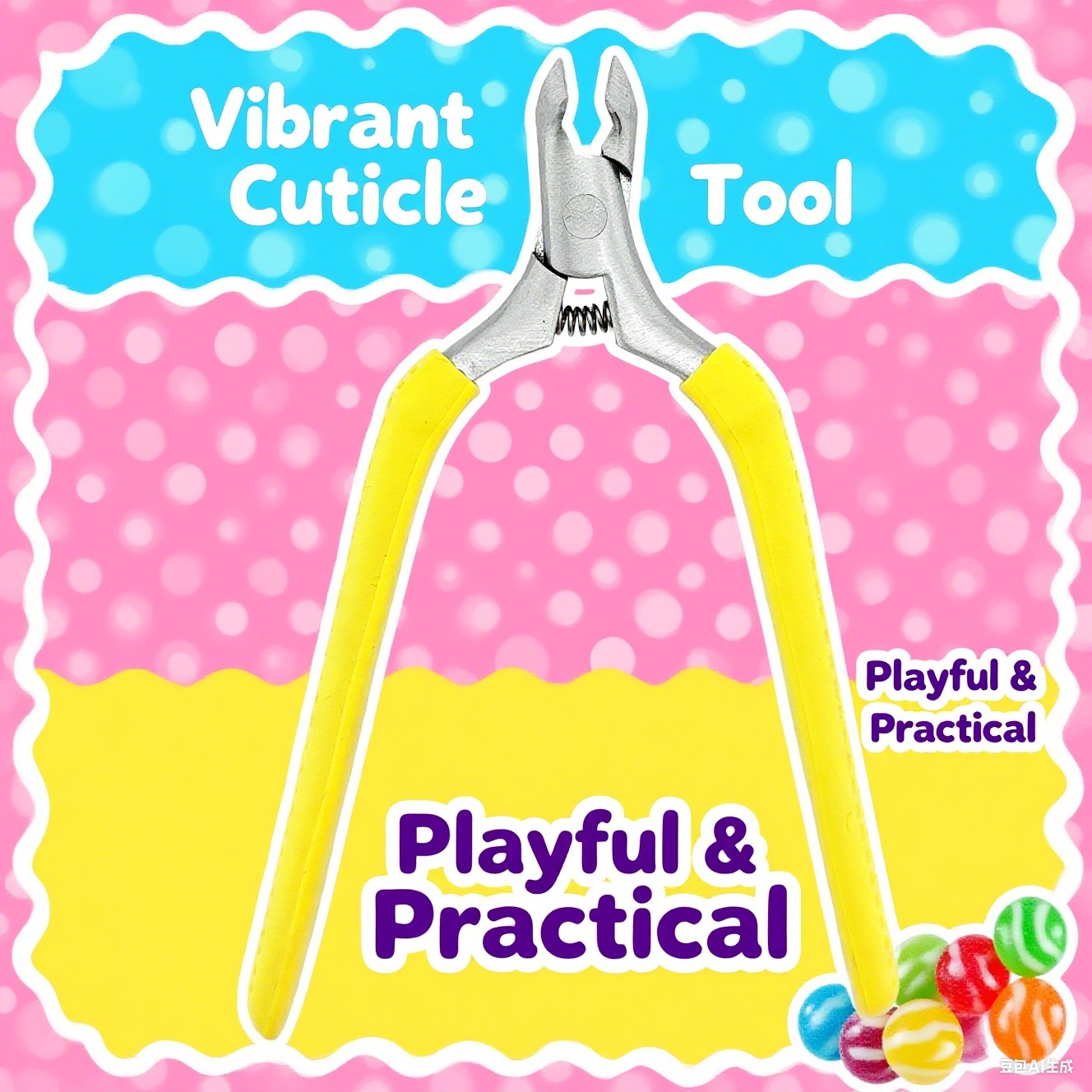
Cuticle nippers are used close to the nail fold, where control matters. Buyers should not treat them like a low-risk accessory. A good nipper should open and close smoothly, meet cleanly at the cutting edge and feel stable during small trimming movements. If the jaws are misaligned or the spring action feels uneven, the user may apply too much pressure or lose accuracy.
For professional settings, the problem is multiplied by daily use. A nail technician may handle manicure tools for many hours, so the handle shape, pivot movement and cutting response all affect fatigue. For retail buyers, quality issues show up as customer complaints, poor reviews or weak repeat purchase. For hotel amenity beauty tools, the product may be used only occasionally, but it still sends a message about the standard of care behind the guest experience.
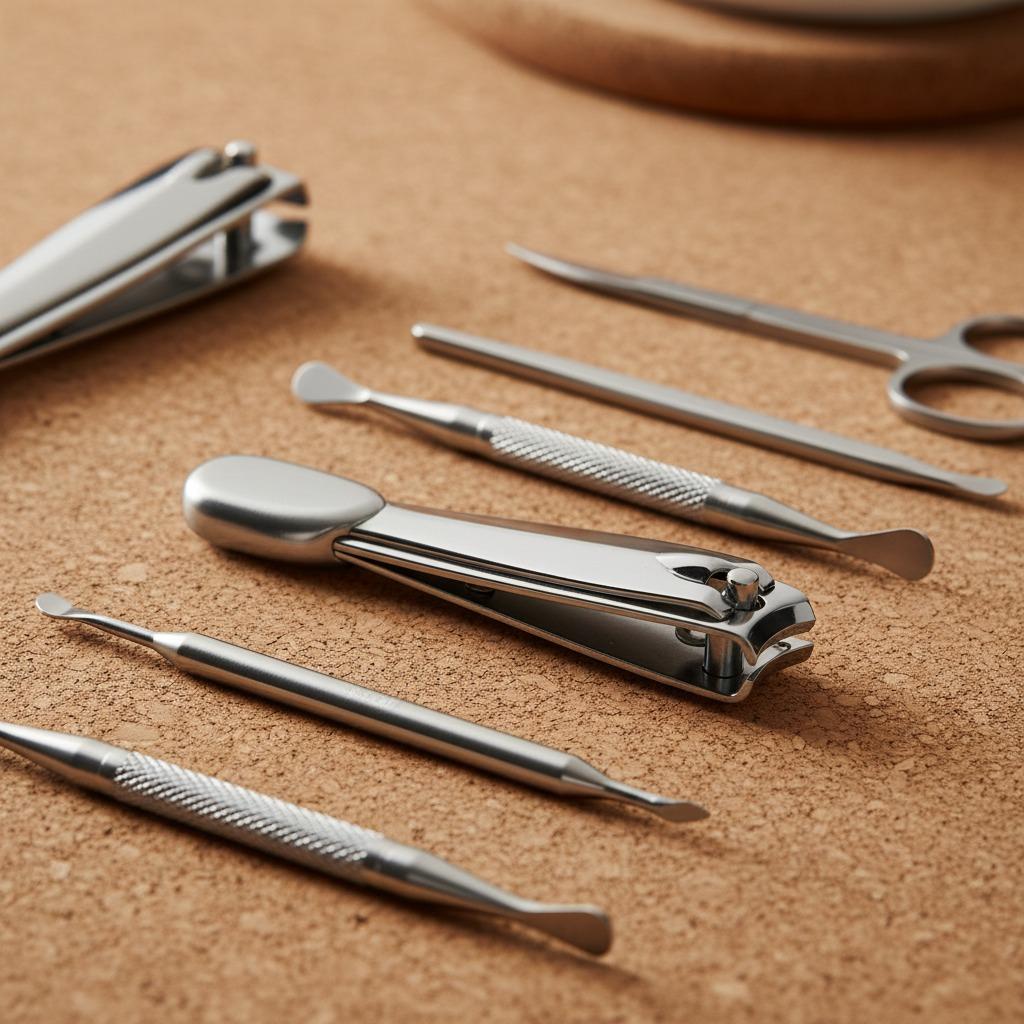
A dedicated professional beauty tools supplier is usually better positioned to manage these details than a seller offering mixed general merchandise. The supplier should understand how the cutting head, joint, handle, spring and finish work together. Olimor Beauty focuses on stainless steel beauty tools, and for cuticle nippers, the main purchasing goal is consistent performance rather than decorative appearance alone.
What Separates a Professional Beauty Tools Supplier From a Generic Source
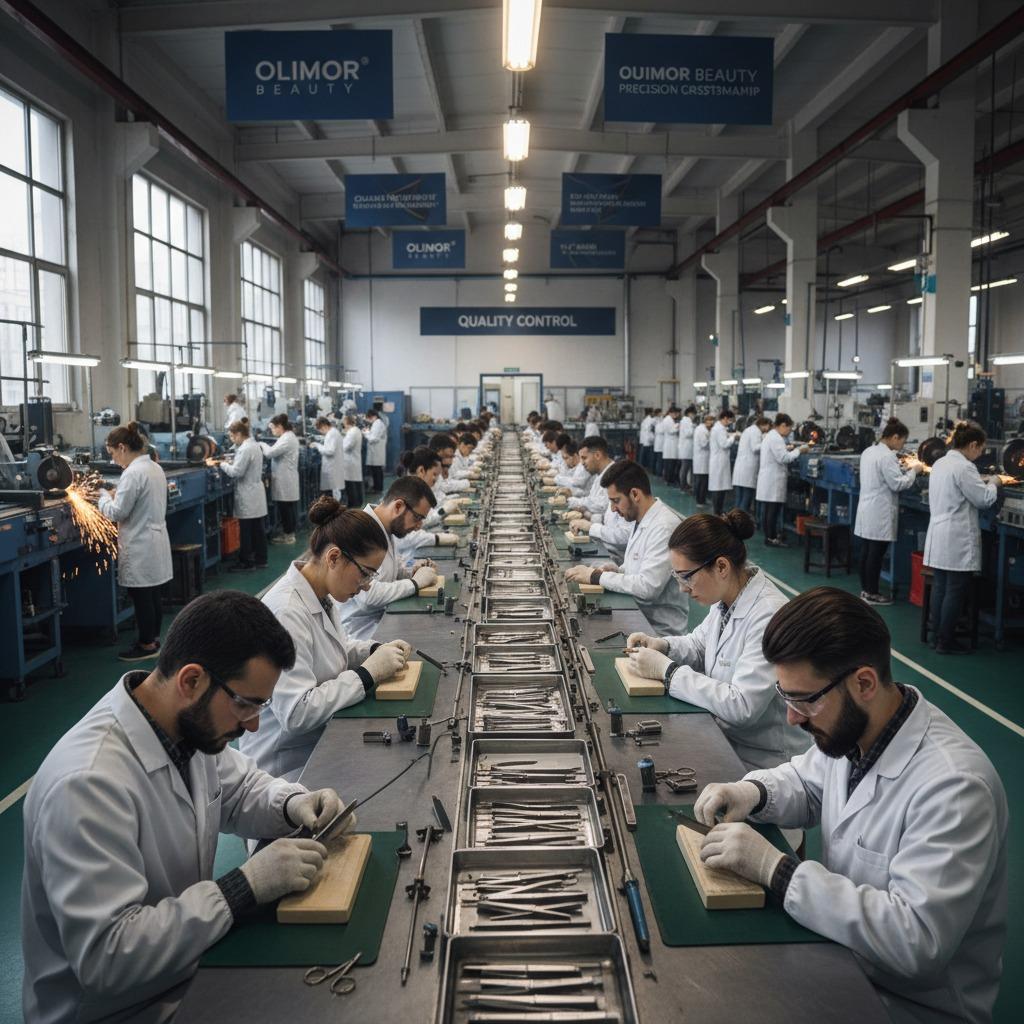
Many suppliers can provide a photo, a sample and a price. Fewer can explain how they control the features that matter to end users. When comparing a cuticle nippers manufacturer, look beyond the first quotation and study how the supplier communicates about materials, finishing, inspection and packaging.
Useful selection criteria include:
- Cutting edge alignment: The tips should meet evenly without visible gaps or overlap. Alignment is central to clean trimming.
- Smooth hinge movement: The joint should open and close without grinding, looseness or sudden resistance.
- Comfortable handle design: Handles should allow a secure grip and controlled pressure, especially for salon professionals.
- Spring response: The spring should return the nipper predictably without feeling weak or overly stiff.
- Surface finish: Edges around the handle and body should feel refined, not rough or sharp in the wrong places.
- Batch consistency: Samples and bulk goods should match in feel, appearance and function as closely as practical.
- Packaging suitability: Retail, salon supply and hotel amenity channels may each require different presentation and protection.
Suppliers associated with established manicure tools exporter regions such as Guangdong may offer broad sourcing access, but location alone is not enough. The buyer still needs a clear review process. A professional supplier should be able to discuss product purpose, target user, packaging expectations and inspection points without reducing the conversation to price only.
How to Evaluate Cuticle Nipper Quality Before Ordering
Before committing to a larger order, examine samples in a structured way. A sample should be tested as a working tool, not only viewed as a product image. If you are building a retail line or private label manicure tools program, keep approved samples as reference pieces for later comparison.
The following table can help buyers organize the evaluation:
| Quality area | What to check | Why it matters |
|---|---|---|
| Tip precision | Tips meet cleanly and are not visibly bent | Supports accurate trimming and reduces frustration |
| Jaw movement | Opening and closing feels smooth and controlled | Improves handling during detailed manicure work |
| Grip comfort | Handle shape feels stable in different hand sizes | Helps reduce fatigue for frequent users |
| Finish | Surface is clean, with no rough burrs on touch points | Improves perceived quality and user confidence |
| Packaging fit | Tool is protected and presented appropriately | Reduces damage risk and supports brand positioning |
| Consistency | Multiple samples feel and function similarly | Indicates better control for future bulk orders |
For a salon-focused tool, test the nipper with realistic hand movements. Does it allow small, controlled cuts? Does the spring feel predictable? Does the handle become uncomfortable after repeated opening and closing? For retail, consider whether the finish and packaging justify the intended price position. For hospitality, check whether the tool feels reliable enough to reflect well on the property or amenity brand.
Private Label Manicure Tools: Building a Consistent Product Line
Private label manicure tools can help a beauty brand, distributor or salon group create a more recognizable product range. Instead of reselling generic tools with little differentiation, private label sourcing allows the buyer to align product appearance, packaging and quality expectations with a specific market position.
For cuticle nippers, private label planning should start with function. Branding cannot compensate for a weak tool. Once the cutting quality and handling are acceptable, buyers can consider presentation details such as packaging format, logo placement, instruction text and how the nipper fits with nail files, tweezers, scissors or other manicure accessories.
A practical private label brief should include:
- The target channel, such as salon supply, retail, e-commerce, travel kits or hotel amenities.
- The intended user, such as professional nail technicians, home manicure users or occasional guests.
- The preferred packaging style and any space needed for product information or barcode placement.
- The desired balance between premium feel, compact size, durability and cost control.
- Reference samples that show acceptable grip, finish and cutting response.
When discussing private label options, avoid vague requests such as “make it high quality.” Instead, define the user experience. For example, a salon buyer may prioritize smooth action and fatigue reduction, while a travel amenity buyer may prioritize compact packaging and a clean presentation. If you want to explore fit for your own brand range, you can send an inquiry with your target market and packaging requirements.
Cuticle Nippers for Salons, Retail and Hotel Amenity Programs
Different sales channels require different sourcing decisions. A single cuticle nipper design may not be ideal for every buyer, so it helps to map the product to the use case before finalizing specifications.
Salon and professional use: The priority is dependable daily performance. Nail technicians need a tool that feels stable, sharp and controlled. Even small issues in hinge smoothness or handle comfort become noticeable during repeated use. Buyers should request samples and test them over multiple sessions rather than judging quickly.
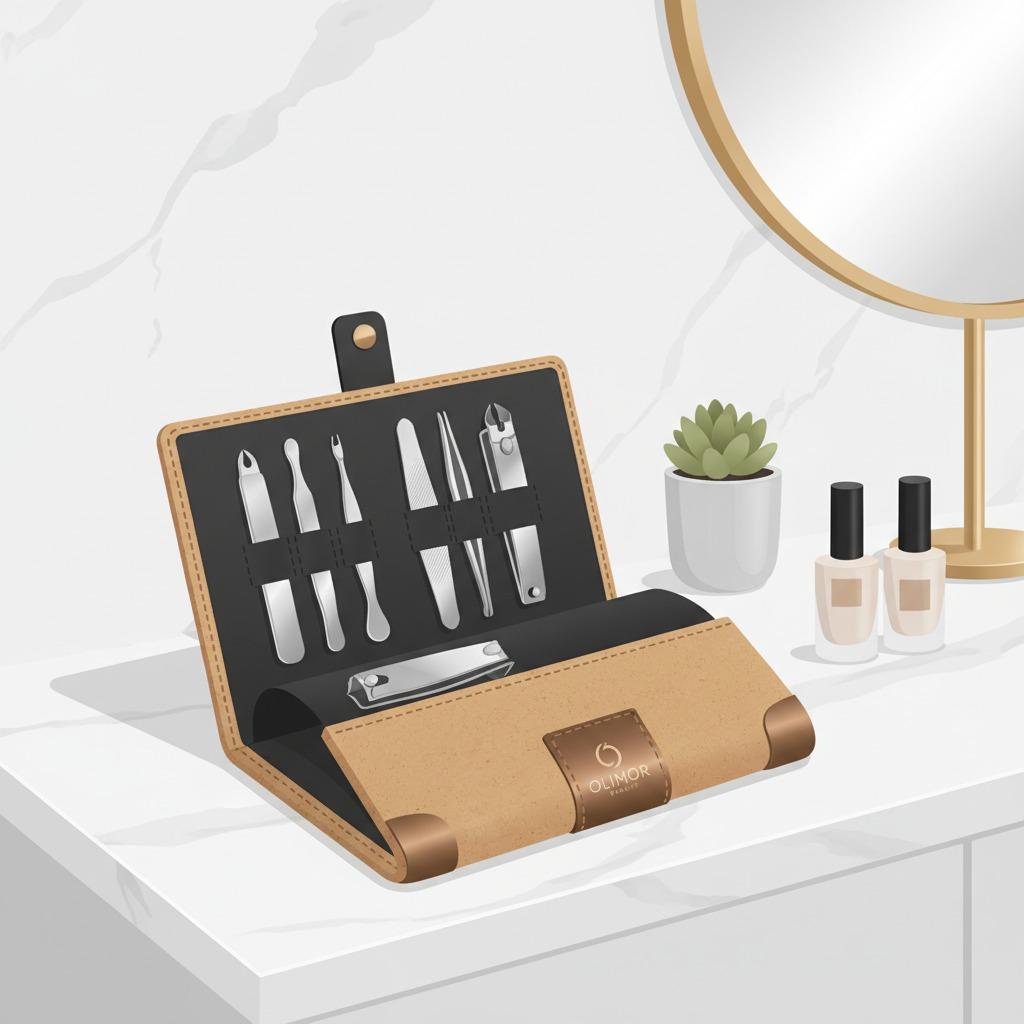
Retail manicure tools: The product must satisfy both first impression and actual use. Packaging needs to communicate cleanliness and quality, while the tool must perform well enough to protect the brand after purchase. Retail buyers should consider whether the nipper belongs in a single-item pack, a manicure set or a wider beauty tool range.
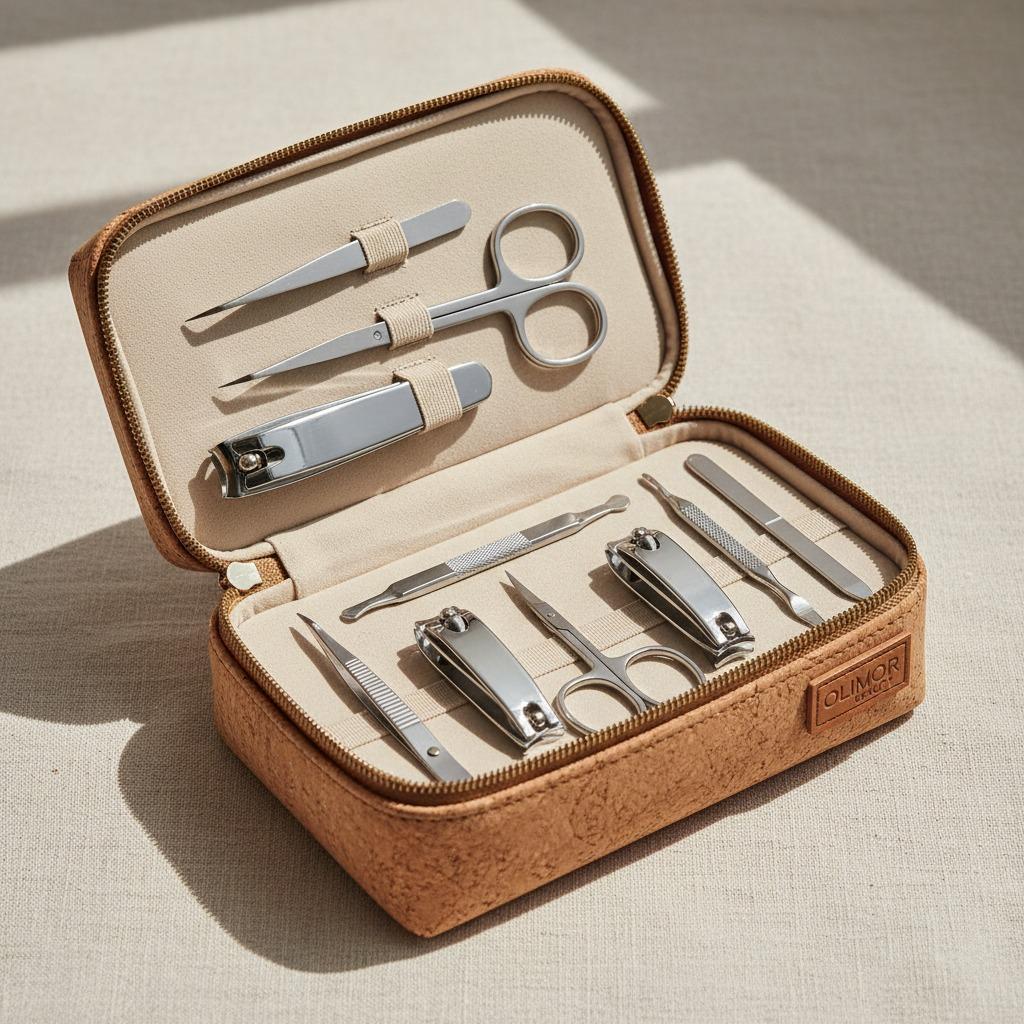
Hotel amenity beauty tools: Hotels often provide compact grooming items, but quality still matters. A flimsy tool can make an amenity set feel like an afterthought. A better-designed cuticle nipper or manicure set can support the property’s attention to detail, especially in premium rooms, spa areas or gift-style amenity kits. The goal is not unnecessary complexity, but a tool that feels clean, practical and appropriate for the guest environment.
Maintenance, Handling and End-User Guidance
Even a well-made cuticle nipper performs better when handled properly. Buyers who sell or distribute manicure tools should consider adding simple care instructions to packaging or inserts. This is especially useful for retail and private label programs, where customer education can reduce misuse and extend product satisfaction.
Basic user guidance may include keeping the tool dry after cleaning, storing it in a protective pouch or case, avoiding drops that may damage the tip alignment, and using it only for appropriate cuticle trimming rather than hard materials. If the product is intended for professional environments, salons should follow their own hygiene and disinfection procedures according to local rules and workplace standards.
For buyers, maintenance guidance is also a sign of product seriousness. A supplier that thinks about storage, edge protection and packaging is more likely to understand how the tool is actually used after delivery. Small details, such as tip protection inside packaging, can help reduce damage during shipping and handling.
Questions to Clarify Before Choosing a Manufacturer
Before confirming a cuticle nippers manufacturer, prepare a focused checklist. The aim is to create a shared understanding of quality, not to collect unnecessary paperwork. Clear communication at the beginning helps reduce mismatched expectations later.
- What stainless steel tool options are available for the intended price and use case?
- How are cutting edge alignment, hinge movement and surface finish checked before shipment?
- Can approved samples be kept as reference standards for bulk production comparison?
- Which packaging formats are suitable for salon supply, retail display or hotel amenity use?
- What customization options are possible for private label manicure tools?
- How should product artwork, logo files and packaging text be prepared?
- How are products protected during transport to reduce tip or finish damage?
These questions help the buyer move from a general price discussion to a product-quality discussion. They also reveal whether the supplier understands the difference between a professional manicure tool and a generic accessory.
Working With Olimor Beauty on Manicure Tool Sourcing
Choosing the right cuticle nippers manufacturer is about more than finding the lowest unit cost. It is about matching tool performance, presentation and sourcing process to the needs of your customers. A salon buyer needs confidence in daily handling. A private label brand needs consistency across product and packaging. A hotel amenity buyer needs a practical tool that supports the guest experience.
Olimor Beauty supplies beauty tools for buyers who need dependable manicure items, private label possibilities and product presentation suited to their market. If you are comparing cuticle nippers, manicure sets or related stainless steel tools, start with your intended user, quality expectations and packaging channel. From there, it becomes easier to evaluate samples and make a sourcing decision based on real product fit.
To discuss a cuticle nipper project, packaging direction or a broader manicure tool range, contact Olimor with your requirements. A clear brief will help identify suitable options for professional, retail or hospitality use.