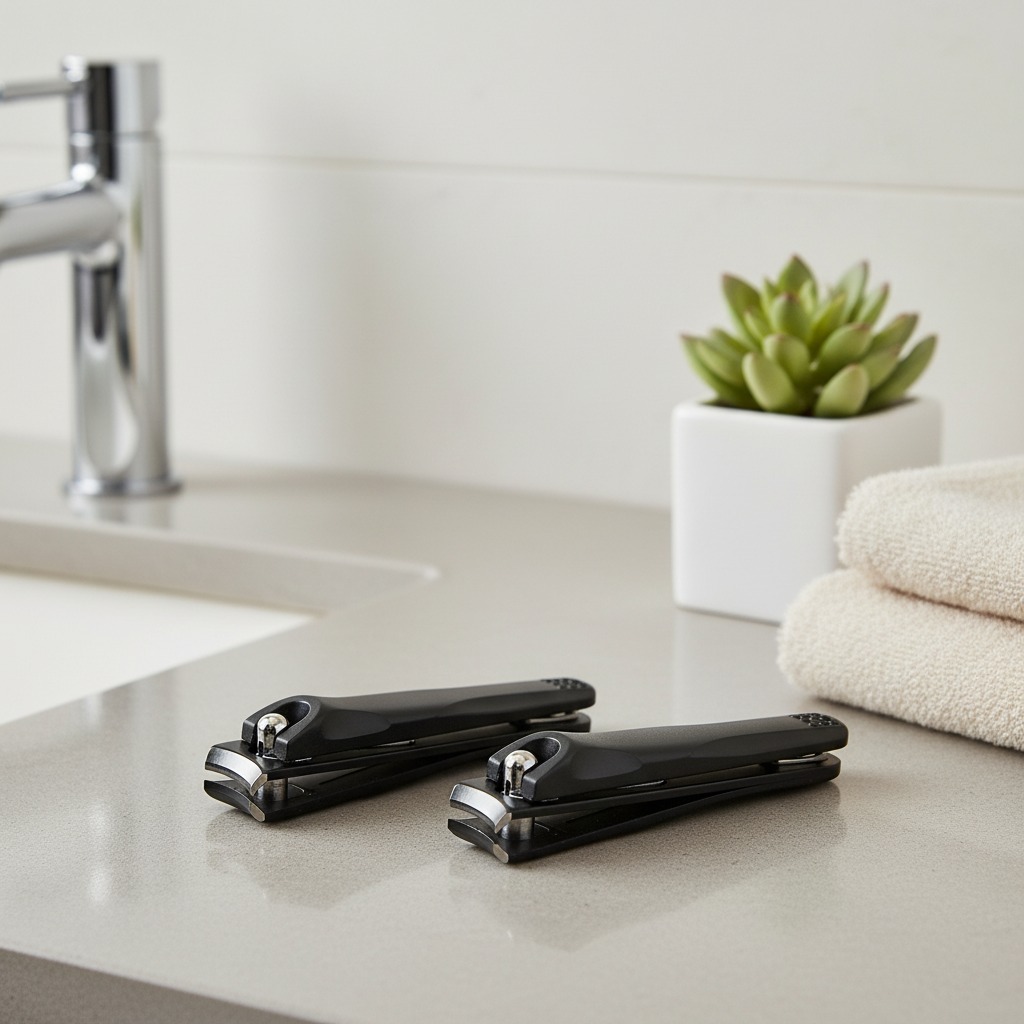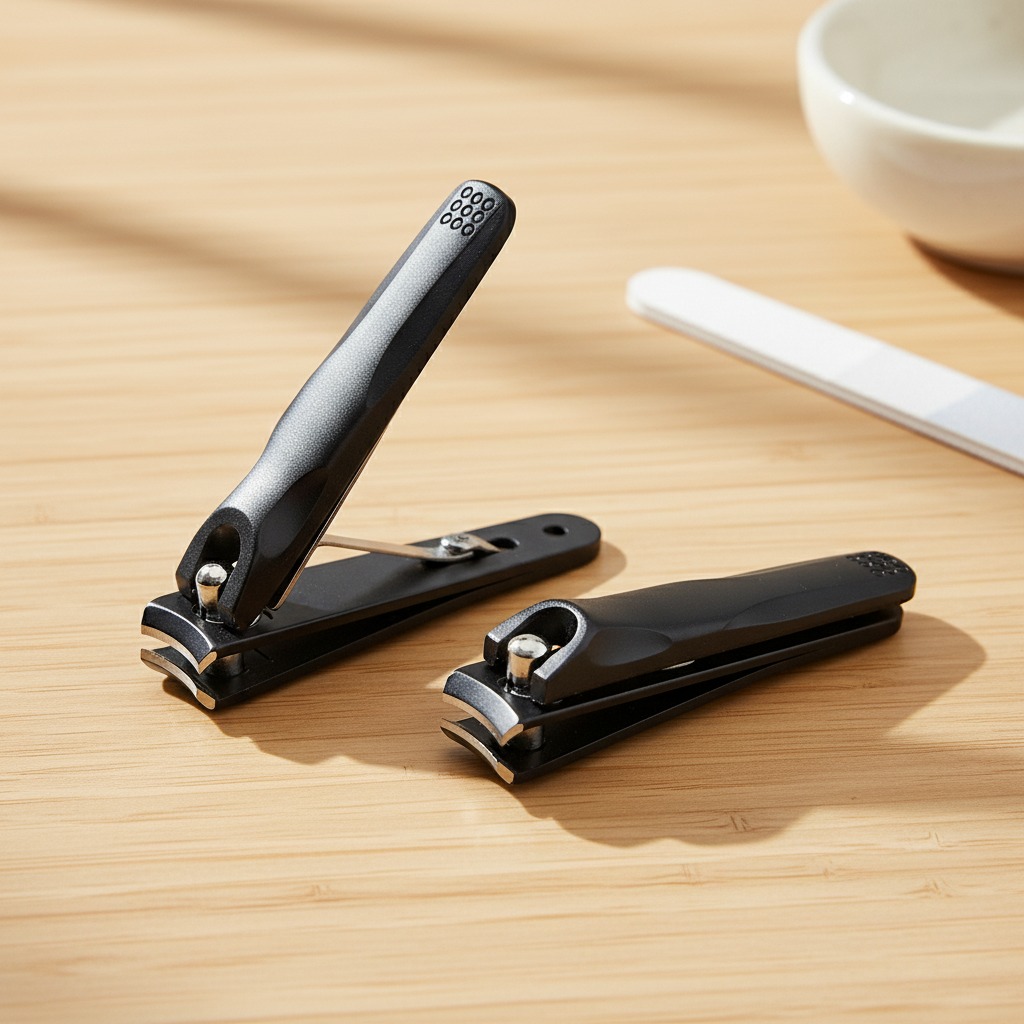











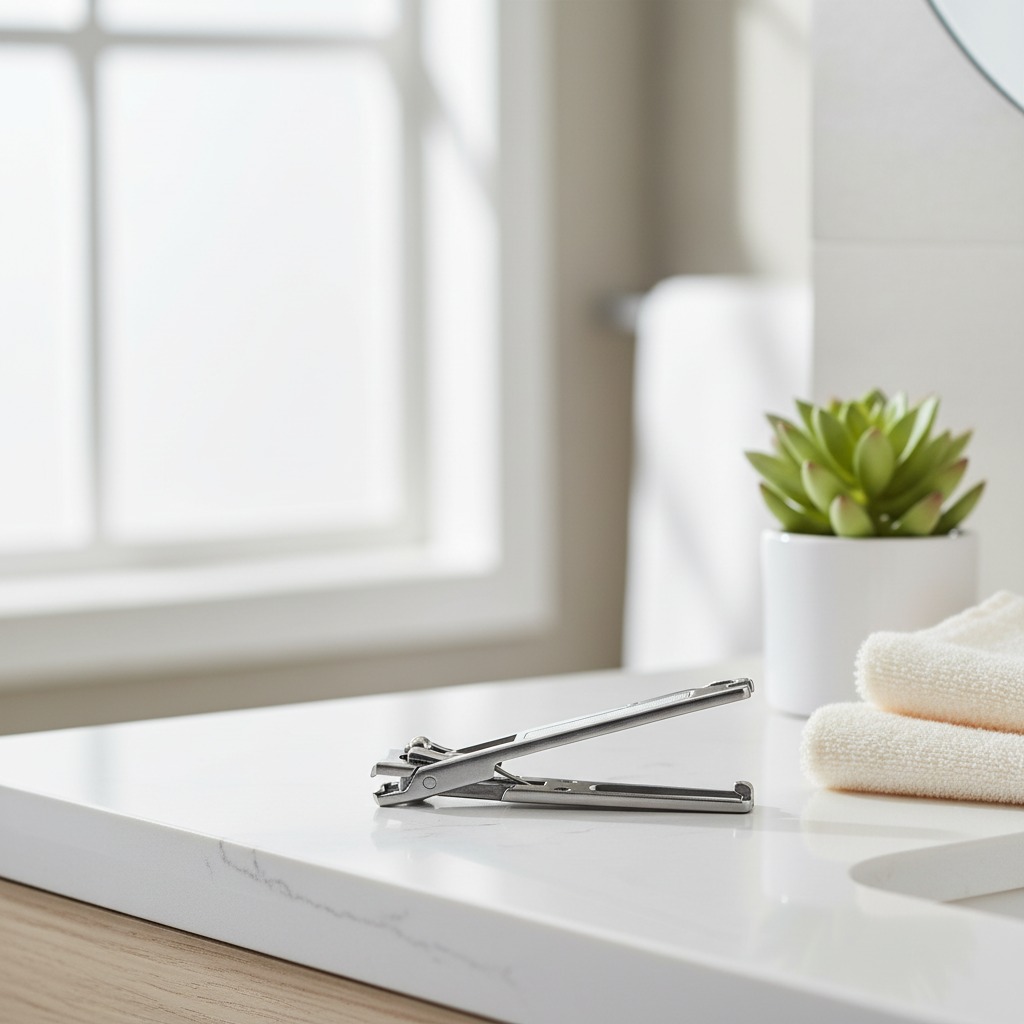
Choosing a nail clipper supplier is not only a price comparison. For beauty retailers, personal care distributors, private-label brands and promotional product buyers, a nail clipper is a small item that carries a large quality expectation. Customers notice immediately if the blades crush instead of cut, if the lever feels loose, if the surface plating marks easily, or if the tool becomes uncomfortable after a few uses.
Olimor Beauty works in the beauty tools category and offers stainless steel nail clippers for businesses that need dependable grooming products for retail shelves, travel kits, salon add-ons or brand programs. When you compare suppliers, the most useful approach is to examine the product as a user would: sharpness, grip, alignment, finish, packaging suitability and repeatability from batch to batch.
This guide explains what to review before choosing a nail clipper factory, wholesaler or OEM partner, so your purchasing decision is based on practical product quality rather than broad claims.
Start with the Nail Clipper’s Real Use Case
A nail clipper may seem universal, but the right specification depends on how and where it will be sold. A compact clipper for a travel pouch has different priorities from a heavier clipper placed in a premium grooming set. A mass retail item may need clear packaging, simple instructions and consistent finishing, while a private-label item may require more attention to logo placement and box presentation.
Before comparing quotations, define the buying scenario as clearly as possible:
- Retail replacement item: Focus on reliable cutting, corrosion resistance, clean surface finishing and packaging that shows the product clearly.
- Travel or convenience kit: Give priority to compact size, smooth edges, integrated nail file usability and secure packaging.
- Salon or professional accessory: Look for a firmer lever feel, precise blade alignment and a finish that can withstand frequent handling.
- Private-label or OEM program: Review branding areas, packaging structure, sampling steps and consistency across future replenishment orders.
- Gift or promotional set: Check the visual finish, presentation, perceived weight and compatibility with other grooming tools.
When the product purpose is defined early, supplier discussions become more productive. Instead of asking for a general nail clipper, you can evaluate whether a specific product construction supports your target customer and price position.
Material and Cutting Performance Matter More Than Appearance Alone
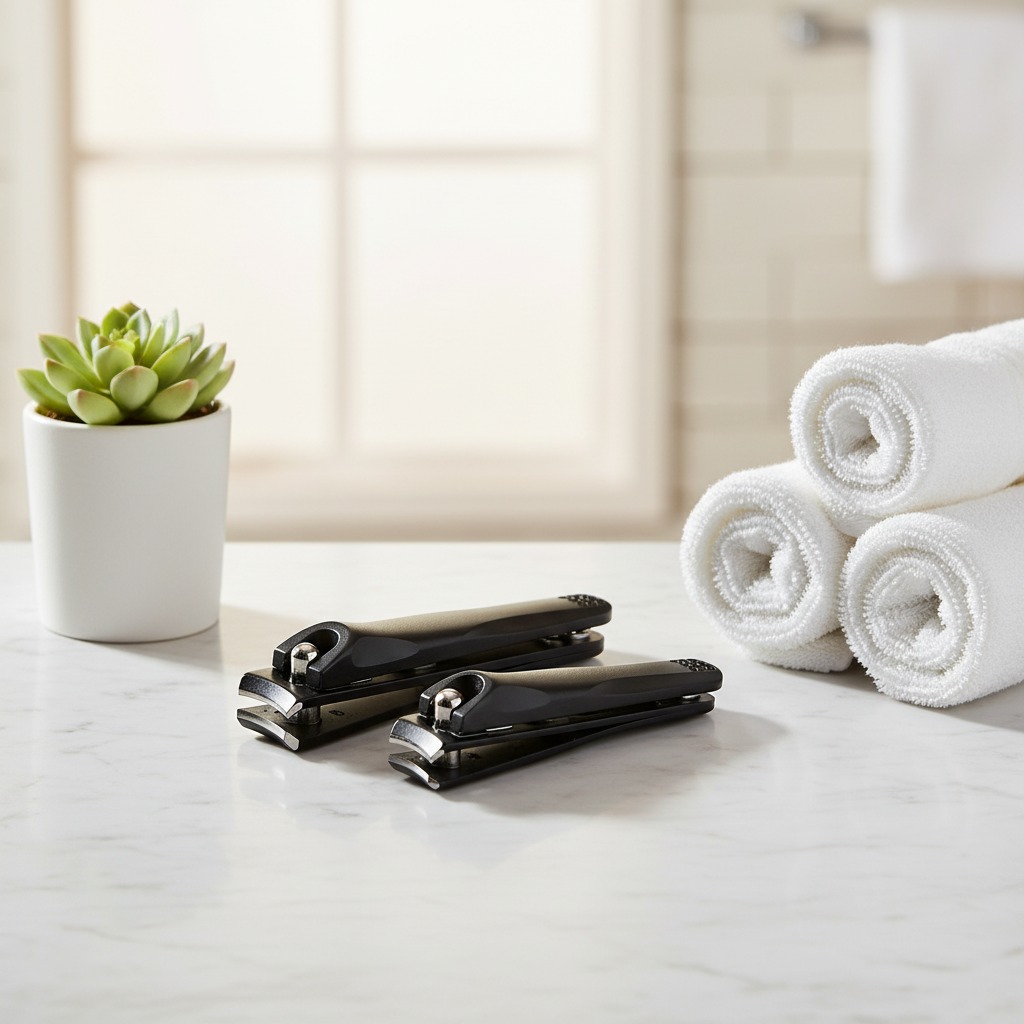
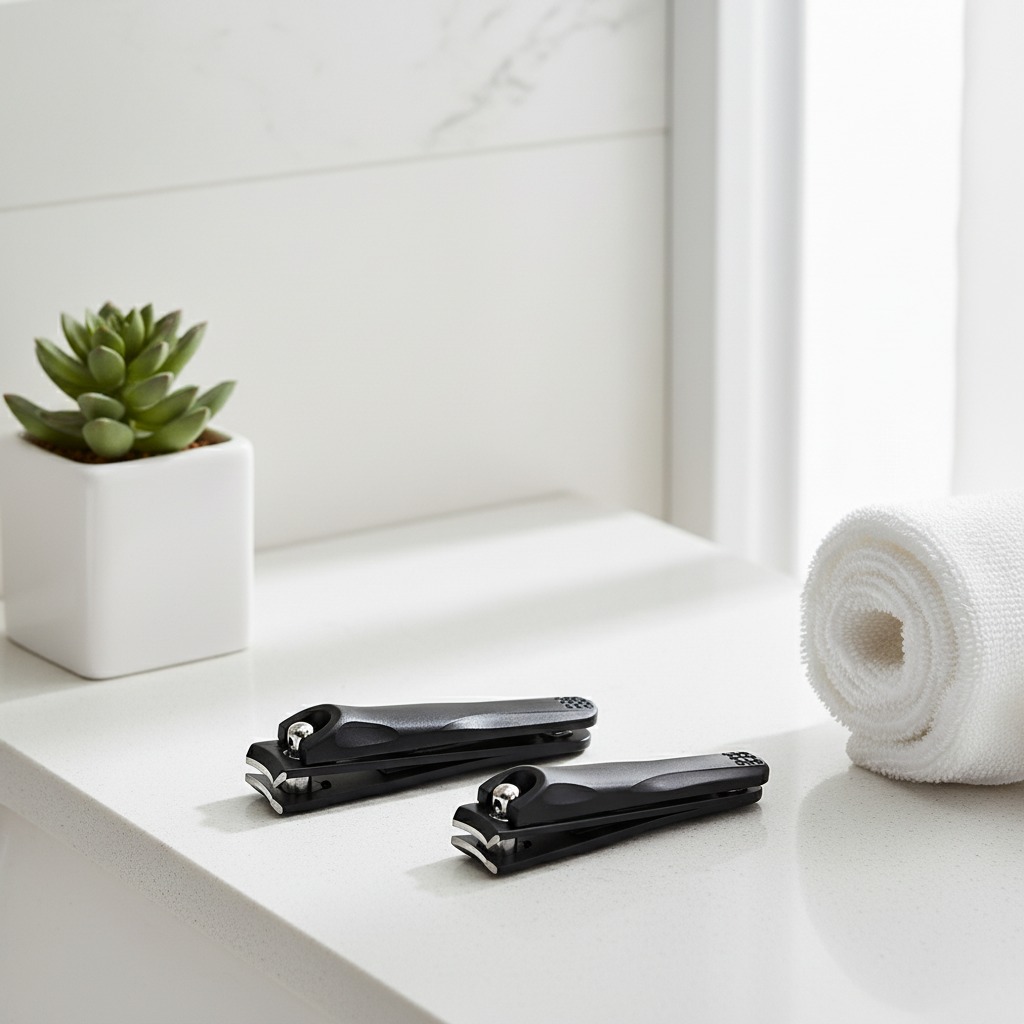
Many nail clippers look similar in photos, but differences become obvious in hand. Stainless steel is widely used for nail clippers because it supports durability and a clean appearance. However, buyers should still check how the material, blade grinding and assembly work together. A polished clipper with poor blade alignment will create returns, negative reviews and customer complaints.
Important performance checks include:
- Blade alignment: The upper and lower cutting edges should meet evenly. Misalignment can cause tearing, pinching or incomplete cuts.
- Cutting sharpness: A good clipper should cut cleanly without excessive pressure. Test on different nail thicknesses where appropriate for the intended market.
- Lever stability: The lever should move smoothly and should not feel unstable during pressure.
- Edge finishing: Non-cutting edges should feel smooth, especially around corners and the nail file area.
- Surface finish: Check for scratches, stains, rough polishing marks, inconsistent coating or visible burrs.
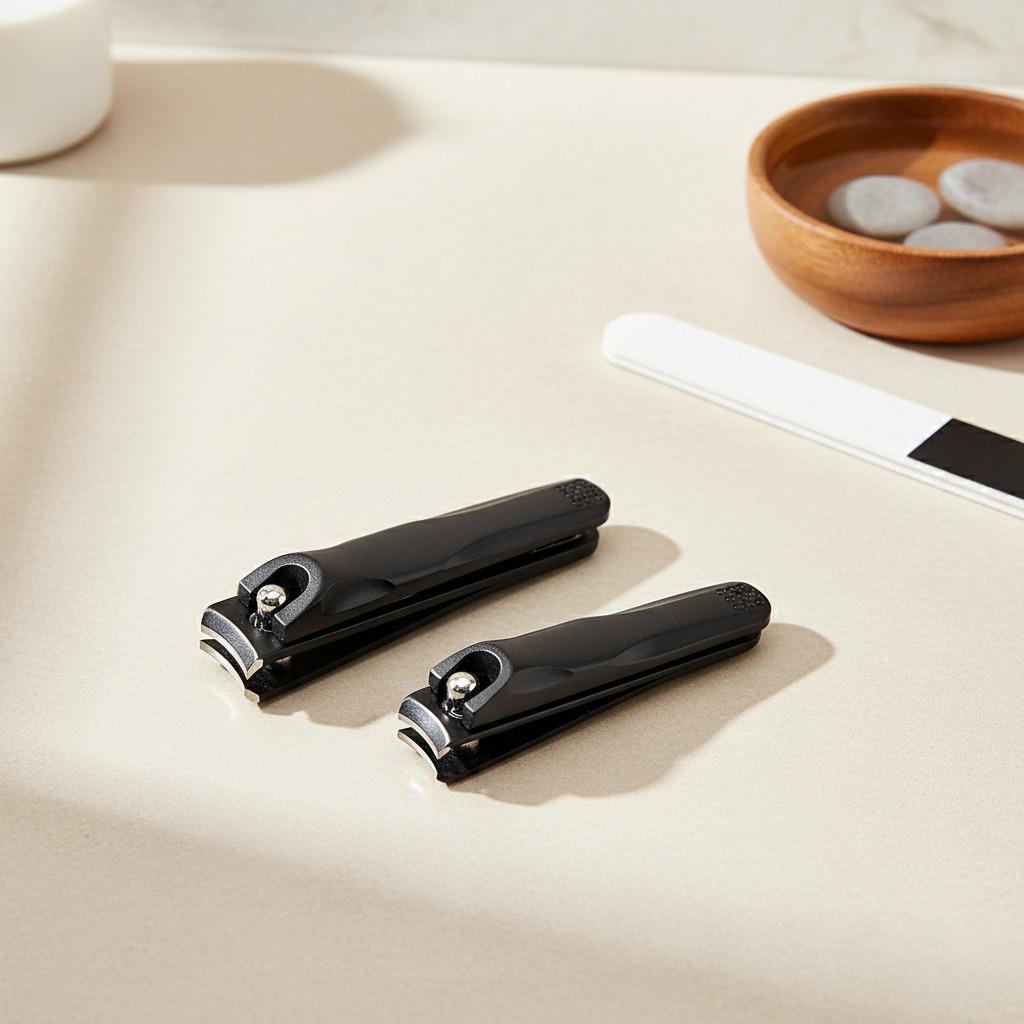
- Integrated nail file: If the clipper includes a nail file, confirm that the texture is useful and the file is positioned safely.
These checks can be performed during sample review and again during order inspection. A supplier’s ability to maintain these details consistently is often more important than one attractive pre-production sample.
What to Look for in a Nail Clipper Factory
A capable nail clipper factory should be able to discuss how products are made, checked and prepared for shipment. You do not need to know every production detail, but you should understand the control points that affect the final tool. For nail clippers, that usually includes raw material review, forming, blade finishing, assembly, polishing, cleaning, packaging and final inspection.
Olimor Beauty positions its nail clipper supply around technical commitment, quality checks and practical design details such as ergonomic handling. For buyers, the key is to translate those strengths into measurable review points. During sourcing, ask how the supplier checks cutting performance, how defects are sorted, and how the approved sample is used as the reference for bulk production.
The following table can help purchasing teams compare suppliers without relying only on price:
| Supplier review area | Why it matters | What buyers can check |
|---|---|---|
| Material selection | Affects durability, appearance and corrosion resistance | Confirm material description, finish expectations and sample consistency |
| Blade grinding | Determines whether the clipper cuts cleanly | Test sharpness, alignment and cutting pressure |
| Assembly quality | Controls lever feel and long-term usability | Check for looseness, uneven movement and rivet stability |
| Surface finishing | Influences customer perception at shelf level | Inspect polishing marks, scratches, burrs and color consistency |
| Packaging readiness | Protects the product and supports retail presentation | Review packaging fit, barcode space, instructions and carton protection |
| Inspection process | Reduces batch variation and defects | Request clear inspection criteria and approval sample control |
Wholesale Nail Clippers: Questions for Distributors and Retail Buyers
Wholesale nail clipper purchasing requires a balance between unit cost, sell-through potential and after-sale risk. A lower-cost item that creates complaints can become expensive once returns, replacements and reputation are considered. When buying for distribution, look for a supplier that can provide stable quality across repeat orders and clear communication during production.
Retail buyers should consider how the clipper will be displayed. Is it sold on a card, in a pouch, in a box or as part of a set? Does the product need space for multilingual information? Will the customer see the cutting edge before purchase, or will the package need photography and feature callouts? These packaging decisions affect both perceived value and practical logistics.
For assortment planning, buyers can browse Olimor’s wider beauty tool products to understand how nail clippers may fit alongside related grooming tools. If you are building a coordinated personal care range, the product collections page can also help organize ideas for category planning without committing to a single product too early.
OEM and Private-Label Considerations
Nail clipper OEM projects can include branding, packaging design, finish preferences or product configuration changes, depending on what is technically suitable. The most successful private-label programs begin with a realistic product brief. Instead of starting with a broad request for customization, define the customer segment, target retail price range, expected packaging channel and quality level.
A strong OEM brief may include:
- Preferred clipper size and intended user group
- Finish direction, such as polished or matte appearance, if available
- Logo placement expectations and acceptable branding methods
- Packaging type, display requirements and carton handling needs
- Any required warning text, importer information or market-specific labeling
- Reference samples that show desired feel, weight or presentation
- Inspection priorities, such as cutting sharpness, surface condition and lever movement
Private-label buyers should also clarify the approval process. Keep an approved sample, packaging artwork confirmation and written inspection standard together. This creates a practical reference for production and reduces misunderstandings when reordering.
Inspection Points Before Shipment
Final inspection is especially important for small metal grooming tools because tiny defects can affect usability. A nail clipper may pass a quick visual review but still fail in the hand if the lever is uncomfortable or the cutting edges do not meet properly. Build an inspection checklist that covers both appearance and function.
Useful pre-shipment checks include random cutting tests, lever movement review, surface inspection under good lighting, packaging drop or handling review where relevant, barcode scanning if used, and carton label verification. If the clipper includes an integrated nail file, check that the file is secure and free from sharp unintended edges. For retail-ready orders, confirm that the visible product matches the packaging description and that any branding is correctly positioned.
Inspection standards should be practical and repeatable. For example, instead of saying “good quality,” specify acceptable and unacceptable defects: visible burrs, loose lever, blade gap, deep scratches, stained surface, bent file, misprinted packaging or incorrect quantity per carton. Clear standards help both the buyer and the supplier evaluate the shipment objectively.
Choosing a Supplier You Can Work With Long Term
The best nail clipper supplier for your business is one that can support the product quality, communication style and sourcing structure your market requires. For some buyers, the priority is wholesale availability and reliable replenishment. For others, it is OEM flexibility, packaging coordination or a broader grooming tool range that can be developed over time.
Olimor Beauty offers nail clipper supply for businesses looking for stainless steel grooming tools with attention to precision, ergonomic use and quality review. When you compare options, look beyond a single product photo. Request appropriate samples, test cutting performance, review packaging, align inspection expectations and confirm how future orders will be controlled against the approved standard.
If you are preparing a retail program, distributor order or private-label nail clipper project, you can send an inquiry with your product requirements, target market and packaging needs. For broader sourcing questions or help comparing beauty tool options, you may also contact Olimor to discuss the next step.