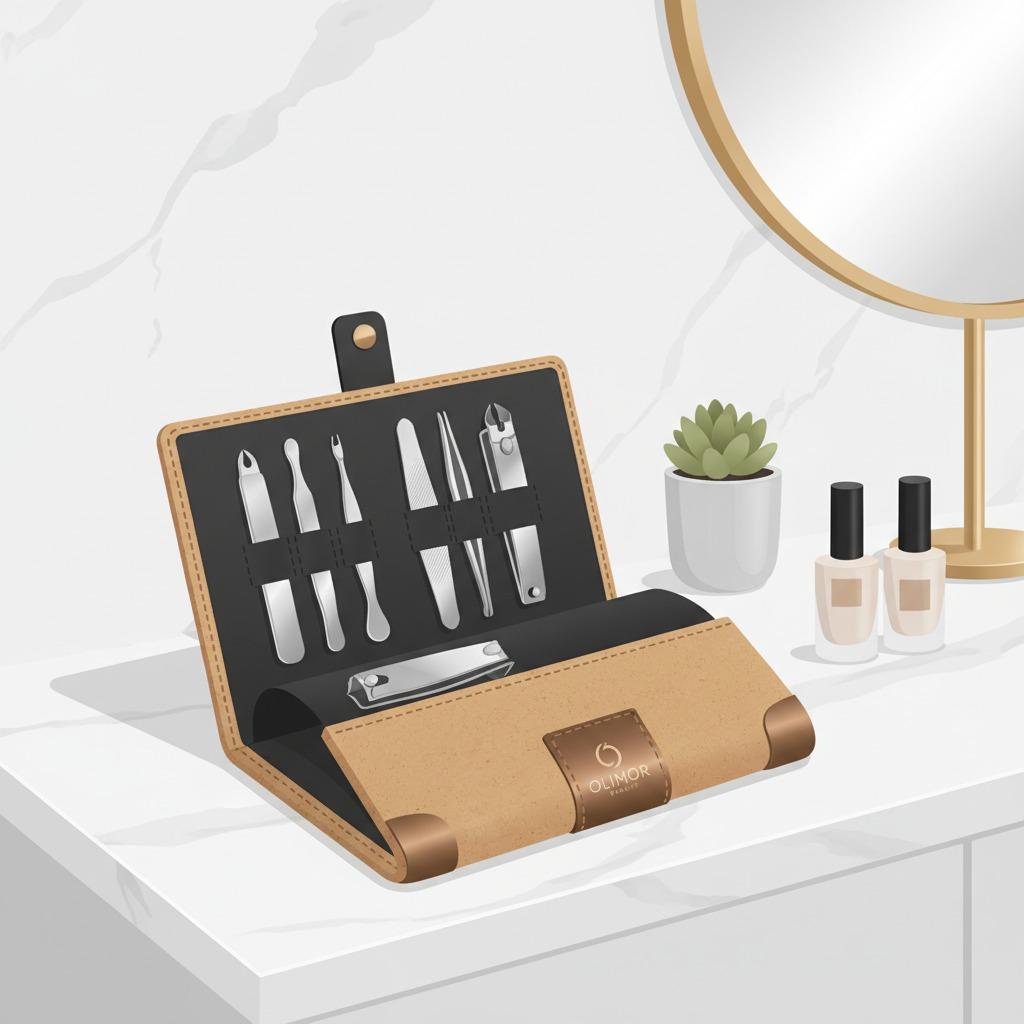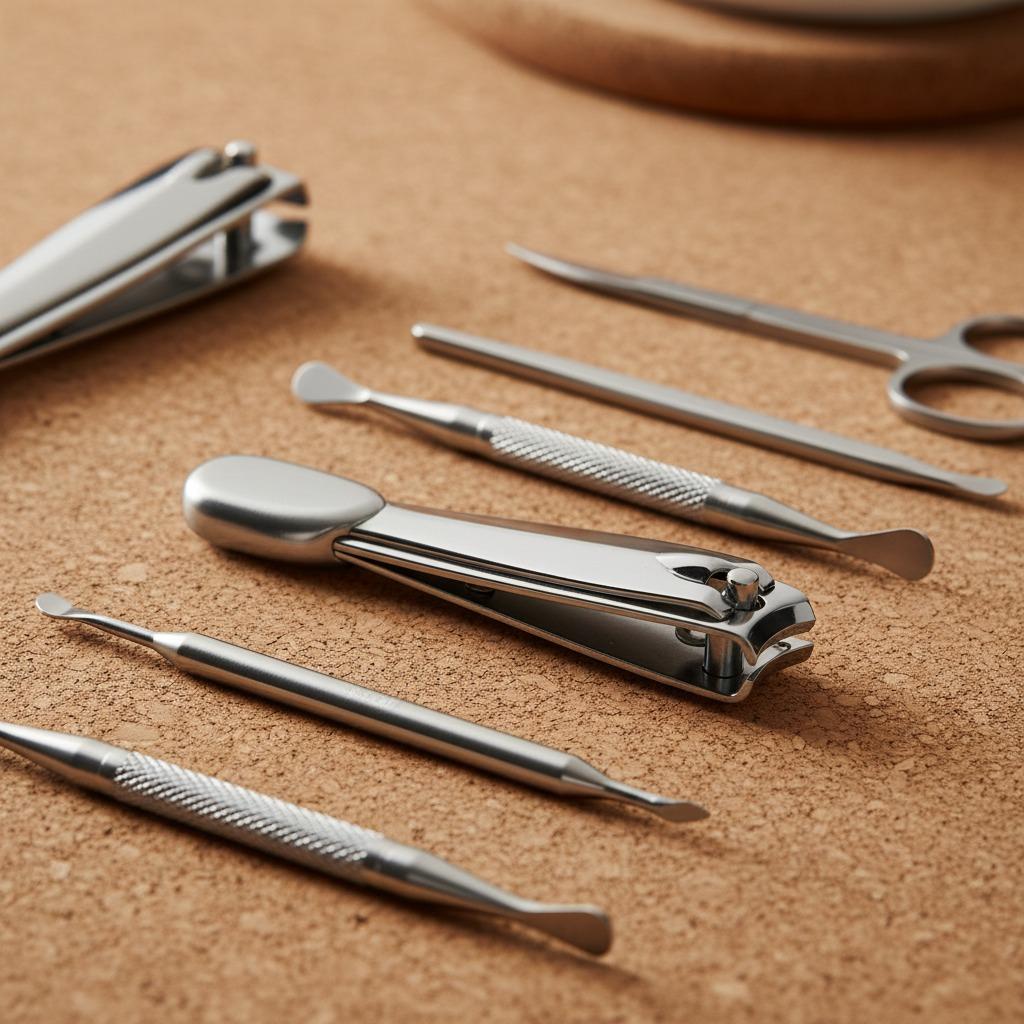











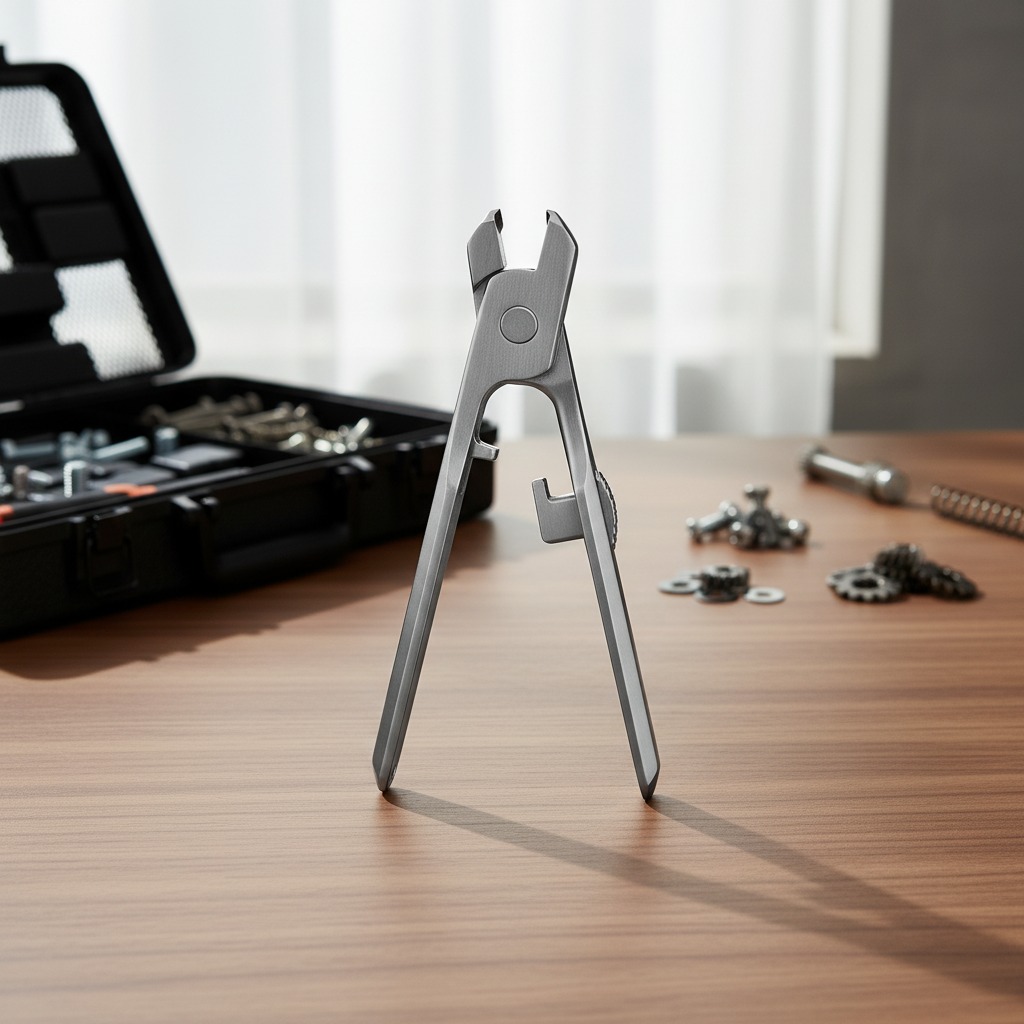
A low MOQ nail clipper program is useful when you need to test a beauty tool concept, add a grooming accessory to an existing product range, or launch a private label item without committing to a large stock position. For small retailers, online sellers, salon suppliers, and emerging beauty brands, the goal is not simply to buy fewer units. The better goal is to source a nail clipper that feels reliable in the hand, cuts cleanly, supports your packaging plan, and can scale if the product performs well.
Olimor Beauty provides low MOQ nail clipper options for buyers who need flexibility while still paying attention to quality. The original product focus is straightforward: stainless steel nail clippers with rust resistance, ergonomic handling, sharp curved blades, and a lever mechanism designed for controlled trimming. Those details matter because nail clippers are judged immediately by end users. A clipper that feels weak, slips in the hand, or leaves rough edges can damage repeat purchase, even if the price is attractive.
This guide explains how to evaluate low MOQ nail clippers for retail, wholesale, and OEM use, with practical criteria you can apply before placing an order.
Why Low MOQ Matters for Nail Clipper Buyers
Minimum order quantity affects cash flow, storage, merchandising, and risk. Nail clippers are compact, but they still tie up budget when ordered in high volume. A low MOQ option lets a buyer confirm product-market fit before expanding the order size. This is especially valuable for new stores, seasonal grooming kits, promotional bundles, and private label tests.
Low MOQ can also help you compare finishes, packaging directions, and logo presentation without locking the business into a single version too early. For example, a brand may want to test a minimalist grooming tool in a travel kit, while a wholesaler may want to see how a stainless steel clipper performs across different retail channels. In both cases, a controlled first order can produce useful sales feedback.
However, low MOQ should not mean relaxed quality standards. The best small-batch sourcing decisions still consider material, cutting performance, finishing, packaging, and consistency. If you are building a long-term assortment, the first order should be treated as the foundation for future replenishment, not as a disposable trial.
Key Quality Checks for Stainless Steel Nail Clippers
Stainless steel is a practical material choice for nail clippers because it is durable and offers rust resistance when properly produced and cared for. For beauty tool buyers, the most important question is how the clipper performs after repeated handling, storage, and normal consumer use. A well-selected stainless steel nail clipper should look clean, feel stable, and provide a precise cut.
When reviewing a nail clipper sample or preparing an order, use the following checklist:
- Blade alignment: The cutting edges should meet evenly. Misalignment can cause uneven trimming or require more pressure.
- Sharp curved blades: Curved blades help follow the natural nail shape and are suitable for common fingernail and toenail trimming needs.
- Lever action: The lever mechanism should open and close smoothly without feeling loose or overly stiff.
- Grip comfort: An ergonomic design should allow steady control, especially when trimming thicker nails.
- Surface finish: The stainless steel finish should appear clean and consistent, without rough spots that affect handling.
- Edge feel after trimming: A good clipper should reduce splitting and leave a cleaner edge than dull, low-quality tools.
- Packaging fit: The clipper should sit securely in the intended retail package to avoid scratching, rattling, or presentation issues.
For retail buyers, these checks are not only technical. They affect customer reviews, returns, and brand perception. A nail clipper is a simple product, but consumers notice immediately whether it cuts neatly and feels safe to control.
Matching the Nail Clipper to the Right Sales Channel
The same low MOQ nail clipper can be used in different ways, but the sales channel should guide your final specification and packaging choices. A discount retail channel may focus on simple packaging and clear value. A salon supply channel may care more about durability and professional presentation. A private label beauty brand may prioritize logo placement, packaging consistency, and how the tool fits with other grooming items.
For an ecommerce listing, product photography and clear feature language are especially important. Buyers cannot hold the clipper before purchase, so descriptions should explain the stainless steel construction, rust-resistant quality, curved blades, and ergonomic grip in plain language. Avoid overstating performance, but do make the practical benefits easy to understand.
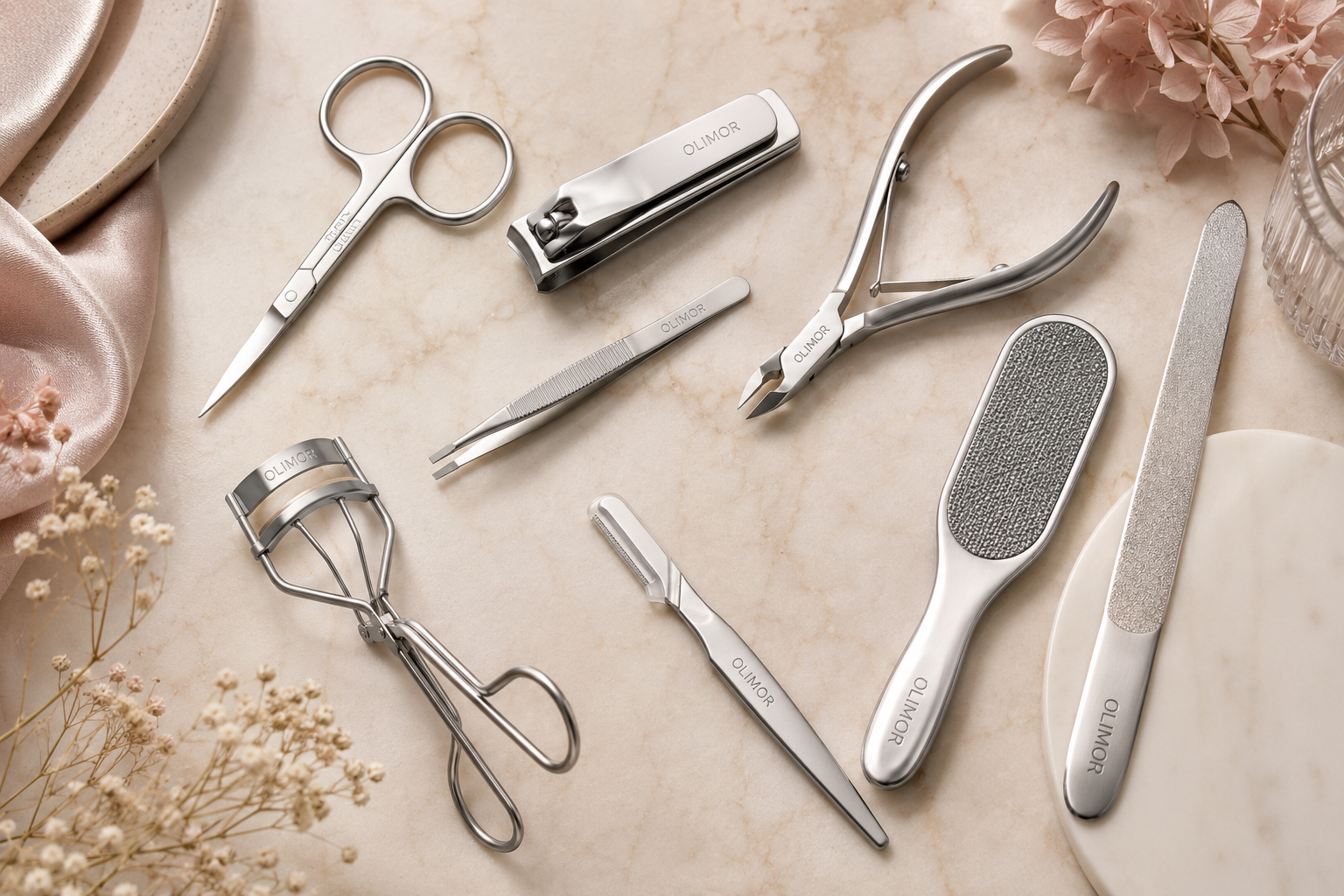
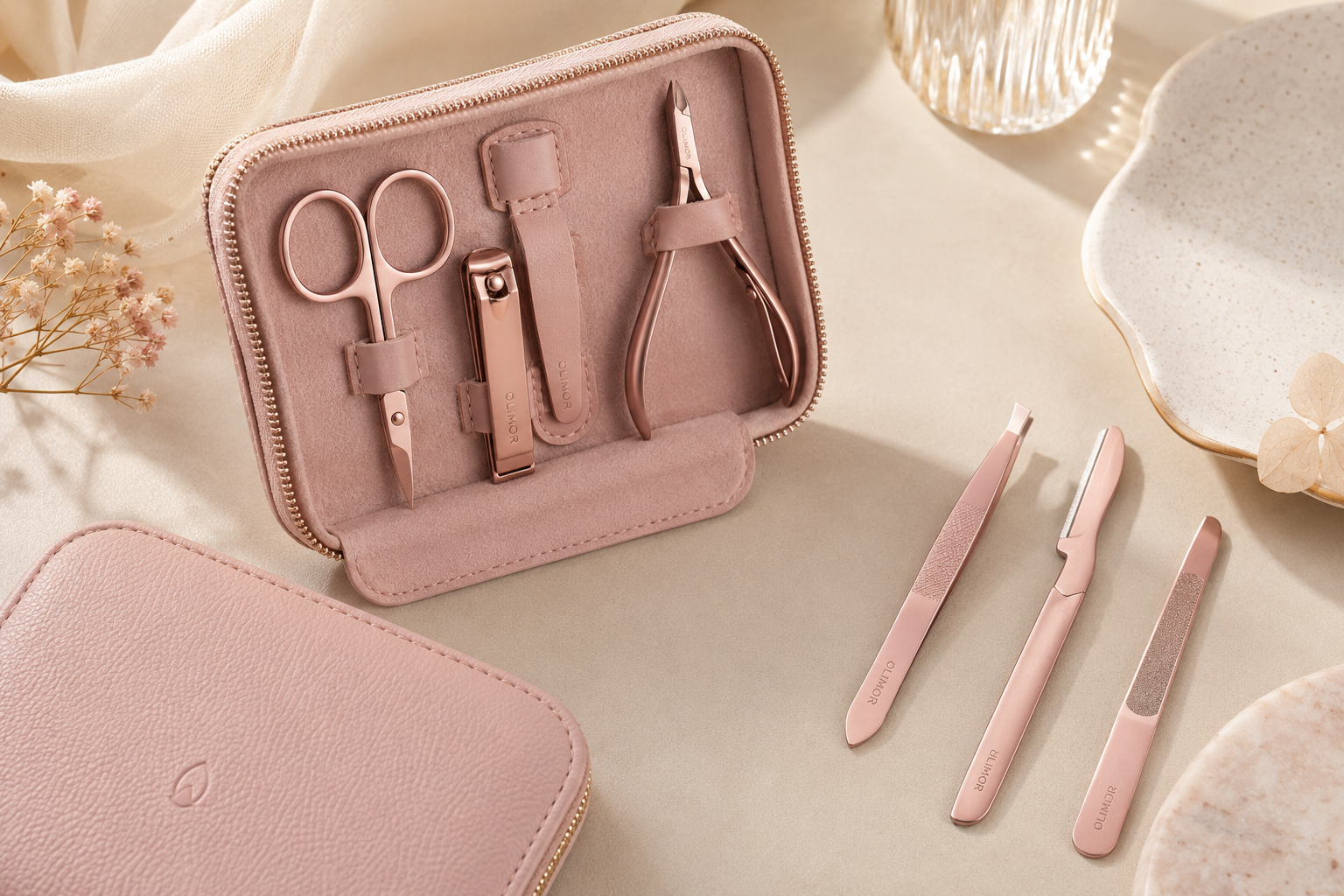
For wholesale distribution, consistency matters. Retailers want units that look the same from carton to carton and fit predictable shelf or display requirements. For kits and gift sets, the clipper may need to coordinate with other beauty tools. You can browse broader beauty tool products to consider how nail clippers may sit alongside tweezers, scissors, manicure tools, or other personal care accessories.
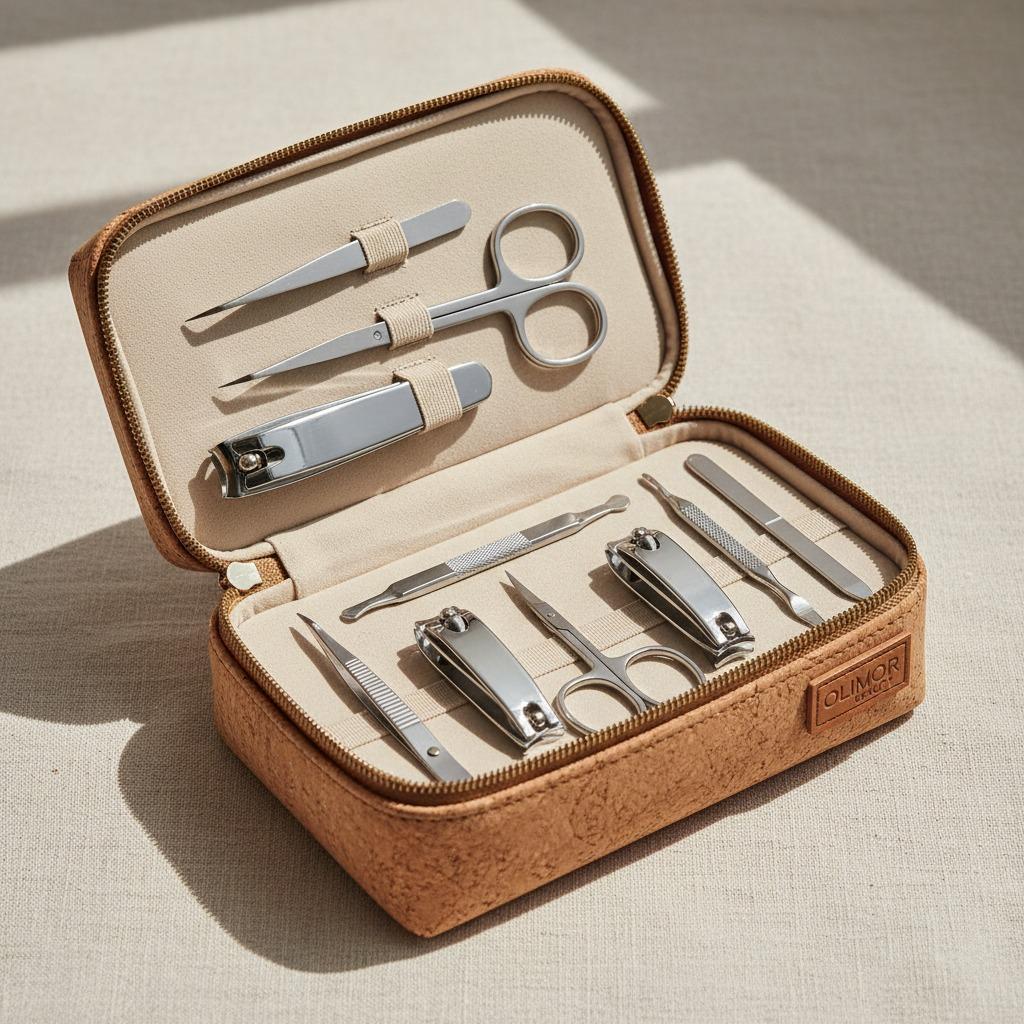
If you are building an assortment rather than buying a single item, review Olimor Beauty’s product collections to plan a more coherent grooming range. A nail clipper often performs best when it is part of a useful set, such as a travel grooming kit, nail care kit, or everyday personal care selection.
OEM and Customization Considerations
Low MOQ nail clipper sourcing is particularly useful for OEM and private label projects. Customization may include logo application, packaging design direction, or specific visual details that help the product align with your brand. The important point is to keep customization practical. A nail clipper has limited surface area, and the best branding is usually clear, durable, and appropriately positioned.
Before finalizing a customized nail clipper, prepare the details that affect production and approval. These may include logo artwork, preferred placement, packaging format, barcode or label needs, language requirements, and any market-specific compliance information relevant to your sales region. When those details are organized early, the sample review process is easier and the chance of avoidable revisions is reduced.
It is also wise to compare the role of the clipper in your full product plan. If the clipper is a standalone retail item, packaging must communicate value quickly. If it is part of a kit, packaging may need to prioritize fit, protection, and a consistent brand appearance. If it is a promotional item, simple branding and dependable function may matter more than complex decorative features.
For buyers who need help narrowing the right approach, you can contact Olimor with your intended use, channel, and customization direction. If you already have an order concept, you can also send an inquiry with your preferred quantity range, packaging needs, and branding files.
How to Reduce Risk When Placing a Low MOQ Order
A smaller order reduces inventory risk, but it does not remove the need for a structured purchasing process. The most successful low MOQ buyers treat the first order as a controlled validation stage. The product should be evaluated for function, packaging, customer response, and replenishment potential.
Use this practical sequence before scaling:
- Define the target customer. Decide whether the clipper is for daily home use, salon retail, travel kits, men’s grooming, general beauty retail, or wholesale distribution.
- Confirm the essential product features. For this type of nail clipper, focus on stainless steel construction, rust resistance, ergonomic grip, curved blades, and smooth lever operation.
- Review the sample carefully. Test cutting comfort, edge alignment, hand feel, and finish consistency rather than judging only appearance.
- Check packaging practicality. Make sure the packaging protects the clipper and supports your sales channel, whether retail display, ecommerce shipping, or kit assembly.
- Prepare branding files early. For OEM work, supply clean logo artwork and clear placement preferences to avoid delays.
- Track first-order feedback. Monitor customer comments, returns, repeat orders, and channel-specific performance before increasing order volume.
This approach helps buyers avoid two common mistakes: choosing only by lowest unit cost, or over-customizing before the market has confirmed demand. A simple, well-made stainless steel clipper with reliable cutting performance is often a stronger starting point than a complicated product that adds cost without improving user experience.
Maintenance Guidance to Support Better Customer Experience
Retailers and brand owners can improve product satisfaction by giving customers basic nail clipper care instructions. Stainless steel offers rust resistance, but any personal care tool benefits from proper storage and cleaning. Clear care guidance can be printed on packaging, included in product listings, or added to a grooming kit insert.
Useful customer care tips include wiping the clipper dry after use, storing it away from prolonged moisture, avoiding use on materials other than nails, and keeping the cutting edges clean. If the clipper is used for both fingernails and toenails, customers may prefer to clean it between uses for hygiene. These simple instructions help maintain the tool’s appearance and performance over time.
For ecommerce sellers, maintenance guidance also improves the quality of the product page. It answers practical questions before purchase and shows that the item has been considered as a real grooming tool, not just a commodity accessory.
Choosing Olimor Beauty for Low MOQ Nail Clipper Sourcing
Olimor Beauty’s low MOQ nail clipper offering is designed for buyers who need flexibility without ignoring quality. The product’s stainless steel construction, rust-resistant character, ergonomic handling, curved blades, and lever mechanism address the core expectations of everyday nail grooming. For businesses, the low MOQ structure supports market testing, private label development, and replenishment planning with less upfront inventory pressure.
The right nail clipper should be easy to understand, easy to use, and dependable enough to represent your brand. By focusing on material quality, blade performance, grip comfort, packaging, and customization readiness, you can make a sourcing decision that serves both your customers and your business model. Whether you are adding a single grooming essential or building a broader beauty tool range, a carefully selected low MOQ nail clipper can be a practical starting point for long-term product growth.