Buying grooming tools in bulk is a practical sourcing decision, not just a search for the lowest unit price. For salons, spas, beauty retailers, nail studios, gift suppliers and private-label buyers, the tools you choose affect service consistency, hygiene routines, retail presentation and customer trust. A clipper that feels rough, scissors that open unevenly or a cuticle pusher with poor finishing can create problems far beyond the cost of one item.
The right approach is to define the use case first, then evaluate materials, edge performance, finishing, ergonomics, packaging, batch consistency and supplier communication. This guide explains how to compare bulk grooming tools, how to review samples, what customization can realistically add and how to discuss quality expectations with a supplier before production begins.
Olimor Beauty supports buyers sourcing professional grooming tools, manicure and pedicure implements and related beauty accessories for wholesale, salon, spa, retail and private-label programs. If you are still building your assortment, start by reviewing Olimor beauty tool products and then narrow the list according to your channel, customer and packaging needs.
Start With the Exact Use Case
A strong bulk purchase starts with the question: who will use these tools, and in what environment? A professional salon may prioritize durability, comfortable handling and easy sanitation because tools are used repeatedly throughout the day. A spa may need smooth finishing and a calm, premium presentation. A retailer may focus on complete sets, shelf appeal, clear product information and perceived gift value. A travel or promotional kit may need compact tools, secure storage and simple user identification.
A vague request such as “nail clippers” or “beauty scissors” leaves too much room for mismatch. A better request identifies the tool type, user, setting and packaging expectation. For example, specify whether nail clippers are intended for fingernails, toenails, travel kits, salon stations or retail gift sets. For scissors, define whether the priority is precision trimming, eyebrow grooming or general beauty use.
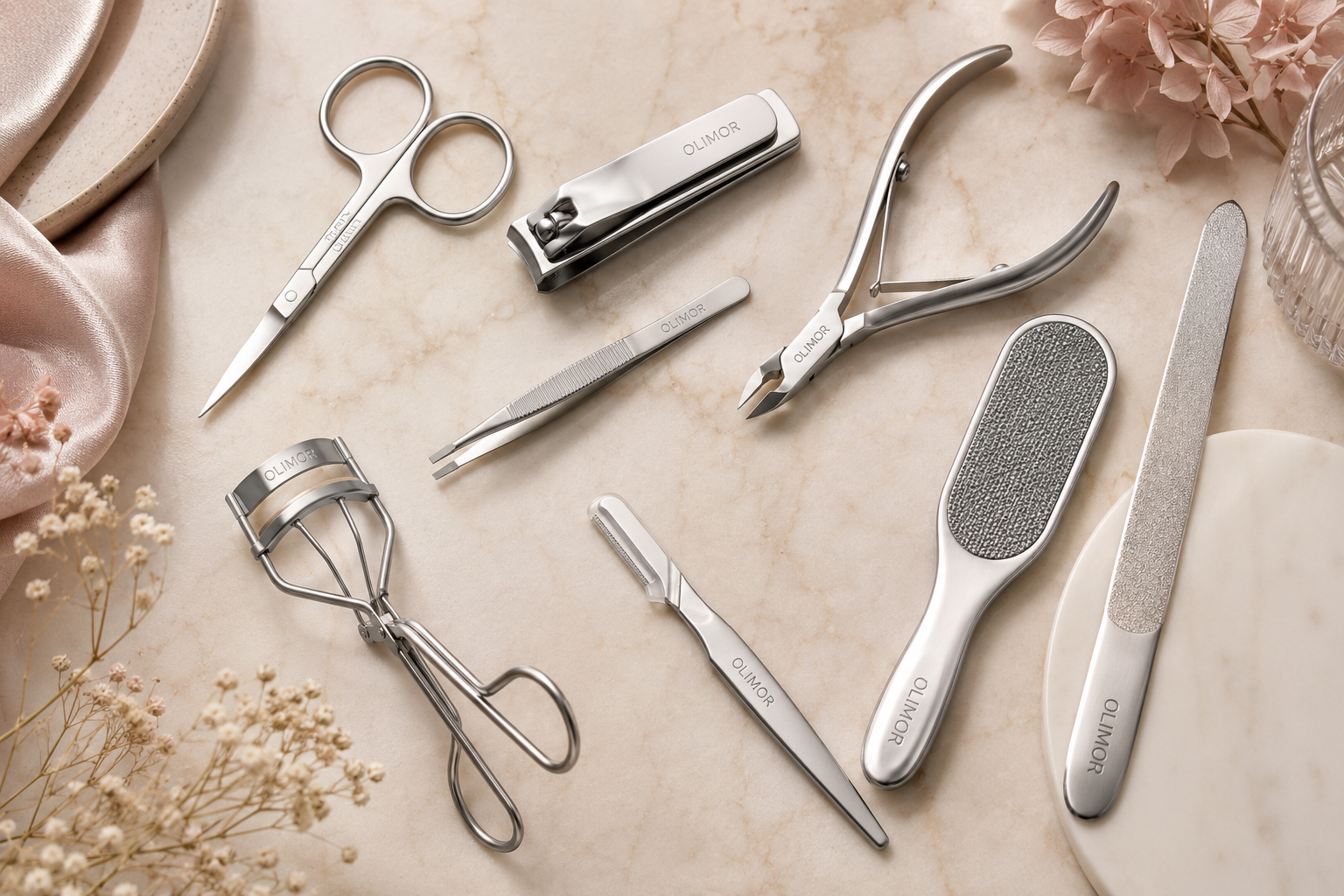
Common grooming tool categories
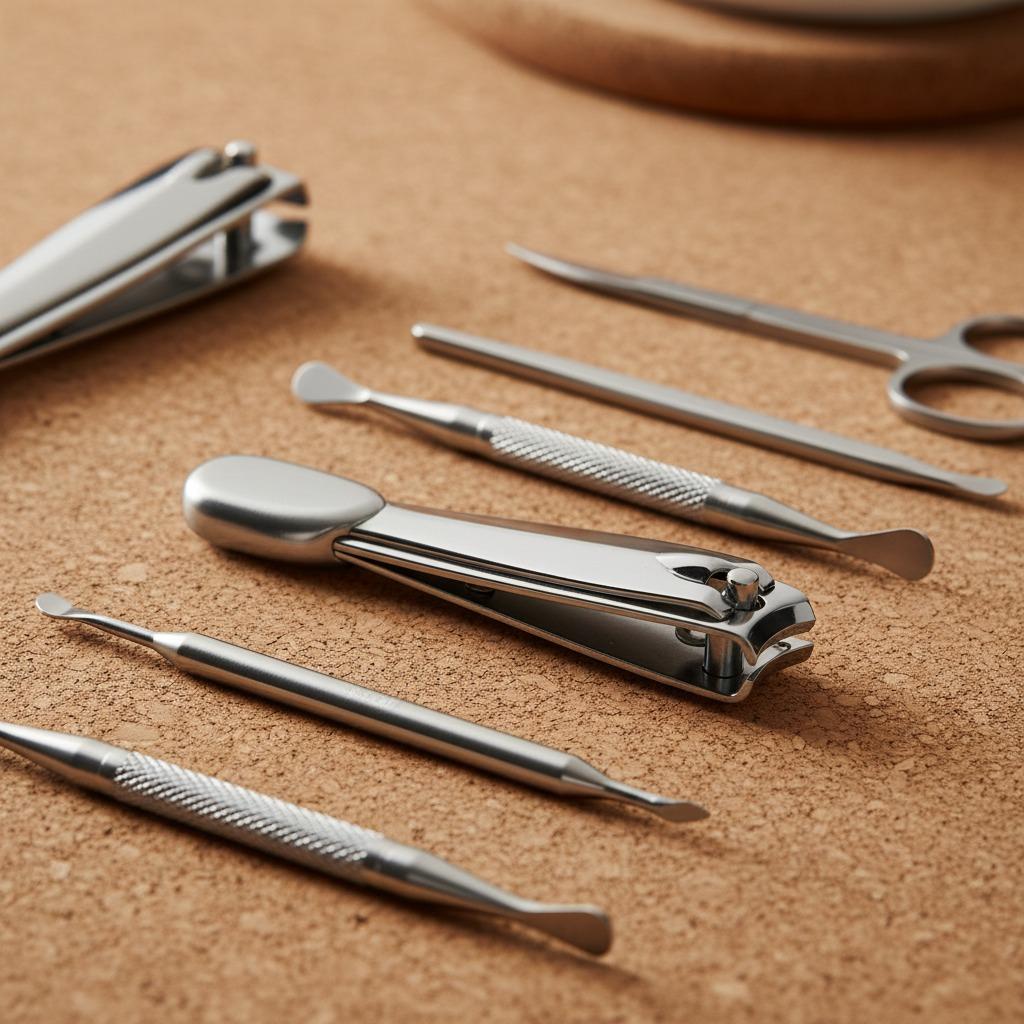
- Nail clippers: Fingernail, toenail, travel and kit-based options should be selected according to user comfort and cutting need.
- Cuticle pushers and manicure implements: Working edges should be effective without feeling harsh or poorly finished.
- Scissors: Buyers should evaluate blade alignment, opening and closing action, tip control and intended trimming purpose.
- Tweezers: Tips should meet evenly and feel controlled in the hand.
- Nail files and abrasive tools: Texture should suit the intended user and feel consistent across pieces.
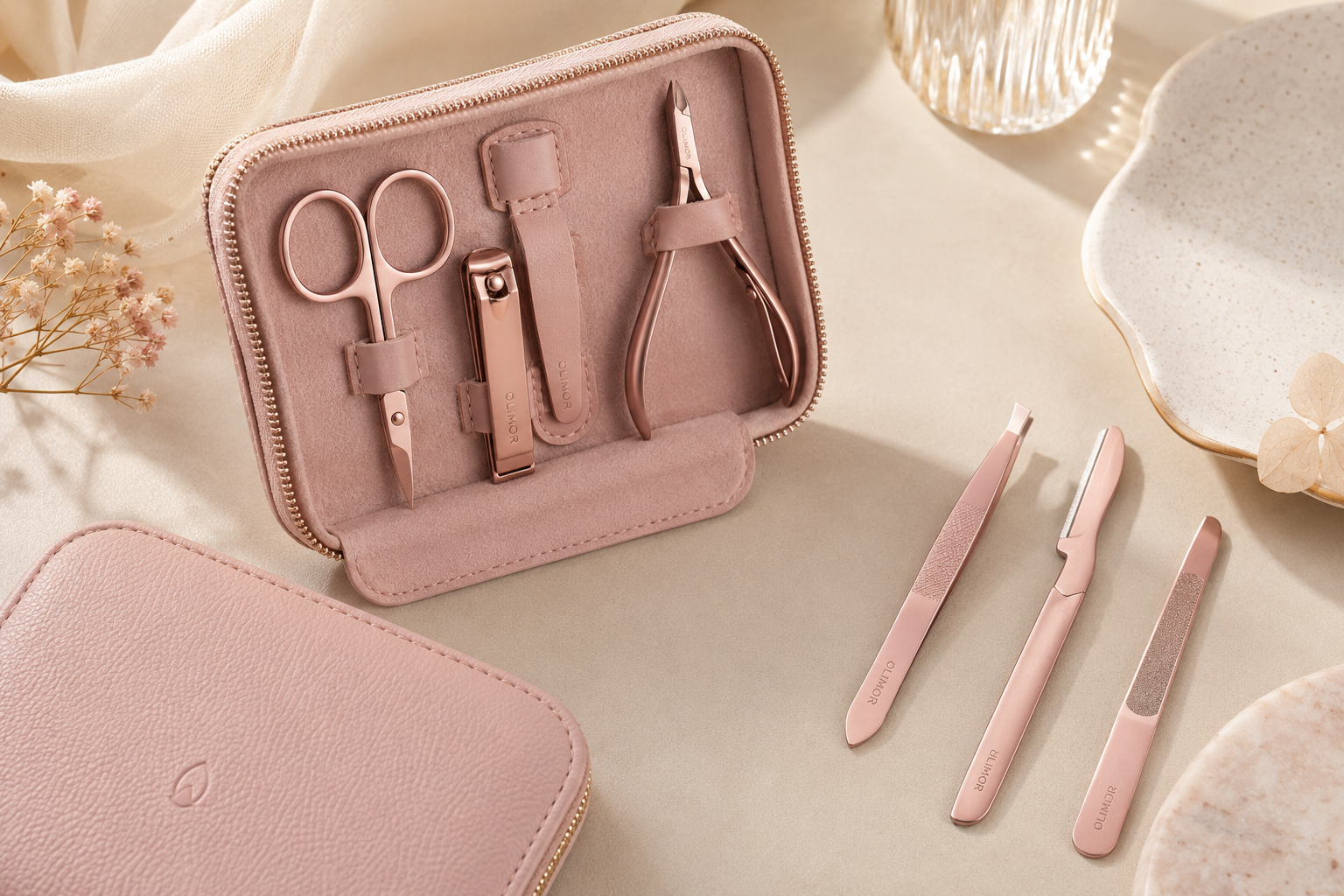
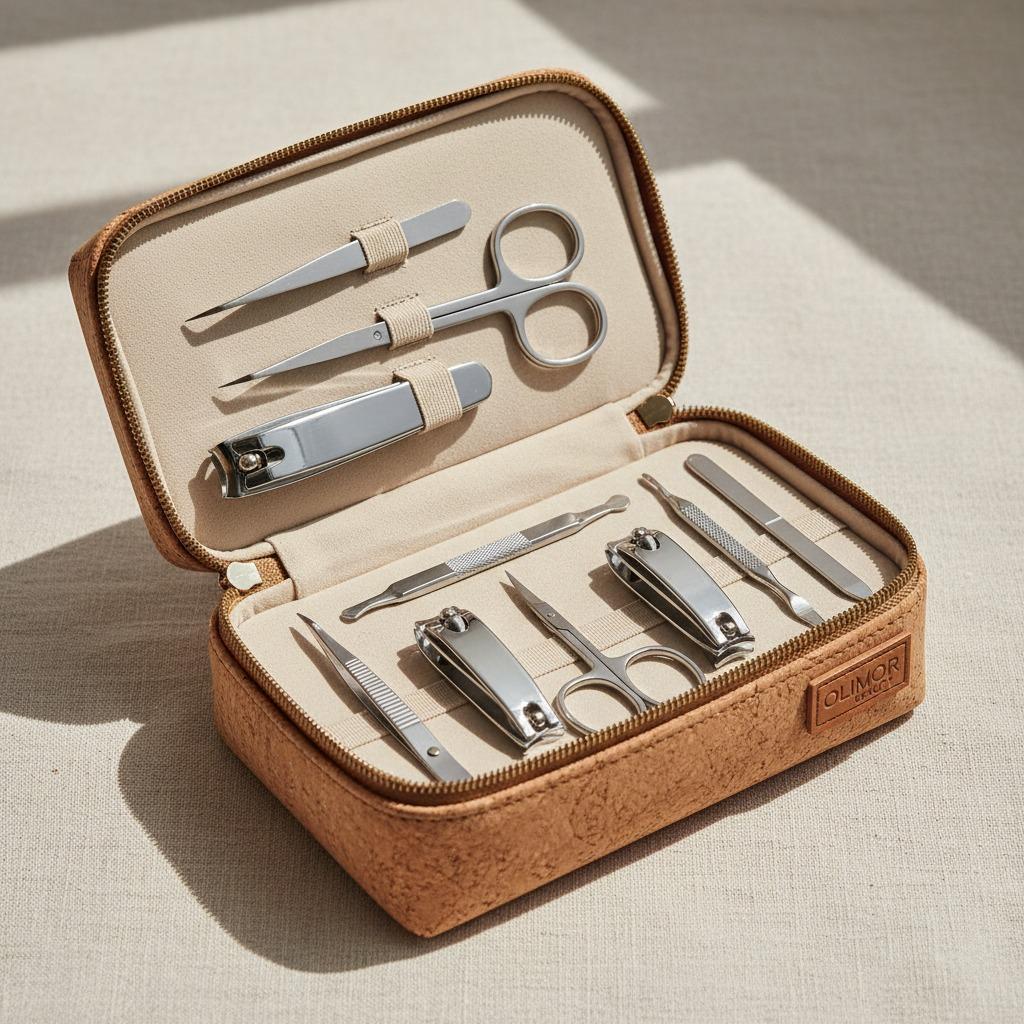
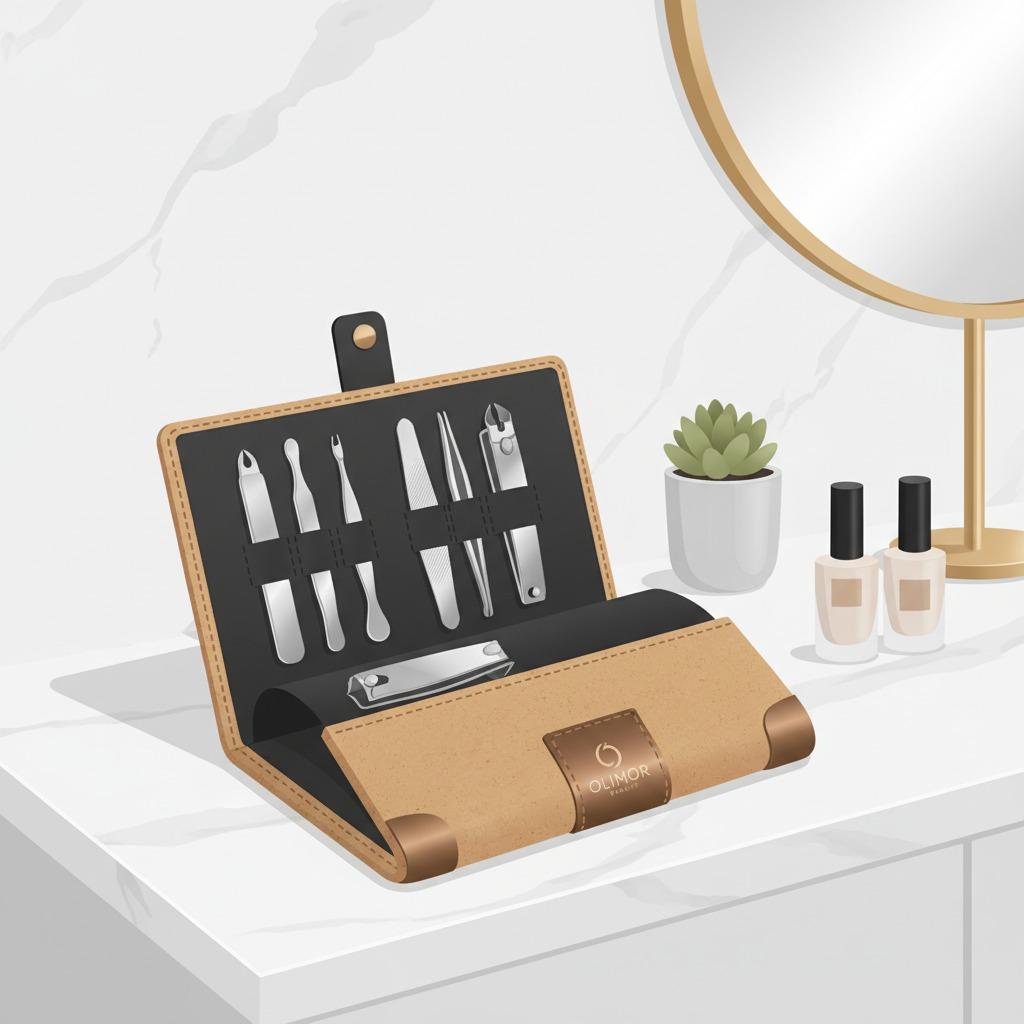
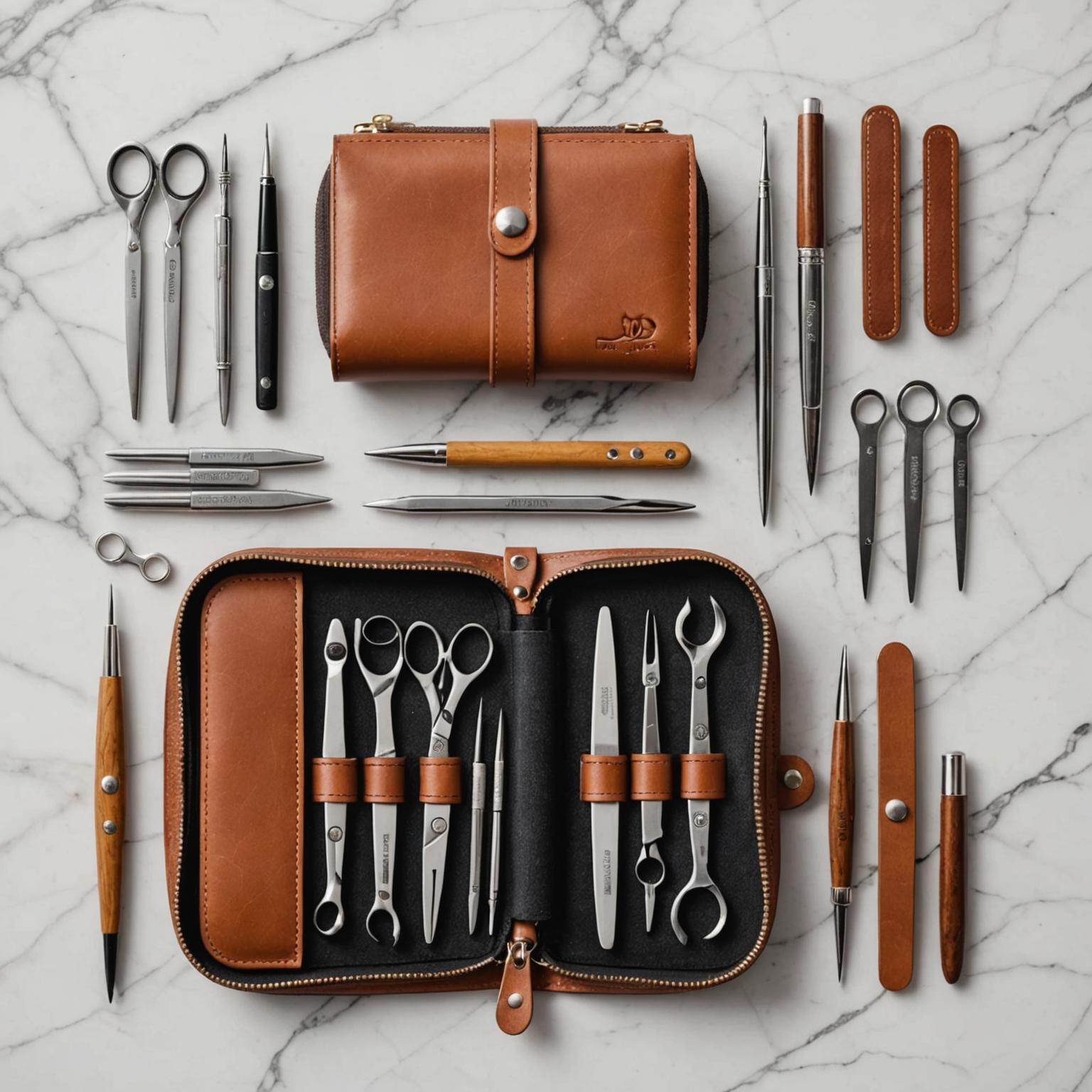
- Complete manicure or pedicure sets: Tool mix, case structure, product visibility and packaging should match the sales channel.
Defining the mix early helps prevent overbuying tools that do not match your service menu, retail price position or end-user expectations.
Evaluate Materials, Finish and Handling
Grooming tools are small, but they should not be treated as simple accessories. A product may look acceptable in a catalog image yet perform poorly if the edge is uneven, the surface is rough or the handle shape causes discomfort. For many professional and retail buyers, stainless steel is often preferred because it is associated with durability, cleanability and a professional appearance. However, buyers should still review the specific construction and finish rather than relying on a general material description alone.
Focus on the working area of each tool. Clippers should cut cleanly without requiring excessive force or leaving ragged nail edges. Scissors should open and close smoothly without looseness or stiffness. Tweezers should meet accurately at the tip. Cuticle pushers should have usable edges with no rough non-functional areas. Files and abrasive tools should feel appropriate for their intended use and should not vary noticeably from piece to piece.
Ergonomics also matter. A tool used occasionally at home has different demands from one used all day by a nail technician. Weight, grip area, pressure points and control all influence satisfaction. When comparing samples, test them with the motions the final user will actually perform instead of only inspecting them on a desk.
Bulk Grooming Tool Quality Checklist
When buying in bulk, consistency matters as much as the quality of a single sample. One polished sample cannot prove that a full shipment will meet your expectations. Buyers should inspect multiple pieces, separate cosmetic and functional issues and define acceptance expectations before production or shipment discussions become urgent.
| Evaluation area | What to check | Why it matters |
|---|---|---|
| Cutting or trimming performance | Clippers and scissors should cut cleanly without excessive pressure. | Poor performance affects salon service quality and end-user confidence. |
| Alignment | Blades, jaws and tweezer tips should meet accurately. | Misalignment is a common reason tools feel cheap or unreliable. |
| Surface finish | Look for burrs, scratches, uneven polishing, tool marks or sharp non-working edges. | Rough finishing affects comfort, presentation and perceived hygiene. |
| Operation | Hinges, springs and moving parts should open and close smoothly. | Loose or stiff movement reduces control and may increase user fatigue. |
| Hand feel | Review balance, grip area, weight and pressure points during realistic use. | Comfort is especially important for professional users handling tools repeatedly. |
| Cleaning practicality | Consider whether surfaces and shapes are easy to wipe, sanitize and store. | Salons and spas need tools that fit daily hygiene routines. |
| Packaging consistency | Check set layout, labeling, inserts, cases and protection during handling. | Retail buyers and private-label brands need repeatable presentation. |
For formal inspection planning, some buyers use sampling frameworks such as ISO 2859-1 for acceptance sampling. This is not a product certification and should not be treated as proof of quality by itself. Buyers should verify the applicable version, agree on inspection criteria with the supplier and request documentation that matches the order requirements. Hygiene and sanitation requirements may also be influenced by local public health rules, so salons and spas should confirm the regulations that apply in their market.
How to Compare Grooming Tool Suppliers
Many businesses search for a beauty tools supplier in China because China has a broad manufacturing base for beauty accessories, manicure implements and grooming tool sets. Location can be relevant, but it should not be the only selection factor. A supplier should be evaluated on product understanding, communication, sample discipline, customization support and the ability to maintain consistent presentation across repeat orders.
A low unit price has limited value if products arrive with inconsistent finishing, unclear packaging, incomplete tool combinations or specifications that do not match the purchase order. Structured supplier comparison helps your team avoid emotional decisions based on a single attractive sample or a quick discount.
Supplier evaluation questions
- Can the supplier provide samples that represent normal production quality rather than only a hand-selected display piece?
- How are product details confirmed before production, including dimensions, finish, logo placement, tool mix and packaging layout?
- What inspection steps are used for appearance, function, assembly and packaging?
- Can the supplier support both standard grooming tool assortments and customized packaging projects?
- How are quality concerns documented and resolved if a shipment does not match the approved standard?
- Can the supplier communicate clearly about lead-time factors without making unsupported promises?
The best sourcing discussions are specific. “Best quality at best price” is too broad to compare fairly. A request that includes the user scenario, required tool mix, packaging style, sample expectations and inspection priorities gives both buyer and supplier a clearer starting point.
To explore available categories and assortment directions, visit the Olimor product collections page before preparing your final inquiry list.
Plan Customization Without Overcomplicating the Product
Customization can make a grooming tool line more distinctive, but it should support a business purpose. A beautiful case cannot compensate for a clipper that does not cut cleanly or scissors that feel uncomfortable. The most effective custom projects begin with a clear reason: retail differentiation, professional kit building, gift packaging, travel convenience or private-label brand consistency.
Practical customization may include logo application, selected tool combinations, branded packaging, travel cases, display-ready sets, giftable kit layouts and color or case direction where available. The right choices depend on how the customer will encounter the product. Will the kit be opened at a salon station? Displayed on a retail shelf? Sold as an aftercare item? Packed into a compact travel case? Each scenario changes the packaging and presentation priorities.
Information to prepare for a custom grooming tool project
- Tool list and intended use for each item.
- Target buyer, such as salon professional, spa guest, retail customer or traveler.
- Preferred finish direction and any handling requirements.
- Logo position, packaging structure and artwork needs.
- Set composition, case style or display requirements.
- Inspection focus, including functional, cosmetic and packaging concerns.
If artwork is involved, provide files in the format requested by the supplier and confirm placement with a layout or sample approval step when available. The fewer assumptions at the beginning, the smoother the bulk order becomes.
Check Samples Like a Professional Buyer
Samples should be tested, not simply photographed. A structured sample review gives you a more realistic understanding of how the tools may perform in daily use. Involve the people closest to the customer experience: nail technicians, spa managers, retail buyers, quality staff or merchandising teams.
For salon and spa programs, test how the tools feel after repeated handling. Open and close scissors several times. Try clippers on appropriate nail samples. Check whether tweezers grip evenly. Review whether cuticle tools feel controlled and properly finished. For retail sets, evaluate how the packaging communicates value, whether the tools are easy to identify and whether the set feels coherent rather than randomly assembled.
Do not approve a sample based only on the best-looking piece. Ask for several samples where possible and compare consistency. If the sample is acceptable with changes, record those changes clearly. Written notes, marked photos, approved layouts and agreed packaging details reduce the risk of confusion later.
Understand Cost Factors Without Chasing the Lowest Price
Bulk grooming tool cost is influenced by more than the tool name. Material choice, construction, finish quality, tool size, moving parts, case type, packaging complexity, logo application, inspection requirements and order structure can all affect the final quotation. A manicure set with a structured case and branded insert is not comparable to loose standard tools, even if the tool list looks similar.
When comparing quotations, ask whether the price reflects the same product details, packaging and quality expectations. Check whether the samples match the quoted specification. If one supplier is much cheaper, clarify what has changed: finish, tool thickness, case material, packaging protection, logo process or inspection scope. A lower price may be appropriate for a promotional kit, but it may not suit a professional salon program where tool feel and durability are central to customer experience.
A useful cost discussion does not require invented guarantees. It requires transparent specifications. Buyers should compare like with like and decide where performance, appearance or packaging genuinely matters to their channel.
Create Clear Order and Inspection Documentation
Before placing a bulk order, organize the final requirements into a clear specification. This protects both the buyer and supplier because it reduces reliance on memory or informal messages. Your documentation should include product names, tool functions, approved sample references, finish expectations, packaging layout, logo placement, labeling requirements and inspection priorities.
Separate defects into practical categories. Functional defects may include poor cutting, misalignment, loose hinges or parts that do not operate properly. Cosmetic defects may include visible scratches, burrs, uneven polishing or inconsistent surface appearance. Packaging defects may include incorrect set layout, damaged cases, missing labels or poor presentation. Separating these issues helps your team make consistent decisions during inspection.
For professional environments, sanitation practices should be aligned with applicable local rules and workplace procedures. Public bodies and local health departments may provide relevant guidance, but requirements vary by region and service type. Buyers should verify the current applicable rules in their market and ensure the selected tools can fit those routines.
When Olimor Is a Good Fit
Olimor Beauty is a practical option for buyers who need grooming and beauty tool sourcing support for salon, spa, wholesale, retail or private-label programs. The strongest projects usually begin with a clear tool list, target market, packaging direction and quality priorities. Olimor can then discuss suitable categories, sample expectations and customization paths without relying on vague claims.
If you already have a product brief, share your tool list, intended channel, packaging ideas and any inspection concerns through the Olimor bulk grooming tool inquiry page. If your project is still early, you can contact Olimor to discuss category selection and sourcing direction before finalizing a specification.
FAQ
Can I request samples before a bulk grooming tool order?
Yes. Samples are an important step for checking cutting performance, alignment, surface finish, hand feel, packaging and overall presentation. Buyers should confirm whether samples represent normal production quality and should document any required changes before moving forward.
Does Olimor provide fixed MOQ or lead-time information online?
MOQ and lead time depend on the tool type, customization level, packaging structure and order requirements. Olimor does not need to invent a single answer for every project. Buyers should submit the tool list and packaging expectations so the details can be discussed accurately.
What customization options should I consider for private-label grooming tools?
Common options may include logo application, selected tool combinations, branded packaging, case presentation and retail-ready set layouts where available. The best choices depend on whether the product is for salon use, retail shelves, gift sets, travel kits or promotional programs.
How should I check quality before approving shipment?
Review functional performance, alignment, finish, operation, hand feel and packaging consistency. Define cosmetic, functional and packaging defects separately. Buyers may also use recognized sampling methods such as ISO 2859-1 when appropriate, while verifying the current version and matching documentation to the order.