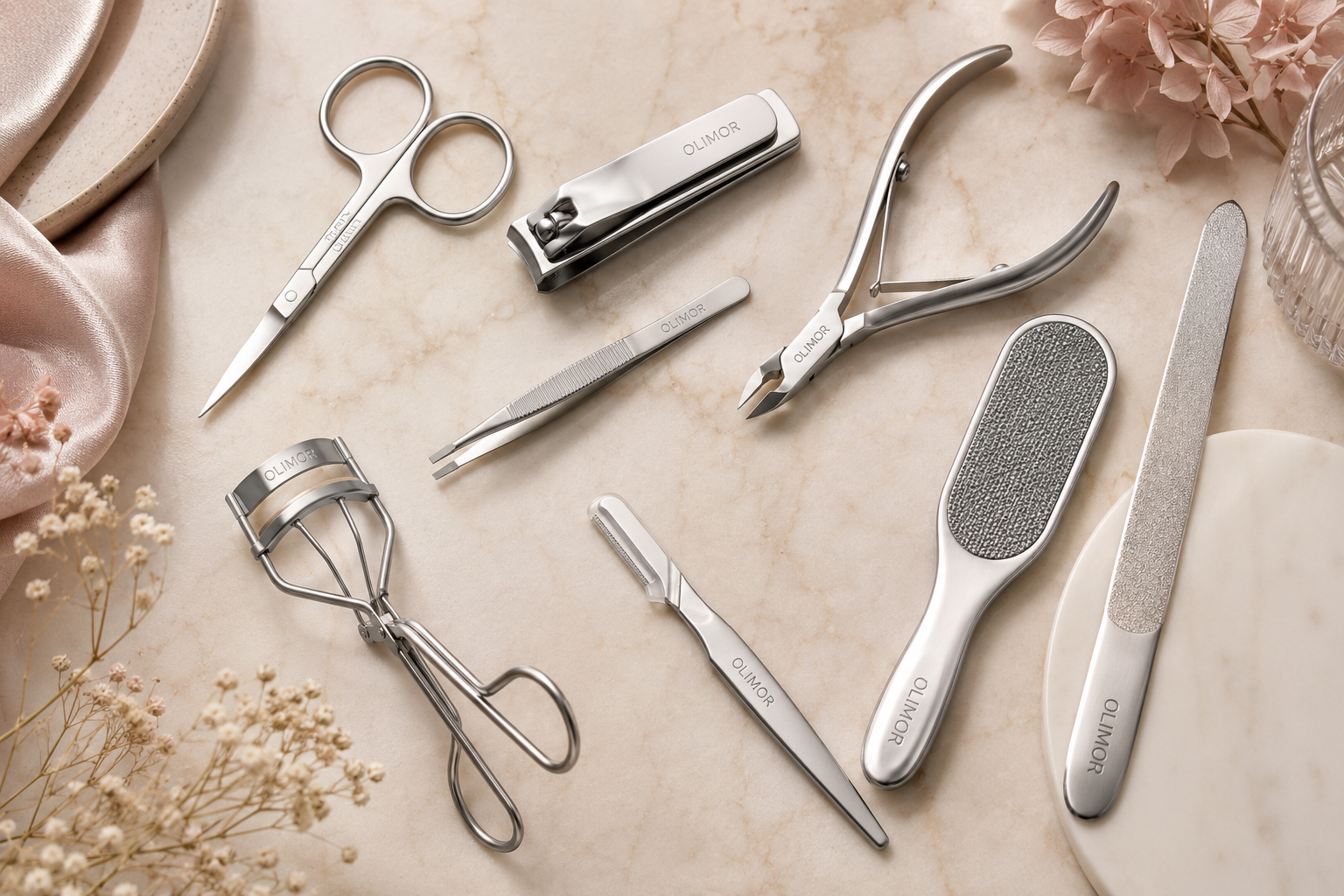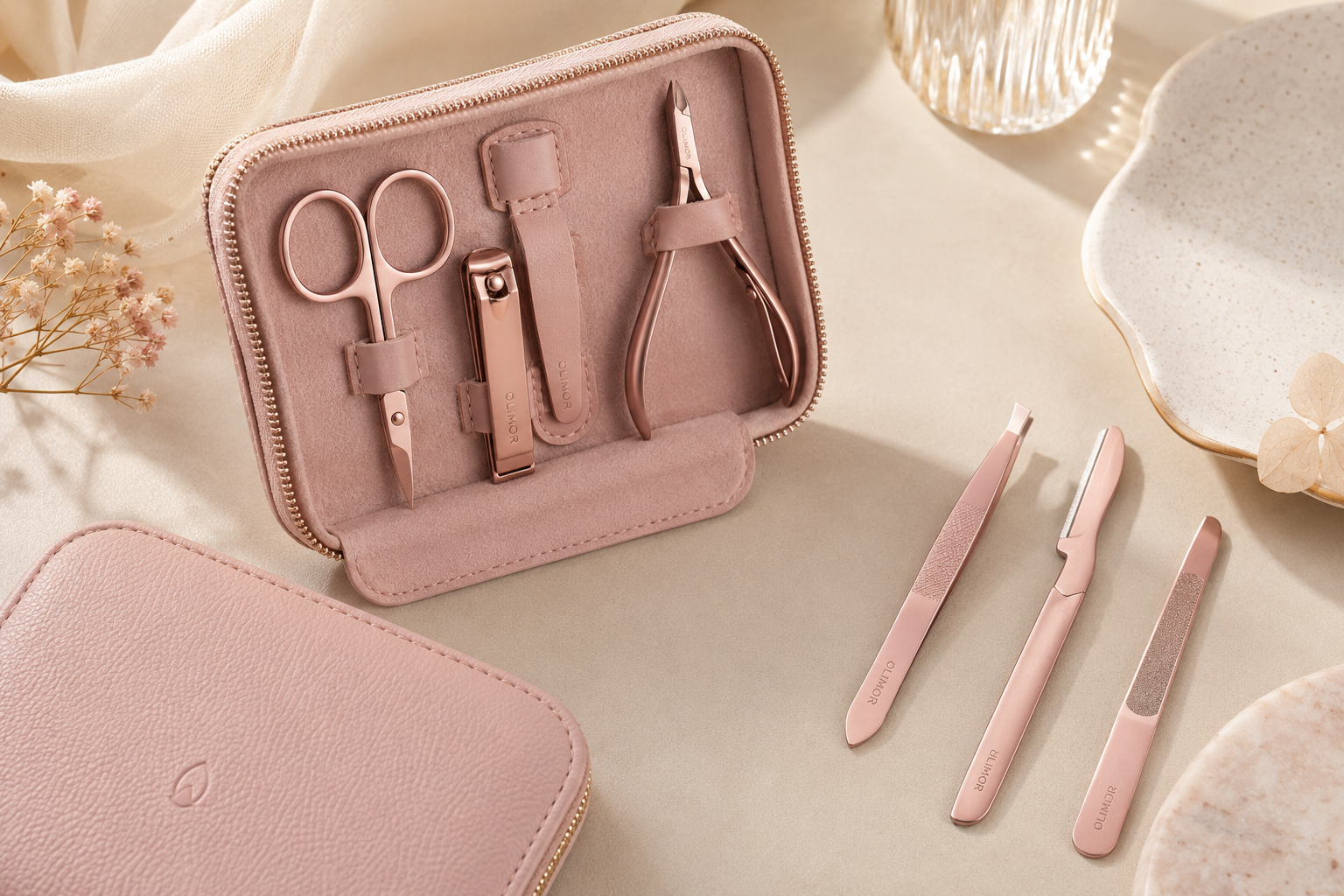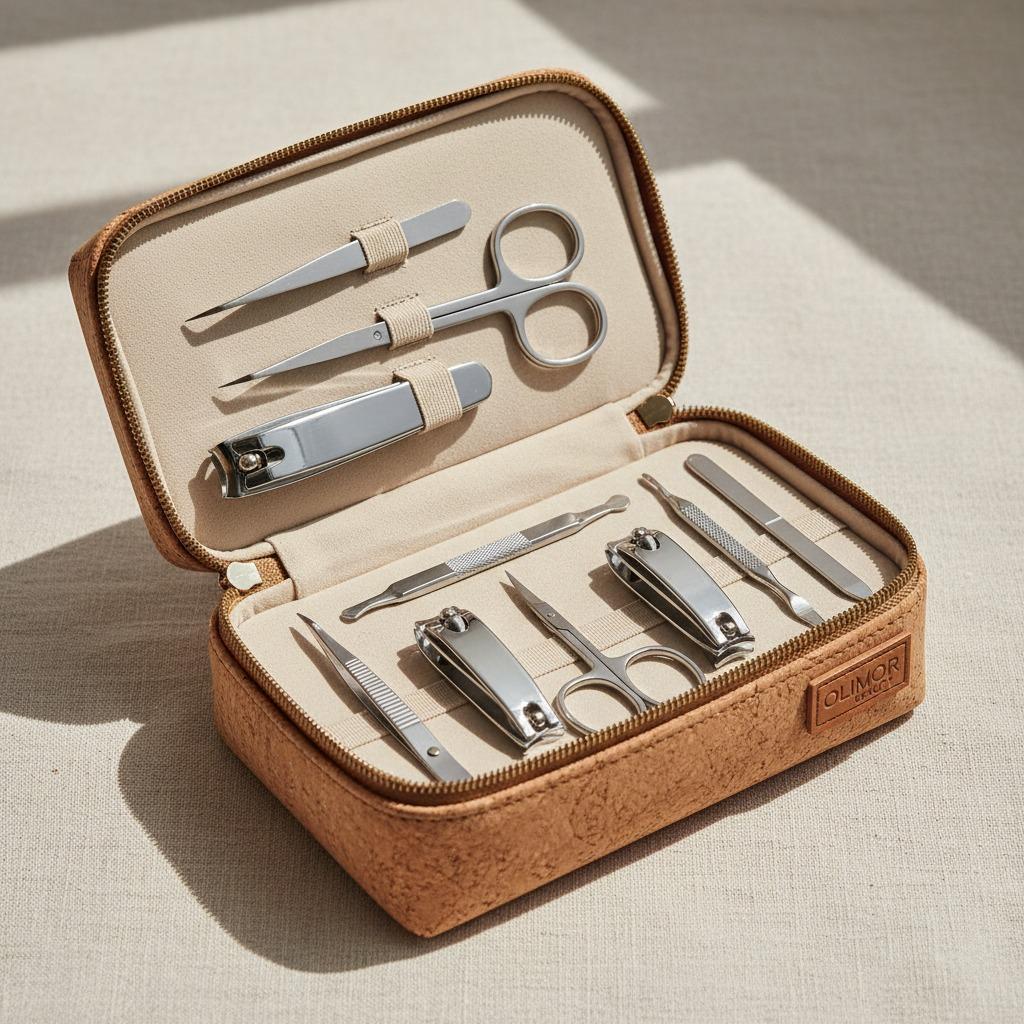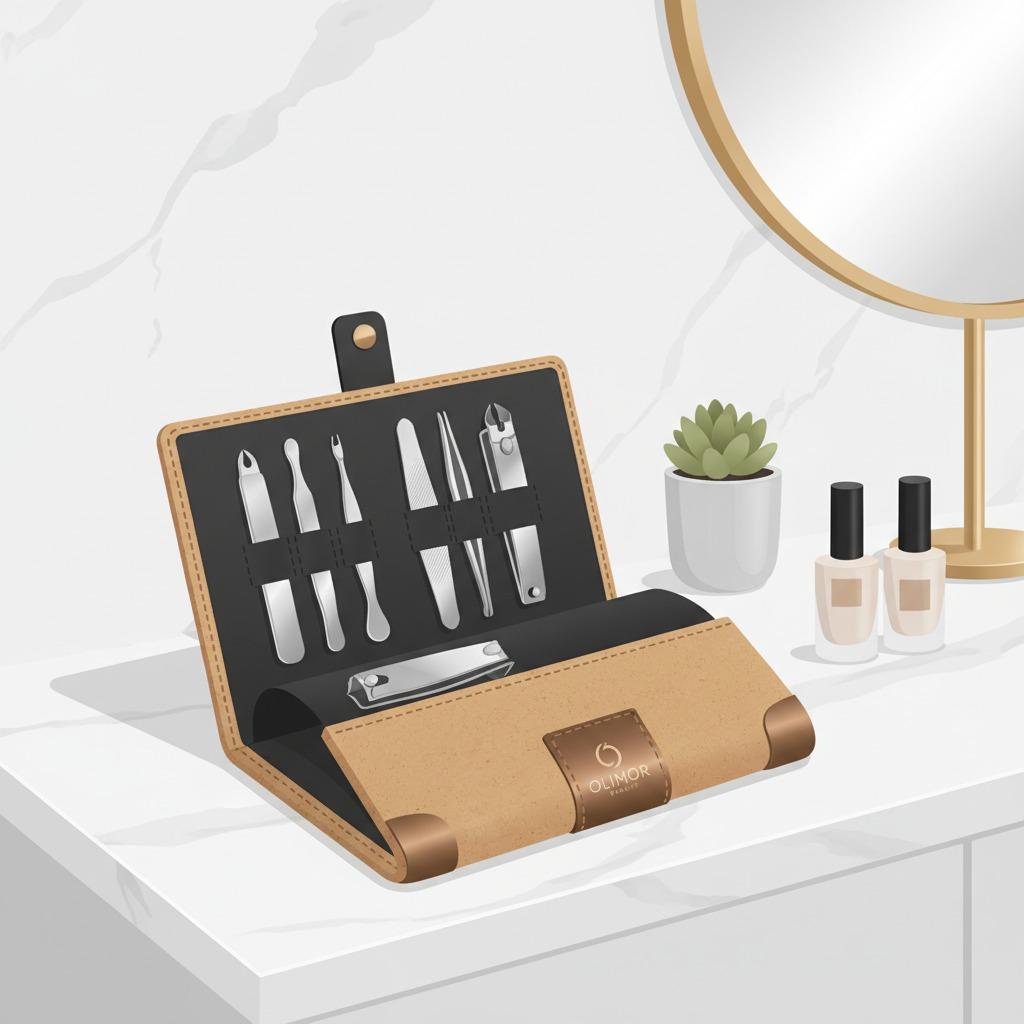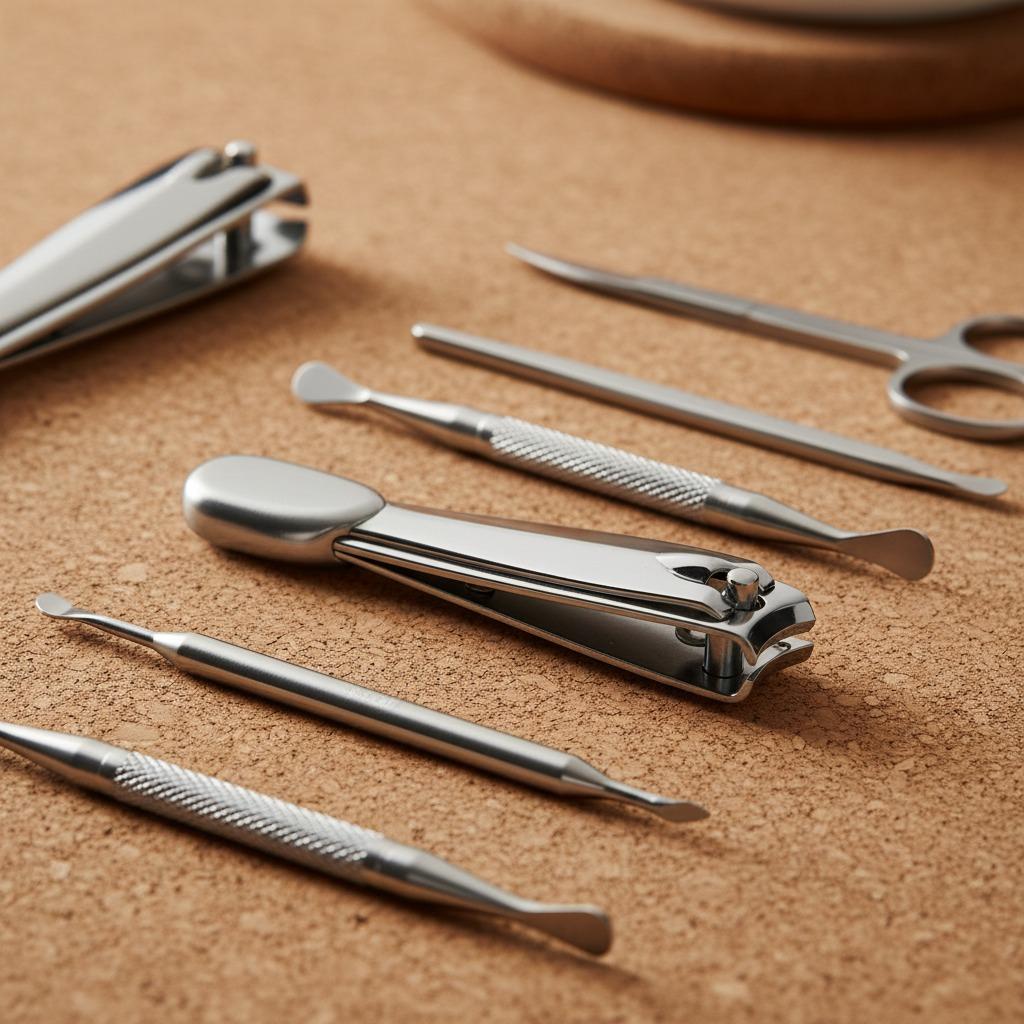

Bulk beauty scissors are small tools, but they influence how a salon station, hotel amenity kit, retail grooming set or promotional care package is perceived. The right pair should feel stable in the hand, cut with control, arrive with consistent finishing and fit the packaging plan without creating storage or presentation problems.
For B2B buyers, the goal is not simply to find the lowest unit cost. A better sourcing decision balances material, tip design, comfort, inspection requirements, packaging compatibility and reorder reliability. Olimor Beauty supplies beauty tools for commercial buyers who need practical grooming items in repeatable quantities. If you are comparing beauty scissors with other items in a grooming range, review the wider Olimor beauty tool products to plan a consistent assortment.
Who Should Buy Beauty Scissors in Bulk?
Bulk purchasing is useful when scissors are used repeatedly across multiple workstations, distributed in amenity kits or sold as part of a broader personal care category. The common requirement is consistency: one sample may look acceptable, but a commercial order must maintain the same handling, finish and packaging standard across cartons.
- Salons, spas and barbershops: Compact beauty scissors can support brow trimming, facial hair touch-ups, manicure-area tasks, staff grooming stations, reception retail displays and backup tool supply.
- Hotels and resorts: Beauty scissors may be included in vanity kits, long-stay guest packs, executive room amenities, spa guest kits or front-desk support items.
- Retail kit planners: Scissors can complement tweezers, nail files, combs, shaving accessories and other compact grooming tools in curated sets.
- Promotional and subscription-box buyers: A practical scissor can add daily-use value to a personal care set when it is safely packed and visually consistent with the rest of the kit.
- B2B distributors: Beauty scissors can be included in starter kits, travel grooming kits, private procurement programs and wholesale beauty supply assortments.
Before choosing a supplier, define the end user. A trained salon professional, a hotel guest and a retail consumer do not judge the same tool in the same way. The expected user affects preferred size, tip style, handle comfort, storage method and packaging format.
Core Product Details to Evaluate
Olimor Beauty scissors referenced for bulk grooming programs are described with stainless steel construction, compact sizing, ergonomic handling and safety-focused tip details. The supplied product information includes a compact total length of 111mm and a handle span of 53mm for precision detail scissors. These specifications are useful when buyers need to confirm whether the scissors fit a pouch, box, amenity tray or multi-piece grooming kit.
Stainless Steel Construction
Stainless steel is widely chosen for grooming tools because it supports a clean appearance, routine care and everyday durability. For bulk buying, however, the material description is only the starting point. Buyers should also assess surface finish, edge presentation, opening and closing feel, and whether the tool arrives free from visible burrs or rough areas.
Compact Size and Packaging Fit
A 111mm total length can be practical for travel pouches, hotel amenity kits, drawer organizers and retail grooming sets. Even when the size appears compact, buyers should still test the actual packaging layout. Scissors should not puncture pouches, damage nearby items or move around so much that the polished finish becomes scratched during transport.
Handle Span and Ergonomic Feel
The supplied 53mm handle span is designed for controlled handling in small trimming tasks. Bulk buyers should still evaluate hand comfort with the intended user group. Staff who use scissors repeatedly may notice sharp handle edges, awkward finger loops or poor balance more quickly than a purchasing team reviewing only photos.
Tip Design and Safety End Tips
Tip design should match the application. A refined tip can help with precise trimming around delicate areas such as facial hair, brows or small grooming details. Safety end tips or rounded-tip designs can be useful where the scissors may be handled by hotel guests, home users or customers who are not trained professionals. Rounded tips reduce exposed point contact during ordinary handling, but buyers should still evaluate whether the tool is suitable for the intended task and user environment.
How to Match Beauty Scissors to the Use Case
The most useful purchasing question is not which scissors look best, but which scissors remain appropriate after repeated handling, storage and everyday use. A hotel amenity program, a salon supply list and a retail grooming kit each require a different balance of safety, precision, appearance and packaging.
| Buyer Type | Primary Need | What to Check Before Ordering | Best-Fit Considerations |
|---|---|---|---|
| Salon or spa | Comfortable daily handling and controlled trimming | Grip comfort, blade alignment, smooth movement and storage method | Useful for brow stations, manicure areas, facial hair touch-ups and staff supply kits |
| Hotel or resort | Guest-safe presentation and compact packing | Tip suitability, pouch fit, finish consistency and inventory handling | Rounded or safety-focused ends may be preferred for guest amenity programs |
| Retail kit planner | Visual consistency and repeatable packaging | Surface appearance, barcode or labeling needs, and fit with related tools | Scissors should complement tweezers, nail tools, combs or shaving accessories |
| Promotional buyer | Practical value in a care set | Usability, safe packing and compatibility with other kit components | A compact scissor can make a grooming set feel more complete when safely protected |
| B2B distributor | Repeat supply and specification clarity | Carton organization, sample approval process and reorder consistency | Clear specifications reduce misunderstandings across wholesale programs |
Salon and Professional Grooming Applications
In salon environments, compact beauty scissors are not usually intended to replace specialized haircutting shears. They are better understood as practical detail tools for controlled trimming, kit assembly and workstation support. They may be placed at manicure stations, brow stations, reception retail displays, staff grooming areas or travel-service kits.
Professional buyers should test samples in realistic conditions. Staff can check whether the scissors cut fine material cleanly, whether the hinge feels stable through repeated open-close cycles and whether the handle remains comfortable during repeated use. A pair that looks acceptable in a catalog may be avoided by staff if it feels loose, stiff or awkward.
Storage also matters. Scissors kept loose in drawers can become scratched or dull more quickly. Simple sleeves, divided trays or kit pouches can help protect the finish and reduce the chance of mixing older and newer stock. If a salon group is building a standardized supply list, reviewing related Olimor product collections can help keep grooming stations and retail add-ons visually consistent.
Hotel Amenity and Guest Kit Considerations
For hospitality buyers, beauty scissors are part of the guest experience rather than a back-of-house tool. A guest may use them for a loose thread, light grooming need or travel care. The scissors should therefore feel intuitive, clean and appropriately packaged.
Hotel amenity scissors are often packed with other personal care items. Buyers should confirm that the scissors do not puncture pouches, scratch nearby products or create an untidy presentation. If the item is included in a premium amenity set, a polished stainless steel look may fit better than a tool with rough finishing or inconsistent surface appearance.
Different distribution methods create different requirements. Scissors placed in an in-room amenity pouch may need individual protection. Scissors offered by request at the front desk may require simple inventory control and clean storage. Scissors used in spa changing-room kits may require clear handling procedures. In all cases, guest safety, presentation and practical restocking should guide the decision.
Sample Evaluation Before a Bulk Order
A structured sample review helps prevent problems that become expensive after production or distribution. Instead of checking one pair casually, create a short scoring sheet and ask several users to test the scissors. This is especially important when the order will be used across multiple locations, packed into retail kits or distributed to hotel guests.
- Check blade alignment: The blades should meet cleanly without obvious gaps, crossing issues or snagging.
- Test opening and closing feel: Movement should feel controlled, not overly loose, rattling, stiff or uneven.
- Inspect tip finish: Safety end tips should feel smooth to the touch and suitable for the intended use environment.
- Review surface finish: Stainless steel surfaces should look clean and free from visible burrs, rough edges or inconsistent polishing.
- Assess handle comfort: Finger openings and handle edges should not feel sharp or uncomfortable during repeated handling.
- Confirm packaging fit: Place the scissors into the final pouch, box, blister card or amenity layout to check movement and presentation.
- Compare several pieces: Sample more than one pair so the team can judge consistency rather than only a single best-looking item.
For larger B2B orders, inspection criteria should be communicated clearly before production or shipment. Avoid vague terms such as premium feel unless they are supported by visible, testable checks. Written specifications, photos, approved samples and packaging layouts make supplier communication more precise.
Quality Inspection and Supplier Evaluation
Bulk beauty scissors should be evaluated at both product and supplier level. Product checks confirm whether the scissors are usable and presentable. Supplier checks confirm whether the order can be repeated with consistent specifications, packaging and communication.
Practical Inspection Points
- Blade meeting point: Blades should close evenly enough for clean trimming and should not pull fine hair or thread during normal use.
- Edge and tip safety: The tool should not have obvious sharp burrs on handles, finger holes or safety end tips.
- Hinge stability: The scissors should open and close smoothly without a loose, rattling feel.
- Finish consistency: Polished surfaces should look orderly across multiple pieces, especially for hotel and retail programs.
- Packaging protection: Scissors should be protected from scratching and should remain organized for easy distribution into kits or rooms.
- Carton-level consistency: Buyers should inspect more than one unit and more than one carton when the order size justifies it.
Some buyers use public sampling frameworks such as ISO 2859-1 for acceptance sampling plans. This can be helpful for structuring inspection discussions, but buyers should verify the applicable version, choose an appropriate inspection plan for their own risk level and request relevant supplier documentation. Mentioning a public standard does not replace product-specific approval, and it should not be treated as proof of certification unless valid documentation is provided.
Questions to Ask a Beauty Scissors Supplier
- Can the supplier provide samples for handling, packaging and appearance review?
- Are the material, size, tip design and packaging method clearly described before ordering?
- Can the scissors be packed to suit retail kits, hotel amenity sets or salon supply programs?
- What quality checks are used for blade alignment, surface finish, tip finish and packaging protection?
- How should buyers communicate customization, labeling or private program requirements?
- What information is needed to discuss order quantity, replenishment planning and lead time?
These questions help buyers compare suppliers without relying only on catalog images. They also create a clearer path for resolving issues before goods are packed into thousands of kits or distributed across multiple locations.
Cost Factors Without Reducing the Decision to Unit Price
Unit price matters in bulk sourcing, but it is only one part of total program cost. A cheaper scissor can become more expensive if it creates repacking work, guest complaints, staff avoidance, inconsistent presentation or higher replacement needs. Buyers should consider the full cost of using the product in the intended channel.
- Material and finish expectations: Stainless steel construction and clean polishing influence appearance, handling and perceived value.
- Tip design: Safety-focused ends, rounded tips or refined tips should match the user environment and may affect suitability for different channels.
- Packaging requirements: Individual sleeves, retail cards, pouches, kit insertion and carton organization can change handling cost.
- Inspection expectations: More detailed inspection requirements may require clearer sampling, approvals and communication.
- Customization: Private-label packaging, coordinated kits or special presentation needs should be discussed early rather than added after production planning.
- Reorder consistency: A stable specification helps purchasing teams replenish stock without re-approving the product every time.
For customized programs, it is useful to share the intended use case, target channel, packaging layout and any inspection concerns at the beginning of the discussion. Buyers can send Olimor an inquiry with project details so the conversation starts with practical requirements rather than broad assumptions.
Care, Handling and End-User Guidance
Even simple grooming tools benefit from clear handling guidance. For salon or staff-controlled use, scissors should be stored in a clean, dry place and protected from unnecessary impact. For kits and guest amenities, the packaging should keep the tool secure until use. Buyers should also consider whether basic instructions are needed, such as using the scissors only for small grooming tasks and keeping them dry after cleaning.
Care expectations should match the distribution channel. A professional salon may have its own sanitation and tool storage procedures. A hotel amenity kit may require sealed or protected presentation. A retail grooming kit may need consumer-facing instructions that are concise and easy to understand. When in doubt, align packaging and instructions with the actual user rather than copying a format from a different channel.
When to Contact Olimor
Olimor is a practical sourcing option for commercial buyers evaluating stainless steel beauty scissors for salons, hotels, retail grooming sets and B2B personal care programs. A useful request should include the target application, desired packaging format, expected user, any customization needs and the quality checks that matter most to your team.
If you are comparing scissors for a coordinated kit or need help discussing a commercial supply requirement, you can contact Olimor to review the project scope. Keep the request specific: mention whether the scissors are for guest amenities, salon stations, resale kits, promotional sets or wholesale distribution.
FAQ: Bulk Beauty Scissors for B2B Buyers
Can I request samples before placing a bulk order?
Yes. Sample review is recommended so buyers can check hand feel, blade alignment, tip finish, surface appearance and packaging fit before confirming a larger order.
Is there a fixed MOQ for beauty scissors?
MOQ can depend on the product specification, packaging requirements and customization needs. Buyers should share the intended use case and order plan so the supplier can respond with applicable details.
Can beauty scissors be customized for hotel, salon or retail kits?
Customization may involve packaging format, kit presentation, labeling or coordination with other grooming tools. Discuss these needs early because packaging and inspection requirements can affect the sourcing plan.
What quality checks should be requested?
Common checks include blade alignment, opening and closing feel, smooth safety end tips, clean stainless steel surface finish, handle comfort and secure packaging fit.
How should lead time be confirmed?
Lead time should be verified with the supplier based on order quantity, packaging, customization and approval steps. Buyers should avoid assuming timing until samples, specifications and documentation requirements are clear.